


























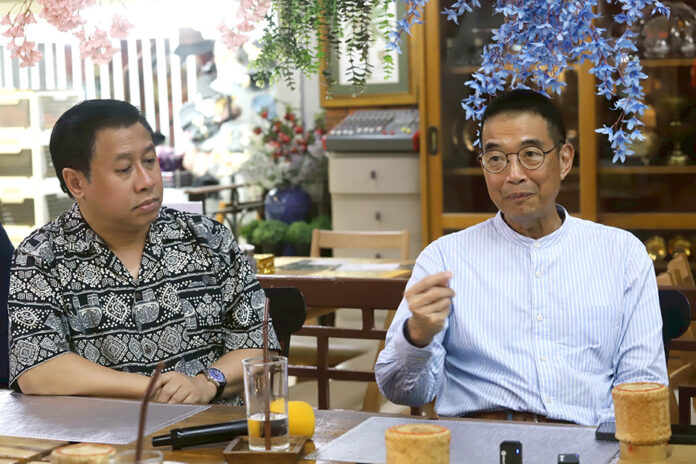
BANGKOK — Former Foreign Minister Maris Sangiampongsa has urged Thailand not to cancel the 2000/2001 Memoranda of Understanding (MOUs) with Cambodia, known as MOU 43-44, arguing that the agreements do not compromise Thai sovereignty but rather provide a crucial framework for bilateral negotiations.
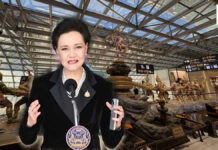
Speaking at a small panel discussion on October 13 at Krua Khun Ret restaurant in Bangkok, Maris joined former Prime Minister’s Office spokesman Chakraphop Penkair and legal analyst Veeraphat Pariyawong to address the rising nationalist sentiment surrounding Thailand’s border tensions with Cambodia.
MOUs Do Not Compromise Thai Territory
Maris firmly stated that the MOUs have caused no loss of Thai territory and have not altered sovereign boundaries, natural resource rights, or border demarcations.
“The maps being discussed are merely reference documents. Both sides have the right to propose materials for negotiation, but whether an agreement is reached depends on the Thai-Cambodian Joint Boundary Commission (JBC) and their negotiation strategy. Ultimately, any agreement must go through the House of Representatives. This matter does not damage Thailand at all,” he explained.
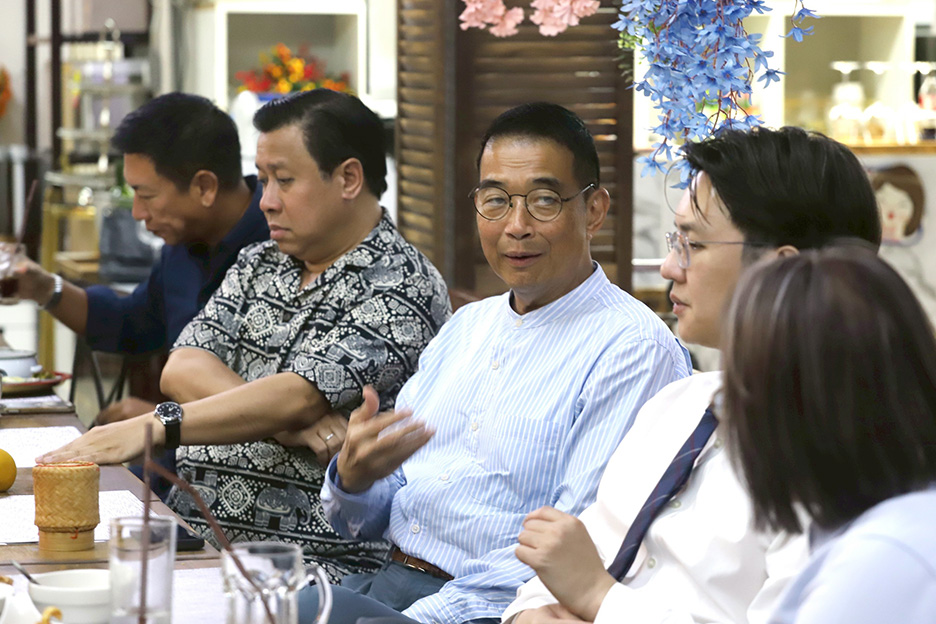
The former minister warned that canceling the MOUs would eliminate the negotiation framework and expose Thailand’s position, making future talks more difficult since Cambodia would know Thailand’s stance. He emphasized that the details within the MOUs are confidential and fall under executive authority, cautioning that bringing the matter to public processes like a referendum would be dangerous.
“The power to cancel must rest with the executive branch. Most importantly, whichever government cancels it must take responsibility,” Maris stated.
International Law Requires Mutual Consent
Legal analyst Veeraphat explained that under international law, problems in agreements have resolution processes—enforcement cannot be immediate as in domestic law because it involves sovereign equality among nations. He stressed that Thailand’s dignity lies in respecting equality rather than bullying others.
“MOUs are used worldwide—for borders, trade, or criminal extradition—and respect basic legal principles. You cannot force the other side, regardless of whether they have a larger or smaller military. It must be based on consent, not forcing Cambodia to yield to Thailand,” he said.

Political Motives Behind the Controversy
Chakraphop observed that the real issue isn’t the MOUs themselves but rather the establishment of right-wing political processes using this matter as a pretext for larger goals. He noted that MOUs are merely tools for dialogue and, given the previous government’s success in keeping the issue at the bilateral level, recommended the current government continue this approach to genuinely resolve border problems.
Rising Nationalist Tensions
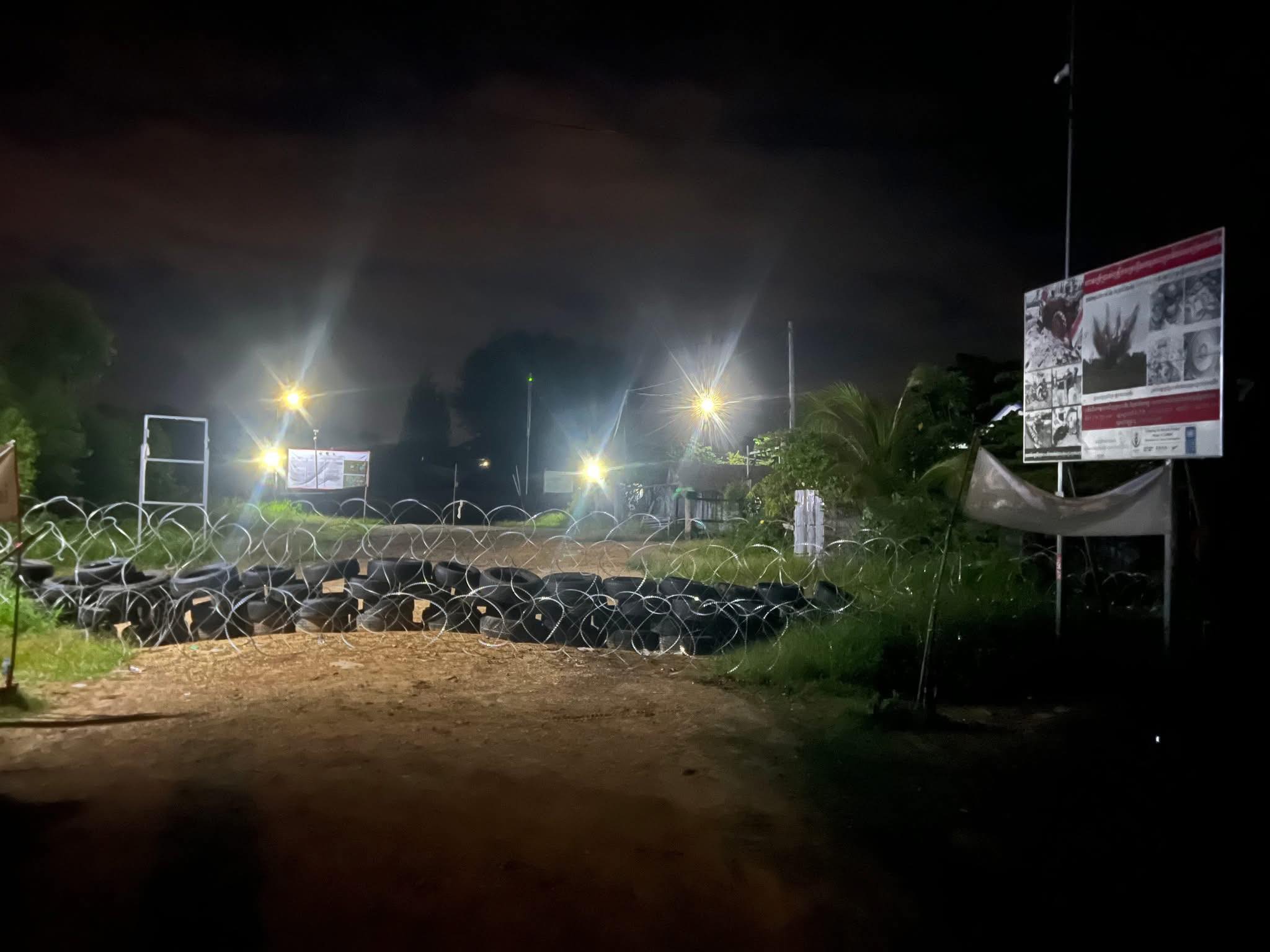
This discussion comes as Cambodia has filed international complaints against Thailand over methods used to reclaim areas Thailand claims are within its territory. These areas at Ban Nong Chan and Ban Nong Ya Kaew were previously opened for Cambodian refugees under UNHCR supervision. The military has allowed nationalist groups led by influencer Gun Jompalang to use large loudspeakers broadcasting ghost sounds to harass and drive away Cambodian villagers.
Prime Minister and Interior Minister Anutin Charnvirakul has defended such actions, stating: “Everyone who is Thai does not like those who invade our sovereignty. We should not blame him for expressing himself in a way that he thinks will let the general public know that this is Thai territory. I will try to make this matter as international as possible.”
Government’s Referendum Plan Draws Criticism
The government previously announced plans to hold a referendum on canceling the MOUs alongside the general election, but this has drawn criticism from across the political spectrum. Critics view it as shirking responsibility on a matter the government should decide and take accountability for itself.
______