































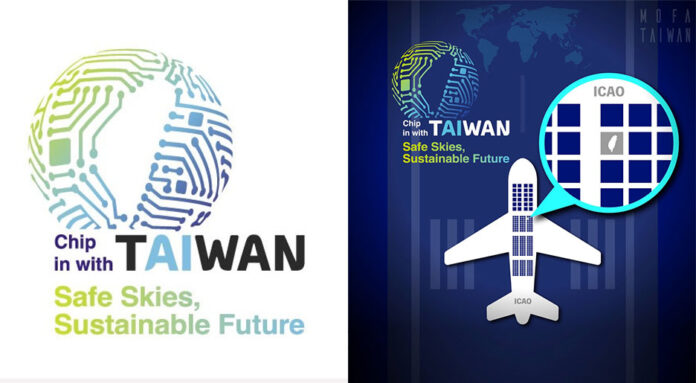
Join hands with Taiwan for safer skies
Mr. Peter Lan
Representative of Taipei Economic and Cultural Office in Thailand
Over 18,000 flights were recorded to and fro between Taiwan and Thailand in 2024. From tourism to commerce, air travel is now an integral aspect of modern life. Therefore, aviation safety must be regarded as a matter of public concern. The 42nd session of International Civil Aviation Organization (ICAO) Assembly takes place from September 23 to October 3 in Montreal, Canada.
In line with its long-term strategic plan called “Safe Skies, Sustainable Future,” ICAO is emphasizing a commitment to working with all stakeholders—including member states, nonmember states, NGOs, and private enterprises—to build a more resilient, sustainable, and inclusive international aviation system.
Taiwan occupies a key position in both regional and global civil aviation transport and flight control. The Taipei Flight Information Region (FIR) is an indispensable part of ICAO’s network of over 300 FIRs. It covers one of the busiest regions in East Asia for air travel and providing civil air services for Thailand and other countries in the region, including several airlines of Thailand such as Thai Airways.
The Taipei FIR Taiwan’s Civil Aviation Administration (CAA) is the sole entity responsible for overseeing the Taipei FIR. The CAA offers a comprehensive range of information services and manages air routes to ensure safety and efficiency for all flights and passengers arriving in, departing from, and transiting the Taipei FIR.
From both a risk and safety management perspective, ICAO should permit Taiwan’s CAA to participate on an equal footing with the oversight agencies of other FIRs. This will ensure that the Taipei FIR can communicate directly with other FIRs as well as with ICAO to ensure the free flow of timely information.
The CAA does its best to collect the information it can via indirect channels. It also invites aviation experts from other countries to hold training courses. This helps it to achieve international aviation safety management standards. It also adopts or modifies regulations, systems, and procedures in line with ICAO standards in ways that benefit global and regional aviation safety.
For example, the CAA has initiated a State Safety Program and collaborates with aviation industry stakeholders through this program to establish safety oversight systems. This has contributed to Taiwan’s exceptional overall safety performance. From 2020 to 2024, the five-year moving occurrence rates of turbofan and turboprop aircraft were zero (zero accidents per million departures).
The safety performance of Taiwan’s aviation industry has also been remarkable. EVA Air, for instance, has been recognized as one of the world’s safest full-service airlines by AirlineRatings.com and was ranked seventh-safest in 2025.
To further sustainable development of the aviation industry, the CAA has incorporated the Carbon Offsetting and Reduction Scheme for International Aviation (CORSIA) into domestic law and launched a sustainable aviation fuel pilot program in April 2025. This demonstrates the determination of Taiwan’s aviation industry to take concrete steps toward a net-zero transformation.
Despite these efforts, to ensure access to timely and comprehensive information, the CAA must be allowed to participate in the technical meetings and training opportunities offered by ICAO. As the 42nd ICAO Assembly takes place in Montreal, ICAO should act in line with its No One Left Behind initiative to rectify the fact that the CAA remains unable to participate in its activities.
Global aviation faces many natural and manmade challenges such as climate change, power banks, and international geopolitical strife. Taiwan, which is responsible for the considerable traffic through the Taipei FIR, makes every effort to be a responsible stakeholder in the international aviation community.
To undergird regional flight safety, we again call on ICAO to allow Taiwan’s CAA to fully participate in its Assembly, technical meetings and mechanisms. Through participation in ICAO, Taiwan will be able to continue to work with other countries to contribute to regional aviation safety and development needs, thereby achieving safe skies amid a sustainable future.
__________