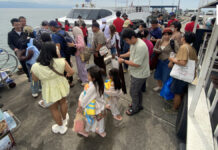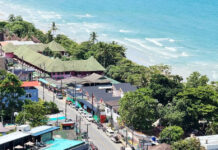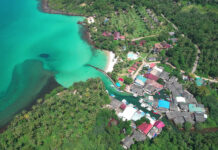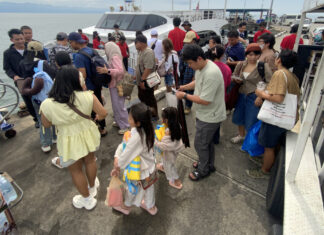































TRAT — European visitors are booking Trat province’s island resorts in record numbers for the final quarter of 2025, showing that ongoing border tensions with Cambodia have done little to dampen international tourism appetite for Thailand’s eastern paradise.
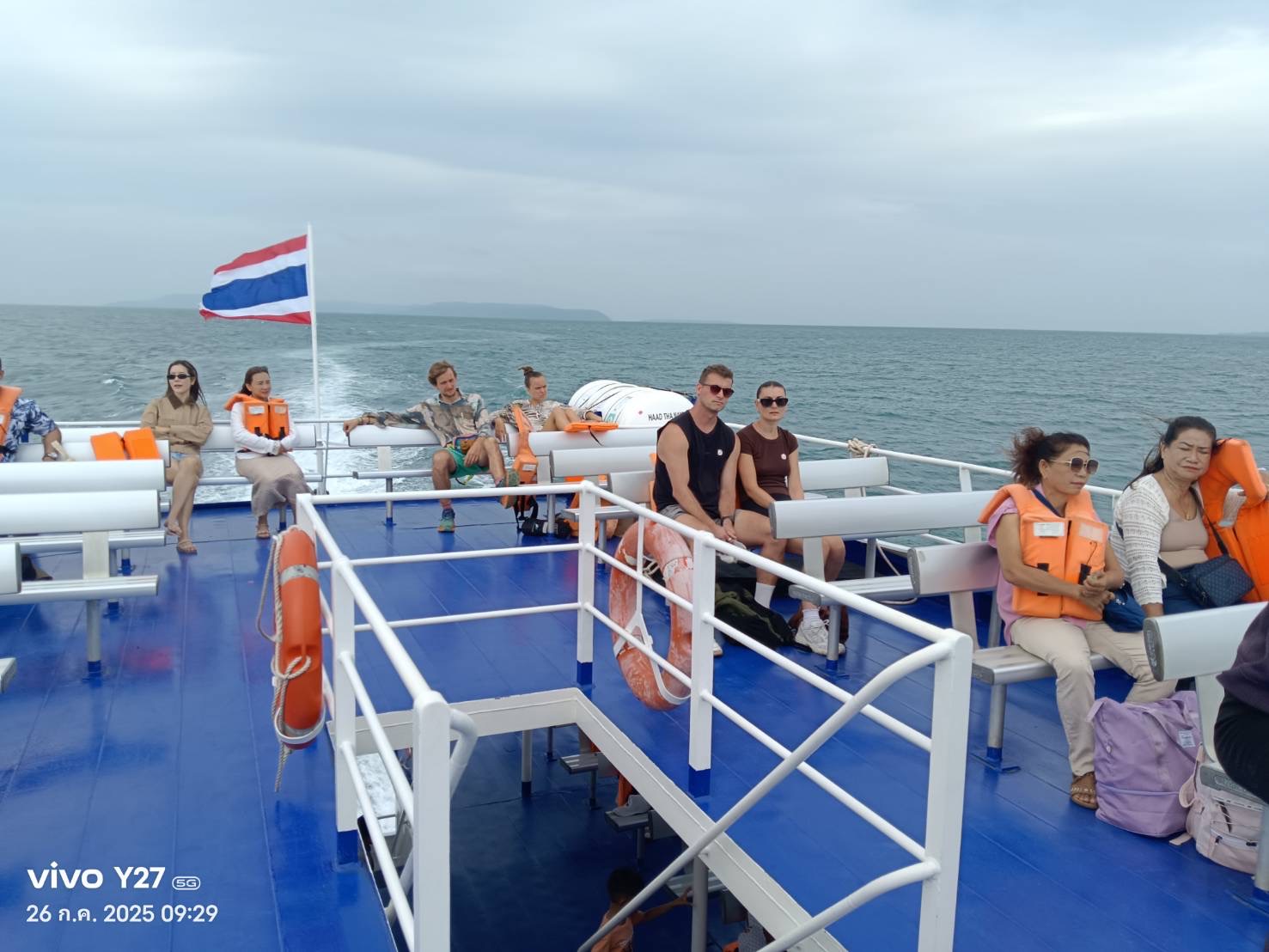
Pichaya Thachaiaditrap, president of the Trat Hotel and Resort Association, said European tourists have nearly sold out accommodations on Koh Kood for the last three months of the year, despite the island sitting in disputed maritime territory that has been contested with Cambodia for years.

“The territorial issues aren’t new—they’ve existed for years without affecting foreign tourists,” Pichaya said Saturday. “Koh Kood is almost fully booked by Europeans, Koh Mak is completely sold out, and Koh Chang still has some availability but we expect it will fill up too.”
The booking surge comes as Koh Chang receives consideration for recognition among the world’s top 100 sustainable tourism destinations, potentially drawing even more international attention to the archipelago.
Border Disputes Create Mixed Impact
While island destinations show strong demand, the picture is more complex on the mainland. Wararat Chotiwanun, who owns Trat City Hotel, said tourism to Trat city has grown in 2025, with many visitors using it as a stepping stone to the islands. The Tourism Authority of Thailand’s local office has maintained steady promotional activities to keep the destination visible.
However, security concerns linked to the Cambodia dispute have created some challenges. Thai authorities declared Trat province a martial law zone due to border tensions, causing some international tourists to cancel trips over insurance concerns.
“When there’s martial law, some foreign tourists worry their travel insurance won’t cover them if incidents occur,” Wararat explained. “They cancel their Trat trips because of these coverage gaps.”
The Trat Wellness Association has petitioned military commanders to lift martial law status from non-border areas, including popular tourist districts like Khao Saming, Laem Ngop, and Koh Chang, as well as parts of central Trat city that don’t sit on the frontier.
Natural Beauty Draws Adventure Seekers
The rainy season has created particularly spectacular conditions for nature tourism. Neramit Songsaeng, head of Mu Ko Chang National Park, said abundant rainfall has made waterfalls like Khlong Phlu and Thar Mayom especially dramatic, creating ideal conditions for hiking enthusiasts.
“The mountains have plenty of water, keeping the forest lush and wildlife active,” Neramit said. “It’s perfect for tourists who love nature and don’t mind rainy season hiking.”
Park officials have surveyed multiple trails to ensure visitor safety, though diving activities remain suspended due to poor underwater visibility during the wet season.

The province’s appeal to adventure tourists was highlighted by this year’s Koh Chang Trail Running competition, which drew more than 1,600 participants and supporters—triple the previous year’s attendance.
Tourism Resilience Amid Regional Tensions
The strong booking numbers suggest international tourists are separating Thailand’s broader appeal from localized political disputes. Trat’s islands have long attracted European visitors seeking pristine beaches and natural environments away from more developed destinations like Phuket or Koh Samui.
The Tourism Authority of Thailand continues promoting Trat through various channels, emphasizing the province’s natural attractions and sustainable tourism initiatives while working to address security perception issues that might deter some visitors.
Despite ongoing diplomatic tensions between Bangkok and Phnom Penh over maritime and land boundaries, Trat’s tourism industry appears to be weathering the uncertainty with strong advance bookings suggesting confidence among European travelers for the remainder of 2025.
__________