




















BANGKOK — Thai Government launched immediate investigation after BBC presenter reported alleged obstruction by officials in Bangkok
Thailand’s Tourism and Sports Ministry has strongly denied claims that government officials interfered with BBC documentary filming in Bangkok, following viral reports that sparked concerns about the country’s film production environment.
Tourism and Sports Permanent Secretary Natriya Thaweewong revealed that the government immediately launched an investigation after the major international broadcaster alleged that Thai officials obstructed their documentary production in the capital.
Controversial Documentary
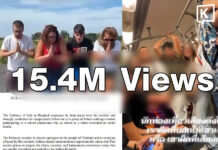
The incident centers around the BBC documentary “Thailand: The Dark Side of Paradise,” a 44-minute investigation presented by Zara McDermott, a former Love Island contestant turned news presenter. The program examines the dangers British tourists face while visiting Thailand, revealing that the British Consulate in Bangkok assists approximately 2,000 British nationals annually.
“Some police seem to turn a blind eye to the sex industry. But if you overstay your visa, even by two minutes, and can’t pay the fine, then you’re put in jail,” the 28-year-old presenter stated in the documentary.
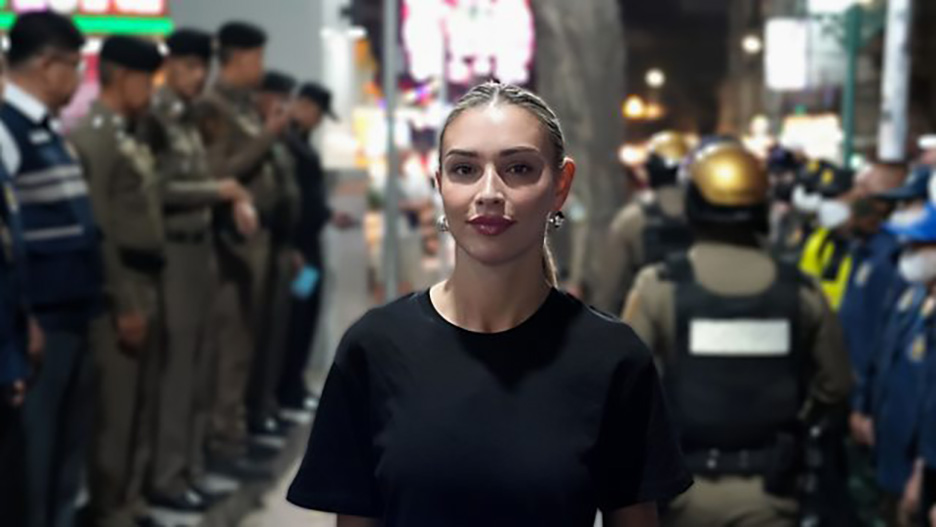
McDermott claimed that within less than 24 hours in Bangkok, her crew was “nearly arrested by police” while filming in Cowboy Soi, an area filled with scantily dressed women. Despite having obtained police permits for filming, the crew was allegedly ordered by officers to delete their footage or face arrest.
Official Investigation Results
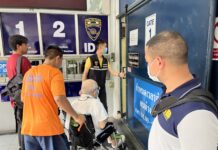
The government investigation found that the incident occurred at Cowboy Soi under Thonglor Police Station jurisdiction at midnight on September 5 in Sukhumvit Soi 21, Khlong Tan subdistrict, Watthana district, Bangkok.
According to official findings, the foreign media crew had received proper filming permits and was authorized to shoot according to their approved script. However, the production team allegedly filmed at additional establishments beyond their permitted scope.
When shop owners complained, Thonglor Police Station volunteers initially approached the crew with warnings. After the filming team refused to comply, shop owners contacted patrol officers who successfully negotiated with the crew to follow the agreed terms.
No Equipment Seizure Claimed
Natriya emphasized that authorities confirmed no footage or film equipment was confiscated from the foreign nationals. However, after the crew later released clips that appeared in online media, affected shop owners filed complaints with Thonglor Police Station as evidence.
The incident gained international attention when the BBC crew’s version of events circulated widely on social media, raising questions about Thailand’s treatment of international media.

Support for International Productions
The Tourism Ministry stressed that the government actively supports and facilitates foreign film productions in Thailand, including news coverage, documentaries, and feature films that follow agreed procedures and comply with regulations and laws.
“We view international productions as beneficial for promoting Thailand’s image and tourism, which serves as a vital engine driving economic growth at all levels,” Nattriya stated.
Unlike many British expatriates living in Thailand who have criticized the documentary’s portrayal, the Tourism and Sports Ministry has chosen not to directly respond to the documentary’s content but instead focused on addressing the filming interference allegations.
Commitment to Swift Action
The permanent secretary assured that if any distortion, miscommunication, or wrongdoing by Thai officials occurs, the government will immediately take corrective action to ensure Thailand remains genuinely safe for tourists and international productions.
“The government wants to provide confidence that Thailand welcomes international media and film productions that operate within proper channels and legal frameworks,” she added.
The incident highlights ongoing tensions between media freedom and regulatory compliance in Thailand’s growing film production industry, which has become increasingly important for the country’s tourism and economic sectors.
________