
























BANGKOK — Thai police arrested two Russian men who allegedly used artificial intelligence and QR codes to run a scavenger hunt–style drug distribution network across central Bangkok, officials said Wednesday.
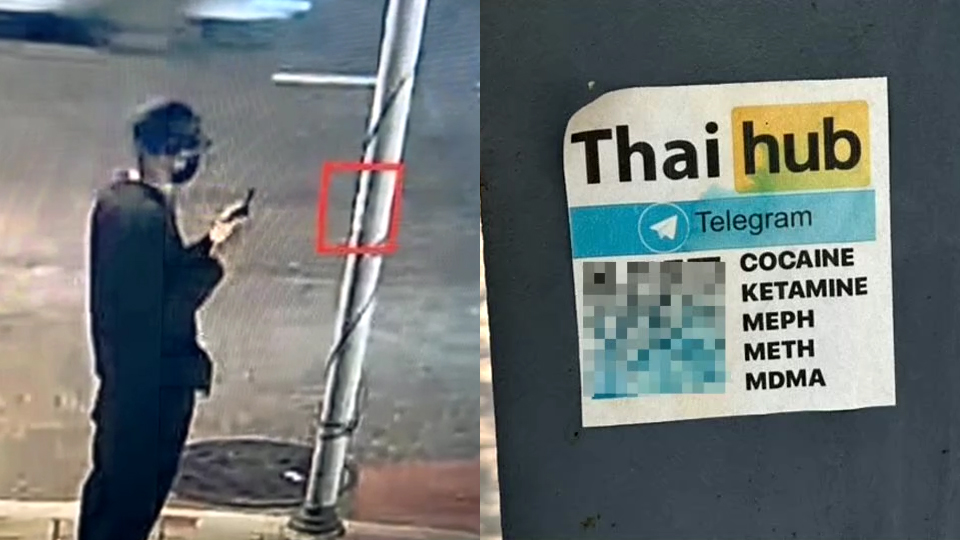
The Metropolitan Police Bureau said the suspects placed Russian-language QR code stickers around Pathumwan, Lumphini and Yannawa districts, directing buyers to an AI-operated Telegram channel that handled orders, payments and drop-off locations without any human contact.
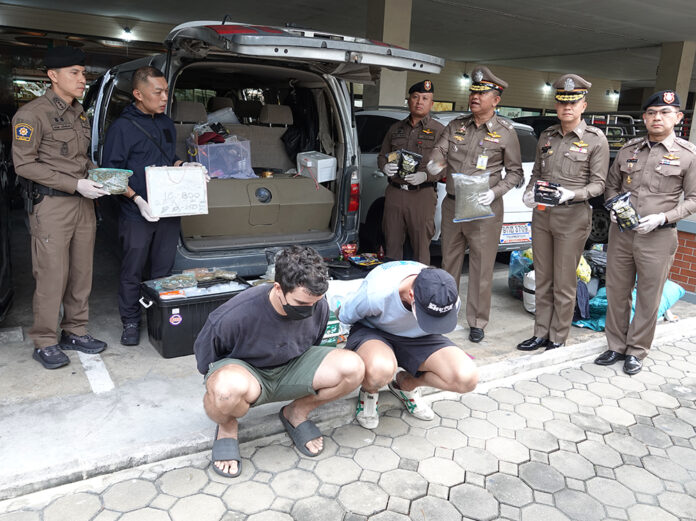
Pol. Maj. Gen. Teeradej Thumsutee, deputy commissioner of the Metropolitan Police Bureau, said investigators used their own AI tools to trace the network, which functioned like a start-up model and relied on automation to avoid detection. Officers arrested the two Russians on December 9.
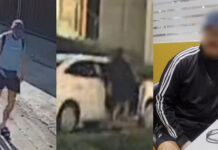
Police identified the suspects as Ivan, 34, who was detained at a hotel on Inthamara 47 in Bangkok’s Din Daeng district, and Mark, 35, who was arrested at a hotel in Soi Ekkamai 10 in Watthana district.
Ivan was charged with illegally advertising controlled narcotics and possessing Category 5 drugs, including cannabis extracts. Mark was charged with illegal possession of Category 5 drugs and overstaying his visa.
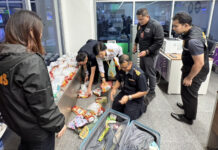
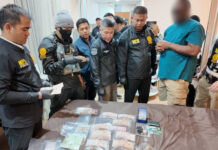
Authorities seized 10 categories of evidence, including 200,000 baht ($6,285) in cash, a gray Toyota Granvia van, two MacBook Pro laptops, seven mobile phones, 20 storage devices, bankbooks, cannabis buds in 41 bags, 25 jars of cannabis resin, cannabis seeds, grinders and related equipment.
The investigation began on November 13 after an online patrol team saw a warning on the Facebook page Drama-addict about QR code stickers offering drugs for sale in Russian. Officers later found the stickers in multiple Bangkok districts.
The stickers read “Thai hub Telegram COCAINE KETAMINE MEPH METH MDMA.” Scanning the code led buyers to Telegram, where an AI bot operated around the clock, police said. The bot processed cryptocurrency payments in real time and, once funds were confirmed, sent coordinates and photos of drug stash points located across the country, mimicking a treasure hunt.
The system also encouraged buyers to become “partners” by referring new customers or serving as couriers tasked by the AI to hide drugs at specified locations. Police said the group even offered an API that allowed tech-savvy users to build their own storefronts linked to the bot, enabling the network to expand rapidly while keeping its operators anonymous.
Investigators spent weeks tracking the suspects, eventually locating one of them in Pattaya digging and hiding drugs, Teeradej said.
On December 9 at about noon, officers launched simultaneous operations in Bangkok to prevent the suspects from locking their phones. Mark was arrested with his Telegram app still open on his device, while Ivan was apprehended hours later with his laptop displaying the same platform.
Mark denied involvement in drug trafficking, admitting only that he had overstayed his visa. He told police he had medical permission to use cannabis and claimed to have a license to sell it through a company. He said the large quantities of items found in his van were unrelated, claiming he carried a rice cooker for personal use and kept cat litter in the car despite not owning a cat.
Ivan denied all allegations except acknowledging he had previously met Mark. He said a photo showing him wearing a cap similar to that seen on the offender was a coincidence.
Teeradej said police will continue expanding the investigation in coordination with the Narcotics Suppression Bureau.
_______