




































SURIN — Thai authorities are intensifying surveillance along the Surin province border after detecting signs that international scam operations may be moving to O Samach, a Cambodian town adjacent to Thailand.
The concern comes as pressure mounts on Cambodia to crack down on criminal networks operating in Takeo province, potentially pushing these groups to seek new locations.
Recent events have heightened these fears. Eight Indonesian nationals recently fled from the area and sought assistance from Thai officials, prompting closer scrutiny of developments across the border.
New Infrastructure Raises Red Flags
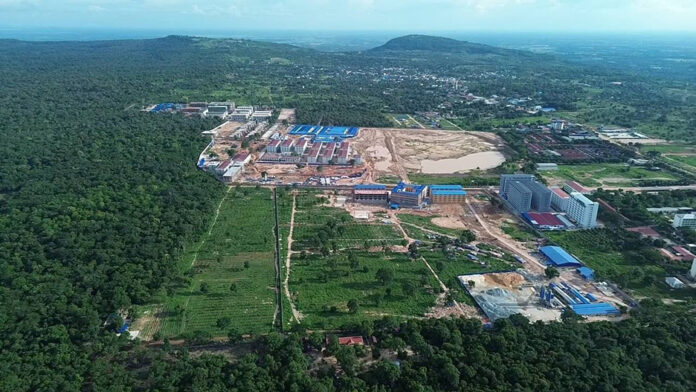
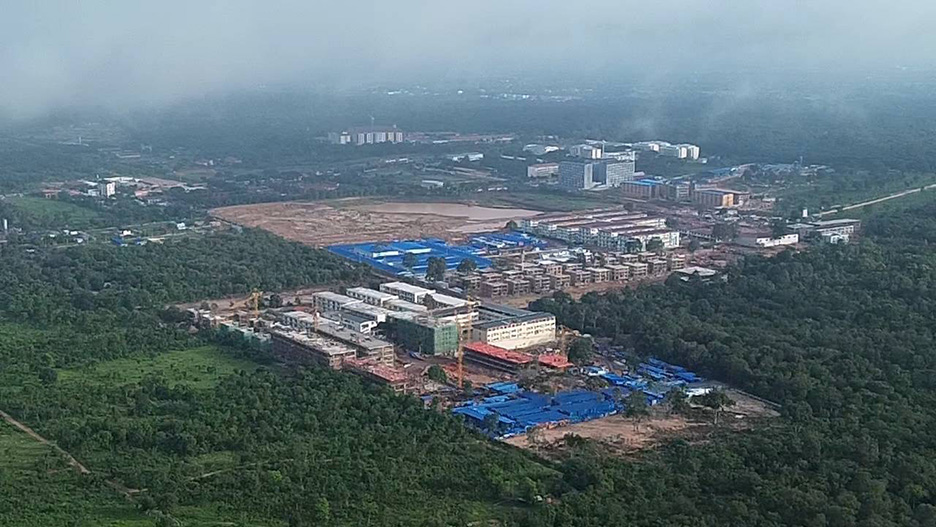
O Samach subdistrict in Cambodia’s Oddar Meanchey province sits directly across from the Chong Chom checkpoint in Thailand’s Kap Choeng district, Surin province. The area is home to two large casinos, and new office buildings capable of housing tens of thousands of people have recently been completed nearby.
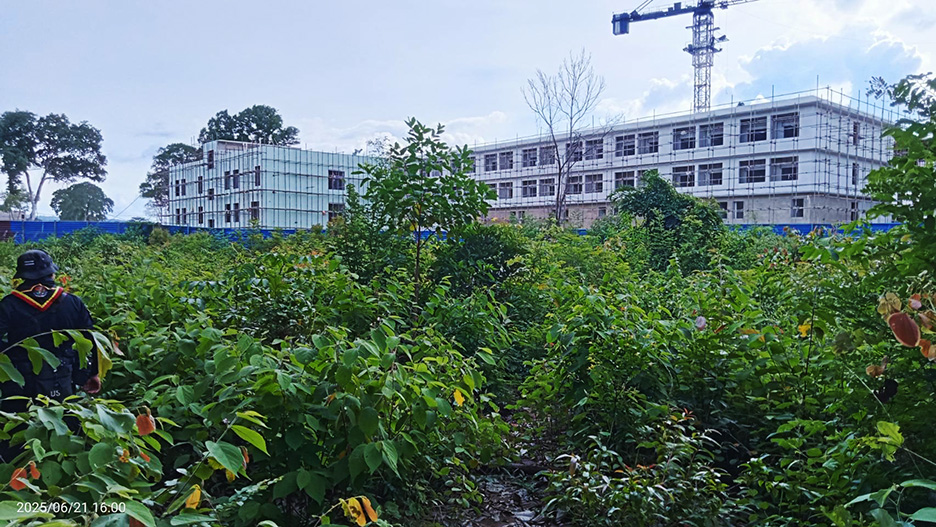
Sitthiroj Charoenthanasak, District Chief of Kap Choeng, explained what Thai authorities have observed. “From our monitoring, we’ve seen casino buildings being rented and converted into office spaces. Construction of several units is nearly finished,” he said. “Once completed, it’s possible these facilities will host scammers of various nationalities, possibly numbering in the thousands.”
Thai military, police, and local administration agencies are now coordinating strict preventive measures, undeterred by ongoing border tensions between the two countries.
Inside the Scam Operations
Intelligence gathered from rescued victims paints a grim picture of how these syndicates operate. Workers fall into two categories: those deceived into joining and those who volunteer as leaders.
The financial incentives explain why many stay despite the risks. Thai team leaders, for example, can earn 30% of every million baht ($30,520) their subordinates successfully scam, while the actual scammers receive only 2-3%. This lucrative arrangement keeps people trapped even after their passports or visas expire.
Those who fail to meet targets face brutal consequences. Victims report being subjected to electric shocks, beatings, and torture. Some are sold to other compounds in what amounts to human trafficking. The syndicates maintain tight control over phone usage, allowing calls only at specific times. Those who manage to escape often do so by secretly calling for help and sharing their locations.
“If anyone resists, they may be beaten to death,” Sitthiroj noted grimly.
Shifting Victim Demographics
The profile of victims has evolved over time. While most escapees entering Thailand were previously Chinese, Indonesian rescues have recently increased. Vietnamese and Indonesians are now the primary victims, while Cambodian victims have become rare.
South Koreans typically don’t use the O Samach route. Instead, they’re usually lured by promises of high-paying jobs and enter through natural border crossings near Poipet in Banteay Meanchey province. From there, they’re transported by van to various locations, told they must undergo training, and threatened with physical abuse if they fail to meet quotas.

Corruption Enables the Operations
Thai officials acknowledge that corruption within Cambodia facilitates these criminal enterprises. One officer stated bluntly that officials “from top to bottom are bribed,” allowing these operations to flourish despite international pressure.
Thai and Cambodian authorities have previously cooperated to rescue Thai victims trapped by scammers, but the persistent problem suggests these efforts haven’t been enough to dismantle the networks.
Enhanced Border Security Measures
In response to the threat, Thai authorities are taking decisive action. Under orders from the Region 3 Police Commander, strict monitoring protocols have been implemented across all border police stations.

Pol. Col. Kamphon Nonuch, superintendent of Kap Choeng Police Station, confirmed that security forces—including military, immigration, and administrative agencies—are jointly monitoring the situation. Surveillance cameras have been installed along 16 identified natural crossings in the Kap Choeng area.
Authorities plan to clearly demarcate these crossing points and erect fencing to enhance security and improve operational coordination.
Regarding O Samach specifically, Pol. Col. Kamphon stated that intelligence reports indicate some scam operators have already moved into the area. “We believe they have begun settling in,” he warned. “We’re tightening our watch and urging locals to act as our eyes and ears.”
He encouraged immediate reporting of any suspicious activity, emphasizing that community vigilance will be crucial in preventing these criminal networks from establishing a foothold near the Thai border.
_____________