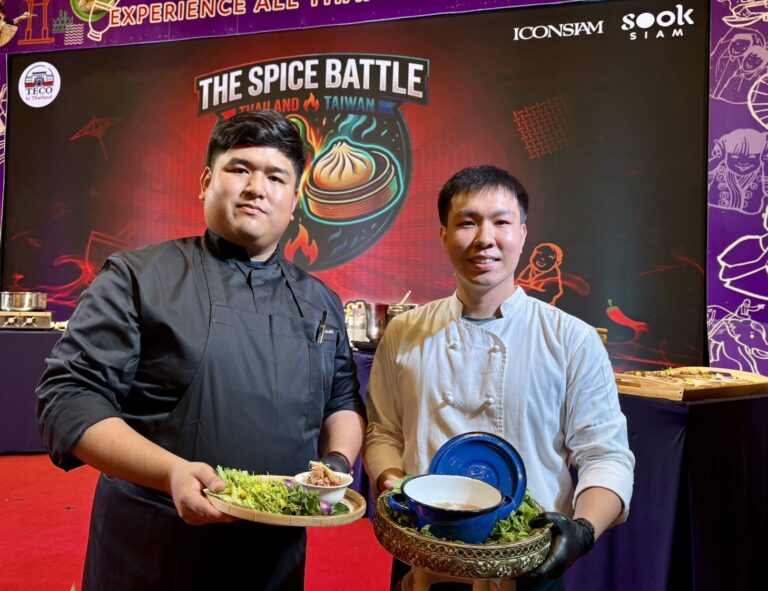


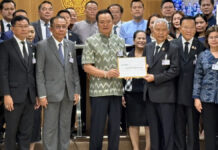
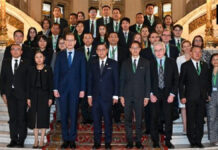

















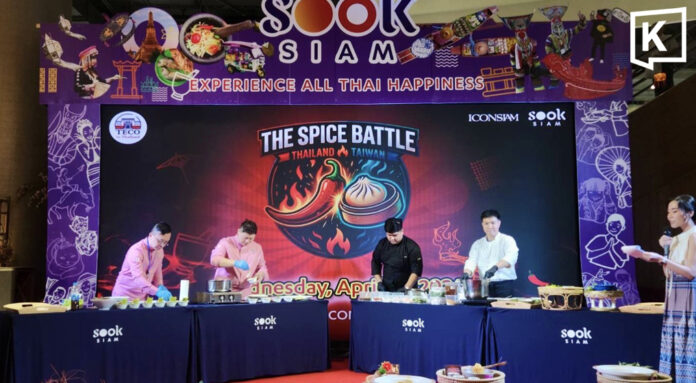
BANGKOK — 22 April 2026, The Taipei Economic and Cultural Office (TECO) in Thailand, in collaboration with ICONSIAM and the Chinese Gourmet Association (CGA), hosted “The Spice Battle – Taiwan vs Thailand” at SOOKSIAM, ICONSIAM, featuring a live cooking competition between professional chefs from both countries.
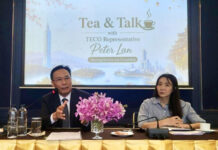
In the opening remarks, representative Peter Lan of TECO in Thailand highlighted the role of food as a “bridge” for cultural understanding, noting that such exchanges help strengthen ties between the people of Taiwan and Thailand. He added that TECO remains committed to promoting cultural relations through similar initiatives.
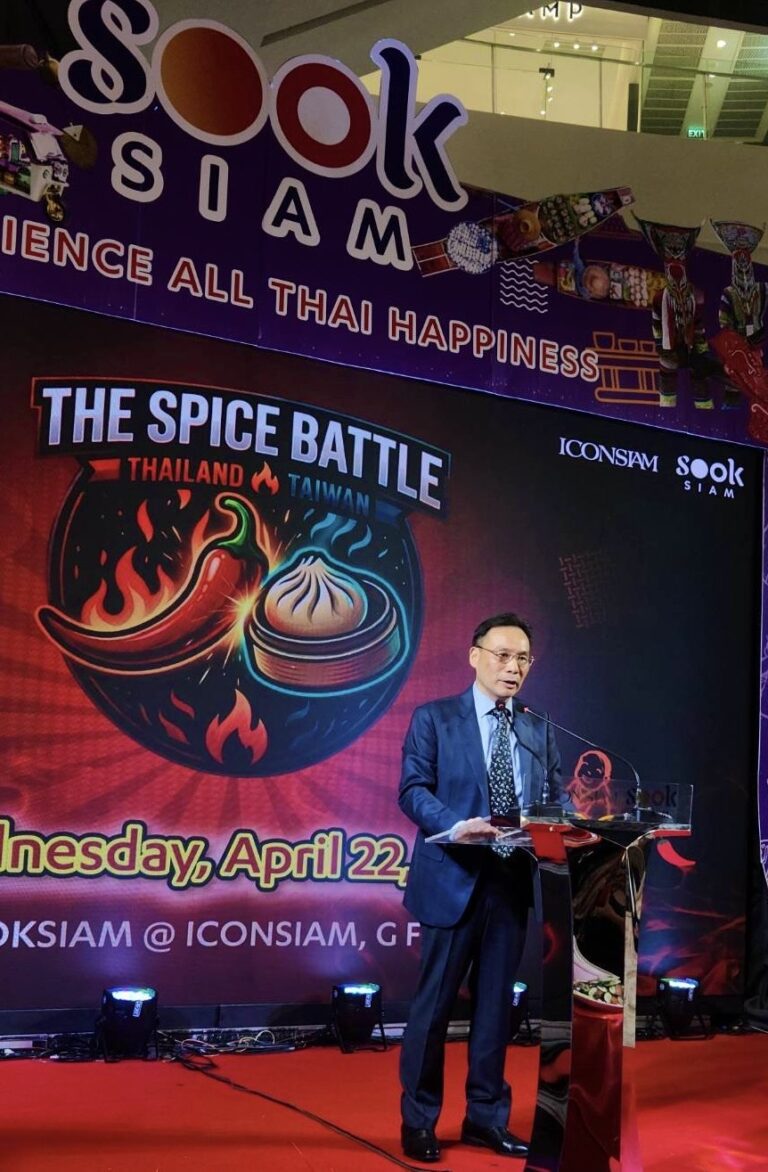
“We would like to take this opportunity to encourage Thai people to go to Taiwan, not to experience only its nature scenery, but also its food” he said.
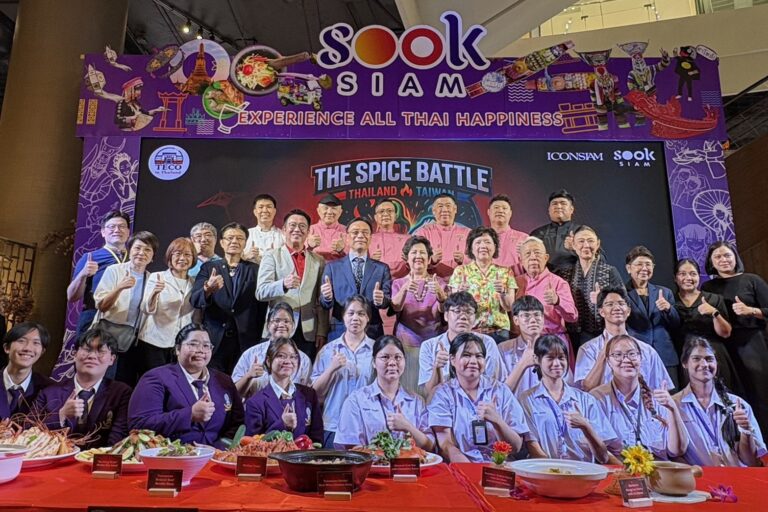
Also attending the opening ceremony were Dr. Luckana Naviroj, chairwoman of the SOOKSIAM project, Mr. Vorapong Sukteera-Anantachai, deputy managing director of the SOOKSIAM project, and Ms. Shu-Chiu, president of the Chinese Gourmet Association. Faculty members and students from Chitralada Technology Institute (CDTI) also took part, exchanging culinary knowledge and supporting closer collaboration between the education sector and the food industry.
The event’s highlight was a live cooking demonstration by Taiwanese chefs Mr. Shun-Yao Chang and Mr. Yu-Hsien Chuang, who competed against Thai chefs Mr. Chanuwat Chanttadilok and Mr. Pat Jaruekthiti.
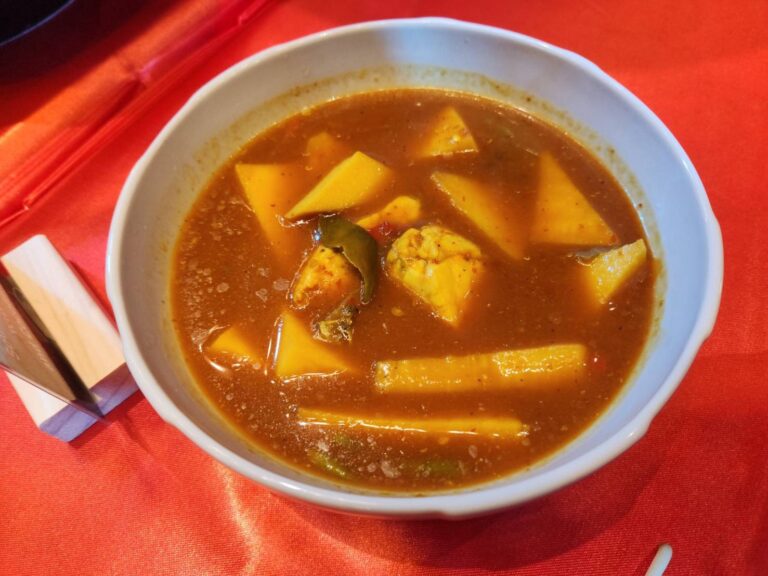
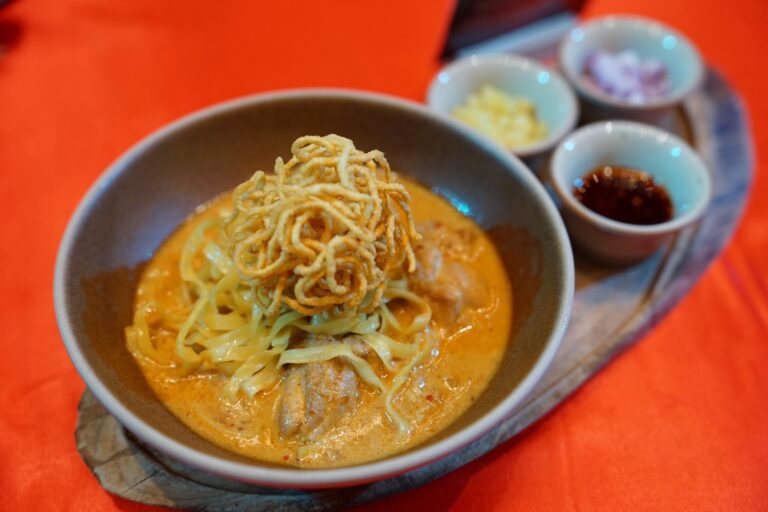
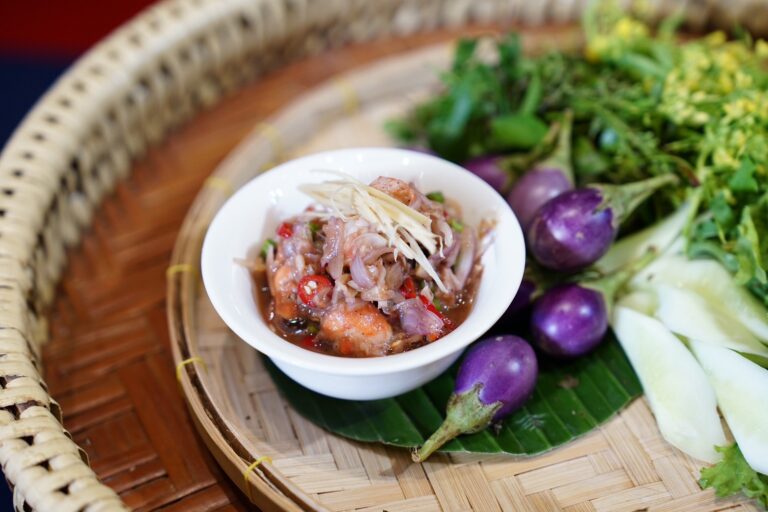
The Taiwanese team presented signature dishes such as “Three-Cup Chicken”, “Beef Noodles” and “Taiwanese Shiu-Chiu Chicken Soup”. The Thai chefs countered with traditional favourites such as “Southern Thai Yellow Curry with Sea Bass and Pickled Bamboo Shoots”, “Khao Soi” and “Nam Prik Jone”.
Despite the shared competitive format, Thai chefs said the two cuisines differ significantly in their flavour concepts, particularly in soup-based dishes, which served as a point of connection between the two cultures.
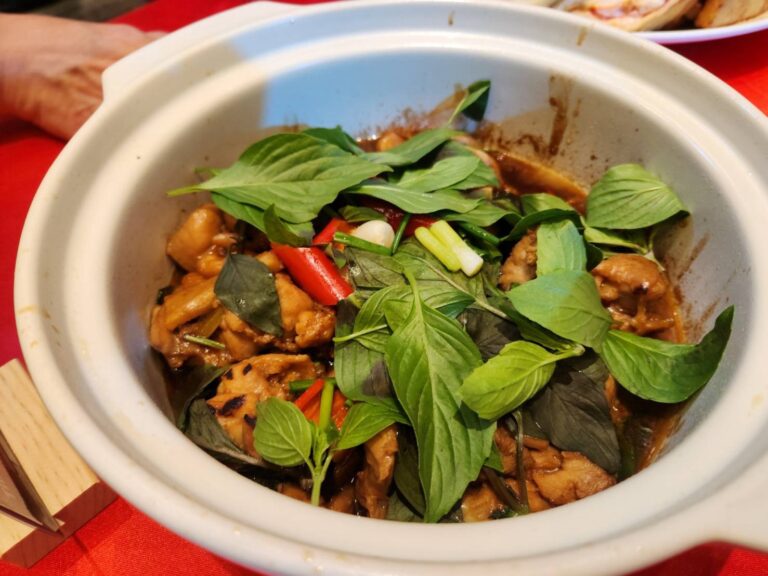
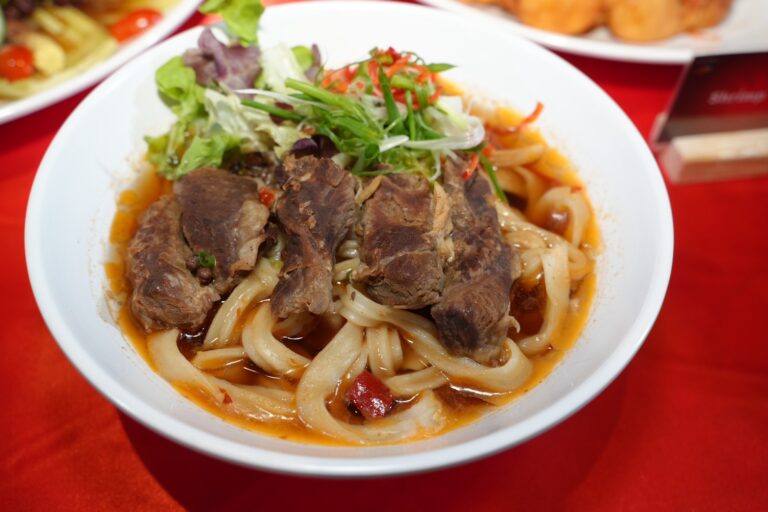
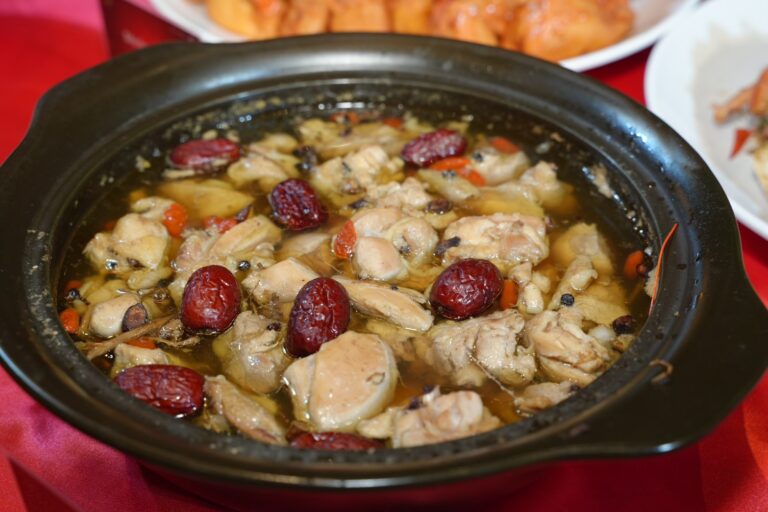
Mr. Pat Jaruekthiti said Taiwanese cuisine emphasises depth of flavour developed through long simmering, while Thai cuisine focuses on layering multiple taste dimensions using a wide range of herbs and ingredients.
“Taiwanese cooking builds a deep, rounded flavour through slow simmering, whereas Thai cuisine layers spicy, salty and sweet elements to create complexity” he said.
Mr. Chanuwat Chanttadilok added that while some techniques are similar, the key distinction lies in ingredient selection. Thai cuisine relies heavily on fresh herbs such as garlic, coriander root and pepper, while Taiwanese dishes tend to use region-specific spices.
In addition to the competition, guests and tourists were able to sample dishes from both countries, highlighting the distinct culinary identities and flavours of Taiwanese and Thai cuisine.