


































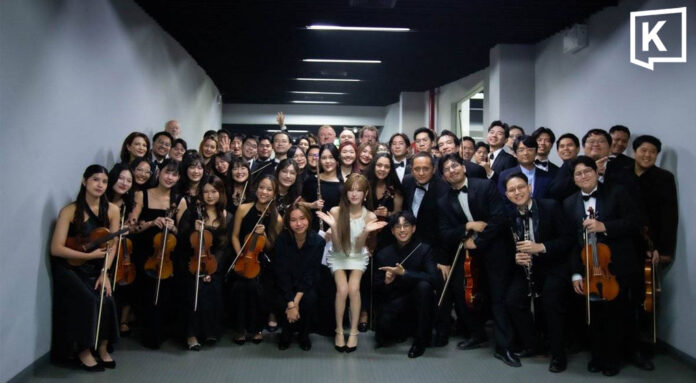
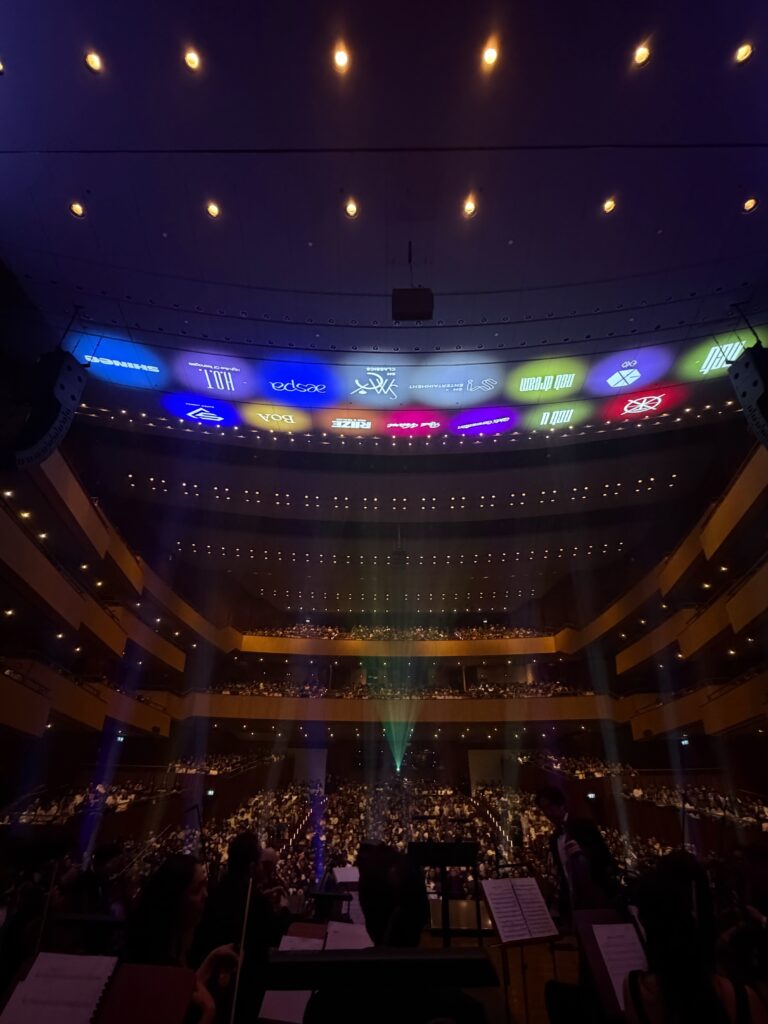
NAKHON PATHOM — 21 July 2026, the success of SM CLASSICS LIVE 2026, which reimagined K-pop hits through a full symphony orchestra, has highlighted the growing potential of Thailand’s classical music scene to attract younger audiences through familiar songs.
That is the view of Nuttha Kuankajorn, known by her nickname “Mook”, Principal Oboe, who performed in the concert. She believes the SM Classics project could encourage people who have never attended a classical performance to experience an orchestra for the first time.
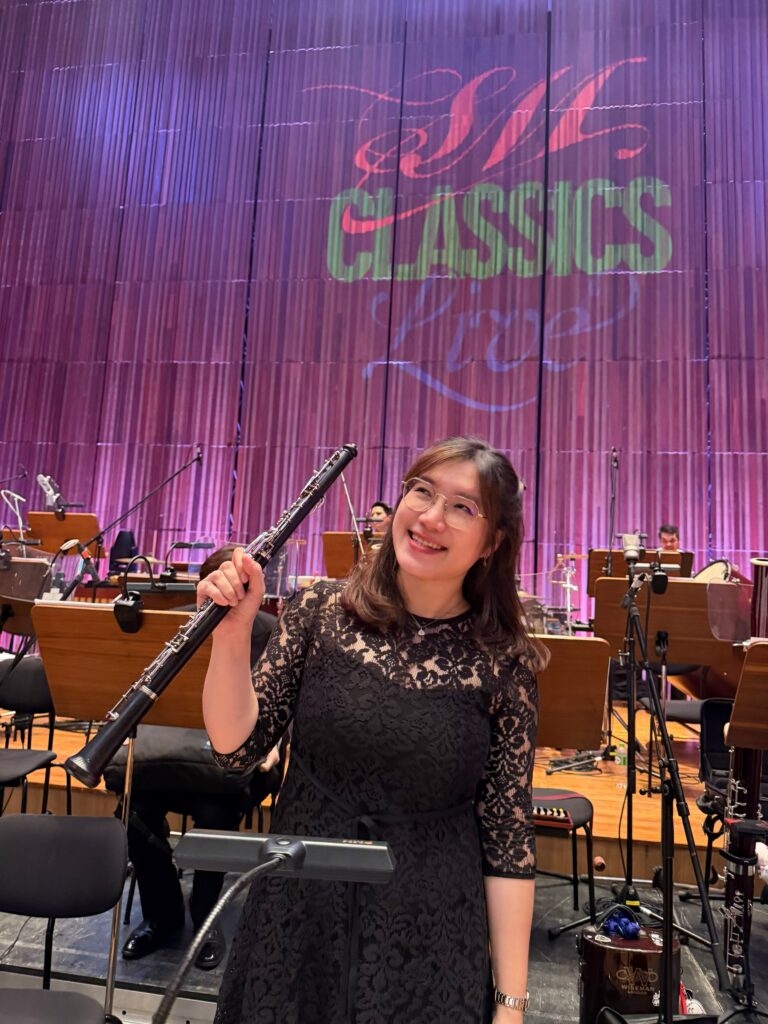
Although the Thailand Philharmonic Orchestra (TPO) has previously staged crossover concerts featuring film, video game and animation soundtracks, Mook said performing fully orchestrated K-pop music was a first for her and, she believes, for many of the musicians involved.
A longtime fan of SM Entertainment artists since 2004 and 2005, she admitted that despite knowing many of the songs by heart, performing them in orchestral form proved to be one of the most demanding projects of her career.
“I remember thinking how lucky I was to be in the audience instead of performing. In the end, I found myself on stage as part of the orchestra.”
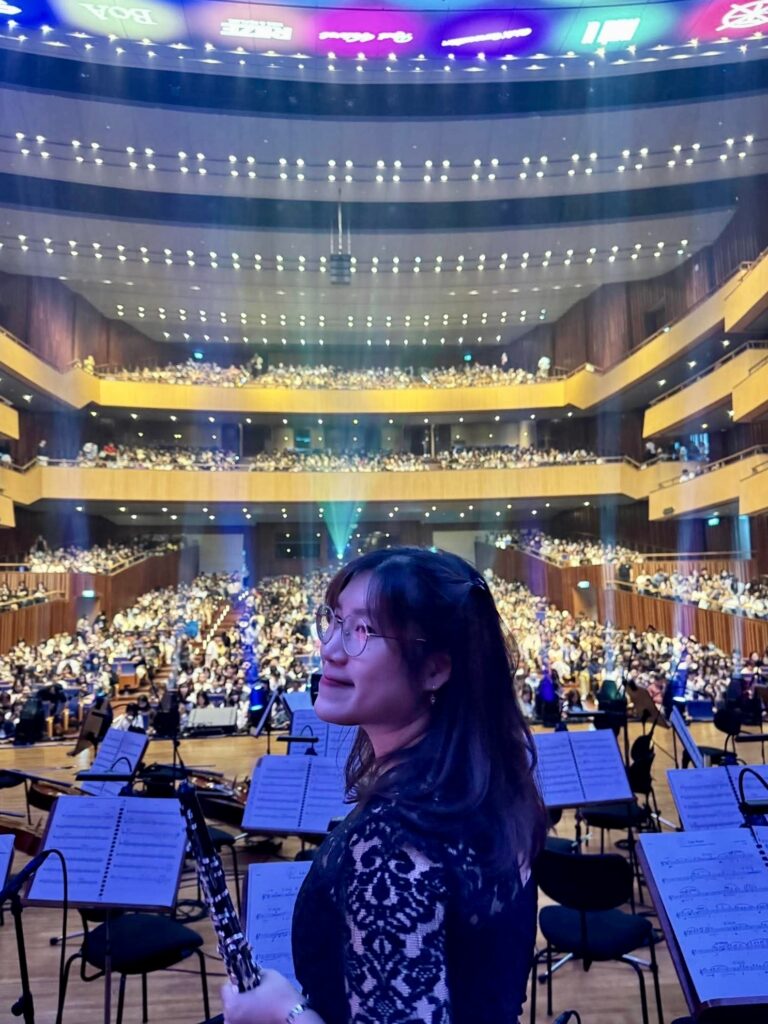
She said that while the ensemble’s rehearsal schedule was similar to other productions, every musician had to spend considerable time practising individually before group rehearsals. The intricate arrangements and musical details typical of K-pop demanded precision so that dozens of performers could play as a single ensemble.
According to Mook, one of K-pop’s strengths lies in its musical diversity, making it particularly well suited to orchestral adaptation while giving classical musicians the opportunity to explore a different musical world.
She stressed that the project’s goal was not to turn every audience member into a classical music enthusiast overnight, but simply to encourage people to experience a live orchestra for the first time.
“We’re not expecting everyone to become classical music fans after one concert. But if someone leaves inspired and wants to come back for another orchestral performance, then we’ve succeeded.”
Mook also echoed the philosophy of conductor Thanapol Setabrahmana, who believes classical music has never disappeared from everyday life because it forms the emotional backbone of countless films, video games and other media.
“If a film didn’t have an orchestra creating its emotional atmosphere, everything would feel completely different.”
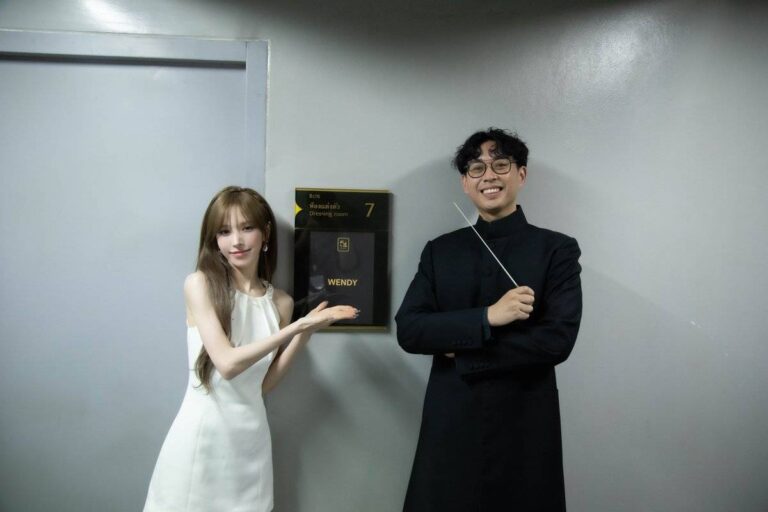
She said this shows that classical music is not as distant or inaccessible as many people assume, but is already woven into everyday life through different forms of media.
Mook also believes Thailand is moving in the right direction with crossover productions that blend orchestral music with contemporary culture, making classical performances more accessible to younger generations while showcasing the abilities of Thai musicians on the international stage.
She said Thailand already has the musicians, venues and production teams capable of hosting more international orchestral events, highlighting Prince Mahidol Hall at Mahidol University and the Thailand Philharmonic Orchestra for their extensive experience with similar productions.
Audience reactions appeared to support that view.
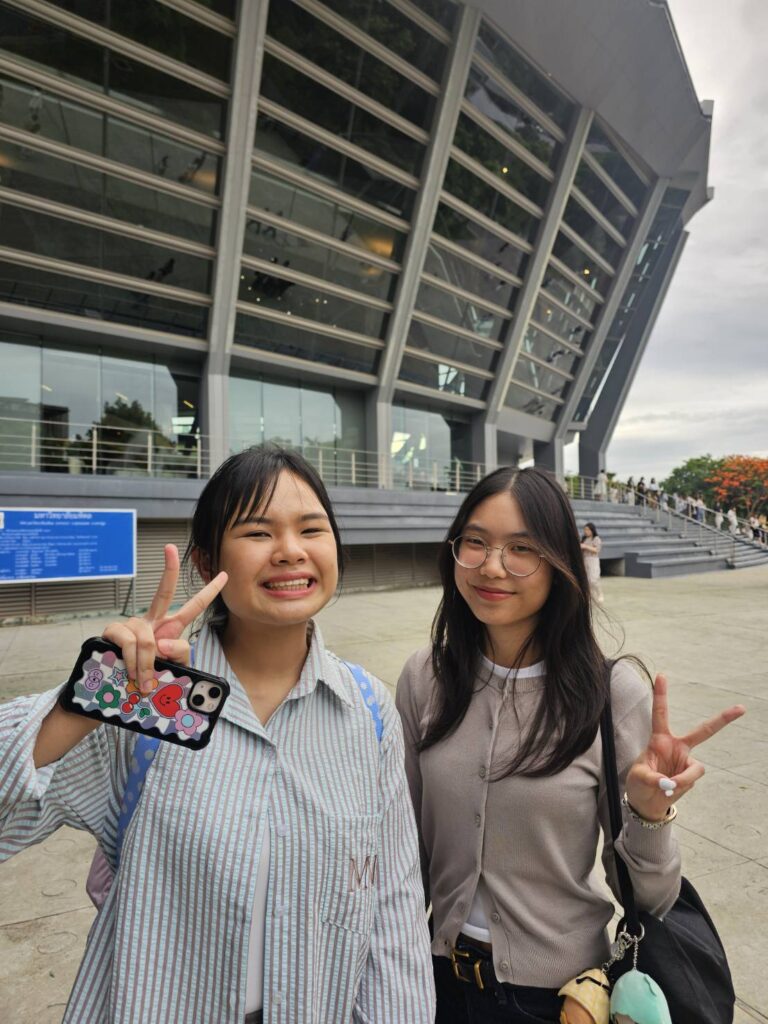
One concertgoer, Tubtim, said she initially bought a ticket to see guest artist Wendy of Red Velvet. Although she was already interested in orchestral performances, she admitted she might not have travelled such a long distance if her favourite artist had not been part of the programme.

Another audience member, Mint, said she attended because she wanted to hear how K-pop songs would sound when rearranged for a full orchestra. She added that Red Velvet’s “Feel My Rhythm” had already inspired her to start listening to classical music in everyday life.
By the end of the concert, however, both women agreed the experience far exceeded the ticket price and was so moving that it brought them to tears.
They said they would gladly return if similar concerts were held in the future, even without their favourite K-pop artists, because the performance revealed new musical details in songs they already knew and fundamentally changed their perception of classical music.
Both also suggested that a large concert hall in a more central location with easier access to public transport would encourage more people to attend orchestral performances and further strengthen Thailand’s classical music industry.
For Mook, such reactions represent the project’s greatest achievement.
“The success of SM Classics isn’t measured by how many K-pop fans come to the concert,” she said. “It’s about people leaving the hall with a new perspective..
classical music isn’t out of reach.. Thailand has musicians, orchestras and production teams whose abilities are on par WITH the world.
She said she hopes projects like SM Classics will help build a new generation of concertgoers while reinforcing Thailand’s potential as a destination for world-class orchestral performances.
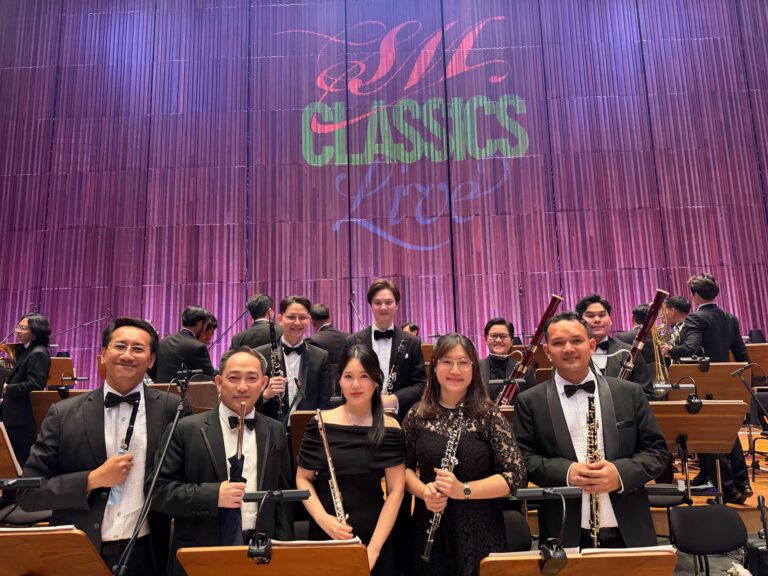
Writing and reporting by Sasinuch Keeratisuntorn