































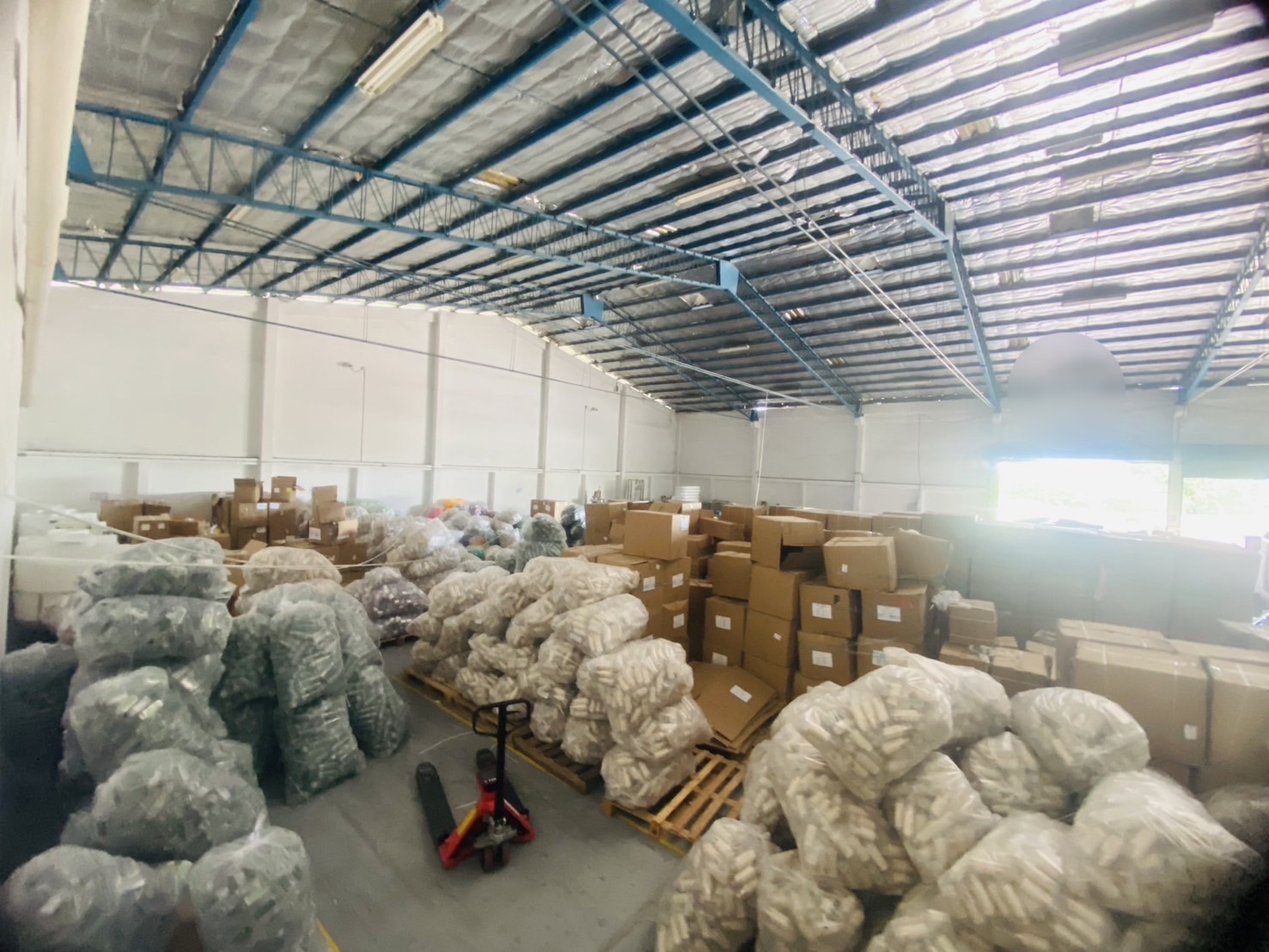
CHACHOENGSAO — Thai authorities raided an unlicensed beauty product manufacturing facility in Chachoengsao province on August 19, seizing over 230,000 beauty products worth more than 20 million baht ($613,000) in what officials called a major consumer protection operation.
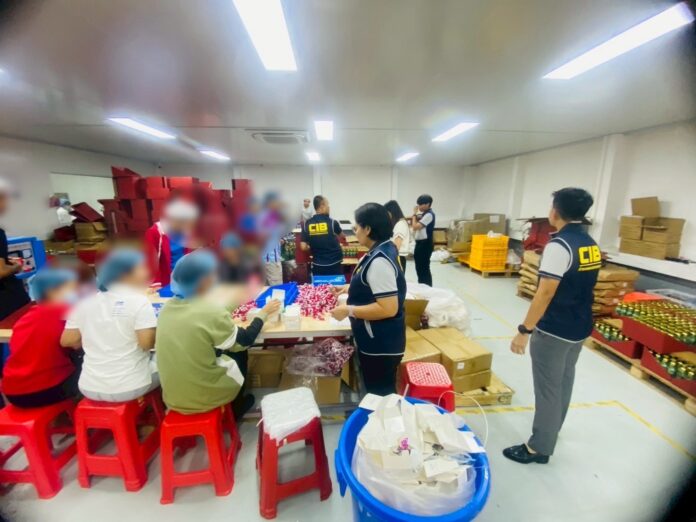
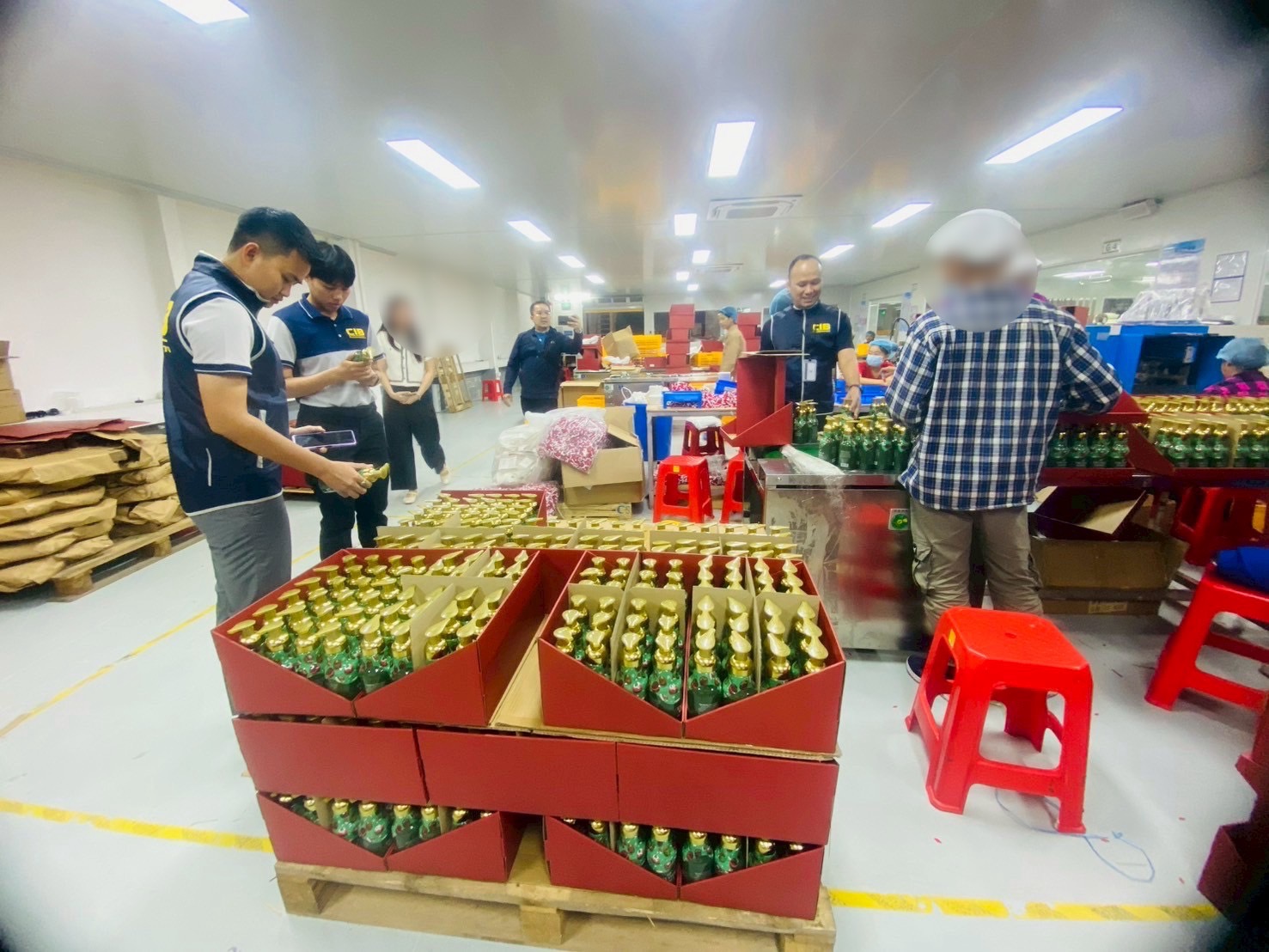
The Consumer Protection Crime Suppression Division (CPPD), working with provincial health officials and the Food and Drug Administration, executed a court-approved search warrant at the factory in Tha Kham sub-district, Bang Pakong district.
The facility was importing raw materials from China to manufacture beauty products for overseas export without proper licensing or product registration. Evidence showed the operation involved boiling, mixing, packaging and labeling beauty products that lacked required Thai-language labels and safety approvals.
Ms. Paphawee, 24, who managed the site for Chinese company directors, told police the factory had operated for eight months. She claimed her chemistry background qualified her to oversee ingredient mixing and production processes.
Major Safety Concerns
Police launched the investigation following complaints that unregistered cosmetics could cause allergic reactions and long-term skin damage to consumers.
The seizure of 234,699 items included popular brand names across multiple product categories: Tuscan Hills body wash and lotions, LACURA hand cream, Crayola bath products, and various seasonal hand soaps. The largest single seizure involved 105,000 pieces of LACURA hand cream.
Legal Violations
Police Colonel Pattanasak Bubphasuwan, CPPD Commander, said the operation violated multiple provisions of Thailand’s Cosmetics Act, including manufacturing and selling unregistered cosmetics and producing products without proper Thai labeling.
The suspect faces prosecution for operating without permits and violating consumer protection laws.
Consumer Warning Issued
Colonel Pattanasak warned consumers to avoid suspiciously cheap health and beauty products with improper labeling or exaggerated advertising claims.
“Consumers risk becoming victims of false advertising and receiving counterfeit, poor-quality products that may cause allergic reactions,” he said.
The case highlights ongoing challenges with unlicensed manufacturing operations targeting export markets while potentially endangering consumer safety.
____