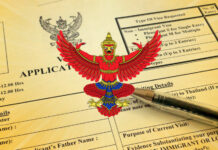






























BANGKOK — 17 January 2026, Thailand’s Ministry of Digital Economy and Society has warned the public about a false claim circulating online that new rules limit visa-free entry for foreign nationals to twice a year.
Wetang Puangsup, spokesman for the ministry, said the warning followed monitoring and reports handled by the Anti-Fake News Centre of Thailand, in line with government policy to prevent and address security and social threats. The ministry has prioritised raising public awareness of technology-related crime, fake news and disinformation.
On 15 January 2026, the centre reviewed 157,300 online messages, of which 4,815 required verification. Most of the flagged content came from social media monitoring, accounting for 4,810 messages, followed by five messages from the Line Official channel. A total of 34 issues required investigation, with two already verified by relevant agencies.
Among the seven items drawing the greatest public attention, four were found to be fake news and three misleading.
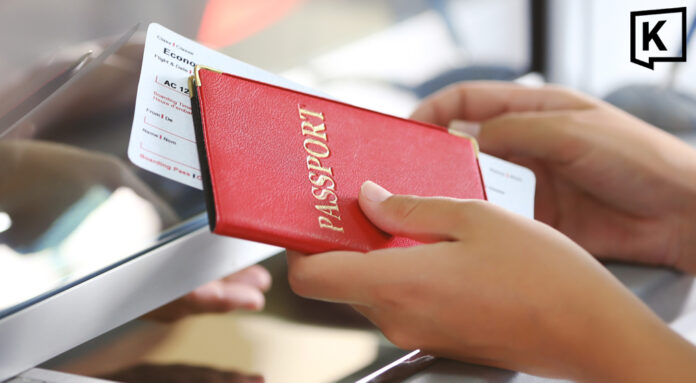
The most prominent fake story claimed that a new regulation allows foreigners to enter Thailand visa-free only twice a year. The ministry said it had coordinated with the Immigration Bureau, which confirmed the claim was false. No announcement has been made to amend the law to impose such a limit, nor has any clear legal framework been set.
The Immigration Bureau continues to apply existing measures, including stricter screening of foreigners who frequently enter and leave the country in a pattern resembling so-called “visa runs”.
Other widely shared items included misleading health claims, unverified allegations involving large cash withdrawals ahead of an election, and false reports about online lottery sales, overseas job recruitment and loan offers promoted through social media platforms.
The ministry urged the public to remain vigilant about information shared online, warning that believing or forwarding false news can lead to misunderstanding, financial loss or damage to personal data, with wider social consequences. It advised people to trust and share information only from official sources and to verify facts and website links carefully before sharing.