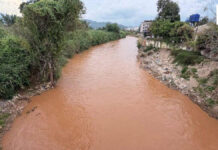






























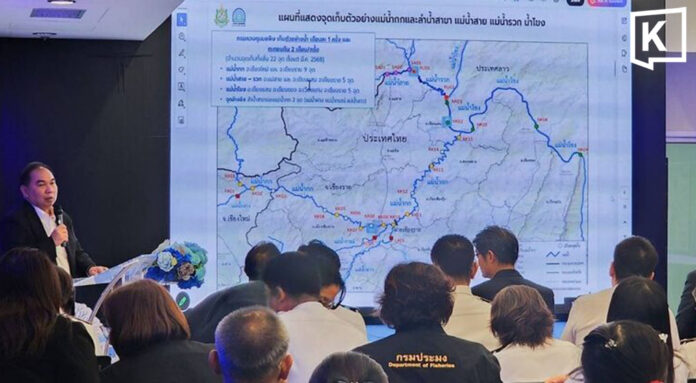
BANGKOK — 23 November 2026, ten aquatic species have been found contaminated in the Kok River across Chiang Mai and Chiang Rai provinces. Authorities have warned the public against consuming them, while three agencies investigate the potential impact on the aquatic food chain.
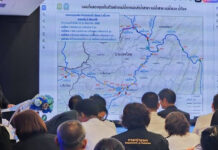
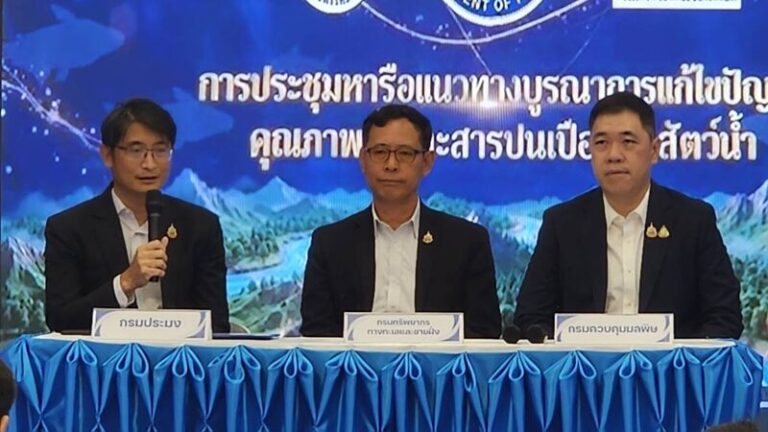
At the Department of Marine and Coastal Resources headquarters in Chaeng Watthana, Bangkok, Deputy Permanent Secretary of the Ministry of Natural Resources and Environment Padej Laithong, together with Surin Worakijthamrong and Pinsak Surasawadee, attended a meeting to coordinate efforts to address water quality issues and contamination in aquatic animals. The meeting aimed to share findings and develop measures to tackle the problem and reduce its impact on the public.
Pinsak said the meeting aimed to exchange information and monitor results on environmental conditions, water quality, and aquatic life in the river. It also focused on ensuring the safety of river-based aquaculture farmers, assessing potential marine impacts, and issuing alerts to coastal aquaculture farmers when potential risks are identified.
High-Risk Aquatic Species
Regarding public concerns over consuming aquatic animals in northern Thailand, particularly in the Kok River, inspections found significant pollution in river sediments in areas where toxic substances exceeded safety standards.
Testing of 300 aquatic samples found 10 species with pollutant levels exceeding safety standards, including:
- Freshwater prawn
- Golden apple snail
- Pond snail
- Freshwater clam
- Freshwater mussel
- Basa fish
- Soldier river barb
- Yellow mystus
- Northern black sheatfish
- Sicklefin barb
Public Safety Recommendations
The Director-General of the Fisheries Department said aquatic organisms can naturally convert some inorganic arsenic into organic forms and eliminate them in the short term. However, concerns remain over long-term exposure and the accumulation of contaminants.
He is advised to avoid consuming aquatic animals from contaminated areas. Midwater and surface-dwelling species may still be consumed, but internal organs should be avoided as they can accumulate contaminants.
Fisheries Department’s Action Plan
As part of the response plan, authorities will conduct additional tests on cage-raised fish, particularly along the Mekong River, as well as fish from aquaculture ponds, to identify safe farms and high-risk areas.
A color-coded warning system using green, yellow, and red flags will also be introduced to alert residents based on contamination levels. Farms affected by polluted river water will receive assistance through changes in farming practices or support alternative livelihoods and suitable aquaculture methods.
Authorities also need to study how contaminants affect aquatic life cycles, including reproduction and whether the effects can be passed on to future generations, as there is still no clear evidence of potential impacts across the food chain.
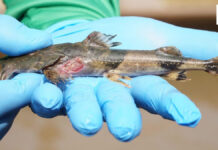
Regarding abnormal skin conditions found in Pla Khae fish in the Mekong River and its tributaries, Pinsak confirmed that they were not caused by water pollution but by parasitic flukes, which cause inflammation and skin lesions.
However, the public is advised to avoid regularly consuming this fish species, as it is a bottom-dwelling fish and may carry parasites.