




































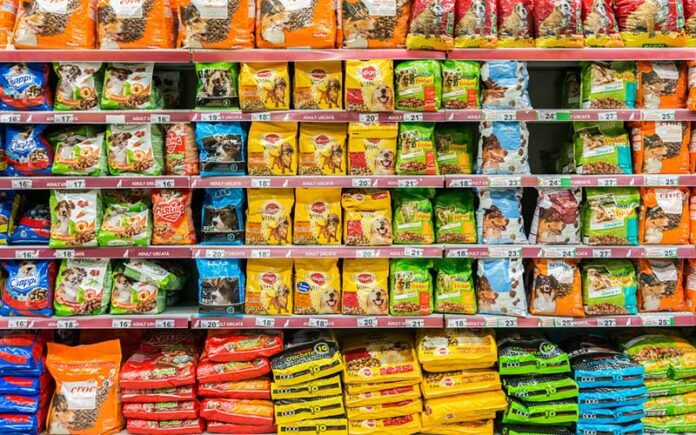
BANGKOK — Thailand has solidified its position as the world’s second-largest pet food exporter, with trade continuing to surge in 2025 despite global economic challenges.
The kingdom exported $1.685 billion worth of dog and cat food in the first seven months of 2025, representing 10.72% growth compared to the same period last year, according to Phunphong Nainapakorn, director of the Trade Policy and Strategy Office.
Strong 2024 Performance Sets Foundation
Thailand achieved the milestone ranking in 2024 with exports totaling $2.677 billion, a 29% increase from the previous year that captured 10% of the global pet food market. Germany maintained its leading position with $3.283 billion in exports (12.3% market share), while the United States ranked third at $2.521 billion (9.4%), followed by Poland ($2.408 billion, 9.0%) and France ($2.308 billion, 8.6%).
The global pet food market reached $26.466 billion in imports during 2024, with Germany leading consumption at $2.435 billion, followed by the United States ($2.216 billion), United Kingdom ($1.762 billion), Poland ($1.530 billion), and Canada ($1.380 billion).
US Remains Key Market Despite Tariffs
The United States continues as Thailand’s largest export destination, accounting for $609.86 million in the first seven months of 2025—a 26% increase despite facing 19% retaliatory tariffs. Thailand has maintained price competitiveness, though local content requirements remain a regulatory concern.
Thailand’s other major markets showed strong performance: Japan ($329.37 million, unchanged), Australia ($167.21 million, up 45%), Italy ($164.94 million, up 34%), and Malaysia ($138.18 million, up 8%). These five markets represent 62.3% of Thailand’s total pet food exports.
Middle East Emerges as Growth Region
The Middle East presents significant expansion opportunities, with several countries showing triple-digit growth rates. The UAE led regional imports at $31.93 million (up 64%), followed by Saudi Arabia ($17.92 million, up 65%), Kuwait ($5.66 million, up 117%), Israel ($5.41 million, up 62%), and Turkey ($3.75 million, up 68%).
Market Drivers and Future Outlook
Several trends support continued growth in Thai pet food exports, including rising global pet ownership, demographic shifts toward aging populations and smaller households, and increased consumer focus on pet health and nutrition.
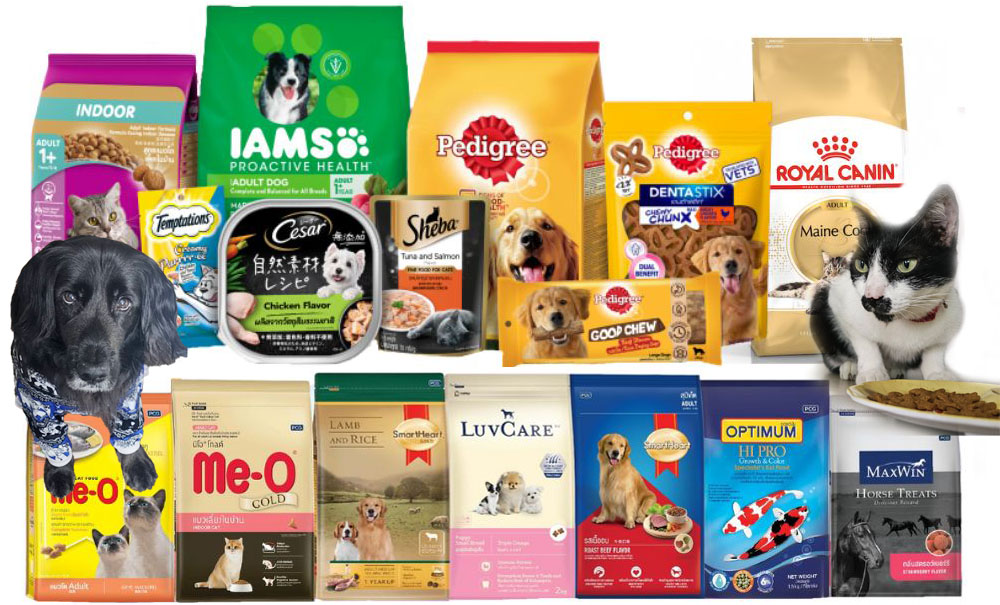
Phunphong identified opportunities in functional and specialized products, such as vitamin-enriched formulas and age-specific recipes using premium ingredients. Environmental sustainability in both products and packaging will become increasingly important for accessing European, American, and Japanese markets.
He recommended Thai companies focus on maintaining quality standards, investing in research and development, utilizing more domestic raw materials, and developing innovative product formats that provide dietary variety and health benefits.
“With these strategies, Thailand has the potential to become the world’s leading pet food exporter in the near future,” Phunphong said.
_______