































25.5 C
Bangkok
Saturday, June 20, 2026
Home Blog Page 1002

S&P Global announces The Sustainability Yearbook 2022. CP Group is awarded Bronze Class status in the industrial conglomerates sector.

Charoen Pokphand Group Co., Ltd. (C.P. Group) is included on the Sustainability Yearbook 2022 as reported by S&P Global.  The Yearbook has announced a list of companies, ranking them in sustainability efforts across various industries. S&P Global is the world leading and most trusted reference on sustainability. They are widely accepted among investors and the global economic communities worldwide. C.P. Group is the only Thai company that has been assessed out of 66 companies that has received Bronze Class distinction in the Industrial Conglomerates sector. This reflects the company’s commitment towards sustainability operations in all dimensions; economy, society, and the environment.

Mr. Suphachai Chearavanont, Chief Executive Officer of Charoen Pokphand Group highlighted that as a Thai private sector organization, we are delighted to be the only Thai organization ranked in the Sustainability Yearbook 2022 in the Industrial Conglomerates sector, achieving Bronze Class distinction.  In order to achieve such distinction, our score has to be in the top 5%-10% of the industry.  This year, the German energy conglomerate, Siemens AG ranked first, followed by SK Business Group (SK Inc.), an IT business group from South Korea. For organizations to be eligible for the Yearbook, they must pass a Corporate Sustainability Assessment (CSA) rating, which is used to rank the Dow Jones Sustainability Indices (DJSI). The assessment focuses on business performance, Governance & Economics, as well as Social and Environmental dimensions.   C.P. Group has outstanding performance in several criteria, including climate change strategy, social and environmental reporting, code of business conduct, innovation management, and human capital development. This success reflects the business operations ability to become a leader in sustainability.

“C.P. Group has a moral compass, to do business with the nation’s best well-being at the fore-front of our minds. We create this vision through our 3Hs sustainability strategy: Heart – Living Right, Health – Living Well, and Home – Living Together.  The strategy is in line with the United Nations Sustainable Development Goals (SDGs) and also emphasizes on operating in accordance with ESG’s guidelines, which is to conduct business that takes into account the environment, society and corporate governance. (Environment, Social, Governance), This includes working proactively to push the world agenda on many issues. We consider this to be both an opportunity and a challenge for every business unit under C.P. Group. This allows us to increase business capabilities along with creating value for all stakeholders to achieve the C.P Group’s Sustainability Goals for 2030, while still remaining a leading global company in sustainability. Through this strategy we are creating a balance for both business and society” as stated by CP Group’s CEO.

The Sustainability Yearbook 2022 is a report trusted by investors and recognized globally. It included 7,554 companies in the global assessment, and only 716 companies from 61 industries were selected to be ranked in the report. This year, only 41 Thai companies were included. Aside from the C.P. Group, there are also subsidiaries included in the Yearbook 2022. Namely, Charoen Pokphand Foods Plc., CP All Plc., and True Corporation Plc. Several other Thai companies were included on this report, such as Thai Beverage Plc. (ThaiBev), PTT Global Chemical Plc. (PTTGC), Banpu Plc. (BANPU), and Mitr Phol Sugar Company Limited. Based on sustainability performance covering economic, social and environmental dimensions, the assessment results have been sorted by percentage, with organizations in the top 15% of each industry group listed in this report.
Advertisement

Japan Border Policy Keeps Thousands of Foreigners in Limbo

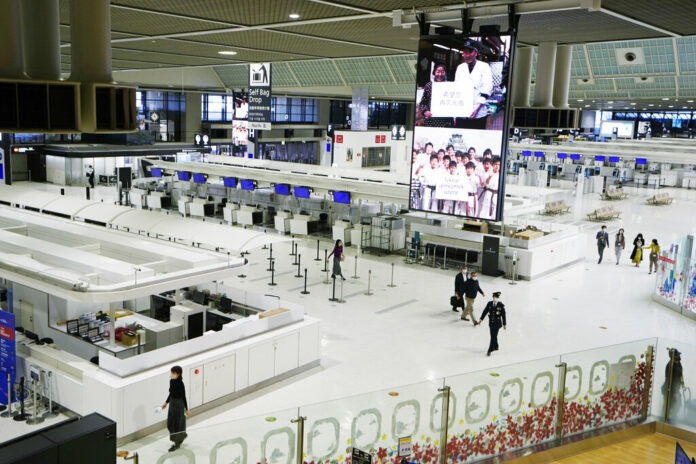
FILE - Passengers walk through the ticketing counter floor for international flights at the Narita International Airport in Narita, east of Tokyo, on Dec. 2, 2021. Photo: Hiro Komae / AP File

TOKYO (AP) — More than a year ago Sebastian Bressa finished his paperwork to become a language teacher in Tokyo and made plans to quit his job in Sydney. His life has been in limbo ever since.

Japan has kept its door closed to most foreigners during the pandemic, and the 26-year-old Australian is one of hundreds of thousands denied entry to study, work or see their families.

Japan has become one of the world’s most difficult countries to enter and some are comparing it to the locked country, or “sakoku,” policy of xenophobic warlords who ruled Japan in the 17th to 19th centuries. The current border rules allow in only Japanese nationals and permanent foreign residents, and have raised the ire of foreign students and scholars who say the measures are unfair, unscientific and force talented visitors to go to other countries. Critics say the rules are also hurting Japan’s international profile and national interest.

About half a million foreigners — including academics, researchers and others with highly skilled jobs and 150,000 foreign students — have been affected, various statistics show.

“I think the most difficult thing for me has been this state of living in standby,” Bressa said. He has been unable to commit himself to any long-term plans with his family, friends or even at work. “I can’t plan that far ahead in the future, just not knowing where I end up the next month or two.”

Frustrated students have gathered near Japanese diplomatic compounds around the world to protest.

In Spain’s second-largest city of Barcelona, Laura Vieta stood outside of the Japanese Consulate last week, holding up a sign saying “Stop Japan’s Travel Ban.”

“I gave up my job because I thought I was going to Japan in September,” said Vieta, 25, who wants to study Japanese at a private school for six months or longer. “As you can see, I’m still here.”

Japan plans to keep the border measures in place through the end of February as it copes with a record surge of cases in Tokyo and other major cities. Makoto Shimoaraiso, a Cabinet official working on Japan’s COVID-19 response, said the situation is painful but he asked for patience, noting much higher infection levels overseas.

Japan recently decided to let nearly 400 students enter, but many others including those on foreign government-sponsored scholarships still cannot get in.

A letter to Prime Minister Fumio Kishida, signed by hundreds of academics and Japan experts and submitted last month in a petition drive, called for a relaxation of the border controls to enable educators, students and scholars to pursue their studies and work in Japan. It said many already have given up Japan studies, opting to focus elsewhere, such as South Korea.

“They become the bridges between Japan and other societies. They are future policymakers, business leaders, and teachers. They are the foundation of the U.S.-Japan alliance and other international relationships that support Japan’s core national interests,” the letter said. “The closure is harming Japan’s national interests and international relationships.”

Japan is not the only country imposing strict border controls, but the policy is drawing criticism from within Kishida’s governing party and from the business community.

Taro Kono, an outspoken lawmaker who has studied at Georgetown University and served as foreign and defense minister, urged that the government “reopen the country so that students and others waiting for an entry can have a future outlook and make plans.”

Masakazu Tokura, head of Japan’s powerful business organization Keidanren, recently said the border measures were “unrealistic” and are disrupting business. He called for a quick end to “the locked country situation.”

However, the border controls have wide public support. Many Japanese tend to think troubles such as the pandemic come from outside their island nation.

Tightening border controls quickly after omicron outbreaks began overseas may have been unavoidable, Nippon University crisis management professor Mitsuru Fukuda said, but the decision to exclude only foreigners appears aimed at rallying public support. With careful preventive measures, Japan could allow foreign visitors just as many other countries are doing, he said.

“Crisis management is for the protection of people’s daily lives and happiness, and people should not have to compromise their freedom and human rights in exchange for their lives,” Fukuda said.

Japan’s coronavirus cases plunged as delta variant infections subsided in the fall, and Kishida has said closing the border to most foreign travelers in late November helped delay the latest surge in infections. He contends that overreacting is better than doing too little, too late.

He was likely taking a lesson from his predecessor, Yoshihide Suga, who stepped aside after only a year in office partly due to his administration’s perceived weak handling of the pandemic.

Japan has just begun giving booster shots, but only 3.5% of the population have received them, and the medical system has been inadequately prepared for the latest huge wave of cases, leaving many sick with COVID-19 to isolate at home.

The border closures did not keep omicron out of U.S. military bases, where Japan has no jurisdiction, including troops that fly directly into the country without observing Japanese quarantine requirements. They were not tested for weeks, until Tokyo asked them to.

Clusters of cases among U.S. troops rapidly spread into neighboring communities including those in Okinawa, home to the majority of the 50,000 American troops in Japan, beginning in late December. Infections at U.S. bases exceeded 6,000 last month.

On Wednesday, Japan reported nearly 95,000 new confirmed cases, near a record, and Tokyo’s cases exceeded 20,000 for the first time. Some pandemic restrictions are now in effect in much of Japan, including Tokyo and other big cities like Osaka and Kyoto, for the first time since September.

Phillip Lipscy, a political science professor at Toronto University in Canada who is part of the petition drive, said he was denied entry despite his Japanese roots and his dedication to the study of Japan.

“I grew up in Japan. I am a native speaker of the language, my mother is Japanese and she lives in Tokyo. But under the current policy I cannot enter Japan because of the color of my passport,” Lipscy told an online meeting.

With the outlook uncertain, many people are changing their studies or careers, he said.

“These are fateful decisions with long term consequences,” he said. “The border closure is depriving Japan of a generation of admirer, friends and allies.”

___

Story: Mari Yamaguchi. Associated Press journalist Chisato Tanaka contributed to this report.

Advertisement

Another Beijing Olympics With Human Rights Still Major Issue

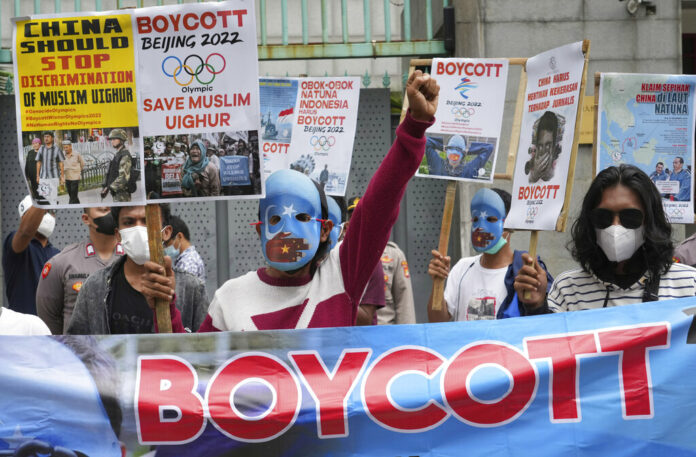
FILE - Student activists, some wearing masks with the colors of the pro-independence East Turkistan flag, shout slogans during a rally to protest the Beijing 2022 Winter Olympic Games, outside the Chinese Embassy in Jakarta, Indonesia on Jan. 14, 2022. Photo: Tatan Syuflana / AP File

BEIJING (AP) — Beijing was awarded the 2008 Summer Olympics, largely under the assumption that the Games would improve civil liberties in the country.

There is no such talk now. The 2022 Winter Olympics open Friday under heavy security and warnings from officials that athletes or others could face legal action if they speak out on human rights or other touchy issues.

The Games are a reminder of both China’s rise and its disregard for civil liberties, which has prompted a diplomatic boycott led by the United States.

Rights groups have documented forced labor, mass detentions and torture, and the U.S. has called China’s internment of at least 1 million Uyghurs genocide. China has also come under criticism over the near-disappearance from public view of tennis star Peng Shuai after she accused a former senior member of the ruling Communist Party of sexually assaulting her.

But with more political, economic and military clout than it had 13 1/2 years ago, China appears to be worrying less about global scrutiny this time. And the COVID-19 pandemic has given it even more control over the Olympics, particularly with the isolation of visiting journalists, separated in a “bubble” from the Chinese population.

“There’s nothing to ‘prove’ at this point; 2008 was a ‘coming out’ party and all this one does is confirm what we’ve known for the last decade,” Amanda Shuman, a China researcher at the University of Freiburg, wrote in an email to The Associated Press.

“If anything, there’s a lot less pressure than 2008,” she said. “The Chinese government knows full well that its global economic upper hand allows it to do whatever it wishes.”

The International Olympic Committee had few options when it awarded China the Games for the second time. Six possible European candidates, led by Norway and Sweden, bowed out for political or cost reasons. Voters in two other countries — Switzerland and Germany — voted no in referendums.

IOC members eventually picked Beijing — an authoritarian state that doesn’t need voter approval to proceed — over Almaty, Kazakhstan, in a close vote, 44-40.

The IOC has allowed China to avoid human rights oversight. Beginning with the 2024 Paris Olympics, host cities must adhere to the U.N. Guiding Principles on Business and Human Rights. But China was not subject to those rules when it was picked in 2015.

“When China hosts the Olympics again, it is no longer the China back in 2008,” dissident Chinese artist Ai Weiwei said in an email to The AP. Ai helped design the famous Bird’s Nest stadium that was used in the 2008 Games — hoping it would signify a new openness — and then regretted doing so, calling it and the Olympics China’s “fake smile.”

Ai was jailed in 2011 in China on unspecified charges and now lives in exile in Portugal. The Bird’s Nest will again host the opening ceremony.

“China today has deviated further away from democracy, freedom of press and human rights, and the reality has become even harsher,” Ai added.

China’s tone has toughened since the last time it hosted the Games.

In 2008, Beijing put some curbs on broadcasting from Tiananmen Square but allowed it; agreed to “protest zones,” though they were never used, with access repeatedly denied; and dropped some reporting restrictions more than a year ahead of the Games. It also unblocked its censored internet for journalists.

In 2022, there is less accommodation. The pandemic will limit journalists to a tightly sealed “bubble,” though there is internet access. Chinese organizers have warned foreign athletes that any statement that goes against Chinese law could be punished. And a smartphone app widely used by athletes and reporters has glaring security vulnerabilities, according to an internet watchdog.

Some national Olympic committees have advised teams and staff not to take personal phones or laptops to Beijing.

The IOC, which generates billions from sponsorships and broadcast rights, seldom pushes back in public against Chinese organizers who are, in reality, the Chinese government.

Some of the changes that affect 2022 began a month after the 2008 Olympics ended, when the global financial crisis hit. China fared better than most countries, which increased its confidence.

China has since seen the rise of Xi Jinping, who headed the 2008 Olympics and was named general secretary of the Communist Party in 2012.

“Although Xi was in charge of 2008 Olympic Games, the Winter Games is truly Xi’s Games,” said Xu Guoqi, who teaches history at the University of Hong Kong. He is the author of “Olympic Dreams: China and Sports, 1895-2008.”

Mary Gallagher, who teaches Chinese studies at the University of Michigan, said the state of U.S. democracy and its “poor pandemic response” have further emboldened China.

“Right now the multiple U.S. failures create momentum for renewed nationalism and confidence in China,” Gallagher said by email. “This is made all the more effective by the Communist Party’s strict control over information, which can rain ‘positive energy’ down on what’s happening in China while only publicizing negative accounts of other countries, especially the U.S.”

China complained in 2008 that human rights protests around Tibet politicized the Olympics. The Olympic Torch Relay, taken on a world tour, faced violent protests in London and elsewhere. The IOC has not tried such a relay since.

China, which has called the allegations of human rights abuses the “lie of the century,” says mixing sports and politics goes against the Olympic Charter. IOC President Thomas Bach has likewise used that principle as a shield against critics.

But others see hypocrisy on China’s part.

“Sports and politics do mix,” Laura Luehrmann, a China specialist at Wright State University, said in an email. “Politics is about the distribution and use of limited resources — most notably power and decision-making, but also finances as well. Sports is all about power and money — even if framed as glorifying athletic achievement.”

Victor Cha, who served in the White House under President George W. Bush and is the author of “Beyond the Final Score — The Politics of Sport in Asia,” said China’s moaning about others politicizing sports is “the pot calling the kettle black.”

“There is no country that has ignored the Olympic Charter’s mandate to keep politics out of sports more than China,” Cha, who teaches at Georgetown University, wrote in an essay last week for the Center for Strategic & International Studies.

“Much as the world would like the Olympics to be devoid of politics, as George Orwell once wrote: ‘Sport is war minus the shooting.’”

___

Story: Stephen Wade.

Advertisement

BGRIM included in the S&P Global Sustainability Yearbook 2022 earning “Industry Mover” distinction

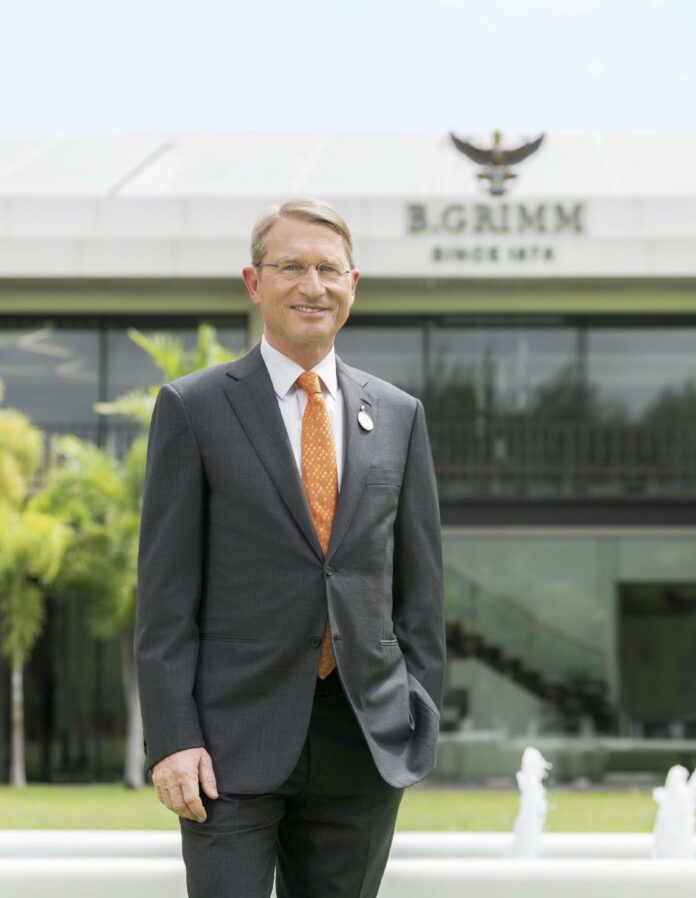
BANGKOK, Feb 2, 2022: B.Grimm Power PCL (BGRIM), Thailand’s leading industrial power producer, for the first time, has been included in the S&P Global Sustainability Yearbook 2022, and awarded with the “Industry Mover” distinction, following BGRIM’s strongest year-on-year score improvement within the Electric Utilities industry. 

“At B.Grimm Power, sustainability is the core. This milestone reflects our commitment to empower the world compassionately, through sustainable business practices covering economic, environmental, and social dimensions underpinned by good governance principles,” said Dr. Harald Link, Chairman and President of BGRIM.

The Sustainability Yearbook ranks global sustainability leaders, based on the S&P Global ESG Scores evaluated through the annual Corporate Sustainability Assessment (CSA). To be listed in the Yearbook, companies must score within the top 15% of their industry and must achieve an S&P Global ESG Score within 30% of their industry’s top-performing company. This year, over 7,500 companies were assessed, 716 of which were recognised as Yearbook members.

image2 3

Throughout 2021, B.Grimm Power also earned other recognitions for corporate sustainability performance at local and global levels. They include an A rating from the MSCI ESG Ratings; being name a member of the FTSE4Good Index Series for the second year in a row; being part of the ESG 100 Group of Securities from the Thaipat Institute; and being honoured, for four consecutive years, with the title in the Thailand Sustainability Investment (THSI)’s list of 146 companies on the Stock Exchange of Thailand (SET) with sustainable business operations.

BGRIM also received the “Excellent” (5 stars) rating in the Corporate Governance Report 2021 of the Thai Institute of Directors for second year in a row, which reflects the company’s commitment to promote sustainable business growth under the principles of good governance and responsible value chain management by taking into account the economic, social and environmental impacts.

Advertisement

Greek Tourist’s Cash Stolen in Phuket

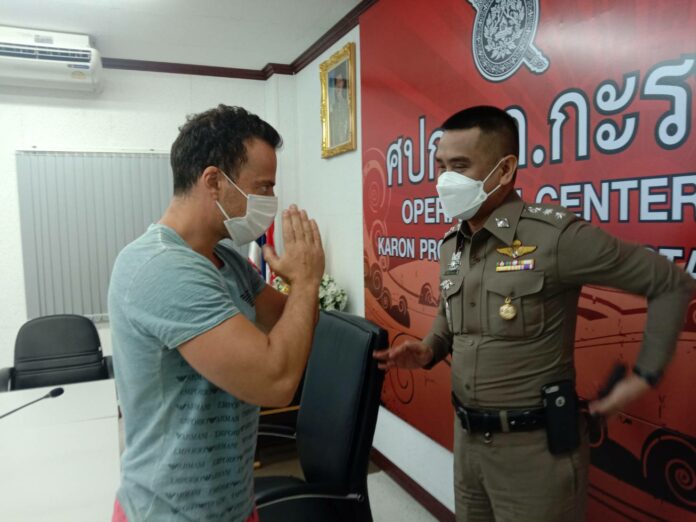
Greek tourist Alexiadis Alexandos wais Karon police superintendent Teerawat Liamsuwan after a briefing at Karon Police Station on Feb. 2, 2022.

PHUKET — A Greek tourist on Wednesday said he is offering a reward for the return of his 4,900 euros vacation cash stolen from his car on the resort island of Phuket.

The cash of about 200,000 baht was stolen in the night of Jan. 25 from a car parked inside a condominium’s parking lot near Kata Beach, according to a complaint filed by Greek tourist Alexiadis Alexandos. Alexandos said he is pledging the person who took the cash to return it in exchange for 500 euros in cash, or about 18,000 baht, with legal charges dropped.

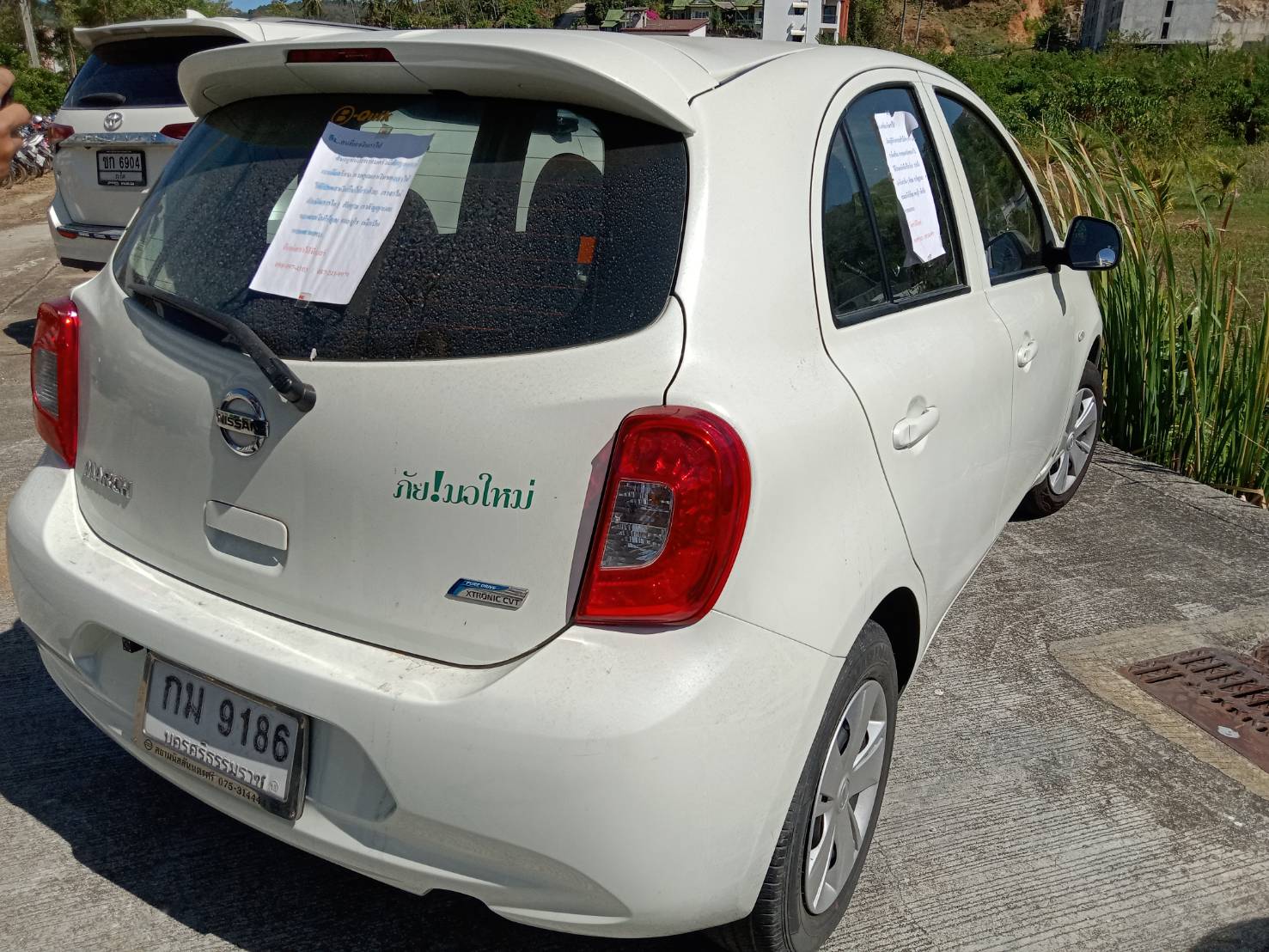
Alexandos's car, with a sign in Thai pledging the return of his cash put up on the windows.
Alexandos’s car, with a sign in Thai pledging the return of his cash put up on the windows.

“I put the cash in the car because the maids would come in to clean my room. The safety box inside my room was broken,” Alexandos said. “What bothered me most is the car was parked in front of the condominium and there’s a security camera. However, my car was parked in the blind spot of the camera.”

“[Condominium’s staff] told me to face the truth and get over it,” he added.

Alexandos and his family of four arrived in Phuket under “Test and Go” quarantine exemption scheme on Dec. 26 and planned to stay in Thailand until Feb. 25. He filed a complaint at Karon Police Station on Jan. 26, yet there has been no progress on the case, he said.

Running out of hope, he eventually decided to spread the word on social media with the help of his Thai friend and put up a sign on his car offering reward for the return of his cash.

Karon police superintendent Teerawat Leamsuwan said an investigation is underway.

“We are still investigating and need more time,” Col. Teerawat said Wednesday. “We told the family not to worry since we would definitely arrest the perpetrator.”

Advertisement

Violence, Protests Mark Anniversary of Myanmar Army Rule

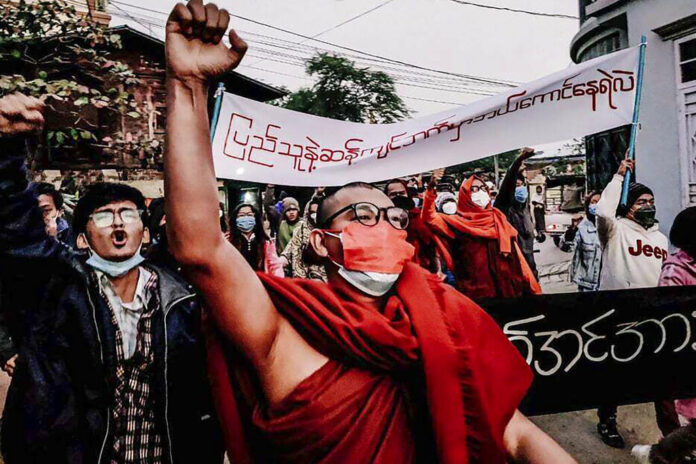
A Buddhist monk raises his clenched fist while marching during an anti-military government protest rally on Tuesday, Feb. 1, 2022, in Mandalay, Myanmar. Photo: AP

BANGKOK (AP) — A nationwide strike marked the one-year anniversary Tuesday of the army’s seizure of power in Myanmar, as protests and sporadic violence across the country renewed concern over the ongoing struggle for power.

Photos and video on social media showed a “silent strike” emptied streets in the largest city of Yangon and other towns as people stayed home and businesses shut in a show of opposition to army rule.

Violence was reported as well, as the country faces an insurgency that some U.N. experts now characterize as a civil war.

Local media said an explosion killed at least two people and injured dozens at a pro-military rally in a town on the eastern border with Thailand. The cause of the blast was not immediately clear.

The military’s takeover on Feb. 1, 2021, ousted the elected government of Aung San Suu Kyi, whose National League for Democracy party was about to begin a second term in office after winning a landslide election victory.

Widespread nonviolent demonstrations followed the army’s takeover, but armed resistance arose after the protests were put down with lethal force. About 1,500 civilians have been killed but the government has been unable to suppress the opposition.

On the anniversary, the United States and others again criticized the military takeover. President Joe Biden in a statement called for the military to free Suu Kyi and other detainees, and return Myanmar on a path to democracy.

The U.S. on Monday imposed new sanctions on Myanmar officials, adding to those targeting top military officers. The measures freeze any assets the listed officials may have in U.S. jurisdictions and bar Americans from doing business with them. Britain and Canada announced similar measures.

A statement from the office of U.N. Secretary-General António Guterres highlighted “an intensification in violence” and “humanitarian crises” that it said required an urgent response.

The United Nations wants the elected government restored and for all those detained, including Suu Kyi, to be released, U.N. deputy spokesman Farhan Haq said Tuesday. “But ultimately, there is no way forward under the current circumstances and there’s no way forward under the rule by the military that has led to so much needless suffering among the people of Myanmar,” he said.

The U.N. Security Council is working on reaction to the anniversary, Russia’s U.N. Ambassador Vassily Nebenzia and diplomats said Tuesday.

Scattered pro-democracy rallies were held before the start of the strike in the early morning, when security forces are less likely to be out on the streets. Protesters including Buddhist monks carried banners and chanted anti-military slogans in the cities of Yangon, Mandalay and Sagaing.

Many also held up three fingers, the resistance salute adopted from “The Hunger Games” movie that pro-democracy demonstrators in neighboring Thailand have also used.

Opposition fighters also claimed to have carried out bombings Tuesday in 11 neighborhoods of Yangon — targeting a police station and homes of military officers, among other sites. A message posted on Facebook by a group calling itself the Yangon Region Military Command made no mention of casualties.

Opposition militants carry out daily hit-and run guerrilla attacks, while the military generally engages in larger-scale assaults that are blamed for many civilian casualties.

In the town of Myitkyina in northern Kachin state, a bombing at a police station early Tuesday led to officers firing on a car fleeing the scene, according to local news outlet The 74 Media, when a stray bullet killed a 7-year-old boy living nearby.

Authorities had threatened shopkeepers with arrest if they closed for the opposition’s strike, but those that were open Tuesday appeared to have few if any customers.

Since last week, the government had warned that strike participants could face imprisonment and their property seized.

Dozens of business owners who had announced plans to close were arrested, according to the state-run newspaper Myanma Alinn Daily.

In Yangon and Mandalay, city administrators also scheduled special events to draw attention away from strike calls this week, including a cycling contest. Municipal workers in Yangon were instructed to attend the event, according to leaked documents posted on social media.

Several pro-military demonstrations, widely believed to have been organized by the authorities, were also held.

In Tachileik, a border town in Shan state in eastern Myanmar, an explosion at a pro-government rally killed 2 people and injured at least 37 others — including six critically wounded, according to a reporter with the online local Tachileik News Agency.

The reporter, who declined to give his name because of the political sensitivity of such news, told The Associated Press in a text message that most of the marchers were ex-soldiers or villagers brought in for the demonstration.

No one has claimed responsibility for the blast, which was also reported by other news outlets.

Early in the day, leaders of the opposing sides released speeches online to mark the anniversary of the army’s takeover.

Duwa Lashi La, acting president of the opposition’s National Unity Government, vowed that his group will carry on with the people’s “revolution” against military rule. The NUG, established by elected lawmakers, considers itself the country’s legitimate administrative body and has won the loyalty of many citizens. The military has branded it a “terrorist” organization.

Senior Gen. Min Aung Hlaing, leader of the military-installed government, delivered an hourlong speech where he pledged to work toward a “genuine and disciplined multiparty democratic system”.

Myanmar’s military said it seized power because there was widespread voter fraud in the 2020 polls — an allegation that independent election observers have said they’ve seen no serious evidence for..

“The international community must take strong, meaningful steps to cut the junta’s access to weapons, funds and legitimacy,” said Thomas Andrews, U.N. Special Rapporteur on the situation in Myanmar.

“Recent months have seen an even further escalation of violence,” he said, adding that Myanmar’s military had carried out “mass killings, attacks on hospitals and humanitarian targets, and the bombing and burning of villages.”

___

Story: Grant Peck.

Advertisement

Shortened Olympic Torch Relay Starts for Beijing Games

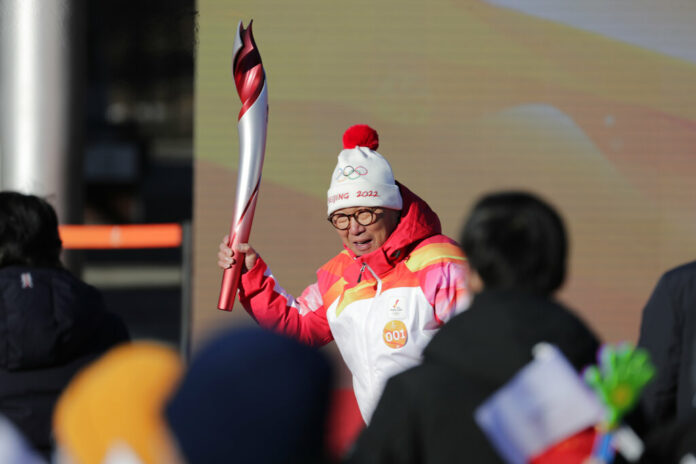
First Torch bearer Luo Zhihuan holds up the torch at the start of the torch relay for the 2022 Winter Olympics at the Olympic Forest Park in Beijing on Wednesday, Feb. 2, 2022. Photo: Sam McNeil / AP

BEIJING (AP) — The three-day torch relay for the Beijing Olympics, shortened considerably because of concerns about the coronavirus, started Wednesday with an 80-year-old former speedskater carrying the flame.

The relay opened at the Olympic Foreign Park. Luo Zhihuan, the country’s first internationally competitive speedskater, ran the first leg.

The torch will be carried through the three Olympics zones, starting with downtown Beijing before heading to Yanqing district and finally Zhangjiakou in neighboring Hebei Province.

The Beijing Games have already been impacted on a scale similar to that experienced by Tokyo during last year’s Summer Olympics. China says only selected spectators will be allowed to attend events, and Olympic athletes, officials, staff and journalists are required to stay within a bubble that keeps them from contact with the general public.

Beijing, with its 20 million residents, has experienced only a handful of COVID-19 cases and reported just two new ones on Wednesday. However, in keeping with China’s “zero tolerance” approach to the pandemic, strict rules require lockdowns and mass testing when any real or suspected case is discovered.

The truncated program seemed to have little effect on Luo, who after receiving the torch from Vice Premier Han Zheng said it was the realization of decades-long aspiration.

“I’ve never participated in the Winter Olympics, so I had hoped our country could host the Winter Olympics and I had the dream for nearly 60 years,” said Luo, wearing a red and white jacket marked with No. 1. “Today my dream has come true … How happy I am!”

The opening of the Beijing Games comes only days after the start of the Lunar New Year holiday, China’s biggest annual celebration when millions traditionally travel to their hometowns for family reunions. For the second straight year, the government has advised those living away from home to stay put, and train and plane travel has been curtailed.

Participants in the torch relay have undergone health screenings and have been carefully monitored, starting from two weeks before the event.

Other torchbearers Wednesday include Jing Haipeng, captain of the Chinese Astronaut Corps, and Ye Peijian, a 77-year-old consultant to China’s lunar exploration program.

The scaled-down torch relay is a far cry from 2008, when Beijing sent the Olympic flame on a global journey ahead of hosting that year’s Summer Games. The relay drew protesters against China’s human rights violations and policies in Tibet, Xinjiang and elsewhere, leading to violent confrontations and the cancellation of some overseas stages.

The Winter Games have been beset by similar political controversies, alongside medical considerations.

Six weeks ago, the United States, Britain and several allies said they would not send dignitaries to attend the Beijing Games as a protest against human rights abuses by the Communist Party regime.

Athletes have been threatened by the organizing committee with “certain punishments” for saying or doing anything that would offend their Chinese hosts, while several delegations urged anyone headed to Beijing to take “burner” phones instead of their personal devices because of concerns their personal information could be compromised.

The National Hockey League cited uncertainty caused by the pandemic to hold back all of its players from the Olympic tournament. And American broadcaster NBC said it won’t be sending announcing teams to China, citing the same virus concerns raised when the network pulled most of its reporters from the Tokyo Games.

Advertisement

SIAM Takashimaya Department Store joins hands with Hokkaido Government to celebrate “Foodie Island Hokkaido” for Hokkaido food lovers during

image4 1

image7

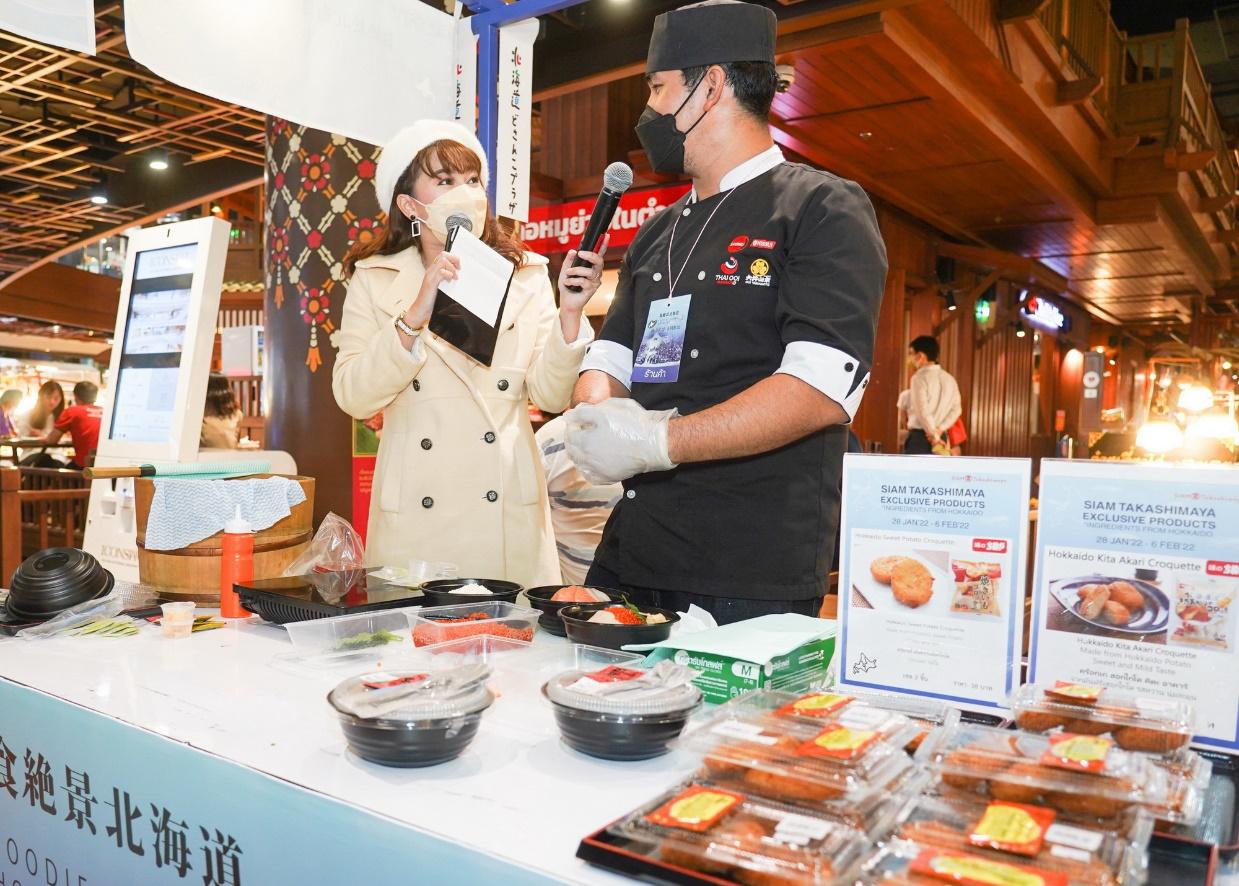
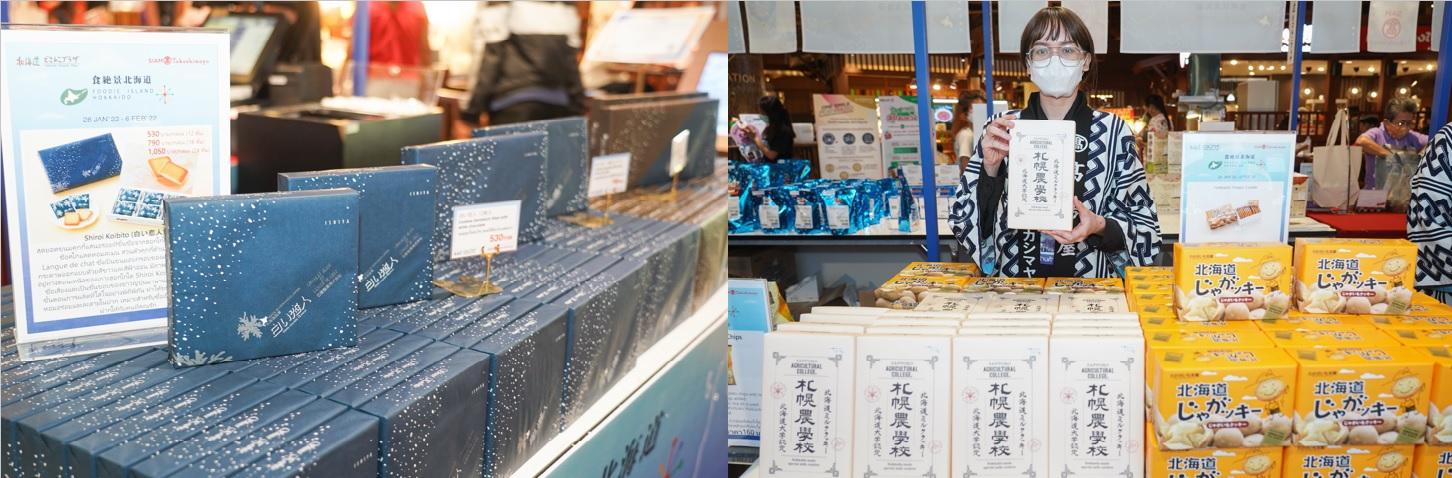
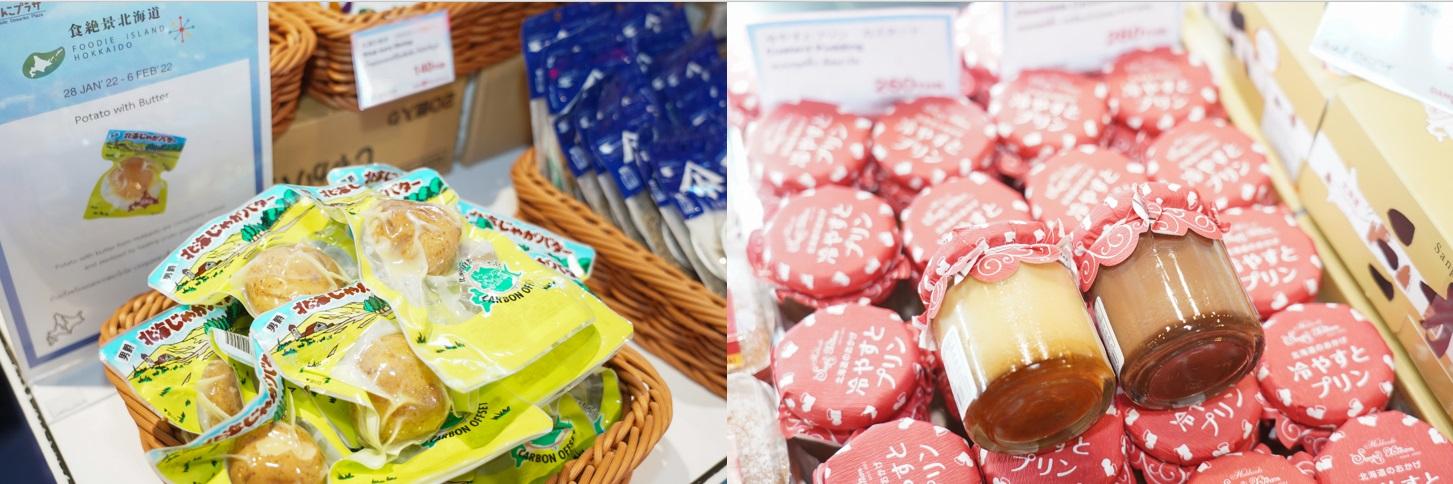
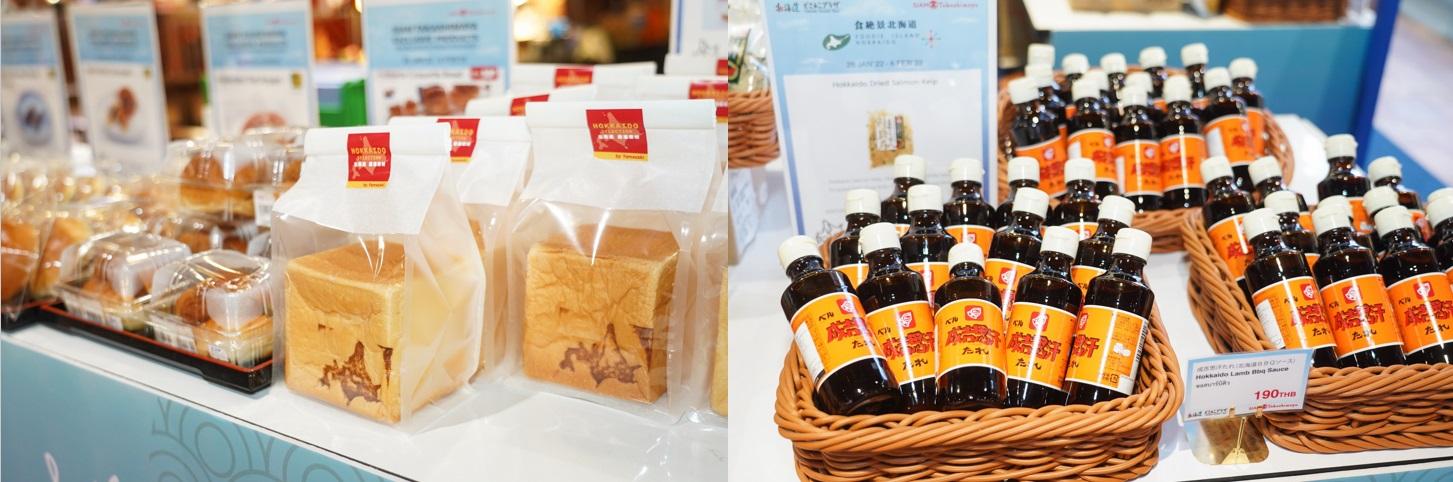
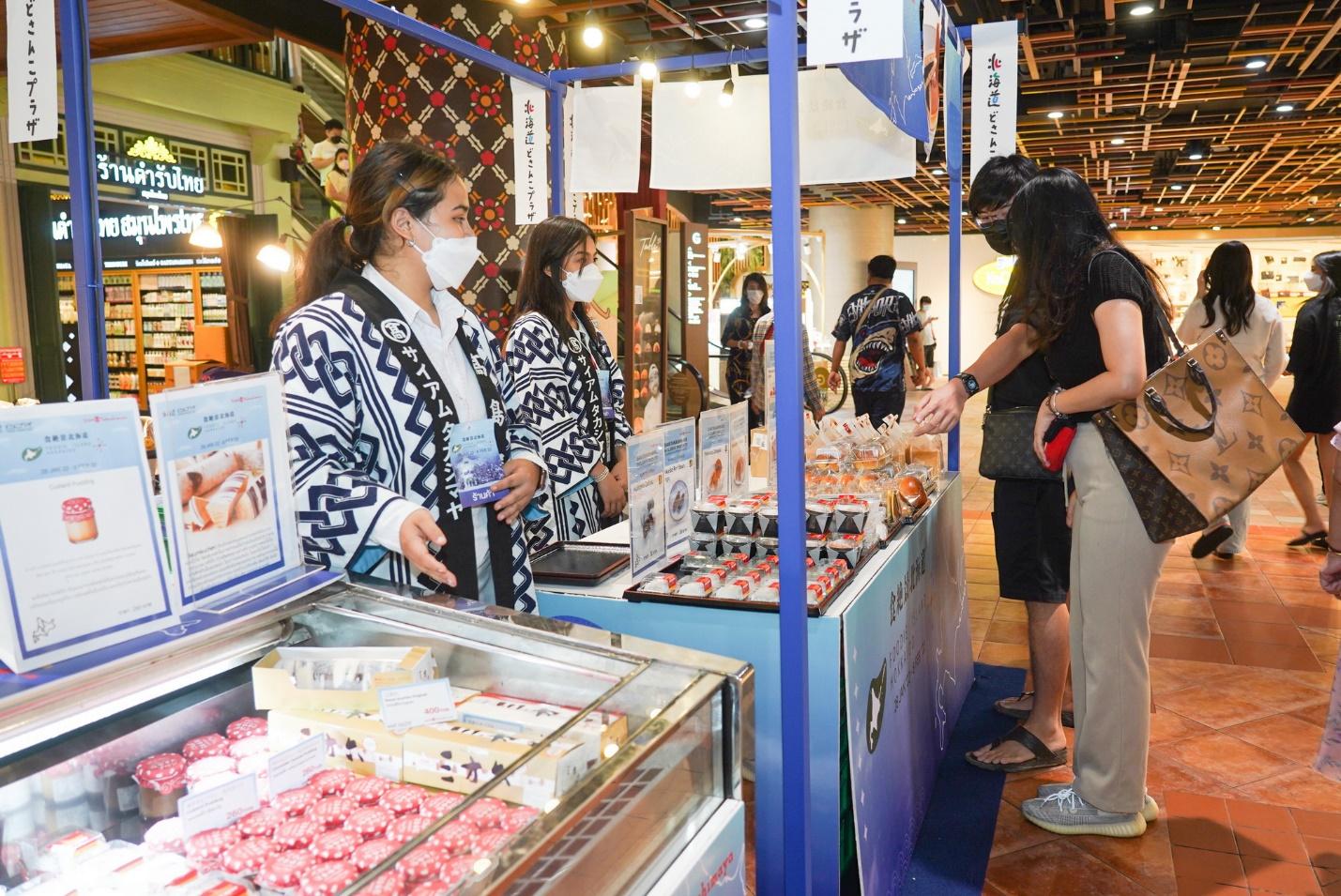
“SIAM Takashimaya” Department Store, an original Japanese department store in Thailand at ICONSIAM, joins hands with Hokkaido Government and Hokkaido Dosanko Plaza, famous Hokkaido specialty store, celebrate “Foodie Island Hokkaido”. Come experience Hokkaido cultures, sumptuous food and famous local products from Hokkaido that are available for Thais to taste and try genuine Hokkaido under the concept  “Feel Hokkaido with all five senses ever in Thailand”. Indulge yourself with the spirit of Hokkaido via 5 senses for the first time ever in Thailand.  Check out the famous and delicious Hokkaido Obihiro-style Pork Donburi cooking demonstration from quality ingredients freshly imported from Hokkaido. Visit “One More Hokkaido Dosanko Plaza” a booth that sells famous local products from Hokkaido such as Hokkaido potato cookie, a sweet potato cake filled with red bean paste, cookie sandwich filled with white chocolate, Hokkaido Hogaja potato cracker with shrimp and many more. Be sure with the quality and safety of all the products directly imported from Hokkaido with the logo to certify that all products and produce are grown, manufactured and processed with safety. Taste fresh seafood bento, you can enjoy salmon, scallop and salmon roe directly imported from Hokkaido. For sweet tooth persons, enjoy tasty bakery made of ingredients from Hokkaido to bake a special bakery that can be found in this event only! Last but not least, don’t miss out the special promotion, shop for 1,000 baht in the event, get Free Kyun –chan Tote Bag (while supplies last).

image6

image2 2

For those who miss Hokkaido, come and indulge yourself with numerous famous items and menus 

in Foodie Island Hokkaido from 28 January – 6 February 2022 at G Floor, SIAM Takashimaya and SOOKSIAM at ICONSIAM, Chareon Nakorn Road. For more information, please call 02-011-7500, or Facebook : Siam Takashimaya 

image1 2

Advertisement

“HYATT THAILAND ONLINE WEDDING FAIR 2022”

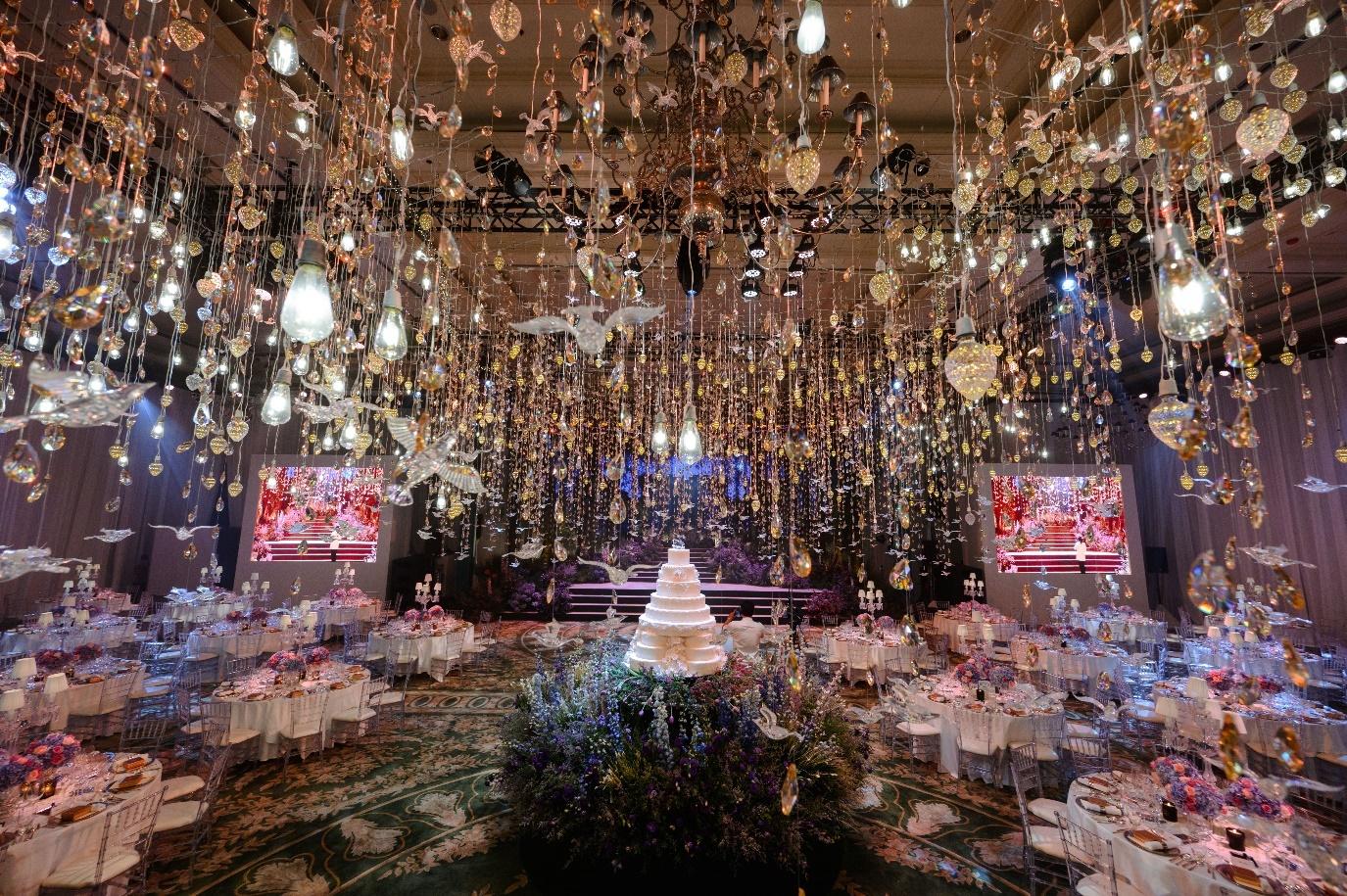
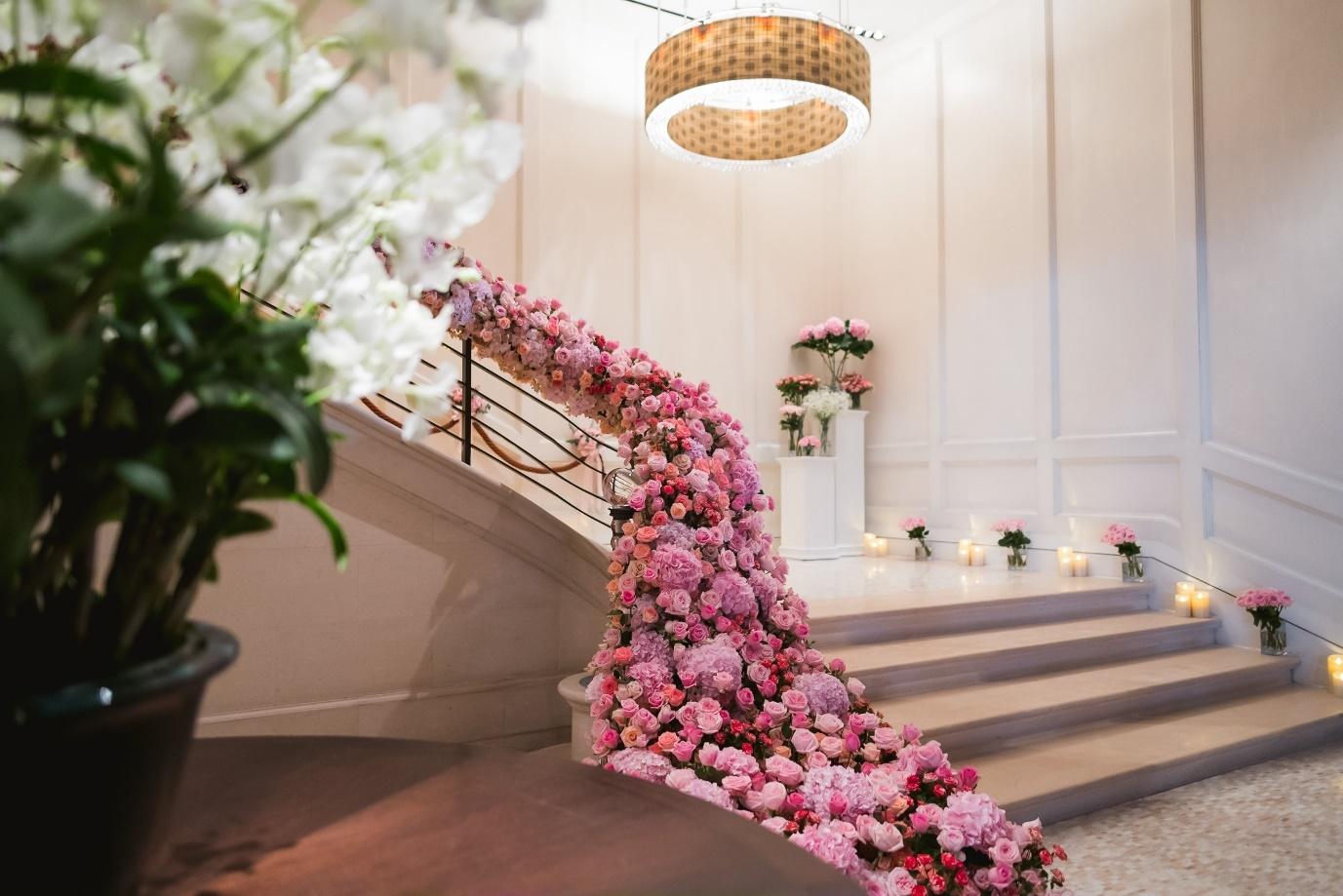
Looking into intimate and wonderful hotels for your wedding? Hyatt Thailand presents online wedding fair with exclusive wedding packages like none other. Whether you prefer a city or resort destination, big or small celebration, we will take care of every small detail for you.

At online wedding fair, the first edition of this new romantic event, a wide range of professional partners including wedding planners, wedding dress designer and wedding studio will make your dream wedding come true and showcase a spectacular selection of services available to couples. For the first couple who book a wedding package at one of participating hotels, enjoy a complimentary gift set from Sisley.

image3 1

“Hyatt Thailand Online Wedding Fair 2022 with the Best Wedding Deals” will run from 5 to 28 February 2022. Please stay tuned on Hyatt Thailand Facebook page, as three Bangkok hotels and two resorts in Thailand come together under one roof to promote their wonderful wedding offers including world-class wedding venues, creative catering, fantastic facilities, dreamy décor, value-added packages and much more! 

Be the first couple at each participating Hyatt hotel, who confirm the wedding to win the complimentary sisley Ecological Compound Duo Limited Edition 60ml valued of THB7400.

image2 1

Participating Hyatt Hotels in Online Wedding Fair 2022

Grand Hyatt Erawan BangkokWith its convenient location in the heart of central Bangkok, diverse range of event venues, renowned reputation for culinary excellence and solid experience in staging magnificent events, Grand Hyatt Erawan Bangkok is now offering packages with special benefits. Couples who confirm their wedding during February – April 2022 with minimum spending of THB 500,000++ can also enjoy additional privileges; a choice of a complimentary engagement ceremony package which include a Chinese tea ceremony, monk ceremony excluding food and a Thai lustral ceremony valued at THB 50,000++.

Park Hyatt BangkokMeet in the heart of Bangkok just minutes away from BTS Ploenchit station.  Park Hyatt Bangkok consists of 2,000 sq m (21,527 sq ft) of event space with award-winning architectural design by Amanda Levete.  Wedding promotions with a minimum spend start at THB 800,000++ and include a welcome signature ‘Destiny’ mocktail (100 glasses) and a fee waiver for a third-party florist and live band.  In addition, package upgrade options are available with additional privileges such as a room upgrade for the wedding couple on their wedding day, an additional complimentary one-night stay at any Park Hyatt hotel worldwide as well as 30,000 World of Hyatt bonus points.

Hyatt Regency Bangkok Sukhumvit With direct access to the BTS Sky Train Nana station, it is conveniently located for business or leisure and offers a total of 1,359 sq m (14,628 sq ft) of event spaces for various types of occasions.  The ‘Exclusive Rooftop Wedding at Spectrum’ package starts at THB 450,000++ inclusive of an international cocktail menu and free flow of soft drinks and mixers for 200 persons and a signature mocktail as a welcome drink per guest.  Other benefits for the bride and groom include a one-night stay on the wedding day with in-room afternoon tea.  Do not miss out on other privileges when booking during Hyatt Online Wedding Fair 2022!

Hyatt Regency Hua Hin – Blending personalized service and luxurious event space, this luxury Thailand beach resort can host a variety of weddings and beachside gala dinners. The flexible indoor and outdoor function space can create any setting to fit your theme with the latest advances in technology.  The pre-wedding photoshoot ‘Capture the Moment’ package starts at THB 10,888++ includes shooting location rental, a complimentary one-night stay in Hyatt Guestroom with One time Romantic 3 Course Set Dinner with one bottle of wine and THE BARAI spa voucher valued of THB 1,000 net per person. If require 

Hyatt Regency Phuket – Nestled on a cascading hillside overlooking the Andaman Sea, host your occasion (big or small) and our dedicated event planners will assist you every step of the way.  The Thai Wedding Ceremony is available at a special price and includes exclusive deals from wedding partners at a special price of THB 83,300 with many benefits including a Khan Mak ceremonial tray, floral decoration, signature welcome drink at the wedding ceremony, four-hour wedding photographer with editing service and a one-night stay for the bride and groom plus a couple’s massage for 60 minutes.

For more information, please visit https://bit.ly/3GLElF7

image5

image4

Advertisement

Two stellar international musicians return to perform with the RBSO 

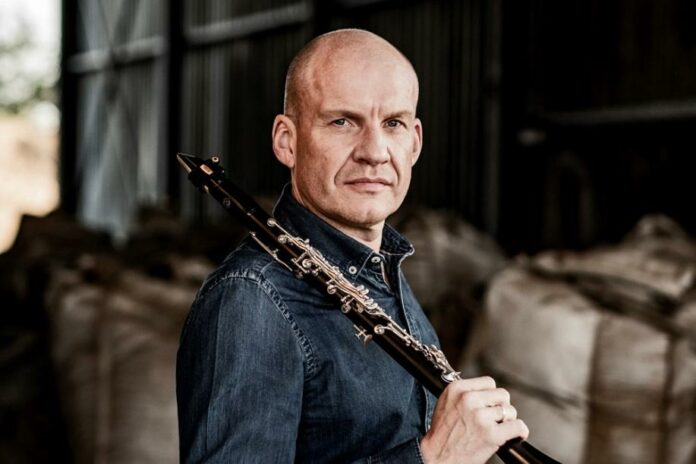
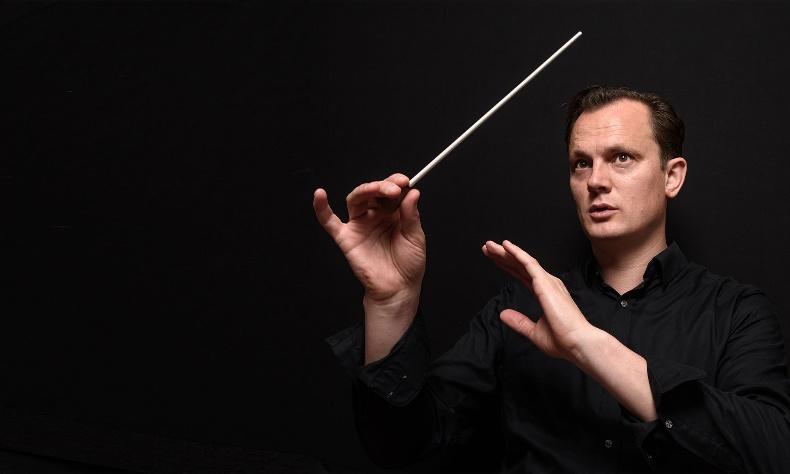
Under the Royal patronage of Her Royal Highness Princess Sirivannavari Nariratana Rajakanya, the Royal Bangkok Symphony Orchestra Foundation proudly presents “Roeland Hendrikx plays Mozart Clarinet Concerto” in the Main Hall of the Thailand Cultural Centre on Saturday 5 February at 7:30 pm. 

Mozart’s Clarinet Concerto in A major is the by far the greatest work composed for the instrument, and a leading Belgian clarinet player of the present day will join the Royal Bangkok Symphony Orchestra and Dutch conductor Sander Teepen to perform this timeless masterpiece. Roeland Hendrikx has appeared as clarinet soloistwith, amongst others, the Belgium National Orchestra, The Flemish Symphony Orchestra, the Beethoven Academy, the Flemish Radio Orchestra, the Limberg Symphonic Orchestra, the Georgia Philharmonic, the Symphonic Orchestra of Lithuania, and the Philharmonia Orchestra of Hagen.  

In October 2018, EPR Classic released his recording of the Mozart, Finzi, and Bruch concertos with the London Philharmonic Orchestra. The Belgian Newspaper De Standaard praised this recording as “outstanding… a barrel full of listening pleasure.” According to the authoritative French magazine Diapason, he has it all: “… accuracy, lyricism, elegance.” 

image3

Sander Teepen was initially an oboist with the The Hague Philharmonic Orchestra, South Netherlands Philharmonic, The Gelders Orchestra, The Brabants Orchestra, and the Limburg Symphonic Orchestra, before becoming a conductor. In 2018/2019 he debuted at the Rotterdam Philharmonic Orchestra, the Dutch Student Chamber Orchestra, the Slovak State Philharmonic Orchestra Košice, and has been guest conductor at The Hague Philharmonic Orchestra, the Metropole Orchestra, the South Netherlands Philharmonic, the Banatul Philharmonic Orchestra, and the Divadlo Antonina Opera House Dvoraka Ostrava. He has also been appointed assistant conductor at The Netherlands Radio Philharmonic Orchestra. 

Beginning and ending with two of Beethoven’s most rousing orchestral scores, this is a Classical period concert of considerable charm. 

image2

Ticket prices 400 / 800 / 1,200 / 1,600 / 2,000
Special discount 50% for students and 60 years & above
(Tickets can be purchased at Thaiticketmajor booths or online booking code: RBSO2022)
For more information please contact RBSO office: 02 255 6617-8
www.rbsothailand.com / Email: [email protected]

Advertisement

Hot News

LATEST NEWS

Bangkok
overcast clouds
25.5 ° C
25.5 °
25.5 °
93 %
3.2kmh
100 %
Fri
25 °
Sat
32 °
Sun
35 °
Mon
37 °
Tue
37 °