30.2 C
Bangkok
Tuesday, June 9, 2026
Home Blog Page 1011

C.P. GROUP REINFORCES ITS POLICY TO PROMOTE ETHICAL RECRUITMENT

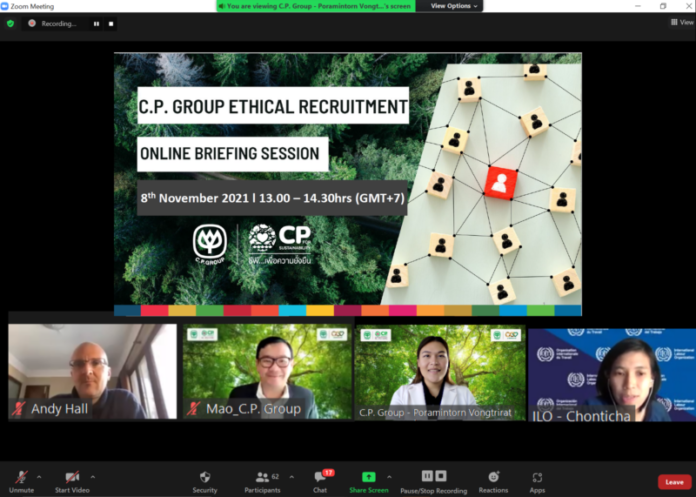
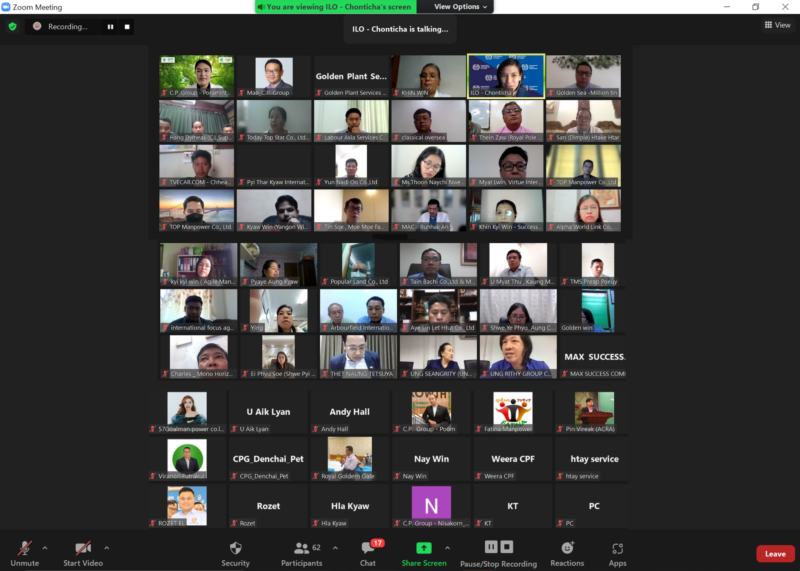
Charoen Pokphand Group launched an Online Briefing Session on Ethical Recruitment for recruitment agencies in Myanmar and Cambodia to promote fair recruitment and select ethical agencies to source migrant workers for subsidiaries in C.P. Group. Over 60 recruitment agencies joined the webinar, and the sessions featured experts in labour practice, Ms. Chonticha Tangworamongkon, Thailand’s National Project Coordinator, ILO (International Labor Organization) and Mr. Andy Hall, Migration Advisor to C.P. Group to share their view on ways to promote ethical recruitment.

Dr.Netithorn Praditsarn, Executive Assistant to Group CEO and Senior Vice President at Global Partnership Office for Sustainability and Communications, C.P. Group emphasized the Group’s strong commitment to drive business with respect for human rights and set clear guidelines to eliminate any form of forced labor in business operations and supply chain in accordance to C.P. Group Foreign Workers Recruitment Policy and Guidelines.

Online Ethical Recruitment 1 e1637129558733

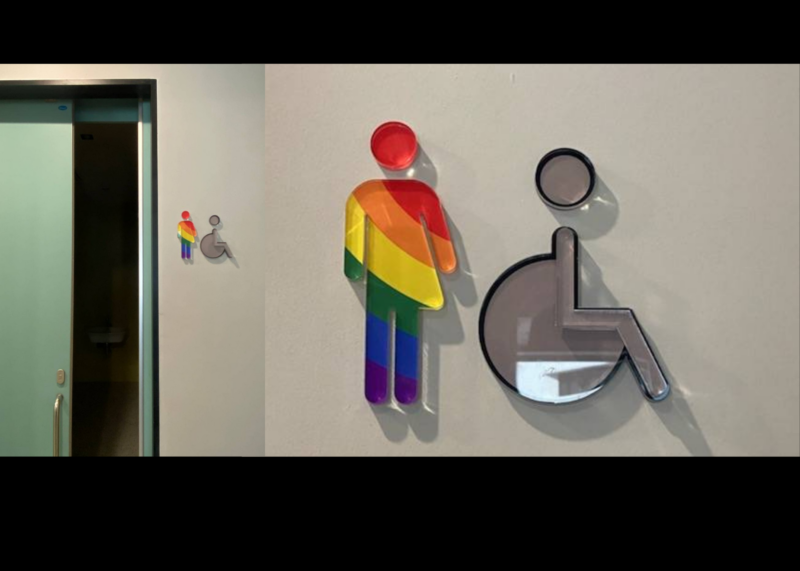
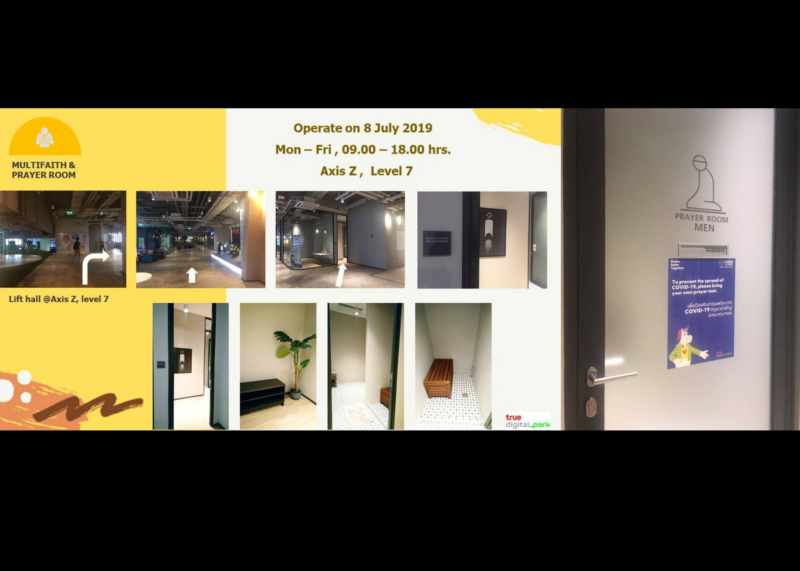
Dr. Netithorn explained that the policy is designed in compliance to international standards such as United Nations Universal Declaration of Human Rights (“UNDHR”), the Ten Principles of the United Nations Global Compact (“UN Global Compact”), UN Guiding Principles on Business and Human Rights (“UNGPs”), the International Labor Organization’s (“ILO”) Declaration on the Principles and Fundamental Rights at Work which are strictly implemented throughout

Universal Design e1637129565996

ห้องละหมาด e1637131147262

Advertisement

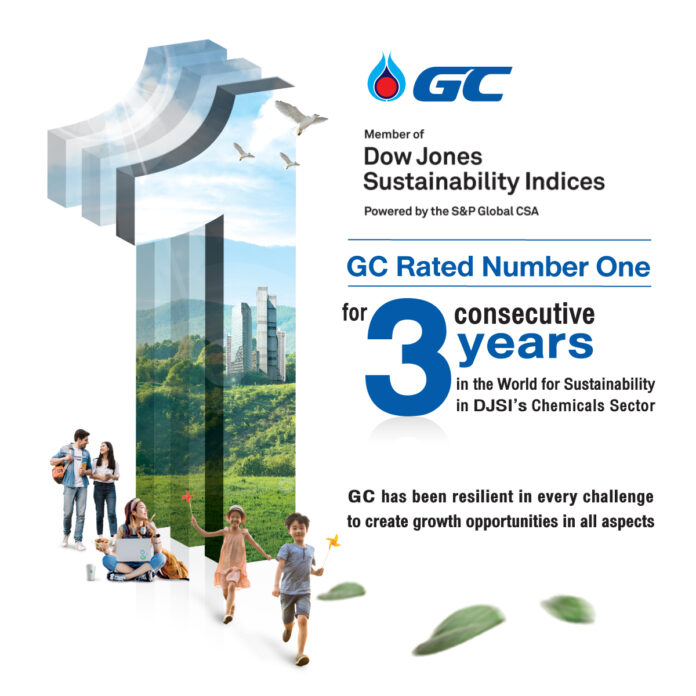
GC Rated Number One for Three Consecutive Years in the World in the DJSI Chemicals Sector, As It Transitions into Net Zero Organization

  • GC the first petrochemical company in Thailand to achieve honor for three consecutive years

Bangkok, November 15, 2021 – Dr. Kongkrapan Intarajang, Chief Executive Officer of PTT Global Chemical Public Company Limited (“GC”), confirmed GC has been recently rated number one in the world for sustainability in the 2021 Dow Jones Sustainability Indices (DJSI) chemicals sector for the third consecutive year – the first Thai petrochemical company to achieve this for three years, driven by combining environmentally friendly innovations with advanced technologies. The ranking reflects GC’s commitment to applying an integrated and sustainable business approach through environment, social and governance & economic factors (ESG).

GC is focused on maximizing efficiency across all assets – guided by digitalization and the ‘5Rs’ principle to Reduce unnecessary or repetitive processes or uses; Reuse solutions to prolong service life; Recycle to utilize them more; Reject substances that are not environmentally friendly and leverage Renewable resources to optimize processes and reduce energy consumption.

The company successfully outperforms its benchmarks by utilizing existing and adopting new low carbon technologies, as well as increasing the use of low carbon processes, to overcome current technological limitations. Moreover, GC recognizes that climate change is one of the most significant issues globally and has set a clear roadmap with increased medium-term targets to reduce greenhouse gases by 20 percent within 2030 on the journey to achieving Net Zero by 2050 in line with the Paris Agreement.

GC consistently adheres to social sustainability principles, whether during normal periods or times of crises. This was particularly evident during COVID-19, where GC maintained its social contributions at the grassroots, provincial, and national levels, applying circular economy principles and expertise to deliver innovative, safe, and environmentally friendly solutions to patients and medical personnel during the pandemic. 

This included expanded collaboration with partners to produce medical equipment as part of its “Millions Support… Ensuring A Safe Space for All” project, providing personal protective equipment (PPE) under the Greater Care by GC brand and resulting in the donation of waterproof PE gowns made of high-quality polyethylene (PE) plastic resins, coveralls made from 100% recycled PET (rPET) – that can be reused for up to 20 times, and HDPE field beds  that could be reused and ultimately recycled.

GC remains committed to sustainable business processes underpinned by good corporate governance and transparent economic management. Further, GC plays an important role in driving the BCG (Bio-Circular-Green) economic model in line with the government’s policy for Thailand’s economic future.

The Dow Jones Sustainability Indices (DJSI) was jointly established by S&P Dow Jones Indices serving as an index to evaluate the expertise in sustainable development of leading globally listed companies ensuring that they have operated by focusing on society and the environment under good corporate governance while delivering returns and value to investors and stakeholders.

.

About PTT Global Chemical Public Company Limited

PTT Global Chemical Public Company Limited, or GC, was registered as a public company limited on October 19, 2011, to serve as PTT Group’s chemical flagship operation. GC’s heritage in the industry originated from the merger of several major companies including National Petrochemical Co., Ltd. in February 1984. Since its founding, GC has dedicated itself to being a leader of the sector and has combined olefins and aromatics capacity of 11.65 million tons per year, together with a refining capacity of 280,000 barrels per day of crude oil and condensate. The company’s core businesses consist of the Group Performance Center – Refinery & Shared Facilities; Group Performance Center – Aromatics; Group Performance Center – Olefins; Polymers Business Unit; EO-Based Performance Business Unit; Green Chemicals Business Unit; Phenol Business Unit; and Performance Materials & Chemicals Unit. GC is Thailand’s largest integrated petrochemical and refining business and a leading corporation in the Asia-Pacific region, both in size and product variety. GC is the world number one in chemical sector in Dow Jones Sustainability Indices for three consecutive years. Our vision is to be a leading global chemical group companies for better living as we combine environmentally friendly innovations with advanced technologies to develop products that improve people’s lives. Aligned with the Paris Agreement, GC Group aims to reduce current greenhouse gas emissions for 20 percent by 2030 on our journey towards achieving Net Zero by 2050. 

www.pttgcgroup.com

Advertisement

Biden, Xi Try To Tamp Down Tension in Long Virtual Meeting

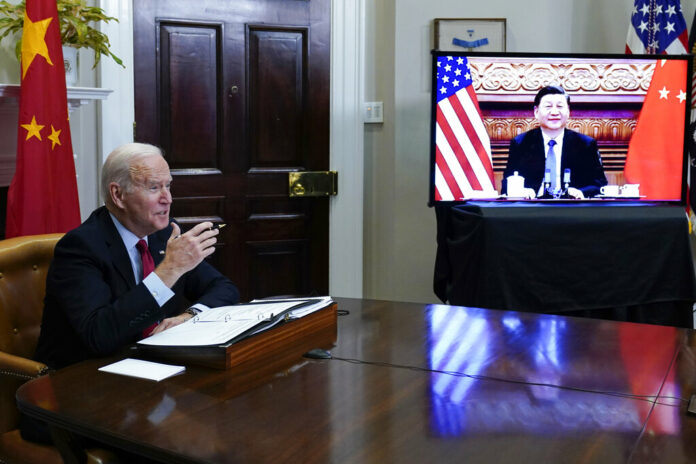
President Joe Biden meets virtually with Chinese President Xi Jinping from the Roosevelt Room of the White House in Washington, Monday, Nov. 15, 2021. Photo: Susan Walsh / AP

WASHINGTON (AP) — President Joe Biden and China’s Xi Jinping’s more than three-hour virtual talk concluded with the leaders of the superpowers agreeing they need to tread carefully as their nations find themselves in an increasingly fraught competition.

Facing domestic pressures at home, both Biden and Xi seemed determined to lower the temperature in what for both sides is their most significant — and frequently turbulent — relationship on the global stage.

“As I’ve said before, it seems to me our responsibility as leaders of China and the United States is to ensure that the competition between our countries does not veer into conflict, whether intended or unintended,” Biden told Xi at the start of their virtual meeting Monday. “Just simple, straightforward competition.”

The White House set low expectations for the meeting, and no major announcements or even a joint statement were delivered. Still, White House officials said the two leaders had a substantive exchange.

Xi greeted the U.S. president as his “old friend” and echoed Biden’s cordial tone in his own opening remarks, saying, “China and the United States need to increase communication and cooperation.”

The relationship has had no shortage of tension since Biden strode into the White House in January and quickly criticized Beijing for human rights abuses against Uyghurs in northwest China, suppression of democratic protests in Hong Kong, military aggression against the self-ruled island of Taiwan and more. Xi’s deputies, meanwhile, have lashed out against the Biden White House for interfering in what they see as internal Chinese matters.

The White House in a statement said that Biden again raised concerns about China’s human rights practices, and made clear that he sought to “protect American workers and industries from the PRC’s unfair trade and economic practices.” The two also spoke about key regional challenges, including North Korea, Afghanistan and Iran.

As the U.S.-China tensions have mounted, both leaders also have found themselves under the weight of increased challenges in their own backyards.

Biden, who has watched his poll numbers diminish amid concerns about the lingering coronavirus pandemic, inflation and supply chain problems, was looking to find a measure of equilibrium on the most consequential foreign policy matter he faces.

Xi, meanwhile, is facing a COVID-19 resurgence, rampant energy shortages, and a looming housing crisis that Biden officials worry could cause tremors in the global market.

“Right now, both China and the United States are at critical stages of development, and humanity lives in a global village, and we face multiple challenges together,” Xi said.

The U.S. president was joined in the Roosevelt Room for the video call by Secretary of State Antony Blinken and a handful of aides. Xi, for his part, was accompanied in the East Hall of the Great Hall of the People by communist party director Ding Xuexiang and a number of advisers.

The high-level diplomacy had a touch of pandemic Zoom meeting informality as the two leaders waved to each other once they saw one another on the screen, with Xi telling Biden, “It’s the first time for us to meet virtually, although it’s not as good as a face-to-face meeting.”

Biden would have preferred to meet Xi in person, but the Chinese leader has not left his country since the start of the coronavirus pandemic. The White House floated the idea of a virtual meeting as the next best thing to allow for the two leaders to have a candid conversation about a wide range of strains in the relationship.

Xi told Biden that while it was nice to see him that a virtual meeting wasn’t “as good as a face-to-face meeting.”

Chinese officials said in advance that Taiwan would be their top issue for the talks. Tensions have heightened as the Chinese military has dispatched an increasing number of fighter jets near the self-ruled island of Taiwan, which Beijing considers part of its territory. Chinese military forces held exercises last week near Taiwan in response to a visit by a U.S. congressional delegation to the island.

“The Taiwan issue concerns China’s sovereignty and territorial integrity, as well as China’s core interest,” Chinese Foreign Ministry spokesperson Zhao Lijian said Monday. “It is the most important and sensitive issue in China-U.S. relations.”

The White House said Biden reiterated the U.S. will abide by the longstanding U.S. “One China” policy, which recognizes Beijing but allows informal relations and defense ties with Taipei. But Biden also made clear the U.S. “strongly opposes unilateral efforts to change the status quo or undermine peace and stability across the Taiwan Strait,” the White House said.

With Beijing set to host the Winter Olympics in February and Xi expected to be approved by Communist Party leaders to serve as party leader next year and then a third term as president in 2023 — unprecedented in recent Chinese history — the Chinese leader may be looking to stabilize the relationship in the near term.

“China and the United States should respect each other, coexist in peace, and pursue win-win cooperation,” Xi said.

Despite his domestic problems, White House officials made the case that Biden was coming into the meeting from a position of strength.

Earlier Monday, Biden signed into law a $1 trillion infrastructure bill, legislation to upgrade the nation’s crumbling infrastructure that the Democrat argued is crucial for the U.S. as it seeks to retain a competitive edge over China.

“Because of this law, next year will be the first year in 20 years American infrastructure investment will grow faster than China’s,” Biden declared at his signing ceremony. “We will will once again have the best roads, bridges, ports and airports over the next decade.”

Both leaders gave nods to their history with the other. Biden noted that the two have spent an “awful … lot of time” speaking to each other over the years, and have never walked away “wondering what the other man is thinking.” During their talk, both leaders recalled things that the others had said in past conversations as they sought to counter and drive home arguments, according to a senior Biden administration official who briefed reporters after the meeting on the condition of anonymity.

But the public warmth — Xi referred to Biden as his “old friend” when the then-vice president visited China in 2013, while Biden spoke of their “friendship” — has cooled now that both men are heads of state. Biden bristled in June when asked by a reporter if he would press his old friend to cooperate with a World Health Organization investigation into the coronavirus origins.

Xi, however, seemed interested in publicly reviving the warmth of the earlier days of their relationship, saying, “I am very happy to see my old friend.”

During the early going of the Biden administration, the two sides have frequently traded recriminations and the presidents’ top advisers have engaged in unproductive exchanges. But there have been moments of progress.

Last week, the U.S. and China pledged at U.N. climate talks in Glasgow, Scotland, to increase their cooperation and speed up action to rein in climate-damaging emissions.

Republicans have accused the Biden administration of failing to hold Beijing accountable on human rights for the sake of pursuing its climate agenda.

“As he turns a blind eye to human rights atrocities to pursue his political agenda, Biden has allowed China to threaten American security and our allies’ sovereignty, while undermining the advancement of freedom across the globe,” the Republican National Committee said in a statement shortly before the start of the leaders’ meeting.

The White House has said it views cooperation on climate change as something in China’s interest, something the two nations should cooperate on despite differences on other aspects of the relationship.

“None of this is a favor to either of our countries — what we do for one another — but it’s just responsible world leadership,” Biden told Xi. “You’re a major world leader, and so is the United States.”

___

Story: By Aamer Madhani and Colleen Long. Associated Press writer Ken Moritsugu in Beijing contributed to this report.

Advertisement

Despite Mistrust, Afghan Shiites Seek Taliban Protection

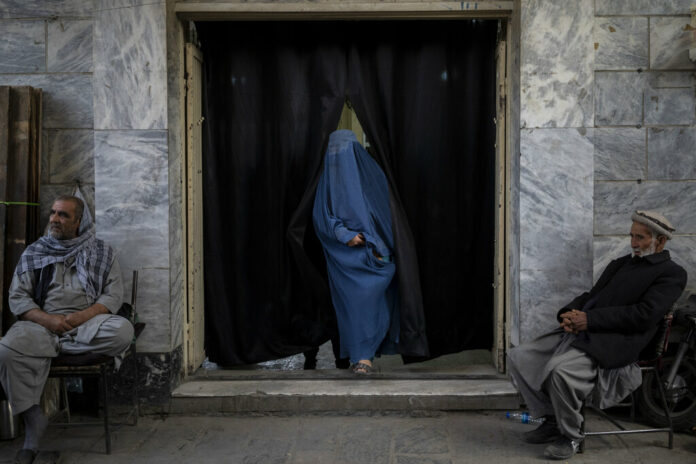
A woman leaves a Shiite shrine in a predominantly Hazara neighborhood while two men stand guard in Kabul, Afghanistan, Tuesday, Nov. 9, 2021. Photo: Bram Janssen / AP

KABUL, Afghanistan (AP) — Outside a Shiite shrine in Kabul, four armed Taliban fighters stood guard as worshippers filed in for Friday prayers. Alongside them was a guard from Afghanistan’s mainly Shiite Hazara minority, an automatic rifle slung over his shoulder.

It was a sign of the strange, new relationship brought by the Taliban’s takeover of Afghanistan in August. The Taliban, Sunni hard-liners who for decades targeted the Hazaras as heretics, are now their only protection against a more brutal enemy: the Islamic State group.
Sohrab, the Hazara guard at the Abul Fazl al-Abbas Shrine, told The Associated Press that he gets along fine with the Taliban guards. “They even pray in the mosque sometimes,” he said, giving only his first name for security reasons.

Not everyone feels so comfortable.

Syed Aqil, a Hazara visiting the shrine with his wife and 8-month-old daughter, was disturbed that many Taliban still wear their traditional garb — the look of a jihadi insurgent — rather than a police uniform.

“We can’t even tell if they are Taliban or Daesh,” he said, using the Arabic acronym for the Islamic State group.

Since seizing power, the Taliban have presented themselves as more moderate, compared with their first rule in the 1990s when they violently repressed the Hazaras and other ethnic groups. Courting international recognition, they vow to protect the Hazaras as a show of their acceptance of the country’s minorities.

But many Hazaras still deeply distrust the insurgents-turned-rulers, who are overwhelmingly ethnic Pashtu, and are convinced they will never accept them as equals in Afghanistan. Hazara community leaders say they have met repeatedly with Taliban leadership, asking to take part in the government, only to be shunned. Hazaras complain individual fighters discriminate against them and fear it’s only a matter of time before the Taliban revert to repression.

“In comparison to their previous rule, the Taliban are a little better,” said Mohammed Jawad Gawhari, a Hazara cleric who runs an organization helping the poor.

“The problem is that there is not a single law. Every individual Talib is their own law right now,” he said. “So people live in fear of them.”

Some changes from the previous era of Taliban rule are clear. After their takeover, the Taliban allowed Shiites to perform their religious ceremonies, including the annual Ashura procession.

The Taliban initially confiscated weapons that Hazaras had used to guard some of their own mosques in Kabul. But after devastating IS bombings of Shiite mosques in Kandahar and Kunduz provinces in October, the Taliban returned the weapons in most cases, Gawhari and other community leaders said. The Taliban also provide their own fighters as guards for some mosques during Friday prayers.

“We are providing a safe and secure environment for everyone, especially the Hazaras,” said Taliban government spokesman Zabihullah Mujahid. “They should be in Afghanistan. Leaving the country is not good for anyone.”

The Hazaras’ turn to Taliban protection shows how terrified the community is of the Islamic State group, which they say aims to exterminate them. In past years, IS has attacked the Hazaras more ruthlessly than the Taliban ever did, unleashing bombings against Hazara schools, hospitals and mosques, killing hundreds.

IS is also the Taliban’s enemy, frequently attacking Taliban forces.

In Dashti Barchi, the sprawling district of west Kabul dominated by Hazaras, many were skeptical the Taliban will ever change.

Marzieh Mohammedi, whose husband was killed five years ago in fighting with the Taliban, said she’s afraid every time she sees them patrolling.

“How can they protect us? We can’t trust them. We feel like they are Daesh,” she said.

The differences are partly religious. But Hazaras, who make up an estimated 10% of Afghanistan’s population of nearly 40 million, are also ethnically distinct and speak a variant of Farsi rather than Pashtu. They have a long history of being oppressed by the Pashtu majority, some of whom stereotype them as intruders.

Aqil said that when he tried to go to a police station for a document, the Taliban guard only spoke Pashtu and impatiently slammed the gates in his face. He had to come back later with a Pashtu-speaking colleague.

“This sort of situation makes me lose hope in the future,” he said. “They don’t know us. They are not broadminded to accept other communities. They act as if they are the owners of this country.”

Frictions in the Hazaras’ central Afghanistan heartland have raised concerns. In Daikundi province, Taliban fighters killed 11 Hazara soldiers and two civilians, including a teenage girl, in August, according to Amnesty International. Taliban officials also expelled Hazara families from several Daikundi villages after accusing them of living on land that didn’t belong to them.

After an uproar from Hazaras, further expulsions were halted, Gawhari and other community leaders said.

The international community is pressing the Taliban to form a government that reflects Afghanistan’s ethnic, religious and political spectrum, including women. The Taliban’s Cabinet is comprised entirely of men from their own ranks.

The highest level Hazara in the administration is a deputy health minister. A few Hazaras hold provincial posts, but they long ago joined the Taliban insurgency and adopted their hard-line ideology. Few in the Hazara community recognize them.

Ali Akbar Jamshidi, a former parliament member from Daikundi province, said the Hazara want to be brought into the Cabinet and intelligence and security agencies.

“The Taliban can benefit from us,” he said. “They have the opportunity to form a government for the future, but they are not taking this opportunity.”

___

Story: Lee Keath. Abdul Qahhar Afghan contributed.

Advertisement

3Q revenue boosts BGRIM’s 9-mth earnings to B2.23bn On course to raise power delivery, add capacity, expand renewable investment

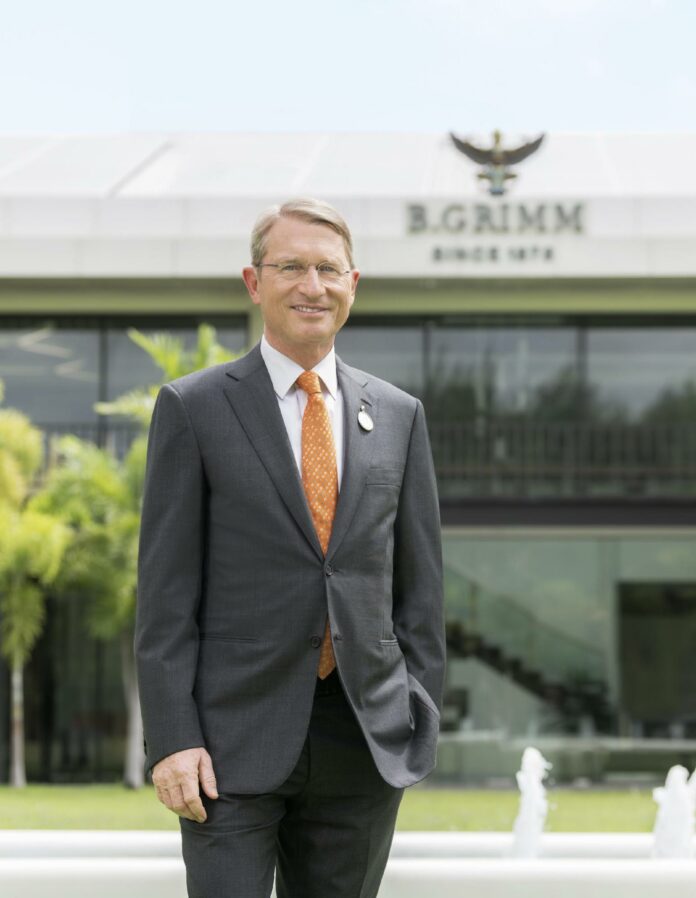
B.Grimm Power PCL (BGRIM), Thailand’s leading industrial power producer, increased its normalised net profit attributable to the parent company by 6% in the first nine months of this year to 2,228 million baht.

The higher earnings in January-September resulted from a 21% rise in its power sale volumes to industrial clients, a 16.9% reduction in the sales and administrative expenses, and the expanded production capacity, said Dr Harald Link, Chairman and President of BGRIM. It is noteworthy that actual power sale volumes in the period exceeded the 10-15% growth projections set earlier.

For the third quarter, BGRIM’s 2021, BGRIM’s revenues from sales and services edged up by 4.7% over the same period last year to 11,714 million baht. This was driven by a 17.1% growth in the electricity sales to industrial customers in the country to peak at 844 gigawatt-hours.

The rise in power deliveries came upon strong demand from key industrial customers and new buyers who have committed to purchase 33.5 MW from BGRIM. The company has targeted not less than 40 MW in power supplies to new clientele this year and more than 50 MW in 2022. 

However, third-quarter normalised net profit attributable to the parent firm dropped 23.4% from the same period last year to 571 million baht. This was due primarily to the 14% increase in natural gas prices to 268 baht per million British Thermal Unit (BTU) and the planned maintenance shutdowns of its three industrial power plants (SPP).

Dr Link noted that the majority of BGRIM’s revenues, at 75%, would not be affected by rising natural gas prices, a development that has been anticipated. But BGRIM has devised strategies to cope with the matter by means of acquiring more projects to realise profits immediately next year. Various cost control plans will be executed to save at least 100 million baht in expenses in 2022.

Meanwhile, the five replacement co-generation plants are scheduled to come on stream in the second half of 2022 with greater fuel efficiency that can reduce the consumption of natural gas per unit of generation by 15%. BGRIM also has the flexibility in managing future gas costs when its plan to import liquefied natural gas (LNG) is realised.

Dr Link said BGRIM is expanding its footprint in renewable energy to meet its vision of Empowering the World Compassionately to create values for the society and grow alongside Thailand and the region. BGRIM is striving to achieve net zero carbon emissions by 2050 through the expansion of its renewal energy portfolio to include the recently-announced ventures of that nature in Malaysia and Poland.

Throughout this year, BGRIM obtained various national awards which reinforce its mission. Lately, it received a score of 94% for the Survey and Monitoring Project on Corporate Governance of Listed Companies in Thailand (CGR) conducted by the Thai Institute of Directors Association (IOD) with an excellent (5-star) rating for the second year in a row. The rating mirrors the company’s commitment to conduct its business with environmental and social responsibility as well as adherence to good corporate governance.

BGRIM aims to secure at least 7,200 MW in outstanding power sale contracts by 2025, up from 3,058 MW at the end of 2020, and further to 10,000 MW by 2030 with a revenue target of 100 billion baht per year.

Advertisement

The Tourism Authority of Thailand partners with ICONSIAM, Thai Chamber of Commerce and alliance to preserve the Thai traditional festival of Loy Krathong

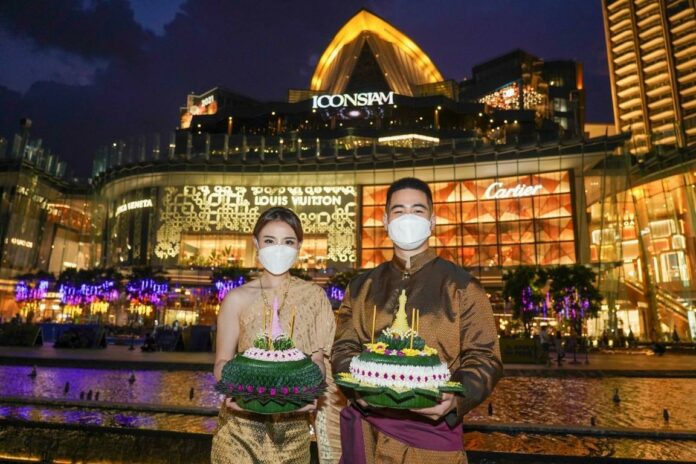
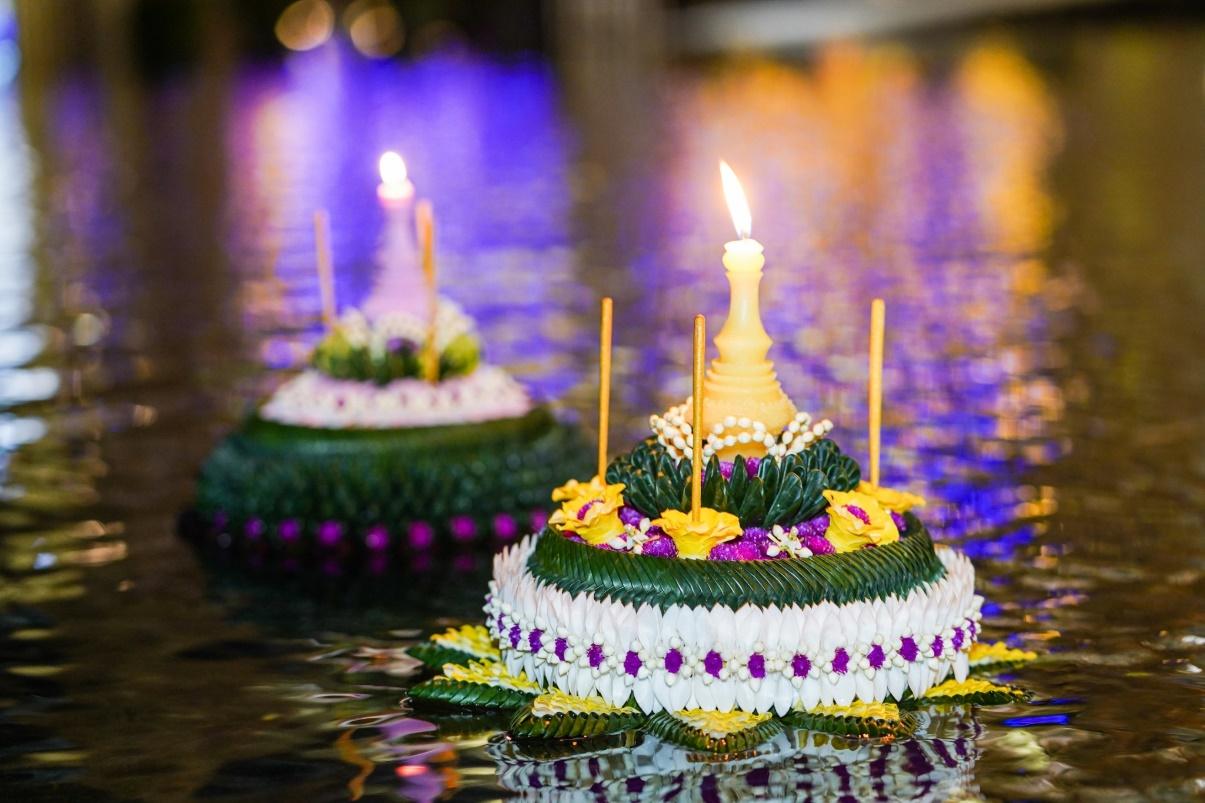
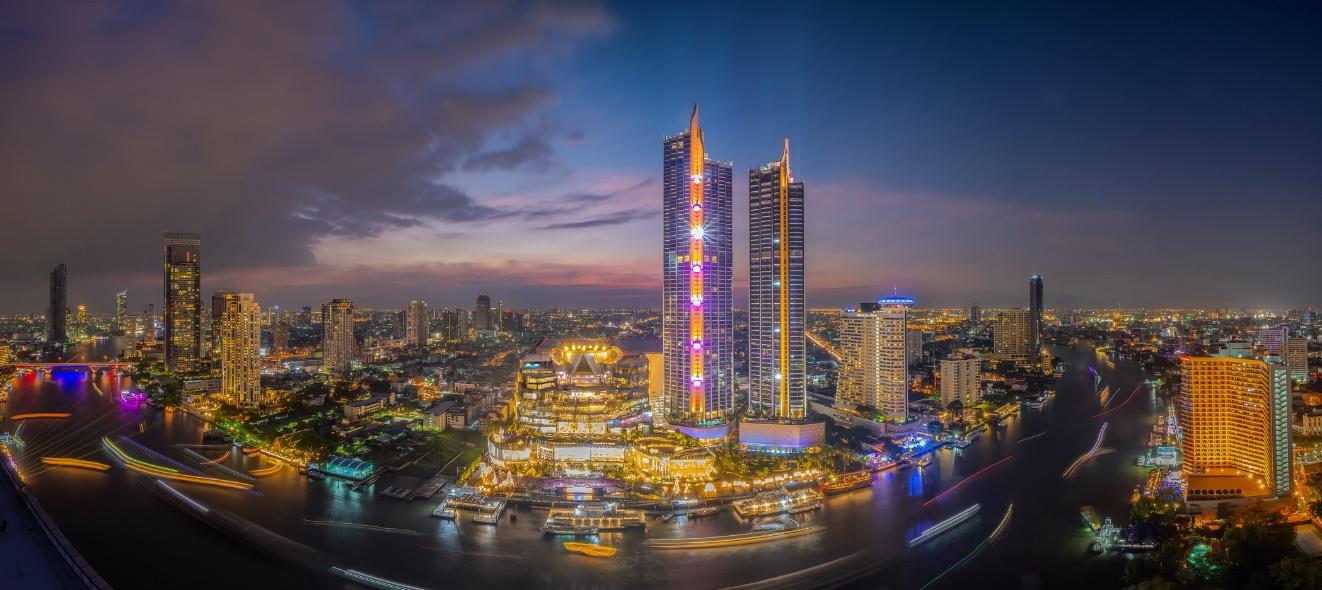
The Tourism Authority of Thailand (TAT) has partnered with ICONSIAM, the world’s iconic landmark along the bank of Chao Phraya River, together with Bangkok Metropolitan Administration, Thai Chamber of Commerce, Thai Boats Association and the Association of Chao Phraya River Commerce and Business to preserve the invaluable Thai tradition by organizing “ICONSIAM A Magical Loy Krathong Upon The Chao Phraya River” on November 19, 2021 at River Park, ICONSIAM. People are invited to pay respect to the glory of the river and help preserve the beautiful tradition of Loy Krathong set along the most beautiful curve of the Chao Phraya River under the new normal lifestyle and the high level of hygienic and safety measures according to Amazing Thailand Safety and Health Administration: SHA to ensure public safety and confidence.

In addition to honor and preserve invaluable Thai tradition and culture as well to showcase the beauty of Chao Phraya River to the eyes of people around the world, “ICONSIAM A Magical Loy Krathong Upon The Chao Phraya River”, the river of magnificent beauty, grandeur and prosperity, is organized with environmental awareness by offering eco-friendly krathong crafted out of banana leaves, leaf sheath of banana tree, and other natural materials so that they do not affect the environment and protect the Chao Phraya River in sustainable way.image3 13

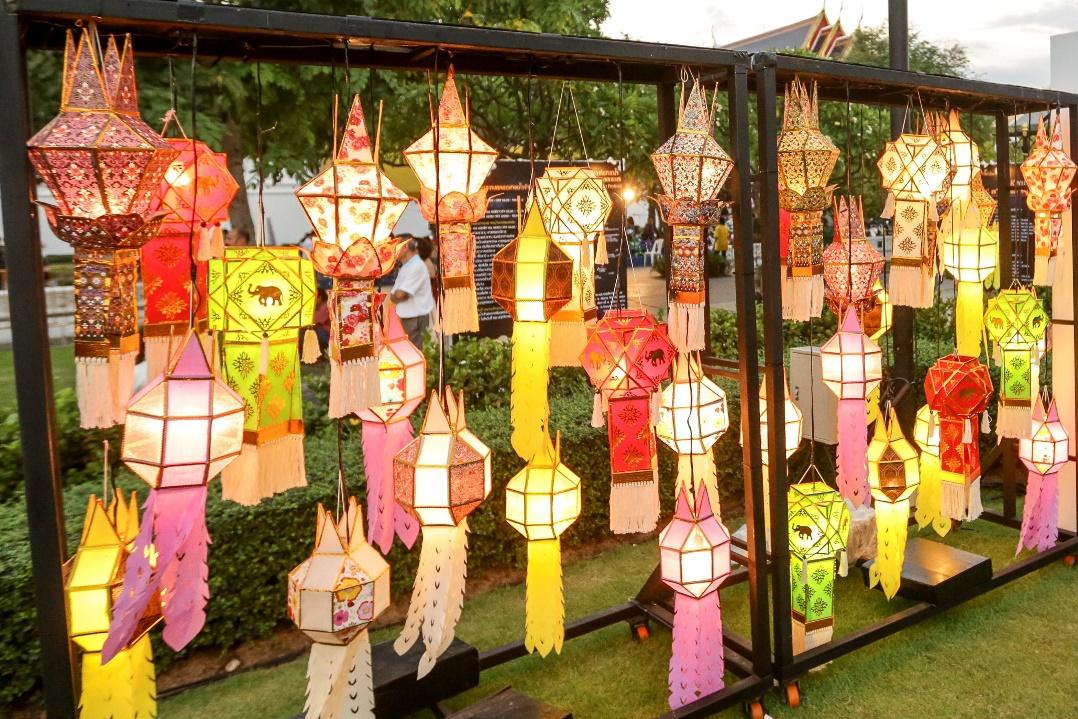
ICONSIAM also honors the values of Thainess through the presentation of remarkable Loy Krathong festivals of five provinces including Chiang Mai, Sukhothai, Tak, Samut Songkhram and Roi Et. Each province’s unique style of the festival has been brought to ICONSIAM where is adorned with cultural atmospheres for visitors to learn more about the beautiful traditions. The Lanna or Northern-style festival of Loy Krathong is known as Yi Peng and Chiang Mai is a popular tourist spot to celebrate this festival. The lantern is made of thin translucent paper in different shapes and is released into the night sky as a way to worship Phra Ket Kaew Chulamanee Chedi in the heaven. It is also believed that the release of the floating lantern is to ward off misfortunes and wish for good lucks in the coming years. The festival is a way to build up community spirit and preserve the ancient and beautiful tradition. The spectacular Sukhothai Loy Krathong and Candle Festival is unique for its intricate making of khom chak or lantern that is the ancient local wisdom of Sukhothai people. The hand-crafted process require attention to detail as the lantern is used to worship the Buddha’s footprint and King Ramkhamhaeng the Great according to the belief of the Buddhist. Tak province is famous for Loy Krathong Sai: Floating 1,000 Lanterns that the krathongs are made of coconut shells filled with wax threads that are made of dried coconut soaked with oil to lit before floating them away in the line along the river to dispel ill fortune and seek forgiveness from the Goddess of Water for any misdeeds against water. Meanwhile, Samut Songkhram province holds special Loy Krathong Gap Gluay Muang Mae Klong that the krathongs are uniquely made of banana leaf sheath. The local ripe banana variety called gluay nam waa is used by cutting the stalk into long pieces and peeling the skin to get the leaf sheaths. The banana stalk carving called Thaeng Yuak is applied to craft the two sides of leaf sheath into herringbone pattern. The incense stick applied with dammar oil is later put into the center of the banana leaf-sheath krathong. In Roi Et province, it is remarkable for the Loy Krathong festival called Somma Nam Kuen Pheng Seng Prateep that the krathongs are made of banana leaves and decorated with ears of rice to represent the province’s distinctive jasmine rice.

image2 16

At SookSiam on G Floor, the event called Wan Pen Yen Jai Tiew Thai 4 Pak is also held to preserve the tradition of Loy Krathong from November 17-28, 2021. The areas are decorated in the styles of temple fairs and floating markets of four regions to represent the local culture of trading and to promote the community products aimed to stimulate the local economy. The mock-up of lifestyle of Ampawa community in Samut Songkhram province is presented through the decorations with coconut-palm leaf stalks that are the remarkable local wisdom. Visitor can enjoy the Thai traditional performances and take part in the workshops of krathong making to get both D.I.Y and ready-made krathongs when shopping according to the conditions. Come to support Thai products at the local market accumulating regional specialities under the same roof where visitors can shop, experience and taste to generate income distribution for the strength of communities. The event also presents vintage goods and local foods in the styles of floating markets of the four regions such as the summer treats of Tangmo Pla Haeng (watermelon with sweet dried fish crispy shallot topping) and Khao Hor Bai Bua (rice wrapped in lotus leaf) together with the dessert of Pla Krim Khai Tao (sweet rice noodles with coconut cream). There are also pickled clams, fried fish patty, spicy minced fish steamed in banana leaf, coconut sugar and pomelo of Kao Yai variety which is the famous product of Samut Songkhram.

Visitors can also dine at ICONSIAM’s river restaurants offering the best stunning view of the Chao Phraya River with special deals during Loy Krathong festival. Among great restaurants with spectacular scene are HOBS , FALABELLA,   HONG BAO, Baan Khanitha The Heritage and Laem Charoen Seafood.

ICONSIAM deeply concerns about the hygienic and safety measures. Visitors are required to follow the Covid-19 preventive procedures by wearing masks, scanning QR Code of Thai Chana contact tracing application before entering the areas, checking temperature and washing hands with alcohol gels.  The preventive measures are set to ensure that the celebration of the traditional festival will run smoothly and safety and bring joys to all participants. 

image4 8

Visitors are encouraged to wear Thai traditional costumes to join the festival at ICONSIAM as a way to preserve the tradition. ICONSIAM is easily and rapidly accessible via the complete modes of transportation – private cars, public rails, and commuter boats – that are very convenient for people to reach the venue. For further details, please call 1338 or visit www.iconsiam.com.


Advertisement

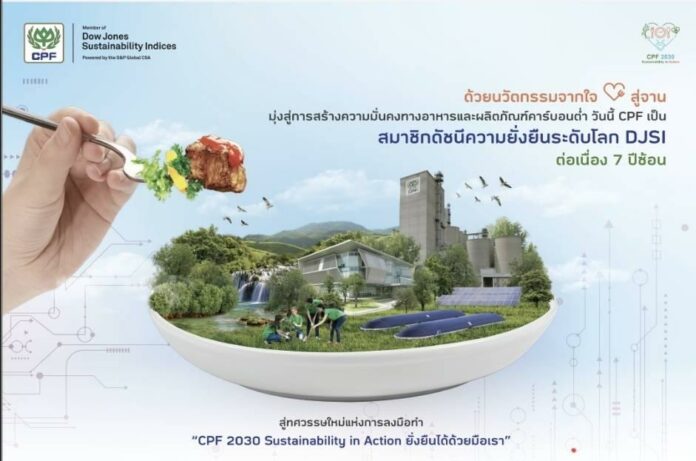
CP Foods listed in “DJSI” Dow Jones Sustainability Indices for 7th consecutive year

Charoen Pokphand Foods Public Company Limited (CP Foods) has been selected as a member of Dow Jones Sustainability Indices (DJSI) 2021 in the emerging markets, for 7 years in a row and also a Top 3 in Food Products Industry through its outstanding performance in Innovation Management, Health and Nutrition and Food Loss and Food Waste. This is reflective of the company’s strong professional management as responsible food producer focusing on food safety, traceable and environmentally friendly products through global standards.

image2 15

Mr. Prasit Boondoungprasert, Chief Executive Officer at CP Foods, said that being listed as a member of DJSI for 7th consecutive year reflects the company’s commitment as one of global leaders in food security development in line with international standards through advanced technologies and professional experiences in integrated agro-industrial business. The company adheres on good governance and social responsibility practices to ensure not only sustainable growth but also mutual benefit in all dimensions particularly economy, social and environment.

DJSI is one of the most prestigious global benchmarks for corporate sustainability assessments based on performance in economic, social and environment dimensions. CP Foods has maintained its prominence in innovation management, health and nutrition and food loss and waste, which are the company’s commitments to step forward on alleviating the impacts of climate change with global community as well as upgrading sustainable consumption through innovative food for good nutrition and environmental-friendly products.

CP Foods has joined forced with its business partners to develop environmental-friendly feed meal for pig and laying hen to reduce carbon dioxide emission from animal manure with a total of 72,500 tons carbon dioxide equivalent in 2020, established one-stop-service research and development center to support customers for cooperation in design and product development to well serve with market demand such as plant-based protein under Meat Zero brand, premium pork enriched Omega-3 “Cheeva Pork”.

As one of a leader to develop food security, the company also focuses on Food Loss and Food Waste reduction throughout its supply chain to reduce waste number to landfill to achieve its goal in reducing food waste in its operations and manufacturing processes to zero by 2030.

“The past two years have been a challenging time due to the COVID-19 crisis. CP Foods has rapidly adjusted its strategies to make business more agile and ensure continuity, uninterrupted food production.” Mr Prasit said, adding that the company also placed importance on workforce health and safety with strict sanitary measures.

CP Foods also recently announced a new sustainability strategy “CPF 2030 Sustainability in Action”, as a guideline for business growth both in Thailand and overseas through the next nine years. The strategy is in line with the United Nations Sustainable Development Goals (SDGs) and the company’s target to be a net zero carbon emissions organization by 2050.

The 2030 organization sustainability goals included becoming Carbon Neutral Organization, reduce food waste from the company’s production processes to zero, and purchase raw materials from sources that are 100% free from deforestation. These strategies aim to mitigate the impacts of climate change as well as planting forests and increasing green areas in the company’s areas to absorb carbon dioxide.

In addition, CP Foods also steps forward on developing innovative food with high nutrition to ensure every meal serve consumer’s values in terms of good health and well-being as well as create immunity with environmentally friendly. This is to ensure well support future needs and make positive impact on society and balance of nature in line with sustainable production and consumption guidelines.

Advertisement

Many Provinces Not Seeing Surge in Foreign Tourists

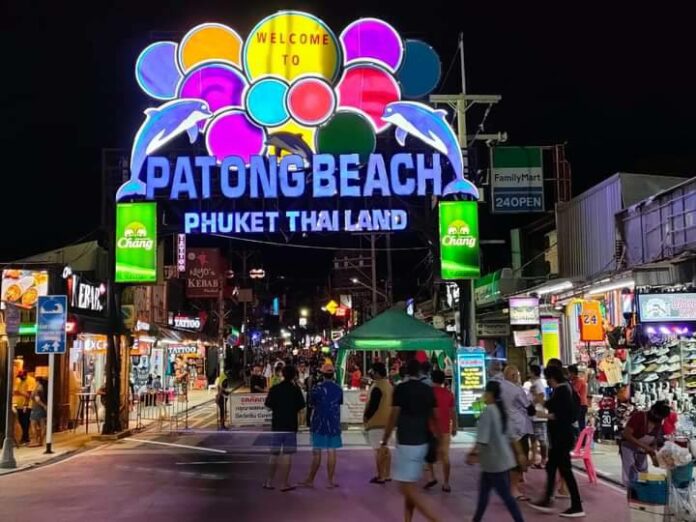
A photo of a red light district on Patong Beach, Phuket province.

BANGKOK — Two weeks after the reopening, business operators in major tourist destinations outside Bangkok say they still have to rely more on domestic travelers than foreign tourists.

In cities traditionally renowned as world-famous destinations for foreign visitors like Chiang Mai, Pattaya and Phuket, domestic tourism remains the dominant trend so far, according to trade representatives.

Although Chiang Mai is touted by the government in its tourism campaign “Charming Chiang Mai,” most of the arrivals in the past several weeks were Thai travelers, president of the Chiang Mai Tourism Council told reporters.

Domestic flights had been seeing passenger arrivals to Chiang Mai in the area of 1,000 to 2,000 passengers per day, but in October that figure rose to as many as 5,000 people per day on average, he said.

Hotel bookings have increased as well, but that’s because of domestic tourists who traveled to natural landmarks where hotel bookings managed to hit 50 to 60 percent occupancy at times.

Down south on Phuket island, the president of the Phuket Tourism Council said the number of travelers arriving on its airport have doubled since the reopening two weeks ago, bringing in tourists from Germany, the UK, and Scandinavia as well as Thai people returning home.

But domestic travelers continue to outnumber foreign tourists, with over 30 domestic flights landing on the island each day. Officials place domestic arrivals at an average of about 4,000 to 5,000 people per day, plus an estimated 10,000 more people coming in overland daily.

Thai holidaymakers to Phuket have been making use of the government tourism stimulus plans, like “Travel Around Thailand” subsidy for tour packages and “We Travel Together” playing the same role for hotels.

It is expected that domestic tourists will continue to play an important part in the January to April season next year.

And while Pattaya has been seeing a trickle of visitors recently, the Chairman of the Pattaya Business and Tourism Association said the crowds are not coming from outside the border.

Up to 80 percent of the holiday business is from Thai domestic travellers and most of the foreigners that are coming in with the new Test & Go entry program launched November 1 are expats that already have a Thai family, and not foreign tourists that used to be a familiar sight in Pattaya.

The Test & Go program allows visitors from an approved list of 63 countries to enter Thailand “without quarantine,” but they are still required to take an RT-PCR test upon their arrival and be sequestered while they wait at least 6 to 8 hours in an approved hotel for the test results. If they are negative, the visitors can then travel freely throughout Thailand.

But the Tourism Association Chairman says this is still too much of an inconvenience for many travellers that aren’t interested in jumping through hoops to get into Thailand.

Advertisement

GULF announces 3Q21 core profit at THB 2,293 million, an increase of 73% YoY 

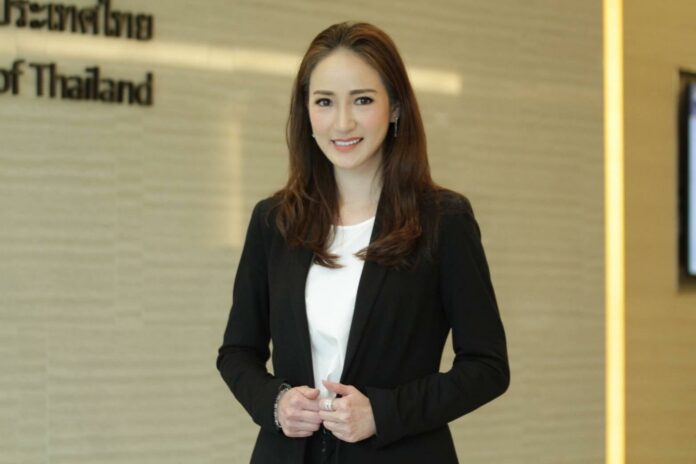
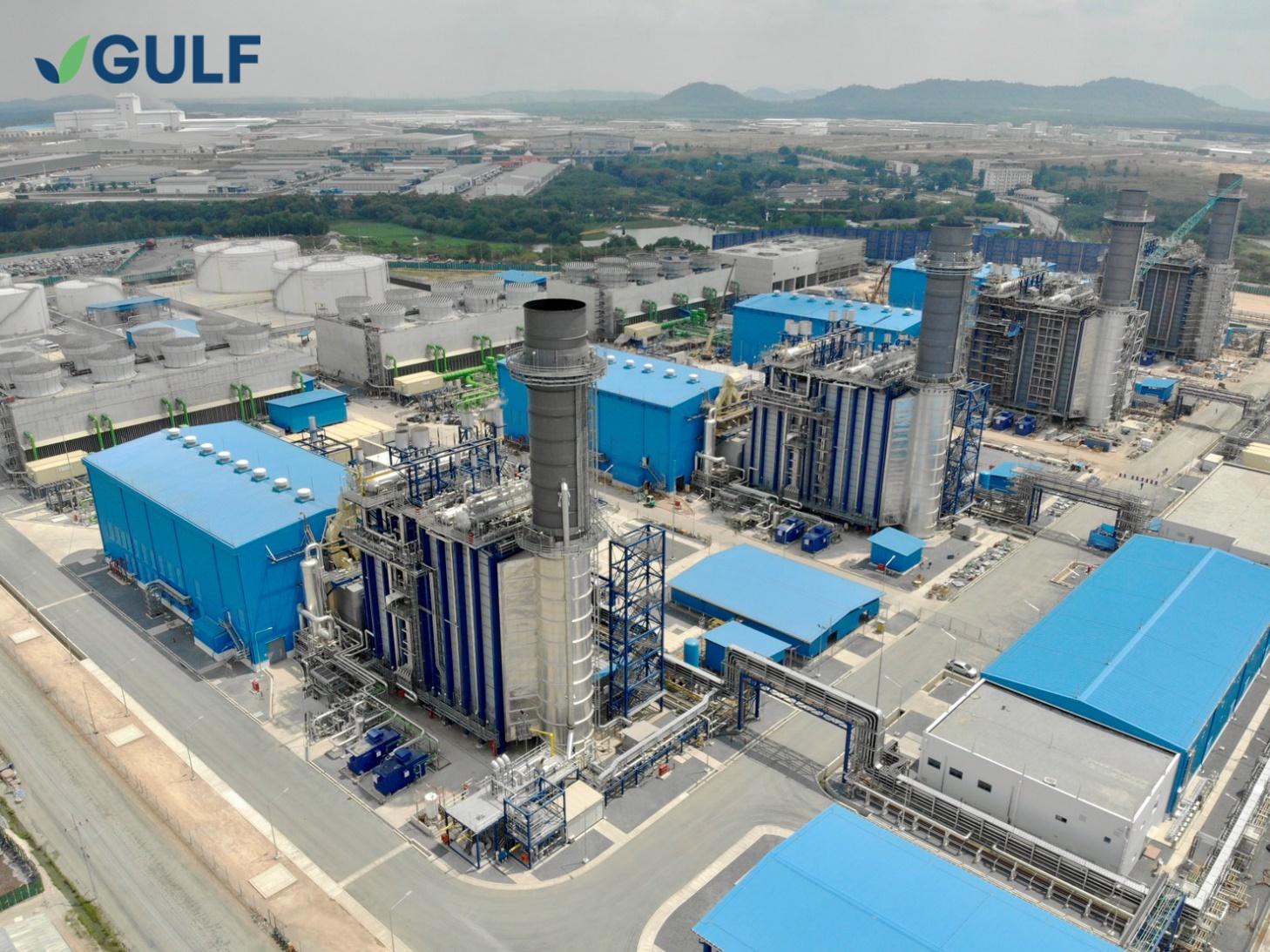
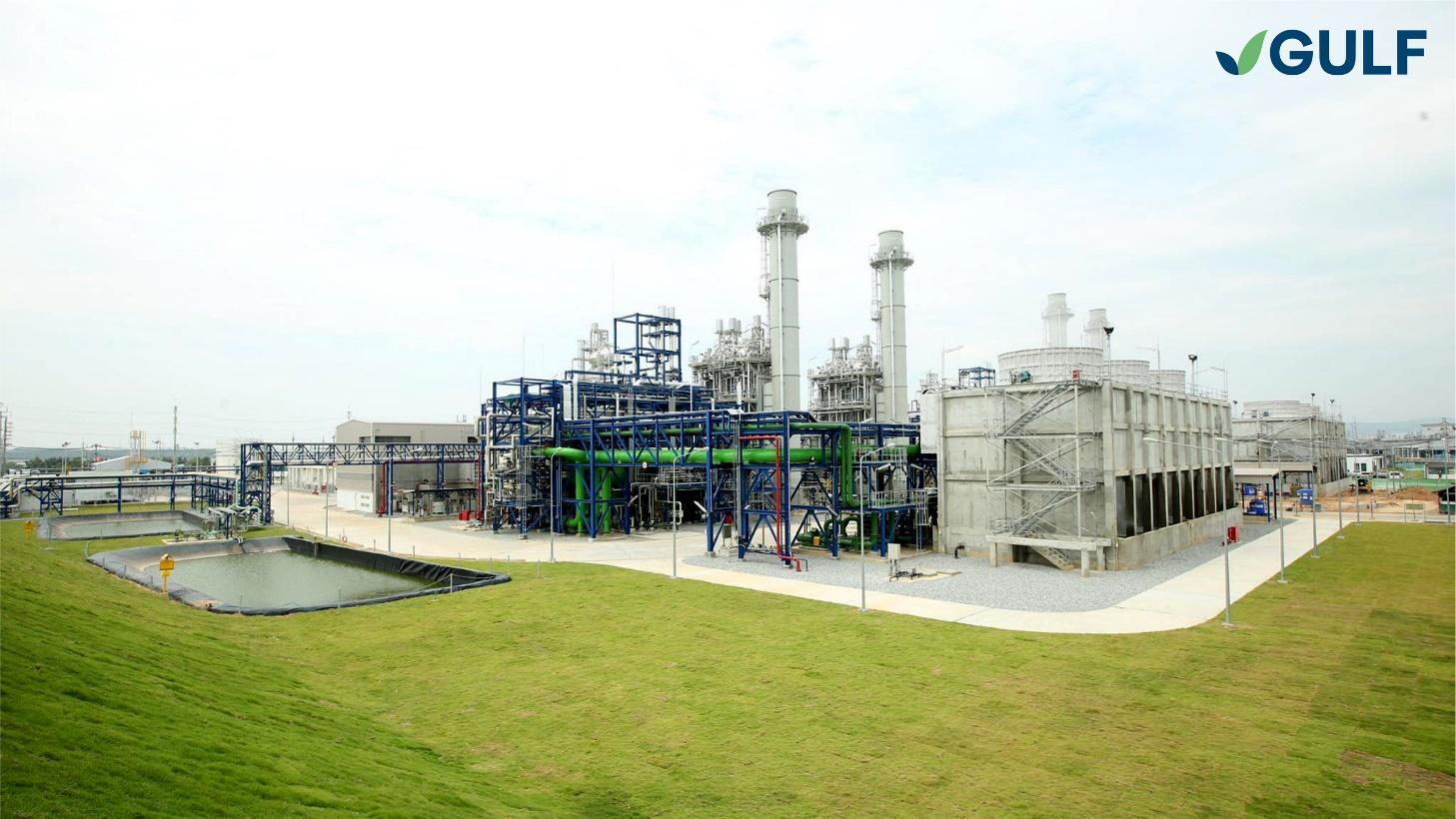
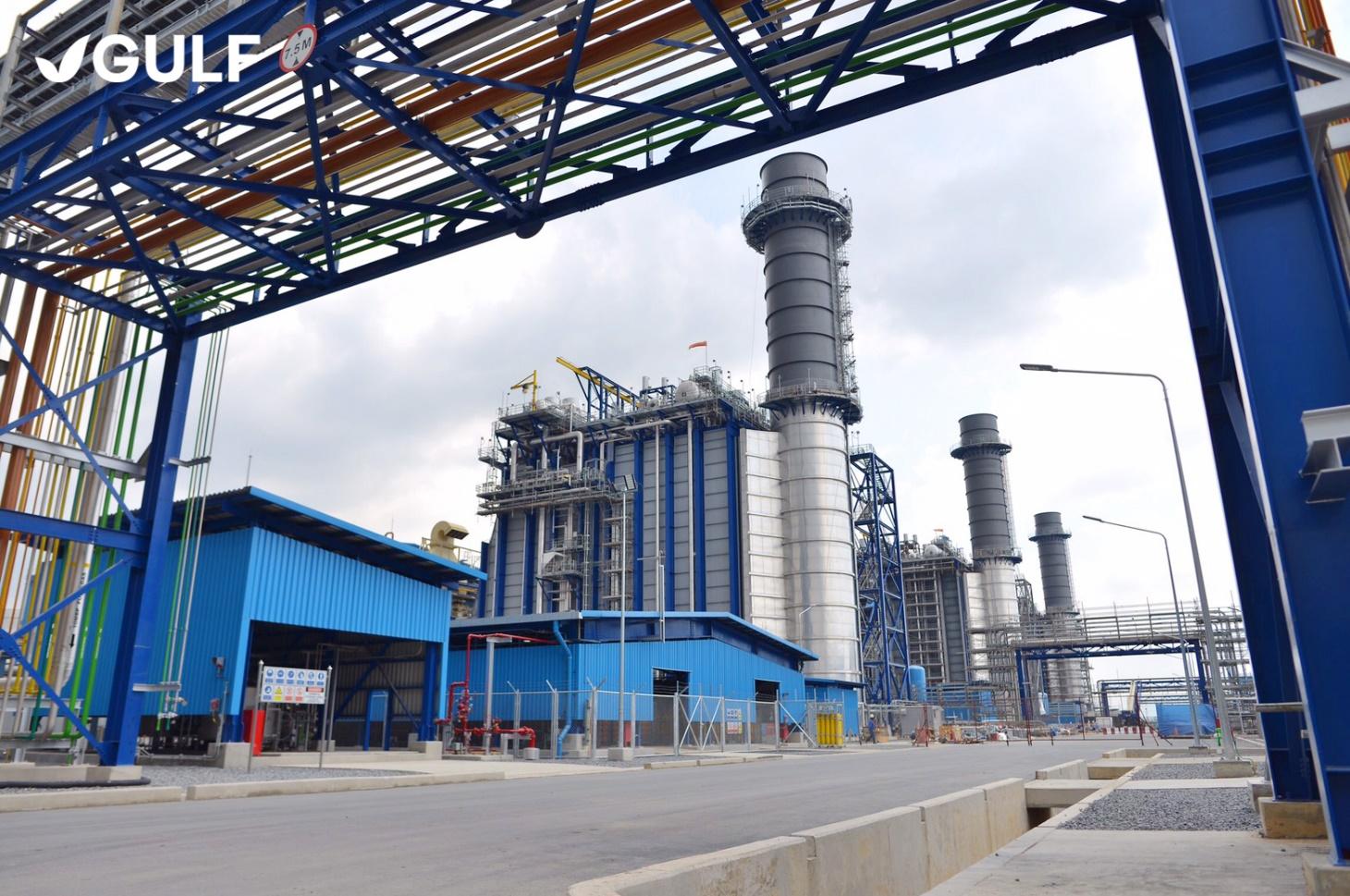
Ms. Yupapin Wangviwat, Executive Director and Chief Financial Officer of Gulf Energy Development Plc. (GULF), revealed that for Q3’21, GULF recorded core profit of THB 2,293 million, an increase of THB 968 million or 73% year-on-year (YoY). The growth mainly came from the dividend income of THB 1,666 million from Intouch Holdings Public Company Limited (INTUCH) and profit from Gulf SRC (GSRC), an IPP with total installed power generation capacity of 2,650 MW, following the commercial operation of its first unit (installed power generation capacity of 662.5 MW) on March 31, 2021. The rise in core profit also came from the higher volume of electricity sold by 12 SPPs under GMP group to the Electricity Generating Authority of Thailand (EGAT) and industrial customers, especially from the jewelry, electronic components, and packaging sectors. The average load factor of industrial customers for the 12 SPPs was 59% compared to 57% last year. Additionally, the 7 SPPs under GJP group also recorded higher volume of electricity sold to industrial customers, especially from the textile and electronic components sector, with the average load factor of 61% compared to 60% last year. However, Gulf Nong Saeng (GNS), one of the IPPs under GJP group, underwent maintenance for 10 days, resulting in a decline in GJP’s core profit YoY.

In Q3’21, GULF recorded net profit attributable to the parent company, which includes the impact from foreign exchange rate, of THB 1,588 million, an increase of 71% YoY compared to THB 970 million in Q3’20. This resulted from the unrealized loss of THB 767 million due to the depreciation of the THB against USD from 32.22 THB/USD at the end of Q2’21 to 34.09 THB/USD at the end of Q3’21.

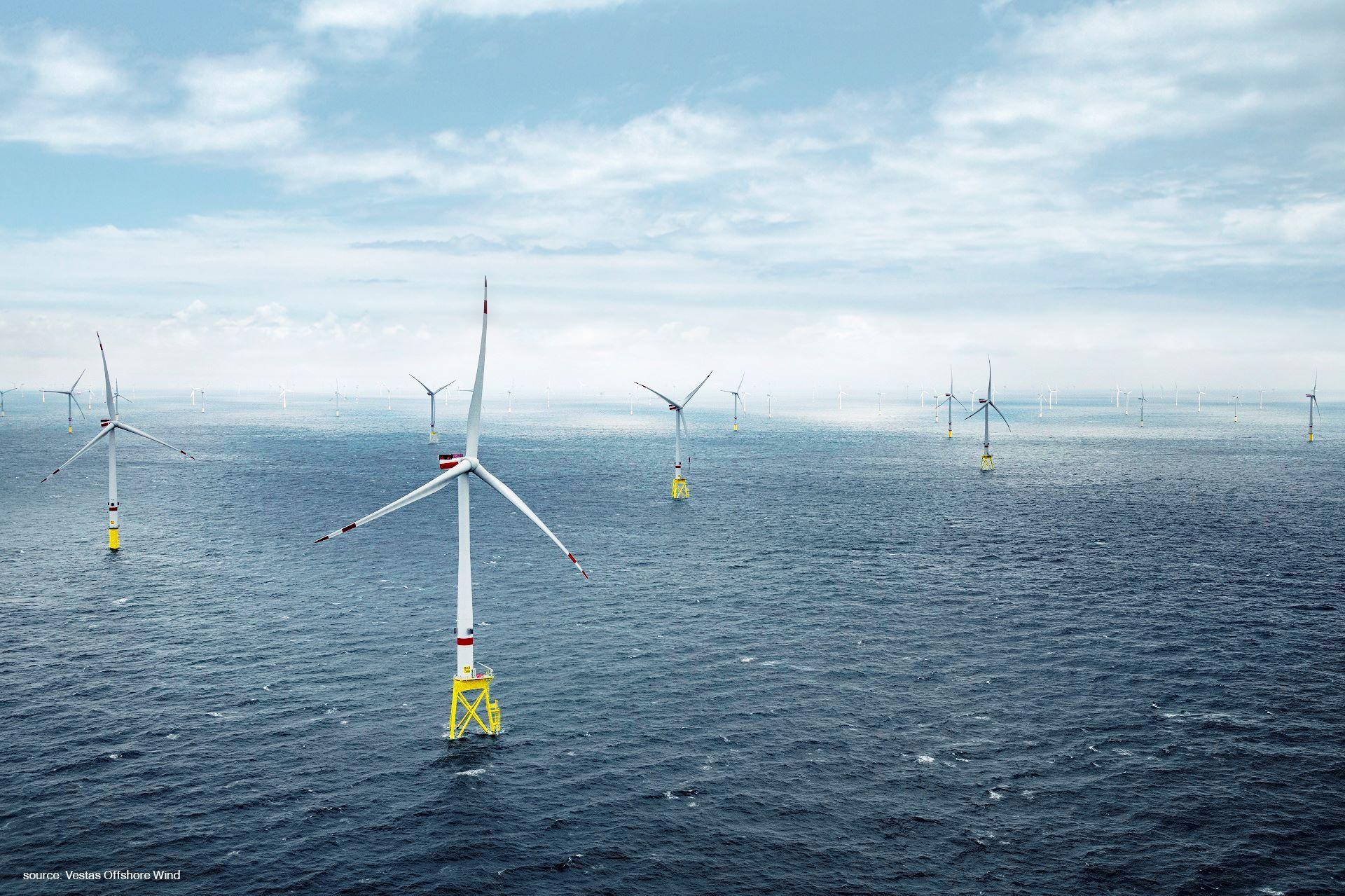
image2 14Total revenue for Q3’21 was recorded at THB 13,780 million, an increase of THB 5,035 million or 58% YoY. The increase is mainly from the revenues from GSRC Unit 1’s commercial operation in Q1’21, Borkum Riffgrund 2 offshore wind power project (BKR2) in Germany, which was recognized for the first time in Q4’20, higher electricity and steam sales to industrial customers of the 12 SPPs and the dividend income from INTUCH. Meanwhile, electricity sales from Gulf Tay Ninh 1 (GTN1) and Gulf Tay Ninh 2 (GTN2) solar farms in Vietnam dropped slightly due to the temporary curtailment following the spread of COVID-19 pandemic, causing nationwide lockdown and affecting Vietnam’s electricity demand.
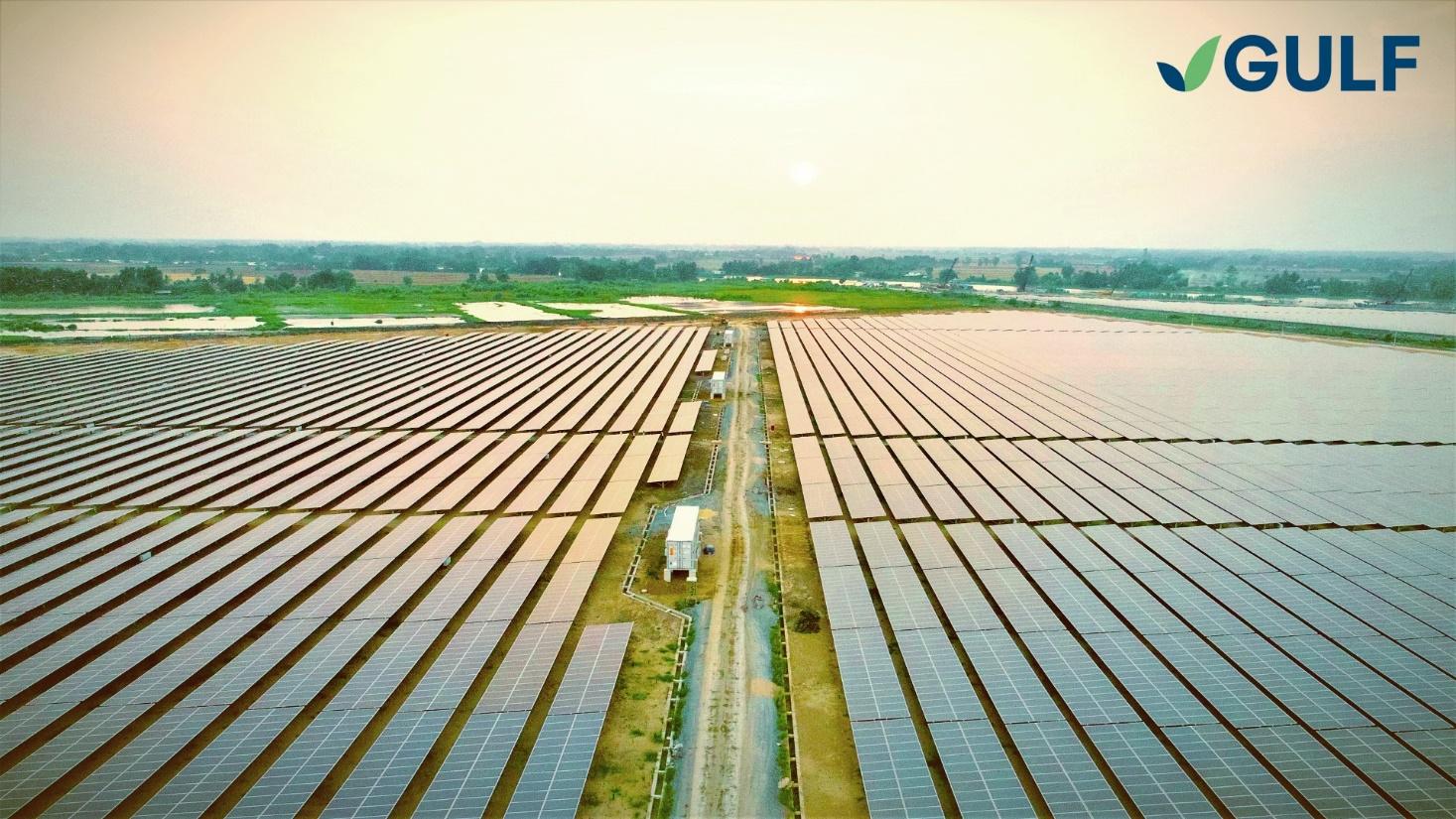
image3 12

Gross profit margin for this quarter was 24.6%, a decrease from 25.9% in Q3’20 due to the increase in natural gas costs by 14%, from 235.22 THB/MMBTU to 268.61 THB/MMBTU while the average Ft rate decreased by 29% from Q3’20, from -0.1188 THB/kWh to -0.1532 THB/kWh. However, since GULF sells 90% of its electricity to EGAT, the cost of natural gas is passed through to EGAT. Industrial customers account for only 10% of GULF’s electricity sales; therefore, there was limited impact from the spike in natural gas prices. GULF’s EBITDA margin was 44% this quarter compared to 40% in Q3’20 mainly due to the dividend income from INTUCH.

As of September 30, 2021, GULF had net interest-bearing debt to equity ratio of 2.34 times, an increase from 1.75 times at the end of Q2’21. This was mainly due to loans from financial institutions of approximately THB 48,612 million for the acquisition of INTUCH shares from the tender offer. However, the net interest-bearing debt to equity ratio is expected to decrease to approximately 2.00 times in Q4’21 following the change in accounting treatment of GULF’s investment in INTUCH to equity method, resulting in an increase in shareholders’ equity from the gain on adjustment of average cost of INTUCH to fair value as of October 1, 2021 (effective date for applying equity method).

image5 5

Ms. Yupapin added that in Q3’21, GULF has issued debentures totaling THB 30,000 million to institutional investors and high-net-worth individuals. The debentures have an average maturity of 6 years at an average interest rate of 2.5%. The proceeds have been used for partial loan repayment for the acquisition of INTUCH shares and future investments. Moreover, on September 29, 2021, BGSR 6 and BGSR 81, a joint venture company of GULF, BTS Group Holding Public Company Limited (BTS), Sino-Thai Engineering and Construction Public Company Limited (STEC) and RATCH Group Public Company Limited (RATCH), signed the public private partnership (PPP) contract with the Department of Highways for a period of 30 years to operate the Bang Pa-In – Nakhon Ratchasima M6 Intercity Motorway project, with a distance of 196 kilometers, and the Bang Yai – Kanchanaburi M81 Intercity Motorway project, with a distance of 96 kilometers. The project is expected to start the civil works in December 2021 and scheduled to commence commercial operation in 2024.

image4 7

In addition, GULF has always recognized the importance of sustainable business development and operations and has developed business strategies in accordance with the global shift towards clean energy in a move to support the company’s business expansion in the future. As such, GULF has recently restructured the Group’s business by establishing Gulf Renewable Energy Company Limited, a subsidiary in which GULF holds 100% equity stake, to operate businesses related to renewable energy such as wind energy, solar farm, solar rooftop, biomass and hydropower, including feasibility studies for renewable projects in Thailand and overseas. GULF has strictly adhered to the No Coal Policy and set a target to increase the proportion of installed power generation capacity from renewable energy to more than 30% of the company’s total gross installed power capacity within 2030. image6 2

Ms. Yupapin stated that GULF continues to make key progress in Q4’21. On October 1, 2021, the second unit of GSRC power plant, with installed power generation capacity of 662.5 MW, commenced commercial operation as planned. The Laem Chabang Port Phase 3, Terminal F project, a joint development between GULF, PTT Tank Terminal Company Limited and CHEC OVERSEA INFRASTRUCTURE HOLDING PTE. LTD. to operate a deep-sea container port, is expected to sign the PPP contract with the Port Authority of Thailand within November this year. Finally, the 912-MW Pak Beng and the 770-MW Pak Lay hydropower projects in Laos are expected to sign the Tariff MOU with EGAT by the end of this year.

Advertisement

‘Sesame Street’ Debuts Asian American Muppet

Ernie, a muppet from the popular children's series "Sesame Street," appears with new character Ji-Young, the first Asian American muppet, on the set of the long-running children's program in New York on Nov. 1, 2021. (AP Photo/Noreen Nasir)

What’s in a name? Well, for Ji-Young, the newest muppet resident of “Sesame Street,” her name is a sign she was meant to live there.

“So, in Korean traditionally the two syllables they each mean something different and Ji means, like, smart or wise. And Young means, like, brave or courageous and strong,” Ji-Young explained during a recent interview. “But we were looking it up and guess what? Ji also means sesame.”

At only 7 years old, Ji-Young is making history as the first Asian American muppet in the “Sesame Street” canon. She is Korean American and has two passions: rocking out on her electric guitar and skateboarding. The children’s TV program, which first aired 52 years ago this month, gave The Associated Press a first look at its adorable new occupant.

Ji-Young will formally be introduced in “See Us Coming Together: A Sesame Street Special.” Simu Liu, Padma Lakshmi and Naomi Osaka are among the celebrities appearing in the special, which will drop Thanksgiving Day on HBO Max, “Sesame Street” social media platforms and on local PBS stations.

Some of Ji-Young’s personality comes from her puppeteer. Kathleen Kim, 41 and Korean American, got into puppetry in her 30s. In 2014, she was accepted into a “Sesame Street” workshop. That evolved into a mentorship and becoming part of the team the following year. Being a puppeteer on a show Kim watched growing up was a dream come true. But helping shape an original muppet is a whole other feat.

“I feel like I have a lot of weight that maybe I’m putting on myself to teach these lessons and to be this representative that I did not have as a kid,” Kim said. But fellow puppeteer Leslie Carrara-Rudolph — who performs Abby Cadabby — reminded her, “It’s not about us … It’s about this message.”

Ji-Young’s existence is the culmination of a lot of discussions after the events of 2020 — George Floyd’s death and anti-Asian hate incidents. Like a lot of companies, “Sesame Street” reflected on how it could “meet the moment,” said Kay Wilson Stallings, executive vice-president of Creative and Production for Sesame Workshop, the nonprofit organization behind “Sesame Street.”

Sesame Workshop established two task forces — one to look at its content and another to look at its own diversity. What developed was Coming Together, a multi-year initiative addressing how to talk to children about race, ethnicity and culture.

One result was 8-year-old Tamir. While not the show’s first Black muppet, he was one of the first used to talk about subjects like racism.

“When we knew we were going to be doing this work that was going to focus on the Asian and Pacific Islanders experience, we of course knew we needed to create an Asian muppet as well,” Stallings said.

These newer muppets — their personalities and their looks — were remarkably constructed in a matter of a months. The process normally takes at least a couple of years. There are outside experts and a cross-section of employees known as the “culture trust” who weigh in on every aspect of a new muppet, Stallings said.

For Kim, it was crucial that Ji-Young not be “generically pan-Asian.”

“Because that’s something that all Asian Americans have experienced. They kind of want to lump us into this monolithic ‘Asian,’” Kim said. “So it was very important that she was specifically Korean American, not just like, generically Korean, but she was born here.”

One thing Ji-Young will help teach children is how to be a good “upstander.” “Sesame Street” first used the term on its “The Power of We” TV special last year, which featured Tamir.

“Being an upstander means you point out things that are wrong or something that someone does or says that is based on their negative attitude towards the person because of the color of their skin or the language they speak or where they’re from,” Stallings said. “We want our audience to understand they can be upstanders.”

In “See Us Coming Together,” Sesame Street is preparing for Neighbor Day where everyone shares food, music or dance from their culture. Ji-Young becomes upset after a kid, off screen, tells her “to go back home,” an insult commonly flung at Asian Americans and Pacific Islanders. But she feels empowered after Sesame Street’s other Asian American residents, guest stars and friends like Elmo assure her that she belongs as much as anyone else.

The fact that Ji-Young was created to counter anti-Asian sentiment makes her more special to Kim in some ways.

“I remember like the Atlanta shootings and how terrifying that was for me,” Kim said. “My one hope, obviously, is to actually help teach what racism is, help teach kids to be able to recognize it and then speak out against it. But then my other hope for Ji-Young is that she just normalizes seeing different kinds of looking kids on TV.”

Vanessa Leung, co-executive director of Coalition for Asian American Children and Families, is excited about Ji-Young. The organization was not involved in Ji-Young’s creation but previously consulted on anti-racism content for Sesame Workshop. It matters when Asian American families, especially with many of them being immigrant families, can see themselves reflected in an institution like “Sesame Street,” Leung said.

“It sparks curiosity and early understanding of the diversity of our community, the beauty in the diversity of our community,” Leung said.

Ji-Young will be heavily present throughout the new season, Stallings reassured. She also won’t just be utilized for content related to racial justice. She will pop up in various digital programs, live-action and animated.

As the new kid on the street, Ji-Young is looking forward to showing her friends and neighbors aspects of Korean culture such as the food. She loves cooking dishes like tteokbokki (chewy rice cakes) with her halmoni (grandmother). And she already has one “Sesame Street” friend who wants a sample.

“I would love to try it,” said Ernie, who joined Ji-Young’s interview. “You know, I’ve tried bulgogi. I really like bulgogi. I’m gonna guess that maybe old buddy Bert has not tried Korean food.”

Having already made several famous friends on “Sesame Street,” is there anyone Ji-Young still really wants to meet?

“The Linda Lindas because they’re so cool,” Ji-Young said, referring to the teenage punk rock band. “And they rock out and they’re cool girls and most of them are Asian. They’re my heroes. If we can get the Linda Lindas on ‘Sesame Street,’ I would show them around.”

Advertisement

Hot News

LATEST NEWS

Bangkok
overcast clouds
30.2 ° C
31.6 °
28.8 °
76 %
4.5kmh
100 %
Tue
34 °
Wed
34 °
Thu
35 °
Fri
31 °
Sat
31 °