36.1 C
Bangkok
Sunday, June 21, 2026
Home Blog Page 1063

Chinese-Canadian Pop Star Detained on Suspicion of Rape

Singer Kris Wu, center, performs in the 2017 Tmall 11.11 Global Shopping Festival gala, in Shanghai, China on Nov. 10, 2017. Photo: Chinatopix via AP

TAIPEI, Taiwan (AP) — Chinese-Canadian pop star Kris Wu has been detained by Beijing police on suspicion of rape, police announced Saturday, following an accusation the former member of the Korean boy band EXO lured young women into sexual relationships.

Wu, 30, earlier was accused by a teenager of having sex with her while she was drunk. Wu denied the accusation.

The teenager said seven other women contacted her to say Wu seduced them with promises of jobs and other opportunities. She said some were under 18 but gave no indication whether they were younger than China’s age of consent of 14.

Wu has been “criminally detained” on suspicion of rape “in response to relevant information reported on the internet” including that he “repeatedly lured young women to have sexual relations,” the police statement said. It gave no other details.

The pop star had previously denied the accusations. “There was no ‘groupie sex’! There was no ‘underage’!” Wu wrote last month on his social media account. “If there were this kind of thing, please everyone relax, I would put myself in jail!”

The news was trending as the no. 1 most searched topic on Weibo on Saturday night, and some users online started commenting on Wu’s social media account, telling him to “Get out of China!”

Wu is a Canadian citizen, according to the police statement.

The official paper of the Communist Party, the People’s Daily, weighed in on the case, saying in a short opinion post online that “Having a foreign nationality is not a protective talisman, and no matter how big the name is, there is no immunity.”

The teenager publicized her accusations on social media and later in an interview with the internet portal NetEase. A day after that interview appeared, at least 10 brands including Porsche and Louis Vuitton broke off endorsement and other deals with Wu.

According to the interview, she thought she was meeting Wu for a career opportunity. Instead, his staff who was present forced her to drink. As someone who did not go to bars, she said her tolerance was low and she was drunk after two drinks. The next day, she woke up in Wu’s bed. That morning, he was kind to her and promised to take care of her, she said.

The teenager said that was the beginning of what she had thought was their relationship. This was the case until March, when he stopped returning her messages.

At first, she said she felt sorry for herself. But after she learned that there were other women who had been treated similarly, she said she felt there were others who were worse off.

“I don’t believe this is just my own personal matter. You can even say that this is a problem with the atmosphere in China’s entertainment circle,” she said in the NetEase interview.

Wu said that he had met the young woman on Dec. 5, 2020, but “I didn’t force her to drink,” and “there was not this sort of ‘details’ she describes.”

“I didn’t expect my silence to encourage these rumors, and I couldn’t stand it!” Wu previously wrote. “There were a lot of people there that day who can bear witness.”

In an unexpected twist to the story, police said last week they had arrested a man who attempted to defraud both parties. The man, surnamed Liu, pretended to be a victim who’d had a similar experience with Wu in order to elicit personal information from the young woman.

The teenager and Wu both said they had asked authorities to investigate.

Saturday’s statement didn’t mention that case and gave no information about the status of that investigation.

Advertisement

Scam Patrol-A Breakdown of The Greed Game

“Everyone likes profits and so do you. And scammers know it.” Our previous article in the Scam Patrol series in collaboration with Wanda Exchange was a great hit. After it, hundreds of people have benefited from free consultation by Wanda Exchange recovering their lost crypto funds with the help from

Wanda’s experts. And there is a lot more to come and lot more to learn. So without wasting any time let’s dive straight into today’s info-mania.

Miss. Kanthamanee Intaphong-who is one of the Legal Consultants of Wanda Exchange is back again with some pro tips and tricks to avoid scams. Because when greed takes over one’s mind, the smartest of the people fall into making the silliest of the mistakes. According to Miss.

Intaphong, in the majority of any such cases the base of the scams are unrealistic profits that are being used as a bate to trap you. Our mission is to make an empowered and educated Thailand, where everyone has the access to latest technology and information. And in today’s edition we have a great surprise for you, waiting at the end of the article, so do not forget to stay tuned till the end!

According to Miss. Intaphong, Thailand is some of the few south asian countries, who have witnessed huge economic reforms and developments in the past two decades. And this has led Thailand to become an optimistic economy where people have the desire to grow their money and make booming returns. And in most of the cases this desire evolves to emerge as a greed of “quick money”-in such scenarios people try finding ways to increase their money in a short period of time.

And this is where the real problem arises- “When money takes over the mind-Wisdom Dies!”. In their quest of “quick money” people often fall prey to the well-established network of scammers. And this is the sole reason that crypto scams are growing common these days. But wait! Does that mean crypto is bad? NO! A black dot on paper never means that the whole paper is black, the same way few scams taking place in crypto doesn’t means whole of the crypto is bad. With some precautions and education Crypto can be one of the greatest power factors for the Thai economy in this decade. Hence, are you ready to join the crypto revolution? In today’s piece Miss. Intaphong will educate you about some common misconceptions about crypto and investments in general to help you become the biggest beneficiaries of the crypto revolution.

image2

According to Miss. Intaphong the common crypto scams taking place these days are a result of people’s greed. Therefore, if you remember the following easy tips, no scammer will ever dare to hit at you.

Lesson #1 Be Super Cautious When Someone Promises You Unbelievable Returns

Everyone likes profits and scammers know this! Therefore, in the 90% of the scams the scammers win over your confidence by promising unjustified results and even try to give some fake proofs to win over your trust. As soon as you start believing them and transfer your crypto to them, they vanish! So, it is always advisable not to trust anyone with your crypto whom you have just met over social media or any other medium. Because your crypto is yours only when it is in your wallet.

Old people are an easy target for such scammers, sometimes due to their loneliness they trust such scammers easily. Moreover, due to the lack of technical knowledge, such cases often go unreported. Have you been ever scammed? Contact Wanda Exchange for an instant help today!

Lesson #2 Don’t Download External Access Software

Scammers these days are evolving faster than anything in this world. Due to the lack of technical knowledge many times people try to take help from these scammers who tend to be their friends on social media. And in the most common cases people are asked to provide the scammers with access to their systems through software like TeamViewer which look harmless. But as soon as these scammers gain access to your system, all of your crypto funds are gone!

Thus, never provide anyone with remote access to your device. In short friendship is good, but when it comes to money you need to be extra cautious to be on the safer side.

Lesson #3 Fake Customer Service Channels

In the scams mentioned above, most of the times the victims are those who have lack of technical knowledge. But the scammers always stay steps ahead of you, in the recent way of scams the scammers make legit looking helpline channels in the name of popular crypto exchanges. And there are times when you get desperate in case you need help, and in hope of quick help you end up getting scammed by any such scammers.

So always remember to double check in case you are contacting any customer helpline of any Crypto Platforms. And no Crypto Platform will ever contact you first claiming to be from that platform. Always remember, whatever the situation maybe, never transfers your funds to anyone unless you seriously want to give it to them, because crypto is yours until it is in your wallet.

Lesson #4 Business Manipulation Scams

These are some of the least common but yet the largest scams. In these cases, the scammers try to pretend to be a big investor who wants to invest through crypto. And try to scam you in the middle of the documentations and payments procedures. Many times, people fall in such traps due to lack of technical knowledge.

If someone shows you high sums of crypto in their “wallet” – Doublecheck with Wanda first, their advanced blockchain trackers will help you determine if they actually have such amounts in their wallet or not.

The preceding chunks were some tips and tricks you need to follow to make your crypto journey a lot smoother. Wanda Exchange aims to empower every Thai citizen with the power of crypto, so that every Thai citizen can get an access to worldwide business opportunities. The legal consultants at Wanda are available 24/7 on their FREE helpline in case you need help with any kind of crypto payments, or to help you in case you have been scammed. This is an opportunity of a lifetime, ride the crypto wave and sweep the market in a go! Wanda Exchange stands by your side at each and every step of crypto payments or any related issues.

Got any further questions or query regarding crypto? Or have you been ever scammed in crypto? Every reader of the Bangkok Times is entitled to a FREE consultation call and legal help as a result of our stellar partnership with Wanda Exchange. Therefore, do not hesitate and don’t let a golden opportunity slip in front of your eyes. You can contact Wanda Exchange today through the following official channels: –

You can contact Wanda Exchange through following channels:
Office Number: 038-111-801or 082-114-3559

image3image5

image1 3/paybitcoin.thailand

image4/paybitcoin-in-thailand   

image2 1/PaybitcoinT

Advertisement

Hospital Bombed in Southern Afghanistan as Battles Rage

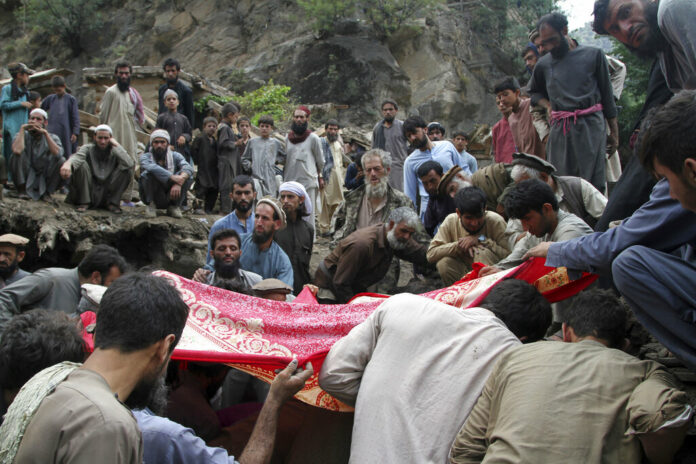
Locals search for victims of a mudslide following heavy flooding in Nuristan province, east of Kabul, Afghanistan, Saturday, July 31, 2021. Photo: Ubidullah Abid / AP

KABUL, Afghanistan (AP) — The owner of a private hospital in Afghanistan said the Afghan air force bombed the facility on Saturday, killing one person and injuring three others. He said the hospital was targeted because the military erroneously believed Taliban fighters were being treated there.

Dr Mohammad Din Narewal, the owner of the 20-bed Afghan Ariana Specialty Hospital, told The Associated Press that provincial government officials informed him his hospital in Lashkar Gah was targeted based on the information from the defense ministry.

“But there were no Taliban in the hospital,” said Narewal. The defense ministry did not immediately respond to multiple attempts by the AP to contact them.

“I was told there had been a mistake because they had been given the wrong information that Taliban were inside the hospital,” he said, explaining that the Taliban were in fact receiving treatment in another hospital in the city.

Provincial council chief Attaullah Afghan confirmed that the hospital was struck by the Afghan air force, and that one person was killed.

The air strike came as the Taliban made a push for the southwestern city, waging fierce battles with the Afghan National Security and Defense Forces. Residents reported see-saw battles in several neighborhoods.

Narewal said doctors had performed two surgeries a day earlier, but as fighting intensified the hospital had reduced their staff to a minimum. Currently two patients are still in the hospital along with several nurses and attendants for the patients.

Late on Saturday, Afghan security forces reportedly pushed the Taliban out of the city, with reports of heavy air attacks on their positions.

In recent weeks the Taliban have stepped up their pressure on several cities, including Herat in western Afghanistan, where a United Nations office was attacked as battles raged nearby. One guard was killed and the United Nations is investigating who was responsible for his death.

The Taliban onslaught went into high gear following the announcement in mid-April that the last U.S. and NATO forces would withdraw from Afghanistan, ending America’s longest war. The Taliban have overrun dozens of districts and now control roughly half of all 421 districts and district centers in Afghanistan.

They also have control of key border crossings with Tajikistan, Iran and Pakistan.

Even as the withdrawal of U. S. and NATO troops is all but done, America. is providing air support to Afghanistan’s beleaguered ground troops, who have been struggling to hold on to territory. The U.S. has launched air strikes in support of Afghan forces in Herat, and in southern Kandahar province.

The withdrawal has put increased burden on Afghanistan’s air force.

“All of the Afghan Air Force’s (AAF) aircraft platforms are overtaxed due to increased requests for close air support, intelligence, surveillance, reconnaissance missions,” the U.S. watchdog on American spending in Afghanistan reported this week.

The Afghan air force is flying its aircraft “at least 25% over their recommended scheduled-maintenance intervals.,” Special Inspector General for Afghanistan Reconstruction John Sopko said in his report.

As a result troops are not getting reinforced and resupplied, as aircraft are being used to aid ground forces overwhelmed in relentless battles with the Taliban.

Meanwhile calls are being issued from Beijing to Washington for both sides in the conflict to sit and negotiate an agreement that would see a reduction in violence and an interim administration that would negotiate an all out cease fire. Until now the prospects for peace seem distant.

____

Story: Rahim Faiez and Kathy Gannon. Gannon reported from Islamabad.

Advertisement

Fake News, Real News, Fake Deaths – and a Panicky Thai Gov’t

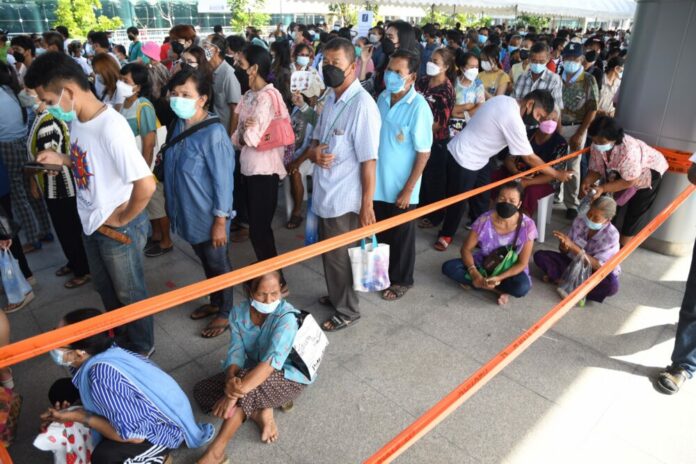
People queue up for COVID-19 vaccines at the Bang Sue Grand Station on July 31, 2021.

If you cannot control COVID-19 outbreak, then try controlling people’s perception about the outbreak instead. This is what the government of Gen Prayut Chan-ocha is desperately trying to do.

Fake news and even some real news are now effectively banned after an order was published in the Royal Gazette Thursday night. The National Broadcasting and Telecommunication Commission (NBTC) has been ordered to track fake news and pull the plug by suspending its internet service to the IP address and report those behind it to the police. This power,casted doubt by some legal experts whether it’s constitutional or not, is part of the current power exercised under the emergency decree.

But that’s not the end of it, even non-fake news “that may cause public fear” or “causing panic” among the public to the point where it affects “state security” or peace and order are being  banned as well under the same order.

As if the regime couldn’t sink lower, a police spokesman on Thursday warned people not to fake collapse and COVID-19 deaths on the streets. This came after a week of widespread daily photos and video clips of people collapsing on the streets of Bangkok here and there while others watched in horror, waiting for first responders equipped with PPE suits to come first as bystanders refused to help fear becoming possibly getting themselves infected. Now the government and some of its supporters accuse its opponents of literally staging the sudden collapse and death on the streets to spread fears and panic. (If you are not paid to collapse and fake to die on the streets, my advice is you better not recover for you could be prosecuted as they suspect your collapsing was fake.)

Now, let’s start with the “fake deaths” on the streets. As of press time, the police have failed to arrest anyone despite claiming that there’s a conspiracy to stage and spread fears and panic. Until that’s done, I would have to give the benefit of the doubt to the disturbing photos and videos of those collapsing and in some cases dying on the streets as true. Violators could face up to two years in prison and/or a fine of up to 40,000 baht. (Incidentally it was Prayut himself who told related officials to ensure no one dies on the streets. Was Prayut a victim of fake news and staged sudden collapse and death on the streets as well?) 

Now back to banning fake news. The best way to deal with fake news is to counter it with factual news, not by empowering a semi-independent state organ such as the NBTC, perceived as very docile to the government, the power to decide what websites or IP addresses could be chopped and censored. Such power with no oversight could be easily abused.

And what can I say about the same treatment to real news that instills “fears” and “causing panic” among the people that’s now also banned? Now, they are set to censor real news that is disturbing and this very disturbing in itself.   

Real news such as 18,912 new infections or 178 deaths reported on a single day today can cause panic and fears but they are real – and the government reported it to the public. (Move Forward Party spokesman Wiroj Lakana-adisorn told me last week that with an average of 100+ deaths per day, it’s like a plane crashed on a daily basis now.) If you are worried about real news that may create panic and destabilize the government, you should work harder to get quality vaccines and not waste time and manpower by trying to control the plot through censorship and instilling fears among journalists and social media users.

The press should just ignore the order and continue to provide the public with COVID-19-related news that may be disturbing as long as it’s factual. Ignore a dictatorial regime desperate to control the narrative and go to the court to fight it out if necessary. This is because a society in a state of self-denial cannot solve its problems.

Stay calm everyone. Even if we are entering an even grimmer period of deaths, infections and economic crises, we have to face the mirror truthfully and not panic. If there’s anyone clearly panicking it’s the Thai regime which resorts to censorship to control COVID-19 damage – which is futile.

The government’s new tactics against fake news, fake deaths and even real news that may generate fears demonstrate that they distrust Thai citizens. The regime views citizens as immature, imbecilic and unable to decide what to make of what they see and read.

It also says the regime is losing the plot and desperately wants to rewrite the plot to make it look better through fears and censorship. That’s definitely not the way to win against COVID-19 outbreak. The virus doesn’t treat self-denial kindly. That itself makes me panic, thinking that the government is sinking deeper into COVID defeat and denial.

Advertisement

Thai Media Restrictions Raise Freedom of Expression Concerns

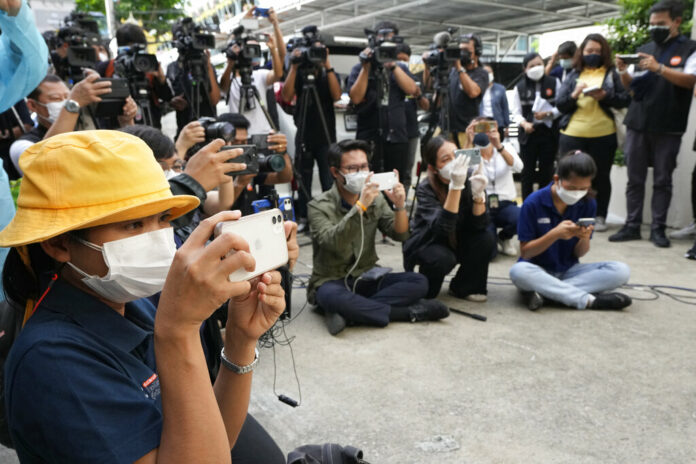
Local Thai media interviews Bangkok Governor Aswin Kwanmuang at the Wat Srisudaram in Bangkok, Thailand, Friday, July 30, 2021. Photo: AP

BANGKOK (AP) — Thailand implemented new regulations on Friday that appeared to broaden the government’s ability to restrict media reports and social media posts about the coronavirus pandemic, raising immediate concerns that authorities will seek to stifle criticism.

While Prime Minister Prayuth Chan-ocha has long sought to crack down on what he calls fake news and has a government department devoted to it, the new regulations, announced late Thursday, include the ability to prosecute people for distributing “news that may cause public fear.”

It also gives Thai regulators the ability to force internet service providers to turn over the IP address of the person or entity distributing such news, and to “suspend the internet service to that IP address immediately.”

In a joint statement sent by six Thai journalist associations to Prayuth and published by multiple Thai media outlets, the groups urged him to cancel the restrictions, saying they were overly broad and an attack on freedom of expression.

“The clause ‘news that may cause public fear’ allows authorities to proceed with legal action against the media and the public without clear criteria,” they wrote, threatening to take legal action if necessary.

“Even if the public or media share factual information, state agencies may use this clause as grounds to file a complaint or threaten them.”

The new measures come as Thailand is struggling to cope with a new wave of the coronavirus pandemic fueled by the delta variant, with rising numbers of cases and deaths. On Friday another 17,345 cases and 117 deaths were reported.

In announcing the restrictions, the prime minister said they were necessary to combat the spread of inaccurate rumors that could impede government efforts to vaccinate the population and implement measures to slow the pandemic.

“We have daily briefings to give the right information to the public,” Prayuth said. “But some try to distort the information and cause confusion.”

The announcement immediately raised fears that the measures could be used by authorities to stifle legitimate criticism and could also have a chilling effect by making it less likely that people would publicly question the government’s actions.

“Even if Thai people share legitimate information, even second hand, the government could still determine that the information, while factual, could cause a panic,” Mark Cogan, a professor at Japan’s Kansai Gaidai University, wrote Friday in an opinion piece in the Thai Enquirer online newspaper. “The government has almost accomplished what it has long set out to achieve. It’s a giant step closer to being sole arbiter of what is true and what is fake.”

AP21211274997689
Thai media waiting interview Bangkok Governor Aswin Kwanmuang at the Wat Srisudaram in Bangkok, Thailand, Friday, July 30, 2021. Photo: AP

Government spokesman Anucha Burapachaisri downplayed the concerns, saying that the order would not be “enforced in such a way to limit the media or people’s freedom of speech.”

“The government is rather trying to manage fake news or any criticism based on false information to prevent misunderstanding and hatred in the public,” he said.

Asked whether factual reports that have the potential to create fear could be affected, he said that “if the news is reported appropriately, there should not be a problem.”

In a discussion on Facebook, prominent Thai journalist Suthichai Yoon suggested Prayuth was reacting to growing dissatisfaction with his government’s response to the coronavirus crisis and was looking for a scapegoat.

“The government is stumbling, and feels that the reports presenting the facts to the public from the media, the mainstream media, are questioning whether the government can handle the COVID crisis, and whether the government should be changed or the prime minister replaced,” he said.

“The media is the easy scapegoat.”

Asked about the new measures at a news conference Friday, the top U.S. diplomat in Thailand, U.S. Embassy Charge d’Affaires Michael Heath, did not comment specifically, but emphasized that “the United States always supports freedom of expression.”

“That expression sometimes will include criticism of the government,” he said. “As you’ve seen in my own country, we tolerate a wide range of criticism of our government — some of it’s justified and some of it’s not — but we will always support the right for people to express their opinions.”

Story: David Rising

Advertisement

CPF Grow-Share-Protect Mangrove Forestation project offering community sustainable income 

Charoen Pokphand Foods Public Company Limited (CP Foods) is building community engagement in conserving and restoring mangrove forest under the “CPF Grow-Share-Protect Mangrove Forestation” Project by further developing eco-tourism destinations and community-based products in a bid to create sustainable income for local villagers.

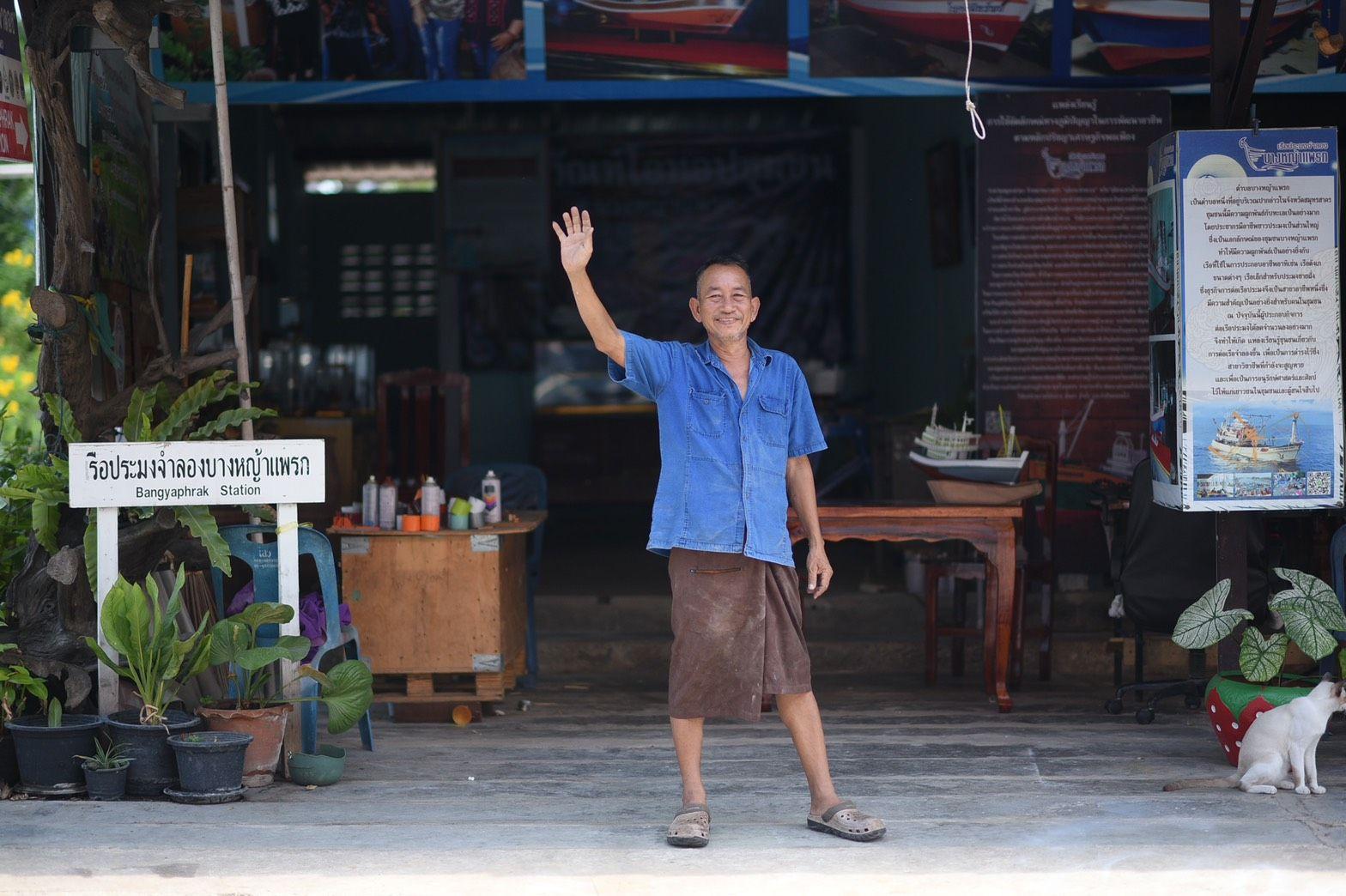
“We want to encourage people in the community to see the benefit which derived from forest conservation and restoration through projects that generate income from tourism and sales of local products.” This has aspired them to understand the value of forest conservation,” said Chatchawan “Uncle Nui” Chaosamut, a villager of Bang Ya Phraek community in Samut Sakhon Province who earns from crafting a model fishing boats. He has been participating to increase and restore the mangrove forest program established by CP Foods since 2014.  

According to his account, the mangrove areas of Bang Ya Phraek was almost a wasteland damaged by coastal erosion. It was opposite to current state of mangrove forests, an abundant forest with full of greens along the coastline.

image3 4

He said that CP Foods has support the a mangrove forest conservation fund managed by the community’s own committees for developing projects, that way it can attract tourist and sell local goods to them.  He added that the project has helped villagers to have a stable income while some parts of the profit go back to the fund to conserve the mangroves.

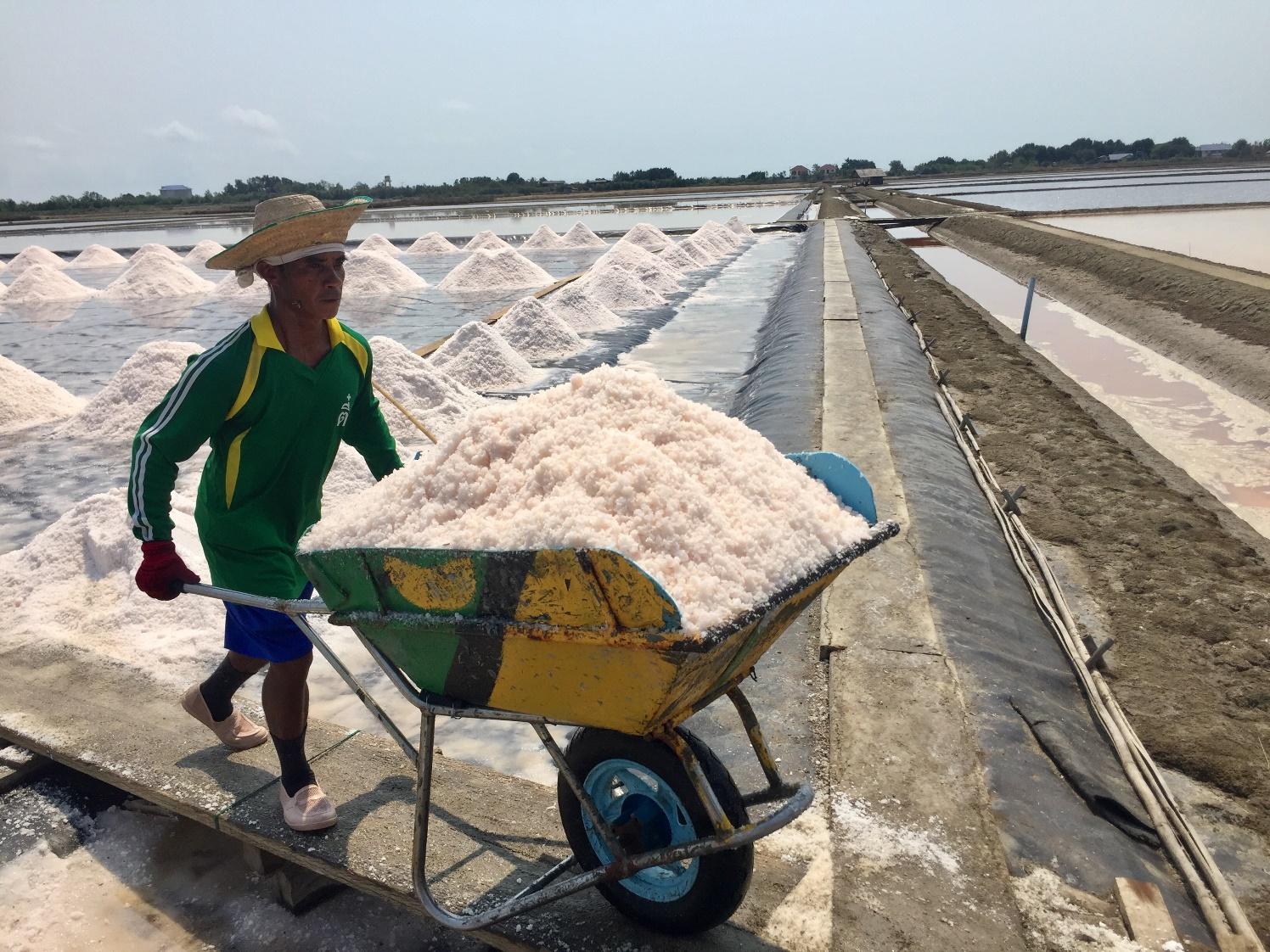
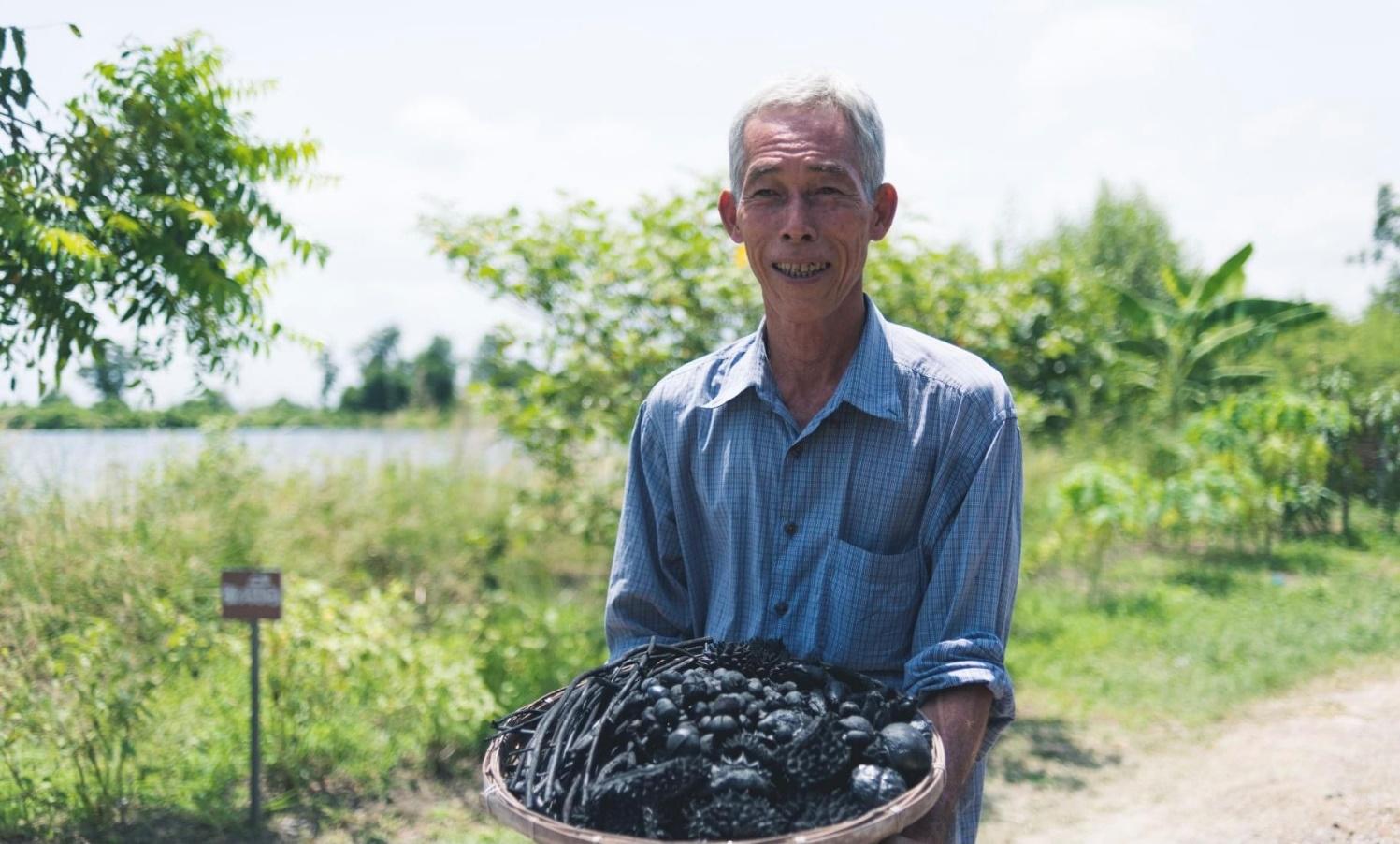
Chatchawan explained that Bang Ya Phraek people are salt farmers and fishermen. Therefore, it comes from the concept of using local natural materials such as salt to produce Herbal spa salt made from real salt flowers, mixed with 5 herbs, namely turmeric, sugarcane, Plai, Wan Nang Kham, and Thanaka, used for scrubbing the skin. The community also made biochar from fruit peels, twigs, and various laces.

image2 7

Currently, the outbreak of COVID-19 has damaged the local economy as all the tourism activities are put on hold. However, the community confirmed that they are ready to continue to conserve the mangrove forest in the area. This is because everyone is aware that Mangrove forests are valuable natural resources to the community and ecosystem.

The villagers will also continue the Mangrove Forest Conservation Fund to manage the forest and build a career for many people in the community. This way, the fund will help the forest to achieve sustainability in both environmental preservation and economy.

image4 5

For those interest in supporting the product from Bang Ya Phraek Community, please contact, Maytha Putkong, Tel. 095 -524 9245.

Advertisement

BGRIM’s green debentures get electrifying response, B12bn offerings significantly oversubscribed, all snapped up

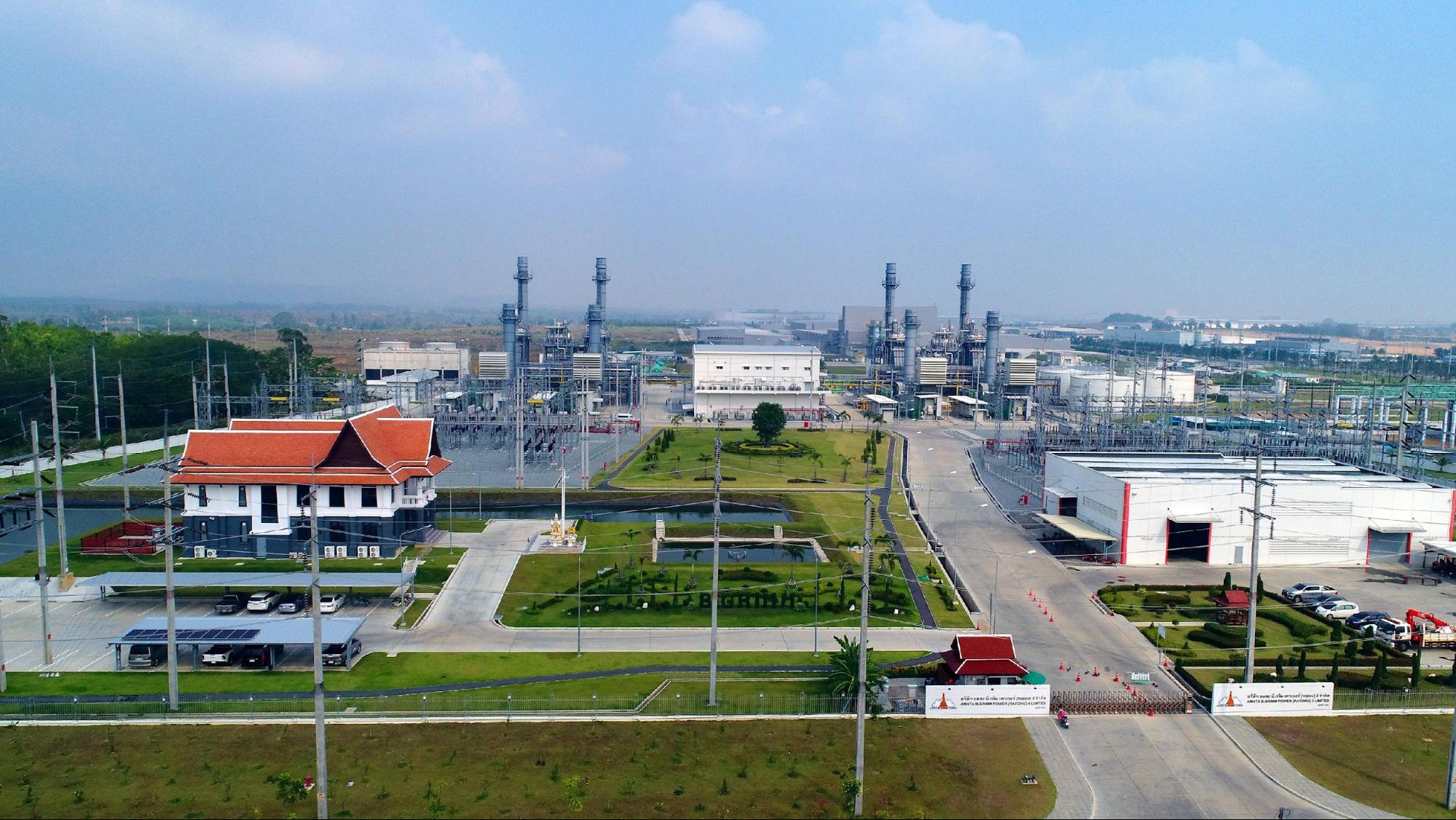
B.Grimm Power Public Company Limited (BGRIM), Thailand’s leading industrial energy producer with growing overseas presence, has hailed its green debentures offerings as a great success.

Investors’ response to BGRIM’s “Green Bond” offering was electrifying that not only the initial primary 8-billion-baht offering plan was fully subscribed, the doubling of greenshoe options to 4 billion baht were snapped up as well.

The demand for the debentures, gauged by the so-called Book Building process, was more than five times the initial offering plan of 8 billion baht, with some debenture tranches in the overall package being 10 times over the set portion.

Dr. Harald Link, Chairman and President of BGRIM, said the overwhelming response to the 12-billion-baht fundraising is truly remarkable at the time when the capital market has been depressed by the Covid-19 pandemic.

“The investors’ keen interest is a sheer vote of confidence in BGRIM’s business and its green energy drive in which these debentures are about,” he noted.

BGRIM’s debentures were taken by institutional investor groups including life insurance companies, asset management firms, government funds, cooperatives, and other financial institutions.

The BGRIM debentures come in three tranches – 2 billion baht for a 3-year maturity with interest rate at 1.41% p.a., 3 billion baht in “Green Bond” with a 5-year maturity and interest rate at 1.95% p.a., and 7 billion baht due in 10 years with interest rate at 3.20% p.a.

Proceeds from the 5-year tranche designated “Green Bond” will go towards the development of BGRIM’s two solar farm projects in Vietnam and a wind energy venture in the northeastern Thai province of Mukdahan.

The Vietnam schemes, located in Phu Yen and Tay Ninh provinces with a combined generating capacity of 677 megawatt, will take 87% of the proceeds while the 18-MW Mukdahan facility receiving the remaining 13%.image2 6

BGRIM’s Green Bond is verified to conform with the Climate Bonds Standard to ensure the best practice standards for climate integrity, management of proceeds and transparency. The certified B.Grimm Green Bond is included in Climate Bond Initiative websites (https://www.climatebonds.net/certification/certified-bonds) 

All three debenture varieties are rated “A-” with a “stable” outlook by TRIS Rating Co Ltd on June 29, 2021.

The debentures were offered to institutional and or high net worth investors on July 2-5 with debentures being issued on July 6.

Bangkok Bank, Kasikorn Bank and Kiatnakin Phatra Securities Public Company Limited acted as underwriters of the debentures.

Dr Link expressed gratitude for investors’ keen interest in BGRIM’s debentures and unrelenting supports.

The company will earmark the proceeds from the debentures to repay existing debts, investing in projects and using them as working capital.

The debentures offered this time bear reasonable costs and would lay an investor base for future debenture offerings.

Supports from investors this time endorse their confidence in BGRIM for its strong performance, highly experienced management team and leadership in the core business of producing and selling electricity and steam with top global standards.

BGRIM has been conducting its businesses under the slogan of “Empowering the World Compassionately”, by extending generosity, values to the society and growing alongside Thailand.

Advertisement

CP Foods moving forward with food supply project to support medical staffs across Thailand 

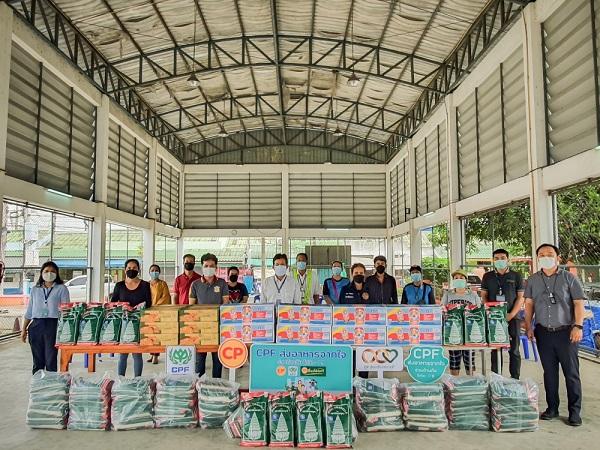
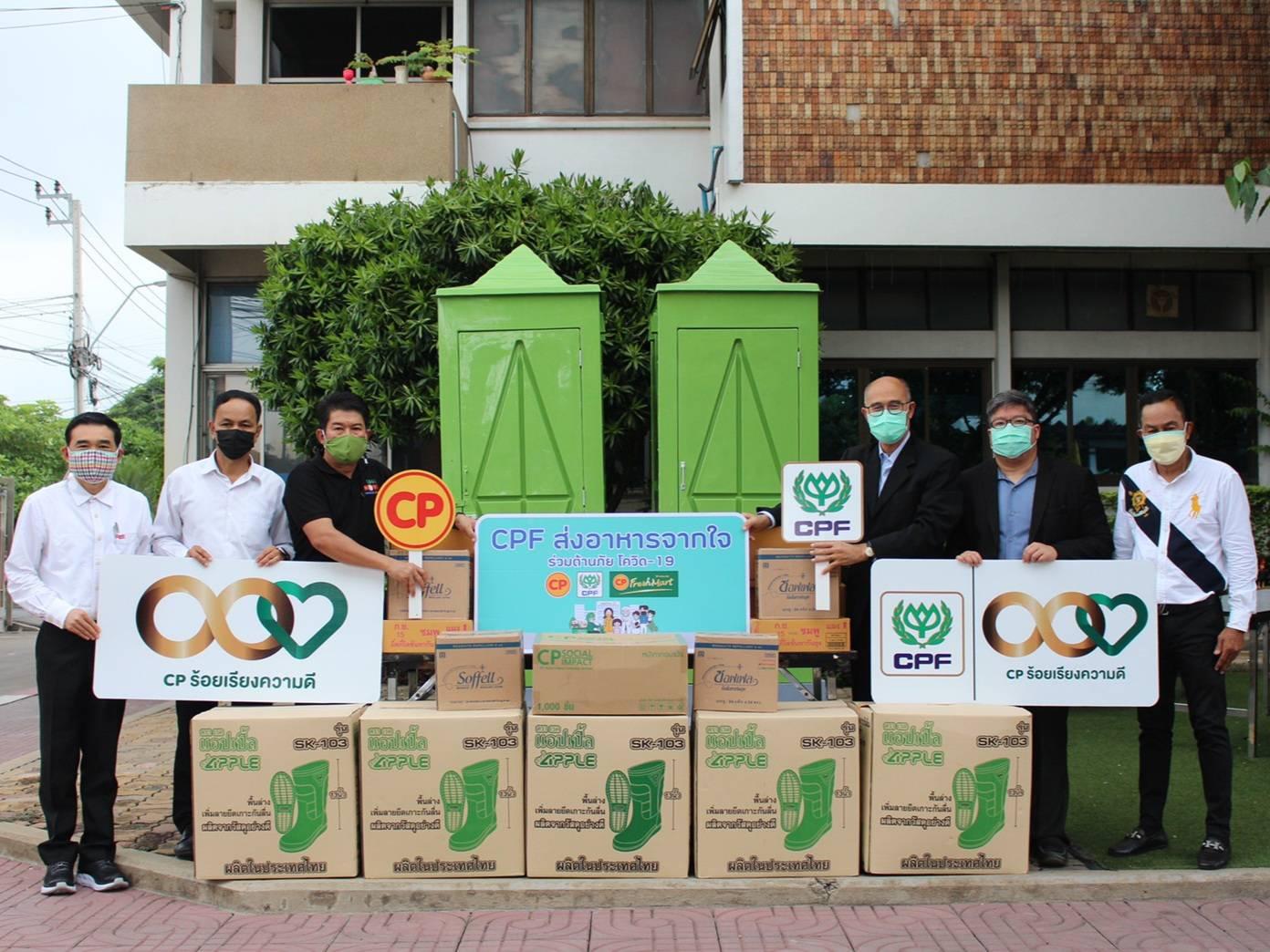
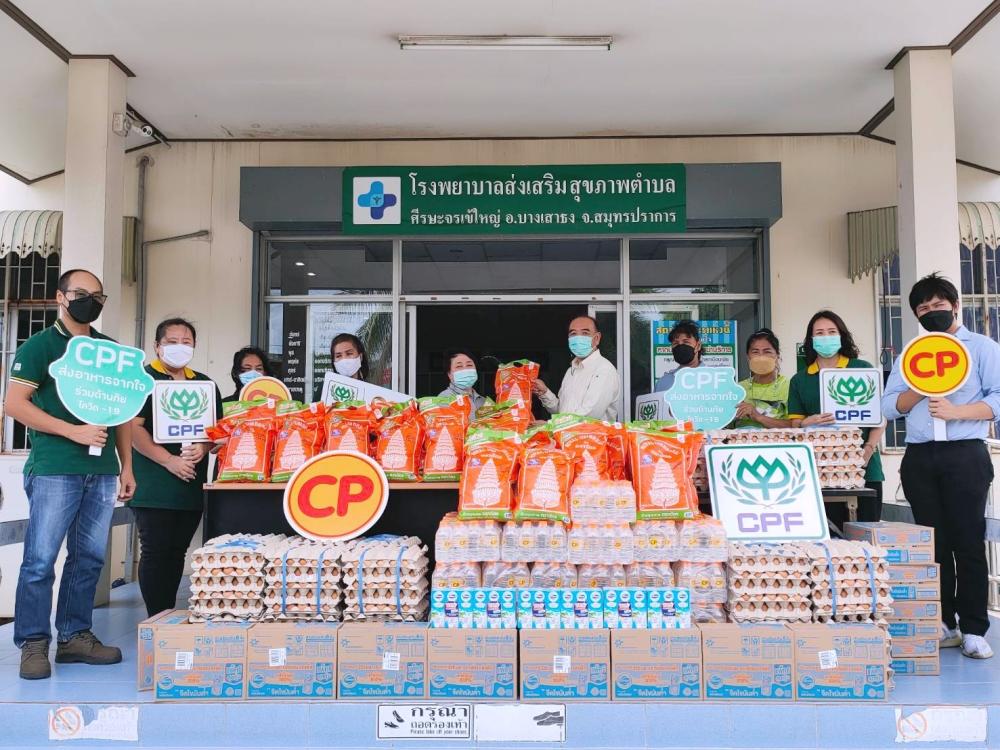
Charoen Pokphand Foods Public Company Limited (CP Foods) and its partners are providing more than one million packs of safe food, over one million bottles of water and beverage including fresh foods and essential supplies to healthcare workers in hospitals and field hospitals nationwide as a token of gratitude for their services in a fight against Covid-19 outbreak.

The effort is a part of the company’s on-going project, “CPF Food from the Heart against COVID-19” to ensure Thai doctors, nurses and other healthcare staffs across the country can access quality and safe foods. This is in accordance with Charoen Pokphand Group’s policy to help the society amid the outbreak.

As surging cases of Covid-19 is threatening the health system and economy, CP Foods continues to provide ready to eat foods, drinking water, healthy drink and other supplies to medical staffs who are dedicating to control the outbreak across the country.

image3 3

In July, multiple hospitals and field hospitals across the country were given foods, beverage and essential items from CP Food’s operations nationwide.

Volunteers from CP Foods’ Feedmill in Ratchaburi province donated fresh eggs and drinking water to the medical team and public health staff at the field hospital of Ratchaburi province.

Meanwhile, CPF Food and Beverage plant gives ready-to-eat shrimp wonton noodles to medical staffs at field hospital in Phra Nakhon Si Ayutthaya Province. The plant also donated rice from “Royal Umbrella” brand to 400 households of Jesada Village 7 community in the same province.

image2 5

CP Feedmill Bangna KM.21 offered a variety of delicious foods such as Hainanese chicken rice and Five-star grilled chicken, as well as drinking water and face masks for staffs at the vaccination center of Huachiew Chalermprakiet University.

In the south, Hat Yai Feedmill in Songkhla province supported ready-to-eat meals and drinking water for vaccination centers in Hat Yai District, Songkhla Province. 

In the northeast, Nong Bua Lamphu Slaughter Plant has given away ready-to-eat food, drinking water and PPE kits to the vaccination center of Sribunruang Hospital in Nong Bua Lamphu Province as a token of appreciation for the medical team there.

image4 4

Aside delicious food and hygiene supplies, 12 sets of computer equipment and barcode printers were granted to the Office of Disease Prevention and Control by the company’s Chicken Processing Plant in Saraburi Province to use in proactive COVID-19 test in 70 districts in 8 provinces of the central region.

In addition to the relief efforts in the upcountry, CP Foods currently provides food supplies for medical staffs in multiple vaccination sites across Bangkok. This included Bang Sue Central Vaccination Center where food products are given away to healthcare workers and people who received Covid-19 vaccine at Bang Sue Central Vaccination Center, as a thanks for helping Thailand achieving Heard Immunity.

CP Foods and partners continue to deliver foods to medical staffs and underprivileged people to ensures that everyone is able to access to adequate quality food at all times.

Advertisement

China Flooding Brought Fear, Then Washed Away Livelihoods

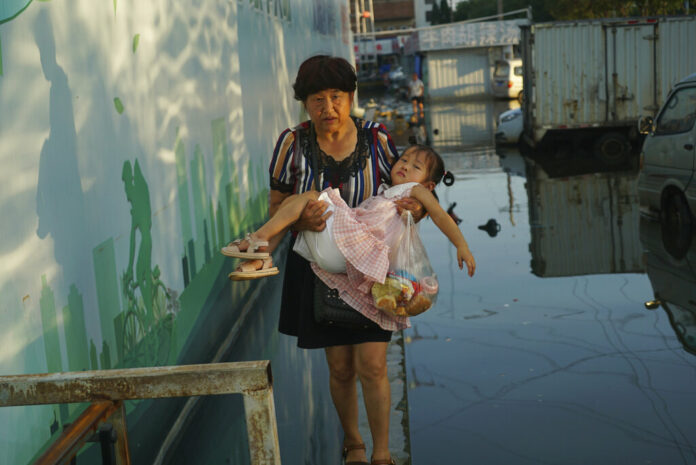
A woman carries a child in her arms as she walks on a curb above floodwaters in Xinxiang in central China's Henan Province, Monday, July 26, 2021. Photo: Dake Kang / AP

XINXIANG, China (AP) — The night the rains came, all Yu Ruiping could do was huddle in her market stall. The electricity went out. Her phone went dead. And the water just kept rising.

When the skies cleared, the market was surrounded by chest-high water — trapping Yu and her husband for two days with nothing to eat but a few packages of instant noodles.

“It was the most water I’d ever seen,” Yu said, standing in her family warehouse in a neighborhood of Xinxiang, a city of six million people in the heart of central China’s Henan province.

The torrent of rain last week burst dams and collapsed bridges, immersing large swaths of Henan in water. In the provincial capital of Zhengzhou, a year’s worth of rain fell in just three days. Authorities announced a sharp rise in the death toll Thursday to 99 people.

After drenching Zhengzhou, where people drowned in subway trains and their cars, the clouds headed north to Xinxiang. On July 21, the heaviest rains pounded the city overnight, turning roads into rivers and carving the city into islands.

Between their spoiled pickled vegetables and their damaged electric wagon, Yu estimates their losses could run into the tens of thousands of dollars, a princely sum in a city where the average annual income is about $8,000.

Authorities estimate overall economic losses at nearly 90 billion yuan ($14 billion), a devastating blow to the province’s heavily agrarian economy.

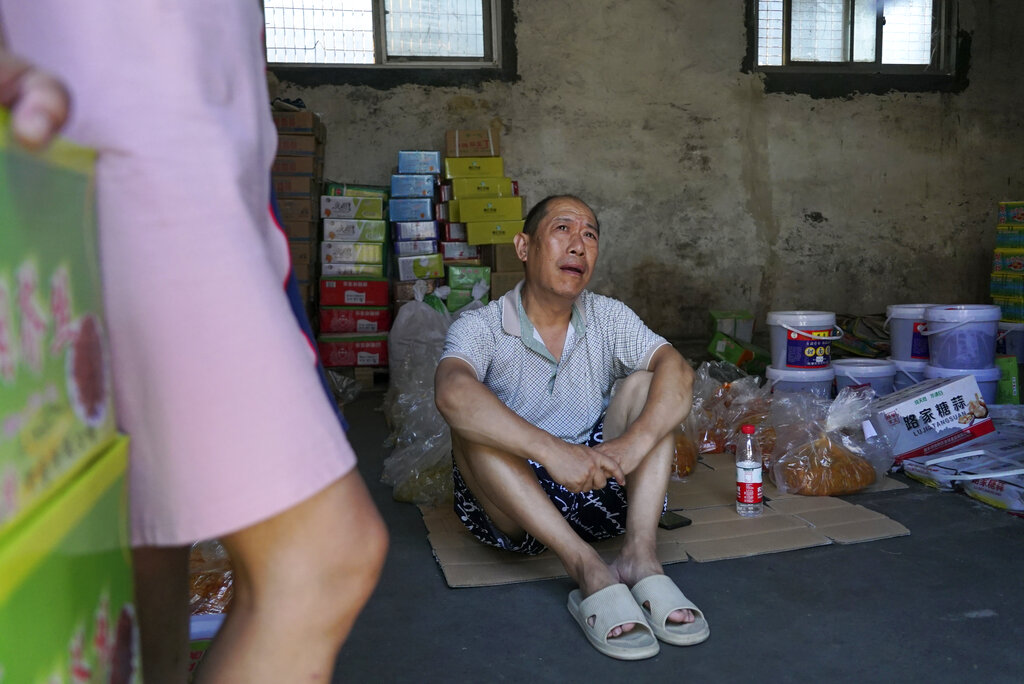
“If the water at the market had been drained the next day after the rain, our losses would not have been this huge. It’s been a week, and the water has not been pumped out,” said Yu, as she leaned her elbow on cases of pickled mustard greens she and her husband managed to save.

AP21210389785466
Shopkeepers at the Yubei Agricultural and Aquatic Products World leave the market on a motor tricycle in Xinxiang in central China’s Henan Province, Monday, July 26, 2021. Photo: Dake Kang / AP

Her husband, Lu Jinlin, recalled his mother recounting a similar downpour in 1963. Though the rains weren’t as bad, their homes made of earth were easily swept away by the waters, he said. There were no rescue teams back then.

This time, the price paid in lives lost was lower because they live now in squat and sturdy concrete homes.

No deaths have been confirmed in Xinxiang so far, but many surrounding villages remain underwater. Recovery work continues. Pumps chug out dirt-colored floodwater, while bulldozers transport people down flooded roads, ferrying them over the waters in the maws of their shovels.

Though rescue efforts have won widespread praise, there are lingering questions about the government’s storm preparedness and why many people were caught off-guard.

Authorities have carefully controlled reporting on the floods. Censors swiftly deleted some critical reports from Chinese media, while a vicious social-media campaign targeted foreign journalists.

One shopkeeper declined to be interviewed with a nervous chuckle. “I don’t dare,” he said.

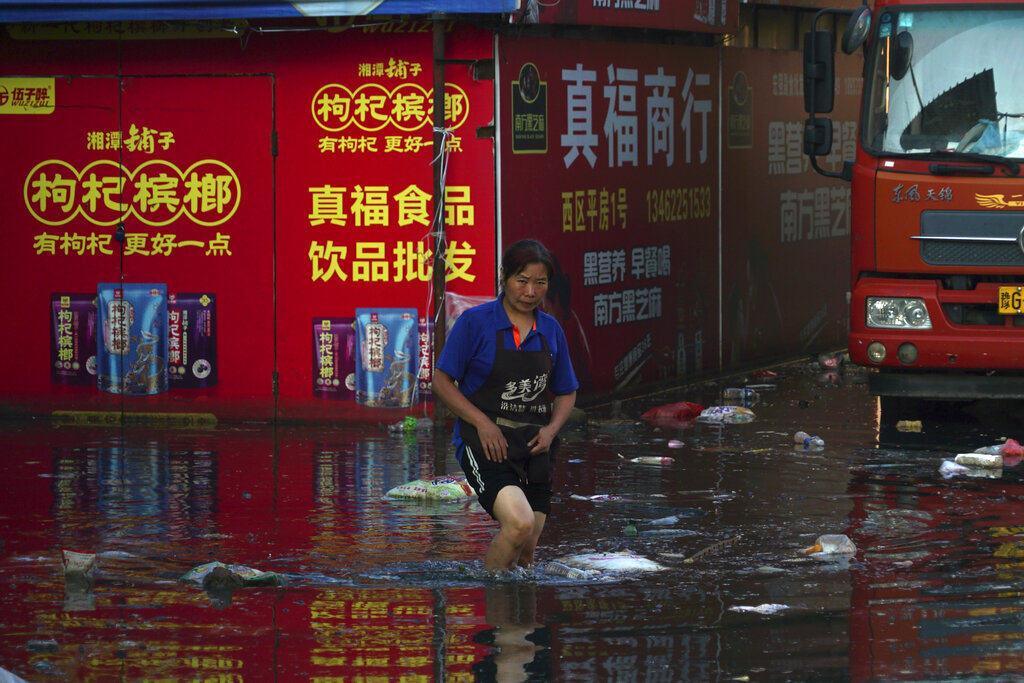
The waters in the Yubei Agricultural and Aquatic Products World market, where Yu has her stall, are still still knee-deep. Shopkeepers fortunate enough to have stalls elevated above the waters washed them out and wiped down their fridges and tables. Those less fortunate salvaged what they could of their ruined goods.

One vendor wrapped a bundle of cups in a white plastic bag in the back of a half-submerged pickup truck. A young man then hoisted it over to a nearby cart carrying what remains of her merchandise. Cigarette butts and chunks of plastic foam swirled around her legs in murky water that reeked of rotting fish.

AP21210389333530
Xing, a shop owner at Yubei Agricultural and Aquatic Products World, walks in floodwaters at the market in Xinxiang in central China’s Henan Province, Monday, July 26, 2021. Photo: Dake Kang / AP

She estimated her losses at tens of thousands dollars — the second time she’s facing ruin from a flood, as heavy rains in 2016 also spoiled her goods.

“I’ve had terrible luck, let me tell you,” she said. “All our family fortune is soaked in water.”

She gave only her last name, Xing, after a man standing next to her discouraged her from speaking further to media.

Just down the road, Sun Jiayun, 72, hangs rubber gloves from the branches of trees and fans the soles of shoes on the sweltering asphalt. The pages of once-pristine notebooks curl in the afternoon sun as they dry.

“Nobody will want it,” Sun said of her goods. “Who’d pay for these things?” Still, she’s drying the items out in the hopes that she can give them to friends and family.

Several blocks up the road, Mr. Bao’s Fried Chicken survived nearly unscathed since it’s slightly elevated. A cashier there, who would only give her last name, Wang, out of concern for her personal privacy, recalled the panicked days she spent coordinating her niece and nephew’s rescue.

AP21210388901398
Lu Jinling sits in a family warehouse with pickled vegetables that he and his wife salvaged from the floods in Xinxiang in central China’s Henan Province, Monday, July 26, 2021. Photo: Dake Kang / AP

They were home alone, huddling in the darkness as the waters rose, their parents stuck in their store surrounded by neck-high water. An anxious Wang traded messages with rescuers online as she coordinated their lift to safety.

For days, more than a dozen friends and relatives packed into Wang’s house, unable to return to their own flooded homes. They slept four or five to a bed — crowded but lively, she said, and an enormous relief after the panic of the floods.

“I can’t describe what it felt like,” she said, tears welling in her eyes. “It’s okay as long as I can see the children, as long as they are alive.”

___

Story: Dake Kang. Associated Press news assistant Caroline Chen contributed.

Advertisement

Activists Allege Myanmar Leaders Are ‘Weaponizing’ COVID-19

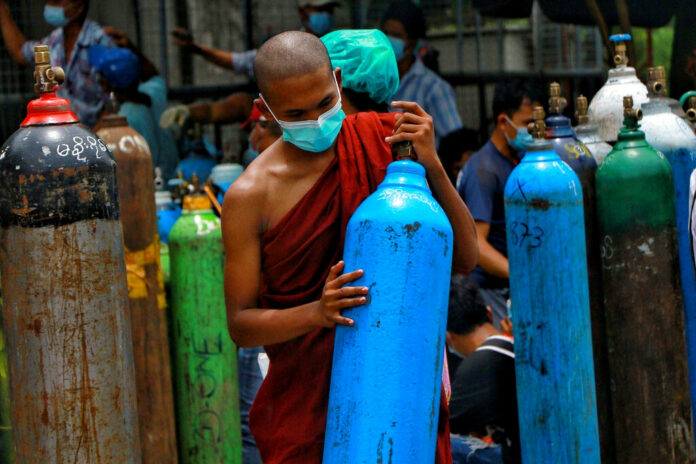
In this July 28, 2021, file photo, Buddhist monk wearing a face mask holds an oxygen tank for refill outside the Naing oxygen factory at the South Dagon industrial zone in Yangon, Myanmar. Photo: AP

BANGKOK (AP) — With coronavirus deaths rising in Myanmar, allegations are growing from residents and human rights activists that the military government, which seized control in February, is using the pandemic to consolidate power and crush opposition.

In the last week, the per capita death rate in Myanmar surpassed those of Indonesia and Malaysia to become the worst in Southeast Asia. The country’s crippled health care system has rapidly become overwhelmed with new patients sick with COVID-19.

Supplies of medical oxygen are running low, and the government has restricted its private sale in many places, saying it is trying to prevent hoarding. But that has led to widespread allegations that the stocks are being directed to government supporters and military-run hospitals.

At the same time, medical workers have been targeted after spearheading a civil disobedience movement that urged professionals and civil servants not to cooperate with the government, known as the State Administrative Council.

“They have stopped distributing personal protection equipment and masks, and they will not let civilians who they suspect are supporting the democracy movement be treated in hospitals, and they’re arresting doctors who support the civil disobedience movement,” said Yanghee Lee, the U.N.’s former Myanmar human rights expert and a founding member of the Special Advisory Council for Myanmar.

“With the oxygen, they have banned sales to civilians or people who are not supported by the SAC, so they’re using something that can save the people against the people,” she said. “The military is weaponizing COVID.”

Myanmar’s Deputy Information Minister Zaw Min Tun did not respond to questions about the allegations, but with growing internal and external pressure to get the pandemic under control, the leadership has been on a public relations offensive.

In the state-run Global New Light of Myanmar newspaper this week, several articles highlighted the government’s efforts, including what it called a push to resume vaccinations and increase oxygen supplies.

Senior Gen. Min Aung Hlaing, the head of the government, was cited as saying that efforts were also being made to seek support from the Association of Southeast Asian Nations and unspecified “friendly countries.”

“Efforts must be made for ensuring better health of the State and the people,” he was quoted as saying.

Myanmar reported another 342 deaths Thursday, and 5,234 new infections. Its 7-day rolling average of deaths per 1 million people rose to 6.29 — more than double the rate of 3.04 in India at the peak of its crisis in May. The figures in Myanmar are thought to be a drastic undercount due to lack of testing and reporting.

“There is a big difference between the actual death toll from COVID-19 of the Military Council and reality,” a physician from the Mawlamyine General Hospital in Myanmar’s fourth-largest city told The Associated Press, speaking on condition of anonymity for fear of government reprisal. “There are a lot of people in the community who have died of the disease and cannot be counted.”

Videos proliferate on social media showing apparent virus victims dead in their homes for lack of treatment and long lines of people waiting for what oxygen supplies are still available. The government denies reports that cemeteries in Yangon have been overwhelmed but announced Tuesday they were building new facilities that could cremate up to 3,000 bodies per day.

“By letting COVID-19 run out of control, the military junta is failing the Burmese people as well as the wider region and world, which can be threatened by new variants fueled by unchecked spread of the disease in places like Myanmar,” said Phil Robertson, deputy Asia director of Human Rights Watch. “The problem is the junta cares more about holding on to power than stopping the pandemic.”

Myanmar is one of the region’s poorest countries and already was in a vulnerable position when the military seized power, triggering a violent political struggle.

Under the civilian former leader Aung San Suu Kyi, Myanmar had weathered a coronavirus surge last year by severely restricting travel and sealing off Yangon. Vaccines were secured from India and China, but Suu Kyi’s government was ousted less than a week after the first shots were given.

As civil disobedience grew after Suu Kyi’s removal, public hospitals were basically closed as doctors and other staff refused to work under the new administration, instead running makeshift clinics for which they faced arrest, if caught.

Some have returned to public hospitals, but the Mawlamyine doctor interviewed by AP said it was too dangerous.

“I could be arrested by the junta anytime if I returned to the hospital,” added the doctor, who was part of the disobedience movement and has been treating patients with supplies he has scrounged.

According to Tom Andrews, the U.N. Human Rights Council’s independent expert on human rights in Myanmar, government forces have engaged in at least 260 attacks on medical personnel and facilities, killing 18. At least 67 health care professionals had been detained and another 600 are being sought.

Military hospitals kept operating after Suu Kyi’s ouster but were shunned by many people and the vaccination program slowed to a crawl before apparently fizzling out completely until this week. There are no solid figures on vaccinations, but it’s believed that about 3% of the population could have received two shots.

The rapid rise in COVID -19 illnesses is “extremely concerning, particularly with limited availability of health services and oxygen supplies,” said Joy Singhal, head of the Red Cross’ Myanmar delegation.

“There is an urgent need for greater testing, contact tracing and COVID-19 vaccinations to help curb the pandemic,” he told AP. “This latest surge is a bitter blow to millions of people in Myanmar already coping with worsening economic and social hardships.”

Earlier this week, Andrews urged the U.N. Security Council and member states to push for a “COVID cease-fire.”

“The United Nations cannot afford to be complacent while the junta ruthlessly attacks medical personnel as COVID-19 spreads unchecked,” he said. “They must act to end this violence so that doctors and nurses can provide lifesaving care and international organizations can help deliver vaccinations and related medical care.”

After a long lull in humanitarian aid, China recently began delivering vaccines. It sent 736,000 doses to Yangon this month, the first of 2 million being donated, and reportedly more than 10,000 to the Kachin Independence Army, which has waged a decades-long insurgency in a northern border area where the virus has spilled over into China.

Chinese Foreign Ministry spokesman Zhao Lijian declined to comment directly earlier this week on the report of the delivery to the KIA, noting instead “the epidemic is a common enemy to all mankind.”

The Global New Light reported Myanmar received another 1 million doses purchased from China.

COVID-19 outbreaks have been reported as widespread in Myanmar’s prisons. On Wednesday, state-run MRTV television showed what it said were 610 prisoners from Yangon’s Insein Prison being vaccinated. The report was met with skepticism and derision on social media.

Lee said if the government is trying to use vaccines and other aid to its advantage by positioning itself as the solution to the pandemic, it’s too late.

“The people know now and it’s been too long,” she said. “COVID was not manmade but it got out of proportion because of complicity and deliberate blockage of services — there’s no going back.”

Story: David Rising

Advertisement

Hot News

LATEST NEWS

Bangkok
broken clouds
36.1 ° C
36.6 °
35.5 °
57 %
3kmh
65 %
Sun
35 °
Mon
37 °
Tue
37 °
Wed
37 °
Thu
37 °