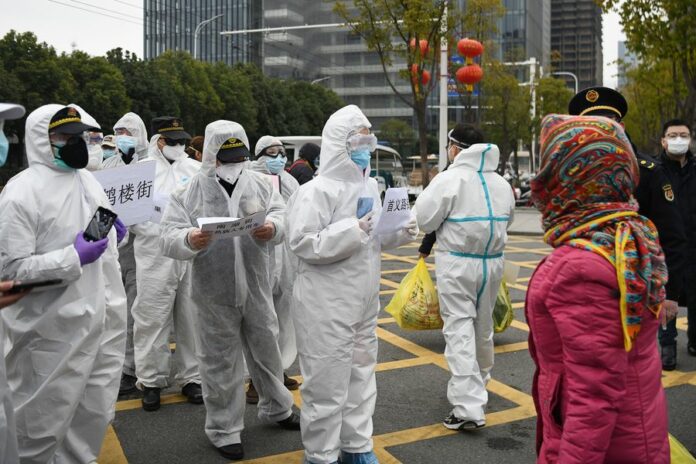
Community workers receive patients who have recovered from novel coronavirus pneumonia in Wuchang District of Wuhan, central China's Hubei Province, Feb. 11, 2020. (Xinhua/Cheng Min)
WUHAN (Xinhua) — China’s coronavirus-battered Hubei Province has fired or disciplined a group of officials for breaching work disciplines and shirking responsibilities in the fight against the epidemic, the provincial discipline inspection authority said Wednesday.
The announcement did not specify the number of punished officials but named and shamed several of them whose malfeasance ranges from dereliction of duty to defying quarantine rules to hold banquets.
Sheng Congfeng, a director at Wuhan’s municipal culture and tourism department, was removed from office for deserting. He was accused of visiting his home province of Anhui for holiday on Jan. 23 without prior reporting.
Zhang Xinfu, vice-principal of a primary school in Tongcheng County, was expelled from the Communist Party of China (CPC).
Zhang allegedly hid the fact that he had visited the epidemic epicenter Wuhan with his wife and insisted on holding a birthday feast for his father on Jan. 22, attended by villagers and colleagues. Two days later, his wife was diagnosed with the novel coronavirus pneumonia, while Zhang refused to cooperate with an investigation.
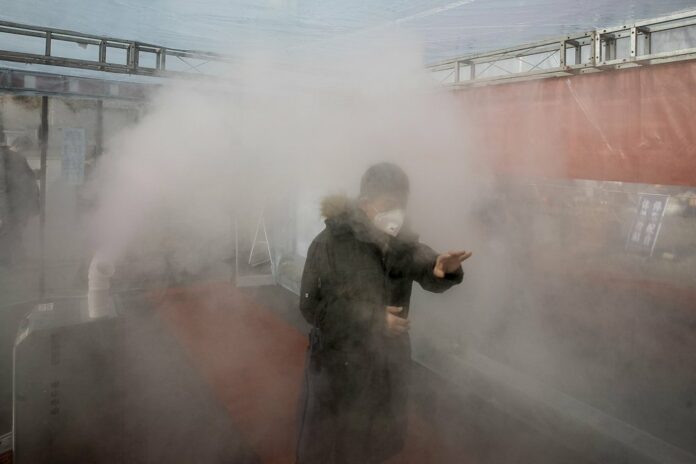
A man walks through a disinfectant spray in order to return home at a residential complex in northern China's Tianjin Municipality Tuesday, Feb. 11, 2020. (Chinatopix Via AP) CHINA OUT
BEIJING (AP) — China on Wednesday reported another drop in the number of new cases of a viral infection and 97 more deaths, pushing the total dead past 1,100 as postal services worldwide said delivery was being affected by the cancellation of many flights to China.
The National Health Commission said 2,015 new cases had been reported over the last 24 hours, declining for a second day. The total number of cases in mainland China reached 44,653, although many experts say a large number of others infected have gone uncounted.
The additional deaths raised the mainland toll to 1,113. Two people have died elsewhere, one in Hong Kong and one in the Philippines.
In the port city of Tianjin, just southeast of Beijing, a cluster of cases has been traced to a department store in Baodi district. One-third of Tianjin’s 104 confirmed cases are in Baodi, the Xinhua state news agency reported.
A salesperson working in the store’s small home appliance section became the first individual in the cluster to be diagnosed on Jan. 31, Xinhua said. The store was already closed at that point, then disinfected on Feb. 1. Nevertheless, several more diagnoses soon followed.
The next to have their infections confirmed were also salespeople at the store. They had not visited Wuhan recently and, with the exception of one married couple, the patients worked in different sections of the store and did not know one another, according to Xinhua.
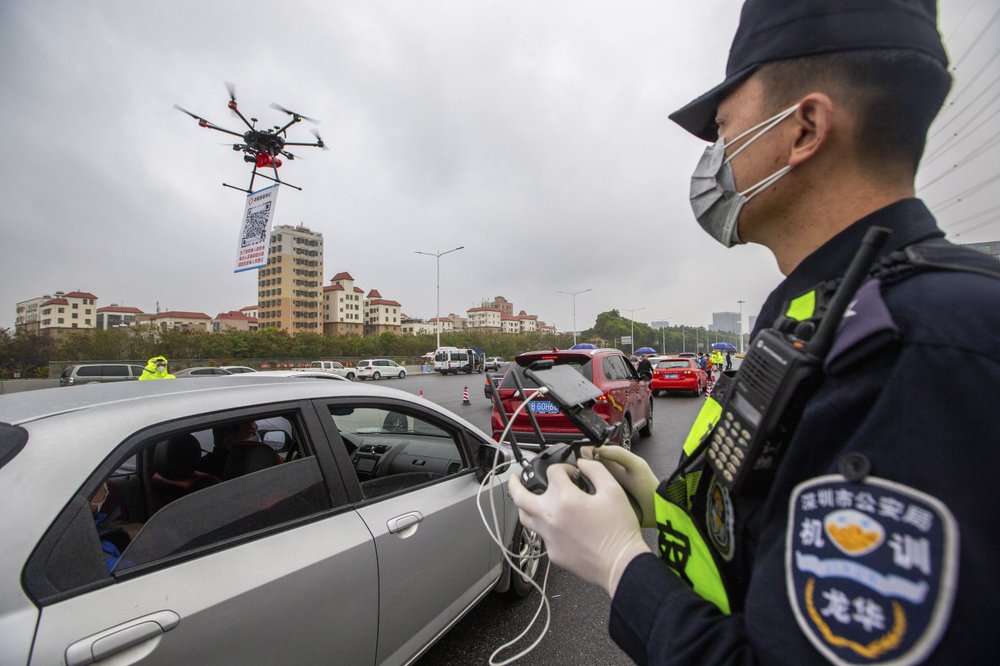
In this Tuesday, Feb. 11, 2020, photo released by China’s Xinhua News Agency, a police officer operates a drone carrying a QR code placard near an expressway toll station in Shenzhen in southern China’s Guangdong Province. (Lai Li/Xinhua via AP)
Japan’s Health Ministry said that 39 new caseshave been confirmed on a cruise ship quarantined at Yokohama, bringing the total to 174 on the Diamond Princess.
The U.S. Postal Service saidthat it was “experiencing significant difficulties” in dispatching letters, parcels and express mail to China, including Hong Kong and Macau.
Both the U.S. and Singapore Post said in notes to their global counterparts that they are no longer accepting items destined for China, “until sufficient transport capacity becomes available.”
The Chinese mail service, China Post, said it was disinfecting postal offices, processing centers and vehicles to ensure the virus doesn’t spread via the mail and to protect staff.
It said the crisis is also impacting mail that transits China to other destinations including North Korea, Kazakhstan, Kyrgyzstan, Mongolia, Tajikistan, Turkmenistan, Uzbekistan and Vietnam.
The World Health Organization has named the disease caused by the virus as COVID-19, avoiding any animal or geographic designation to avoid stigmatization and to show the illness comes from a new coronavirus discovered in 2019.
The illness was first reported in December and connected to a food market in the central Chinese city of Wuhan, where the outbreak has largely been concentrated.
Zhong Nanshan, a leading Chinese epidemiologist, said that while the virus outbreak in China may peak this month, the situation at the center of the crisis remains more challenging.
“We still need more time of hard working in Wuhan,” he said, describing the isolation of infected patients there a priority.
“We have to stop more people from being infected,” he said. “The problem of human-to-human transmission has not yet been resolved.”
Without enough facilities to handle the number of cases, Wuhan has been building prefabricated hospitals and converting a gym and other large spaces to house patients and try to isolate them from others.
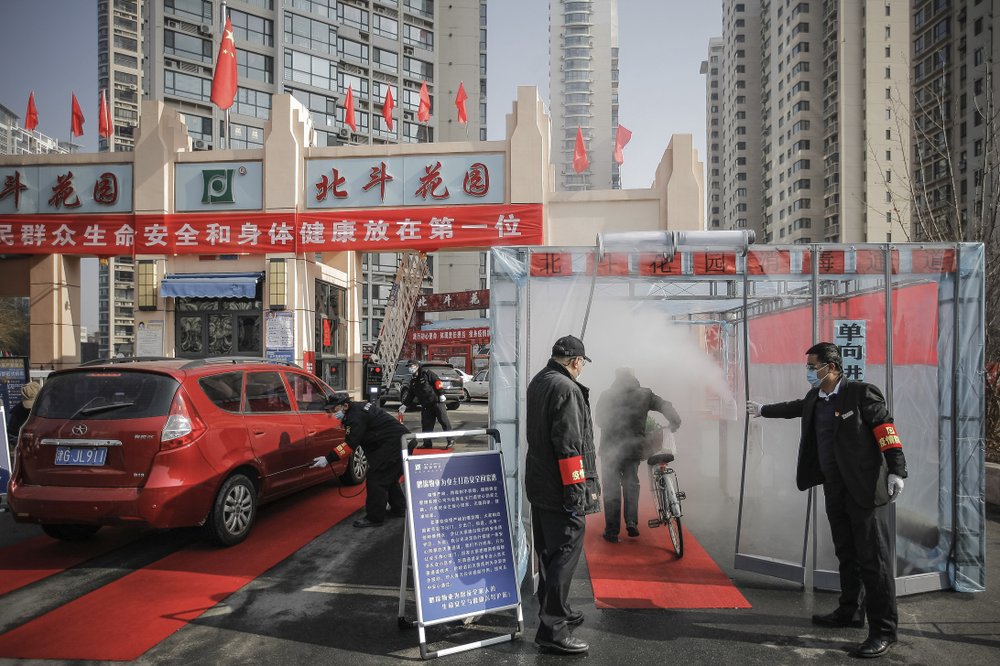
Security guards hold the curtain for a cyclist to past through a disinfectant spray in order to return home at a residential complex in northern China’s Tianjin Municipality Tuesday, Feb. 11, 2020. (Chinatopix Via AP) CHINA OUT
China’s official media reported Tuesday that the top health officials in Hubei province, of which Wuhan is the capital, have been relieved of their duties. No reasons were given, although the province’s initial response was deemed slow and ineffective. Speculation that higher-level officials could be sacked has simmered, but doing so could spark political infighting and be a tacit admission of responsibility.
The virus outbreak has become the latest political challenge for the party and its leader, Xi Jinping, who despite accruing more political power than any Chinese leader since Mao Zedong, has struggled to handle crises on multiple fronts. These include a sharply slowing domestic economy, the trade war with the U.S. and pushback on China’s increasingly aggressive foreign policies.
China is struggling to restart its economy after the annual Lunar New Year holiday was extended to try to curb the spread of the virus. About 60 million people are under virtual quarantine and many others are still working at home.
In Hong Kong, the diagnosis of four people living in an apartment building prompted worried comparisons with the deadly SARS pandemic of 17 years ago.
More than 100 people were evacuated from the building after a 62-year-old woman diagnosed with the virus was found living 10 floors directly below a man who was earlier confirmed with the virus.
Health officials called it a precautionary measure and sought to assuage fears of an epidemic, dismissing similarities to the SARS community outbreak at the Amoy Gardens housing estate in 2003.
___
Associated Press writers Eileen Ng in Kuala Lumpur, Malaysia; Mari Yamaguchi in Tokyo; John Leicester in Paris; Yanan Wang and researcher Yu Bing in Beijing contributed to this report.
Democratic presidential candidate Sen. Bernie Sanders, I-Vt., with his wife Jane O'Meara Sanders, arrives to speak to supporters at a primary night election rally in Manchester, N.H., Tuesday, Feb. 11, 2020. (AP Photo/Pablo Martinez Monsivais)
WASHINGTON (AP) — For Bernie Sanders, not all victories are created equal.
But the Vermont senator is benefiting from a crowded and fractured primary field, with several moderate candidates dividing up the rest of the vote. Taken together, Pete Buttigieg, Amy Klobuchar and Joe Biden drew support from more than 50 percent of New Hampshire voters — twice as much as Sanders.
“It’s clear that a majority of Democrats do not want Bernie Sanders to be the nominee,” said Ben LaBolt, who advised President Barack Obama’s 2008 campaign. “But if the more pragmatic candidates do not consolidate in the weeks ahead — especially those hanging by a thread in the single digits — Sanders has a very real chance of winning the nomination.”
Sanders has energized young voters and liberals with his calls for a Medicare for All health care system and free college tuition. Yet his pricey policy proposals and his standing as a self-described democratic socialist have some in the party on edge, fearful he would struggle to defeat President Donald Trump and damage Democrats’ prospects of holding or picking up congressional seats in more moderate parts of the country.
Yet the top tier of the Democratic field shows no signs of shrinking as the primary shifts to more diverse states. And it will only get more crowded as Mike Bloomberg, who is blanketing the delegate-rich states that vote March 3 with hundreds of millions of dollars in advertisements, starts showing up on ballots.
If anything, questions about Sanders’ strength, and uncertainty about which moderate is best to take him on, seem to be giving candidates incentive to stay in as long as they have money to fund their campaigns. That fundraising challenge becomes more urgent for Biden, as well as Sen. Elizabeth Warren, a progressive candidate who finished a disappointing fourth in New Hampshire.
Though the Democratic race is in its early stages — just two states have voted and the vast majority of delegates are still in play — the primary has echoes of the 2016 Republican primary. Trump consistently won contests with about one-third of the vote, while his competitors split up the rest of the electorate.
In the 2016 New Hampshire primary, for example, Trump carried 35% of the vote, while more centrist competitors John Kasich, Jeb Bush, Marco Rubio and Chris Christie divided up more than 40% of the electorate.
Those moderate Republican moderates faced the same dilemma now in front of their Democratic counterparts: How long do they stay in the race and allow Sanders to eke out victories and potentially deepen his support?
In 2016, some of the moderate candidates hung on for weeks, laboring under the expectation that Trump’s controversial candidacy would crater and some of his support might swing their way. Instead, Trump only grew stronger.
“Winning begets momentum, which begets people wanting to be on your team,” said Matt Gorman, who worked for Bush’s campaign. “The more Trump won, the more people went over to him.”
Gorman’s advice to Sanders’ rivals? Move on quickly if you want to stop Sanders.
“For a coalescing to happen, it would need to happen immediately,” he said.
There are structural differences between the way Republicans and Democrats pick their nominees that could make Sanders’ path to the nomination more difficult than Trump’s was in 2016, even if the field remains crowded.
GOP primaries are winner-take-all contests, which allowed Trump to quickly amass an insurmountable lead over his rivals. Democratic contests are proportional, meaning that even if Sanders keeps winning, other candidates can stay within range and push the primary contest deep into the spring or early summer in hopes of a comeback.
There are also indications in voter surveys that Democrats are looking for a moderate candidate to step in. According to AP VoteCast, a majority of voters in both Iowa and New Hampshire self-identified as moderate or conservative ideologically. Roughly 2 in 10 said they were “somewhat liberal” and about a quarter said they were “very liberal.”
Sanders, a favorite of liberals, has struggled to meet expectations in the first two contests, even with his victory in New Hampshire and his effective tie with Buttigieg in Iowa. He is more rigid ideologically than some of his rivals and has not yet indicated he can draw new voters into his coalition.
His moderate rivals still see a path to blunt his momentum, though their realistic prospects vary.
Buttigieg, the former mayor of South Bend, Indiana, who was virtually unknown nationally a year ago, is in the strongest position after the first two states. He’s proven to be a fundraising powerhouse and has energized voters with his calls for generational change.
Klobuchar surged to a surprise third-place finish in New Hampshire after a standout pre-primary debate. But she’s less well-known than some other candidates and has a scant operation in the states that come next on the primary calendar.
Biden is the moderate candidate who comes out of New Hampshire facing the most urgent questions about his future. After leading national polls for months, he finished a dismal fourth in Iowa and fifth in New Hampshire, undermining his case that he’s the most electable candidate in November.
Biden’s advisers insist he can turn his campaign around in South Carolina, the first state with a large population of black voters. But Wednesday is likely to bring questions from his financial backers and pressure from some Democrats to end his third bid for the White House.
That puts moderate Democrats on uncertain footing.
“Ultimately we’re going to have to coalesce around somebody,” said Matt Bennett of Third Way, a center-left think tank, one of the moderates warning against a Sanders nomination. “But we’re not quite ready to do that.”
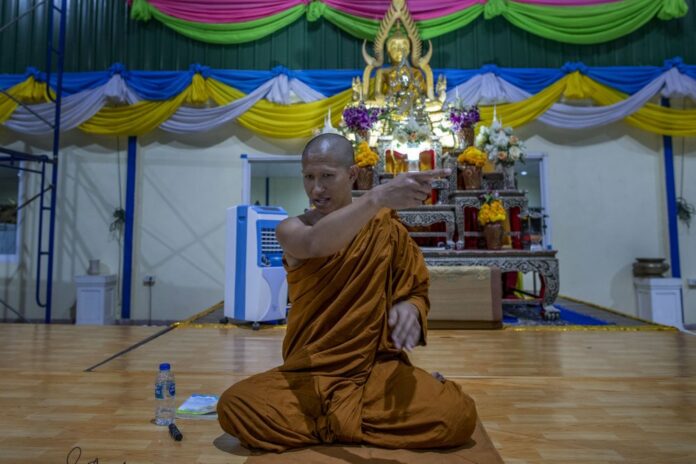
In this Monday, Feb. 10, 2020 photo, Buddhist monk Phra Manaswin gestures as he explains a shooting rampage he witnessed at Wat Pa Sattharuam Buddhist temple in Nakhon Ratchasima, Thailand. (AP Photo/Gemunu Amarasinghe)
NAKHON RATCHASIMA (AP) — A rogue soldier whose rampage left 29 people dead and dozens more injured in northeastern Thailand terrorized a Buddhist temple on his way to a shopping mall where he held people hostage in a nearly 16-hour siege.
The peaceful seclusion of the Wat Pa Sattharuam forest monastery was shattered Saturday when the soldier from a nearby army base, Sgt. Maj. Jakrapanth Thomma, 31, roared through in a stolen military jeep, fatally shooting nine people.
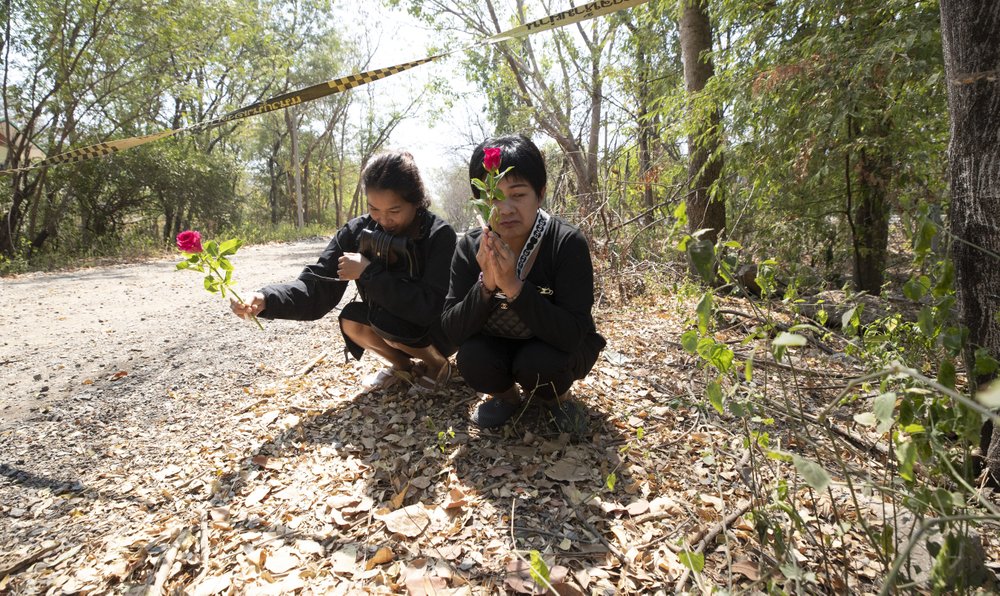
At the temple complex Tuesday, yellow police tape cordoned off the road to the back gate with dozens of red circles marking where bullet casings were found.
The temple complex had opened its back gate to devotees for Makha Bucha day, a holiday in the Theravada Buddhist tradition that honors Buddha ordaining some of his early followers.
Before Jakrapanth arrived at the temple, he had already fatally shot his commanding officer and the officer’s mother-in-law, apparently over a land dispute, and killed a soldier and wounded two other guards to steal weaponsfrom the Surathampithak military camp where he was stationed.
Mourners offer roses in condolence at the scene of the weekend’s mass shooting that partially took place at the Wat Pa Sattharuam temple, Tuesday, Feb. 11, 2020, in Nakhon Ratchasima, Thailand. (AP Photo/Sakchai Lalit)
When Phra Manaswin, a 24-year-old monk, saw the military jeep drive past him and heard shots, he initially didn’t think anything was amiss. As elsewhere in predominantly Buddhist Thailand, the monks and soldiers have lived peaceably as neighbors for decades. When the complex gates were open, soldiers, like other local residents, often drove through, taking advantage of the shortcut.
“I thought, ‘why would a soldier do target practice inside a temple?’” Manaswin said, not thinking much of it and turning back to his work sweeping the grounds of dead leaves.
But Manaswin then saw the soldier park his jeep behind a small group of trees, load his weapons and aim at any vehicle that entered the complex through the back gate. Jakrapanth’s victims at the temple included Rachanon Kanchanamethi, a 13-year-old boy riding a motorbike home.
Manaswin said the soldier shot at a woman and a child in a sedan, and an SUV full of people, all of whom were killed except for the front-seat passenger, who was shielded by the driver’s slumped body. Jakrapanth’s reign of terror lasted 10 minutes, Manaswin said.
Another monk taking a video of the shootings called police.
The operator said they were aware of a confrontation between a soldier and police.
“Yes, the soldier is here! He’s inside the temple!” the monk replied.
Samrit Kuimeunwai, an 85-year-old nun, said she was with her dogs at her concrete hut, built 30 years ago by soldiers from the nearby base, when she heard the clattering of bullets on her zinc roof. She said Buddhist teachings helped her to remain calm.
“When he started firing, I was shocked at first but then I became conscious. After that, I started to pray extending love and kindness. Then I meditated,” she said.
Samrit scrambled to safety at another nun’s hut.
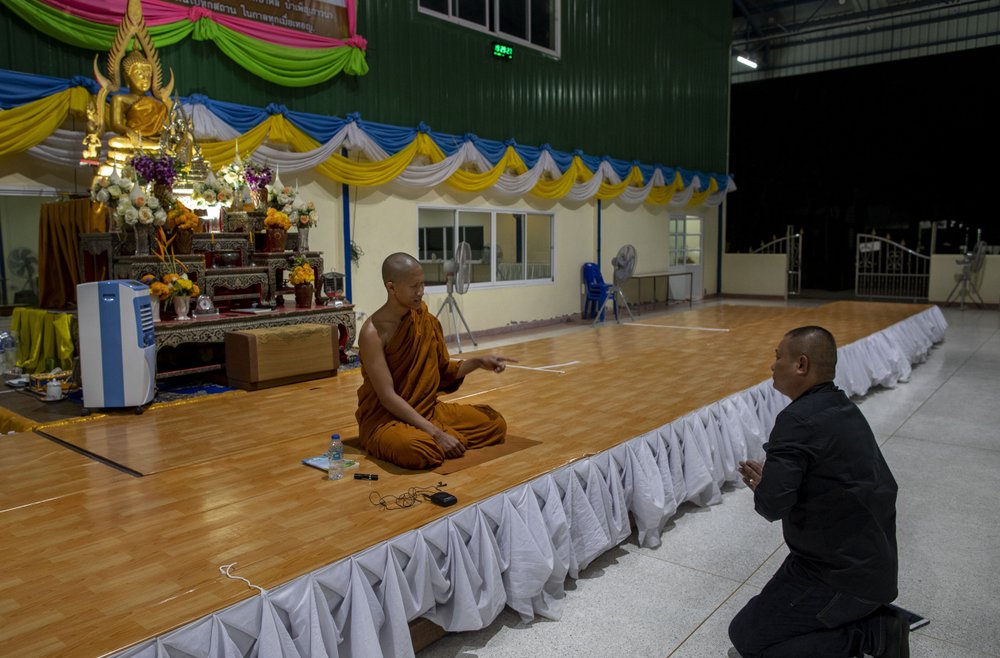
In this Monday, Feb. 10, 2020 photo, Buddhist monk Phra Manaswin, left blesses Preecha Kitsanoh, right a surviver of shooting rampage at Wat Pa Sattharuam Buddhist temple in Nakhon Ratchasima, Thailand. (AP Photo/Gemunu Amarasinghe)
When police arrived, Jakrapanth met them with heavy fire. Manaswin ran to inform another monk to clear the prayer pavilion where devotees were meditating near the front gate, the direction the gunman was heading.
Preecha Kitsanoh, a police volunteer who responded to the shooting, knelt before Manaswin in the meditation pavilion on Monday night, thanking him for the warning that saved his life.
Kisanoh ran behind the front gate’s concrete pillar as Jakrapanth tore through in his jeep, shooting all the way.
“I feel like I died and have been reborn,” he said in tears.
Police Sgt. Maj. Peerasak Witthakanok said he rushed to the scene to discover that the gunman had fled, leaving a trail of bodies on the road.
Jakrapanth’s rampage ended early Sunday at Terminal 21 Korat, a seven-story shopping mall in Nakhon Ratchasima city, when special forces fatally shot him. Buddhist monks, who have joined daily vigils since the shootings, will lead a prayer ceremony when the mall reopens Thursday.
Manaswin, the monk, isn’t convinced that the temple complex is now secure.
“It’s really easy for this kind of situation to happen,” he said. “We cannot tell whether it’s a normal person or a criminal, we cannot judge from the exterior nowadays whether this is really an officer or civil servant or soldier. I am afraid but I’m mindful. But if we are careless, we might face this again.”
Screenshot of a video expressing Thailand's support to China's effort against coronavirus. Image: ICONSIAM / YouTube.
By Lyu Jian, Ambassador of the People’s Republic of China to Thailand
At present, the Chinese government and people are fighting an all-out battle against the epidemic of novel coronavirus pneumonia. President Xi Jinping has personally planned for, instructed, and the Chinese people have quickly launched the nationwide combat to prevent and control the epidemic.
As a friendly neighbor and a partner of comprehensive strategic cooperation, Thailand has given strong support and sincere assistance to China, vividly demonstrating the sincere kinship between China and Thailand and the great spirit of “a community with a shared future for mankind”.
Thailand is the first country with confirmed cases of novel coronavirus pneumonia outside China, and also one of the countries with the most confirmed cases of novel coronavirus pneumonia.
As a big tourist country and an export-oriented economy, especially when some western countries overreacted to China’s epidemic situation and exaggerated the atmosphere of panic, the Thai government and people have all along maintained close communication and coordination with China and firmly supported China in its fight against the epidemic.
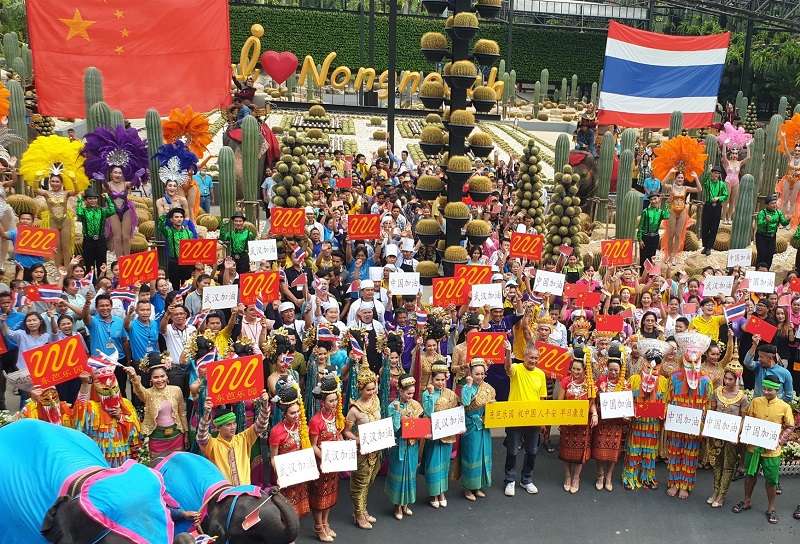
Employees at a botanical garden in Chonburi province express support for China’s effort against coronavirus.
On 31 Jan, HM the King Maha Vajiralongkorn of Thailand sent a telegram of sympathy to President Xi Jinping of China, highly applauding the thorough diligence and determination of the Chinese authorities and the comprehensive measures adopted to combat the scourge, and affirming his solidarity with the Chinese people and wishing them every success in overcoming the grave situation, in the hope of fullest rapid recovery.
H.E. General Prayut Chan-o-cha, Prime Minister of Thailand and H.E. Mr. Chuan Leekpai, President of the National Assembly of Thailand also sent letters of sympathy to Chinese leaders respectively.
Prime Minister Prayut also delivered a video speech to cheer for China and the world to fight against the epidemic. Thailand’s Privy Councilors, members of cabinet and members of parliament also expressed their firm confidence in and sincere wishes for China’s victory over the epidemic in different ways.
In terms of the entry of Chinese citizens, which is of high concern by all parties, Thailand not only has not imposed travel restrictions on Chinese citizens coming to Thailand, but also has announced exemption of fines for Chinese citizens from Hubei and other places who are stranded in Thailand due to flight cancellation, and also assisted and facilitated them to extend their visas.
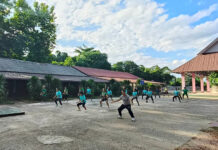
In an image released to the media, students and teachers at a school in Lampang province express support for China’s effort against coronavirus.
Thailand also allocated a high-level medical team to treat the Chinese compatriots who were diagnosed with novel coronavirus pneumonia in Thailand free of charge. So far, many people have been cured and returned to China with no case of fatality.
People from all walks of life in Thailand have also taken action and contributed generously to help. The epidemic relief materials provided in the name of Their Majesties the King and Queen have arrived in Wuhan recently.
The Thai government, overseas Chinese, business and other sectors donated a large number of money and epidemic prevention materials.
In Bangkok, Phuket, Chiang Mai and other places, you can hear the warm wishes: “Wuhan Su Su! China Su Su!” Newspapers, TV Channels and Internet are full of articles, videos and messages cheering for China. Every day, I can receive blessing calls and videos from my Thai friends.
Unity between brothers makes them stronger. The successful cooperation between China and Thailand in fighting against the novel coronavirus pneumonia epidemic makes the two countries unite with infinite strength.
Thailand’s positive view and strong supports for China in fighting against the epidemic make us feel keenly the deep political mutual trust between the leaders of China and Thailand. Under the current situation, this kind of mutual trust has become the guidance and stabilizer for Thailand to respond rationally to the epidemic of novel coronavirus pneumonia.
We also deeply feel that the enduring friendship between China and Thailand has been injected with new impetus and renewed with new momentum.
Looking back, China and Thailand have shared true friendship as revealed during times of hardship. Both countries worked together to overcome major challenges such as the Asian financial crisis, the Indian Ocean tsunami, the SARS epidemic and the Wenchuan earthquake.
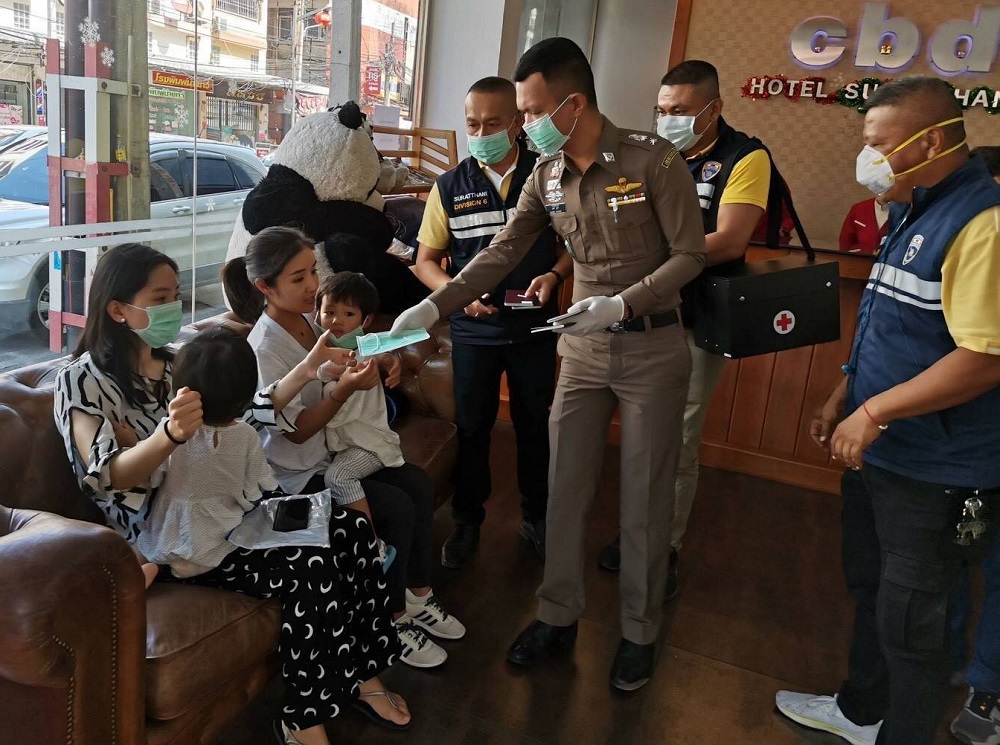
Police hand out face masks to Chinese tourists in Surat Thani province on Jan. 30, 2020.
At present, China and Thailand are working together to fight against the novel coronavirus pneumonia epidemic with resolute, positive and effective actions instead of panic or overreaction, setting an example for the international community to cooperate in major public health emergency response and fully reflecting the uniqueness of China-Thailand comprehensive strategic partnership.
The two countries, in jointly overcoming challenges, are bonding together as a unity of common future that shares weal and woe.
No cross, no crown. This year marks the 45th Anniversary of the establishment of diplomatic relations between China and Thailand. We have reason to believe that the brotherly cooperation and efforts of China and Thailand will not only help us win the battle of prevention and control against the epidemic as soon as possible, but also promote the further development of China-Thailand relations, and more vividly explain the practical connotation and global significance of building a community of shared future for Asian and for mankind.
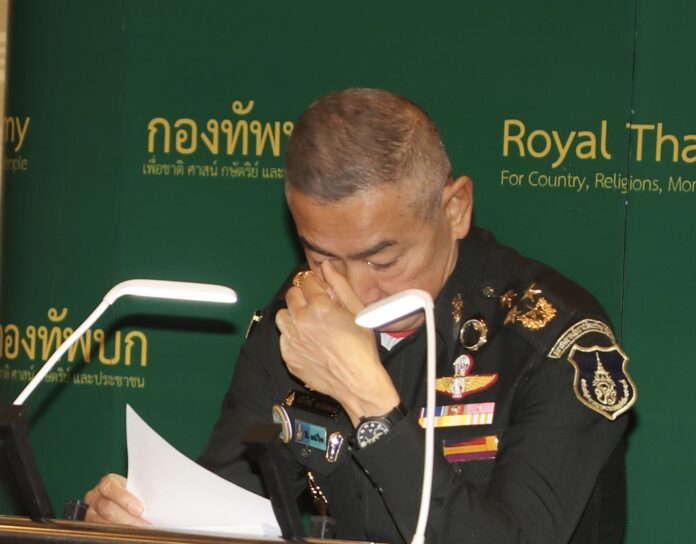
Army chief Gen. Apirat Komsompong sheds tear during a news conference on Feb. 11, 2020.
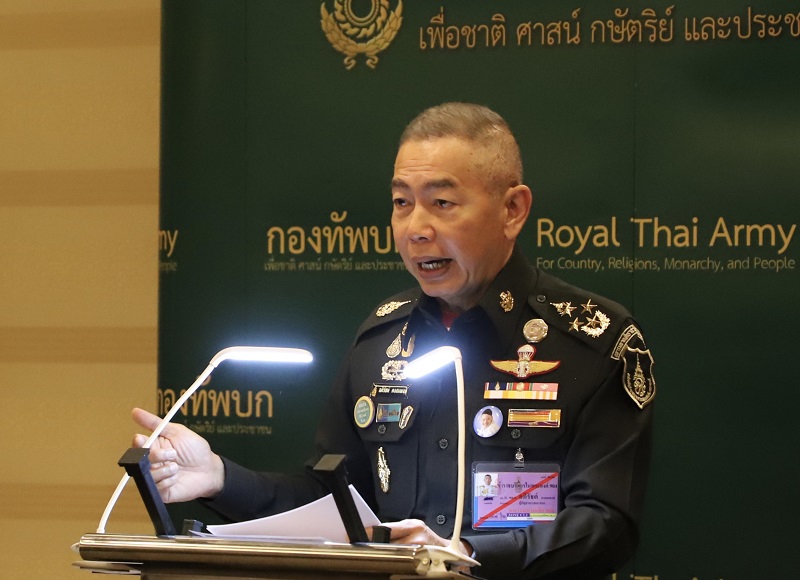
BANGKOK — Following a mass shooting by a disgruntled soldier who killed 30 people, army commander-in-chief Apirat Kongsompong on Tuesday said a communication channel will be set up to hear complaints from troopers who feel they are mistreated.
Gen. Apirat touted the bid as a response to the soldier’s rampage, which also wounded 50 people. Speaking tearfully at a news conference, Apirat offered an apology to the public on behalf of the serviceman, and pledged to look into a land dispute between Sgt. Jakkrapanth Thomma and his commanding officer, which allegedly led to the shootings.
“We have to investigate as to who were involved,” Gen. Apirat said. “But the moment he pulled the trigger on other people, he was a criminal, and no longer a soldier.”
News reports say Sgt. Jakkrapanth was cheated by his commander in the land sale and his pleas for justice were ignored. Gen. Apirat said the new communication channel will allow soldiers to lodge complaints in anonymity if they feel their superior officers are taking advantage of them. However, they would still have to reveal their identity to Gen. Apirat.
The killings, regarded to be Thailand’s worst mass shooting in history, shocked the country and raised questions whether business deals between rank-and-file soldiers and their commanders in the military institutions are appropriate.
Army spokesman Winthai Suvaree said he’s not aware of any regulations forbidding such practice.
“I have never heard about it,” Col. Winthai said by phone, though he said he would double-check just to be sure.
Winthai also said it’s too early to assume that Jakrapanth’s rampage was solely caused by the land transaction with his commanding officer, as more information is needed in the investigation.
At the news conference, Gen. Apirat promised the army will take care of family members of the victims. Their children will also receive funding from the army to complete their studies, and those who already graduated will be offered jobs in the force relevant to their education backgrounds.
“I, as army chief, am willing to do everything to alleviate the mental and physical wellbeing of the affected families,” the general said.
Nevertheless, he rejected calls to resign, and urged the critics to focus their anger on him, not the army, which he branded as a “sacred” institution.
“It’s a sacred organization,” Gen. Apirat said. “Soldiers who are still serving along the borders, cracking down on drugs, risking their lives to defend our national sovereignty, assisting in draught, forest fire, and sacrificing themselves can be found throughout the army.”
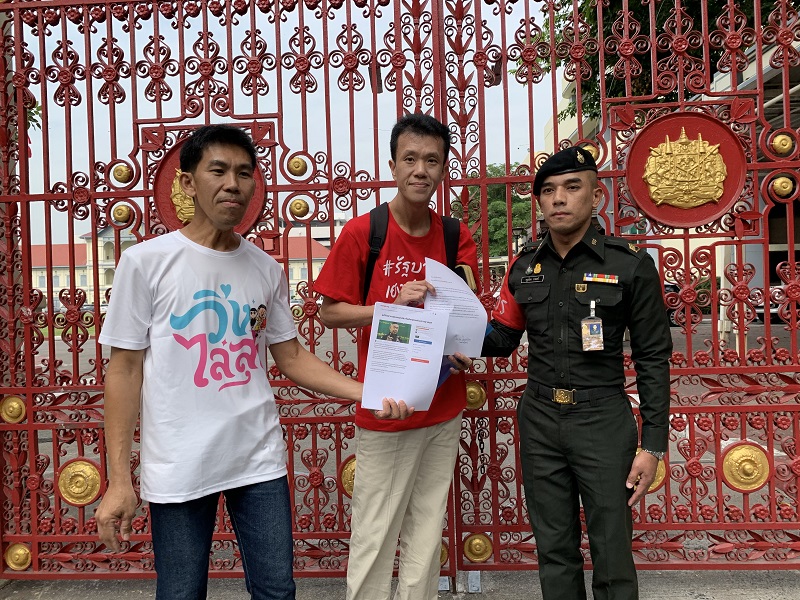
Anti-military activists submit a petition urging Gen. Apirat Kongsompong to resign on Feb. 11, 2020.
He continued, “Please do not criticize them. Do not use the word ‘soldier gunman.’ They will feel discouraged in their work. No one in this world wanted such incidents to happen. Do not criticize the army. If you want to criticize, criticize me, General Apirat Kongsompong.”
But Uchaen Cheangsen, an academic at Walailak University’s School of Political Science and Law, said Apirat is still obligated to set up an independent fact-finding commission to find out what really transpired in the 18 hours of the massacre.
Uchaen said questions over the army’s ability to protect the public and integrity are legitimate.
“They live with weapons. They should have discipline and have strict controls of armament,” the lecturer said in an interview. “We must recognize that there’s a problem. The system where commanders seek to profit from selling things to subordinates must also end if the armed forces are to be reformed.”
A file photo of MS Westerdam. Photo: JD Lasica / Flickr
BANGKOK — Citing concerns over the coronavirus outbreak, the government on Tuesday said it will not allow a cruise ship sailing from Hong Kong to disembark in Thailand, stranding its 2,000 passengers and crew at sea.
Deputy transport minister Atirat Ratanasate said the Dutch-operated Westerdam cruise ship will not be permitted to dock, hours after the company said the ship – which had been already denied port call in Japan, Taiwan, and the Philippines – will let its passengers disembark at Laem Chabang Port in Chonburi province.
The company’s statement was met with widespread fear in Thailand that its passengers might have caught the new strain of coronavirus.
Deputy prime minister and health minister Anutin Charnvirakul also took to his Facebook last night that he has ordered authorities to prevent the ship from disembarking at Thai ports.
The ship carrying 1,455 passengers and 802 crews was scheduled to conclude its voyage in Yokohama, Japan, but their permission was revoked by the Japanese authorities due to fears of coronavirus.
The company has yet to respond to the Thai government’s decision.
Another cruise, Diamond Princess, has been quarantined at the Yokohama port since Feb. 4, where 135 passengers were found to be infected with coronavirus as of Monday, according to Kyodo News.
NAKHON RATCHASIMA (AP) — As this Thai city mourns the 29 people killed in a weekend shooting rampage, many are questioning the apparent security lapses that allowed him to steal the weapons he used in the assault.
It’s still unclear how the gunman, identified as Sgt. Maj. Jakrapanth Thomma, snatched three assault rifles and two machine guns from the base and escaped in a stolen military vehicle.
A junior officer at the base who said he often acquired ammunition from Jakrapanth’s unit for his own unit’s target practice said the shooter would have had to overpower soldiers guarding small armsory depots to take the weapons and ammunition. The officer asked not to be identified because he was not authorized to speak to reporters.
The gunman’s actions show “that the level of control over this base’s armory was woefully insufficient in terms of manpower and access restriction,” said Michael Picard, research director of GunPolicy.org.
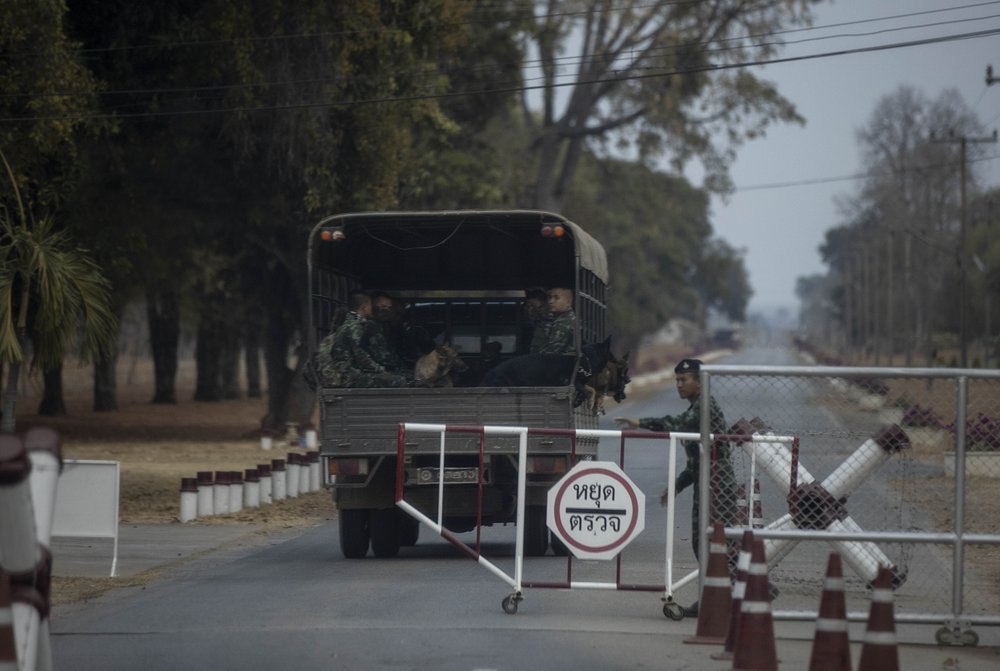
A truck with soldiers and sniffer dogs enter Thai army’s 22nd Ammunition Battalion in Surathampitak Military Camp, where a Thai soldier turned mass shooter stole a cache of weapons in Nakhon Ratchasima, Thailand, Monday, Feb. 10, 2020. (AP Photo/Gemunu Amarasinghe)
After stealing the weapons, the gunman then headed for a shopping mall, firing along the way. He held off security forces for almost 16 hours while holed up in the shopping center.
Questions about military security carry a special sting in Thailand because just a few weeks ago the country’s tough-talking army commander said in an interview that he had ordered all army units to take care of their weaponry.
The Bangkok Post quoted Gen. Apirat Kongsompong as saying that “all weapons must be kept under good care and ready for use.” He stressed that the army “will never let ill-minded people steal them,” referring to political opponents of the current government, led by former army commander Prayuth Chan-ocha.
On Tuesday, Apirat was due to address criticism of the operation at army headquarters in Bangkok.
In many past cases, guns have been quietly siphoned off by corrupt officials from police and army facilities.
The most disastrous weapons theft took place in Thailand’s deep south in 2004, when Muslim separatist militants raided an army base, killed four soldiers and made off with about 400 assault rifles. Some of the weapons are believed to have been sent to Muslim militants in Indonesia’s Aceh province, but most stayed with the Thai rebels, who have waged an insurgency that has claimed about 7,000 lives.
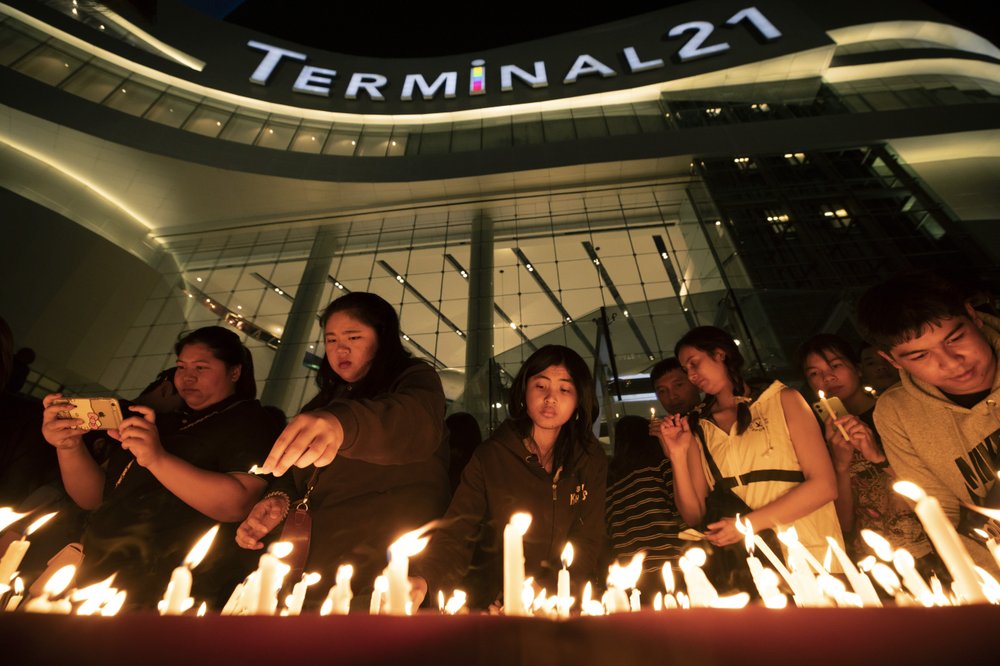
People attend a memorial service at the Terminal 21 Korat shopping mall in Nakhon Ratchasima, Thailand, Monday, Feb. 10, 2020. (AP Photo/Sakchai Lalit)
Wanwichit Boonprong, a professor at Thailand’s Rangsit University who specializes in the country’s military, said more controls were needed on weapons on military bases.
“The safety system in the buildings where they keep weapons are obsolete. They just lock the room with padlocks,” he said. “With this kind of system, once someone gets in, he can easily grab a weapon.”
Access to the main gate to Jakrapanth’s military unit, the 22nd Ammunition Battalion, was restricted on Monday, but much of the rest of the sprawling base in rural Nakhon Ratchasima province was open to through traffic.
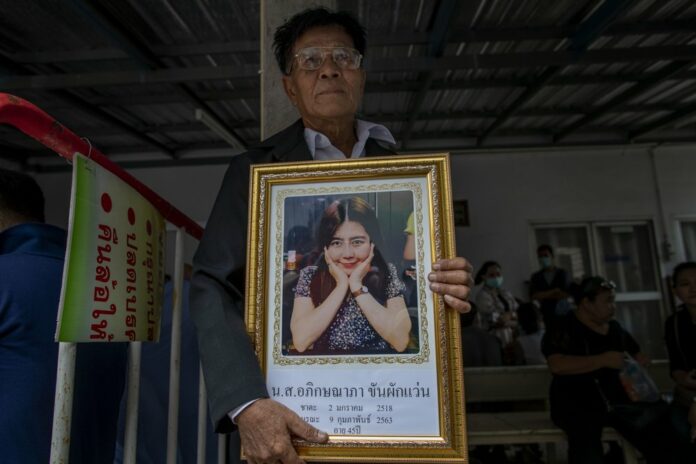
Some people have criticized the many hours it took for Thai security forces to end the siege at the mall, among them Khunpol Khanpakwan, who was outside a public hospital morgue Monday waiting to recover his daughter’s body.
His daughter, Apiksanapa Khanpakwan, 45, was killed and her 17-year-old daughter wounded when special forces fatally shot the gunman.
Though Prime Minister Prayuth has said that security forces did not kill anyone, Khanpakwan said he was still awaiting his daughter’s autopsy report to determine the source of the many shots that riddled her body.
Khanpakwan wondered how a force that boasted of safeguarding its military hardware was unable to stop a lone gunman from inflicting so much bloodshed.
“How could the authorities let a culprit run around killing people around the city? Just only one person,” Khanpakwan said, adding that “they are equipped with weapons but couldn’t do anything to him.”
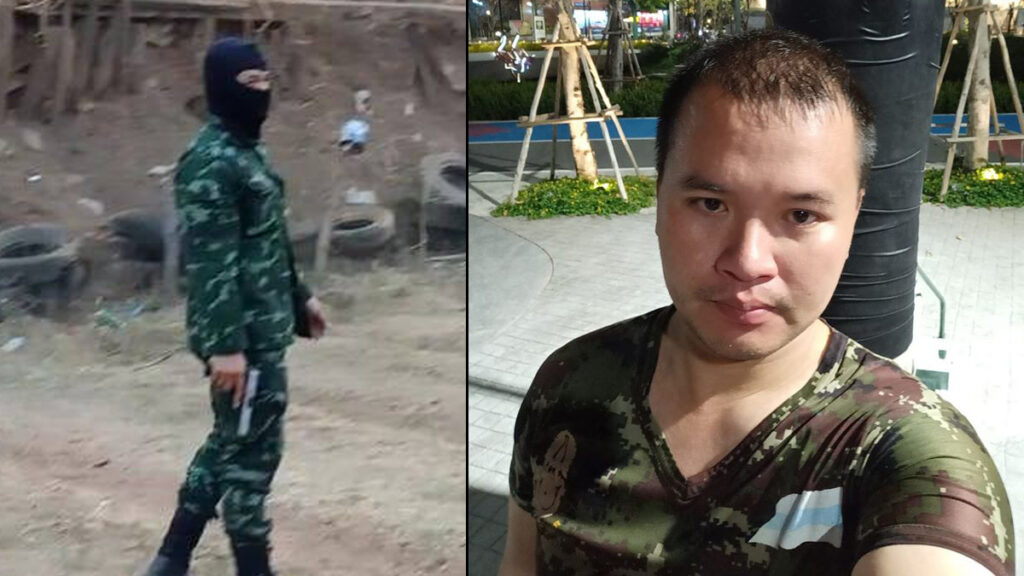
Image: Jakkrapanth Thomma / Facebook
Anthony Davis, a security analyst who writes for the Jane’s defense publications, said it was premature to judge the response to the siege.
“In the end, you have a professional military man with a large supply of ammunition holed up in a very large building with not much clear idea on the part of the security forces how many people are in his reach,” Davis said.
“It took a long time, but in a big building they couldn’t risk storming in and killing a lot of people,” he said.
Other concerns linger about how the worst mass shooting in Thai history was handled, particularly lapses in security.
On the night of the siege, a police perimeter kept bystanders only 100 meters from the shooting, within earshot of the automatic gunfire exploding in sudden bursts from a position security forces struggled to pinpoint.
The following morning, Thai special forces enlisted the help of a drone operator for a local TV news channel to locate the gunman. Camouflaged soldiers covered the 28-year-old man on all sides as they escorted him into the mall’s basement, where authorities believed the gunman was hiding.
From there, the reporter maneuvered his thermal-sensing drone through shattered windows and into a supermarket’s cold storage room, broadcasting images of Jakrapanth and several apparent hostages back to police.
That’s when the sharpshooters’ rain of fire at the gunman began and the rampage ended.
On Sunday evening, less than 10 hours later, a foreign reporter was able to walk into the mall through an unlocked door that was not behind police tape.
Peck reported from Bangkok. Associated Press Writer Preeyapa T. Khunsong contributed to this report.
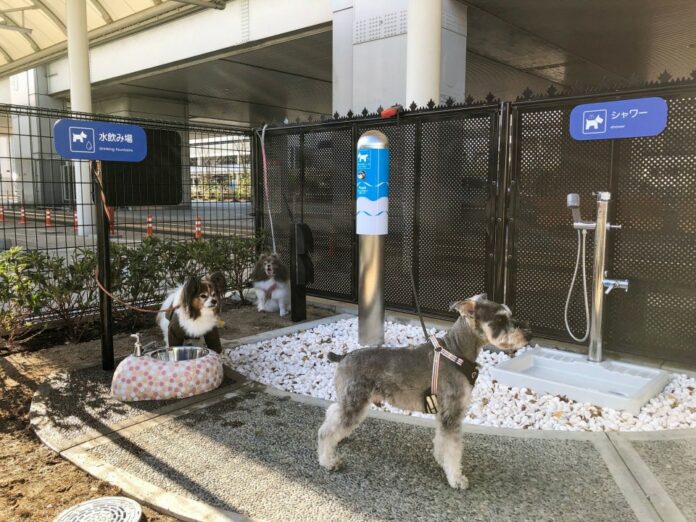
OSAKA (Kyodo) — A regional airport serving popular tourist spots in western Japan, including Osaka, Kyoto and Kobe, is set to become the first airport in Japan equipped with toilets for exclusive use by dogs later this week.
Osaka airport decided to introduce the facility after receiving requests for it, not only from passengers traveling with their pet dogs but also from airline officials reporting occasional toileting accidents involving dogs onboard their aircraft, according to its operator, Kansai Airports.
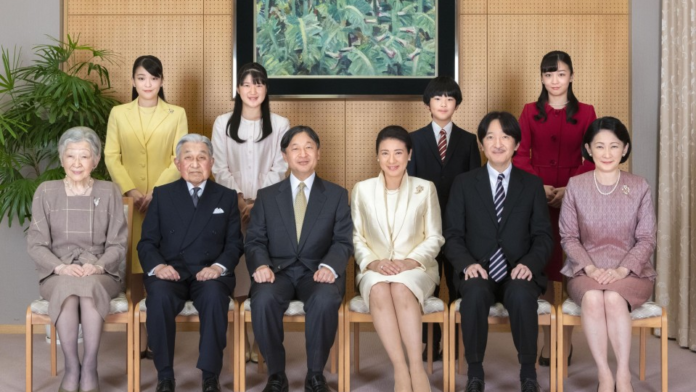
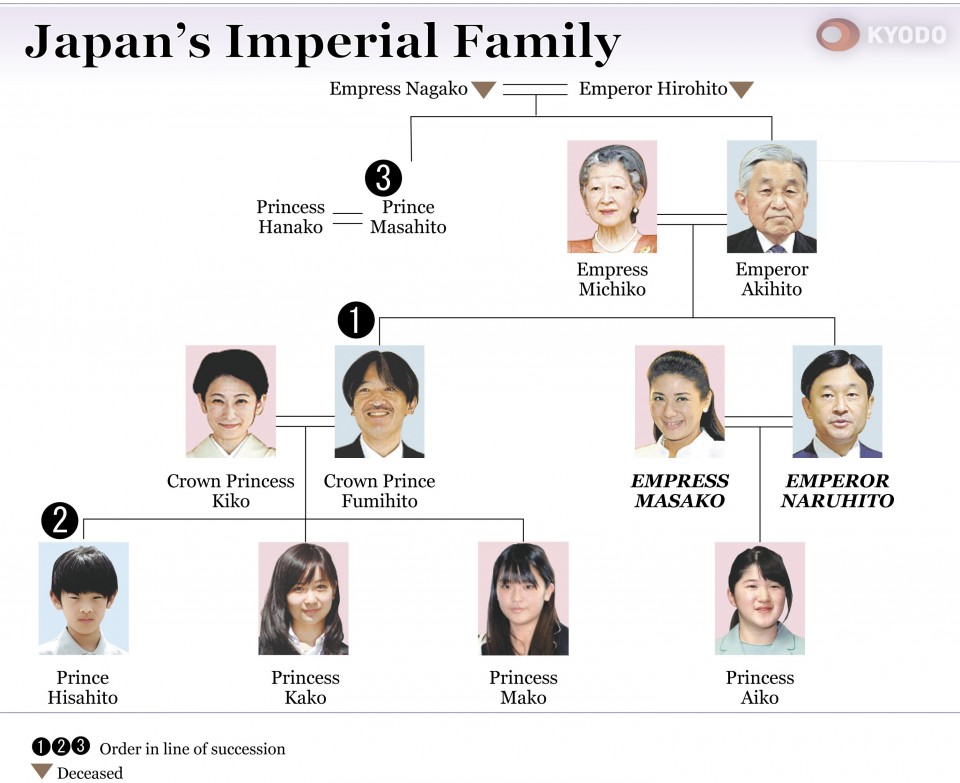
TOKYO (Kyodo) — The Japanese government said Monday it plans to engage in full-fledged discussions on achieving a stable imperial succession after Crown Prince Fumihito announces his status as first in line to the throne in a ceremony in April.
It was the first time that top government spokesman Yoshihide Suga had referred to such a timing, with parliament calling for early discussion of the matter.