

























29.7 C
Bangkok
Monday, June 8, 2026
Home Blog Page 1522

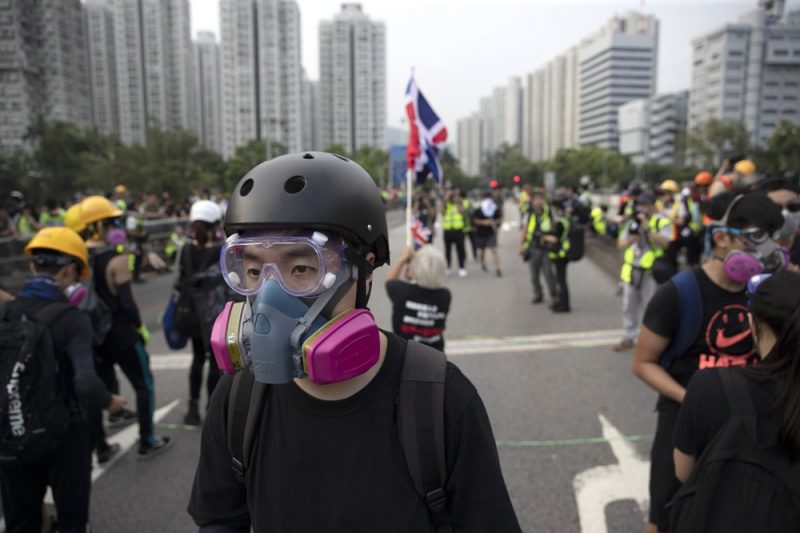
Ties to China Shape Cautious Reaction to Hong Kong Protests

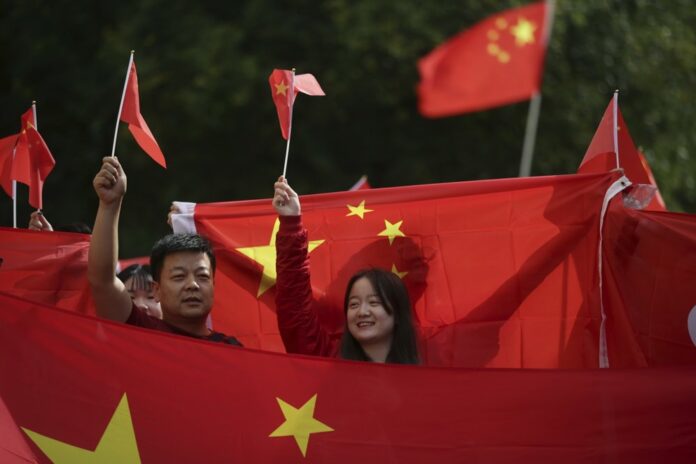
In this Aug. 17, 2019, file photo, pro-China counter-protesters hold Chinese flags during an anti-extradition rally for Hong Kong in Vancouver. Governments around the world are taking a cautious approach to responding to the protests roiling Hong Kong. With the notable exception of Taiwan, cautious comments from a handful of governments fall short of support for the demonstrators. (Darryl Dyck/The Canadian Press via AP, File)

For Canada and the European Union, they are a “situation.” For President Donald Trump, a potential stumbling block in ongoing trade disputes. And for South Korea, an issue to be monitored.

With the notable exception of Taiwan, cautious comments from the few governments willing to speak out on the ongoing protests in Hong Kong fall far short of support for the demonstrators. They are so mild that even the word “protest” itself was left out of the joint EU-Canada statement that was the most recent to infuriate the Chinese government. And the vast majority of countries are unwilling to risk that fury at all.

China’s weapon is also its greatest lure: a population of nearly 1.4 billion. Otherwise known as the world’s largest market, to be opened or closed at will. China has also become a major builder of roads, ports, power plants and other infrastructure in developing countries.

“It’s really an anodyne statement,” Theresa Fallon, a researcher on EU-Asia relations, said of the one released by the EU and Canada. “Of course the Chinese knew that these statements would be made, but they cracked down right away. They have zero tolerance for that. … Everyone is afraid to be punished by China.”

UNITED STATES, CANADA and EUROPE

In the early days of the protests, Trump described them as an internal matter. Then he suggested that Chinese President Xi Jinping could resolve the situation by meeting with protest leaders.

On Sunday, he went a step further and said the use of Chinese troops to quell the demonstrations would worsen the current U.S.-China trade dispute, referring to the 1989 Tiananmen Square crackdown.

“I mean if it’s another Tiananmen Square, I think it’s a very hard thing to do if there is violence,” Trump told reporters in New Jersey.

He and Canadian Prime Minister Justin Trudeau spoke about the protests last week, according to Trudeau’s office. The Canadian leader has been among the most outspoken on the protest movement. He said the 300,000 Canadians in Hong Kong represent the region’s largest contingent of foreigners.

“We are going to continue to call upon the Chinese government to respect the ‘one country, two systems’ agreement that they have long abided by,” he said earlier this week.

Chinese foreign ministry spokesman Geng Shuang avoided commenting on Trump’s remarks directly, but referred to the president’s previous statements on the protests.

“We have noticed that President Trump has previously stated that Hong Kong is part of China, and that they must solve it themselves and do not need advice. We hope that the U.S. side can match its acts to its words,” Geng told reporters.

The European Union joined with Canada in a statement Saturday.

“It is crucial that restraint be exercised, violence rejected and urgent steps taken to de-escalate the situation. Engagement in a process of broad-based and inclusive dialogue, involving all key stakeholders, is essential.”

KOREAS: NORTH vs. SOUTH

South Korea has avoided criticizing China, its largest trading partner and a country believed to have significant leverage over rival North Korea.

“Our government is monitoring the latest moves in Hong Kong with interest and we hope this issue will be settled smoothly,” the Foreign Ministry said in response to a question from The Associated Press.

South Korea is currently preoccupied with stalled negotiations on how to rid North Korea of its nuclear weapons and trade disputes with Japan, and that could make Seoul even more reticent.

Choi Kang, vice president of Seoul’s Asan Institute for Policy Studies, said even if there’s a Chinese crackdown in Hong Kong, South Korea would likely end up expressing little more than “regrets” or “hopes for an early, peaceful resolution.”

As for North Korea, the country’s propaganda outlets have accused the United States and other Western countries of using the Hong Kong case as a chance to slander China and interfere in its domestic affairs.

“To take measure for internal affairs belongs to the sovereignty of relevant country,” the North’s main Rodong Sinmun newspaper said in a commentary last week. “But the Western forces are obtrusively interfering in China’s internal affair to add fuel to the reckless moves of the dishonest elements, saying this or that.”

It didn’t directly refer to the United States but an earlier Rodong Sinmun commentary said that “the Western countries including the U.S. are using (the Hong Kong issue) as a golden opportunity to defame China while raising the level of threat and blackmail against China.”

North Korea has long bristled at any outside criticism of its own human rights conditions as a U.S.-led attempt to bring down its political system.

A Foreign Ministry statement on Aug. 11 said that “we fully support the stand and measures of the Chinese party and government for defending the sovereignty, security and reunification of the country and safeguarding the prosperity and stability of Hong Kong.”

SOUTHEAST ASIA

Southeast Asian countries generally have little need or desire to take a public stand on the Hong Kong protests.

Many try to strike a balance between Beijing and Washington, moving toward the Chinese end of the scale in recent years as China has projected its influence more vigorously.

The poorer members of the Association of Southeast Asian Nations — Laos, Cambodia and Myanmar —have become reliant on Beijing’s economic largesse, and virtually all have embraced China’s ambitious Belt and Road Initiative to help expand their infrastructure, though often with reservations and in the case of the more developed nations, with some hard bargaining.

At the same time, several nations have publicly complained of China’s efforts at expanding its influence, especially its ambitious territorial claims over the South China Sea at the expanse of Beijing’s smaller neighbors.

AUSTRALIA and NEW ZEALAND

The leaders of both Australia and New Zealand have been measured in their comments.

Australian Prime Minister Scott Morrison disagreed last week that the protests were beginning to show the “sprouts of terrorism,” as a Chinese official said, but he didn’t criticize the statement directly.

“My view is one to seek to de-escalate things, to encourage the chief executive of Hong Kong to be listening carefully to what people are saying in Hong Kong and work toward a peaceful and calm resolution of what is a very serious issue,” he said.

Australia warned China against interfering in related demonstrations in Australia after a Chinese diplomat praised Chinese students who clashed with supporters of the protests in Brisbane.

New Zealand Prime Minister Jacinda Ardern denied she was constrained in what she could say about China, and said her country’s stand on the protest movement has been consistent. China is a key export market for New Zealand and has overtaken Australia as New Zealand’s largest trading partner. The agricultural-driven economy of New Zealand relies on selling billions of dollars’ worth of milk powder to China, which is used in infant formula.

“De-escalation, peaceful dialogue on all sides, and, of course, a restoration of the ‘One China but two systems’ philosophy that has been in place for a significant period.”

BRITAIN

Britain handed Hong Kong over to Chinese rule in 1997, but 156 years as a colony left a mark.

Its last governor, Chris Patten, called for the government to be “outspoken” in defending the city’s freedom.

Prime Minister Boris Johnson, who has previously described Britain as open for business from China and is now embroiled in Brexit, has been uncharacteristically silent on the protests. But his foreign secretary, Dominic Raab, “condemned violent acts by all sides but emphasized the right to peaceful protest, noting that hundreds of thousands of Hong Kong people had chosen this route to express their views.”

China said Wednesday a staffer at the British Consulate in Hong Kong, who was earlier reported missing while on a trip to the mainland, has been given 15 days of administrative detention in the city of Shenzhen for violating a law on public order. The British Foreign Office has said it is “extremely concerned” about his situation.

TAIWAN

In Taiwan, support for the protests has been widespread, including among young Hong Kongers studying in the self-ruling democracy that China claims as its own territory.

On Saturday, a student group called “Hong Kong Outlanders” organized flash mobs, street film screenings and sit-ins in more than half a dozen cities, including in front of Taipei’s famous Taipei 101 skyscraper that is a frequent destination for Chinese visitors. Support groups have also collected hardhats and set up public outdoor galleries of protest art known as Lennon Walls.

“We understand that the leaders cannot speak up for Hong Kong because of the financial situation. It’s politics and money,” said Dora, a Hong Kong native living in Taiwan, who only gave her first name for fear of reprisal. “But we’re still reaching out for support and help from people of different countries to do whatever they can to help us.”

Public opinion surveys show generally strong but not overwhelming public support for the government’s backing of the protests, perhaps reflecting a general unwillingness for Taiwan to be identified with Hong Kong’s situation.

Though Taiwan was a Japanese colony for 50 years until 1945, Taiwanese are swift to point out that they have been a de-facto independent state since Chiang Kai-shek relocated his Nationalist government there in 1949, rather than a British colony or a special administrative region governed by Beijing.

Perhaps more than anything, Taiwanese President Tsai Ing-wen says and many believe the protests show China’s “one country, two systems” framework that Beijing also proposes imposing on Taiwan simply cannot work.

Tsai has expressed her personal support for the protests and said the island would consider taking in Hong Kong residents seeking asylum, something that drew an angry rebuke from Beijing on Monday. Ma Xiaoguang, spokesman for the Chinese Cabinet’s Taiwan Affairs Office, said Taiwan’s offer would “cover up the crimes of a small group of violent militants” and encourage their “audacity in harming Hong Kong and turn Taiwan into a “heaven for ducking the law.”

Ma demanded that Taiwan’s government “cease undermining the rule of law” in Hong Kong, cease interfering in its affairs and not “condone criminals.”

___

Associated Press writers Jim Gomez and Kiko Rosario in Manila, Philippines, Eileen Ng in Kuala Lumpur, Malaysia, Rod McGuirk in Canberra, Australia, Hyung-jin Kim in Seoul, South Korea, Christopher Bodeen in Beijing, Nick Perry in Wellington, New Zealand, and Danica Kirka in London contributed to this report.
Advertisement

Student Activists Fined for Hanging Chili and Garlic on the Fence of Govt. House

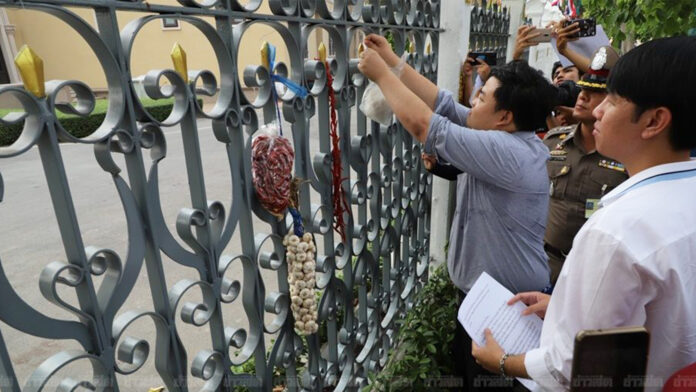
Parit “Penguin” Chiwarak, left, and Tanawat “Ball” Wongchai, right, hanging garlic and chili garlands on the fence of Government House on Feb. 2.

BANGKOK — Can garlands of chili and garlic cost you 2,000 baht? It did Wednesday for two activists.

Two student activists, Parit “Penguin” Chiwarak and Tanawat “Ball” Wongchai, were fined for hanging garlic and chili garlands on the Government House fence Feb. 2 as a symbolic gesture calling for then-junta leader Gen. Prayuth Chan-o-cha to step down.

The court on Wednesday ordered Penguin and Ball to be fined 2,000 baht each for violating the Public Assembly Act, saying that they failed to notify the authorities 24 hours ahead of their gathering.

Speaking after the court verdict, Parit said he does not believe that he has broken the law as he was exercising his rights mandated by the Constitution.

“I respect the ruling, but I disagree with this law, which has been proposed by the NCPO-backed legislators,” Parit said. “I may be arrested for talking with my friends, as it does not specify what is a public assembly.”

The pro-democracy activists went to Government House on Feb. 2 to read a statement demanding Prayuth to resign ahead of the election, which they then hung garlic and chili garlands on the fence before being taken away by the police.

Burning chili and salt in Thai culture is a ritual used to utter a curse upon adversaries, while garlic garland is believed in Western culture to ward off vampires.

Parit said after his arrest that the garlands were not meant to curse anyone, but to “ward off evil spirits that are sucking taxpayers’ money.”

They were indicted with charges relating to unauthorized protest, which the pair denied before being released by the police on the same day.

Their political stunt came after Prayuth challenged his detractors to banish him during a speech on government’s performance on Feb. 1.

“Every leader of the world, whether democratic or socialist, don’t have to resign during elections. Look at Obama or Xi Jinping, do they have to step down?,” Prayuth said. “Go on, come and chase me out!”

Advertisement

Opinion: Why Do Some Thais Support China Over Hong Kong Protests?

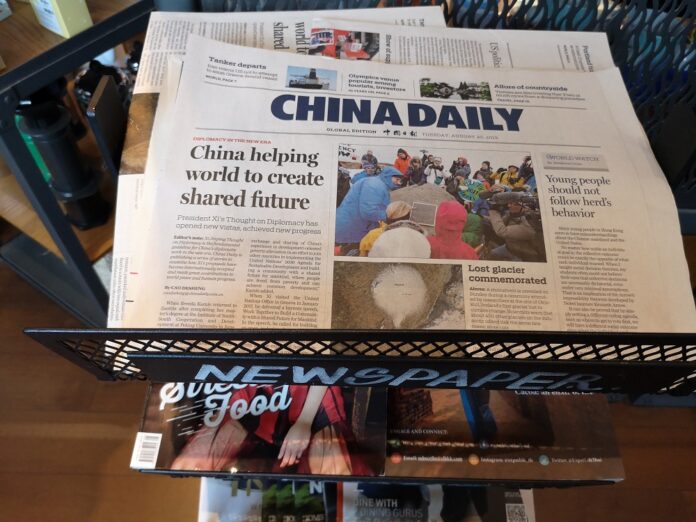
A pile of China Daily copies at a Starbucks in Bangkok on Aug. 20, 2019.

Among Thais who have accused Hong Kong protesters of harboring hatred toward their own nation is senior Democrat Party member Warong Dechvigrom.

With images of some protesters waving the union jack or stars-and-stripes flags with placards containing messages like “Please Liberate Hong Kong” spreading around the globe, Warong said on Facebook last Friday that some Hong Kong protesters have forsaken their Chinese roots and hate their own nation.

“The longer it goes on, the image is that of [people who] hate their own nation, causing havoc and who forget their own national roots,” Warong wrote on Facebook.

What needs to be reminded time and time again is that as much as there is no single way to be Thai, there is also no single way to be Chinese.

Hong Kongers want freedom and democracy, but they can be Chinese as much as the Taiwanese, who have proven to offer a successful model of a Chinese democratic society. 

What is so Chinese about being a pseudo-communist state and a dictatorship, as Communist China is today? Are Chinese who support dictatorial China more Chinese than, say, those who subscribe to Taoism, which advocates a more anarchistic and detached way of life?

There is basically no single way to be Chinese or Thai. We would be fooling ourselves to not acknowledge that there’s always multiple ways to be Thai or Chinese, and often people compete to define what is Thai or Chinese at the expense of other competing models.

The irony is that some Thais who profess to love and revere the monarchy and Buddhism are now supporting a communist dictatorship state’s crackdown on its own people for merely calling for liberty and basic democracy. That Warong himself identifies with a political party called the “Democrat” Party makes it doubly ironic.

That some protesters are calling for help from the US and its former colonial master the UK doesn’t help, however.

Their plea strikes a chord with those Thais who believe that the West has always been interfering in Thai domestic politics, during the Cold War (which was true) and beyond (which is debatable, as the US’ influence is waning.) 

These Thais prefer, or at least feel more comfortable with, Chinese dictatorship over US hegemony since the former is less of a blatantly interventionist superpower – at least she knows how to save Thai face. 

China is not forcing its ideologies into your mouth. It is not a zealous preacher, because it doesn’t care what political system you have, because it’s only money that counts.

These days, you can even pick up copies of China Daily at some Starbucks in Bangkok for free.

“China Helping World to Create Shared Future,” reads the propaganda front-page headline of the Tuesday August 20 global edition of China Daily at my local Starbucks. It adds that President Xi’s thoughts on diplomacy have opened new vistas and achieved new progress.

Another reason why some Thais can’t wait to see China cracking down on Hong Kong protesters is because these Thais have become conservative. They value “national security” and stability above all else. They see what’s happening in Hong Kong as a threat against such a mindset.

National security, peace, and order at any price – this has become the dominant ideology among many conservative Thais. They see the Chinese model as a model to emulate, or at least accept. It is an unfortunate state of affairs.

Thailand moves closer and closer into China’s orbit of influence, while Thais are still struggling for genuine democracy and greater liberty. We need a more democratic neighbor, not less. Rooting for Hong Kong to become less democratic won’t be helpful.

Advertisement

Dasa Book Café: Serving Bangkok’s English-Language Bookworms

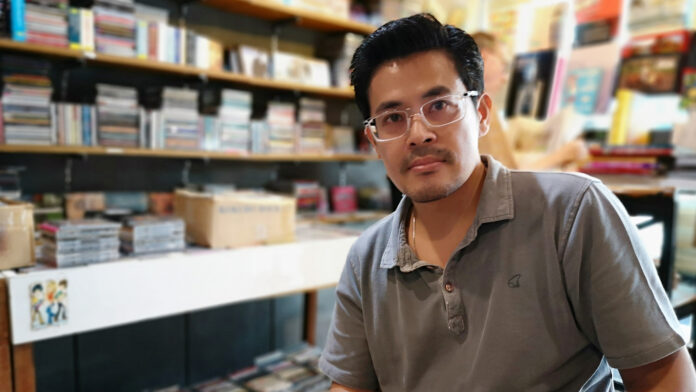
Co-owner Kaweewut Wuttiwibhu

BANGKOK — A decade ago, when Kindle was on the rise, Kaweewut Wuttiwibhu thought e-reading would spell the end of physical bookshops like his own. But Dasa Book Café still thrives as an established hub of Bangkok book lovers, especially those seeking English reading.

“Thais, particularly the younger generations, are reading more English-language books,” co-owner Kaweewut, 45, said Tuesday. “It may be a trend for things analogue.”

The charm of Dasa, meaning slave or servant in Sanskrit, is that you can resell the books that you buy. Customers are spoilt for choice by a selection of some 15,000 volumes.

Kaweewut believes the demand for English-language books in Bangkok is growing as more Thais learn English from social media. Whatever’s behind the trend, Kaweewut and his business partner, Donald Gilliland, welcome it – it’s good for the shop, which has been open since 2004.

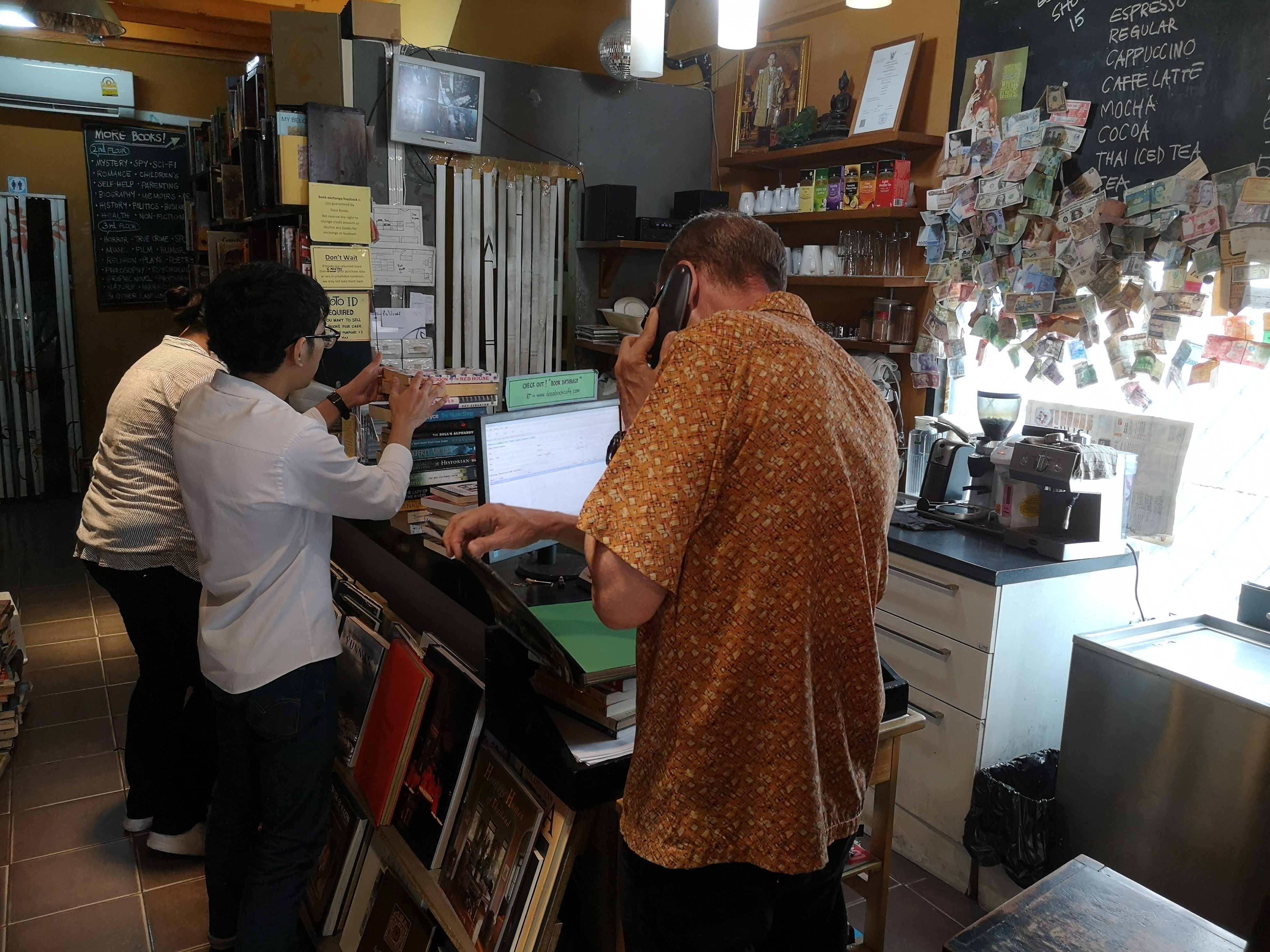
General fiction and guidebooks can be found on the ground floor, while mystery, children’s, history, politics and non-fiction populate the first floor. Horror, true crime, sports, philosophy, psychology, nature, and language books are found on the third floor.

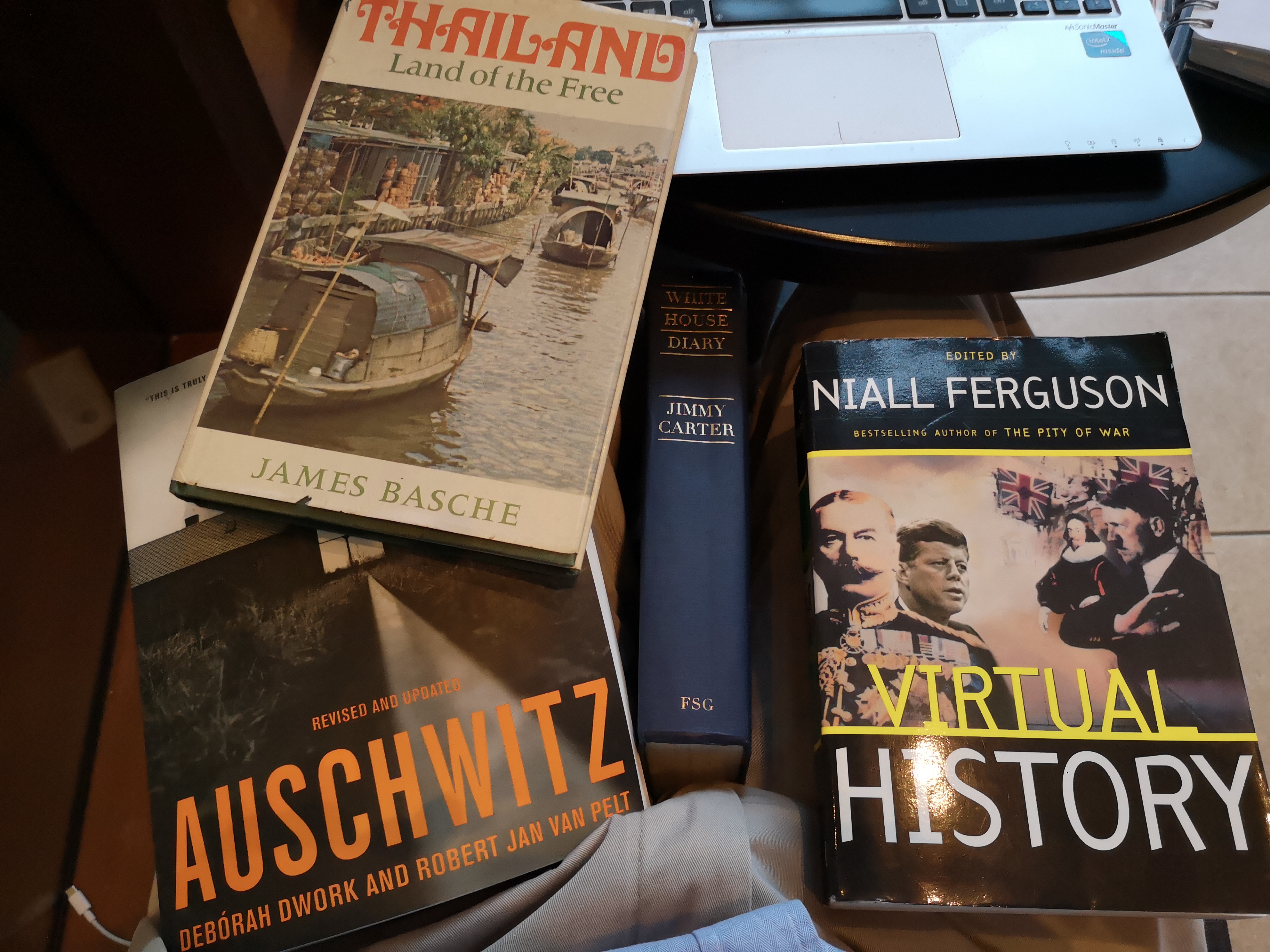
Surprise finds included a collection of papers written by former US President Lyndon B Johnson, former US President Jimmy Carter’s White House diary, and a 1971 book, “Thailand: Land of the Free,” written by expat James Basche.

Buyers can sell back purchased books at 50 percent of the paid price if they use the money to buy more books at the shop, or at 40 percent of the paid price if they want to keep the cash. Guidebooks can’t be resold.

Books can only be resold within six months after the date of purchase, a period that was shortened from a previous rule of one year. Kaweewut explained that some customers handled books mercilessly, and he had to refuse beaten books and books that had clearly been plunged into the sea or a swimming pool.

Dasa also carries some titles in French, German, Scandinavian, and Finnish. Prices range from 50 to 3,000 baht, although most books are priced around 200 baht. Used books are usually priced at half the price of new books, Kaweewut explained.

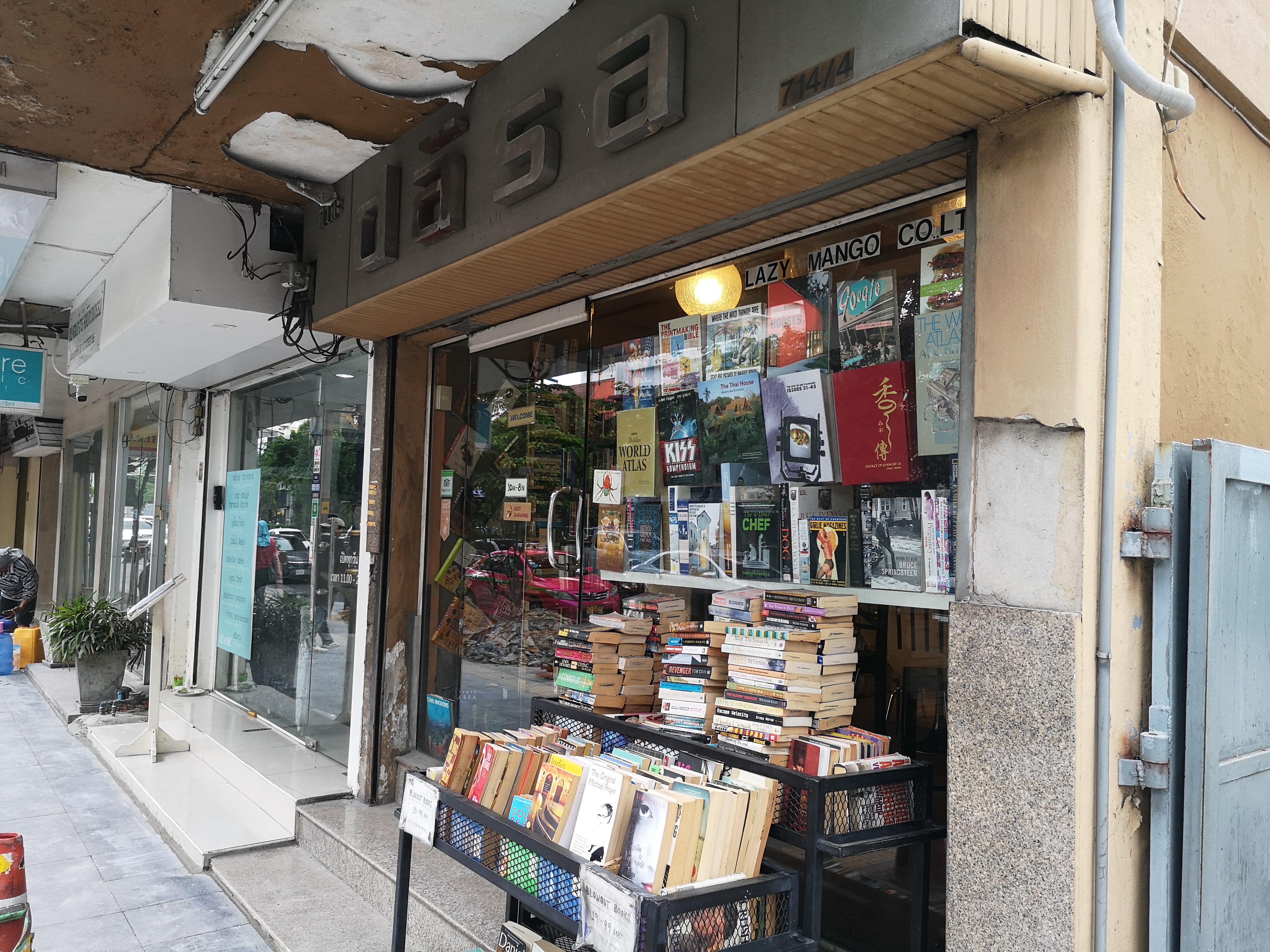
Dasa Book Café is open everyday from 10am to 8pm. It is located between Sukhumvit Soi 26 and 28.

Dasa storefront
Dasa storefront

IMG 20190820 160343

IMG 20190820 124111

Related stories:

Fathom Bookspace: More Than Just a Bookshop

Passport Bookshop: A Haven for Travel Book Lovers

How to Donate, Recycle, Get Rid of Stuff in Bangkok

Advertisement

Digital Driver’s Licenses Legal From Sept.

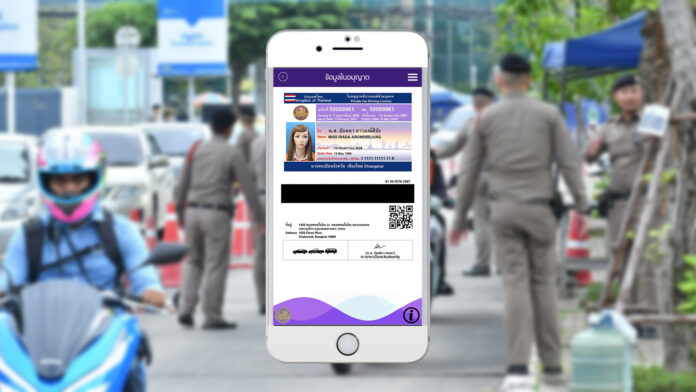
BANGKOK — Drivers and motorcyclists will be allowed to pluck out their phones and show cops a digital driver’s license starting Sept. 20.

Physical licenses can be replaced with a digital copy when amendments to the Road Traffic Act become effective on Sept. 20, according to an internal police memo dated Aug. 19.

Valid replacements include digital licenses that can be obtained through the free DLT QR application, or physical photocopies. Police won’t recognize photos of licenses taken from a phone or camera though.

The police memo clarified earlier disagreements between police and transport officials over the validity of digital driver’s licenses.

On top of digitalization, the new law no longer allows cops to confiscate driver’s licenses when issuing traffic tickets, except when they believe the driver poses a danger to the public. It also allows traffic police to mail traffic tickets to offenders in the event that a ticket cannot be attached to a vehicle.

Related stories:

Smartphone Driver’s Licenses Not Accepted by Cops

Starting Tomorrow, Smartphones Become Thai Driver’s Licenses

Advertisement

Palace Helps Rescue 13 Great Danes from Starvation

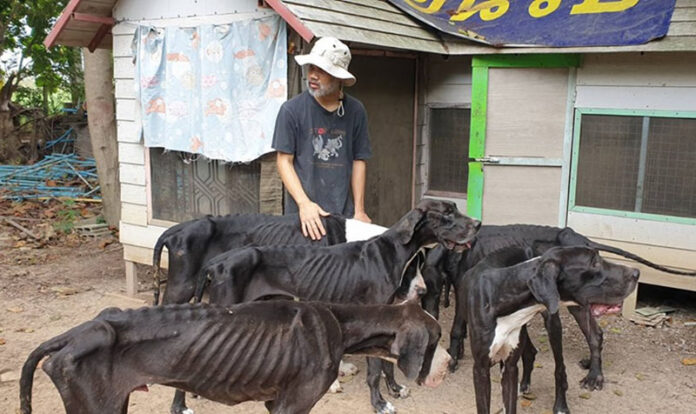
Starving Great Danes on Aug. 19, 2019 at a farm with their owner in Pathum Thani. Photo: Watchdog Thailand / Facebook

PATHUM THANI — A palace aide sent by King Rama X helped to transport 13 starving Great Danes rescued by an animal welfare organization to a hospital Wednesday.

“His Majesty always takes pity on animals,” a representative from Watchdog Thailand said. “He is a fan of Watchdog Thailand.”

Vets are closely monitoring the dogs’ conditions at King Kaew Samut Prakarn Hospital. Five of the dogs are not yet in a stable condition.

The dogs are now under the royal care of the palace.

Watchdog Thailand raided a farm Monday where the 13 dogs were chained up without food.

According to the organization, the farm owner said that he tried to breed the dogs for sale, but could not find buyers. He refused to give the dogs away because “he did not want them to be a burden on others” and that they “can die on their own.” 

The Department of Livestock Development has filed an animal cruelty case against the owner. The Watchdog representative declined to name him.

She added that His Majesty regularly donates animal food to shelters nationwide. He also donated animal food to Pepe, a two-legged dog rescued by the foundation in April.

Advertisement

Preparations in Place for Pope’s Visit to Thailand: Vatican Source

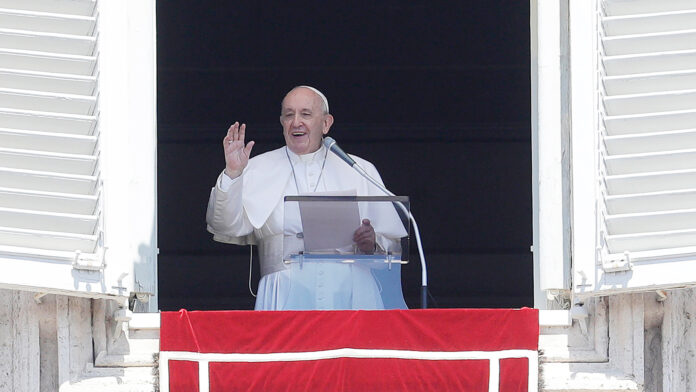
Pope Francis waves to faithful during the Angelus noon prayer in St. Peter's Square at the Vatican, Sunday, Aug. 11, 2019. Photo: Gregorio Borgia / AP

BANGKOK — Arrangements are being prepared in expectation of an official visit to Thailand by Pope Francis this November, according to a Vatican source.

Pope Francis will be the first pontiff to visit Thailand in nearly four decades. The last trip was made by the late Pope John Paul II in 1984, during which he had an audience with the late King Rama IX and the Queen Mother.

The pope’s visit will coincide with the 350th anniversary of the founding of “Mission de Siam,” the assembly that oversees Roman Catholic missions in the Kingdom. It was established during the Ayutthaya period.

Speaking over the phone on Wednesday, the Apostolic Nunciature Embassy of the Holy See in Bangkok did not confirm the trip, but admitted that arrangements are in place.

The rumor came as the pope announced a visit to Japan, which will also take place in November.

Thailand is home to a minority population of Christians, which represents only 1.1 percent of the total population, according to census data collected in 2014. There are 617,492 Christians in the predominantly Buddhist country, with almost equal numbers of Catholics and Protestants.

Related stories:

Thai Christians Celebrate Christmas With Lights, Parades

Reason for the Season Is Sales, but Mai Pen Rai, Thai Christians Say

Advertisement

Durians, ‘Arrogant’ Englishmen: 19th Century Russian Explorer’s Journals About Siam

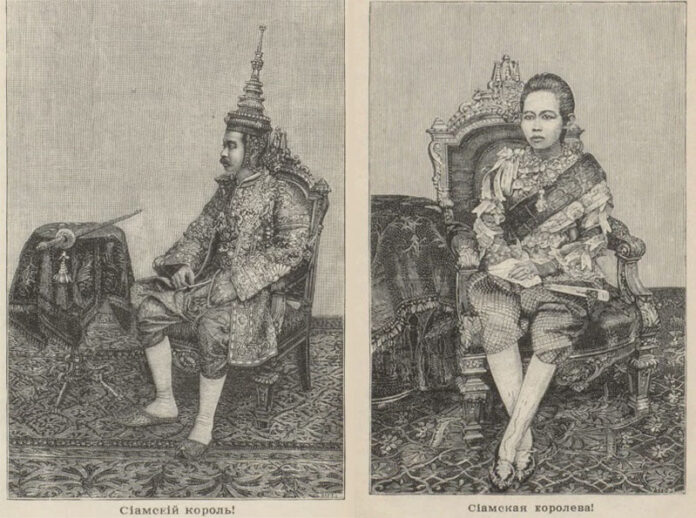
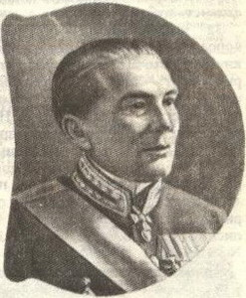
Drawings of King Rama V and one of his queens Queen Saovabha, titled “Siamese King” and “Siamese Queen,” by Grigory de Vollan. de Vollan was a Frenchman under the Russian Tsar’s service who visited Siam between 1890 to 1894.

BANGKOK — The recently translated journal of a Russian explorer detailing his visits to Siam in the late 19th century bears surprising parallels with modern travel experiences.

“He wrote sincerely, without the political correctness we know today,” Kirill Kuznetsov, a lecturer for the Russian Geographical Society, said. “What he saw, he wrote it straight, as it was.”

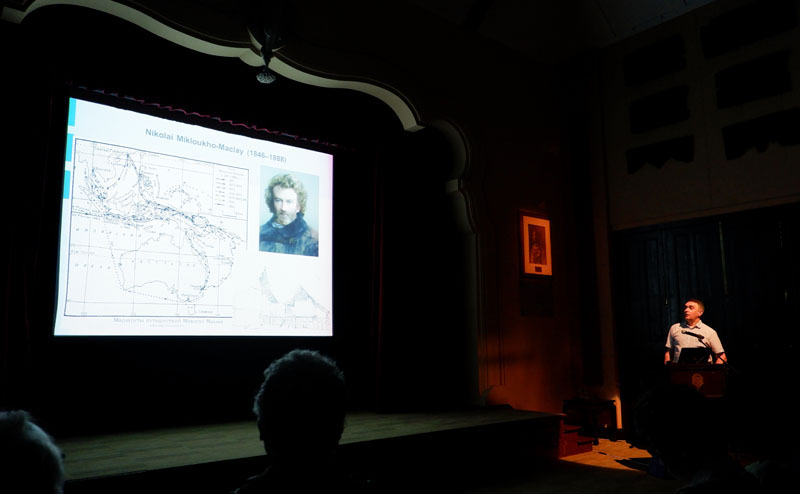
Kuznetsov presented a lecture on the journeys to Siam of Grigory de Vollan and Nikolai Mikloukho-Maclay, two 19th century Russian explorers, on Aug. 1 at the Siam Society. de Vollan’s travel journals were recently translated into English for the first time in an academic journal.

Grigory de Vollan’s (1847–1916) observations in “Travelling Through the World,” written during his travels to Siam between 1890 and 1894, are certainly blunt to some modern sensitivities.

Grigory de Vollan.
Grigory de Vollan.

Kuznetsov live-translated some of de Vollan’s statements on farang expats in the Kingdom: “Siam was never a colony of England, but Englishmen are here and they built some buildings. Englishmen, as anywhere in the world, waste their money when constructing overseas. They want to impress the local population with their grandeur, so that they can show they are rich and can afford it.”

“Diplomats behave the same as the buildings: arrogant,” de Vollan continued.

Like modern day travellers to Thailand, de Vollan made sure to check out local fruit and goods at markets, accompanied by a Russian expat.

“River travel in Siam,” by Grigory de Vollan.

“I cannot understand how they can allow this fruit with such a bad smell,” de Vollan wrote on durians. “But it has a nice taste, and exciting properties.”

Possibly referring to kapi, de Vollan also noted the strong smell of fermented prawns. He and his friend also “bought silver and gold for cheap” while perusing the bazaar, before concluding, “There are a lot of Chinese here. And the items are not so different from a market in China.”

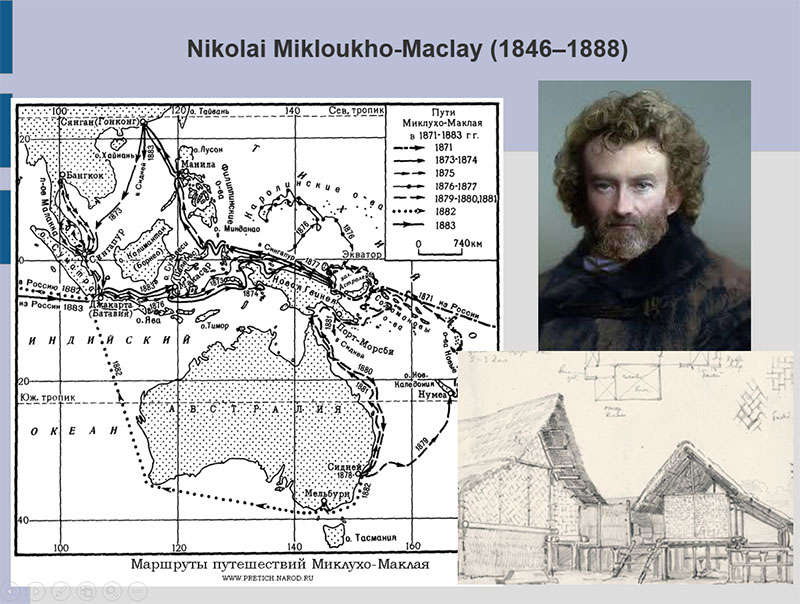
Kuznetsov also described Nikolai Miklouho-Maclay (1846 –1888), who recorded his observations on Bangkok during a nine-day trip from Feb. 17 to 26, 1875. He would go on to conduct pioneering anthropology in New Guinea.

“The city is not old by Asian standards, but has its own character,” Kuznetsov translated Miklouho-Maclay’s text. “There’s too little time for such an interesting city.”

Miklouho-Maclay came with Singapore governor Andrew Clarke’s company on the Pluto ship in an attempt to recover from a fever. Like many farangs today, he visited tourist spots like Wat Pho, Wat Saket, and the Grand Palace.

The then 23-year-old Russian even saw the then 22-year-old King Rama V from afar but did not get a chance to greet the King. Later on, Miklouho-Maclay requested an elephant to dissect and study anatomy. The King granted him the elephant.

“Some faces are similar to the Malay, and some are similar to the Chinese. Others are neither, and the young prince falls in this category,” Kuznetsov said, live-translating Miklouho-Maclay’s records.

Kirill Kuznetsov speaks Aug. 1 at the Siam Society.

Mikhoulo-Maclay regarded polygamy negatively, Kuznetsov said. And like many farang travellers, he had much to say on Thai women as well.

“The women work a lot, and they wear clothes for working. One could mistake a woman for a man, but upon closer look, the forms are different. Some of them are pretty,” Kuznetsov read.

Nattanop Palahan, a Ph.D. Candidate in the History of Journalism from St. Petersburg University, said that the records provide a refreshing perspective on Thai-Russian history.

“In Thailand’s Russia studies, people don’t often talk of ordinary Russians, or Russian explorers, who visited Thailand. Mainstream history just talks about Nikolai II’s visit in 1891 or Chulalongkorn’s visit to Russia in 1897,” Nattanop said.

There are Thai records that mention Russian visitors prior to Nikolai’s visit – for example, the Rama III-era tablets, “Poems and Images of Foreigners,” which were later converted into a book describing foreigners from 32 countries. The 15th and 16th poems are titled “Rus Petersberg” and “Rus,” and describe Russians from St. Petersburg and Tartars.

“Rus Petersberg of the western lands / many people of their city, we hear / are in freezing cold seasons,” reads the first poem, with mentions of “strong-smelling” meat and dairy.

de Vollan and Miklouho-Maclay were explorers from the Russian Geographical Society, founded by Tsar Nicholas I in 1845 to send expeditions into Siberia, Central Asia and beyond. The society’s activities were largely halted after the 1917 Revolution. Revived today as an NGO, the society focuses on giving lectures, promoting tourism, and hosting photography contests.

The first recorded contact between Russian and Siam was in Feb. 19, 1863, when the ships Gaydamak and the Novik set anchors at Bangkok. Another little-known fact is that the Thai Royal Anthem, “Sansoen Phra Barami,” was composed by Pyotr Shchurovsky in 1888.

Close relations between Thailand’s aristocratic class and the empire continued, with a well-documented friendship between Rama V and Nikolai II. Chakrabongse Bhuvanath, the 40th child of Rama V, also married Ekaterina Desnitskaya, whom he met while studying in the Russian Empire.

Kirill Kuznetsov’s presentation on Nikolai Mikloukho-Maclay. Image: Kirill Kuznetsov / Courtesy
Advertisement

Die-Hard Hong Kong Protesters Defend Tactics as Unity Cracks

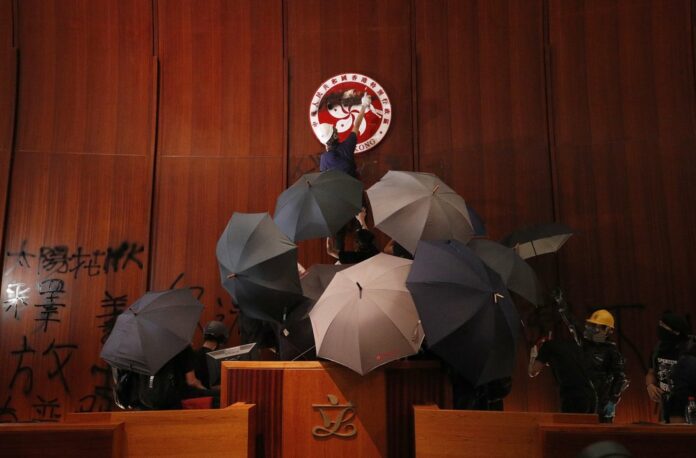
In this July 1, 2019, file photo, protesters deface the Hong Kong logo at the Legislative Council to protest against the extradition bill in Hong Kong. Photo: Vincent Thian Yu, File / AP

HONG KONG (AP) — On a recent sweltering Saturday, a day now reserved for protest in Hong Kong, a demonstrator named Wayne stepped past a row of plastic barricades, lifted a pair of binoculars and squinted.

Four hundred meters away, a line of riot police stood with full-length shields, batons and tear-gas launchers.

It was a familiar sight for Wayne after more than two months on the front lines of Hong Kong’s pro-democracy demonstrations. Face-offs with police have become part of the 33-year-old philosophy professor’s new normal.

The stories of Wayne and three other self-described “front line” protesters interviewed by The Associated Press provide insights into how what started as a largely peaceful movement against proposed changes to the city’s extradition law has morphed into a summer of tear gas and rubber bullets. They spoke on condition they be identified only by partial names because they feared arrest.

The movement has reached a moment of reckoning after protesters occupying Hong Kong’s airport last week held two mainland Chinese men captive, beating them because they believed the men were infiltrating their movement.

Pro-democracy lawmakers and fellow demonstrators have questioned whether the operation had gone too far.

It was the first crack in what has been astonishing unity across a wide range of protesters. It gave pause to the front-liners, though they still believe their more disruptive tactics are necessary to get the government to answer the broader movement’s demands.

The demands grew from opposing legislation that would have allowed Hong Kong residents to be extradited for trials in mainland China’s murky judicial system to pressing for democratic elections, Hong Kong leader Carrie Lam’s resignation and an investigation into allegations of police brutality at the demonstrations.

The protesters on the front lines have thrown bricks at police, trashed the legislature’s chambers, blocked a major tunnel under Hong Kong’s harbor and pelted police headquarters with eggs.

To Lam, these are “violent rioters” bent on destroying the city’s economy. To China’s ruling Communist Party, their actions are “the first signs of terrorism.”

To the most die-hard protesters, there’s no turning back.

“The situation has evolved into a war in Hong Kong society,” said Tin, a 23-year-old front-line demonstrator. “It’s the protesters versus the police.”

3000 11 e1566359370579
In this Aug. 16, 2019, photo, Wayne, a 33-year-old self-described “front line” protester, stands along with other demonstrators in Tai Po, on Hong Kong’s outskirts. (AP Photo/Vincent Thian)

When Hong Kong’s youth banded together to protest, they said they would not have clear leaders, protecting individuals from becoming symbols or scapegoats. And they would stick together, no matter their methods.

These were lessons learned from 2014, when the Occupy Central pro-democracy movement fizzled after more than two months.

Chong, a 24-year-old front-liner, said everyone’s opinion is considered, and they decide on the right path together. But no decision is absolute: The demonstrators have pledged to not impede actions they may disagree with.

Two massive marches roused Chong and others who had given up on political change.

On consecutive weekends in June, hundreds of thousands of people took to the streets to oppose the extradition bill. It struck at fears that China is eroding civil rights that Hong Kong residents enjoy under the “one country, two systems” framework.

“I didn’t think I would ever do this again,” said Chong, who quit his job as an environmental consultant for the protests. “But this time, society is waking up.”

Lam suspended the bill indefinitely the day before the second march, but it didn’t mollify the protesters, who turned out in even greater numbers.

As their demands expanded, Lam offered dialogue but showed no signs of giving ground.

That’s when hard-liners like Chong and Wayne became convinced that peaceful protest might not be enough.

Week after week, they clashed with police. Every round of tear gas only seemed to deepen their conviction that the government did not care.

“We’ve had numerous peaceful protests that garnered no response whatsoever from the government,” said J.C., a 27-year-old hairstylist who quit his job in July. “Escalating our actions is both natural and necessary.”

Then came the “white shirt” attack. On July 21, dozens of men beat people indiscriminately with wooden poles and steel rods in a commuter rail station as protesters returned home, injuring 44. They wore white in contrast to the protesters’ trademark black.

A slow police response led to accusations of collusion. Police Commissioner Stephen Lo said resources were stretched because of the protests.

Many saw the attack as proof police prioritized catching demonstrators — around 700 have been arrested so far — over more violent criminals.

As protesters’ rage grew, they set their sights on Hong Kong’s airport.

Hundreds of flights were canceled over two consecutive nights last week as protesters blocked access to check-in counters and immigration.

While the major disruption of one of the world’s busiest airports got global attention, it was the vigilante attacks on two Chinese men that troubled the movement.

In a written apology, a group of unnamed protesters said recent events had fueled a “paranoia and rage.” During the prior weekend’s demonstrations, people dressed like protesters had been caught on video making arrests, and police acknowledged use of decoy officers.

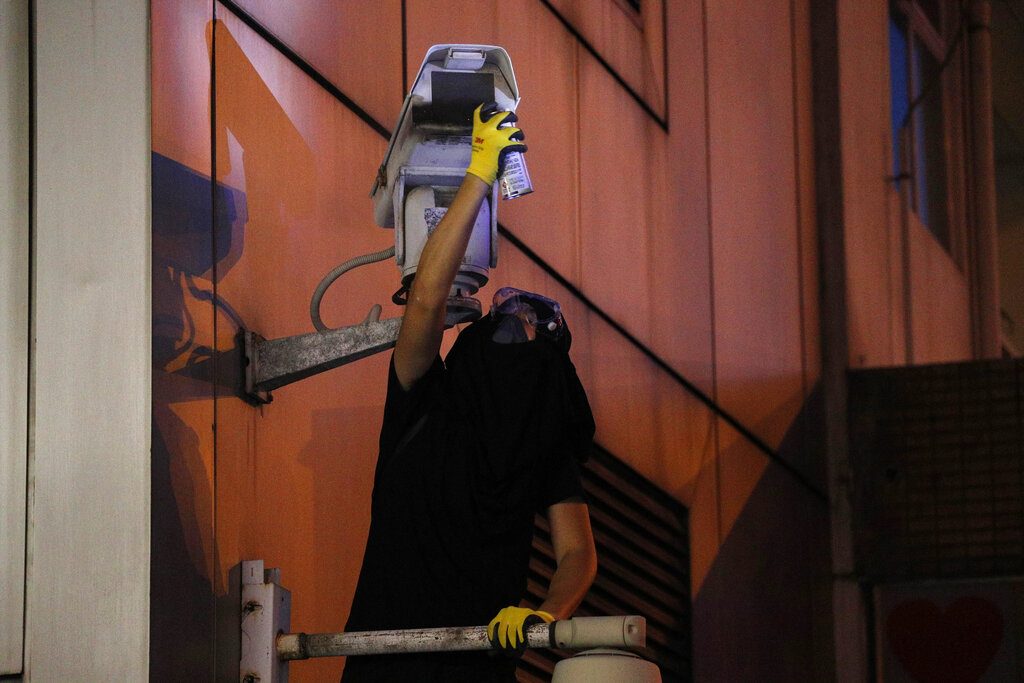
A protester spray paints the view of the surveillance camera outside the Chinese Liaison Office in Hong Kong, Sunday, July 21, 2019. Protesters in Hong Kong pressed on Sunday past the designated end point for a march in which tens of thousands repeated demands for direct elections in the Chinese territory and an independent investigation into police tactics used in previous demonstrations. Photo: Bobby Yip / AP
A protester spray paints the view of the surveillance camera outside the Chinese Liaison Office in Hong Kong, Sunday, July 21, 2019. Photo: Bobby Yip / AP

At the airport, the protesters twice thought they found undercover agents in their ranks, detaining two men, interrogating them and beating them. One turned out to be a reporter for China’s state-owned Global Times newspaper.

Footage of the mob violence inflamed anti-protester sentiment in China. In Hong Kong, pro-democracy lawmakers said it was something that “will not and should not happen again.”

Some protesters apologized for becoming easily agitated and overreacting. Others questioned whether provocateurs had incited the violence.

Wayne said he couldn’t get through the crowd to see what was happening during the airport beating, but he understood how the attackers felt.

“I would have done the same thing,” he said. “It’s not rational, but I would have kicked him or punched him at least once or twice.”

Advertisement

China’s Lin Dan Suffers Earliest Exit at Badminton Worlds

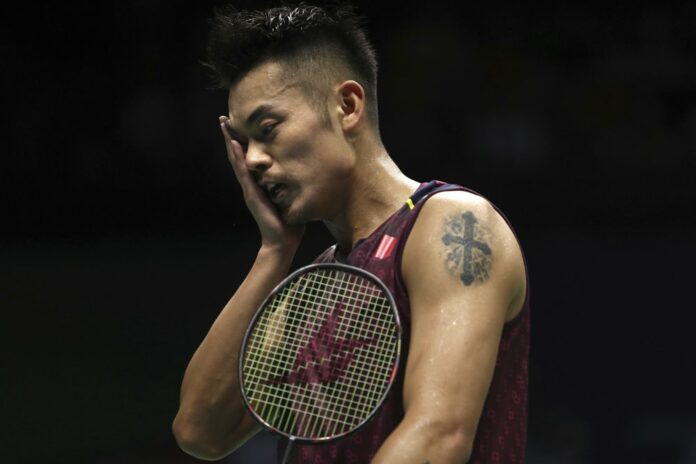
Lin Dan of China reacts while competing against Shi Yuqi of China during their men's badminton singles match at the BWF World Championships in Nanjing, China, Thursday, Aug. 2, 2018. (AP Photo/Mark Schiefelbein)

BASEL (Xinhua) — Five-time winner Lin Dan suffered his shocking defeat at the World Badminton Championships as he was beaten in the second round by India’s H.S. Prannoy here on Tuesday.

Lin, also a twice Olympic champion, went down to the 30th-ranked Prannoy 21-11, 13-21, 21-7 in just 62 minutes.

It was Lin’s earliest exit in his 12 appearances at the World Championships. He was defeated twice previously in the third round — in 2003 when he played for the first time at the age of 19 and last year in Guangzhou, south China.

“I don’t have enough energy in today’s match, especially in the first set,” he said. “I played better in the second but in the third I just ran out of energy.”

Lin, who turns 36 in October, blames organizers for “unfair” arrangement of the match schedule, which gave him mere 15 hours to recover from the first round match.

He completed the three-set victory over Nguyen Tien Minh of Vietnam at nearly 6:00 Monday afternoon and arrived at the venue early Tuesday morning.

“Some players who played much earlier than me yesterday will play their second round match later today,” he said. “I just hope that organizers could make the schedule fairer.”

Lin, arguably one of the greatest players in history, said he has not decided whether to compete in the 2021 World Championships.

“I have not thought about it,” he said. “At the moment, to qualify for the Tokyo Olympic Games is the most important thing. Since I have not collected enough points here, I need to do much better at the tournaments in Changzhou and Hong Kong later this years.”

Lin, the Olympic champion at the Beijing and London Games, is facing great pressure to get one of the maximum two tickets in the men’s singles for Tokyo 2020.

Advertisement

Hot News

LATEST NEWS

Bangkok
overcast clouds
29.7 ° C
31.6 °
28.8 °
81 %
3.7kmh
100 %
Mon
35 °
Tue
36 °
Wed
34 °
Thu
33 °
Fri
32 °