Pro-China supporters raise a China national flag during a counter-rally in support of the police in Hong Kong Saturday, July 20, 2019. Police in Hong Kong have raided a homemade-explosives manufacturing lab ahead of another weekend of protests in the semi-autonomous Chinese territory. Photo: Vincent Yu / AP
HONG KONG — Police in Hong Kong discovered a stash of a powerful homemade explosive as the semi-autonomous Chinese city readied for another major pro-democracy protest on Sunday following a pro-Beijing rally that attracted thousands.
Police said they found about 2 kilograms (4.4 pounds) of TATP and arrested a man in a raid on a commercial building late Friday night. TATP, or tri-acetone tri-peroxide, has been used in terrorist attacks worldwide.
Materials voicing opposition to an extradition bill that has sparked more than a month of demonstrations in Hong Kong were found at the site, local media said, but a police spokesman said no concrete link has been established and that the investigation is continuing.
In a rally that aimed to counter the pro-democracy movement, thousands of people filled a park in central Hong Kong on Saturday to support the police, who have been accused of using rough tactics on protesters. Some waved Chinese flags, and a giant screen behind the stage for speakers read “Safeguard Hong Kong.”
Many wore white, heeding a call by organizers, and the demonstrators did not wear masks or helmets, public broadcaster RTHK said. The anti-extradition law activists wear black and don protective gear against police pepper spray and batons.
Organizers said 316,000 people took part in the demonstration, while police put the turnout at 103,000.
Alick McWhirter, a senior bomb disposal officer, said the seizure of the explosives Friday was the largest of its kind in Hong Kong and called it troubling that such a dangerous substance was being made in a homemade laboratory in the middle of the city.
“It puts at risk everybody within the building. It puts at risk bystanders outside,” he told reporters.
Police spokesman Tse Chun-chung said more arrests may follow.
Police have erected large barricades near government headquarters in preparation for the protest march through central Hong Kong on Sunday. Earlier marches have been largely peaceful, but in a recurring pattern, police have clashed with groups of mostly young protesters who try to take over streets or refuse to disperse after the main demonstration is over.
The extradition bill, which would have allowed suspects to be sent to mainland China to face trial, fueled broader concerns that the freedoms and legal rights of Hong Kong residents are being eroded.
Hong Kong’s leader, Carrie Lam, has declared the bill dead, but protesters are demanding her resignation and an inquiry into the use of force by police to push back and disperse protesters.
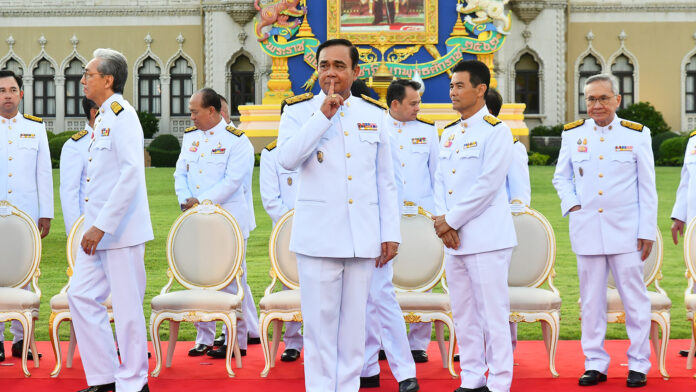
Prime Minister Prayuth Chan-ocha takes a group photo July 16, 2019 with the newly sworn-in cabinet at Government House
After five long years, the junta is officially dissolved as of Tuesday. But it has left a damning inheritance.
The military government, formally known as the National Council for Peace and Order (NCPO), was clearly not willing to simply step down. The new cabinet is largely constituted by familiar faces, still led by (former!) junta leader Gen Prayuth Chan-ocha, who was sworn in as prime minister anew on Tuesday.
In a televised address on Monday evening, Prayuth bid goodbye as junta leader, claiming that “Thailand is [after the general election and a new government] fully governed as a democratic society.” Hours later though, his deputy was already undermining such claims.
Deputy PM Wissanu Krea-ngam, who was in charge of the junta’s legal affairs, has insisted that the practice of coercion and intimidation notoriously and euphemistically called “attitude adjustment” by the junta will continue under the so-called elected government. Since the 2014 coup, more than 900 people have been detained without charge.
Wissanu confusingly insisted however that there will be no more detention, as many political opponents and critics (including this writer) have been subjected to over the years. Translated into plain English: short of detainment, we will continue to pay visits to the homes of opponents of the regime, and verbally intimidate and coerce vocal critics.
It remains unclear which organ of the state will carry out “attitude adjustment.” Wissanu insisted on Monday that it will be the Internal Security Operations Command, the anti-insurgency agency known for its repressive role in the deep south over the past decade. But a day later, the agency’s spokesman Maj. Gen. Thanathip Sawangthep claimed the agency has neither the mandate nor the authority to engage in attitude adjustment.
Confusing as the situation may be, I’m sure a legal expert like Wissanu will have no problem finding a legal solution in the weeks ahead, given he has done much to make the junta appear legal and legitimate over the years. Wissanu is continuing on in his role as a deputy PM under the new Prayuth administration.
Besides Prayuth and Wissanu, other old faces in the new “elected” cabinet include Gen. Prawit Wongsuwan, Gen. Anupong Paochinda and Don Pramudwinai. Don, a seasoned diplomat, has been unabashed in defending military rule in the past and has been duly rewarded. Other Prayuth supporters have been appointed to the Senate, including former cabinet minister Field Marshal Prajin Jantong, who graced a UN-sponsored panel on transnational crime on Thursday at the Foreign Correspondents’ Club of Thailand, apparently without any sense of shame after five years of military rule.
The legacies of the junta continue. Exiled dissident Suda Rangupan told me earlier this week that she is concerned about the National Strategy Committee headed by Prayuth which will restrict successive governments in policy making for two decades to come. Suda also said she is concerned about the recent transfer of direct control over Crown Property wealth to the King.
Titipol Pakdeewanich, dean of political science at Ubon Ratchathani University, told me he is concerned about the appointment of army generals to state university boards as well as state enterprise boards. The former could have deep implications for the future of Thai education, while the latter is tantamount to fat financial reward for loyal generals.
Yaowalak Anuphan, the head of Thai Lawyers for Human Rights, a lawyer group which defends those facing political persecution, is concerned not just about the continued practise of attitude adjustment, but the broader infiltration and embedding of the military in civilian society.
As if five years of direct military rule were not enough, the junta’s legacies will live on in the years to come and pose a challenge to those wanting to make Thailand fully democratic.
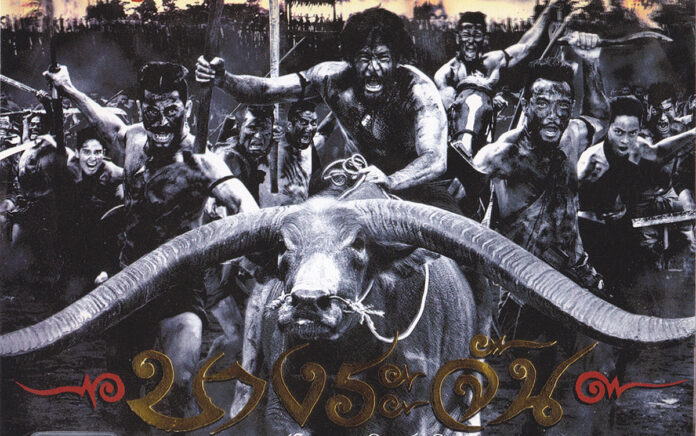
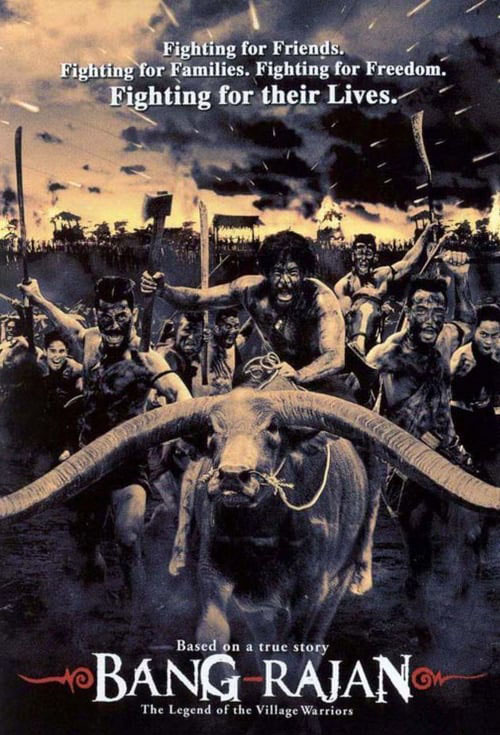
Glory days: Phor Yai on the movie poster of “Bang Rajan” (2000).
RATCHABURI — A water buffalo who acted in one of Thai film’s most memorable historical war epics has died.
Phor Yai, 30, a male water buffalo, passed away on Monday night from old age. He was known for his beautiful, large horns which graced the “Bang Rajan” (2000) film.
As a young buck of 11 he played a buffalo on which villagers rode to war against the Burmese in 1765.
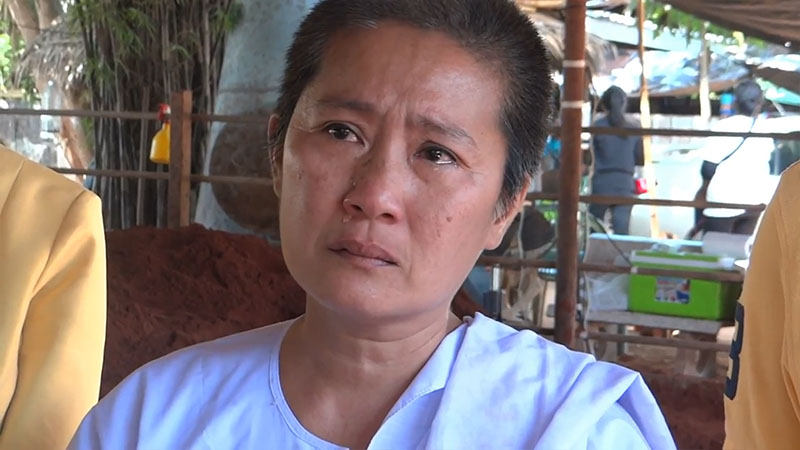
Phakjira Huttakitchamroen, his human companion “and equal,” told reporters that she rescued Phor Yai as a calf from a Phuket slaughterhouse by purchasing him for 80,000 baht.
Phakjira is a vegan nun as well as the owner of Suan Pan Itsaraphap farm in Thung Luang district. The farm houses 600 animals including strays. Her strain of veganism is Taoist jae, which also omits pungent herbs like garlic and onion.
As he was dying, Phakjira had a monk chant the Itipiso Buddhist chant to him 108 times.
“After he listened to all the chants he closed his eyes and left us,” Phakjira said.
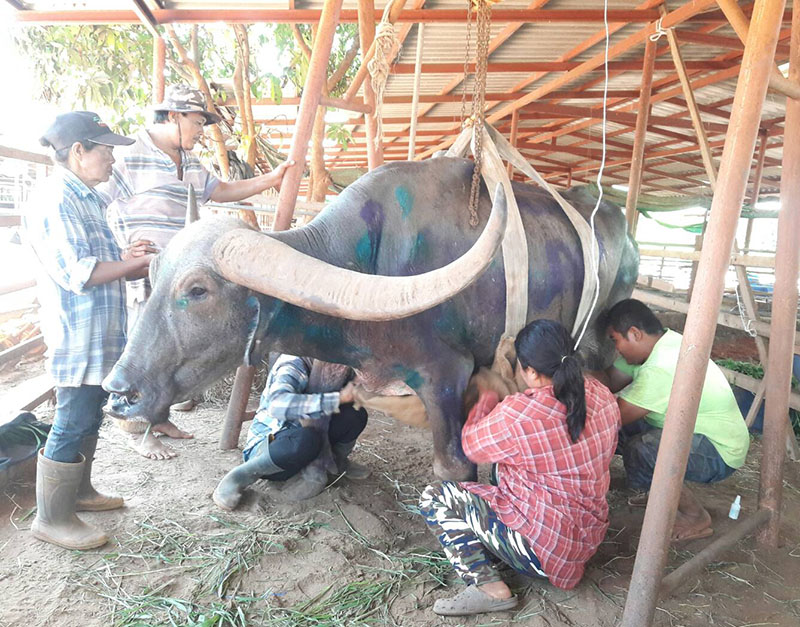
Towards the end of his life, attendants had to hoist the 1 ton bull up so he could stand and eat grass. They also applied medicine to all four of his legs.
“He created so much goodness for us humans,” Phakjira said, referring to Phor Yai’s acting chops. “But he was about to be eaten by humans. Is that really a Buddhist thing to do? Is compassion only for humans, not animals?”
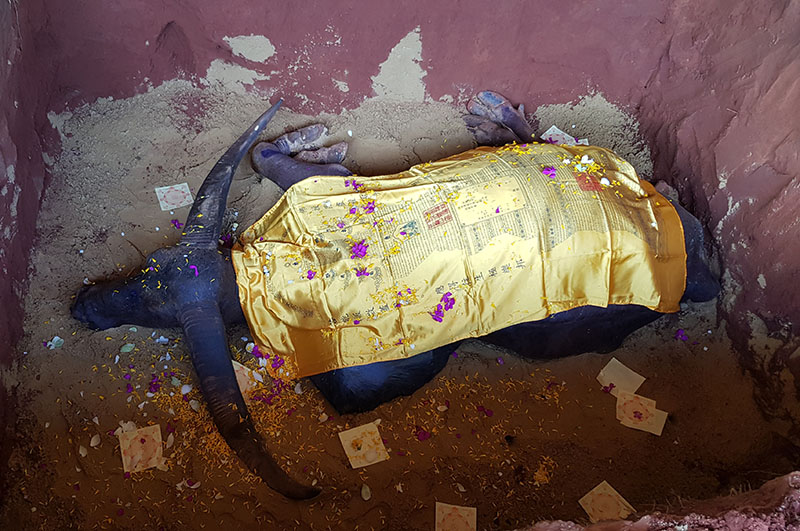
Phor Yai’s grave at the farm is three meters wide and long and almost as deep. The grave will be closed with a lock and key to prevent looters from stealing his skull and horns.
Phakjira showed reporters videos of kwais she was not able to rescue from markets.
“They’re all dead and eaten now. You can hear the mothers and children calling for each other. Do people not have morality anymore? Isn’t this a Buddhist country?”
Pro-junta party member Kulwalee Nopomroppadee and local district official Noraset Reungpayungsak attended Phor Yai’s funeral on Tuesday.
“Kwais have always been a part of Thai society, but now we are eating them. Stop allowing greed to cloud our hearts. Stop selling and eating them,” Phakjira said while crying.
BANGKOK — Google “Travel Uzbekistan” in Thai and you’ll pull up a dozen-or-so travel blogs detailingevery step of a hipster’s Tashkent-Bukhara-Samarkand trip.
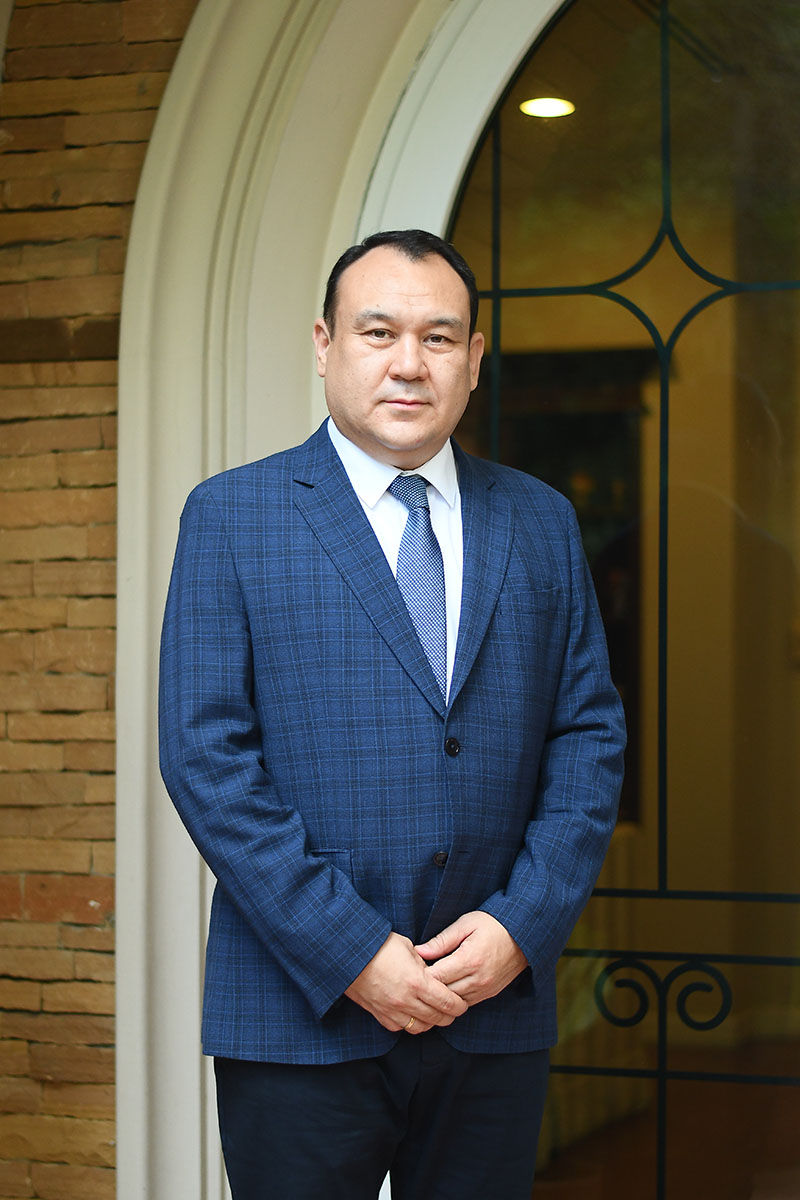
These glimpses into Uzbekistan may be the closest many Thais get to seeing or even thinking about the central Asian country – but consul general Aziz Aliev hopes that the blogs will spur more Thais to visit.
In fact, his mission’s main priority is to get more Thais to explore the second most-populated Central Asian country. While about 20,000 Uzbeks visit Thailand annually, only about 1,000 Thais make the reverse trip.
“We want to get to 2,000 this year,” he said.
To promote the country, the embassy now periodically sends bloggers to visit the Kukeldash Madrasah, the UNESCO-recognised town of Samarkand, and to sample hearty plov dishes. One post by Ja Tiew Pai Nai blog about a weeklong trip to Uzbekistan in December received 23,000 likes and comments, such as that from Orawan Arunpoonsup: “I went there just last month. It was beautiful, clean, had good air, and I saw both rain and snow.”
“It’s not visa-free, but the process is very simple,” Aliev said. Uzbekistan Airways flights between Tashkent and Bangkok operate four times a week, and a round-trip ticket costs around 23,000 baht.
Those interested in learning more about Uzbekistan can go see the first-ever Uzbek film to be screened in Thailand, “The Girl with the Red Scarf,”at 4pm on Saturday, at River City Bangkok — it’s about the love between a taxi driver and a village girl. The venue can be reached from BTS Saphan Taksin or any boat that stops at Si Phraya Pier. Admission is free.
Uzbek expats in Thailand number about 100, with many operating small restaurants and bistros in Pattaya, Phuket, or Bangkok.
The consul general hopes that Thailand and Uzbekistan will focus on amping up bilateral trade. Currently, Uzbekistan imports Thai chemicals, oil, paper, aluminum, and machinery – but Thailand has yet to import Uzbek goods ripe for selling such as cherries, peaches, and apricots. The Ministry of Agriculture’s procedures – aknown hurdlefor embassies – can take three to five years to approve produce for importing. But Aliev says it’s all in the works.
Investing in Uzbekistan is a gateway to post-Soviet markets including Russia, he often says to entice Thai businessmen.
“Russia already imports what we grow because of Western sanctions,” Aliev said. “So if you trade with us, you get a free market in Russia.”
Aliev, 45, has held his post in Thailand since May 2018, after previous positions in South Korea, Austria, and the US. He says there’s been “practically no disputes” since diplomatic missions between Thailand and Uzbekistan were established in 1994, and that both his home and host country have similar cultural values.
“Being on the border of Europe and Asia, we feel particularly close to the people of the Asian continent. We look like Asians, and we have the same values and mentality, such has having a big strong family, and respecting old people,” Aliev said.
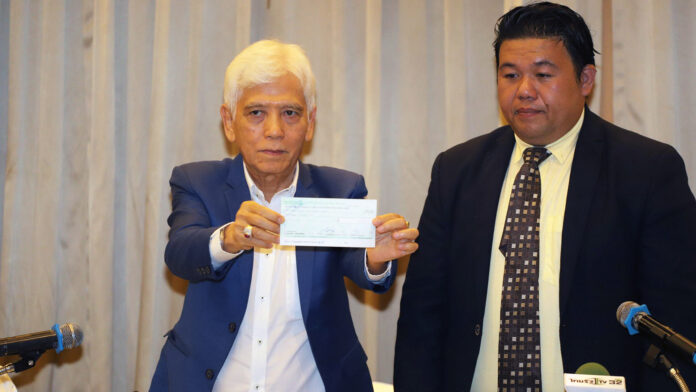
Suchai Thephasadin Na Ayudhya, left, holding a 500,000 cheque during a press conference on July 18 at Ploen restaurant. The clan’s lawyer Nattapol Thongkam, right, was also present.
BANGKOK — Representatives of the powerful Thephasadin Na Ayudhya clan have offered a 500,000 baht cheque to be shared among the families of nine victims killed in a car crash in 2010 at the hands of a scion of the clan.
Speaking at a press conference on Thursday, the clan’s secretary Suchai Thephasadin Na Ayudhya and the clan’s lawyer Nattapol Thongkam said the Thephasadin Na Ayudhya clan is willing to offer a 500,000 baht cheque to cover the legal fees spent by the families of the victims.
Nine years later, the 2010 car crash ignited a new wave of public outrage when the victims’ families revealed to the media on Monday that they still have received neither compensation nor a sincere apology from the preparator Praewa Thephasadin Na Ayudhya, who is now known as Rawinpirom Arunwong.
Praewa was 16 and without a driver’s license when she crashed her car into the back of a Thammasat University van on Don Muang Tollway, killing nine people onboard while wounding several others.
Nattapol insisted the fund be considered as a gesture of goodwill representing the clan’s intention to support the victims’ families, which should not be conflated with the 19.8 million baht in compensation that Praewa’s family has to pay.
He also dismissed allegations that the clan used its influence to help one of its scions avoid legal repercussions, calling the case a “personal matter of Praewa’s family and not the liability of the extended clan as a whole.”
“Reporters, if one of your siblings killed someone, should the relatives have to be responsible for the compensation?” Nattapol asked. “The plaintiff and victims have to sort a way out together. The clan can’t be involved in such a process.”
The press conference was held without the presence of Praewa’s immediate family to show “the clan’s sincere sympathy to the victims and it’s intentions to support them.” Suchai claimed that the clan is mostly estranged from Praewa’s family and that he personally only met Praewa for the first time when she came to apologize for damaging the clan’s reputation.
Nattapol said the clan was surprised along with the public to find out that Praewa has not paid compensation to the victims’ families.
“I urge Praewa to come out and apologize to society for her accidental wrongdoings. It is necessary for everyone’s peace of mind and to ease the ongoing division in society,” Nattapol said.
Consisting of more than 200 independent families sharing the same royally-bestowed surname (rajasakuls), the Thephasadin Na Ayudhya clan includes members who have ascended to the highest ranks of society, including army generals, junta-appointed lawmakers and actors.
Despite its elite status, Suchai said the clan is not a wealthy rajasakul and the 500,000 baht was all they could gather.
At the end of the press conference, Nattapol spoke on the phone with one of the families of the victims about the clan’s offer of 500,000 baht. The unidentified family member reportedly declined the offer and urged that the money be given to Praewa’s family to assist in paying the owed compensation.
Praewa’s ex-husband speaks out
Sorawee Ratpitakteerada, a former member of the last junta-appointed legislative assembly, disputed allegations on Thursday that he leveraged his influence to assist his ex-wife to elude punishment. He said he has not been in contact with Praewa since the two divorced in 2015, a year after they were married in 2015. He asked society not to draw him into the outrage.
“We are separated because of the age gap and unmatched thoughts,” Sorawee said. “I was well aware of her case prior to our marriage and I reject the allegations that I used my position to sort out her case. I can confirm that I was never involved in Praewa’s case.”
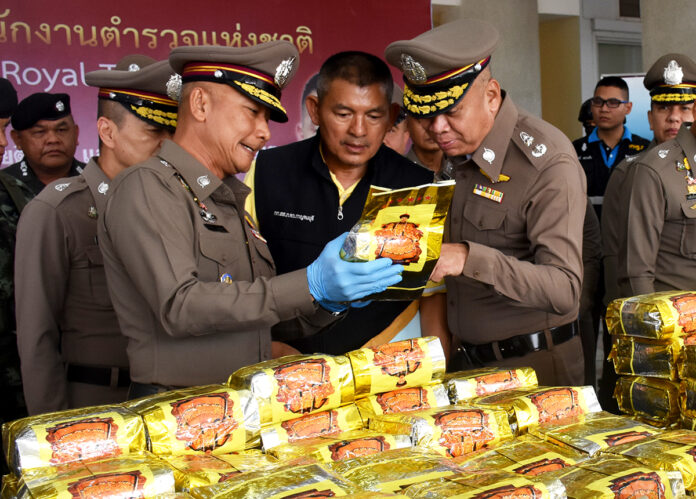
Police with a haul of 14,000 pills of yaa baa or meth and almost 400 kilograms of yaa ice seized June 24, 2019 in Nakhon Pathom.
BANGKOK — Despite authorities cracking down on methamphetamine in Thailand and Southeast Asia, efforts have failed to arrest the trade’s big players, a recent UN report says.
“A profound change has taken place in Southeast Asia’s illicit drug market in recent years as massive amounts of synthetic drugs, in particular methamphetamine, have been increasingly produced in and trafficked from northern Myanmar,” stated a 2019 United Nations Office on Drugs and Crime (UNODC) report entitled “Transnational Organized Crime in Southeast Asia: Evolution, Growth and Impact.”
Thailand and much of Southeast Asia is the global center for the consumption of methamphetamine, locally known as yaa baa, due to the region’s large youth population and rising income, explained Jeremy Douglas, the UNODC regional representative for Southeast Asia and the Pacific, during the report’s launch at the Foreign Correspondents’ Club of Thailand on Thursday.
Drug producers push their products “by intentionally lowering the price,” said Douglas, describing a market for meth in Southeast Asia worth USD$61 billion. One can purchase meth in Bangkok for as low as 60 baht per tablet, a price comparable to a carton of milk.
Due to the ease with which users can access the drug, Douglas urges authorities to address the problem of meth through demand rather than supply. Even if half of all meth produced in the region was confiscated, there would still be enough to flood the streets of Southeast Asia, he argued.
Last year saw 120 tons of meth confiscated in Southeast Asia, a sharp rise from 80 tons in 2017.
“We really need to address the growth of the market and demand,” said the UNODC regional representative.
Moreover, big players who make “billions of dollars” often escape justice, said Douglas.
Factors driving the continued demand for yaa baa include the displacement of transnational organized crime and large-scale manufacturers from other parts of Asia, especially China.
In 2008, the annual UNODC report classified Thailand, Laos and the Philippines as the only Southeast Asian countries where meth is the primary drug of concern. A decade later, the report classifies the whole of Southeast Asia, except Vietnam, as having methamphetamine as its primary drug of concern.
The Golden Triangle (formed by the borders of northern Thailand, Laos and Myanmar), once an infamous center for opium and heroin production, is now a major meth production center, explained Douglas.
Shan state in Myanmar, where separatist fighting continues against the central government in Naypyidaw, is an especially vital region for trafficking.
“Sharing borders with China, Laos and Thailand, Shan state is a significant source for methamphetamine trafficked from Myanmar to the three countries in Southeast Asia and beyond, including Australia, Japan, New Zealand and the Republic of Korea,” the report stated.
This file photo provided by the Macon County Sheriff's Office in Decatur, Ill., shows Brendt Christensen. Andrea Christensen, the sister of former University of Illinois student Brendt Christensen who is convicted of killing a Chinese scholar, told a jury, Monday, July 15, 2019, deciding whether he should be executed that he was a "very gentle person" who never raised his voice. Photo: Macon County Sheriff's Office via AP, File
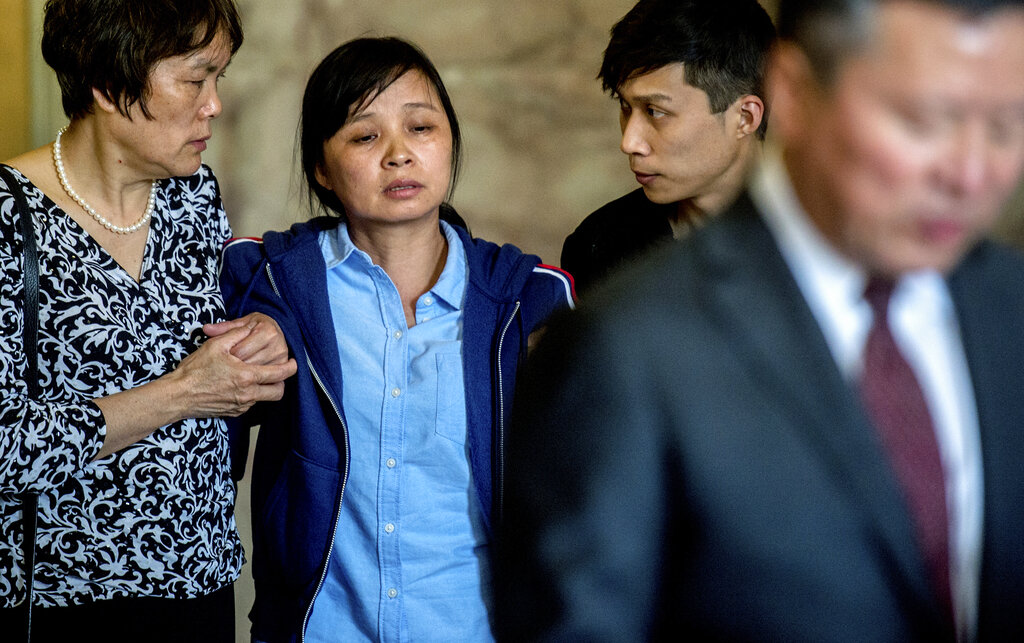
PEORIA, Ill. — A former University of Illinois doctoral student was spared the death penalty Thursday and sentenced to life in prison for kidnapping and killing a 26-year-old scholar from China. Her parents, disappointed he was not sentenced to death, publicly begged for the killer to reveal where her remains are so they can be returned home.
Jurors deliberated about eight hours over two days before announcing they were deadlocked on whether 30-year-old Brendt Christensen should be put to death for killing Yingying Zhang in 2017 as part of a homicidal fantasy, automatically resulting in a sentence of life behind bars without the possibility of parole.
The federal trial judge, James Shadid, castigated Christensen in court later Thursday as he formally sentenced him, telling him his “inexplicable act of violence has taken its toll on so many, first and foremost the Zhang family.”
“The Zhang family … must live with the thought that Yingying was ripped away from them by a total stranger, thousands of miles away, fulfilling his self-absorbed and selfish fantasies,” he told Christensen.
The same jurors took less than 90 minutes to convict Christensen last month for abducting Zhang from a bus stop, then raping, choking and stabbing her before beating her to death with a bat and decapitating her. Prosecutors called for the death penalty, which the Zhang family also supported, but a jury decision on that had to be unanimous.
Christensen, who has never revealed what he did with Zhang’s remains, shut his eyes in obvious relief and looked back smiling at his mother when he heard that his life would be spared. He also hugged his lawyers.
Illinois abolished the death penalty in 2011, but Christensen was charged under federal law, which allows for capital punishment.
Speaking through an interpreter outside court later, her father, Ronggao Zhang, appealed to Christensen to reveal where her body is so that the family can take her remains back to China.
“If you have any humanity left in your soul, please end our torment. Please let us bring Yingying home,” he said.
The U.S. Attorney for Central Illinois, John Milhiser, said that efforts to find Zhang’s remains would continue. As he spoke, Zhang’s mother, Lifeng Ye, sobbed.
This 2016 selfie provided by her family shows Yingying Zhang in a cap and gown for her graduate degree in environmental engineering from Peking University Shenzhen Graduate School in China. Photo: Zhang Family Photo via AP, File
When the judge asked Christensen if he wanted to make a statement at the formal sentencing Thursday, Christensen responded politely, “No, thank you.”
Minutes later, Shadid blasted him for not taking the opportunity to make a statement for the first time publicly and express remorse, especially when he no longer had anything to lose.
“You could have said whatever you wanted to say for as little or as long as you wished,” the judge said sternly. “And yet today, 769 days after you took Yingying’s life, you could not muster a simple ‘I’m sorry.'”
As the judge chided him, Christensen sat stone-faced, looking straight ahead and not at the judge.
Shadid said he hoped Christensen might one day consider an apology before he dies “lonely” and “isolated” in prison.
“Maybe, just maybe,” the judge said, “the moment will strike you to pick up paper and pen and write, ‘I’m sorry,’ to Mr. and Mrs. Zhang.”
Getting 12 jurors to agree on imposing the ultimate punishment can be difficult.
Defense lawyer Elisabeth Pollock geared her remarks in closings Wednesday toward convincing at least one of the 12 jurors to hold out against execution, urging each not to be swayed by a majority that may support execution.
She also sought to humanize Christensen, telling jurors how he once bought a stuffed toy his sister wanted using his allowance money. She teared up as she walked behind Christensen, put her hands on his shoulders and said, “He is not just the worst thing he ever did.”
Prosecutor James Nelson said during his closing that Christensen is heard laughing as he described in a secret FBI recording how he killed Zhang. “Pride was dripping from his voice” about what he’d done, Nelson told jurors.
Another prosecutor, Eugene Miller, added: “What the defendant did was evil.”
Among the most poignant testimony during the penalty phase was from Zhang’s mother. She said Christensen dashed Zhang’s dreams, killing her months before she had planned to get married.
“My daughter did not get to wear a wedding dress,” she said. “I really wanted to be a grandma.”
Christensen’s parents took the witness stand, too, and appealed to jurors to spare their son’s life. Both said they loved him unconditionally.
Christensen, a native of Stevens Point, Wisconsin, began his studies in Champaign at the university’s prestigious doctoral program in physics in 2013. Zhang, who had aspired to become a crop-sciences professor to help her working class family financially, had been in Illinois for just three months. It was her first time living outside China.
Members of the Zhang family support Lifeng Ye, second from left, mother of murdered University of Illinois visiting scholar Yingying Zhang, as attorney Zhidong Wang, foreground, translates a statement from the father, Ronggao Zhang, during a news conference, Thursday, July 18, 2019, at the U.S. Federal Courthouse in Peoria, Ill. Photo: Matt Dayhoff / Journal Star via AP
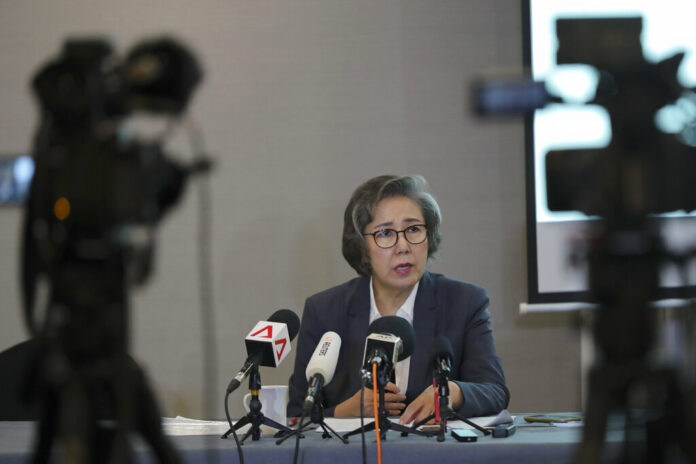
U.N. Special Rapporteur for Human Rights in Myanmar, Lee Yanghee, speaks during a press conference in Kuala Lumpur, Thursday, July 18, 2019. U.N. envoy Lee said the U.S. didn't "go far enough" in sanctions against four top Myanmar generals over the mass killings of Rohingya Muslims. (AP Photo/Vincent Thian)
KUALA LUMPUR — The U.N. special rapporteur for Myanmar said Thursday the U.S. didn’t “go far enough” in sanctions against four top Myanmar generals over the mass killings of minority Rohingya Muslims.
Myanmar’s commander in chief and his deputy, two other generals, and their immediate families have been banned from traveling to the U.S. On Tuesday, U.S. Secretary of State Mike Pompeo said the four were responsible for “gross human rights violations” involving extrajudicial killings in an ethnic cleansing campaign against the Rohingya minority in Myanmar’s northern Rakhine state.
U.N. envoy Yanghee Lee said the U.S. move was “better late than never” but was inadequate. She said a U.N. fact-finding mission had earlier identified six Myanmar generals, including the four men, who should be sanctioned. The U.S. should also ban the other two and their assets should be seized, she said.
“It doesn’t go far enough. It should go further and the perimeters of the sanctions should go further,” she said. “Freeze all their assets and the assets of their families too.”
The four men are: Commander-in-Chief Min Aung Hlaing, his deputy Soe Win, and two subordinates deemed responsible for the abuses.
Myanmar’s military has been accused of widespread rights violations leading about 700,000 Rohingya to flee the country since August 2017. Critics have urged that its actions be judged by the International Criminal Court.
Lee, who has been barred from entering Myanmar, said Yangon appeared to be increasing pressure on regional governments to prevent her from carrying out her duties and avoid international scrutiny. She said she had to abort part of her trip to Thailand “due to interference” but declined to give details. Her office earlier said she was visiting Thailand and Malaysia from July 8-18.
Lee also slammed Singapore for deporting six Myanmar nationals who were allegedly supporters of the Arakan Army. She said the six were arrested upon their return and were now being held incommunicado.
She said Myanmar’s move last month to shutdown mobile internet in nine townships has made it challenging to get information on the ground. She said she has been told that three villages in Rakhine have been burnt down by the military in the past two weeks.
The internet blackout also meant that people in several townships couldn’t receive warnings of impending floods in the current monsoon season, resulting in displacement and houses being destroyed, she said.
Lee urged the 10-member Association of Southeast Asian Nations to make the crisis in Myanmar a top priority as there are nearly 1.5 million Myanmar refugees in the region, and rampant human trafficking.
She said she has little confidence in Myanmar’s plan to send a high-level delegation to Bangladesh to meet Rohingyas in camps there regarding the repatriation and resettlement scheme.
“The situation of human rights in Myanmar is increasingly of serious regional concern and when states in this region engage with Myanmar, this issue should be firmly on the agenda,” she added.
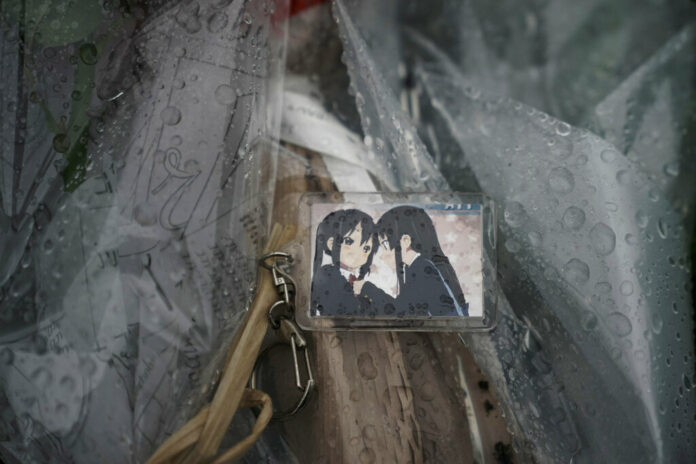
A keychain with a cartoon image is placed on top of flowers placed near the Kyoto Animation Studio building destroyed in an attack Friday, July 19, 2019, in Kyoto, Japan. Photo: Jae C. Hong / AP
TOKYO — It may not be as famous as Japanese anime legend Studio Ghibli, but Kyoto Animation has many core fans and is known as a team of skilled animators that provides top-quality work for others and can produce its own hits, such as “Lucky Star,” ”K-On!” and the “Haruhi Suzumiya” series.
The company hit by a suspected arson on Thursday that killed 33 people and injured 36 others also has a unique founding history.
It was started in 1981 by a former animator who recruited housewives from her neighborhood in Uji city south of Kyoto, where she married and moved from Tokyo, the center of the animation industry.
Yoko Hatta previously had worked at Mushi Production, a studio for the works of anime legend Osamu Tezuka, who created Astro Boy and Kimba the White Lion.
The company, better known as KyoAni, doesn’t have a major presence in Japan but has won gradual recognition while providing secondary animation work for major productions. Their work included a 1998 “Pokemon” feature that appeared in U.S. theaters and a “Winnie the Pooh” video.
The attack, in which a man shouting “You die!” poured a flammable liquid near the entrance and set it ablaze, shocked animation fans across in and outside Japan. Prime Minister Shinzo Abe mourned for the victims as he tweeted that he was speechless at the magnitude of the damage.
Anime fans expressed anger, prayed and mourned for the victims on social media. A cloud-funding site was set up to help the company rebuild.
“It’s a shock. It’s like so impossible. I never heard of this kind of stuff in the past 25 years,” said Levin Jean, a San Francisco anime vendor at Comic-Con in San Diego. “I have been in this business for 24 years and this is the first time I’ve seen this happen to the animation industry.”
Dale Scoville, an anime fan from Claremont, California, said anime illustrators and story panelists “have a lot of heart in all the stories that they bring to life.”
“It’s just really hard to hear about people that want to help other people and that happening to them,” he said. “It’s really sad.”
While providing work for top artists, the company has been able to make and feature its own stories in Japanese TV anime and comic series. Some of its mega-hits include “Lucky Star” in 2008, “K-On!” in 2011 and “Haruhi Suzumiya” in 2009. The company was preparing for a planned release of a new feature animation film “Violet Evergarden,” a story of a woman who professionally writes letters for clients.
Places featured in the hit animation stories have become pilgrimage destinations for anime fans.
Among them is Washinoniya Jinja, a shrine in Saitama prefecture just north of Tokyo, a scene in the TV animation series “Lucky Star,” or “Raki Suta,” based on comics by Kagami Yoshimizu.
Years after the TV animation ended, the area still attracts fans of Raki Suta girls, with goods featuring the characters sold at its neighborhood stores, and a portable shrine decorated with the anime characters appearing at an annual festival in September.
Ryusuke Hikawa, a pop culture expert at Meiji University, said Kyoto Animation became a brand name for “a general company that can provide high-quality presentation and animation,” while demonstrating its capability even away from Tokyo.
“Kyoto Animation demonstrated that a top brand can come from outside the capital,” Hikawa told an interview with NHK television. “It was a major breakthrough, and was a revolutionary change to the Japanese animation industry.”
The company’s 160 employees work at studios in Uji and Kyoto and an office in Tokyo. The company also trains aspiring animators, produces and sells novelty goods featuring its characters. A store selling such items is near the studio damaged by Thursday’s fire.
___
Story: Mari Yamaguchi. Associated Press writer Amanda Lee Myers in San Diego contributed to this report.
Throughout the past 40 years, Baanlaesuan (Home and Garden) Magazine has been accumulating diverse experiences, from a small magazine about home decoration to the knowledge-sharing Baanlaesuan Fair – Thailand’s Number one dedicated to homes, gardens and decoration.
Due to the ever increasing positive feedback from participants, the event has been extended to “Baanlaesuan Midyear Fair.” We are ready to showcase the experience of ASEAN’s and Thailand’s best fair under various themes by the teams behind our three home decoration magazines.
This year, “Baanlaesuan Midyear Fair 2019” will be held under the theme “Hand & Heart,” because we believe that working with love starts from the heart, and ends with the heart. In the world of design and arts, special styles lead to more followers and support, so long that those works are meaningful, and expressed with the heart and love. Ultimately, it is about bringing happiness from the makers to the audiences.
Therefore, this year’s Baanlaesuan Fair will demonstrate to the guests what homes and the meanings of homes in the future might be, and how they may affect our ways of life, under the concept of “Hand & Heart.”
Baanlaesuan Midyear Fair will be more than just an event to sell furniture. We are packed with ideas to decorate your homes, stylish goods and any item you may need for your homes, with over 2,300 booths ranging from furniture, gardening equipment, electric appliances, building material and designers’ exhibitions.
Another key point we’re proud to present to our foreign visitors is Thailand’s largest handmade craft and art market for any lifestyle and artistic need. We are already the most beloved homes and garden business for Thais – and we hope to win the hearts of expats living in Thailand as well. Come join us for the nine-day fair!
The event will be divided into two zones:
Concourse area in front of the halls
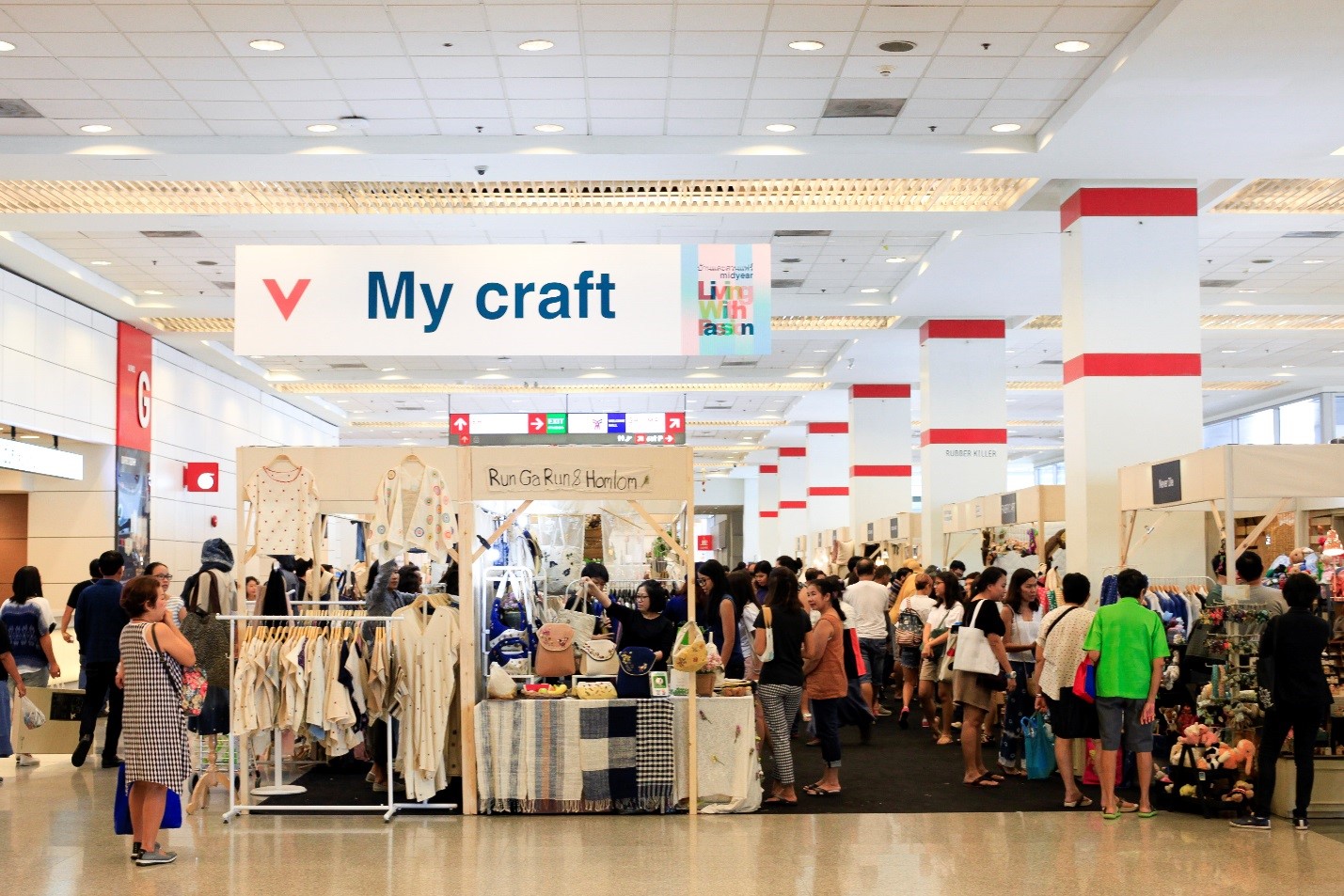
Baanlaesuan Craft Village, a space for craft lovers by Baanlaesuan Publishing
Handmade and organic goods will be sold by craft experts, who are also available for discussion and exchange of ideas
Book workshop on multiple topics such as botany, ideas for fountains in gardens, popular cacti and succulent, material for garden decorations, and Western herbs
Membership registration for Baanlaesuan magazines, Thai editions of National Geographic, and other journals published by Amarin Group. There is also an opportunity to win special prizes and souvenirs.
Baanlaesuan Book Shop with a unique selection by the editorial team for homelovers
Registration and information kiosks
Baanlaesuan My Craft, the all-time hit workshop for handmade goods enthusiasts
Hall 98-104
Artisan Village, a community of handcrafts and experts in diverse fields to guide you in the craft of leather, wood, fabric, arts, and cooking and bakery. Fall in love with the creativity and get in action!
My Home Studio, an intimate behind the scenes insight by the talented teams of Baanlaesuan and My Home websites. There will be videos showing techniques in home decoration, and exhibition on home modification and arrangement tips. The popular hand-on My Home Workshop Space will also make a comeback.
Baanlaesuan Book Shop stocked with special selections for homelovers by the editorial teams and vendors. The books will be clearly categorized into topics and zones.
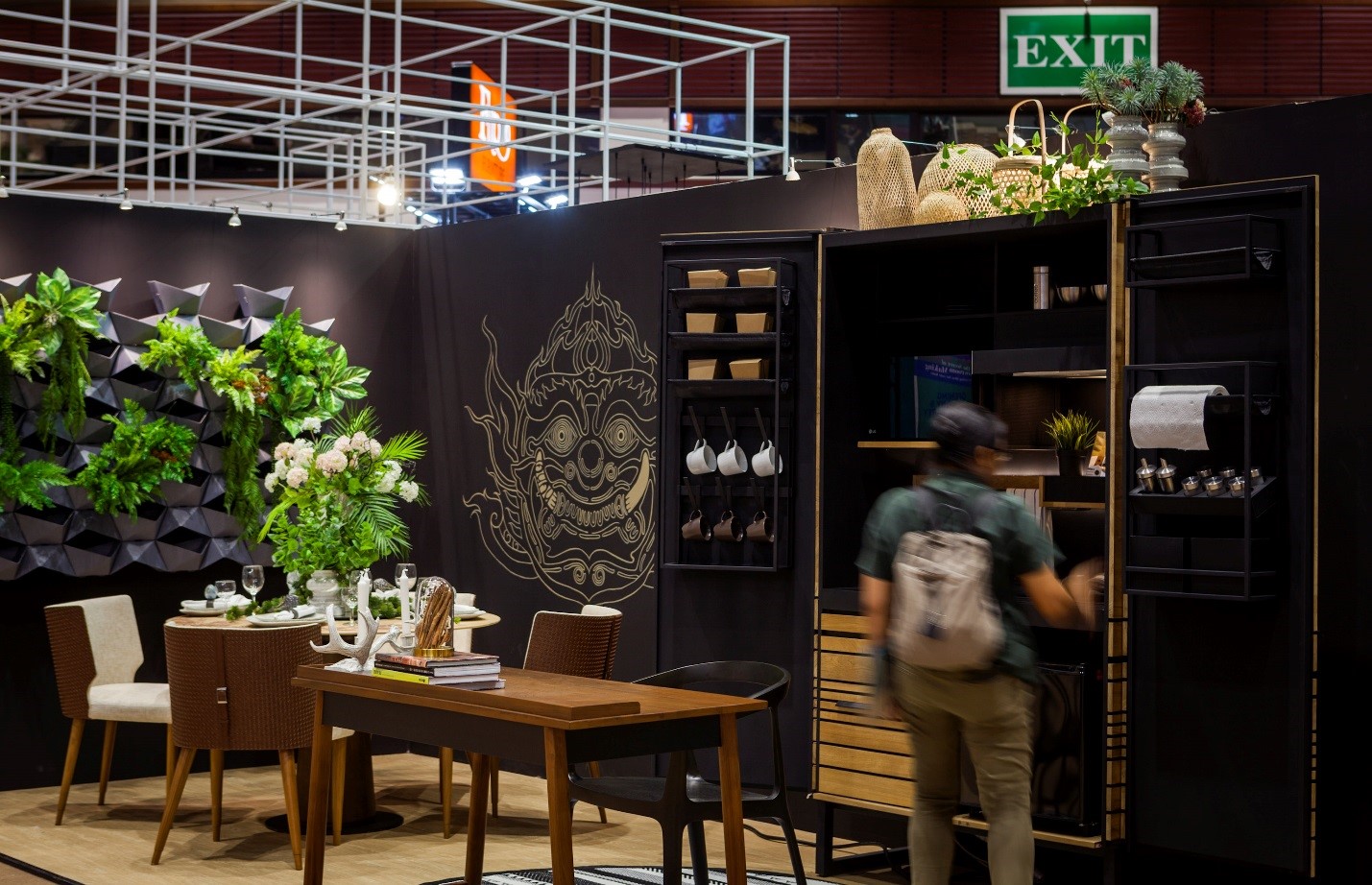
Room Design Showcase, the hip cafe featuring top notch designs and chic exhibition by Room Magazine and Living Asean website
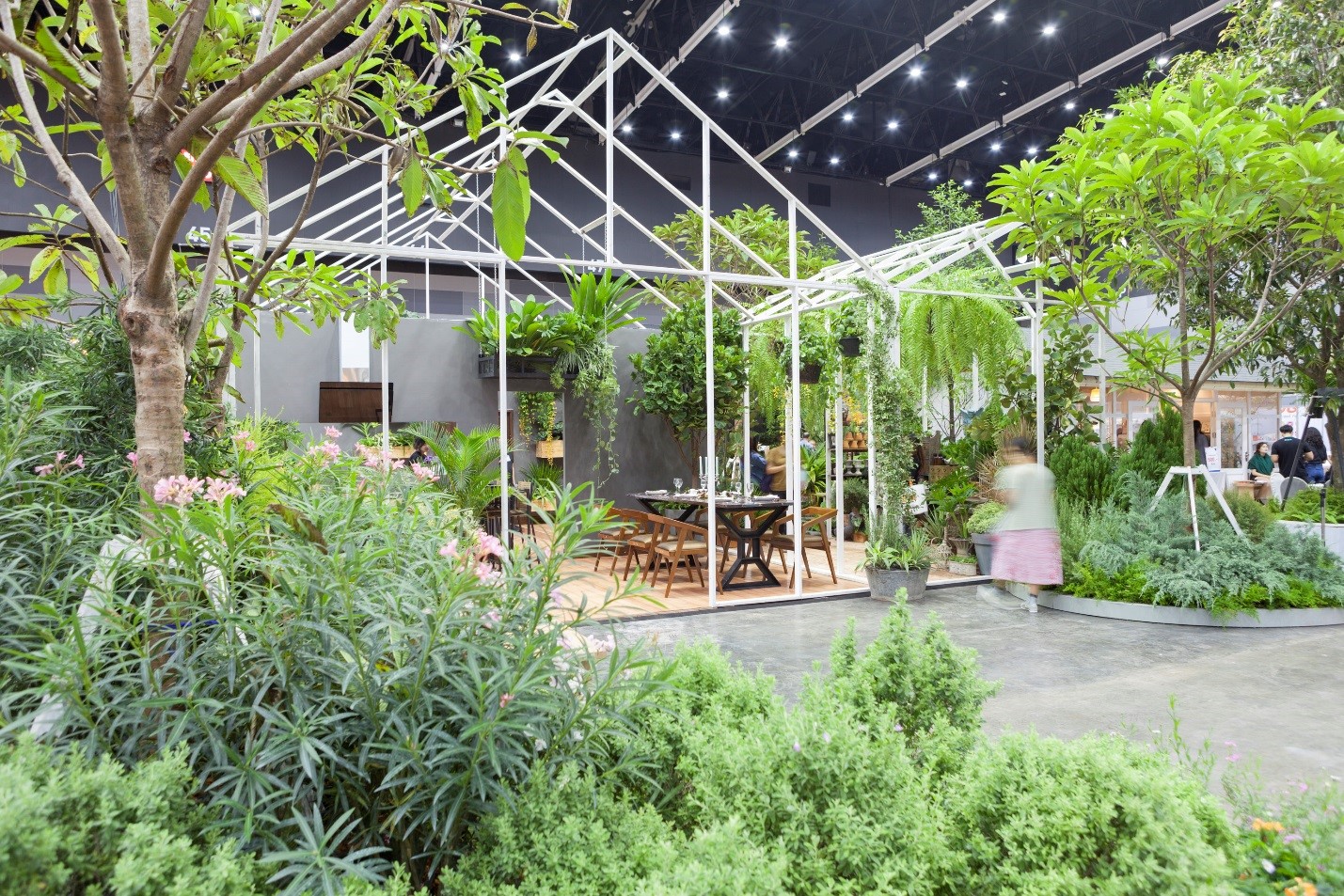
Baanlaesuan Greenhouse under the theme “Garden Walkway,” encouraging your garden decoration ideas with patterns, gardening space, greenhouse, flowerpots and other inspirations from nature
Baanlaesuan Relax Zone, where you can take a break in a shaded garden cafe
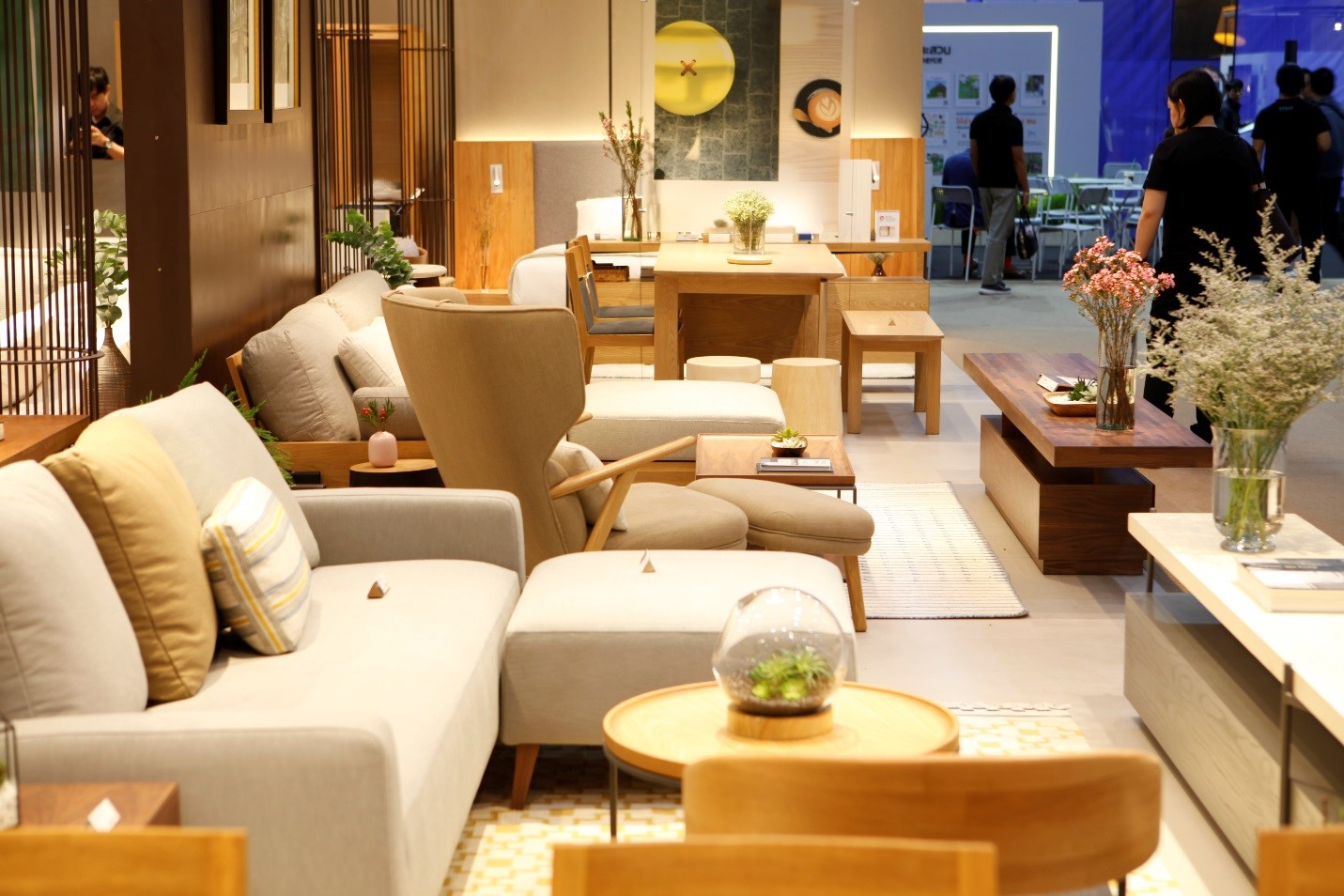
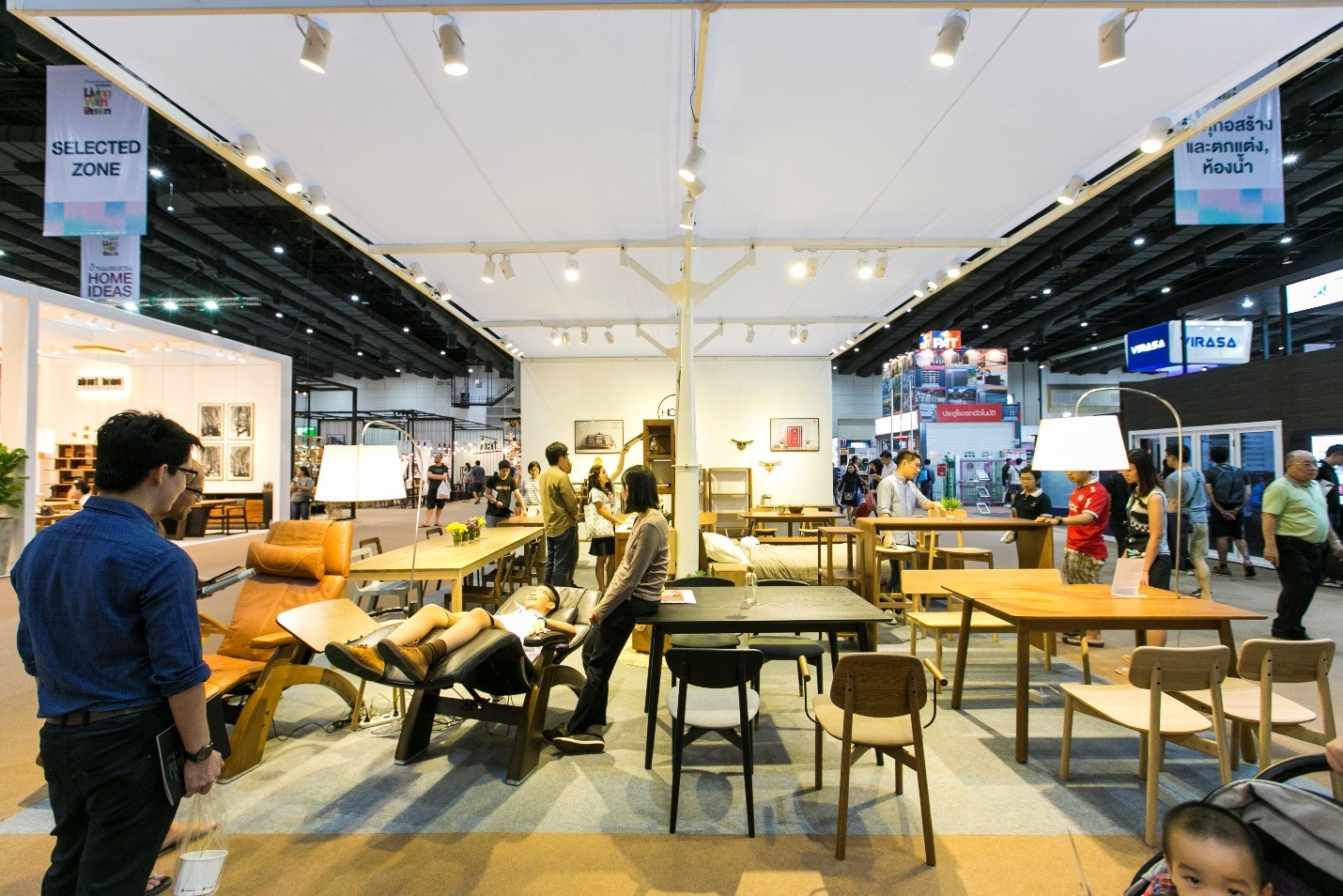
Baanlaesuan Selected selling stylish furniture and home decor selected by Baanlaesuan Magazine
Indulge your creativity even further by visiting another Baanlaesuan My Craft installation inside the hall
“Baanlaesuan Midyear Fair 2019” will take place between August 3-11 from 9.30am to 9pm at Hall 98-104 of BITEC Bang Na Convention Center, which can be easily accessed from BTS Bang Na. Visitors can register online and find more information here.