























34.4 C
Bangkok
Monday, June 8, 2026
Home Blog Page 1553

Where to Celebrate Bastille Day in Bangkok

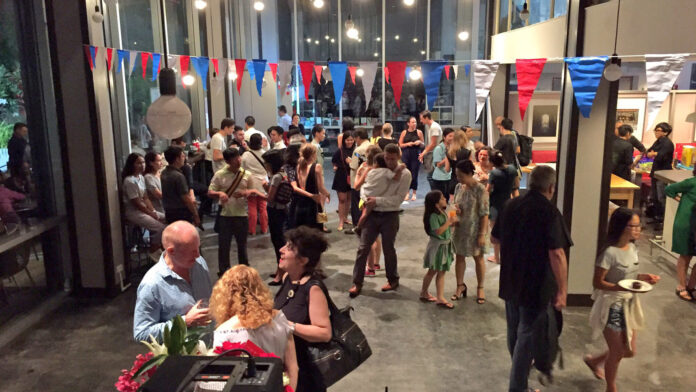
French National Day Party at Alliance Française Bangkok on July 13, 2017. Photo: Gilles Garachon / Twitter

BANGKOK — Celebrate French National Day, or Bastille Day, à la mode with French gastronomy, wine, art, and even beats from French DJs at bars and restaurants around Bangkok this weekend.

1. La Fête Nationale: French National Day Party! – July 13

Photo: Alliance Française Bangkok / Facebook

Unleash your moves – Alliance Française is hosting a dance party to celebrate the liberation of Bastille Prison.

Dress up in bleu, blanc, and rouge and get ready to fall into the rhythm with jazz band V Orleans. Don’t worry if you’re not confident in your jig, because Bangkok Swing will run a swing workshop. DJ Kridelka will end the night with tech house beats.

The event will be held on July 13 from 7pm to 11pm at Alliance Française Bangkok on Witthayu Road. The venue is reachable by a short walk from MRT Lumpini. Admission is free.

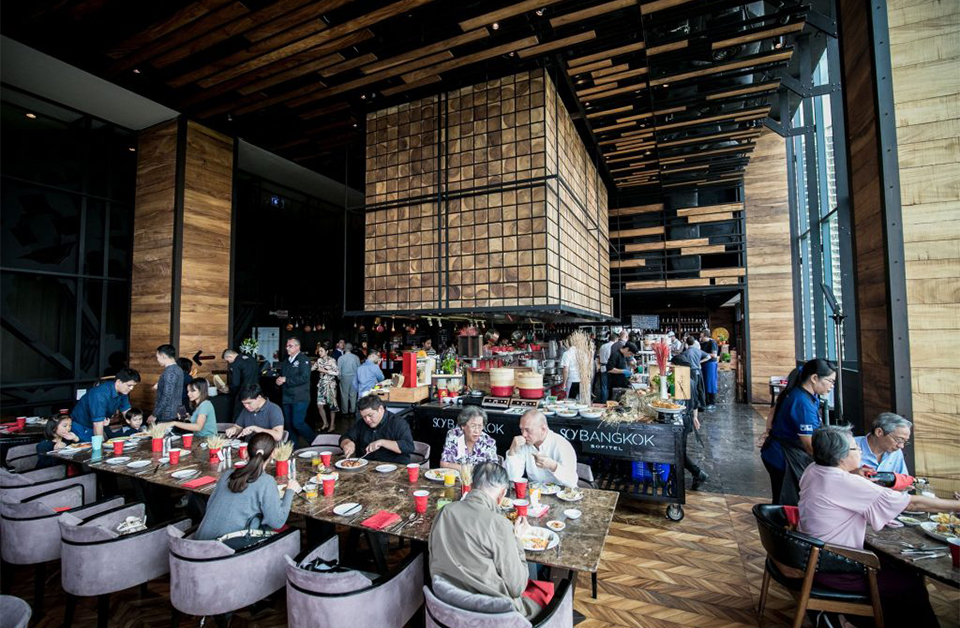
2. Vive la France! Bastille Day Buffet July 14

Photo: SO Sofitel Bangkok / Facebook

Pamper your taste buds at a special edition of Red Oven’s weekly Sunday brunch.

Aside from regular offerings such as Alaskan king crabs and seared foie gras, the hotel buffet will feature Parisian favorites such as freshly baked baguettes, ratatouille, and Gruyere cheese. Dine in style with a view overlooking Lumpini Park, while electro beats stir your appetite into action.

The buffet will be held on July 14 from 12pm to 3.30pm at Red Oven, SO Sofitel Bangkok on North Sathorn Road. The restaurant is reachable by a short walk from MRT Lumphini. The buffet costs 1,900 baht per person excluding taxes and service charge. Free-flowing alcohol costs an additional 1,100 baht.

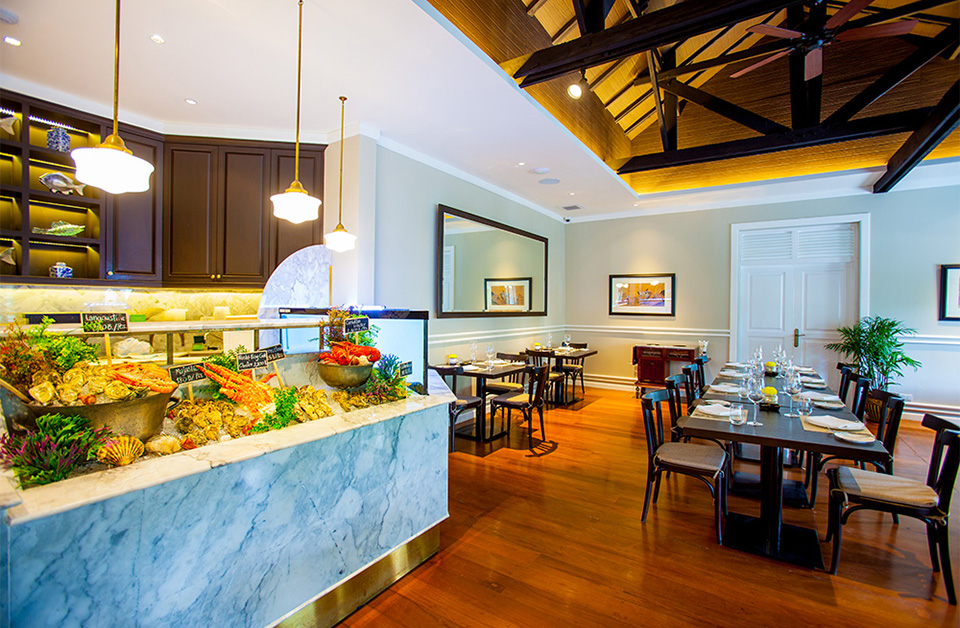
3. Bordeaux and Burgundy Wine Dinner July 14

Photo: Brasserie 9

Taste wine from Bordeaux and Burgundy, paired with classic French cuisine at Brasserie 9. Each dish in the five-course dinner will be accompanied by a matching glass of wine curated by Chef Ekapan Buranakul, who has experience cooking at Michelin-starred restaurants. A preview: the buttery flavor of poached foie gras au torchon will be complemented by the sweet and fruity Alsace Willm Gewurztraminer “Reserve” 2016.

The dinner will be held on July 14 from 6pm to 10.30pm at Brasserie 9 in Sathorn Soi 6. The restaurant is reachable by a short walk from BTS Chong Nonsi. The five-course wine pairing costs 2,900 baht per person. If you are a French passport holder or a member of the FTCC, you’ll get 15 percent off the menu.

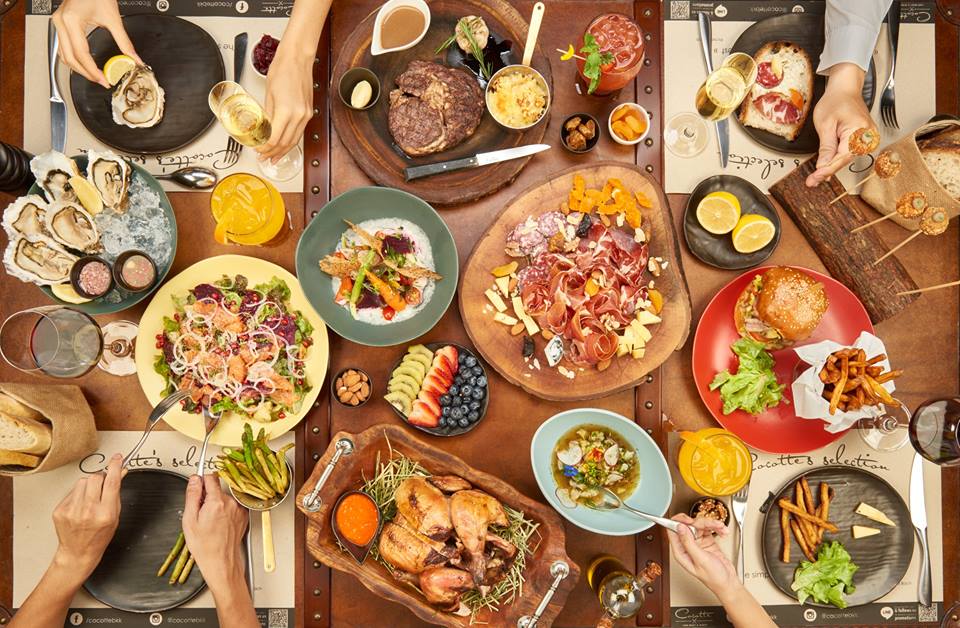
4. Cocotte’s French Week July 14 – July 21

Photo: Cocotte Farm Roast & Winery / Facebook

Savor traditional French cuisine prepared with ingredients sourced from local organic producers and European purveyors at Cocotte Farm Roast & Winery.

For the whole week, the Phrom Phong restaurant will serve regional French dishes like Tourin garlic soup with roasted escargots and truffle liver mousse. Pair with wine and cocktails like the mellow Parisian Spritz (gin, grapefruit, pomelo, and sparkling Perrier). Boasting an open kitchen and in-house deli abundantly stocked with fromage and cold cuts, it’s certainly a homestyle dining experience.

The menu will be served between July 14-21 from 11am to 10.30pm at Cocotte Farm Roast & Winery in Sukhumvit Soi 39. The venue is reachable by a short walk from BTS Phrom Phong.

5. Pétanque Tournament July 14

Photo: Blue Parrot Bangkok / Facebook

Not a fan of fancy dining? Head to Blue Parrot, a tropical hideaway in bustling Sathorn, and compete in a pétanque tournament, a classic ball-throwing sport originally from Provence. Prizes include a 2,000 baht voucher and a bottle of Le Petit Cochonnet rosé. The night will feature free-flowing skewers and a selection of rosé, while desserts like galettes and crêpes await.

The event will be held on July 14 from 11.30am to 11pm at Blue Parrot Bangkok in Sathorn Soi 10. The venue is reachable by a short walk from BTS Chong Nonsi. Tickets to participate in the competition are 800 baht per two-person team, which includes the skewers buffet.

6. French Touch – July 14
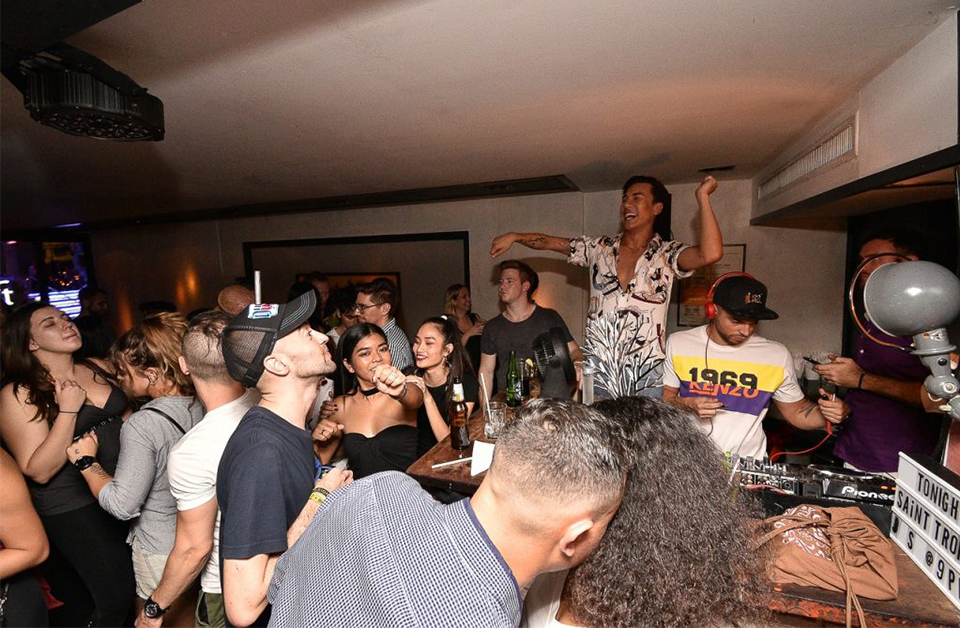
Photo: Oskar Bistro Bangkok / Facebook

Dance to 90s French house at a cosy watering hole in Nana, where Alex Fischer and Fred Canel will spin European disco beats. Oskar Bistro is not an all-out bar, but partygoers can still expect a lineup of cocktails and wine. For anyone hungry, the restaurant will serve French and Mediterranean fare from Chef Julien Lavigne.

The event will be held on July 14 from 7pm to 12am at Oskar Bistro Bangkok in Sukhumvit Soi 11. The venue is reachable by a short walk from BTS Nana. A cocktail costs from 210 to 390 baht.

7. Bruno Tanquerel’s B-Day and Art Exhibit – 14 July
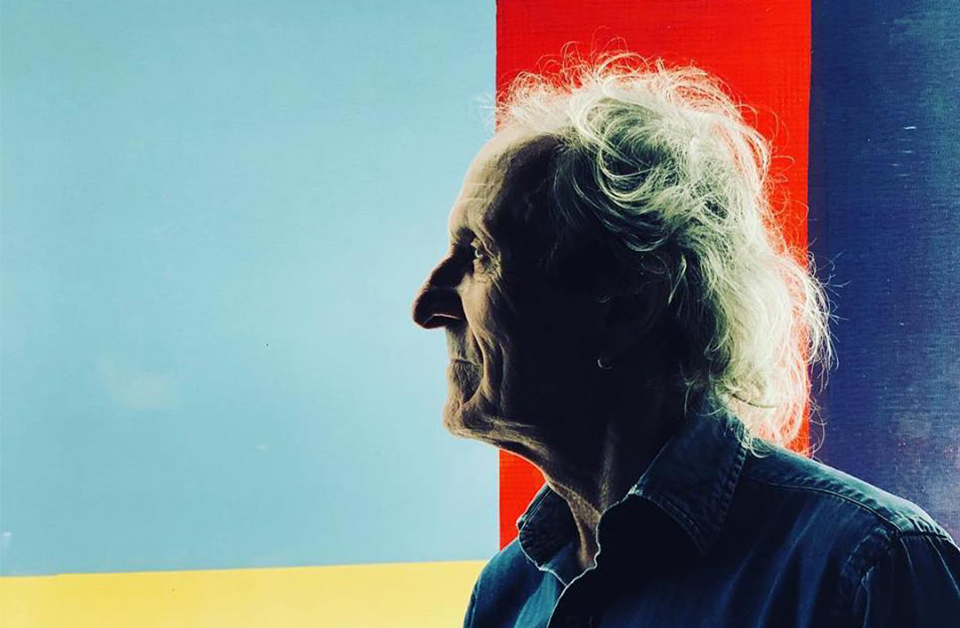
Photo: Bruno Tanquerel / Facebook

Celebrate the 14 juillet and the birthday of Bangkok-based French artist Bruno Tanquerel all in one go at Smalls.

On show is his “The Presidents” exhibition, which features portraits of French presidents printed onto the blue, red, and white colors of the French national flag. Free wine and snacks will be provided.

The exhibition will be held on July 14 from 7pm to 8pm at Smalls in Suan Phlu Soi 1. The venue is reachable by taxi or motorcycle taxi from BTS Chong Nonsi. Admission is free.

Student Charged With Assault For Kicking 15-Year-Old Into Coma

Pisit Kumniw in a coma. Photo: Panuwat Songsawatchai / Facebook

NAKHON PATHOM — A student has been charged with physical assault for allegedly kicking a 15-year-old underclassman into a coma, according to an anti-hazing activist on Wednesday.

Police are keeping mum on the details of the suspects involved in the assault on Pisit Kumniw, a Matthayom 3 student at Phra Pathom Wittayalai School. Although one of the three suspects has been reportedly charged with physical assault as of Wednesday, the other two have not.

“They won’t show me the police report,” Panuwat Songsawatchai, a member of anti-hazing activist group Anti Sotus and a Future Forward Party member, said by phone Monday. “Two of the three attackers are also policemen’s sons.”

Panuwat fears the other two students involved in the attack may get off the hook and “run away” due to the suspected ties to the police. The pair are brothers: one is a Matthayom 3 student, the other a Matthayom 6 student. Panuwat said all three of the alleged assaulters have given testimony to the police. He added that the charged suspect is not one of the brothers.

However, police refused to respond to Panuwat’s claims of nepotism.

Police Capt. Thanachote Chinnawongsa, when asked about the suspects and their relations to the police, said he could not comment on an ongoing investigation.

Meanwhile, Pisit’s health continues to decline. On June 28, he was assaulted as part of a hazing tradition under the SOTUS creed (Seniority, Order, Tradition, Unity, Spirit), where he was supposed to receive a class bracelet after getting kicked three times.

“First, his lungs were bruised and his brain swelled. Now his other organs are leaking,” Panuwat said. “He probably won’t make it through next week.”

Related stories:

High Schooler Kicked Into Coma During SOTUS Hazing, Family Says

Advertisement

Thong Jamsri, Thailand’s Last Communist Leader, Dies at 98

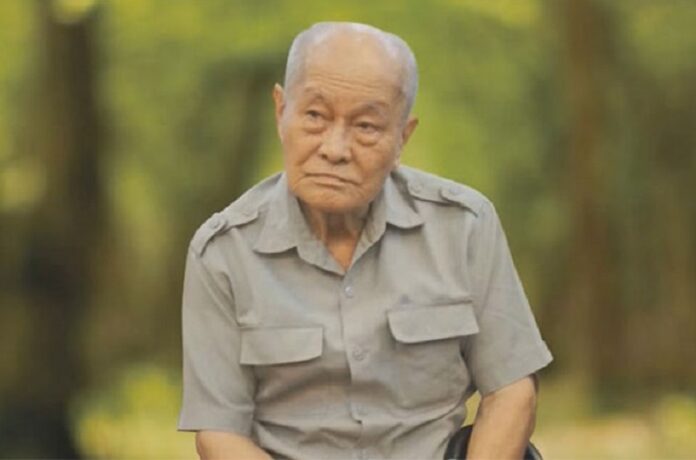
An undated file photo of Thong Jamsri.

BANGKOK — An ex-leader of the Communist guerrilla movement, who later took up the cause of democratizing Thailand, died today at the age of 98.

Thong Jamsri, who served as the Communist Party of Thailand’s secretary-general during its twilight years of armed resistance, died of a respiratory disease, according to messages posted online by his peers.

Thong – widely known by his nomme-de-guerre as “Comrade Pracha” – remained a towering figure in the memories of many intellectuals who fought under his leadership in Thailand’s jungles during the Cold War. He continued to campaign for civil rights long after the insurrection collapsed in the 1980s.

Thong Jamsri speaks to Voice TV in a 2013 interview. 

“He held on to the ideology of a revolutionary till his last breath,” newspaper columnist and ex-guerrilla fighter Atukkit Sawangsuk wrote in a tribute. “He was a former comrade who stood firmly and resolutely against military tyranny since the beginning.”

Another ex-Communist and longtime friend of Thong also praised him as a fighter of the people.

“For decades, he dedicated his life to revolutionizing Thailand,” wrote Jaran Ditapichai, who now lives in exile in Paris to avoid royal defamation charges. “My comrade stood on the side of the people and fought for democracy until his death.”

Life Under Red Star

Thong was born on Dec. 17, 1921 in Pichit province to a family of Vietnamese political exiles. His father joined the Communist Party of Vietnam when Thong was 9. He put his son on the same path, enrolling Thong in schools founded by Chinese Communists, first in Sakon Nakhon and later in the capital.

Communism was illegal at the time, banned by both the royal government and the civilian regime that succeeded it in 1932. The government feared a civil strife breaking out in Siam, then known as Thailand, as one did in war-torn China.

555000001757501
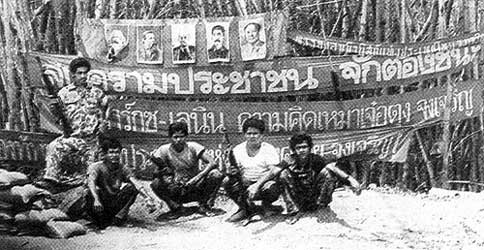
Thai Communists pose in front of photos of socialist leaders during the height of the jungle warfare.

When Thong was just 15, he was arrested for handing out leaflets calling for a socialist uprising and sentenced to nearly two years in prison. Once his jail term was complete, the 17-year-old Thong joined what later became the Communist Party of Thailand.

Thong spent much of his adult life under the party’s flag, rising up the ranks from a lowly apparatchik to the Politburo. He fought alongside other guerillas when the party launched an all-out offensive in northeastern and southern jungles for much of the Cold War.

He was eventually selected as the party’s fourth and last secretary-general in 1982, just as the armed struggle was shrinking under overwhelming government firepower and thinning allies; China, Laos and Vietnam had withdrawn their support for the Thai Communists by then.

1374856623 3178491015 o e1562740032628
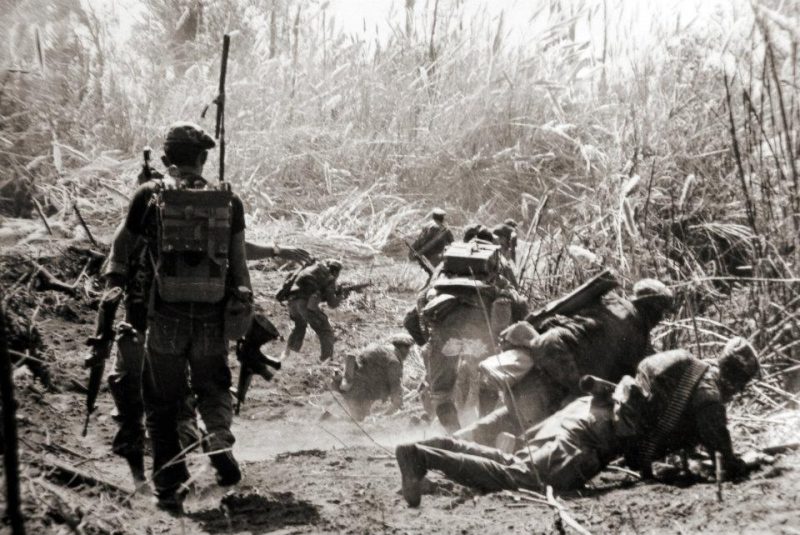
Government forces battle Communist guerrillas in Phetchabun province on Feb. 25, 1982.

Although Thong tried to bring much needed reform to a party mired in orthodoxy, it was too late. The armed insurrection fell apart as the Cold War was coming to an end. Fighters trickled back to the cities and resumed their civilian lives. Thong himself left the jungle in 1993.

But Thong never entirely surrendered – as the last remaining representative of the Communist Party of Thailand, he never signed a formal ceasefire with the government.

During the ensuing years, Thong took up jobs as a writer and columnist, often lashing out at authorities he deemed to be undemocratic – most recently the military government of Gen. Prayuth Chan-ocha. Through his speeches and writing, Thong called for a more democratic society and less power in the hands of the military.

66326950 2383011781780637 643474495662718976 n
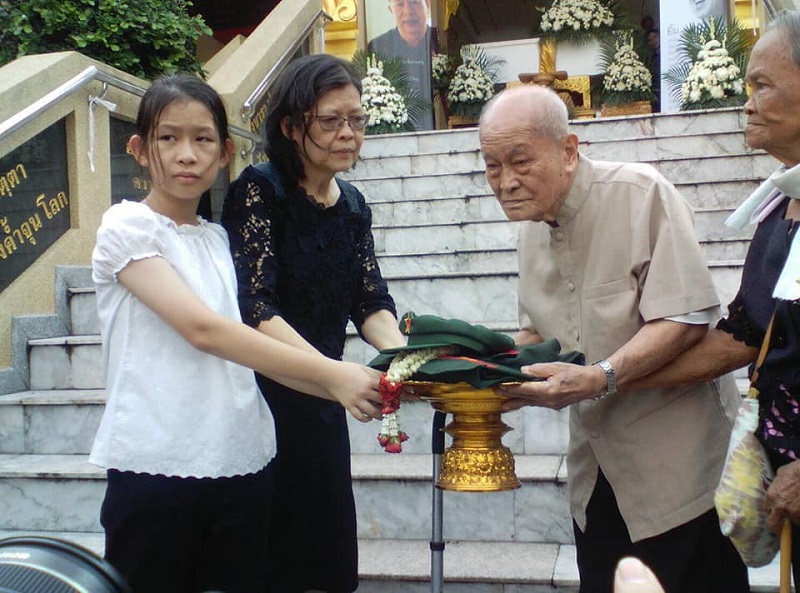
Thong Jamsri hands a Communist soldier uniform to family of the late ex-Communist and academic Suthachai Yimprasert at Suthachai’s cremation ceremony in Bangkok on Oct. 1, 2017.

He also continued to preside over ceremonies to commemorate fallen comrades and other efforts to preserve memories of the guerrilla war, which is mostly forgotten by the public.

In an online post written after Thong’s death was announced, his biographer Nitirat Sapsomboon said Thong was most notable for his attempts to instill not only reform and but also morality within the ranks of the Communist Party of Thailand.

During his tenure, Thong called upon his comrades to be humble, learn to accept criticism, and treat female compatriots with respect.

“He laid down important lessons for all Communists, and a lesson in the history of struggles for fairness in society,” Nitirat wrote.

His cremation ceremony will take place on July 14 at Wat Phra Pathon Chedi in Nakhon Pathom province.

Advertisement

Concrete Panel Falls from BTS Ari Onto Bus Stop Below

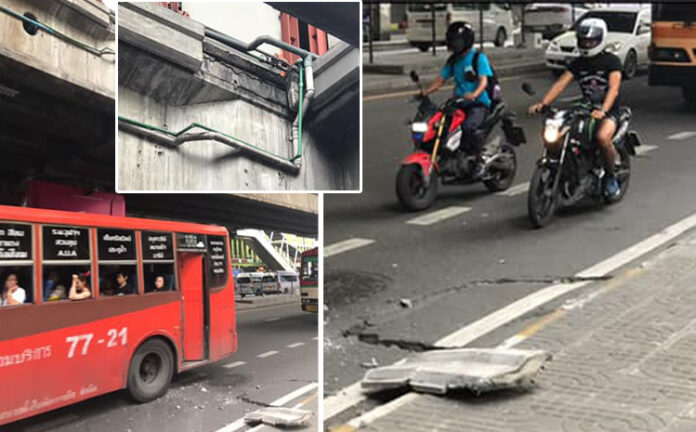
Photos: Isara Ariyachaipanich / Facebook

BANGKOK — A piece of concrete panelling fell from BTS Ari station Wednesday morning, luckily injuring none.

Isara Ariyachaipanich posted photos on Facebook of a slab of concrete that fell from the BTS station onto Phayon Yothin Road, near a bus station.

“Good thing it didn’t hit anyone. A bus driver moved it onto the side of the road,” Isara wrote. “If it had hit a car or a motorcycle, someone would have died for sure.”

Isara said he has alerted the BTS through their Facebook page, but the train company has not issued a statement about the accident. Isara posted the photos at about 7am, which have been shared more than 2,500 times.

In recent years, the BTS has been plagued with shutdowns, inaccessibility for persons with disabilities, and safety hazards. The accident comes a day after the BTS announced that BTS Ha Yaek Lat Phrao station will open on Aug. 11.

Advertisement

Ja New Rejects Police Offer of Conditional Protection

A file photo of activist Sirawith "Ja New" Seritiwat.

BANGKOK — A pro-democracy activist who was attacked and left unconscious on a Bangkok sidewalk said Tuesday he will refuse an offer of police protection that would require him to stop political activities.

Sirawith Seritiwat, widely known as Ja New, was severely beaten by four assailants near his home on June 28. He received head injuries and a fractured eye socket.

The military seized power in a 2014 coup and has cracked down on dissent while failing to fully investigate repeated violence against its critics. The junta also enacted election laws that favored its leader, Prime Minister Prayuth Chan-ocha, in voting in March.

Read: Fears of Future Assaults Force Activists to Seek Police Protection

“Apart from prohibiting me to not get involved with anything political, I must also report to police my plans and whereabouts at all times,” Sirawith said by phone from his home, where he is recuperating after being released from a hospital on Sunday.

Sirawith was also attacked in a separate incident on June 3 by at least five men after he worked on a campaign to petition members of the junta-appointed Senate not to vote for Prayuth to become prime minister.

Defense Minister Prawit Wongsuwan, a member of the junta, said Monday that police had offered to guarantee Sirawith’s safety if he distances himself from politics.

“It’s up to the police. Let the police deal with it,” Prawit told reporters. “They meant that Ja New is not allowed to be involved (with politics).”

Sirawith said he will not let police ensure his safety because he suspects the government was behind the attacks.

“I won’t take the deal,” Sirawith said. “And if I don’t take the deal and these types of things happen to me again, it must mean that the government was behind the first two attacks, right?”

Authorities have not arrested any suspects in either attack on Sirawith, or in attacks on other anti-military activists.

One activist, Anurak Jeantawanich, said he was attacked in May by six to eight men, some wearing motorcycle helmets, who hit his head with metal bars after he announced a plan to protest the election of the pro-army speaker of the lower house of Parliament.

Another activist, Ekachai Hongkangwan, has faced physical abuse on multiple occasions in addition to having his car set on fire twice this year. He was subjected to at least four attacks in 2018 as he engaged in peaceful protests over official misconduct.

Advertisement

From Nazis to Hippies: End of the Road for Volkswagen Beetle

n this April 21, 2017 file photo, Volkswagen Beetles are displayed during the annual gathering of the
FILE - In this April 21, 2017 file photo, Volkswagen Beetles are displayed during the annual gathering of the "Beetle club" in Yakum, central Israel. The Israeli Beetle club was founded in 2001 and there are 500 members. Volkswagen is halting production of the last version of its Beetle model in July 2019 at its plant in Puebla, Mexico, the end of the road for a vehicle that has symbolized many things over a history spanning eight decades since 1938.(AP Photo/Oded Balilty, file)

FRANKFURT, Germany — Volkswagen is halting production of the last version of its Beetle model this week at its plant in Puebla, Mexico. It’s the end of the road for a vehicle that has symbolized many things over a history spanning eight decades since 1938.

It has been: a part of Germany’s darkest hours as a never-realized Nazi prestige project. A symbol of Germany’s postwar economic renaissance and rising middle-class prosperity. An example of globalization, sold and recognized all over the world. An emblem of the 1960s counterculture in the United States. Above all, the car remains a landmark in design, as recognizable as the Coca-Cola bottle.

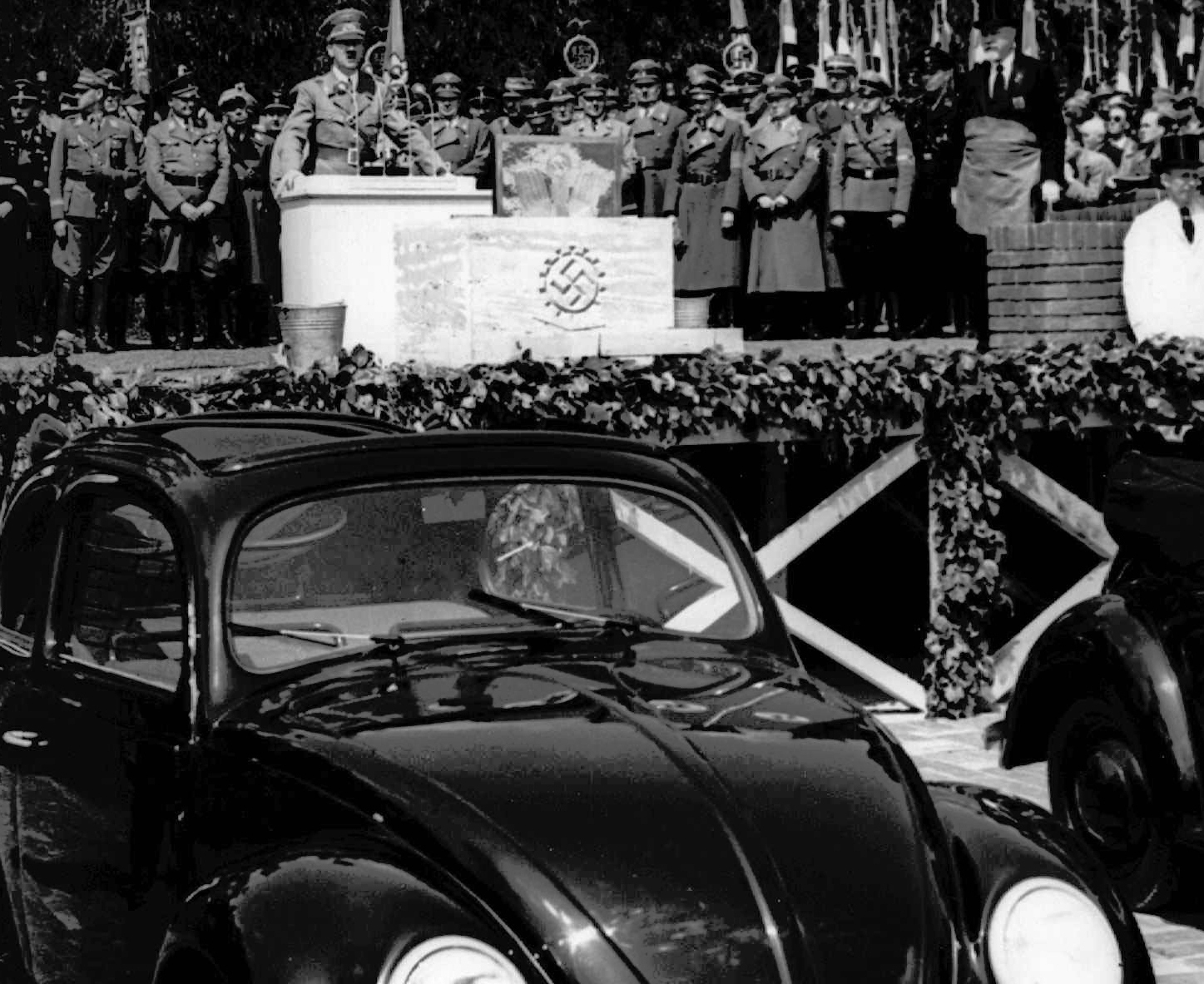
The car’s original design — a rounded silhouette with seating for four or five, nearly vertical windshield and the air-cooled engine in the rear — can be traced back to Austrian engineer Ferdinand Porsche, who was hired to fulfill Adolf Hitler’s project for a “people’s car” that would spread auto ownership the way the Ford Model T had in the U.S.

Aspects of the car bore similarities to the Tatra T97, made in Czechoslovakia in 1937, and to sketches by Hungarian engineer Bela Barenyi published in 1934. Mass production of what was called the KdF-Wagen, based on the acronym of the Nazi labor organization under whose auspices it was to be sold, was cancelled due to World War II. Instead, the massive new plant in what was then countryside east of Hanover turned out military vehicles, using forced laborers from all over Europe under miserable conditions.

In this May 26, 1938 file photo, German Nazi leader Adolf Hitler speaks at the opening ceremony of the Volkswagen car factory in Fallersleben, Lower Saxony, Germany. Photo: AP

Re-launched as a civilian carmaker under supervision of the British occupation authorities, the Volkswagen factory was transferred in 1949 to the Germany government and the state of Lower Saxony, which still owns part of the company. By 1955, the millionth Beetle — officially called the Type 1 — had rolled off the assembly line in what was now the town of Wolfsburg.

The United States became Volkswagen’s most important foreign market, peaking at 563,522 cars in 1968, or 40% of production. Unconventional, sometimes humorous advertising from agency Doyle Dane Bernbach urged car buyers to “Think small.”

“Unlike in West Germany, where its low price, quality and durability stood for a new postwar normality, in the United States the Beetle’s characteristics lent it a profoundly unconventional air in a car culture dominated by size and showmanship,” wrote Bernhard Rieger in his 2013 history, “The People’s Car.”

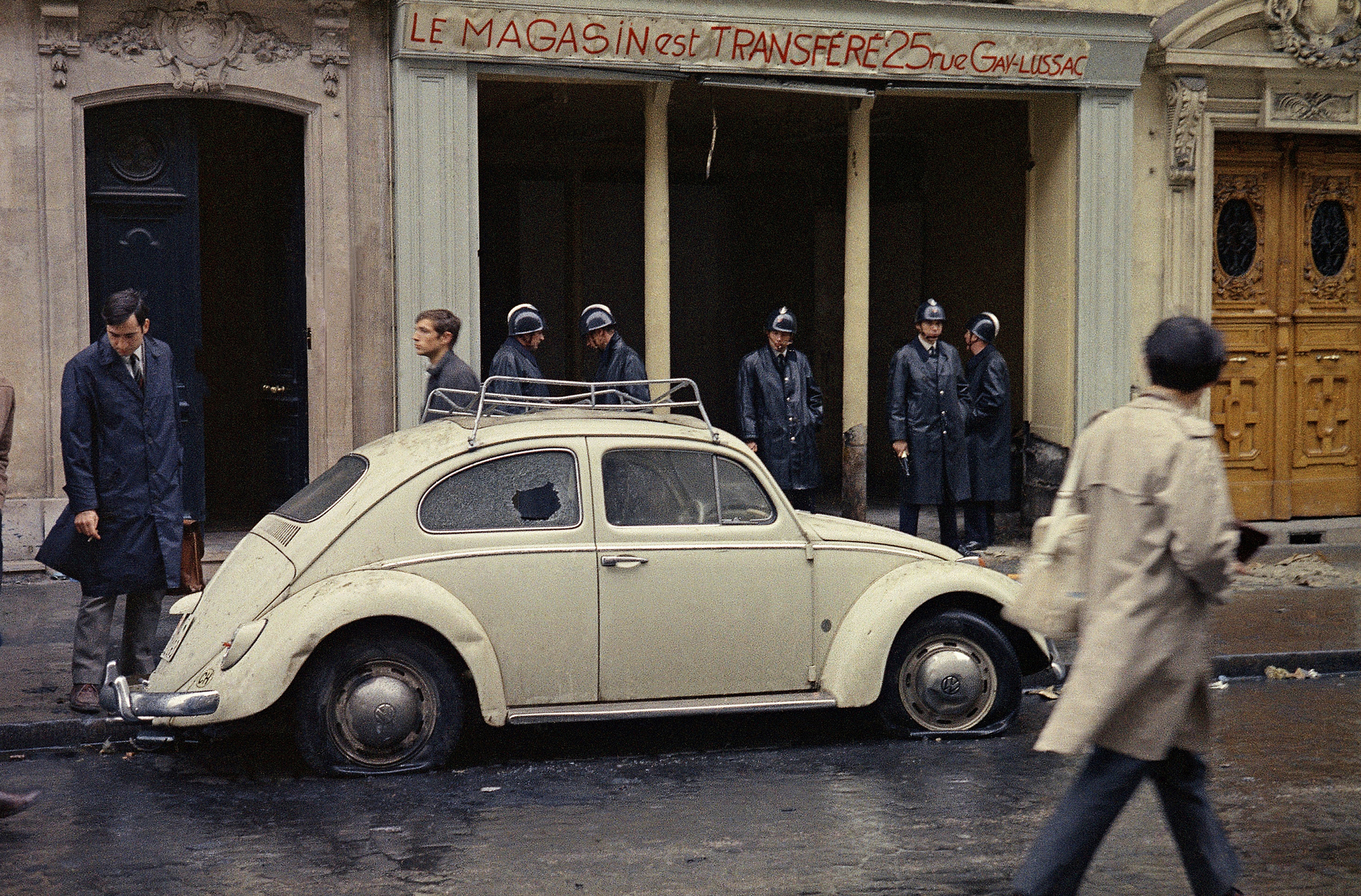
In this May 11, 1968 file photo, Guards stand in front of a shop on a street in the Latin Quarter of Paris, following a student riot and general strike that rocked the city. Photo: AP

Production at Wolfsburg ended in 1978 as newer front drive models like the Golf took over. But the Beetle wasn’t dead yet. Production went on in Mexico from 1967 until 2003 — longer than the car had been made in Germany. Nicknamed the “vochito,” the car made itself at home as a rugged, Mexican-made “carro del pueblo.”

The New Beetle — a completely retro version build on a modified Golf platform — resurrected some of the old Beetle’s cute, unconventional aura in 1998 under CEO Ferdinand Piech, Ferdinand Porsche’s grandson. In 2012, the Beetle’s design was made a bit sleeker.

The end of the Beetle comes at a turning point for Volkswagen as it rebounds from a scandal over cars rigged to cheat on diesel emissions tests. The company is gearing up for mass production of the battery-driven compact ID.3, a car that the company predicts will have an impact like that of the Beetle and the Golf by bringing electric mobility to a mass market.

The last of 5,961 Final Edition versions of the Beetle is headed for a museum after ceremonies in Puebla on July 10 to mark the end of production.

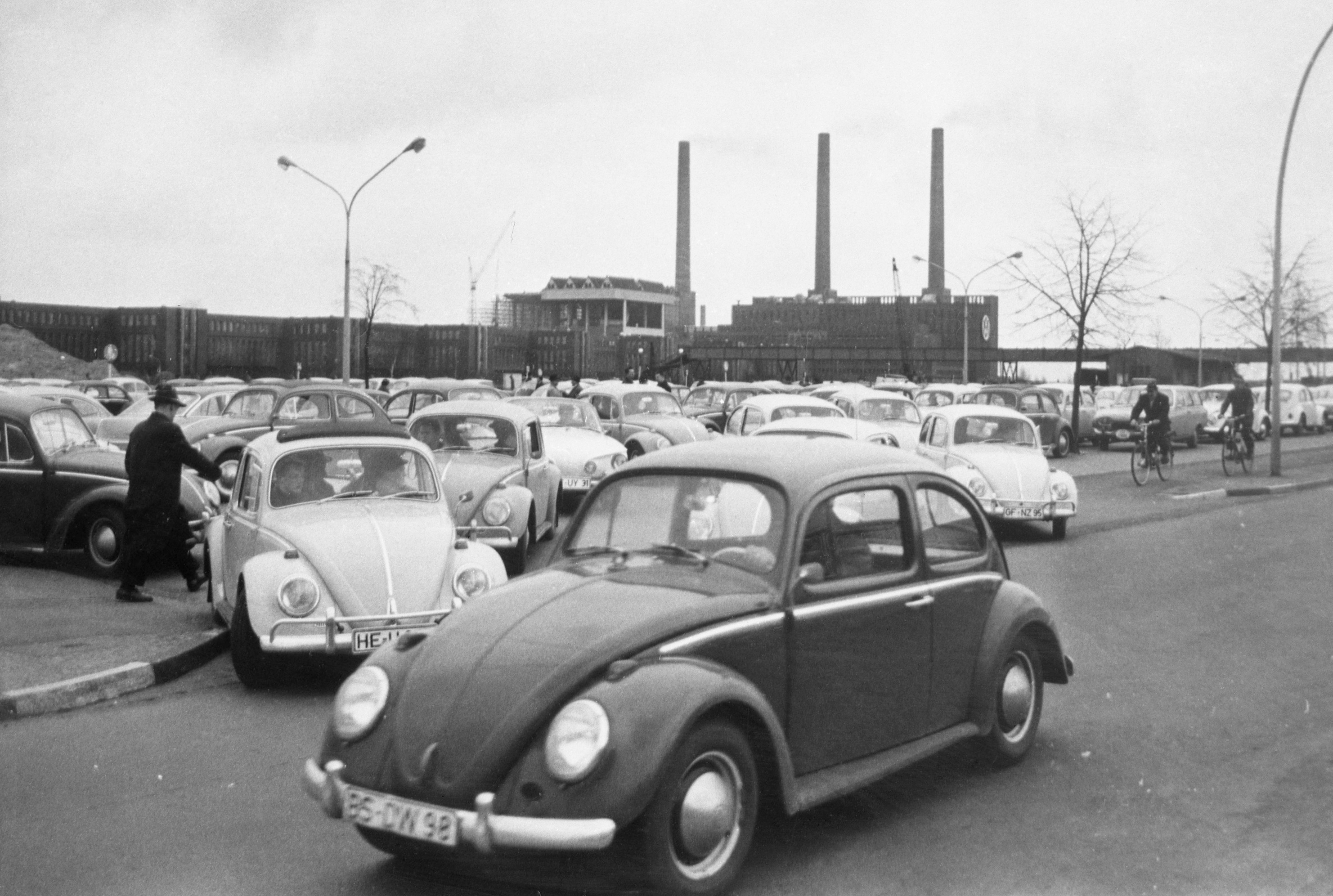
In this April 27, 1966 file photo, Volkswagen workers drive their Beetle cars from the parking lot on their way home at the end of a days work at the world's largest single auto plant, the Volkswagen factory (seen in background) in Wolfsburg, Germany. Photo: AP
In this April 27, 1966 file photo, Volkswagen workers drive their Beetle cars from the parking lot on their way home at the end of a days work at the world’s largest single auto plant, the Volkswagen factory (seen in background) in Wolfsburg, Germany. Photo: AP
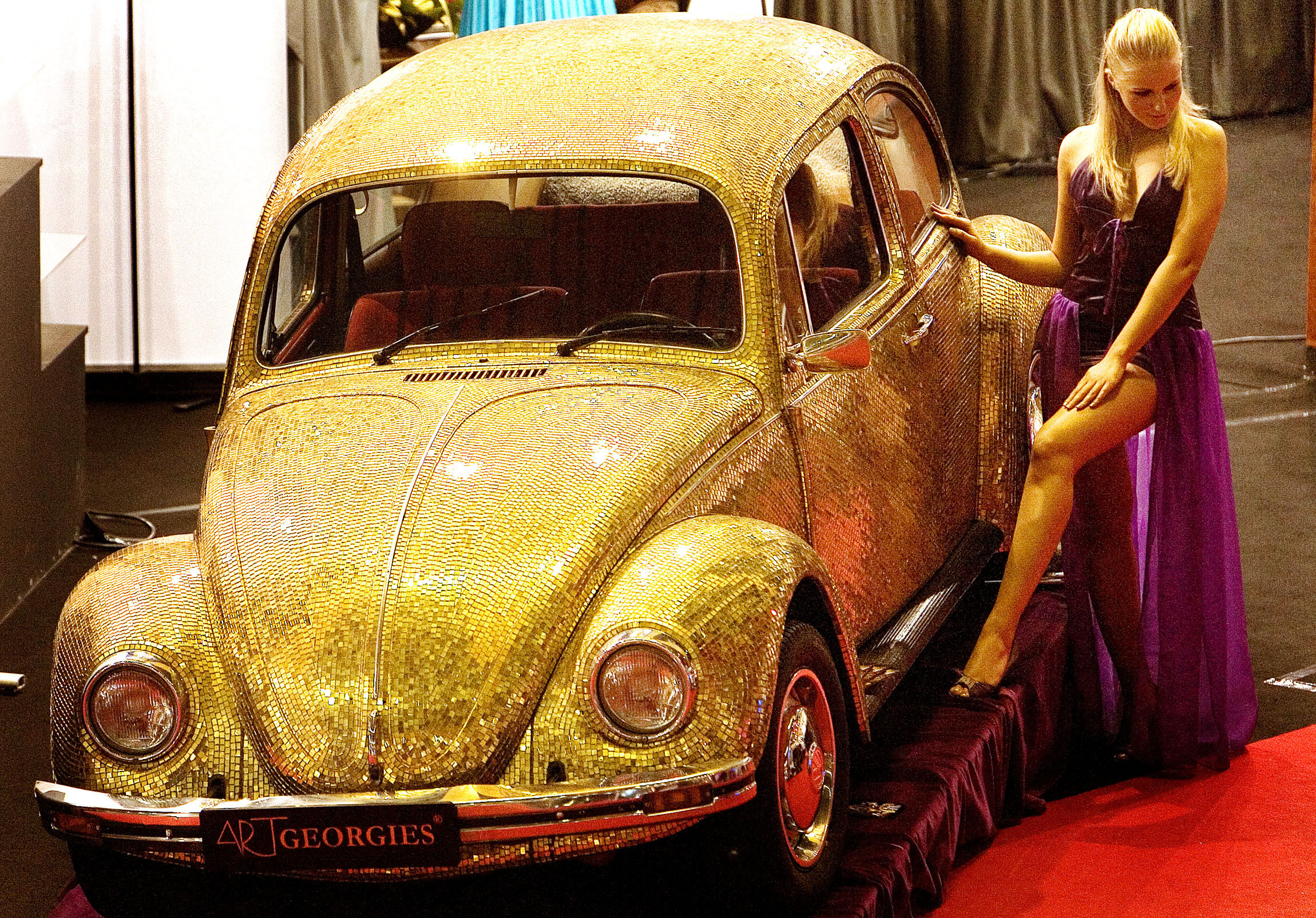
In this Dec. 8 2007 file photo, a model poses next to a 1968 Volkswagen Beetle covered in tiles made of a blend of 18 karat gold and glass at the annual Luxury Show in Bucharest, Romania. The car is functional and on sale for 60,000 euros, $88,000. However it is not street legal in Romania because of the nature of its paint. Photo: Vadim Ghirda / AP
 In this June 7, 2013, file photo potted sunflowers push out of the bonnet of an old Volkswagen Beetle surrounded by flowers in Athens' central Syntagma Square. Photo: Petros Giannakouris / AP
In this June 7, 2013, file photo potted sunflowers push out of the bonnet of an old Volkswagen Beetle surrounded by flowers in Athens’ central Syntagma Square. Photo: Petros Giannakouris / AP
In this March 12, 2012, file photo a Volkswagen New Beetle car is lifted inside a delivery tower after the company's annual press conference in Wolfsburg, Germany. Photo: Michael Sohn / AP
In this March 12, 2012, file photo a Volkswagen New Beetle car is lifted inside a delivery tower after the company’s annual press conference in Wolfsburg, Germany. Photo: Michael Sohn / AP

Story: David McHugh

Advertisement

Emmy-Winning Actor Rip Torn Has Died at the Age of 88

In this Wednesday, Feb. 11, 2009, file photo, U.S. actor Rip Torn poses during a photo call for the competition movie
In this Wednesday, Feb. 11, 2009, file photo, U.S. actor Rip Torn poses during a photo call for the competition movie "Happy Tears," at the Berlinale in Berlin. Photo: Markus Schreiber / AP

LAKEVILLE, Conn. — Award-winning television, film and theater actor Rip Torn has died at the age of 88, according to his publicist.

Publicist Rick Miramontez says Torn died Tuesday afternoon at his home with his wife, Amy Wright, and daughters Katie Torn and Angelica Page by his side. No cause of death was given.

Torn was a free-spirited Texan who overcame his quirky name to become a distinguished actor who won an Emmy late in his career for his comedy turn on TV’s “The Larry Sanders Show.”

Torn made his film debut in 1957 as a former prisoner of war who breaks down at a court-martial in “Time Limit.” Other film credits included “Sweet Bird of Youth,” ”Critics Choice” and “The Cincinnati Kid.”

His career on stage and screen spanned seven decades, ranging from an early career of dark, threatening roles to iconic comedic performances later in life.

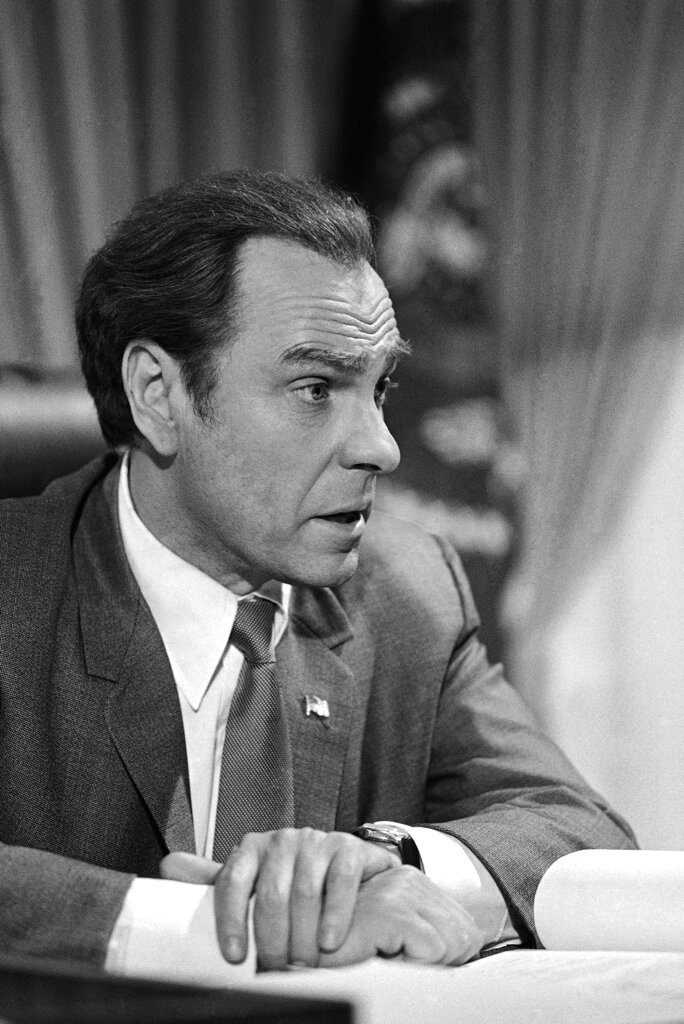
In this Dec. 8, 1978, file photo, actor Rip Torn plays Richard Nixon during the filming of "Blind Ambition," an eight-hour film for television. Photo: Doug Pizac / AP
In this Dec. 8, 1978, file photo, actor Rip Torn plays Richard Nixon during the filming of “Blind Ambition,” an eight-hour film for television. Photo: Doug Pizac / AP
Advertisement

South Korean Leader Denounces Japanese Comments Over Sanctions

Add New Post ‹ Khaosod English — WordPress
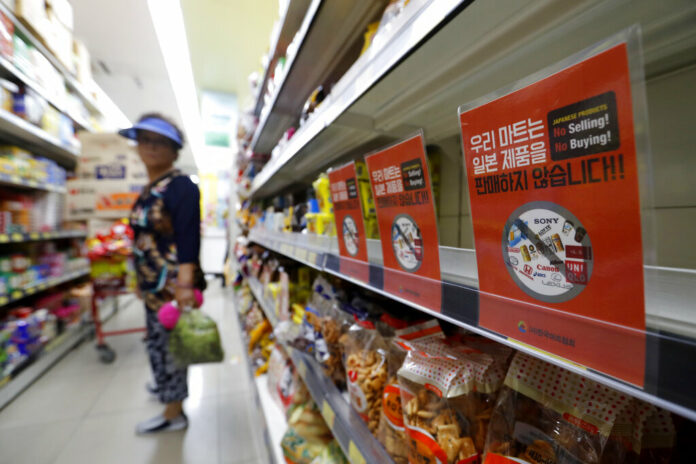
Notices campaigning for a boycott of Japanese-made products are displayed at a store in Seoul, South Korea, Tuesday, July 9, 2019. Japan said Tuesday it does not plan to retract or renegotiate its stricter controls on high-tech exports to South Korea, a day after the South Korean president urged that the issue be resolved through diplomacy. The signs read: "We don't sell Japanese products." Photo: Ahn Young-joon / AP

SEOUL — South Korean President Moon Jae-in on Wednesday criticized comments by Japanese officials who questioned the credibility of Seoul’s sanctions against North Korea while justifying Tokyo’s stricter controls on high-tech exports to South Korea.

The issue has become a full-blown diplomatic dispute between the neighboring U.S. allies.

In a meeting with South Korean business leaders at Seoul’s presidential palace, Moon said his government was committed to resolving the matter diplomatically and urged Japan to refrain from pushing the situation to a “dead-end street.”

Tokyo last week tightened the approval process for Japanese shipments of photoresists and other sensitive materials to South Korean companies, which need the chemicals to produce semiconductors and display screens used in TVs and smartphones.

Moon spoke hours after South Korean officials told a World Trade Organization meeting in Geneva that the Japanese measures would have repercussions for electronics products worldwide and called for their withdrawal. Japanese officials countered that the measures didn’t amount to a trade embargo, but rather a review of export controls based on security concerns.

“(Our) government is doing its best to resolve the issue diplomatically … (I call for) the Japanese government to respond. It should no longer walk straight toward a dead-end street,” Moon said in a meeting with the senior executives from 30 of South Korea’s biggest companies.

“The Japanese government’s move to inflict damage on our economy to serve political purposes and link (the issue) with sanctions against North Korea without any evidence is surely not ideal for the friendship and security cooperation between the two countries,” he said.

The Seoul government sees the Japanese trade curbs as retaliation to South Korean court rulings that ordered Japanese firms to compensate aging South Korean plaintiffs for forced labor during World War II and plans to file a complaint with the WTO.

Japanese officials say such materials can be exported only to trustworthy trading partners, hinting at security risks without citing specific cases, while rejecting suggestions that the move was driven by a worsening in ties between the two countries related to historical issues.

Tokyo hasn’t elaborated on the alleged security risks, but Japanese Prime Minister Shinzo Abe and his conservative aides have hinted there may have been illegal transfers of sensitive materials from South Korea to North Korea.

South Korea has denied the allegations, with its Foreign Ministry summoning a Japanese Embassy official on Monday to protest Abe’s suggestion that it could not be trusted to faithfully implement sanctions against North Korea.

South Korea’s trade minister on Tuesday said an “emergency inspection” of companies that process and export the chemicals imported from Japan found no sign of illegal transactions allowing them to reach North Korea or any other country affected by United Nations sanctions.

Story: Kim Tong-Hyung

Advertisement

Enjoy the delightfully familiar tastes of authentic local Thai dishes with carefully selected ingredients and local organic produce at Bangkok Marriott Marquis Queen’s Park.

Siam Tea Room is designed in a contemporary Thai style with exotic flair, featuring traditional wood paneled walls, lacquer ware, artistic Thai furniture, classic celadon ceramics from Kanchanaburi Province, Aranyik steel cutlery from Ayutthaya, and staff uniforms made using indigenous “mor hom” fabric that exudes warm and friendly Thai charm.

The food and drink menus at Siam Tea Room is created and overseen by experienced Thai Sous Chef Phukvarun Watchmon who has been in the culinary circuit since very young age. Chef Phukvarun started the tenure at the Royal kitchen of Klai Kang Won Palace in Hua Hin, Prachuap Khiri Khan Province before joining the Thai kitchen teams at various top hotels. Chef Phukvarun, or Chef Golf, was also a Thai cuisine teacher. Her creations of authentic Thai dishes exuded unique local charms with international flair to impress diners and delight them with every bite of the dishes. 

555000001757501 1

Chef Golf fine sources prime quality ingredients from all over Thailand. Highlight is local, indigenous organic greens that enhance the texture and flavors of the local dishes. Recommended dishes include “pla kapong tod sauce madan” – deep-fried sea bass with sweet and sour caramelized garcinia sauce. Another highlight is the traditional dish, “yum yai sai sarapat”, where fruits are tossed with spicy salad dressing, soft shell crab and crabmeat. Another must-try is “goong pae yum ma-muang” where crispy fried shrimps are topped with flavorful mango sauce. If you prefer soup or curry dishes, don’t miss “kang leuang pla kao” – southern style grouper yellow curry with taro stalk, tamarind and lime; “massaman si klong nuea” – slow-cooked short rib beef in creamy red coconut curry with crushed peanuts; “tom yum goong talay namprik pao nam khon” – spicy and sour lightly creamed prawn soup among others. 

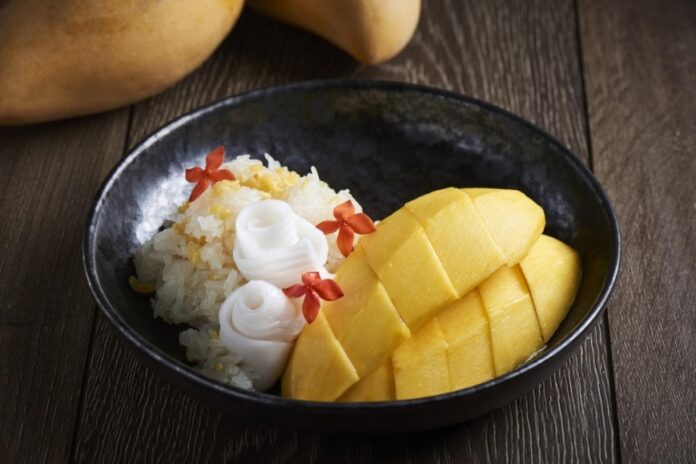
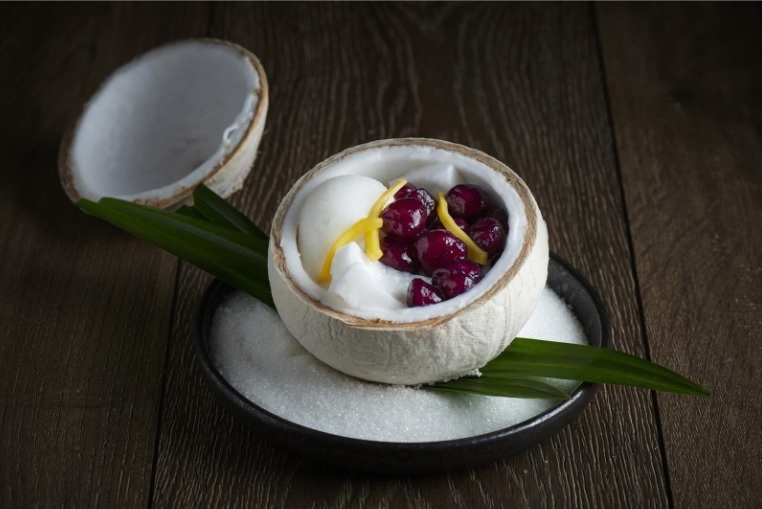
Cap off the meal with all-time favorite desserts such as “khao niew ma-muang mapraw orn” – sweet coconut sticky rice with ripe mango and warm coconut sauce, “ploykrob mapraw hom” – the cooling water chestnut amethyst with creamy coconut syrup and snowy ice as well as an extensive coffee selection using carefully selected beans of the hills of Chiang Mai and the northeastern part of Laos.

Enjoy the indulgent, healthy local Thai dishes prepared with authentic cooking methods and prime quality ingredients from all over Thailand at Siam Tea Room, Bangkok Marriott Marquis Queen’s Park, daily from 07.00 to 23.00hrs. For information and reservation, please contact +66 (0) 2 059 5999 or email [email protected].


Or connect with us via these channels:

Website:  www.bangkokmarriottmarquisqueenspark.com

Facebook:  https://www.facebook.com/siamtearoom/  

Line official account:  @siamtearoom

Advertisement

CP Food Campaigns Employees to Reduce Single-Use Plastic

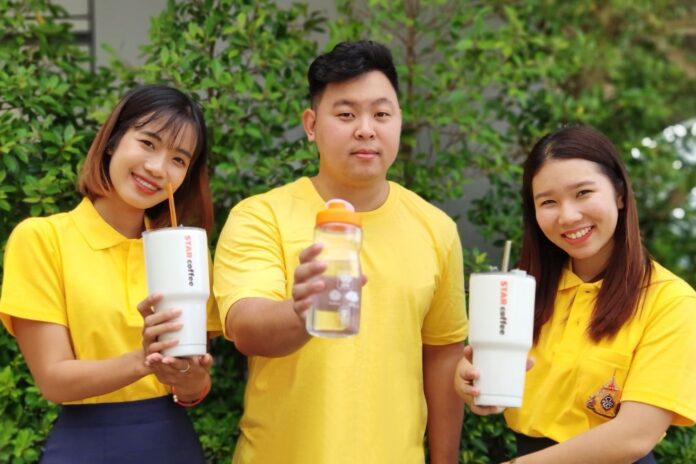
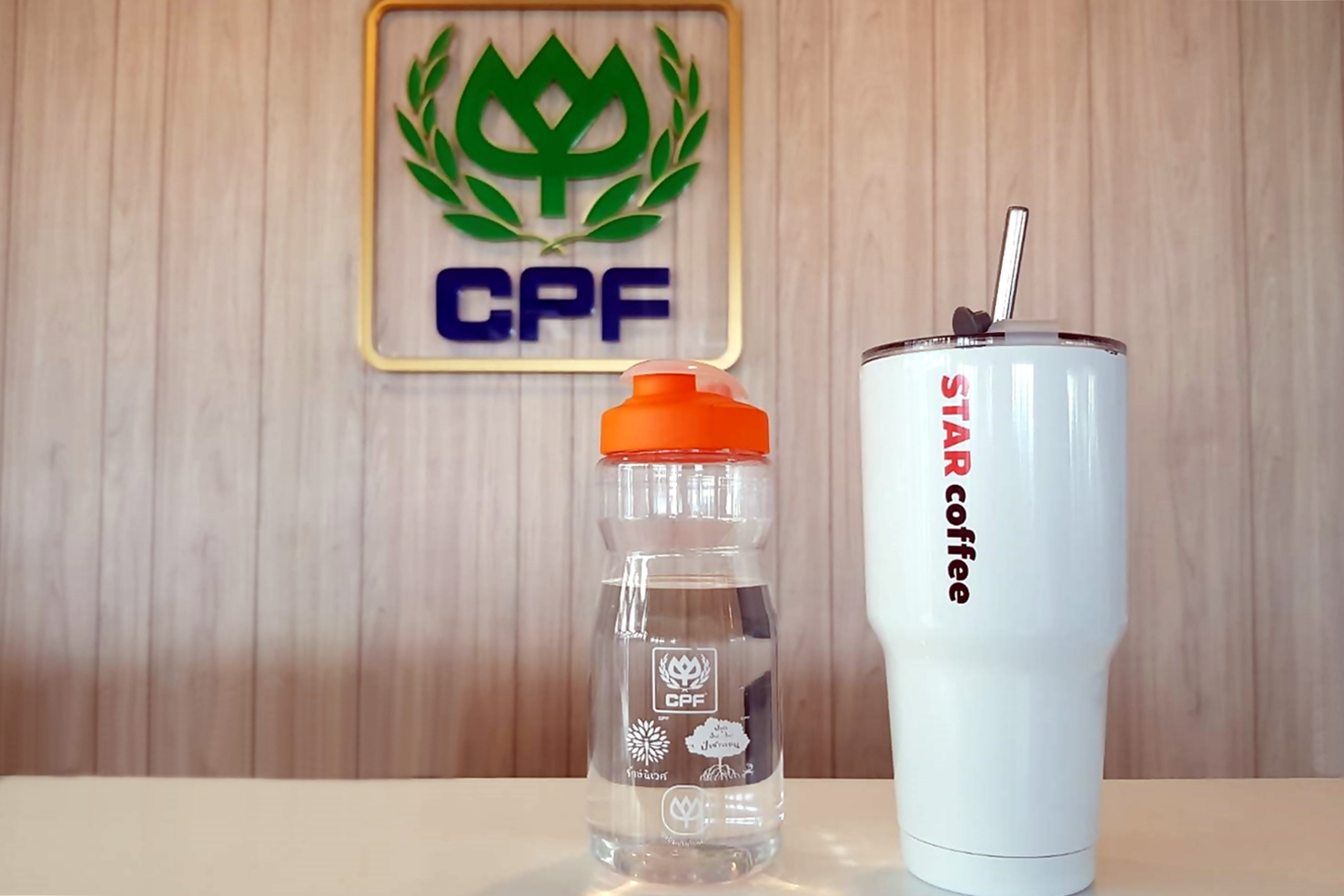
Charoen Pokphand Foods PCL (CP Foods) has campaigned its employees to reduce single-use plastic to lead them engage more on maximized use of natural resources base on Circular Economy principle.

Mr. Wuthichai Sithipreedanant, Senior Vice President for Corporate Social Responsibility and Sustainability Development of CP Foods, said the “Less Single-Use Plastic” campaign has come under the company’s Sustainable Packaging Policy and Principle, which priority targeted to reduce single-use plastic while engage more on reusable plastic among its 133,000 employees in Thailand. They will have conscious mind in carefully use of plastic through manage plastic waste on the proper way to ensure positive impacts to environment.

“The campaign aims mainly to cultivate all employees concern most on environmental conservation, starting with themselves by reducing single-use plastic. They can jointly promote this practice in their families and relatives to ensure sustainable globe,” said Mr. Wuthichai.

CP Foods has committed through the implementation of its Sustainable Packaging Policy and Principle to ensure that the company’s businesses will not create any negative impacts to environment. It targeted that the company’s plastic food packaging will be reusable or recyclable or upcyclable or compostable 100%. In addition, it also drew to eliminate problematic or unnecessary plastic packaging. The targets set to achieve goal by 2025 for operation in Thailand and its overseas investment by 2030.

Mr. Wuthichai added that such plastic campaign has been promoted in the organization and its operations for years in line with Sustainable Development Goals (SDGs) to ensure sustainable environment.

02

Advertisement

Hot News

LATEST NEWS

Bangkok
overcast clouds
34.4 ° C
34.4 °
32.7 °
71 %
4.2kmh
99 %
Mon
33 °
Tue
34 °
Wed
35 °
Thu
31 °
Fri
30 °