























28.3 C
Bangkok
Friday, July 24, 2026
Home Blog Page 18

Customs seize 17kg of heroin from transit passenger at Suvarnabhumi Airport

Customs seize 17kg of heroin from transit passenger at Suvarnabhumi Airport

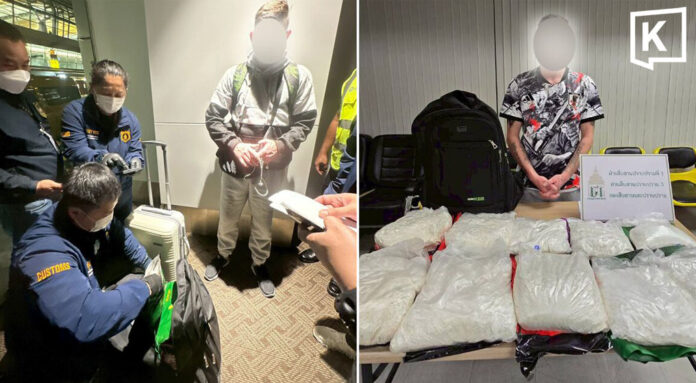
BANGKOK — 9 July 2026, Thai customs officials have arrested a foreign transit passenger after seizing 17.53 kilograms of heroin concealed inside food and dietary supplement packaging at Suvarnabhumi Airport, preventing the drugs from reaching their final destination in Madagascar.

The seizure was announced on 9 July by the Customs Department, whose Investigation and Suppression Bureau worked alongside the Airport Interdiction Task Force (AITF) after identifying a high-risk passenger suspected of smuggling narcotics.

According to authorities, the suspect had travelled from Kuala Lumpur International Airport in Malaysia and was transiting through Suvarnabhumi Airport before continuing to Addis Ababa, Ethiopia, en route to Ivato International Airport in Madagascar.

Customs officers then divided into two teams. One team inspected the traveller’s checked baggage at the transit passenger baggage handling facility after X-ray screening revealed suspicious objects inside the luggage. The second team intercepted the passenger at the boarding gate and escorted him, together with the luggage, for a detailed inspection.

The search uncovered coffee bags, green tea packets and dietary supplement packages from various brands concealing plastic bags filled with clumped white powder. A chemical test confirmed the substance was heroin.

Authorities seized a total of 17.53 kilograms of heroin, with an estimated street value of 7.3 million baht.

The suspect was taken into custody and handed over to investigators for legal proceedings, while authorities continue expanding the investigation to identify accomplices in the trafficking network both in Thailand and overseas.

The Director-General of the Customs Department said the arrest demonstrated the effectiveness of the department’s risk analysis system and close cooperation among enforcement agencies in preventing Thailand from being used as a transit hub for international drug trafficking. He reaffirmed the department’s commitment to protecting society from the threat of illicit narcotics.
Advertisement

Ancient burial site discovered as reservoir recedes in Nakhon Ratchasima

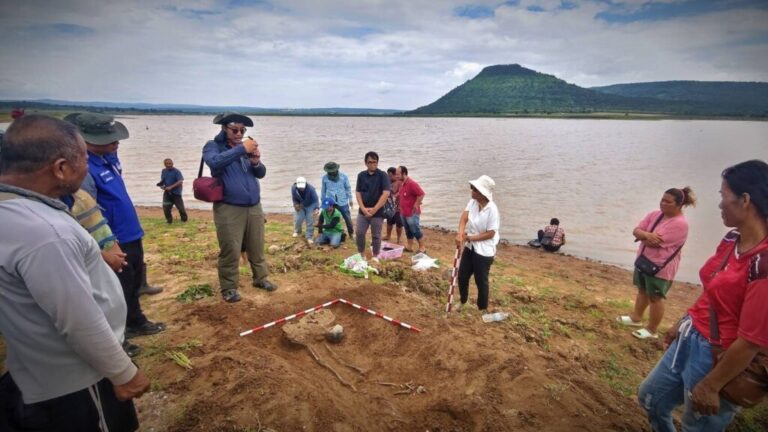
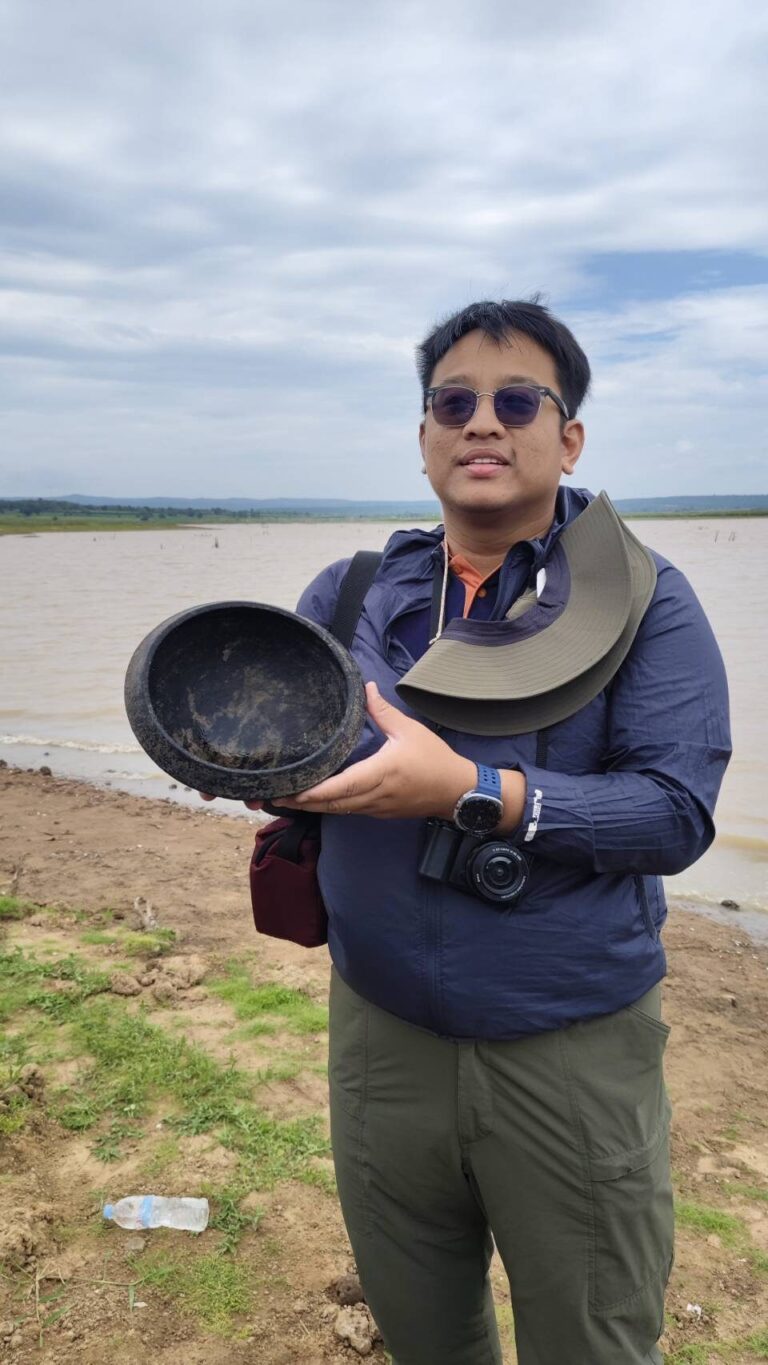
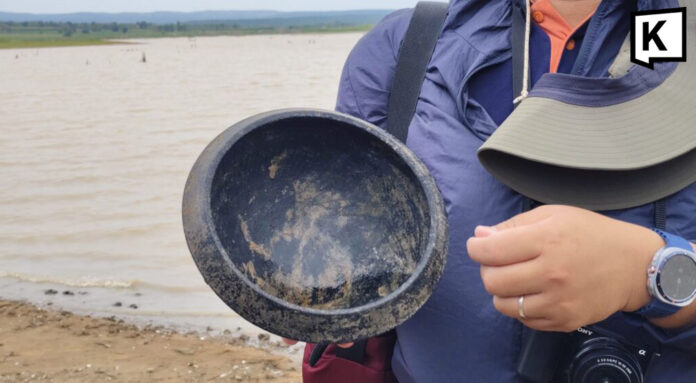
NAKHON RATCHASIMA — 9 July 2026, the 10th Regional Office of Fine Arts has uncovered what is believed to be an ancient burial mound dating to the Late Prehistoric period at the Mun Bon Dam, where archaeologists discovered human skeletal remains and a large number of artefacts, including a rare intact Phimai Black pottery vessel estimated to be about 2,500 years old.

news145937 tEl4ymrOxi1783588026 0

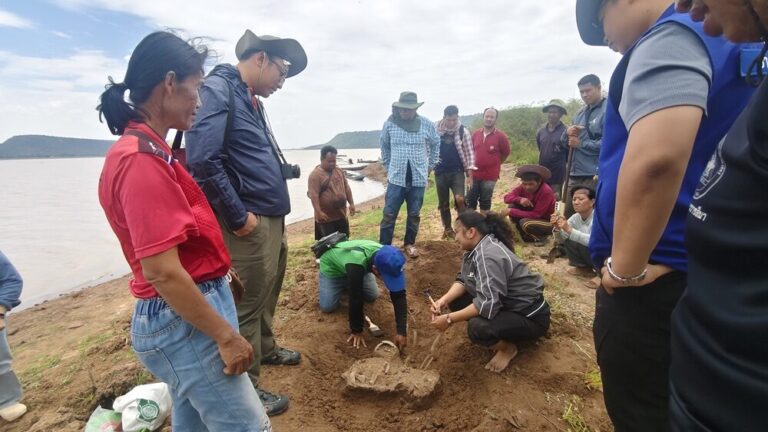
On Wednesday, officials from the 10th Regional Office of Fine Arts in Nakhon Ratchasima, led by the head of the Maha Wirawong National Museum and a senior archaeologist from the office, inspected the site after villagers reported finding human skeletal remains and a large quantity of archaeological evidence, particularly pottery fragments, in the middle of the Mun Bon Dam at Taling Chan Village (Moo 9), Chorakhe Hin subdistrict, Khon Buri district, Nakhon Ratchasima province.

They were joined by Khon Buri district officials, staff from the Mun Bon Water Transmission and Maintenance Project, and local community leaders. The inspection followed a continued decline in the reservoir’s water level, which exposed the site.

news145937 TcIxRwthLK1783588026 1024x576 0

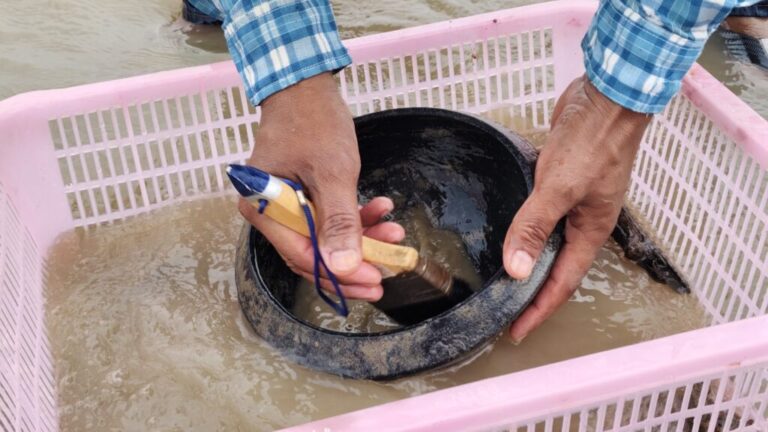
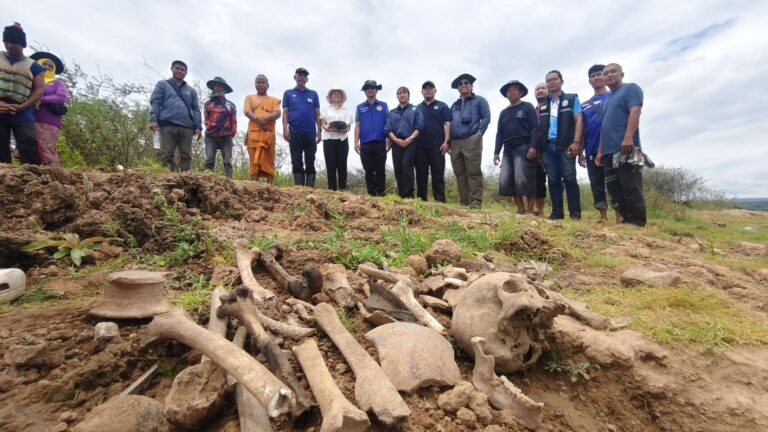
Officials initially discovered an intact Phimai Black ceramic vessel, resembling a bowl or alms bowl, measuring about 15 centimetres in diameter and estimated to date from approximately 2,500 to 1,500 years ago. Numerous human skeletal remains were also found nearby.

news145937 6xTEDMcaDR1783588028 0

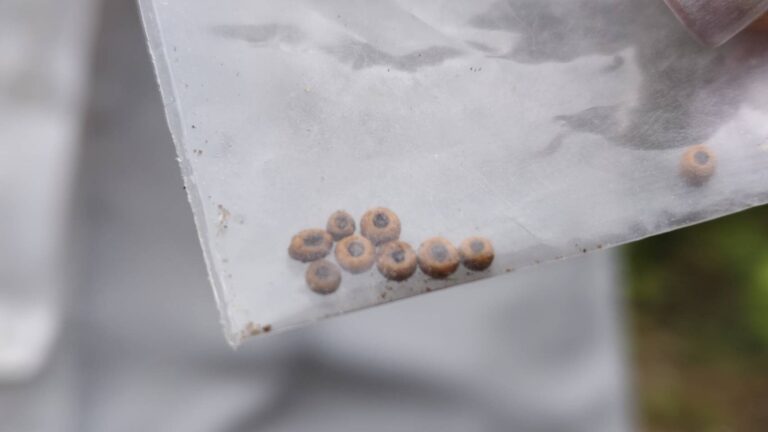
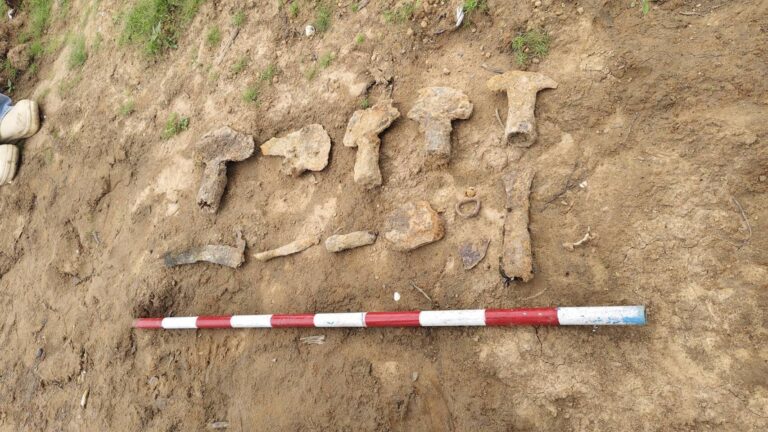
Additional archaeological evidence from the same period included orange glass beads scattered across the site, iron tools, earthenware pottery and polished stone axes. Several buried earthenware vessels believed to have been placed as grave goods alongside the deceased were also uncovered. The discovery area has been designated “Mun Bon Dam Archaeological Site 1.”

news145937 G5K5fYUMJF1783588025 0

Based on preliminary assessments, officials believe the site was an ancient burial mound from Thailand’s Late Prehistoric Iron Age because of its elevated position beside an ancient waterway. It may represent the closest prehistoric burial site ever discovered near the headwaters of the Mun River.

Wannapong Palakawong Na Ayutthaya, an archaeologist with the 10th Regional Office of Fine Arts, said the site contains clear evidence of a burial mound used by people of a Late Prehistoric culture.

news145937 1VUcLLe1zi1783588026

“The most remarkable discovery at Mun Bon Dam Archaeological Site 1 is the intact Phimai Black vessel because archaeologists usually recover only broken fragments of this type of pottery,” he said.

“The complete vessel allows us to make a relatively reliable preliminary estimate, placing the site in the Iron Age of the Late Prehistoric period, approximately 2,500 to 1,500 years ago.”

news145937 DDi6BV23Mc1783588026 1024x576 0

He added that Phimai Black pottery is typically found throughout the upper Mun River basin but has not previously been documented this close to the river’s headwaters.

Wannapong said the site appears to be a significant burial mound. Further archaeological research could provide valuable new insights into the prehistoric communities that once inhabited Khon Buri district, where isolated archaeological sites have previously been identified in areas including Sa Wan Phraya and Lam Phiak subdistricts. He said linking evidence from these sites could significantly improve understanding of human settlement and cultural development in the region during the Late Prehistoric period.

news145937 MbUQveeZxh1783588026 0

Advertisement

Two women arrested with 32kg of cannabis at Phuket airport

Two women held with 32kg of cannabis at Phuket airport

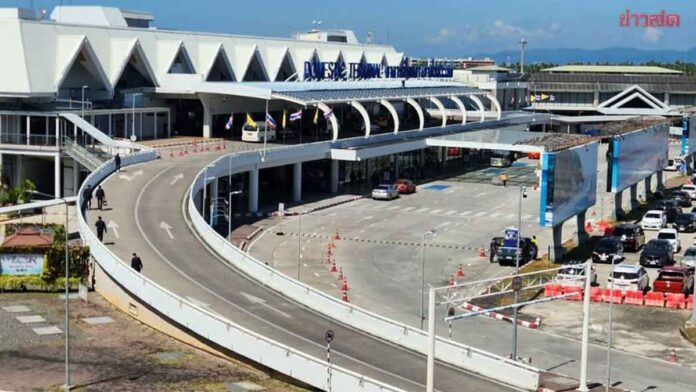
PHUKET — 9 July 2026, Customs officials and police arrested a Thai woman and a Filipino national after allegedly attempting to smuggle more than 32 kilograms of cannabis flower out of Thailand through Phuket International Airport, authorities said.

The operation was carried out by customs officers at Phuket Airport in coordination with Sakhu Police at the international departures terminal in Mai Khao Subdistrict, Thalang District.

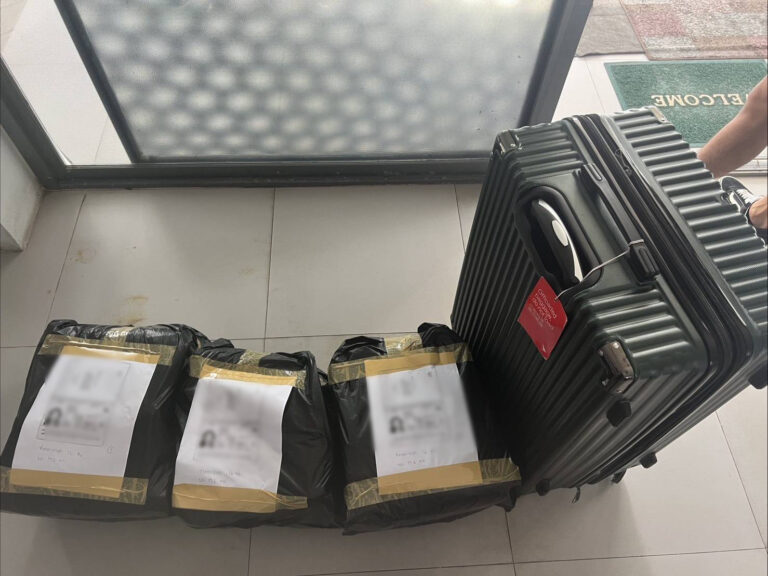
The first arrest took place at around 11:00, when officers inspected a black Pierre Cardin suitcase belonging to Levannah Chelsea Guzman, an 18-year-old Philippine national.

Inside the luggage, officers found 14 vacuum-sealed packages containing cannabis flower with a combined weight of 14.5 kilograms, including packaging.

news146061 NLKfehl14O1783649138

The suspect admitted ownership of both the suitcase and its contents, police said.

She was charged with attempting to export goods without completing customs procedures, along with offences under Thailand’s Narcotics Code, the Traditional Thai Medicine Wisdom Protection and Promotion Act, the Ministry of Public Health’s Controlled Herbs (Cannabis) Notification and other related laws.

At around 13:00, officers inspected a green SWISH NAVY suitcase belonging to Penpitcha Phutsiang, a Thai national.

The search uncovered 16 vacuum-sealed packages containing cannabis flower weighing 17.6 kilograms, including packaging.

Police said the second suspect also admitted ownership of the suitcase and the seized cannabis.

Both women were handed over to investigators at Sakhu Police Station for legal proceedings.

Authorities said the arrests form part of intensified efforts to prevent the illegal export of cannabis through Thailand’s international airports, with customs officials continuing to strengthen baggage inspections and enforcement measures.

Advertisement

Thailand, Malaysia resolve seafood trade dispute, target quick reopening of fisheries market

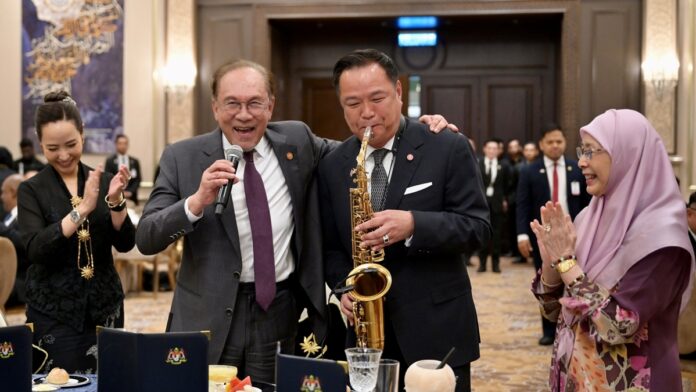
In this photo released by the Thai government spokesman office, Malaysian Prime Minister Anwar Ibrahim, second from left, sings while Thailand's Prime Minister Anutin Charnvirakul plays saxophone during the former's official visit, at the Federal Government office of Perdana Putra in Putrajaya, Malaysia, Thursday July 9, 2026. (The Thai government spokesman office via AP)

PUTRAJAYA, Malaysia — Thailand and Malaysia have agreed to swiftly resolve a recent fisheries trade dispute that disrupted seafood exports between the two countries, with both governments aiming to reopen affected markets within a week.

The breakthrough came after talks between Thai Prime Minister Anutin Charnvirakul and his Malaysian counterpart Anwar Ibrahim in Putrajaya on Thursday, during Anutin’s two-day official visit aimed at strengthening bilateral ties.

“We have resolved this outstanding issue of fisheries,” Anwar told reporters after the meeting, adding that both sides agreed the measures should be implemented within one week.

The dispute flared earlier this year after Thailand suspended imports of Malaysian sea bass over concerns about chemical residues. Malaysia later imposed temporary restrictions on certain varieties of Thai shrimp, citing food safety controls.

AP26190189200268
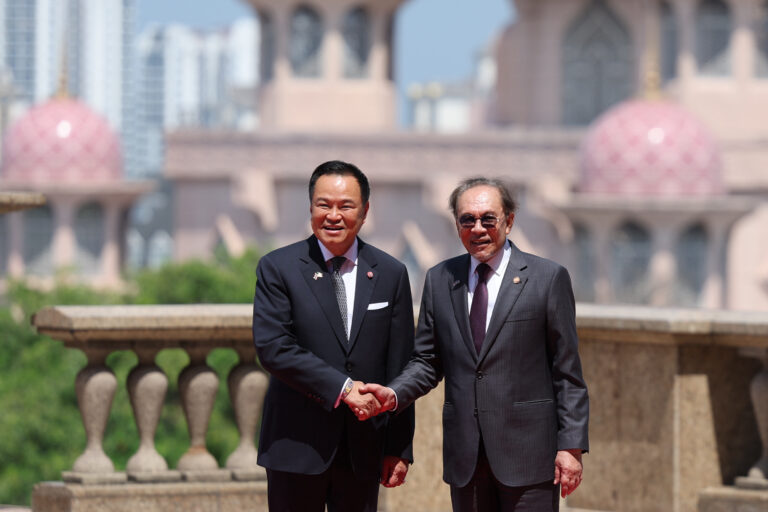
Thailand’s Prime Minister Anutin Charnvirakul, left, poses for a photograph with Malaysian Prime Minister Anwar Ibrahim with Putra Mosque in the background the former’s official visit, at the Federal Government office of Perdana Putra in Putrajaya, Malaysia, July 9, 2026. (Hasnoor Hussain/Pool Photo via AP)

According to the Thai government, agriculture ministers from both countries have now reached a mutual understanding and will expedite the reopening of agricultural and fisheries markets to ease the impact on farmers and seafood producers.

The two leaders also agreed to deepen economic cooperation by accelerating plans for a special border economic zone and improving cross-border trade and transport links.

On Friday, Anutin and Anwar are scheduled to jointly inaugurate the new Sadao border checkpoint in Thailand’s Songkhla province and Malaysia’s Bukit Kayu Hitam crossing, the busiest land trade gateway between the two countries.

Both governments also pledged to advance several connectivity projects, including the resumption of the Satun–Kuala Perlis ferry service, integration of ticketing systems for rail services between Bangkok, Hat Yai and Butterworth, the restoration of the Sungai Kolok–Rantau Panjang railway, and construction of a new cross-border bridge.

AP26190247885118
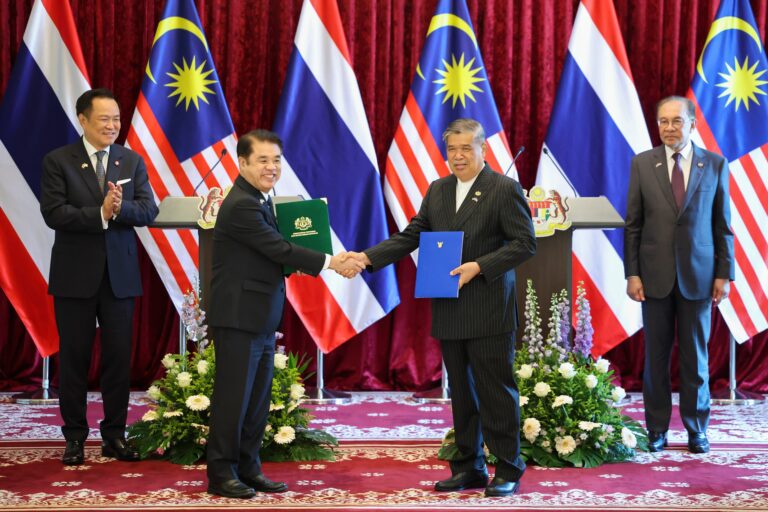
Thailand’s Prime Minister Anutin Charnvirakul, left, and Malaysia’s Prime Minister Anwar Ibrahim, right, look on the exchange of a memorandum of understanding between Thailand’s Minister of Agriculture and Cooperatives, Suriya Juangroongruangkit, and Malaysia’s Minister of Agriculture and Food Security, Mohamad Sabu at the Federal Government office of Perdana Putra in Putrajaya, Malaysia, Thursday, July 9, 2026. (Hasnoor Hussain/Pool Photo via AP)

Thailand and Malaysia also reaffirmed their commitment to boosting bilateral trade, with a shared target of reaching 30 billion in trade in the near future. The leaders said they would strengthen supply chains in food security, energy and high-tech industries while promoting investment, tourism and job creation in border areas.

The two prime ministers also witnessed the exchange of a memorandum of understanding on agricultural cooperation covering crops, livestock, fisheries, research, technology transfer, human resource development and food security.

On regional issues, Anwar praised Thailand’s role in addressing the crisis in Myanmar, saying both countries believe lasting progress will require constructive engagement by all stakeholders. Thailand, which shares a long border with Myanmar, has continued humanitarian assistance while supporting regional efforts to restore peace.

AP26190192370314
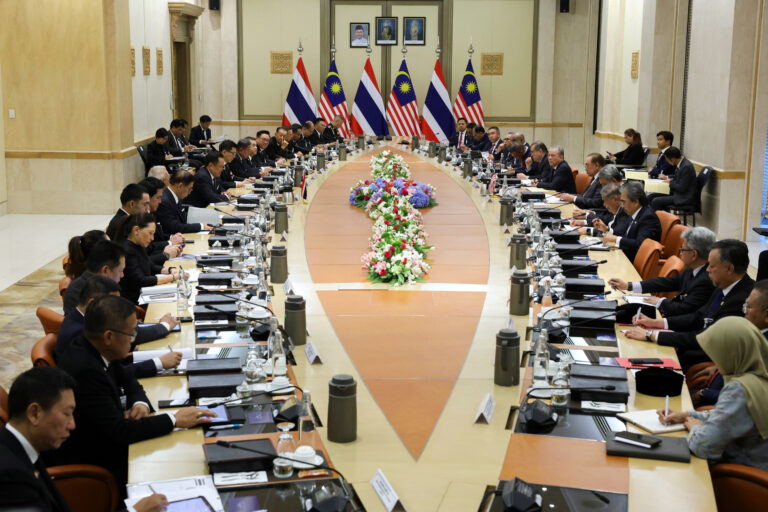
Thailand’s Prime Minister Anutin Charnvirakul, left and Malaysian Prime Minister Anwar Ibrahim, right, attend a bilateral meeting during the former’s official visit, at the Federal Government office of Perdana Putra in Putrajaya, Malaysia, July 9, 2026. (Hasnoor Hussain/Pool Photo via AP)
AP26190189200268
Thailand’s Prime Minister Anutin Charnvirakul, left, poses for a photograph with Malaysian Prime Minister Anwar Ibrahim with Putra Mosque in the background the former’s official visit, at the Federal Government office of Perdana Putra in Putrajaya, Malaysia, July 9, 2026. (Hasnoor Hussain/Pool Photo via AP)

Addressing security concerns closer to home, Anutin said ending violence in Thailand’s southern border provinces remained one of his government’s highest priorities, stressing that economic development and peace-building must go hand in hand. The two countries also agreed to expand cooperation against transnational crime, drug trafficking, human trafficking and border security, while establishing a joint mechanism to manage the Golok River and improve flood warning systems.

Advertisement

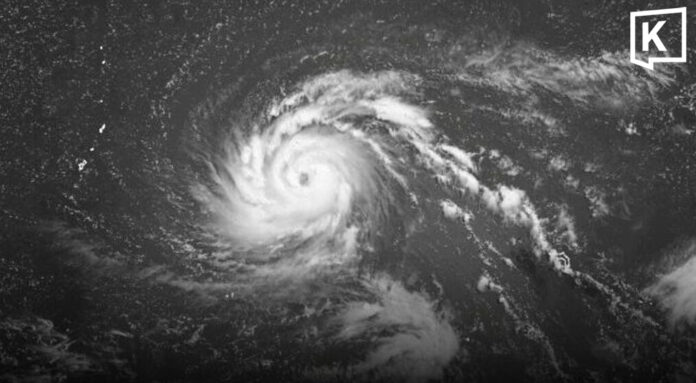
Typhoon Bavi to intensify monsoon, bringing heavy rain to Thailand despite staying offshore

Typhoon Bavi to intensify monsoon, bringing heavy rain to Thailand despite staying offshore

BANGKOK — 9 July 2026, Thailand’s Meteorological Department has warned that although Typhoon Bavi will not make landfall in Thailand, it is expected to strengthen the southwest monsoon and bring heavy rain and possible flash floods to parts of the country between 10 and 15 July.

The department issued a warning for strong winds and rough seas in the Andaman Sea and the upper Gulf of Thailand, as well as heavy to very heavy rainfall along the western coast of southern Thailand, western parts of the Central Plains and the eastern region during the period.

Five provinces in particular — Ranong, Phang Nga, Kanchanaburi, Chanthaburi and Trat — have been urged to remain alert for flash floods and forest runoff.

Although Typhoon Bavi is not forecast to move directly into Thailand, it will strengthen the southwest monsoon prevailing over the country, resulting in heavy to very heavy rainfall and accumulated precipitation in many areas.

Farmers in affected areas have been advised to prepare their agricultural land to minimise potential damage.

Anchalee Suvachittanont, Director-General of the Department of Agricultural Extension, said farmers in the Central, Eastern and Andaman regions should jointly assess the situation and survey high-risk areas to prepare preventive measures and reduce the impacts of Typhoon Bavi, particularly on 11–12 July, when the southwest monsoon is expected to intensify over Thailand.

Furthermore, the overall forecast for mid-July indicates rainfall coverage of about 60–70% across the country, with nationwide rainfall expected to increase further to around 85% in August. Authorities warned that the prolonged wet conditions could lead to agricultural losses and urged farmers to implement long-term preventive measures in advance.

Advertisement

Chinese-backed ore processing plant halted amid pollution concerns

Chinese-backed ore processing plant halted amid pollution concerns

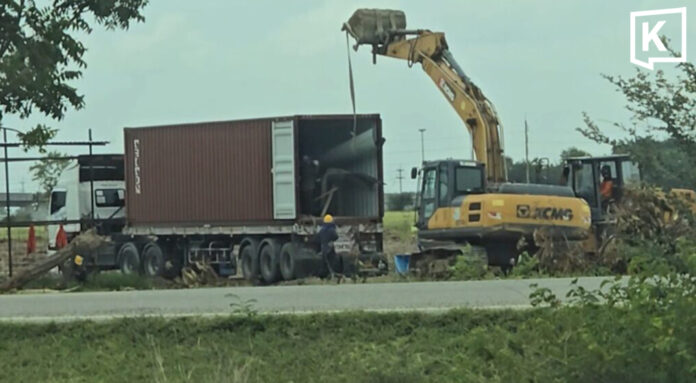
KANCHANABURI9 July 2026, Authorities have ordered an immediate halt to construction of a Chinese-backed ore processing plant in Kanchanaburi after discovering the project had begun building works without a construction permit, amid growing public concern over potential environmental impacts.

The move follows protests by more than 1,000 residents of Nong Khao Subdistrict, Tha Muang District, who oppose the project over fears that wastewater and chemicals used in ore processing could leak into a nearby irrigation canal.

Residents say the canal is a key water source supplying local tap water systems, the Provincial Waterworks Authority’s Phanom Thuan facility and agricultural communities in Kanchanaburi and neighbouring Suphan Buri province.

Udon Pheng-aram, mayor of Nong Ya Dok Khao Municipality, said the company had applied to establish the factory and had completed the legally required public consultation process.

He said the municipality had approved only land preparation work and had not issued a permit allowing construction of the ore processing plant.

“The construction of buildings without approval is considered unauthorized,” he said.

The municipality has therefore issued an order suspending all construction activities on the site with immediate effect.

The mayor said any future application for a construction permit would require careful consideration, particularly because the proposed facility is located close to an irrigation canal that serves as an important water source.

He stressed that no construction permit has been signed or issued for the ore processing plant.

The proposed project has drawn widespread opposition from local communities, who fear that any chemical spill or leakage could contaminate water supplies and affect residents and farmers across several districts.

Advertisement

Thai police uncover alleged fake birth registration scheme involving 164 Chinese children

Thai police uncover alleged fake birth registration scheme involving 164 Chinese children

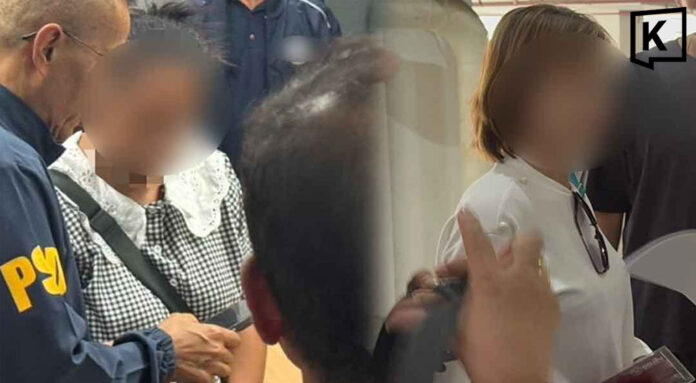
BANGKOK — 9 July 2026, Thai police have arrested hospital and district office officials in connection with an alleged fake birth registration scheme that authorities say helped 164 Chinese children obtain Thai nationality by using fake Thai fathers on their birth certificates.

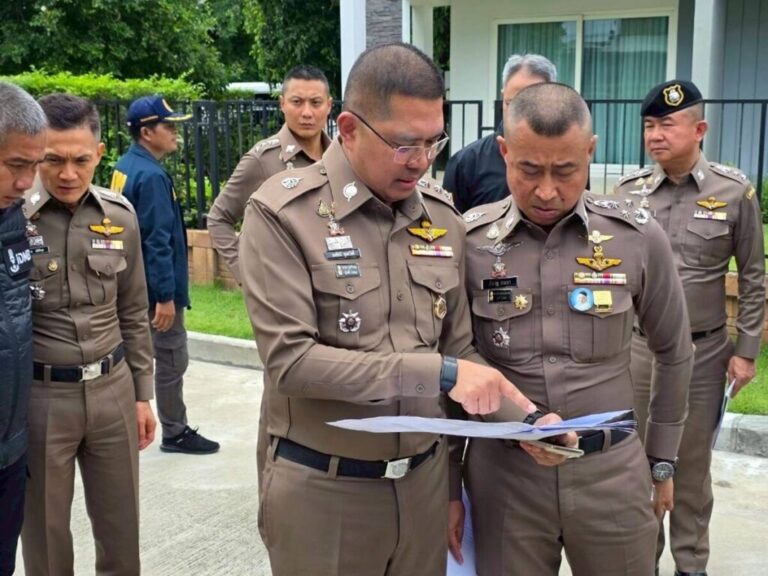
Pol. Gen. Samran Nualma, Deputy Commissioner-General of the Royal Thai Police, alongside Pol. Lt. Gen. Nophasin Phoolsawat, Bureau Chief attached to the Office of the Commissioner-General, and Witoon Sirinukul, Deputy Director-General of the Department of Provincial Administration, are preparing to lead Metropolitan Police officers in a crackdown on Thursday.

The operation targets paid “fake Thai fathers” who allegedly falsely acknowledged paternity for foreign children while acting in collusion with staff at a hospital and officials at a district office, both located on the Thonburi side of Bangkok.

S 89268311 0 1024x768 0

Meanwhile, Pol. Maj. Gen. Chotiwat Luangwilai, commander of the Metropolitan Police Division, led investigators in arresting a medical records officer at a private hospital in Thonburi district. Police identified her as a broker for the alleged “Chinese Infant” scheme, responsible for recruiting Chinese clients seeking to give birth at the hospital through a 70,000-baht package. Investigators said she received about 20,000 baht per case for processing and coordinating the required paperwork and had allegedly operated the scheme for more than five years.

An examination of hospital records identified 164 Chinese children whose births had been registered using Thai fathers over the past five years. Investigators found no prenatal records involving Thai fathers but said Thai men later appeared solely to acknowledge paternity, allowing the hospital to issue birth registration documents identifying them as the fathers.

Pol. Maj. Gen. Chotiwat read the arrest warrant to the suspect and informed her of the charges, including being a public official who unlawfully performed or omitted official duties or acted corruptly in office, while also advising her of her legal rights.

S 89268309 0 1024x768 0

Authorities also arrested a district office official in the Thonburi area, who is accused of acting as a co-conspirator by facilitating paternity registrations and issuing birth certificates for the Chinese children.

Both suspects were taken to Metropolitan Police Division 8 for questioning as investigators continue expanding the case.

Authorities said they are also seeking search warrants to raid properties linked to the parents of the Chinese children allegedly involved in the scheme.

S 89268307 1024x768 0

Advertisement

Bangkok closes roads after MRT tunnel water intrusion

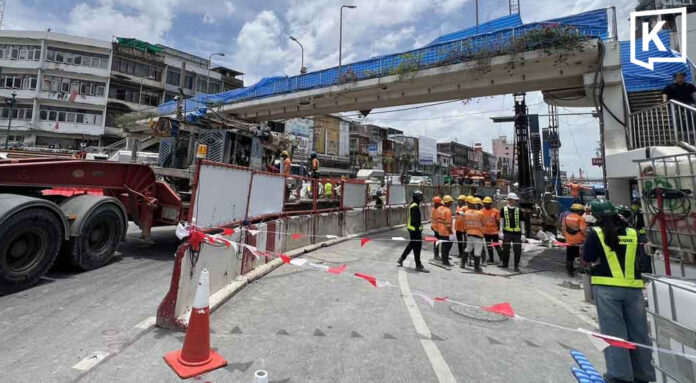
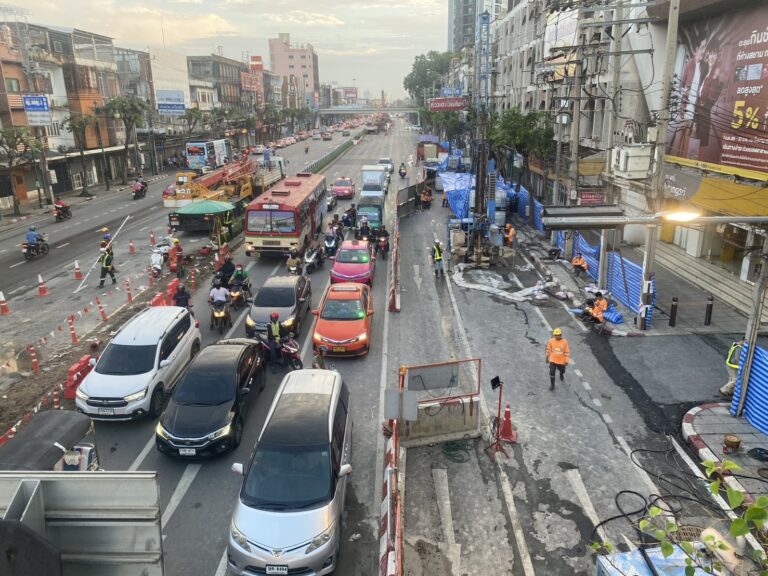
BANGKOK — 9 July 2026, Authorities have closed all traffic lanes between Ban Khaek Intersection and Wongwian Yai after water leaked into a construction shaft of the southern Purple Line MRT project, as engineers work to pump out water and repair the damaged section.

The closure follows an incident in which groundwater seeped into a sump pit beneath the underground railway construction site at Wongwian Yai. On the night of 8 July 2026, Prime Minister Anutin Charnvirakul visited the site to monitor the situation, saying the accumulated water remained under control while instructing relevant agencies to resolve the problem quickly to ensure public safety.

When reporters visited the site on the morning of 9 July 2026, engineers and officials from the Mass Rapid Transit Authority of Thailand (MRTA) were continuing to monitor conditions.

MRTA Chairman Montri Dechasakulsom said preliminary assessments indicate the leak originated from a defect in the project’s sump pit, where groundwater is collected before being pumped out.

He said engineers immediately began sealing the leak while continuously pumping water to prevent additional inflow.

S 2850844

According to the MRTA, groundwater entered the construction site at a rate of about 70 cubic metres per hour overnight. By the morning, the inflow had fallen to approximately 50 cubic metres per hour, indicating that the situation was improving.

Montri stressed that the incident is unrelated to a previous groundwater leak reported at another construction site in Samsen, describing the latest case as a construction defect. The contractor has been instructed to complete repairs as quickly as possible.

To reduce groundwater pressure, the MRTA has ordered additional dewatering measures, including drilling 50-metre-deep wells to draw groundwater away from the site. Grouting work to seal the leak has already been completed, while construction of an underground curtain wall is underway to prevent further seepage and minimise impacts on surrounding properties.

Officials said inspections have found no additional ground subsidence, structural tilting or new cracks. A nearby pedestrian bridge remains structurally sound, while district engineers have been asked to inspect surrounding buildings to reassure residents.

Responding to reports of cracks in nearby buildings and roads, Montri said some cracks predated the incident. However, contractors have been instructed to conduct detailed inspections of every building in the affected area alongside district engineering officials.

The additional groundwater pumping system is expected to begin operating on 9 July 2026, with water extraction scheduled to start on 10 July 2026. Construction of the underground curtain wall is expected to be completed within about one week.

The southern Purple Line MRT project remains on schedule for completion by the end of 2027, officials said, adding that the situation remains under control and is being monitored around the clock.

pawa5

To facilitate repair work, authorities initially closed the two leftmost outbound lanes on Prajadhipok Road. From 11:00 on 9 July 2026, all traffic from Ban Khaek Intersection to Wongwian Yai via Prajadhipok Road was closed, with vehicles diverted onto the inbound carriageway.

Nearby residents expressed concern following the incident.

Beam, a 28-year-old beverage vendor whose shop is close to the construction site, said he worries that the leak could worsen existing structural damage after the recent earthquake.

He said he has operated his business in the area for about a year and has noticed gradual ground settlement, heavy dust from construction and strong vibrations during excavation and piling work.

Beam urged authorities to thoroughly inspect the area and ensure public safety, noting that the road is heavily used by commuters. He also showed reporters a crack beside a nearby building, saying it had appeared only recently after water seeped into the tunnel construction site.

pawa3

Advertisement

Ayutthaya elephants win praise for waiting at red light

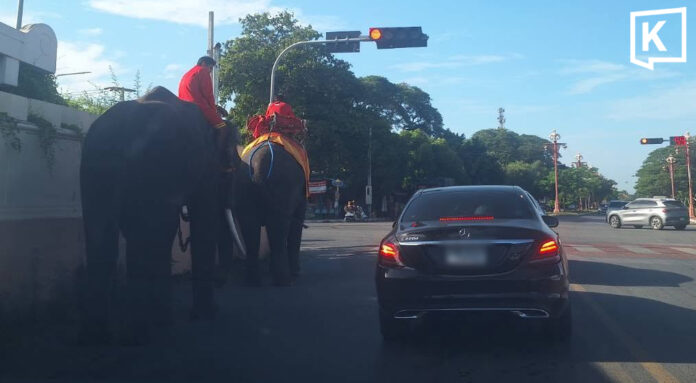
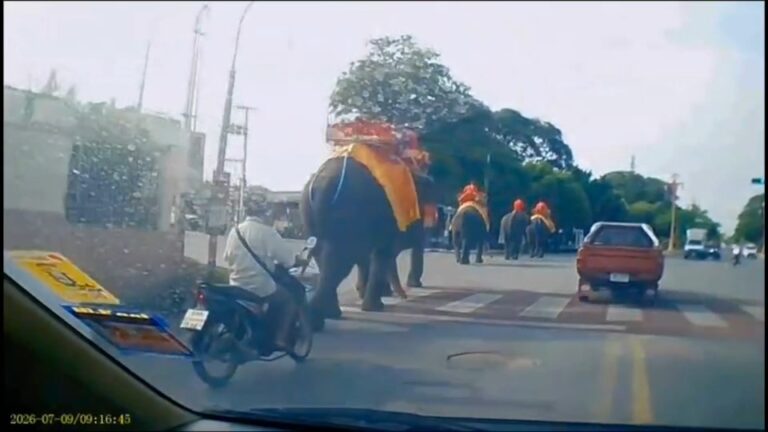
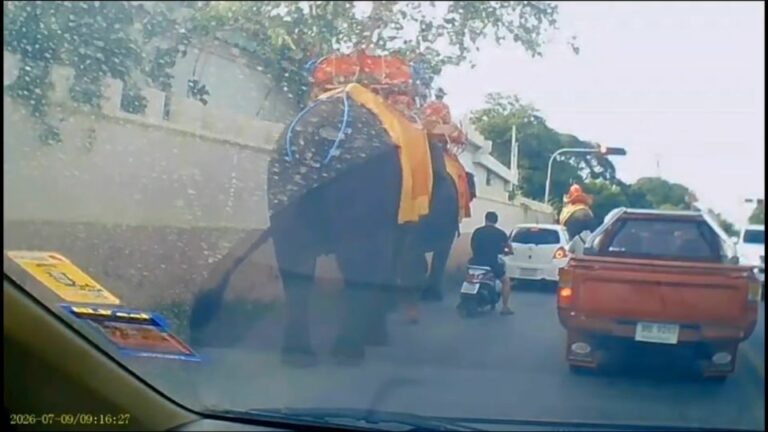
AYUTTHAYA — 9 July 2026, A convoy of elephants from the Ayutthaya Elephant Palace & Royal Kraal has won widespread praise online after a video showed the animals patiently waiting at a red traffic light alongside motorists, offering a striking reminder of the importance of road safety.

The clip, recorded at the Chikun intersection in front of Wat Ratchapraditsathan in Phra Nakhon Si Ayutthaya, quickly spread across social media after being posted by Facebook user Aunlove Love.

The footage shows several elephants, each accompanied by a mahout, stopping calmly when the traffic signal turned red. The animals waited in line beside cars and motorcycles without crossing the intersection until the light turned green.

The post was accompanied by the message: “Never get tired of this. It’s so adorable. Ayutthaya’s elephants know the rules and obey traffic laws. If elephants can respect traffic regulations, so can we.”

The poster, 45-year-old Worakit, known as “Aun,” told reporters he witnesses the scene almost every day while commuting to and from work.

news145880 EbWIFCqLPd1783580958

He said the elephant convoy, usually consisting of four elephants walking in small groups, regularly travels along the same route to carry out activities organised by the Ayutthaya Elephant Palace & Royal Kraal.

According to Worakit, whenever the traffic light at the Chikun intersection changes to yellow or red, every elephant stops immediately and waits until the signal turns green before continuing, strictly following traffic regulations.

“I’ve always been impressed by this sight,” he said. “Sometimes you still see motorists running red lights, yet these elephants patiently wait. I wanted to share the video as a reminder that everyone should respect traffic rules.”

news145880 te9NSwi8bX1783580958

The post has since attracted thousands of reactions, comments and shares, with many social media users praising both the elephants’ discipline and the training provided by their mahouts.

Many commenters said the scene reflected an important lesson for society, noting that if even elephants can wait for a green light, motorists should be able to do the same.

While seemingly an ordinary moment on the road, the viral video has become a symbol of responsible road use, reminding the public that obeying traffic laws helps reduce accidents, prevent injuries and save lives.

As many online users commented, waiting just a few extra moments at a red light could make all the difference in ensuring everyone’s safety.

Advertisement

Chiang Mai ranks world’s third-best city in 2026, surpassing Siem Reap and Tokyo

Chiang Mai ranks world's third-best city in 2026, surpassing Siem Reap and Tokyo

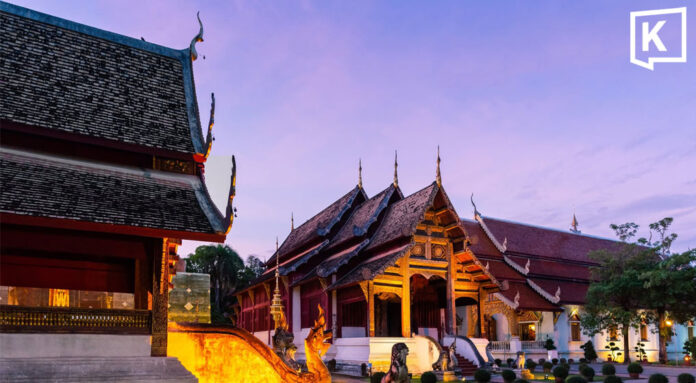
Chiang Mai has made its mark on the global tourism stage after being named the third-best city in the world in the Travel + Leisure World’s Best Awards 2026. The northern Thai city also ranked second in Asia, behind Kyoto, Japan, while placing ahead of Bangkok, Siem Reap and Tokyo.

The recognition marks another major international achievement for Thailand’s tourism industry.

The rankings are compiled by Travel + Leisure, a leading U.S.-based travel magazine, based on a global reader survey. This year’s awards drew responses from more than 207,000 readers, who cast over 661,000 votes across more than 10,088 travel-related businesses and destinations worldwide, including hotels, resorts, cities, islands, national parks, tour operators, safaris, airlines, airports, trains and other travel entities.

In the World’s Best Cities category, San Miguel de Allende, Mexico, claimed the top spot with a score of 93.07, followed by Kyoto, Japan, with 92.02. Chiang Mai ranked third with 91.88, ahead of Hoi An in Vietnam, Siem Reap in Cambodia and Tokyo in Japan.

Top 10 World’s Best Cities 2026

1. San Miguel de Allende, Mexico — 93.07

2. Kyoto, Japan — 92.02

3. Chiang Mai, Thailand — 91.88

4. Hoi An, Vietnam — 91.81

5. Oaxaca, Mexico — 91.59

6. Bangkok, Thailand — 91.29

7. Jerusalem, Israel — 91.11

8. Siem Reap, Cambodia — 90.59

9. Mexico City, Mexico — 90.49

10. Tokyo, Japan — 90.44

The rankings reflect Chiang Mai’s enduring appeal as one of the world’s leading destinations among international travellers. Readers praised the city’s rich Lanna cultural heritage, historic temples, renowned local cuisine, natural scenery and internationally recognised hospitality, making it a favourite for visitors seeking both cultural experiences and nature-based tourism.

Advertisement

Hot News

LATEST NEWS

Bangkok
overcast clouds
28.3 ° C
28.3 °
25.5 °
81 %
3.1kmh
100 %
Thu
27 °
Fri
36 °
Sat
37 °
Sun
31 °
Mon
34 °