




























29.4 C
Bangkok
Wednesday, July 1, 2026
Home Blog Page 1857

World Court Opens Preliminary Probe Into Rohingya Expulsions

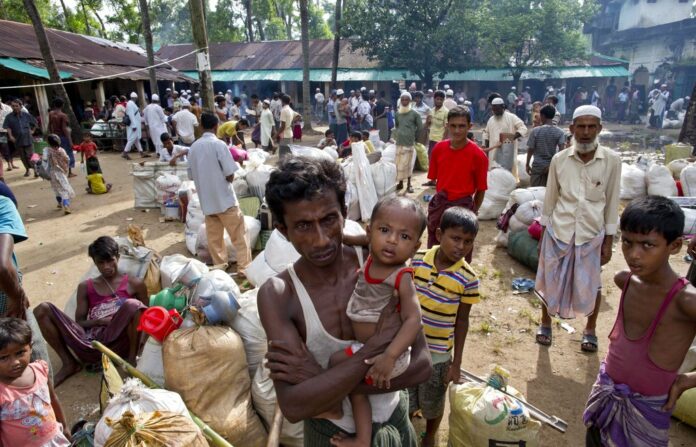
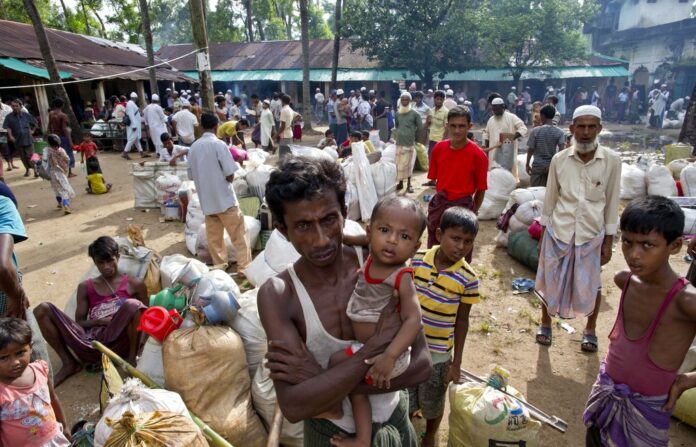
Newly arrived Rohingya Muslims from Myanmar prepare to leave a transit shelter in 2017 in Shahparirdwip, Bangladesh. Photo: Gemunu Amarasinghe / Associated Press

THE HAGUE, Netherlands — The International Criminal Court’s chief prosecutor announced Tuesday that she is launching a preliminary investigation into deportations of hundreds of thousands of Rohingya Muslims from Myanmar into Bangladesh.

Prosecutor Fatou Bensouda said in a written statement and video message that she has begun a probe formally known as a preliminary examination to establish if there is enough evidence to merit a full-blown investigation.

Bensouda said she will look at reports of “a number of alleged coercive acts having resulted in the forced displacement of the Rohingya people, including deprivation of fundamental rights, killing, sexual violence, enforced disappearance, destruction and looting.”

Myanmar’s military has been accused of widespread rights violations, including rape, murder, torture and the burning of Rohingya villages – leading about 700,000 Rohingya to flee to neighboring Bangladesh since August last year.

Bensouda’s announcement came less than two weeks after judges at the court gave her authorization to investigate the deportations despite Myanmar not being a member state of the court.

Judges said in their landmark ruling that because part of the alleged crime of deportation happened on the territory of Bangladesh – which is a member of the court – Bensouda has jurisdiction. Judges urged her to conclude her preliminary examination “within a reasonable time.”

The ICC is a court of last resort, which steps in only when national authorities are unable or unwilling to prosecute alleged crimes. Bensouda said prosecutors “will be engaging with the national authorities concerned with a view to discussing and assessing any relevant investigation and prosecution at the national level.”

Bensouda’s announcement came on the day that U.N.-backed investigators presented a report that painted a grim picture of crimes against Rohingya. Such reports will likely be closely studied in Bensouda’s probe.

The fact-finding team presented the report to the U.N.-supported Human Rights Council in Geneva.

It reiterated earlier findings that some top Myanmar military leaders should be prosecuted for war crimes, crimes against humanity and genocide against the Rohingya during a deadly crackdown that erupted in August 2017 following militant attacks on security posts in Rakhine state.

Myanmar’s new ambassador in Geneva has lashed out at what he called a “one-sided” report.

In Washington, the State Department said it had “serious concerns” about the Myanmar judicial system’s ability to hold people accountable for abuses against Rohingya, but would not be drawn on whether it supports an ICC investigation.

“U.S. government . will take a very close look at what forum or what venue we think is most appropriate for handling these types of very sensitive cases,” spokeswoman Heather Nauert told reporters Tuesday.

Last week, hawkish U.S. National Security Adviser John Bolton denounced The Hague-based court as a threat to American sovereignty and U.S. national security interests.

Story: Mike Corder
Advertisement

Police Show off Seizures of Meth, Heroin, Marijuana

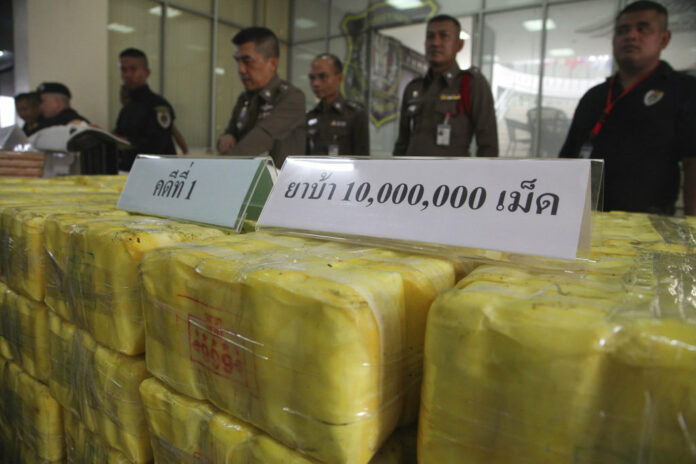
Policemen stand in front of seized methamphetamine pills at the Narcotics Suppression Bureau during a Tuesday press conference in Bangkok. Photo: Associated Press

BANGKOK — Police on Tuesday announced three large seizures of illegal drugs, including 10 million methamphetamine pills and 37 kilograms (81 pounds) of heroin hidden under sacks of chicken manure.

Police said four people were arrested after the methamphetamine and heroin were discovered last Sunday in a pickup truck concealed between large sacks of chicken manure. The arrests followed a tipoff from an informant, they said in a statement.

In another case, police said three people were arrested last Saturday and charged with possession of 2,060 grams (73 ounces) of crystal methamphetamine bought from a gang of Africans. Police said the drugs were destined to be trafficked to customers in New Zealand.

In the third case, police seized 917 kilograms (2,020 pounds) of marijuana last Thursday and arrested six people.

Police showcased the piles of drugs in a news conference at the Narcotics Suppression Bureau.

Authorities often make several seizures a year of a million or more methamphetamine tablets, usually arresting low-level traffickers and drivers.

Advertisement

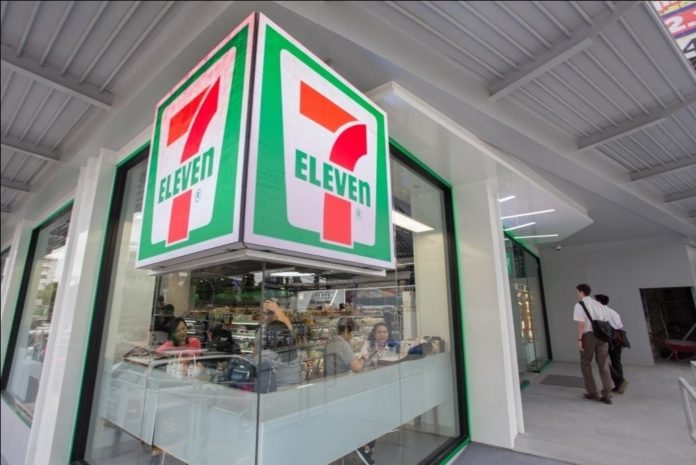
Banking Coming in October to Every 7-Eleven

A December 2017 file photo of a 7-Eleven store in Nonthaburi province

BANGKOK — Twenty-million bank customers will be able to make basic transactions at all 7-Eleven stores when a pilot banking program launches next month.

Government Savings Bank customers will be the first able to deposit and withdraw funds at more than 13,000 convenience stores across country starting Oct. 31, the bank announced Tuesday.

Bank president Chatchai Payuhanaveechai said customers will use the bank’s mobile application to authorize transactions that could then be fulfilled at the counter. Deposits of up to 30,000 baht will be possible around the clock, while withdrawals of up to 5,000 baht per transaction or 20,000 baht per day will be limited to 8am to 10pm.

There is no minimum amount per transaction. The service will likely be expanded to other banks in the future.

Customers will pay a 15 baht fee for every transaction, which will be offered as part of 7-Eleven’s Counter Service. There will be no fees for the first year for customers aged 7 to 20.

The launch of convenience-store banking was seen earlier this year as a way for commercial banks to scale down spending on branches and personnel. Chatchai said his customers shouldn’t fear that their neighborhood branch is going to close anytime soon.

“The bank won’t close branches but we also won’t open new ones,” he said. “Collaborating with 7-Eleven on our banking services will make it more convenient for our customers in the countryside.”

According to Chatchai, there are about 6,000 branches of 7-Eleven outside the capital. That’s about six times the bank’s 1,070 branches serving its 20 million customers nationwide.

Korsak Chairasmisak, president of 7-Eleven owner CP All, said the company has been preparing the service as banks are shutting down more branches.

The Bank of Thailand changed its regulations to allow convenience stores to offer banking services as a number of banks continue to downsize.

Chatchai said he hopes the initiative will attract 10 million more customers to his bank in the next two years.

Related stories:

Will 7-Eleven Pick Up Where Thailand’s Banks Leave Off?

Advertisement

Army Commander Threatens Families of Southern Militants

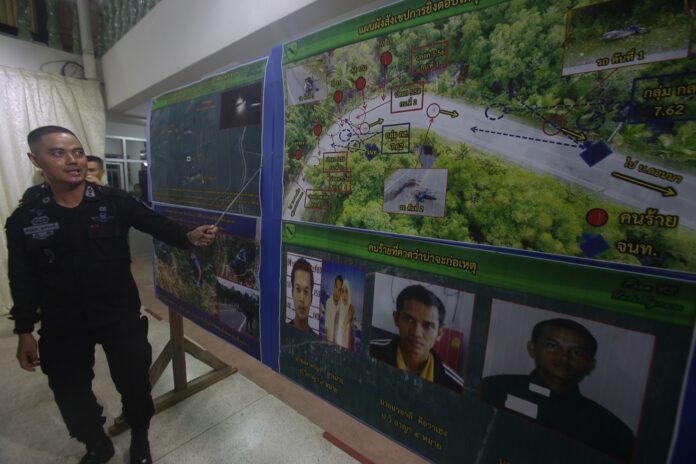
A soldier gives a briefing about suspected perpetrators of a recent ambush Sunday in Pattani province.

PATTANI — Some residents in the southern province of Pattani say they’re intimidated by an ongoing army search for suspected separatists behind a recent deadly attack.

While the military defended the manhunt for those behind last week’s ambush which left two rangers dead, locals living in Nong Chik district told the media they fear indiscriminate arrests and reprisals from security forces.

At the heart of their complaints is a new measure imposed under martial law requiring every household there to turn over their firearms, vehicles, motorcycles and even fishing boats to soldiers to verify ownership. A regional commander also hinted at punishing family members of wanted militants.

“This is an unprecedented phenomenon,” Nong Chik resident Zahri bin Ishak said in an interview. “We had never seen use of martial law powers like this. Usually it was only used to detain a person. But this is like detaining the entire district.”

Read: Drone Shoot-Down Policy Imposed in Deep South

The military said more than 1,000 soldiers, rangers, marines and police are participating in the operation, backed by helicopter patrols. Checkpoints have been set up, homes raided and suspected separatists detained since Sunday.

Col. Thanawee Suwannarat, a spokesman for a counter-insurgency unit, said tougher measures are necessary in order to capture those responsible for killing two rangers in the Sept. 12 attack, which left four others wounded.

“Although martial law has been in effect for many years now, we didn’t use all of the provisions previously,” Thanawee said. “But a serious incident took place recently, and there are many militants and their sympathizers in the area. They have a strong presence in these two subdistricts. So we have to step up our measures.”

Thanawee, who represents the Internal Security Operation Command, said at least two people have been arrested and identified as the perpetrators.

However, media reports quote Nong Chik residents as saying that soldiers are questioning and detaining people seemingly at random. They said they avoid travel for fear of being arrested at checkpoints.

“The residents are very worried,” Zahri said. “Even the fishermen don’t take their boats to the sea right now, because the military has patrol boats out there, too.”

Those arrested by the military are taken to army bases for interrogation without legal counsel. Col. Thanawee said lawyer visits are not necessary because “they’re just talking,” and no charges have yet been filed.

But what Zahri and others say upsets them the most is regional army chief Piyawat Nakwanich’s threat to extend the crackdown on to the separatists’ families.

“Right now we are preparing to intensify the laws. We might have to hold their parents, wives and relatives accountable as well,” Lt. Gen. Piyawat told reporters Monday. “I’d like to urge the perpetrators to reconsider their actions and cooperate with the state.”

Zahri likened it to punishing parents of bad students who get into fights with one another.

“We are really unhappy about this,” he said.

Col. Thanawee said he believes Piyawat was only stating his opinion, because there’s no legal basis for punishing of the families of criminals or suspected criminals.

“I think it’s his own idea,” the spokesman said. “I’m not sure if it’s possible to do that.”

Advertisement

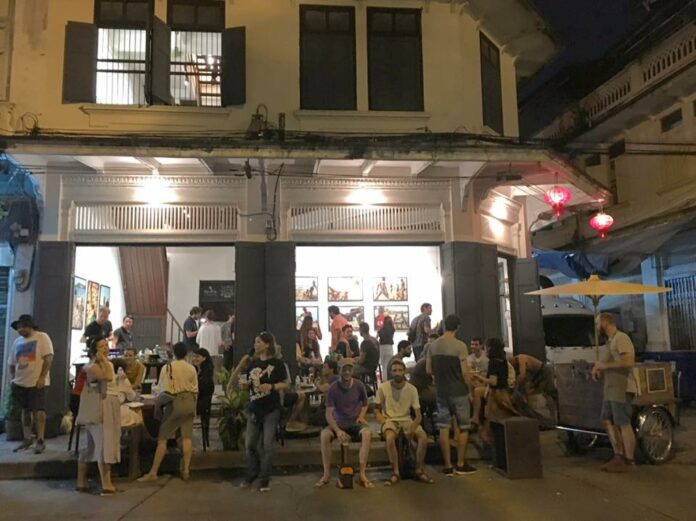
Chinatown Art Space Turns 4 With Photos, Food and Drinks

Photo: Cho Why / Facebook

BANGKOK — Attend a street art exhibition, look through Chinese-themed photography and dance to a fusion of Latin sounds this weekend when an old-town gallery celebrates its fourth anniversary.

Cho Why will turn four with a display of paintings, photos, music, food and drinks across its three floors. Urban artists Souled Out Studios will supply freshly painted street art, while photographer David Terrazas will display his work inspired by the space’s Chinatown environs.

Chomp on Mexican and Spanish food from Broken Eggs restaurant and take a swig – or three – of craft beer and cocktails served throughout the evening.

Leading the musical effort will be DJs Go from 23 Bar & Gallery and Belano Kuti with his mix of Latin and Afro-Caribbean sounds.

The co-disciplinary art space has been hosting regular art exhibitions since 2014.

Cho Why Four Year Anniversary [ Party ] will run from 2pm to 10pm. The venue is located in Chinatown’s Soi Nana, a short walk from MRT Hua Lamphong. Entry is free.

Advertisement

Construction Firm, Developer Face Charges in Bangkok Underpass Drowning

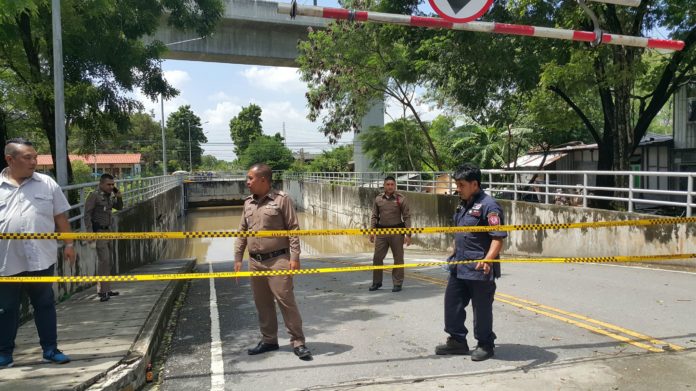
Police investigate a fully flooded underpass in Bangkok’s Prawet district Sep. 6 where a woman drowned the night before.

BANGKOK — An investigation into the drowning death of a woman in a Bangkok underpass continued Tuesday as police move closer to filing charges against those responsible.

Investigators have struggled to pin down what flooded the underpass where Phanumas Sae-tae got stuck earlier this month, but a deputy metro police chief says a broken drainage pipe might be to blame, which could see legal action against its builder and maintenance teams.

Read: Cops Stumped by Bangkok Underpass Drowning

Maj. Gen. Sompong Chingduang said a final conclusion could be made after Italian-Thai Development provides blueprints for the underpass, which was built in 2005. Last week, district chief Thanasit Metpanmuang said some blueprints were already being studied.

Sompong said City Hall officials discovered the leak came from beneath the road.

Today, police and engineering experts were to inspect the underpass together, Sompong said. He expects preliminary results next week.

The underpass, owned by the Golden Nakara housing development, is built on state railway land. It rapidly filled with water late at night on Sep. 5, trapping 41-year-old Phanumas in her truck. Police suspect she thought the truck could make it through the 100-meter roadway, which was partially flooded at the time.

It was not known to have flooded previously.

Sompong said fatal negligence charges are being weighed against those responsible for maintaining the underpass if they failed to properly operate its water pump or put up flood warnings if it had broken.

Italian-Thai, the construction firm, also faces charges if investigators find faulty construction led to fractures in the pipe, which caused water to flow into the underpass faster than it could be emptied by the pump, Sompong added.

Advertisement

Chiang Rai Soldiers Told to Keep Uniforms Out of Profile Pics

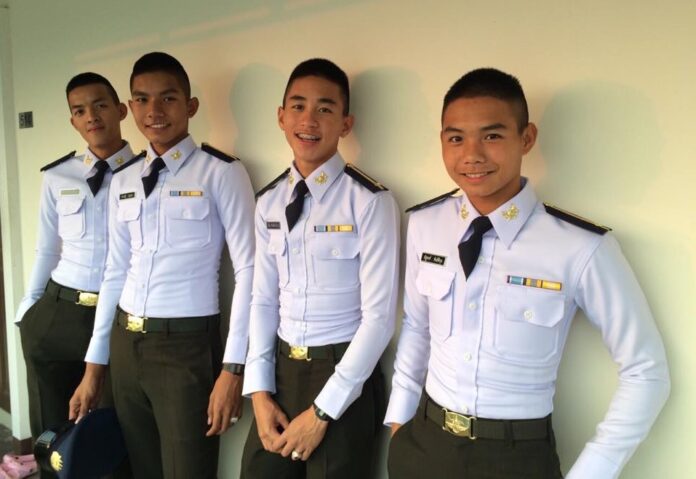
Armed forces cadet seen in a photo posted to webforum Postjung.com

CHIANG RAI — An army unit in the north recently announced a policy its commander hopes will protect the military’s politically neutral image: no uniforms in online profile pictures.

Photos of the order, issued by the provincial recruiting office, went viral Tuesday and ignited fears among other military units it signified a new universal policy. The colonel responsible for the new regulation on Tuesday dismissed those fears.

“I was the person who issued the order,” Col. Sompong Unjai said in an interview. “It’s an internal issue. This is not a policy of the Royal Thai Army.”

According to photos of the order, soldiers under Sompong’s commander cannot wear their uniforms in profile pictures on platforms such as Line and Facebook.

They are also barred from posing in uniform for photos with politicians.

Sompong said the policy was meant to discourage military personnel from associating themselves with political factions in the run-up to the election slated for February.

“It would look like we’re not neutral,” the colonel said. “Other people may use it to attack the military. Some former military officers are running in the election. If uniformed soldiers are seen with them, it might look like the military is siding with them.”

Despite authoritative language in the order, Sompong said it was just a guideline. “It’s not mandatory. Anyone who doesn’t follow it won’t be punished,” he said.

23596235 304435446739126 3933636731089190912 n
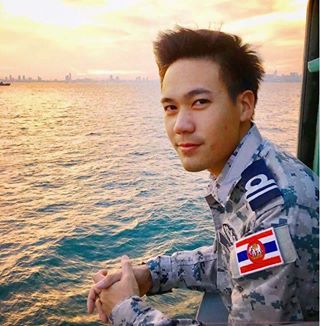
A navy officer seen a photo posted by Instagram user love_anap_thailand.

The move came days after Pheu Thai Party members complained that soldiers were seen assisting candidates from a pro-junta party traveling in the northeast. The military denied the allegations.

After Sompong’s order went viral, messages spread via the Line chat application that the army is banning all soldiers from showing their uniforms on social media. One popular Instagram account that regularly posts photos of handsome soldiers and cadets says it would delete the pictures in response.

But army spokeswoman Sirichan Ngathong called it a misunderstanding. The force has no plan to institute such a ban, she said.

“Even my profile pictures show me in uniform right now,” Col. Sirichan said.

Advertisement

‘Cali-Mex’ Comes to Silom (From Hong Kong)

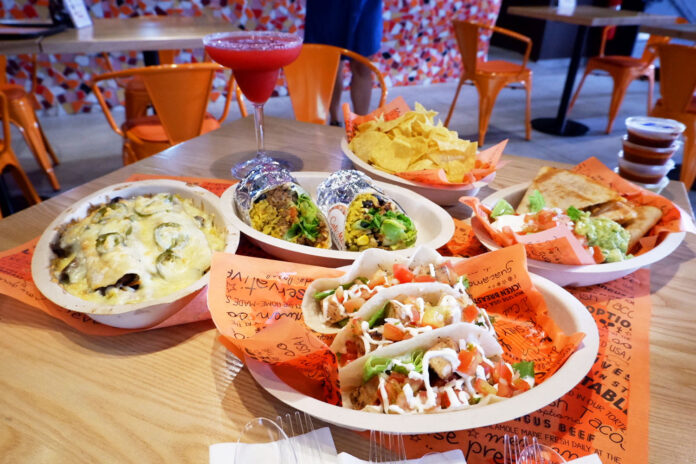
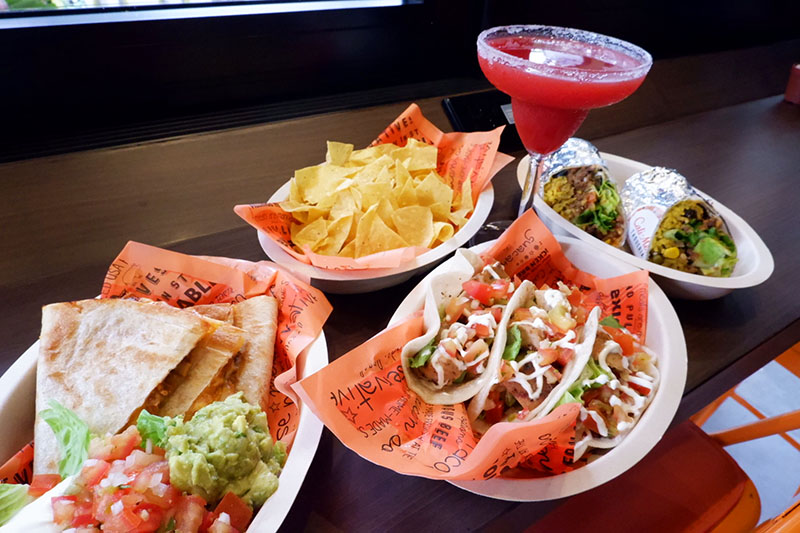
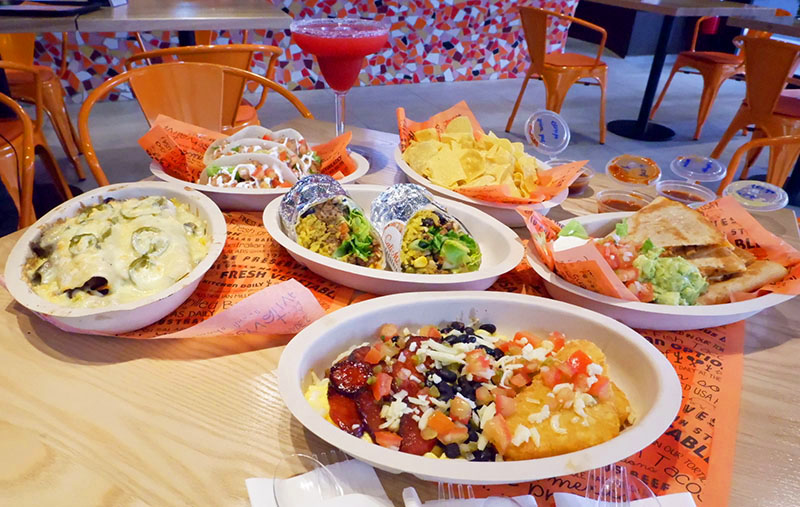
Clockwise from left, enchiladas (฿399), burritos (฿299) a half quesadilla (฿299) and chicken tacos (฿299).

Top: Clockwise from left, enchiladas (฿399), burritos (฿299) a half quesadilla (฿299) and chicken tacos (฿299).

A new taqueria with full vegetarian options hopes to be a new fuel stop for tourist and expat passers-by.

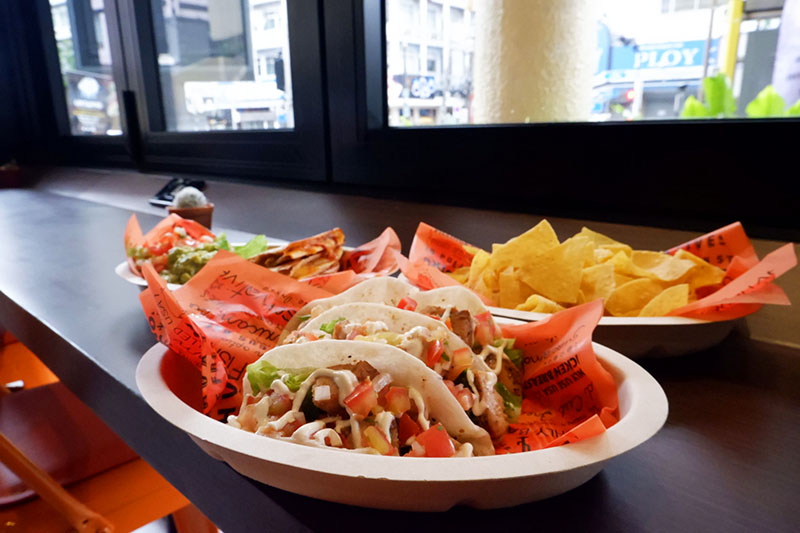
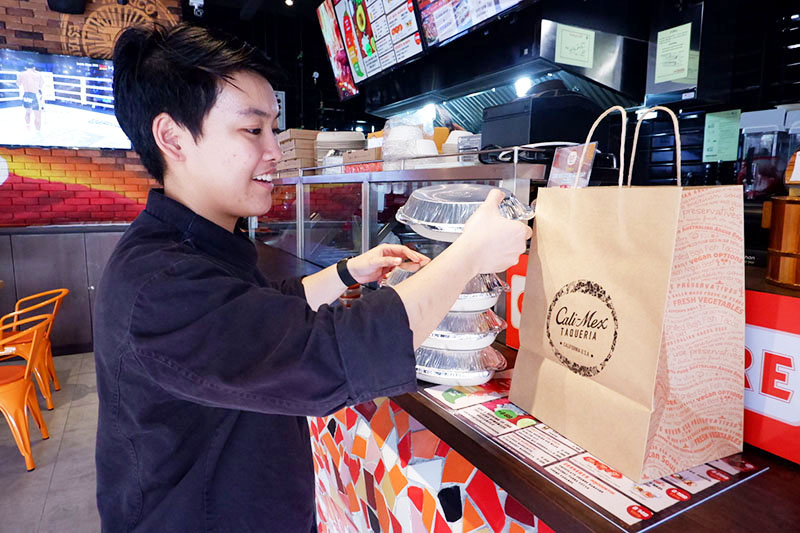
Although Cali-Mex Taqueria doesn’t deliver the dirt-cheap, guilty calories of an LA food truck, its creamy guac and share-worthy tacos make it a worthwhile and convenient pit stop for sabor mexicano at the corner of Silom and Surasak roads.

After ordering and paying at the cashier, customers edge along a counter and watch energetic servers wrap their burritos and drizzle fixings on their nachos. The experience is akin to Chipotle or Subway, or even udon chain Marugame Seimen.

“I don’t think burritos at other Mexican places in Bangkok are as big as mine,” Krongkan Aiemwattanaphong, 24, said from behind the counter.

IMG 5392
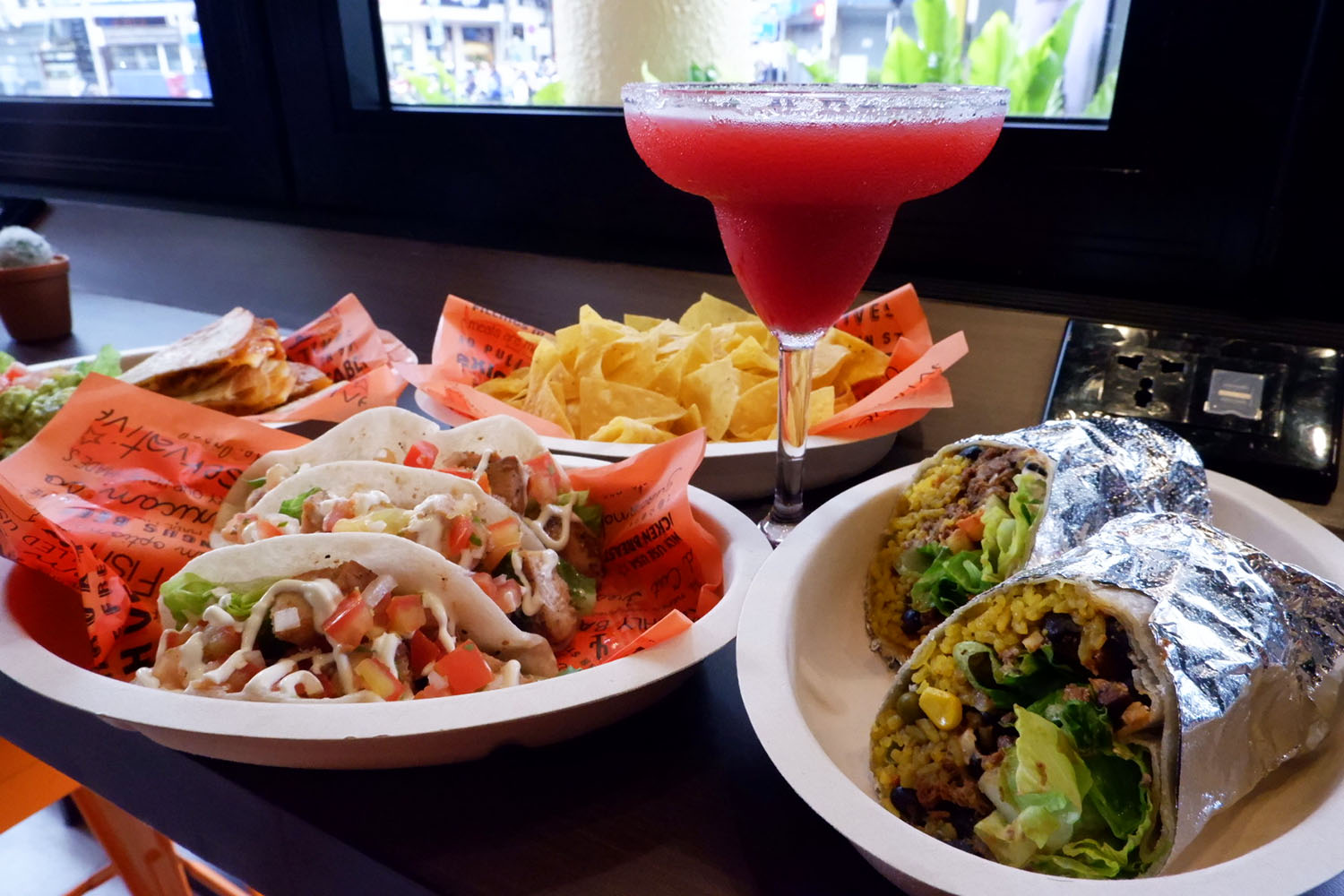
Cali-Mex Taqueria dishes with their strawberry margarita (฿229).

Cali-Mex is actually a Hong Kong-based chain that opened 20 chains there within three years. In Thailand, they hope to see the same explosive growth. This branch, connected to the Holiday Inn Silom, is their second. The first, in Soi Sukhumvit 22, opened in July with a full-service restaurant serving cocktails and tableside beer taps. A third opens in December in Soi Sukhumvit 11.

Keep in mind that the taqueria itself isn’t huge – the space behind the counter is just enough for the employees to grill and wrap tacos with ready-made sauce mixes to be served on biodegradable bowls with plastic cutlery – it’s not a wine-and-dine place with a full kitchen.

Ordering from the simple menu is easy. There are six main dishes: burritos (฿299), a set of three soft or crispy tacos (฿299), nachos (฿349), quesadillas (four pieces for ฿299, eight for ฿499), classic or ceasar salad (฿199) and enchiladas (฿399).

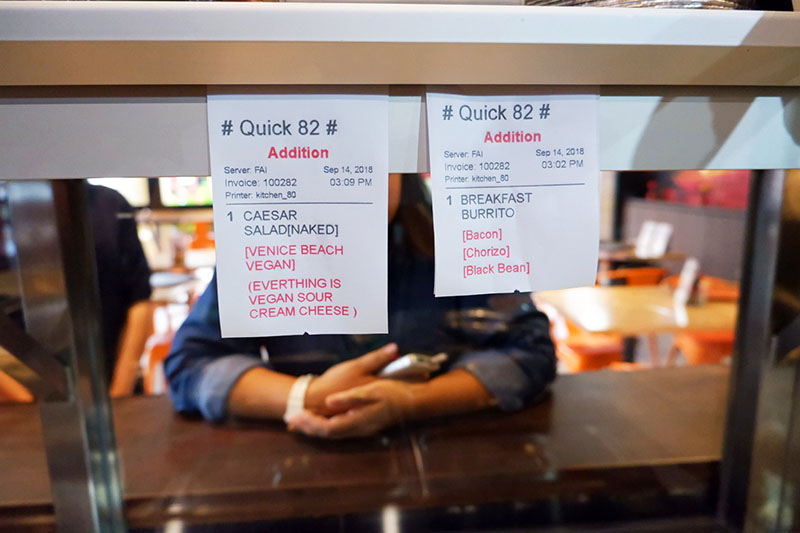
Then, pick a filling: chicken, pulled pork, beef (an additional ฿79) that is either minced, angus steak or barbacoa beef. Seafood option are baja fish (+฿99), shrimp (+฿99). Every dish can be made vegetarian with mixed beans, spinach and mixed vegetable fillings, or even vegan with the Venice Beach Vegan (+฿99) filing, which includes sweetly grilled broccoli, vegan cheese and sour cream.

IMG 5406
Venice Beach vegan nachos (฿448).

Try the quesadillas with pulled pork, tacos with chicken and enchiladas with angus beef, all good with the creamy guac. Chunks of chicken and beef in tacos and enchiladas are impressively generous cubes, and the Venice Beach vegan filling surprisingly full of crunchy zucchini, textured vegetable protein and bell peppers.

On a recent visit the burritos were too laden with rice and the caesar salad piled with too much under uninspiring Romaine. The tad-bland breakfast bowl (฿299) was a glob of eggs, black beans and hash browns fit for food-coma comfort or those homesick for one-note American diner fare. Discerning palates may be left disappointed.

Unlike those in Hong Kong, the Thai Cali-Mex stores add a fourth level of watery salsa: Super Hot. But it’s not really that hot to the Thai tongue. Refreshing frozen margaritas (฿229) come in classic and strawberry are very sweet with a strong kick courtesy of the Olmeca tequila.

Meals work out to about ฿300 to ฿600 a head for a stuffed-full meal, depending on alcohol intake. To snag tacos at lower prices, come in between 9am and 3pm on weekdays to get the lunch specials: 10-inch burritos, half quesadillas or tacos for ฿199.

IMG 5383

On the whole, dishes are flavorful enough to satisfy both Thais and expats alike, but play it very safe in the taste range, much how you’d expect Asian-made commercial Mexican food to be, with nothing excelling beyond the “I guess it’s good” range or wowing the foodie who’s looking for a daring dash of cilantro.

A short walk up Silom Road is the Hindu Mariamman Temple, and Krongkan says the taqueria is already proving popular with Indian expats, other expats and tourists as well as flight attendant types who come to rest at the Holiday Inn.

Cali-Mex Taqueria is open 9am to midnight every day. It’s one kilometer from BTS Surasak exit No. 1, and is partially obscured from street view by the Punpun bike share station outside the Holiday Inn. Delivery is available through Food Panda.

IMG 5380 IMG 5377

IMG 5375

IMG 5413
Krongkan Aiemwattanaphong, 24, at Cali-Mex.
Advertisement

Coca-Cannabis? Coke Analyzes Cannabis in Wellness Drinks

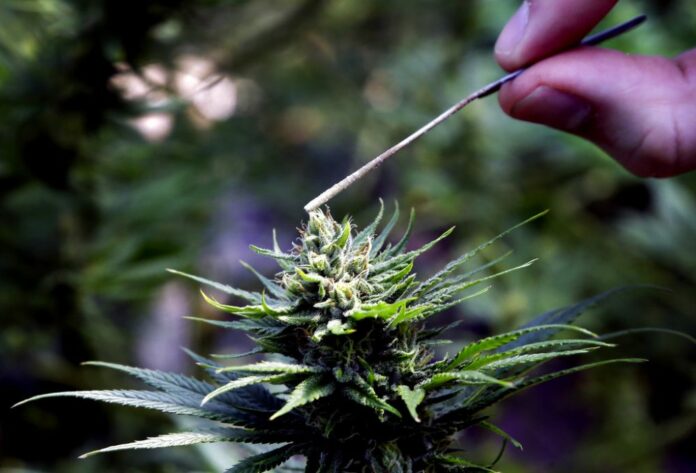
A 2018 file photo of a hemp plant is pollinated at the Unique Botanicals facility in Springfield, Oregon. Photo: Don Ryan / Associated Press

The Coca-Cola Company said Monday it is “closely watching” the expanding use of a cannabis element in drinks, another sign cannabis and cannabis-infused products are getting more acceptance in mainstream culture and a harder look from long-established pillars of American business.

The statement came after reports the beverage giant was in talks with a Canadian cannabis company to create a health drink infused with cannabidiol, a naturally occurring non-psychoactive compound derived from the cannabis plant. Shares of the company, Aurora Cannabis Inc., closed up nearly 17 percent on the Toronto Stock Exchange after the report.

Spokespeople for the companies declined to comment on the report but acknowledged their interest in that segment of the cannabis market.

Cannabidiol, or CBD, does not produce the high commonly associated with marijuana. It is believed by many to have anti-inflammation and pain-relieving properties, and numerous CBD-infused products have emerged recently.

Aurora spokeswoman Heather MacGregor said her company “has expressed specific interest in the infused-beverage space and we intend to enter that market.”

A Coke spokesman said the beverage giant has made no such decision.

“Along with many others in the beverage industry, we are closely watching the growth of non-psychoactive CBD as an ingredient in functional wellness beverages around the world. The space is evolving quickly,” Coke spokesman Kent Landers said.

Coke’s interest is another indication of the growing acceptance of cannabis by established companies and of the importance of Canada to the development of those businesses. Marijuana becomes legal across Canada on Oct. 17. Cannabis companies from the U.S. — where marijuana remains illegal at the federal level — have flocked to Canada to raise funds and establish businesses there.

American companies interested in making a play in the cannabis space can try things out in Canada without risking doing something illegal at home.

Constellation Brands, a giant spirits company that counts Corona beer among its labels, bought a multibillion-dollar minority stake in Canopy Growth, a Canadian medical marijuana producer.

Coca Cola’s statement shows the company has learned from its past missteps picking up on new drink trends, said Ali Dibadj, a senior analyst at AllianceBernstein with an expertise in U.S. beverage and snack food companies.

“The company has been caught flat-footed in the past in not keeping up with trends in beverages. They missed the energy drink phenomenon, they missed — and then had to buy into — the functional waters like Vitamin Water and coffee,” Dibadj said. “I think what they’re saying is what they should be saying on this very new and emerging beverage.”

But testing the waters of cannabis-themed drinks could backfire, he said. Many Americans aren’t intimately familiar with the cannabis plant and might not understand that CBD has no psychoactive properties.

Hemp and marijuana are both cannabis plants, and both contain CBD, which can be extracted as an oil that can be added to everything from dog food to hand lotion to drinks.

“I think you have to be very, very careful with this as a large brand. There are different viewpoints on a product category, and you don’t want to offend too much,” Dibadj said. “You don’t want to be too far ahead on any curve.”

Advertisement

Experts Air New Concerns About UN Response to Myanmar Crisis

Newly arrived Rohingya Muslims from Myanmar prepare to leave a transit shelter in 2017 in Shahparirdwip, Bangladesh. Photo: Gemunu Amarasinghe / Associated Press

GENEVA — U.N.-backed investigators who examined a crackdown by Myanmar security forces that caused hundreds of thousands of Rohingya Muslims to flee to neighboring Bangladesh issued a searing critique Tuesday of the United Nations’ own response to the human rights crisis.

In a 432-page report, the members of a “fact-finding mission” on Myanmar fleshed out preliminary findings and recommendations released in a shorter version three weeks ago.

The investigators reiterated that senior Myanmar military leaders should be prosecuted for war crimes, crimes against humanity and genocide against the Rohingya during a deadly crackdown that erupted in August 2017 following militant attacks on security posts in Rakhine state.

The full report also provided new details about the investigators’ concerns about the how the United Nations reacted during that spasm of violence. The investigators pointed out the “only statement” from the U.N. resident coordinator’s office “was to condemn the ARSA (militant group) attacks and losses suffered by the Myanmar security forces.”

The fact-finding mission was created by the U.N.-backed Human Rights Council in March 2017 after years of abuses against ethnic minorities in Myanmar, with a focus on the period since 2011 when the country began opening up after decades of isolation under a long-ruling military junta.

Though the investigators looked at the treatment of minority groups across the Southeast Asian nation, their mandate came just six months before crackdown against the Rohingya in Rakhine, injecting the mission with far greater importance to help detail those abuses, crimes and human rights violations.

The full report provides a detailed analysis of violence in Kachin, Shan and Rakhine states, much of which has been documented and made public through collection of witness accounts, satellite imagery and other sources of information. It pointed to allegations of crimes against humanity and war crimes on the part of the military and other security forces, including murder, torture, pillaging, execution without due process, rape, sexual slavery and taking hostages.

It said some acts by ethnic armed groups and the Rohingya militant organization ARSA could also constitute war crimes.

Crimes against humanity, war crimes and genocide can be considered by international tribunals such as the International Criminal Court, but Myanmar is not a party to the ICC and its government has snubbed a ruling by the court’s judges that said the ICC has jurisdiction to investigate alleged crimes against the Rohingya.

The investigators decried little or no response from the Myanmar government to their findings, which were provided to it in advance.

On Tuesday, Myanmar has a chance to respond directly to the allegations: its new ambassador in Geneva, Kyaw Moe Tun, was set to speak during an “interactive dialogue” at the Human Rights Council, after the fact-finding team shared some of its findings with the 47-member body.

The full report’s critique of the United Nations focused not only on its response to Rohingya crisis, but its efforts across the country.

For example, the investigators noted that the U.N. had rolled out a “Human Rights Up Front Action Plan” in Myanmar in 2013, but said its “human rights driven” approach was “rarely, if ever, pursued.”

“Rather, it was largely ‘business as usual’, with development goals and humanitarian access prioritized only,” the authors wrote.

They cited allegations that some U.N. personnel who tried to pursue a human rights agenda “were ignored, criticized, sidelined or blocked in these efforts.”

They alluded to criticism from Fieldview Solutions, an outside group that works to advance human rights, in July that cited some in U.N. and humanitarian circles for not doing enough to expand their “political space” in Myanmar, and alleging: “The Myanmar government has learned that it can count on U.N. and humanitarian self-censorship.”

The U.N. experts said they regretted that some U.N. entities and staffers showed “a lack of cooperation” with their work, and “appeared to view it as a threat, rather than a means to address the most deep rooted human rights challenges facing Myanmar.”

“This attitude and approach must change,” they added.

The investigators did acknowledge that some people in the country had faced “intimidation and reprisals” for their “engagement” with the United Nations.

The team reiterated their urgent call for “a comprehensive, independent inquiry into the United Nations’ involvement in Myanmar since 2011, with a view to establishing whether everything possible to prevent or mitigate the unfolding crises was done,” as well as drawing lessons and – “as appropriate” – making recommendations on accountability.

They also said a second fact-finding mission should be authorized to examine the continued threats to human rights of the Rohingya and others throughout Myanmar.

The investigators bemoaned that “there has been no review of what happened, of where the approach taken had some positive effect and where it did not, and of how the U.N’.s approach could be improved in future crises.”

Story: Jamey Keaten

Advertisement

Hot News

LATEST NEWS

Bangkok
overcast clouds
29.4 ° C
29.4 °
29.4 °
75 %
5.2kmh
100 %
Wed
30 °
Thu
37 °
Fri
37 °
Sat
29 °
Sun
30 °