

























33.3 C
Bangkok
Thursday, June 18, 2026
Home Blog Page 221

No Real Peace Yet: Lessons from the Thai–Cambodian Landmine Incident

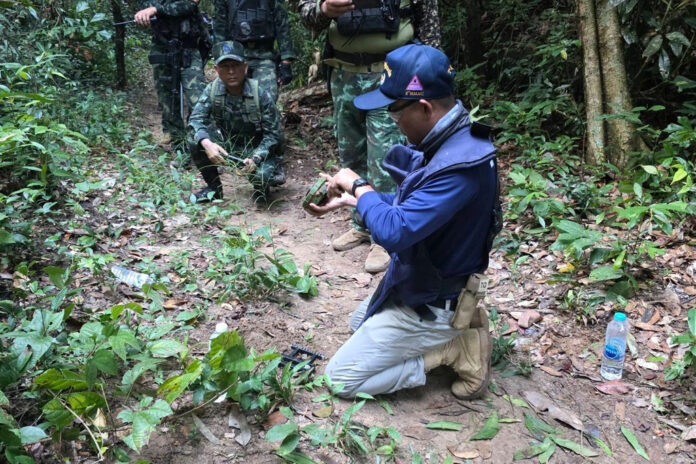
A Thai officer inspects a landmine near the Thai-Cambodia border in Sisaket province, Thailand, Monday, Nov. 10, 2025. (Royal Thai Army)

No Real Peace Yet: Lessons from the Thai–Cambodian Landmine Incident

By Thanachate Wisaijorn
Faculty of Political Science, Ubon Ratchathani University

tanachate
Thanachate Wisaijorn

T he recent landmine explosion in Kantharalak District, Sisaket Province, on Monday morning severely injured a Thai soldier, resulting in the loss of his leg — the seventh casualty since renewed clashes began in May this year.

This tragic event serves as a painful reminder that Thai–Cambodian relations, particularly in the field of security, remain fragile and beset by mistrust. Although both governments have attempted to project an image of calmness and cooperation through diplomatic channels, mutual suspicion continues to run deep along the border — especially in the Phu Ma Khuea area, a historically contested and strategically sensitive zone.

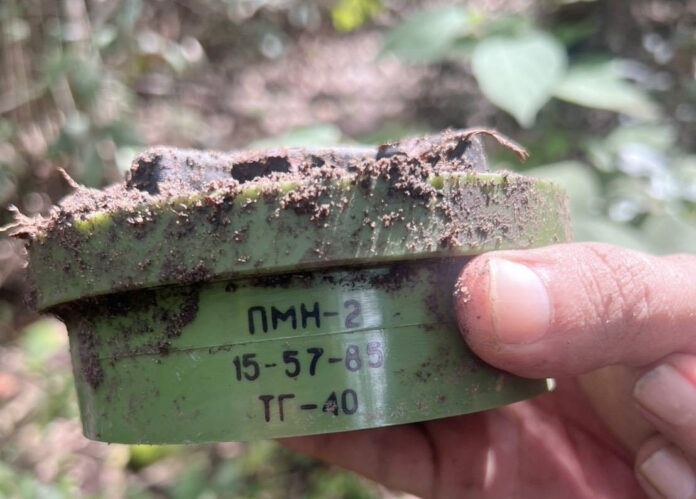
This incident is not unprecedented. In July this year, the two sides clashed in the same vicinity, and the Thai military raised serious concerns that the mines which detonated were of the PMN-2 type — a form of anti-personnel mine that should have long been cleared under the Ottawa Convention. The continued discovery of such devices cannot simply be dismissed as remnants from the past. Rather, it raises the troubling possibility that these mines may have been newly planted, which, if verified, would constitute a grave breach of international obligations.

For decades, the Cambodian state has benefited from substantial financial and technical assistance from international organisations and non-governmental agencies to support mine clearance operations within its territory. Yet, the persistence of the problem raises serious questions about the effectiveness and transparency of the Cambodian government’s efforts.

If Cambodian state continues to receive considerable international funding but fails to produce tangible results, doubts inevitably emerge as to whether landmines are merely a lingering physical danger or a reflection of deeper political and economic structures of vested interest embedded within the state apparatus.

More concerning still, despite a jointly facilitated declaration between the Thai and Cambodian state — brokered by the US and the Malaysian state — which obliges both parties to cooperate on mine clearance, there are allegations that new mines have been laid in recent months. Such actions, if true, not only undermine mutual confidence but also deepen an already volatile and dangerous situation along the border.

In response, Thailand’s National Security Council (NSC), yesterday, took decisive steps to safeguard national interests and the safety of its people. The Council has resolved to suspend the Joint Declaration with Cambodia, halt the dispatch of joint survey teams, and lodge a formal diplomatic protest with Phnom Penh.

The Thai state will now proceed with unilateral mine clearance operations within its own territory, citing the imperative of protecting Thai citizens and soldiers stationed along the frontier. Furthermore, letters will be sent to the US and Malaysian government to clarify Thailand’s position, while the military has been authorised to act within the established rules of engagement.

While these measures reflect a firm stance by the Thai government, they also highlight an uncomfortable reality: there is still no genuine peace along the Thai–Cambodian border. What exists at best is a temporary ceasefire rather than lasting stability. Political leaders in Bangkok and Phnom Penh may speak eloquently of friendship and ASEAN solidarity, yet soldiers continue to patrol terrain where every step could conceal a hidden mine, and border communities live in a state of constant anxiety.

The Thai government must therefore look beyond the diplomatic optics and focus on the human dimension of this issue. The immediate priority should be the protection of Thai soldiers’ lives and limbs. The introduction of modern technology to enhance safety in the field is urgently needed — including advanced protective leg gear, high-sensitivity metal detectors, surveillance drones, and remote-controlled patrol robots capable of scanning hazardous terrain ahead of deployment. Such short-term technological measures could significantly reduce the risk of injury and loss of life among personnel on the ground.

At the same time, the Thai state must pursue a dual-track strategy that combines robust security measures with sustained diplomatic engagement. The Cambodian state should be urged to allow international mechanisms — such as the ASEAN Mine Action Centre (AMAC) or the United Nations — to participate in independent monitoring and verification processes.

This would enhance transparency and help rebuild confidence within the international community. Mine clearance must not be exploited as a political instrument but treated as a shared humanitarian duty rooted in mutual trust and responsibility.

Following this latest incident, it is worth noting that several security analysts have begun to discuss the notion of a pre-emptive strike should the Cambodian state continue to pose a perceived threat. The very emergence of such discourse reflects the extent of frustration and the erosion of trust towards Cambodian state’s intentions. Nevertheless, the Thai government has, thus far, refrained from adopting such a course, maintaining instead a cautious approach grounded in diplomacy and de-escalation.

The agreement brokered several weeks ago by the United States and Malaysia initially appeared to offer a pathway towards cooperation. In practice, however, it has failed to alleviate tensions. The most recent explosion only underscores the reality that agreements on paper cannot substitute for genuine action in the field. Without mechanisms for verification and shared accountability, trust will remain elusive, and peace will continue to exist only as an aspiration rather than a reality.

As long as Thai soldiers must risk their lives in mine-infested areas, as long as local residents cannot live without fear, and as long as the Cambodian government fails to demonstrate genuine transparency before the international community, peace along the border will remain an illusion.

The lesson from this tragedy is not merely about assigning blame, but about urging both nations to confront a deeper question: Do we truly seek peace — or simply a temporary silence of the guns?

__________

Advertisement

Thailand Expands U.S. Corn Imports as Industry and Exports Strengthen

BANGKOK — Thailand’s Cabinet on Tuesday approved a significant expansion of U.S. corn imports under a new reciprocal trade arrangement, signaling closer agricultural ties with Washington and efforts to stabilize domestic feed costs amid a recovering industrial economy.

Under the measure, Thailand will allow duty-free imports of up to 1 million tonnes of U.S. feed corn between September 2025 and June 2026, replacing the previous 54,700-tonne quota that carried a 20% tariff. Importers will be required to purchase local corn at a 3:1 ratio to limit pressure on Thai farmers and maintain price stability ahead of the domestic harvest season.

The decision implements the results of tariff negotiations with the United States initiated under the previous administration. Officials said the move aims to balance supply for Thailand’s animal feed industry, which has struggled with high input costs and insufficient local production.

corn USA

Deputy Prime Minister Suchart Chomklin, who oversees the Ministry of Industry, said the policy comes as Thailand’s manufacturing sector shows signs of recovery. The country’s Manufacturing Production Index rose 1.47% year-on-year in the second quarter of 2025 to 96.75, marking its first growth after three straight quarters of contraction. Gains were driven by hybrid and electric vehicle exports, animal feed production, and palm oil.

Meanwhile, Thai exports continued to expand for a 14th consecutive month in August, reaching US$27.7 billion, up 4.8% from a year earlier. Growth slowed slightly after the implementation of U.S. reciprocal tariffs, but exports of electronics and home appliances remained resilient despite weak American demand.

The Ministry of Commerce expects exports to keep growing through the end of 2025, supported by rising demand from key partners including the United States, China, and ASEAN, as well as recovering markets in the Middle East and Africa.

Officials said that while the new U.S. corn import quota reflects Thailand’s commitment to trade liberalization, the government will closely monitor its impact on domestic producers and adjust measures to maintain market balance.

___________________

Advertisement

Renaissance Hotels Marks 2025 Day of Discovery, Celebrating Cultural Curiosity

Through this year’s theme, Layers of Discovery, Renaissance Hotels in Thailand connect guests to the heart of each destination’s neighborhood

image3 1

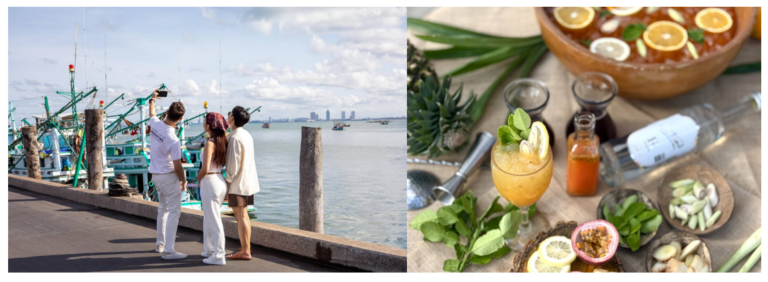
Singapore – November 2025 – Renaissance Hotels, part of Marriott Bonvoy’s global portfolio of over 30 extraordinary hotel brands is set to celebrate its signature Renaissance Day of Discovery transforming hotels across Thailand into living showcases of the local spirit – where every moment sparks curiosity and connection. Over the weekend of November 14 to 16, Renaissance Hotels invites guests to peel back the layers of culture, flavor, and artistry that define each destination.

image2 1

This annual celebration pays tribute to cultural curiosity and sensory storytelling by spotlighting hyper-local experiences that reveal the soul of each destination. True to the brand’s ethos of spontaneous discoveries and connecting guests to each destination, every experience is thoughtfully designed to surprise, inspire and connect them deeply to the place and its people. Experiences found across the hotels will celebrate craft, culture, cuisine and authentic stories told through the Navigators, Renaissance’s personalized concierge service. Through community collaborations and Navigator-led journeys, guests are invited to see, taste and feel their surroundings through the lens of locals who bring them to life.

Advertisement

APEC Smart Textile Seminar to Be Held in Bangkok in November 2025

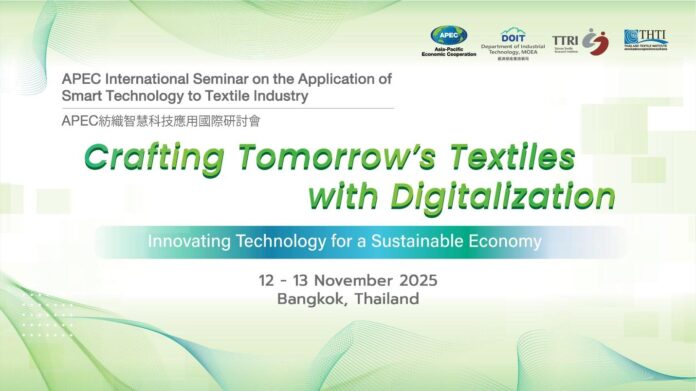
Guided by Taiwan’s Ministry of Economic Affairs (MOEA) and organized by the Taiwan Textile Research Institute (TTRI), the APEC International Seminar on Smart Technology Applications in Textiles will take place in Bangkok. The event focuses on “Digital Empowerment for Supply Chain Resilience and Sustainable Prosperity,” gathering government, industry, and academic representatives from APEC economies to share policies, technologies, and best practices. 

The seminar highlights how smart manufacturing, edge computing, AI analytics, and data integration can enhance supply chain transparency, accelerate decision-making, and strengthen industrial resilience amid global challenges such as geopolitical risks, climate change, and sustainability compliance.

With a complete textile ecosystem and over 70% of the global market share in functional fabrics, Taiwan plays a key role in driving innovation. By applying digital tools such as supply chain monitoring, system integration, and data traceability, Taiwanese companies are improving global production scheduling, cross-border collaboration, and supply flexibility.

The two-day event features policy discussions, expert presentations, and site visits showcasing digital transformation and energy-saving practices in dyeing and testing facilities. The program also promotes the participation of women experts, reflecting APEC’s values of diversity and inclusive growth.

The MOEA emphasized that the “Taiwan Team”—combining government, research institute, and industry—will continue to integrate semiconductor and ICT strengths to support APEC partners in building resilient, low-carbon, and traceable textile supply chains, fostering a sustainable and innovative Asia-Pacific textile industry.

Advertisement

Thai Restaurant Nittaya Kai Yang Targets 1-Billion-Baht Milestone

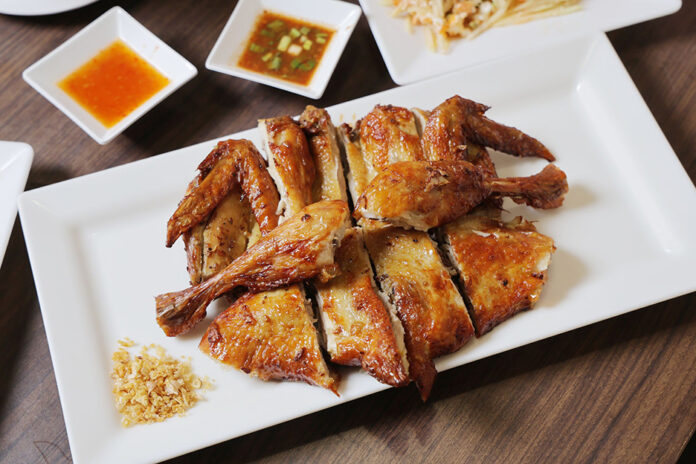
The signature grilled chicken that defines Nittaya Kai Yang

BANGKOK — Thai–Isan restaurant chain Nittaya Kai Yang Group Co. Ltd. aims to surpass 1 billion baht (US$30.8 million) in annual revenue by 2025, marking its 25th anniversary with a new campaign celebrating its growth from a single family restaurant into one of Thailand’s most recognized comfort-food brands.

The company announced its “25 Years Nittaya Kai Yang — You Are My Comfort Zone” campaign, featuring a special promotion of 25 signature dishes for 25 baht each, while reaffirming its brand positioning as “Thai–Isan Comfort Food for Everyone.”

Founded by Raweewan Laksanavisit, Nittaya Kai Yang has grown steadily over the past four years, with sales rising 56.9% from 628 million baht ($19 million) in 2021 to 986 million baht ($30.3 million) in 2024. The chain now operates 31 branches across Bangkok and nearby provinces.

Executive Director Padech Kantajinda said the brand’s success stems from four long-term strategies: maintaining authentic yet approachable Thai–Isan flavors, ensuring ingredient quality, fostering a family-oriented workplace culture, and choosing community-centered branch locations.

nittaya2
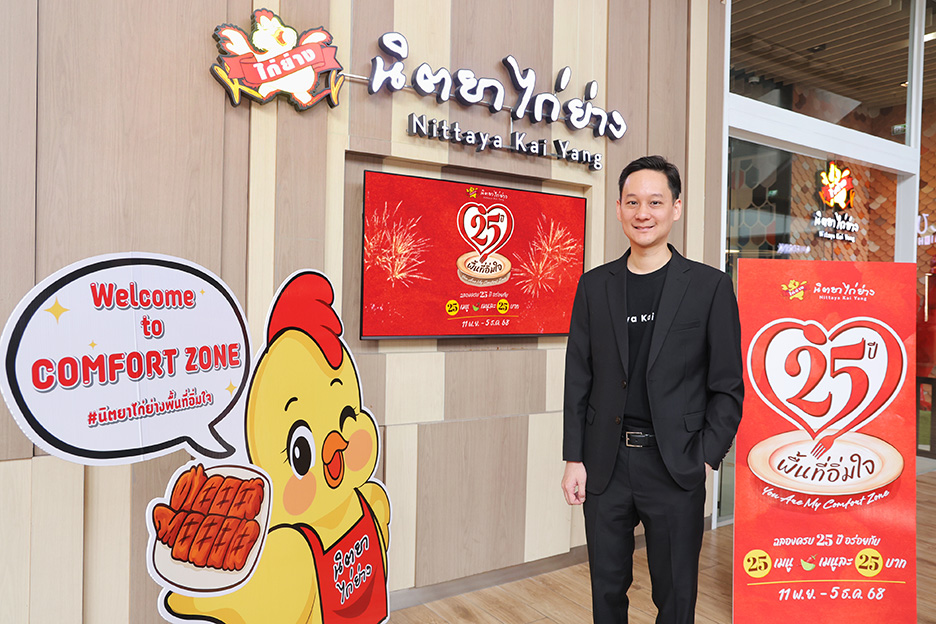
Nittaya Kai Yang Executive Director Padech Kantajinda

“Fresh, clean ingredients prepared with care — that’s been our guiding principle since day one,” Raweewan said. “Our food is flavorful but not overpowering, so everyone, from children to seniors, can enjoy it together.”

To maintain consistency, the company relies on a central kitchen system that standardizes recipes and food preparation across all outlets. Ingredients are sourced directly from local farmers and small-scale fisheries, supporting sustainable livelihoods while ensuring premium quality.

The brand’s most popular dishes include Papaya Salad with Salted Egg, Signature Grilled Chicken, and Tom Yong Kai Yang (Grilled Chicken Soup).

As part of its anniversary celebration, Nittaya Kai Yang is launching the #NittayaKaiYangComfortZone Challenge, inviting customers to express affection for loved ones through their favorite “comfort dishes” for a chance to win dining vouchers.

“This campaign is not just about looking back at our achievements,” said Padech. “It’s about laying the foundation for the next 25 years — expanding both domestically and internationally while keeping the same comfort and warmth that define Nittaya Kai Yang.”

____________

Advertisement

Death Toll from Capsized Boat with Myanmar Migrants Climbs to 27 As More Bodies Recovered

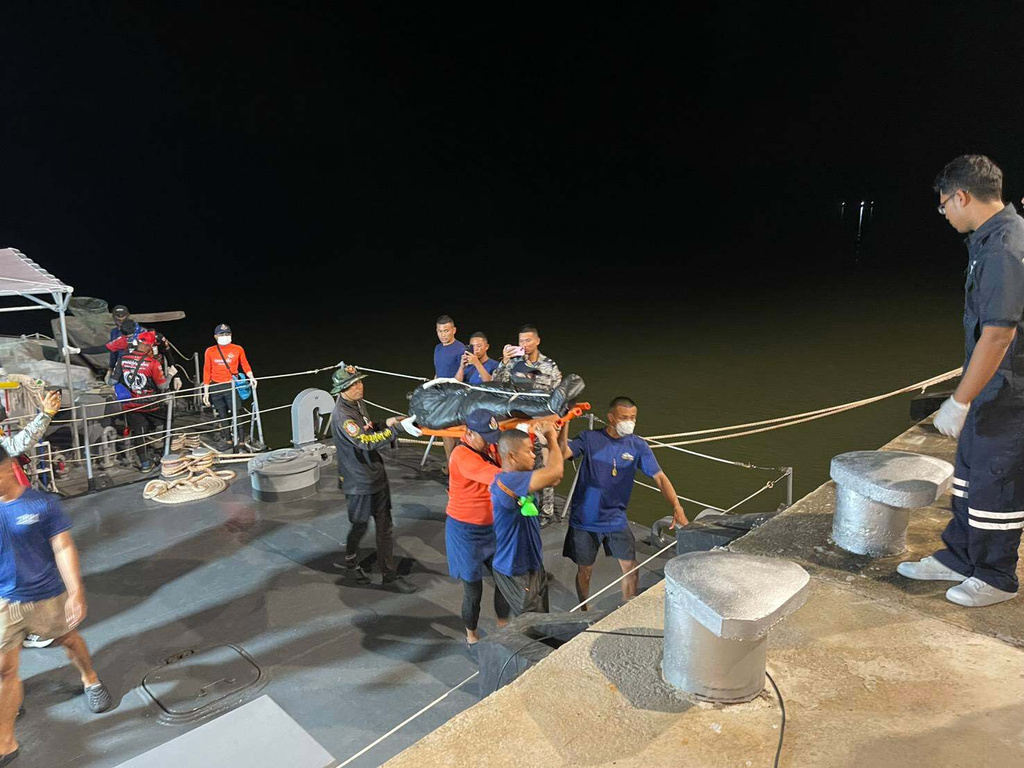
Thai Navy carry a body which is believed to be one of passengers from a boat that believed sank near Tarutao island, Satun, southern Thailand, Sunday, Nov. 9, 2025. (Romsai Rescue Foundation Satun via AP)

KUALA LUMPUR, Malaysia (AP) — The death toll from a capsized boat carrying Rohingya migrants from Myanmar rose to 27 on Tuesday, after rescuers in Thailand and Malaysia recovered more bodies at sea.

The Malaysian Maritime Enforcement Agency said rescuers found another survivor and recovered eight more bodies on Tuesday off northern Langkawi island, close to the Thailand border. This brought its total to 20 deaths, comprising seven men, nine women and four children, plus 14 survivors, it said.

Thai media reports cited local officials in the southern Satun province as saying one more body of a man believed to be a Muslim Rohingya refugee was found Tuesday afternoon. The Romsai Rescue Foundation in the province had earlier announced that six bodies were found in Thai waters on Sunday and Monday.

Malaysian authorities have said an estimated 70 people were on board the capsized boat, based on survivors’ accounts.

AP25314184386734
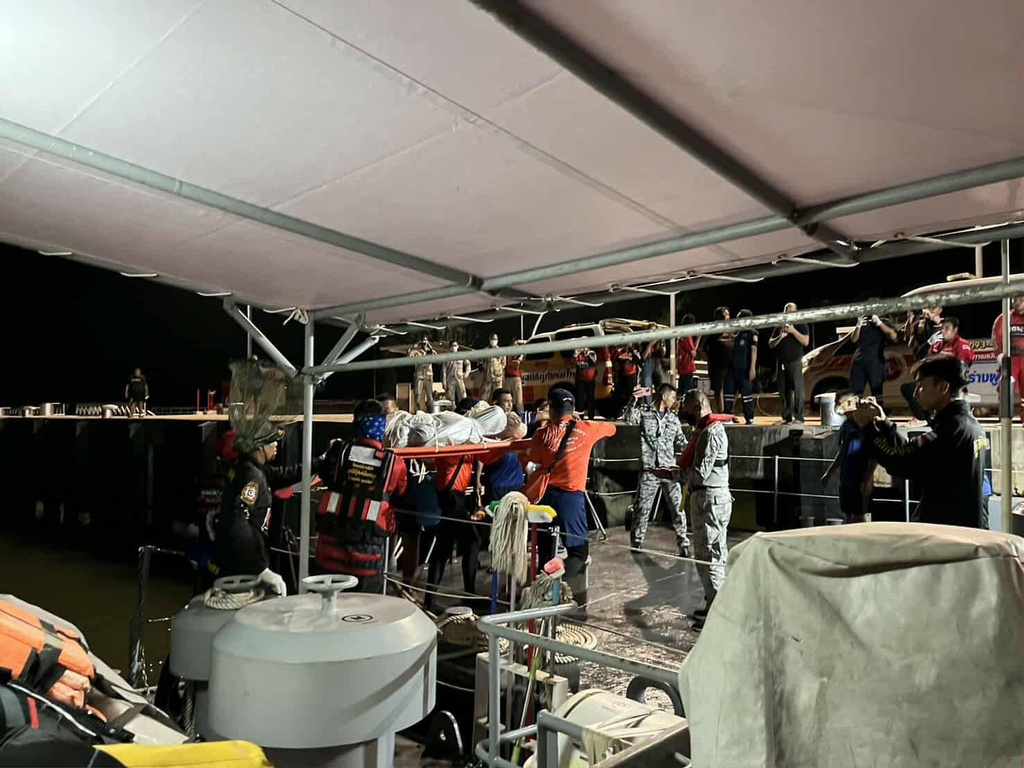
Thai Navy carry a body which is believed to be one of passengers from a boat that believed sank near Tarutao island, Satun, southern Thailand, Sunday, Nov. 9, 2025. (Romsai Rescue Foundation Satun via AP)

Officials said a larger vessel carrying some 300 people had departed from the town of Buthidaung, in Myanmar’s Rakhine state. The passengers were believed to have been split into three smaller boats once the vessel neared Malaysia. One of the boats was believed to have sunk near Tarutao island in southern Thailand on Thursday.

The timing and exact location of the incident is not known. The fate of the other two boats is also unclear, officials said.

In a joint statement, the U.N. refugee agency and the International Organization for Migration voiced concern over the scale of potential loss of life. They called for more resources and stronger regional and international efforts to enhance search-and-rescue capacity and safe access to asylum to avoid such tragedies.

AP25314184388982
Thai Navy carry a body which is believed to be one of passengers from a boat that believed sank near Tarutao island, Satun, southern Thailand, Sunday, Nov. 9, 2025. (Romsai Rescue Foundation Satun via AP)

So far this year, 5,300 Rohingya refugees — who have faced persecution for decades in Myanmar — have embarked on dangerous maritime journeys from Bangladesh and Myanmar, with over 600 reported to be missing or dead, they said. Deteriorating conditions in Bangladesh’s refugee camps and a deepening conflict in Myanmar sparked by a 2021 military takeover are forcing more people, especially women and children, to risk their lives at sea, they added.

Malaysia is a popular destination for Rohingya seeking to enter illegally because of its dominant Malay Muslim population.

Malaysia has accepted Rohingya in the past on humanitarian grounds but has tried to limit their numbers, fearing a mass influx of people arriving on boats. In January, Malaysian authorities turned away two boats carrying nearly 300 people believed to be Rohingya refugees.

There are around 117,670 Rohingya registered with the U.N.’s refugee agency in Malaysia — about 59% of the total refugee population in the country.

______

Advertisement

Striving for Excellence in a New Chapter of China-Thailand Relations

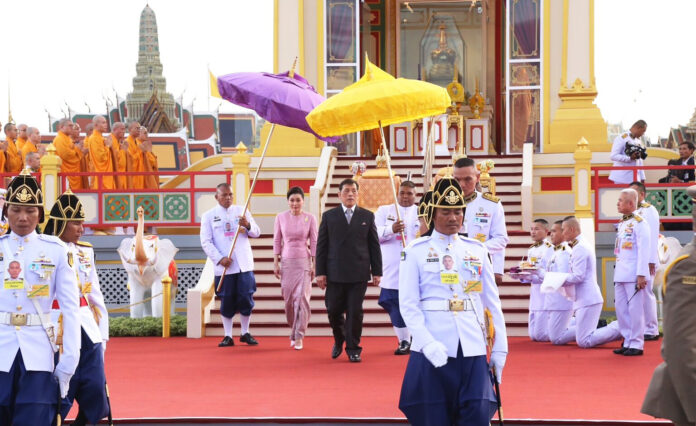
His Majesty the King and Her Majesty the Queen pay homage to the Sacred Tooth Relic from China on December 12, 2024. The relic was brought to Thailand to commemorate His Majesty's 6th cycle (72nd) birthday anniversary on July 28, 2024, and to celebrate the 50th anniversary of the establishment of Thai-Chinese diplomatic relations in 2025.

In China’s diplomacy with neighboring countries, the friendly relations between China and Thailand have always sparkled. The many “firsts” created in this relationship has vividly demonstrated the special bond of “China and Thailand are as close as one family” as well as a firm belief of the two countries in working hand in hand for common development, bringing great benefits to the people, and setting a shining example of regional cooperation.

His Majesty King Maha Vajiralongkorn Phra Vajiraklaochaoyuhua and Her Majesty Queen Suthida Bajrasudhabimalalakshana will pay a historic state visit to China. In a spirit of pioneering resonated by the inspiration of the first-ever accomplishments jointly achieved in the bilateral relationship, China and Thailand will continue to inspire enthusiasm for deepening the friendship and practical cooperation.

Strategic Guidance: Setting a New Benchmark for Cooperation

Thailand was the first ASEAN country to engage in strategic cooperation with China as well as to establish a comprehensive strategic cooperative partnership with China. Thanks to this visionary decision, China-Thailand relationship was elevated to an unprecedented height, which consolidated political foundation and promoted practical cooperation. From then on, high-level exchanges between China and Thailand became more frequent, strategic communication went more smoothly, and political mutual trust was strengthened.

All contributed strong momentum into regional peace, stability and prosperity. In 2022, President Xi Jinping visited Thailand and attended the APEC Economic Leaders’ Meeting. Both leaders reached important consensus on building a more prosperous, stable, and sustainable China-Thailand community with a shared future, ushering bilateral relations into a new era.

diplomatic
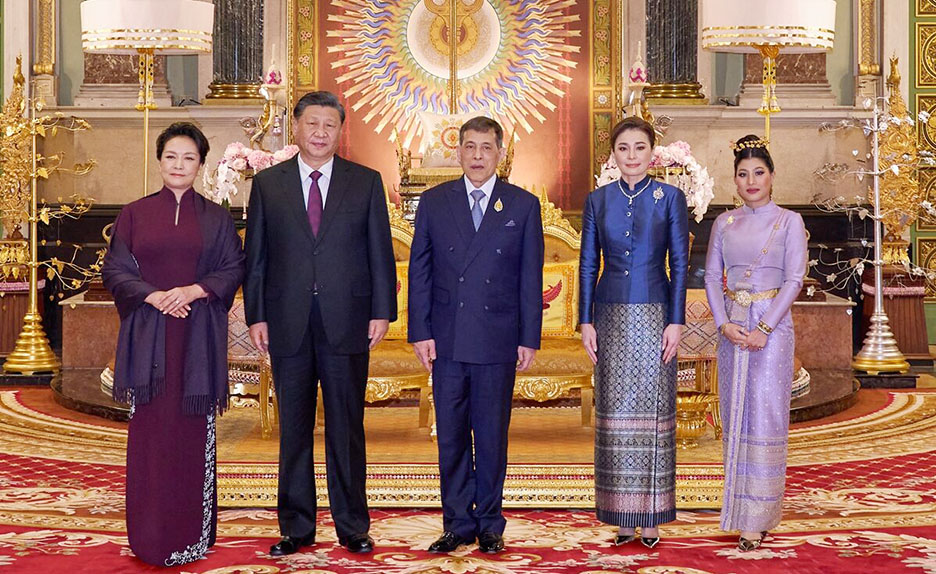
FILE — His Majesty the King and Her Majesty the Queen, accompanied by Her Royal Highness Princess Sirivannavari Nariratana Rajakanya, receive Chinese President Xi Jinping during his state visit to Thailand at the Grand Palace on November 18, 2022.

Win-Win Economic Cooperation: Forging a New Engine for Development

Thailand was the first ASEAN country to implement a free trade arrangement with China. In October 2003, China and Thailand implemented a zero-tariff arrangement for 188 types of vegetables and fruits ahead of schedule under the Framework Agreement on Comprehensive Economic Cooperation between China and ASEAN, significantly promoting the liberalization and facilitation of agricultural trade. Thailand is the country with the most varieties of fresh fruits granted access to China,with 23 types of fresh fruits approved for import, ranking first globally.

China’s agricultural imports from Thailand ranked first among ASEAN countries, with the total value reaching $11.6 billion in 2024. Thailand established the first wholly foreign-owned enterprise in China.Thailand’s Charoen Pokphand Group established its presence in the Shenzhen Special Economic Zone, holding the approval document “Shen Wai Zi Zheng Zi (1981) No. 0001.”in 1979.

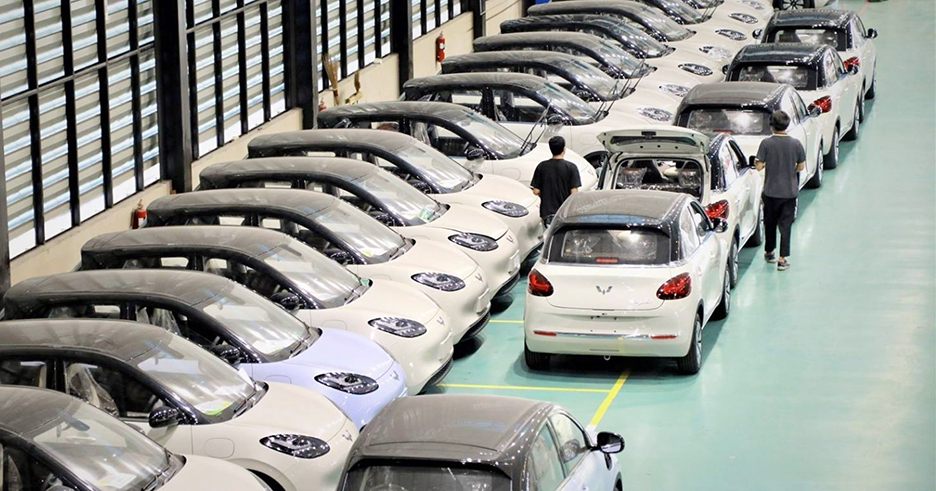
Thailand hosts the largest overseas production capacity of Chinese new energy vehicles. Eight Chinese automakers, including SAIC and BYD, have invested in Thailand, with an annual production capacity of nearly 600,000 new energy vehicles and a total investment of over RMB 20 billion. Thailand is the first ASEAN country where China’s 5G technology has been fully implemented for commercial use.

Thai telecommunications operators launched 5G mobile services to the public in 2020, with Chinese companies like Huawei and ZTE as key partners . China is the largest source of MICE (Meetings, Incentives, Conferences, and Exhibitions) tourists to Thailand, with 250,000 Chinese MICE visitors in 2024, ranking first with the proportion of 34% of the total.

Wuling EV primus

III. Safeguarding Security: Maintaining Regional Peace and Stability

Thailand is the first country to conduct joint military exercises and training with China across all branches of the military, featuring the regular training and exercises of the“Strike”“Blue Strike”and “Falcon Strike”. Seven “Strike” joint exercises have been conducted since 2007. Thailand was the first ASEAN country where China stationed drug liaison officers and signing an extradition treaty with China.

Scientific Innovation: Leading New Development Trends

Thailand is the first country to collaborate with China in building a VGOS radio telescope. In 2025, a 13-meter diameter Very Long Baseline Interferometry Global Observing System (VGOS) radio telescope, jointly developed by China and Thailand, was inaugurated in Chiang Mai. Thailand is the first country to receive a Chinese nuclear fusion experimental device (Tokamak). In 2017, the Chinese Academy of Sciences gifted the Tokamak device to the Thailand Institute of Nuclear Technology, marking the first such device in ASEAN.

Thailand is the first country to host an overseas exhibition of China’s lunar samples. In 2024, precious samples brought back from the moon by China’s Chang’e-5 mission were displayed in Thailand. China will be the first country to send a Thai research instrument into deep space, as the Chang’e-7 mission has selected Thailand’s “Space Weather Monitoring” device for deployment. Thailand is also the first Southeast Asian country to engage in polar cooperation with China, establishing a joint laboratory at a Chinese Antarctic research station, and the first Asian country visited by the Xuelong 2,China’s polar research icebreaker.

People-to-People and Cultural Exchanges: Cementing a New Foundation of Friendship

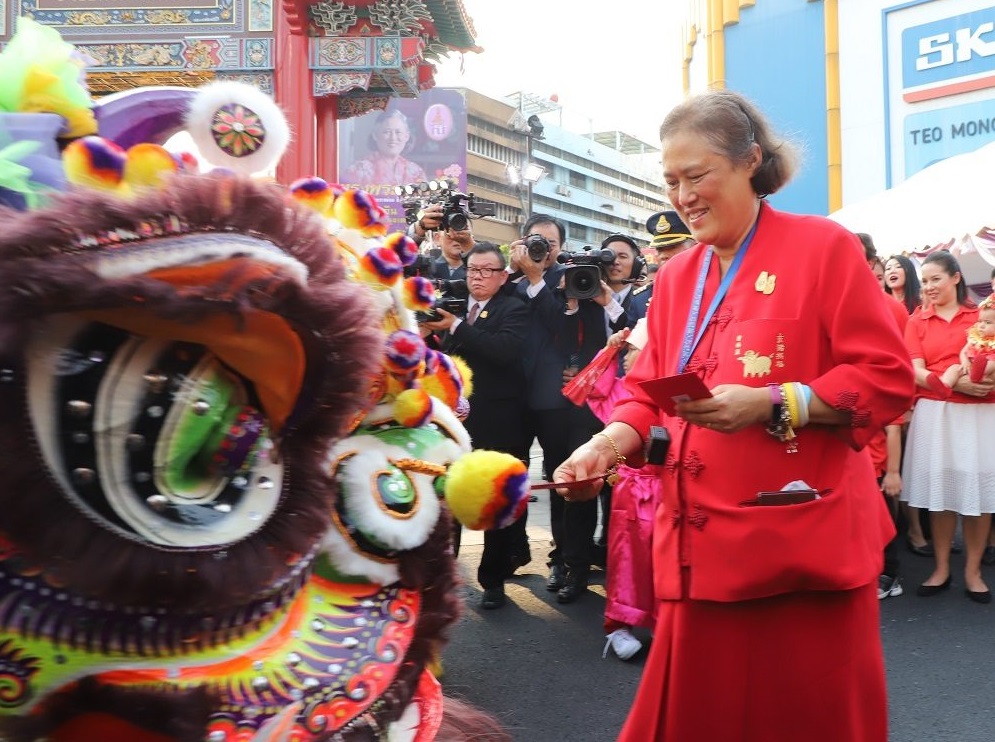
Thailand hosts the world’s longest-running, largest and highest-level celebrations of the Happy Chinese New Year with the most extensive participation. The Happy Chinese New Year, a flagship project of China-Thailand cultural cooperation, has been held in Thailand for years with great success. Her Royal Highness Princess Sirindhorn attended the celebrations in Chinatown for many years in a row. The China Cultural Center in Bangkok is the first of its kind set up by China in Southeast Asia and the largest China Cultural Center in the world. China has been the largest source of tourists for Thailand.Chinese tourists to Thailand exceeded 10 million person-times in 2018 and 2019 respectively. Thailand is the first country to declare traditional Chinese medicine legal like China.

S 3145799 2
Her Royal Highness Princess Sirindhorn attends a Chinese New Year celebration Feb. 5, 2020, in Bangkok’s Chinatown.

Education: Passing on the Torch of Talent Cultivation

Thailand is home to the world’s first Confucius Classroom and the first Development Alliance of Confucius Institutes. In 2006, the Confucius Classroom at Bangkok’s Traimit Wittayalai Secondary School was established in Thailand. Up to now, there are 17 Confucius Institutes and 11 Confucius Classrooms in Thailand, which have jointly set up the Development Alliance of Confucius Institutes (Classrooms) in Thailand.

China and Thailand jointly built the world’s first Luban Workshop, creating an integrated education model of “Chinese language + vocational skills” that has trained 1,804 Thai students so far. Thailand is one of the first countries to incorporate Chinese into its national education system, and it ranks first in the world in the number of Chinese exam takers.

Since Chinese was included in foreign language education in 1992, over 3,000 schools in Thailand have offered Chinese courses. The scale of two-way student exchanges between China and Thailand ranks the top  of ASEAN countries, with over 30,000 students studying in each other’s countries.

Thailand hosts the largest number of international Chinese language teacher volunteers in the world. More than 20,000 volunteers in 23 groups have worked in Thailand. Thailand has the largest number of International Chinese Language Scholarship recipients as well.

Looking ahead, all these pioneering achievements are a testimony of the extraordinary journey of China-Thailand relations originated from steady growth to a great-leap forward development as visioned by our leaders and reflected the profound friendship between our peoples.

As close partners building a community with a shared future, China is of full confidence that the successful visit  by His Majesty King Maha Vajiralongkorn and Her Majesty Queen Suthida Bajrasudhabimalalakshan to China will bring new vitality and vigor to our relations and an better future for our two peoples.

________

Advertisement

Thailand Aims to Make Herbal Inhalers a Global Wellness Product

Traditional Thai herbs used in the production of aromatic inhalers, a popular remedy for relieving nasal congestion and dizziness in Thai traditional medicine.

BANGKOK — Thailand’s Ministry of Public Health has unveiled a new strategy to turn the country’s herbal inhaler industry into a global medical and wellness leader, aiming to generate 10 billion baht ($310 million) in economic value within five years.

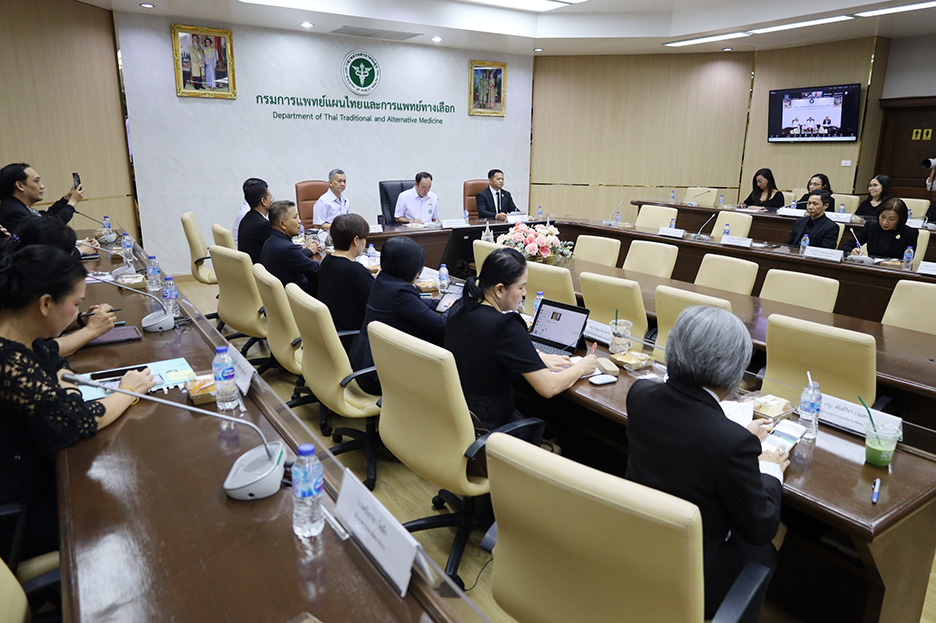
The Department of Thai Traditional and Alternative Medicine hosted a national workshop on November 7, 2025 focused on “Developing the Thai Herbal Industry: Herbal Inhalers.” The session, chaired by Assoc. Prof. Akkaranan Ariyasripong, advisor to the deputy health minister, outlined plans to combine Thai traditional wisdom with modern innovation to attract international investment.

Thailand’s inhaler market is valued at about 4.5 billion baht ($138 million), with herbal inhalers accounting for 1.33 billion baht ($40 million), Akkaranan said. The ministry’s “Medical and Wellness S-Curve” initiative aims to standardize and expand the sector, raising its value to 10 billion baht within five years.

Public Health1
A workshop on Thai herbal inhalers is held at the Department of Thai Traditional and Alternative Medicine on November 7, 2025, to discuss strategies for industry growth and global promotion.

Two key strategies will drive the effort: improving production standards and supporting innovation. The ministry will introduce a new Thai Premium Herbal Standard (TPHS) certification to ensure quality and safety, provide R&D funding for functional inhaler products, and offer 50% matching grants for SMEs to upgrade factories to GMP standards.

A proposed “Thai Herb Wellness Fund” will also co-invest in startups and provide tax incentives under the Board of Investment.

Pilot projects called “Pann” and “Phat” will help entrepreneurs develop new formulas, conduct product testing, and access legal and export support. Low-interest loans and mentorship programs will be available starting January.

Dr. Montaka Theerachaisakul, assistant director-general of the department, said the government has also launched “Siam Mani,” an e-commerce platform for certified Thai herbal products, allowing entrepreneurs to sell premium-quality goods online without platform fees.

The ministry said the new strategy aims to position Thai herbal inhalers as a globally trusted product that adds long-term value to the country’s wellness economy.

Public Health2
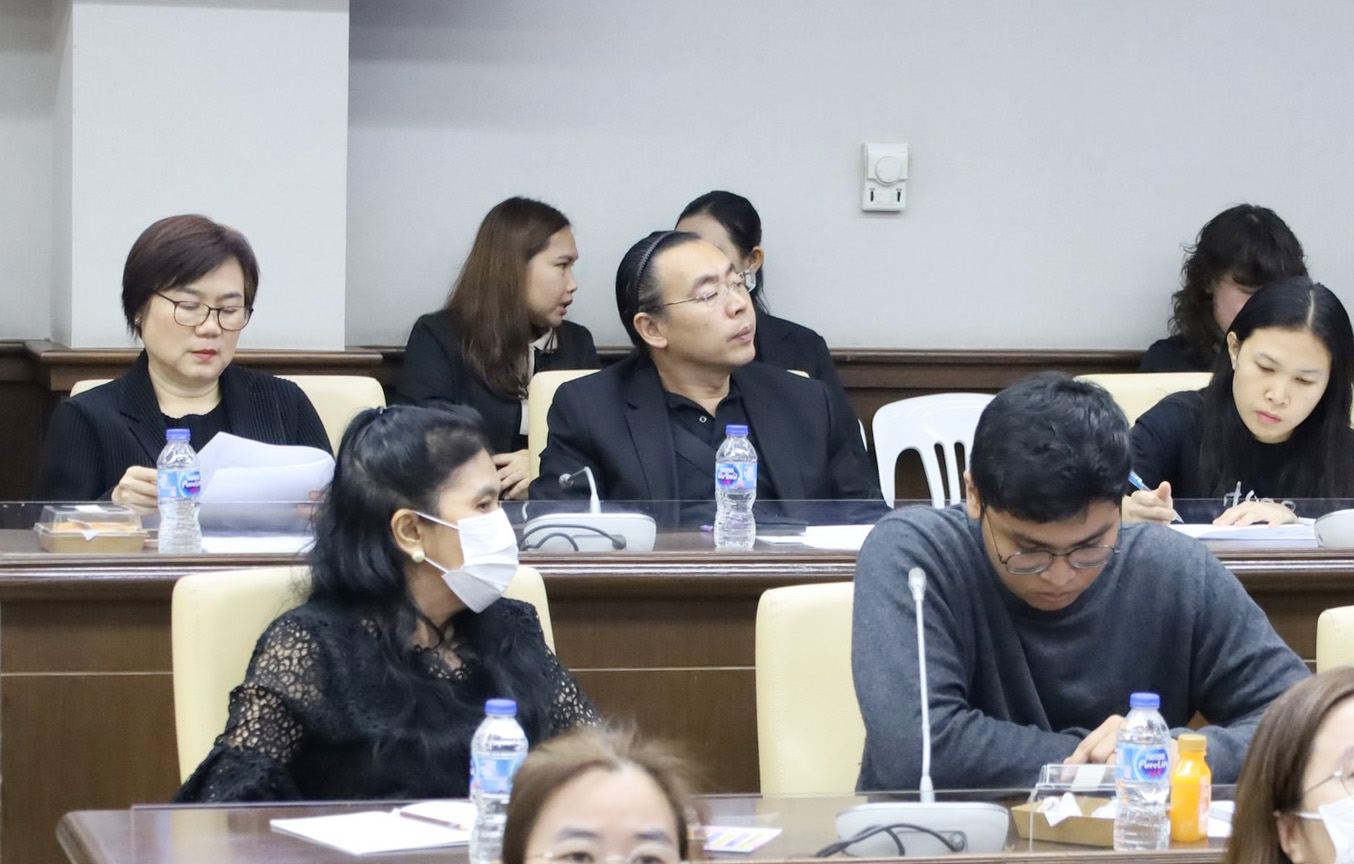
Teerapong Rabeutham, founder and owner of Hong Thai Herbal Co., which participates in the workshop at the Department of Thai Traditional and Alternative Medicine on November 7, 2025.

The strategic push for Thai herbal inhalers follows a recent controversy involving the brand Hong Thai. The Food and Drug Administration (FDA) detected microbial contamination in lot 332, prompting the company to recall more than 200,000 units for destruction. Another 2 million units in the factory without proper authorization were seized by the FDA.

Teerapong Rabeutham, founder and owner of Hong Thai Herbal Co., which participated in the workshop, said the company has worked to correct all past errors and continuously improve its products. “Our goal has always been to produce herbal products that are effective and appealing for Thai consumers,” he said.

Dr. Chaiwat Techapaithoon, chairman of Hong Thai Herbal Co., added that he is pleased that Thai herbal products are now being promoted as a form of soft power that benefits the nation. He acknowledged past production issues but stressed the importance of fixing them to preserve the reputation of Thai herbal products. “The media coverage caused significant damage, not just to Hong Thai, but to the industry as a whole,” he said.

____________

Advertisement

Thailand Demands Apology From Cambodia for Land Mine Explosion That Injured Soldiers

A Thai officer inspects a landmine near the Thai-Cambodia border in Sisaket province, Thailand, Monday, Nov. 10, 2025. (Royal Thai Army via AP)

By JINTAMAS SAKSORNCHAI

BANGKOK (AP) — Thailand said it has indefinitely paused implementation of a U.S.-brokered ceasefire until Cambodia apologizes for a land mine explosion Monday that injured four Thai soldiers at their border.

Thai Prime Minister Anutin Charnvirakul visited the injured troops at the border Tuesday as the Thai army accused Cambodia of laying new mines in violation of the truce agreement Thailand and Cambodia signed last month.

Territorial disputes between the Southeast Asian neighbors led to five days of combat in late July that killed dozens of soldiers and civilians. Others have been injured by land mine explosions before and after July’s combat and tensions have simmered despite the truce.

The Thai army said one soldier lost his right foot after stepping on a land mine while on patrol along the border in Sisaket province Monday, while the other three sustained minor injuries. Cambodia denied responsibility.

Thai Foreign Ministry spokesperson Nikorndej Balankura said Tuesday the incident showed “Cambodia’s utter lack of sincerity.”

He called for Cambodia to apologize, conduct a thorough investigation and implement measures to prevent another explosion. Thailand also said it would indefinitely postpone the return of 18 Cambodian soldiers held since the July conflict.

AP25314293387849 1
In this photo released by Royal Thai Army, two Thai soldiers injured by a landmine during a patrol near the Thai-Cambodia border are treated as they are to be transferred to a hospital in Sisaket province, Thailand, Monday, Nov. 10, 2025. (Royal Thai Army via AP)

The situation should not escalate if Cambodia makes a sincere effort to meet the conditions, Nikorndej said.

Cambodia Defense Ministry spokesperson Maly Socheata said Tuesday that the explosion was caused by “the remnants of past conflicts” and urged Thai troops to avoid patrolling in old minefield areas.

Cambodia “remains committed to working closely with Thailand to promote peace and stability between the two countries, especially ensuring the security and safety of civilians,” she said.

Under the terms of the truce, Thailand agreed to release the Cambodian soldiers and both sides must begin removing heavy weapons and land mines from the border area. The countries said there has been some progress on arms removal.

AP25299184010462
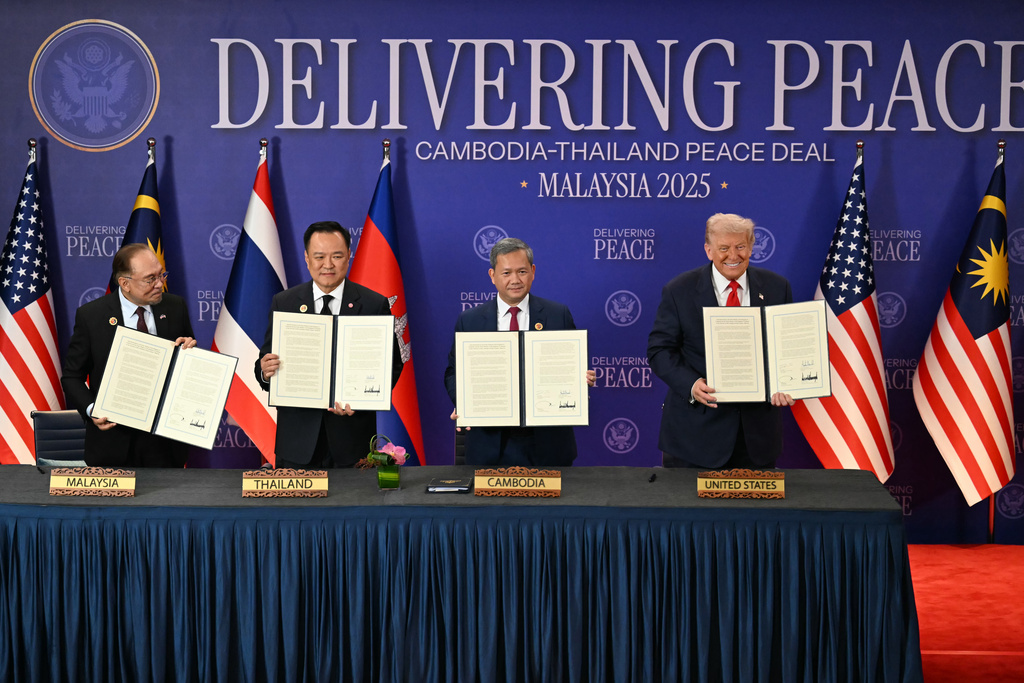
Malaysia’s Prime Minister Anwar Ibrahim, from left, Thailand’s Prime Minister Anutin Charnvirakul, Cambodia’s Prime Minister Hun Manet and U.S. President Donald Trump hold up documents after the ceremonial signing of a ceasefire agreement between Thailand and Cambodia on the sidelines of the 47th Association of Southeast Asian Nations (ASEAN) summit in Kuala Lumpur, Malaysia, Sunday, Oct. 26, 2025. (Mohd Rasfan/Pool Photo via AP)

Malaysia initially mediated the ceasefire. U.S. President Donald Trump then threatened to withhold trade privileges from Cambodia and Thailand and the deal was signed during the Association of Southeast Asian Nations summit in October.

Matthew Wheeler, Southeast Asia senior analyst for the Belgium-based International Crisis Group, said it was “predictable that the agreement would break down, because it was plainly concluded to placate President Trump on matters unrelated to the conflict, namely, trade and Trump’s desire to be perceived as a peacemaker.”

Thailand’s strong nationalist sentiment also has made it difficult for the government to resolve the conflict through a conciliatory approach, Wheeler said.

___

Advertisement

Taiwan’s participation in the “Global Mutirão” on Climate Transition

Taiwan’s participation in the “Global Mutirão” on Climate Transition

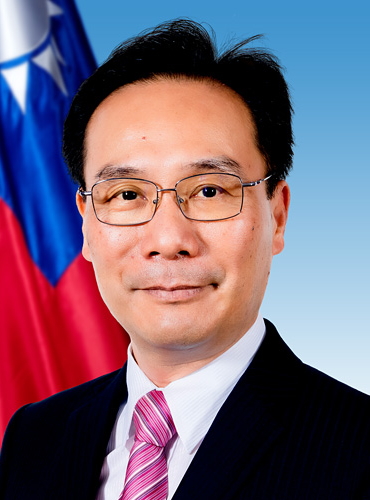
Mr. Peter Lan

Representative of Taipei Economic and Cultural Office in Thailand
November 2025

Mr.Peter Lan

C limate change is rapidly reshaping the global economic structure and risk landscape. Taiwan and many countries are all facing this growing challenge. Taiwan and Thailand were struck by successive torrential rainfall, causing severe flooding in many locations and underscoring the profound effect of extreme climate on regional development and public safety.

As a responsible member of the international community, Taiwan is moving to address climate change in line with global efforts to limit temperature increases to 1.5°C over baseline. In 2025, Taiwan presented a clear and transparent Nationally Determined Contribution (NDC) for 2035, setting explicit goals for a low-carbon transition.

With the regular publication of National Inventory Reports on greenhouse gases as well as Biennial Transparency Reports, Taiwan is disclosing its progress and demonstrating its commitment to meeting its responsibilities as concerns the global effort to reduce emissions.

When he took office in 2024, President Lai Ching-te announced the National Project of Hope, setting out a policy vision for green growth and a 2050 net-zero transition. His administration has since dictated five major strategies for advancing the net-zero transformation: developing an intelligent green energy strategy; promoting a dual-track industrial transformation involving both digitalization and greening; fostering net-zero, sustainable lifestyles; ensuring a leading government role supporting the transition; and achieving a just transition that leaves no one behind.

In June 2024, the National Climate Change Committee was established under the Office of the President to create societal momentum and facilitate dialogue on national climate governance strategies. Through this process, Taiwan set new emissions reduction targets—26 to 30 percent by 2030 and 36 to 40 percent by 2035 compared with the base year.

Setting ambitious mid-term targets to steer the net-zero transition

Taiwan is focusing on mid-term targets as the core strategy by which to steer its transition to net-zero emissions by 2050. It is also progressively building an institutional, action-oriented climate governance framework. The Climate Change Response Act enshrines in law the 2050 net-zero goal. Moreover, in line with the updated NDC under the Paris Agreement, Taiwan is voluntarily advancing its implementation in accordance with Article 4 obligations. It is concurrently reviewing and refining its mitigation pathway.

In parallel, Taiwan has launched the Comprehensive Carbon Reduction Action Plan. Through a bottom-up approach, every ministry and agency is reviewing and improving its own mitigation programs, while the National Council for Sustainable Development is, meanwhile, utilizing a top-down strategy to identify and coordinate 20 flagship mitigation actions.

Among these are accelerated deployment of solar photovoltaics and offshore wind; breakthroughs in geothermal and small hydropower technology; high-tech energy storage; low-carbon fuels and hydrogen (including ammonia) supply chains; carbon capture, utilization, and storage; industry self-mitigation measures; enhanced energy efficiency; decarbonization of state-owned enterprises; near-zero carbon buildings; electrification and decarbonization of commercial vehicles; sustainable aviation fuel; agricultural resilience and carbon sinks; low-carbon, sustainable agriculture; circular resource use; and net-zero, sustainable lifestyles.

Complementing these are six institutional innovation mechanisms: technological innovation, financial support, carbon pricing, regulatory adaptation, green workforce development, and community-driven engagement. These will further enhance national mitigation efforts.

climate cop30
Image: Audiovisual COP30/Secom

Advancing voluntary compliance and fostering inclusive dialogue

In accordance with Article 4 of the Paris Agreement and the decision adopted at the 28th Conference of the Parties to the United Nations Framework Convention on Climate Change (UNFCCC COP28) in 2023, parties are required to submit 2035 greenhouse gas reduction targets (NDC 3.0) by 2025.

Although Taiwan is not a party to the convention, it has voluntarily aligned with the UNFCCC framework and timeline in submitting its NDC 3.0 this year. Developed in line with guidance on information necessary to facilitate clarity, transparency, and understanding, Taiwan’s NDC 3.0 shows enhanced ambition and fairness comparable to those of other countries.

The NDC 3.0 highlights 10 key dimensions: (1) equity and ambition; (2) the domestic legal and institutional framework for climate governance; (3) smart green energy strategies for an energy transition; (4) the dual-track transformation of digital and green industries; (5) green finance and carbon pricing; (6) net-zero, sustainable lifestyles through community-driven initiatives; (7) a just transition and green workforce development; (8) international cooperation; (9) climate change adaptation; and (10) human rights, gender equality, and the rights and welfare of children and youth. These components ensure a science-based and transparent framework for Taiwan’s concrete actions on climate.

Promoting a combined carbon fee system and emissions trading system approach to carbon pricing

Taiwan officially launched its carbon fee system this year as well as pilot reporting. The fee was initially set at approximately US$10 per metric ton CO2e. Establishing a national carbon price is a new milestone. The carbon fee system has as its main objective reducing emissions and is projected to reduce emissions by 37 million metric tons of carbon dioxide equivalent (CO2e) by 2030.

As concerns international cooperation, Taiwan is preparing for substantive engagement under Article 6 of the Paris Agreement, thereby bolstering the regulatory and institutional groundwork for participation in global carbon markets.

By making progress on both domestic carbon pricing instruments and international cooperation, Taiwan aims to create its own model of carbon market engagement and make meaningful contributions to the global net-zero transition as a key export-oriented player in regional and global supply chains.

Integrating resources and expanding networks for climate adaptation

In response to the effects of climate change, Taiwan is pressing forward with nationwide climate change adaptation policies in line with Article 7 of the Paris Agreement, which calls for strengthening adaptation actions at all levels. Taiwan has established a National Climate Change Adaptation Action Plan with a four-year cycle. It covers seven areas, including critical infrastructure, water resources, land use, coasts and oceans, energy supply and industry, agricultural production and biodiversity, and health.

This year, central and local governments, public health experts, and nongovernmental organizations have established the Heat Adaptation Strategy Alliance as a response to the problem of heat. In the future, we will continue to build upon this public-private cooperation model, expand the adaptation action network, and enhance overall national resilience.

Connecting to global transformations and shaping a new era of climate action

COP30 will be a landmark event as we mark five years since the implementation of the Paris Agreement. The gathering will serve as the starting point of the next phase of global climate action.

Taiwan is aligning with the international community by submitting its NDC 3.0 and completing its first Biennial Transparency Report to respond to the global transparency framework addressed in Article 13 of the Paris Agreement. Such efforts underscore the predictability of Taiwan’s climate policies as well as its commitment to global dialogue.

Taiwan is also acting determinedly on the net-zero transition by furthering work on carbon pricing, driving structural transformation, extending its adaptation actions, and building robust policy support frameworks. Such work demonstrates both resolve and the capacity to confront the challenges of climate change. Yet Taiwan recognizes that net zero is not something any one nation can achieve alone, but rather is a collective journey the global community is taking together.

We call on all countries to support Taiwan’s participation in COP30 in Belém, Brazil, this November, so as to empower Taiwan and the international community to jointly respond to the climate crisis in the spirit of COP30’s “Global Mutirão.” Working together, we can move toward the full implementation of the Paris Agreement and create a net-zero world.

________________

Advertisement

Hot News

LATEST NEWS

Bangkok
broken clouds
33.3 ° C
36.6 °
33.3 °
64 %
4.4kmh
84 %
Thu
34 °
Fri
35 °
Sat
35 °
Sun
35 °
Mon
34 °