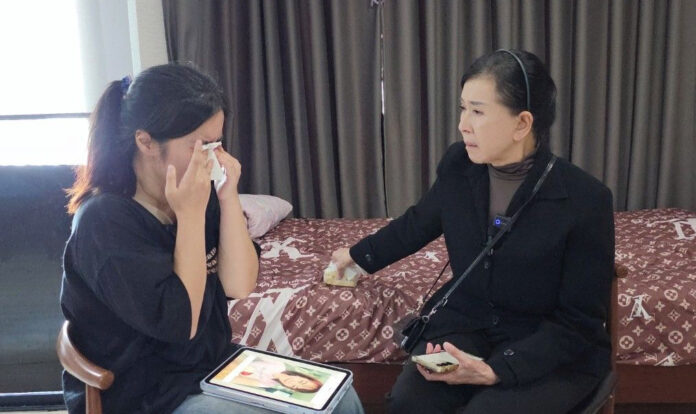
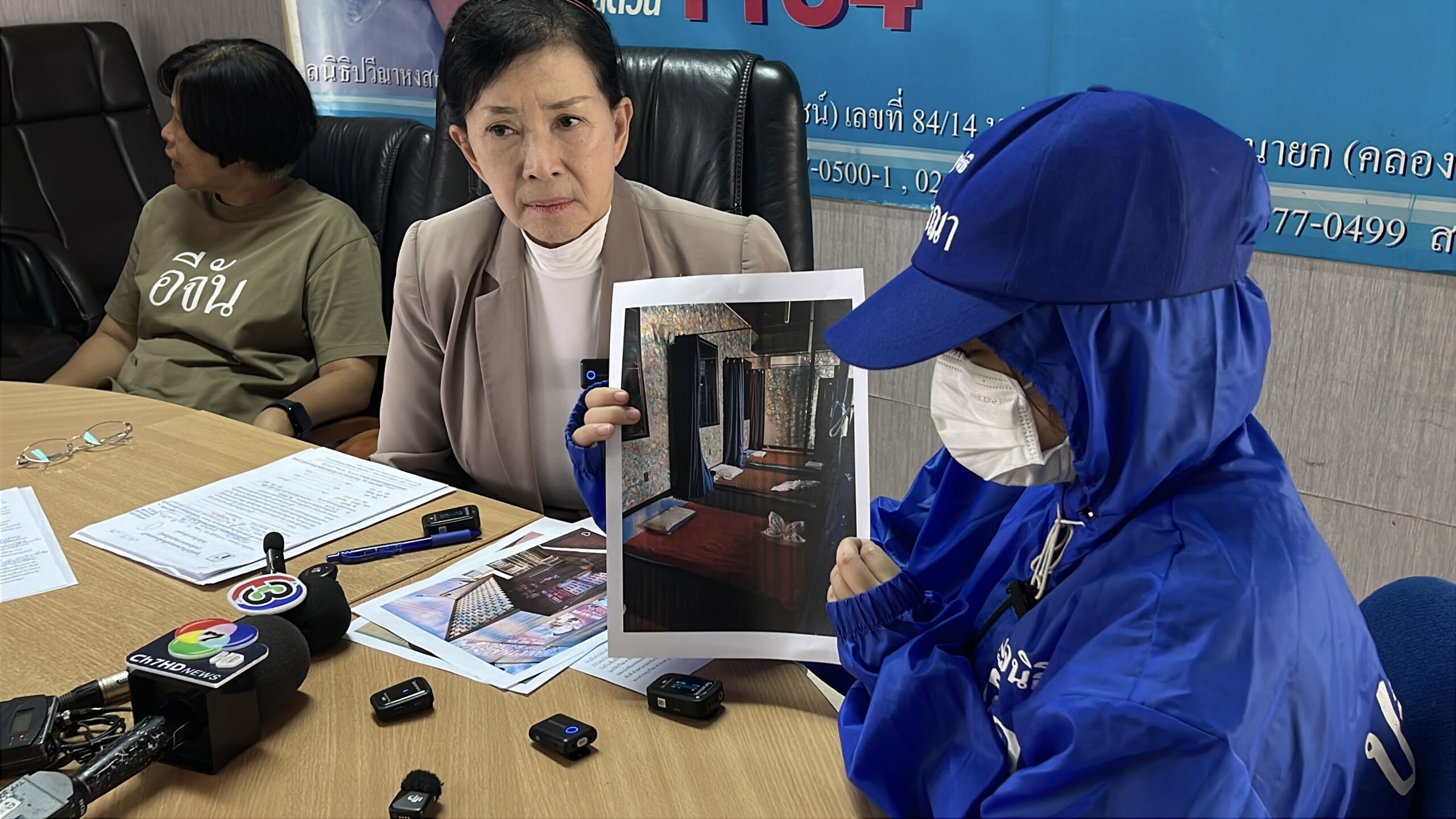
Veterinary student "Mint" Kanyawee (left) seeks help from Pavena Foundation president Pavena Hongsakul regarding her mother's suspicious death in Japan, October 7, 2025.
PATHUM THANI — A 20-year-old veterinary student has sought help from the Pavena Foundation for Children and Women to investigate her mother’s suspicious death at a massage spa in Yuki, Ibaraki Prefecture, Japan.
Kanyawee “Mint” Nanongthum reported that her mother, Nongnaphat “Toon,” 47, was found dead naked on a massage bed at the spa on October 5. The student suspects foul play and is seeking assistance to bring her mother’s body back to Thailand.
Suspicious Circumstances
Mint told foundation president Pavena Hongsakul that she last spoke with her mother via video call at 11 p.m. on October 4. During that conversation, her mother recounted being choked by an apparently mentally unstable Japanese customer the previous day. The mother said she threatened to call police, prompting the man to release her.
After that call, Mint could no longer reach her mother. Messages went unread, and the spa owner initially lied, claiming the woman had left with a man—despite already knowing she was dead.
Kanyawee “Mint” Nanongthum (right) shows media a photograph of the massage spa in Japan where her mother, Nongnaphat, worked before being found dead under suspicious circumstances, during a press conference at the Pavena Foundation for Children and Women on October 8, 2025.
“The owner deleted my mother’s photos from the shop’s page and told me to delete my missing person posts because it was damaging their business,” Mint said. “I don’t understand what I did wrong.”
Mother Worked to Support Daughter’s Education
The mother had been working at the Thai-owned spa in Japan for about six months, sending money to support her daughter’s medical studies. Mint, who lives with her 73-year-old grandmother, also relies on student loans for tuition.
“My mother was the pillar of our family. She went to Japan to earn money so I could finish my veterinary degree,” Mint said. “She wasn’t sick before this. Finding her naked and dead on a massage bed is completely abnormal.”
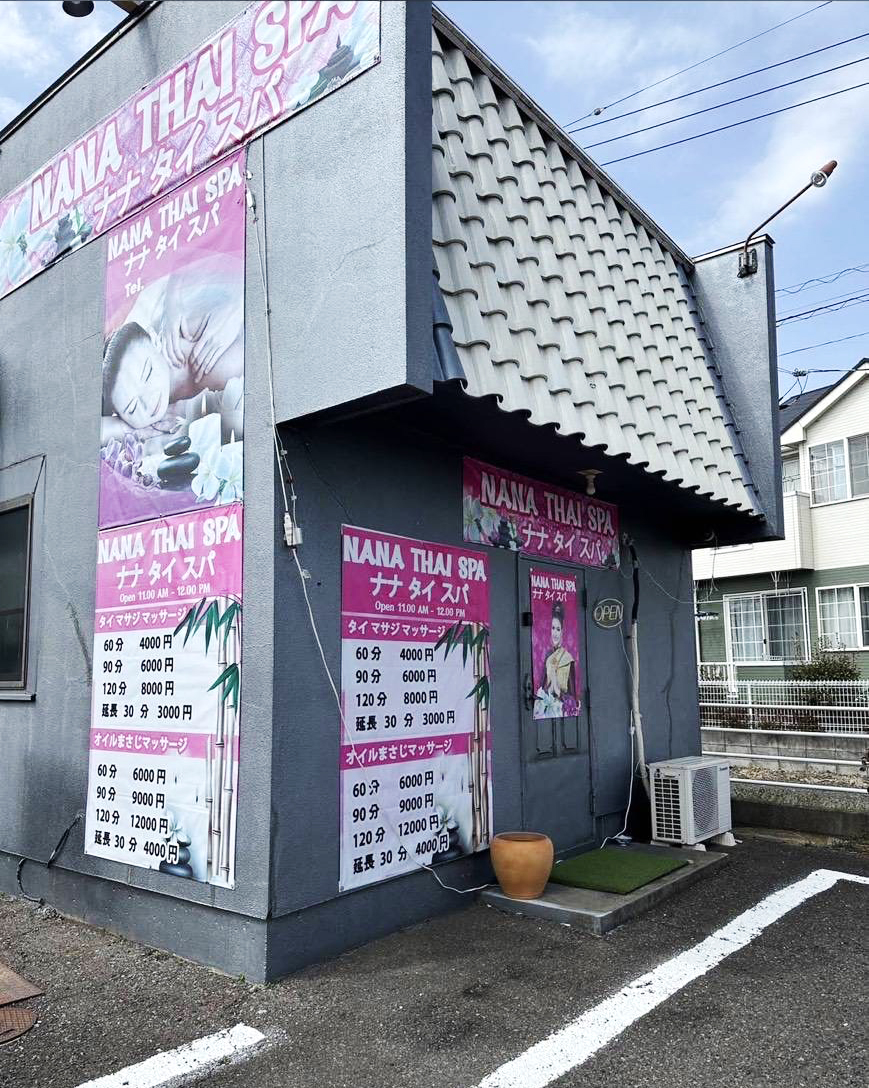
The Thai Spa in Yuki, Ibaraki, Japan, where Thai massage therapist Nongnaphat was found dead on a massage bed on October 5, 2025.
Foundation Steps In
Pavena said she has coordinated with Pol. Col. Suraphan Thaiprasert, Commander of the Foreign Affairs Division of the Royal Thai Police, and the Foreign Ministry to work with Japanese authorities and the Thai embassy to investigate the death and arrange repatriation.
Bringing the body home is expected to cost around 200,000 baht. The Foreign Ministry has offered to provide a loan, which Mint would need to repay. The foundation is seeking public donations and has pledged to support Mint’s education until graduation.
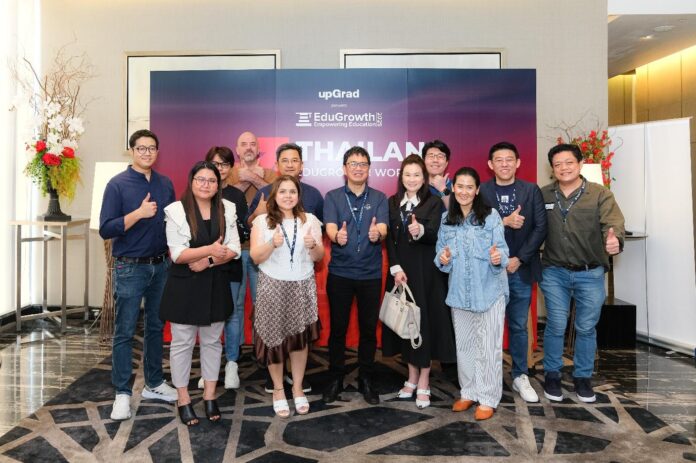
At the recent upGrad Coffee Talk, titled “Take the Next Step to a Global Degree with upGrad” in Bangkok, professionals and learners gathered to explore the realities of pursuing international higher education while balancing demanding careers and personal responsibilities. The event provided a platform for Thai learners to hear first-hand experiences from those who have successfully navigated the challenges of global education, demonstrating that international degrees are not merely aspirational but achievable.
The session featured inspiring speakers, including Mr. Werachon Wangkawe, Managing Director at TENET R&D Co., Ltd., and an alumnus of Liverpool John Moores University (UK); and Ms. Kwanchanok Rungrattanawanich, a current Doctor of Business Administration (DBA) candidate at Golden Gate University (USA) and a member of the Parent-Teacher Association of the Demonstration School of Ramkhamhaeng University.
Both speakers shared insights on managing work, study, and personal life while emphasizing the transformative impact of international education on professional development. Their narratives highlighted the practical benefits of global degrees, including enhanced career opportunities, expanded professional networks, and strengthened leadership skills.
Ms. Kwanchanok Rungrattanawanich shared “I chose upGrad because of the strong support team that guided me through my application and SOP. The online format also gives me the flexibility to balance work, family, and studies. I can learn when it’s most convenient—whether late at night, after work, or on weekends—and still connect with professors and classmates during live sessions. For me, this journey is not only about advancing knowledge, but also about building pride for my family. I want my children to look up to their mother’s achievement and feel inspired to aim higher in their own education. ”
The Coffee Talk offered participants a unique opportunity to engage with authentic experiences from Thai learners who have successfully advanced their education with upGrad. Attendees gained practical strategies for managing the demands of academic, professional, and personal responsibilities, while also connecting with like-minded professionals exploring their next academic step. This combination of real-life insights, actionable guidance, and community interaction made the event particularly valuable for those considering international higher education.
upGrad: Bridging Global Education with Local Access
Founded in India, upGrad is one of Asia’s largest online higher education platforms, with a presence across Southeast Asia in Singapore, Vietnam, Indonesia, the Philippines, and Thailand. By partnering with globally recognized universities, including Northeastern University, Golden Gate University, Edgewood University, and Liverpool John Moores University, upGrad delivers world-class programs designed for professional advancement. upGrad’s portfolio includes a range of programs tailored to meet diverse career goals: Master of Business Administration (MBA), Doctor of Business Administration (DBA), Dual MBA & DBA, Master of Education (M.Ed.), Doctor of Education (Ed.D.), Dual M.Ed. & Ed.D., and Master of Science in Data Science.
Supporting Thai Learners in Overcoming Key Challenges
Many Thai professionals encounter challenges when considering international higher education, such as balancing demanding careers, personal commitments, financial factors, and evaluating program quality and accreditation.
To address these challenges, upGrad provides a holistic, learner-centered approach that combines flexible online learning, globally recognized programs, and dedicated academic support to help learners overcome these barriers with confidence.
Flexible, fully online programs, including weekend live sessions, recorded lectures, and extensive digital resources, allow learners to study at their own pace while balancing professional and personal obligations. Continuous support from faculty, mentor, peer forums, and interactive discussions ensures engagement and guidance throughout the learning journey. While the programs are delivered fully online, learners also have the opportunity to participate in immersion trips to partner university campuses, enhancing their academic journey with real-world exposure and global networking opportunities
Along with flexible learning, upGrad provides convenient payment options and affordable fees. With installment plans and program costs much lower than full-time study abroad, learners can continue advancing their careers without interruption. The immediate applicability of newly acquired knowledge ensures a high return on investment, allowing learners to enhance their professional performance while studying.
Many learners remain concerned about the credibility of programs and the availability of reliable information when pursuing international education. To address these concerns, upGrad partners with top-ranked universities and provides access to local academic counselors in Bangkok. A growing community of Thai learners benefits from workshops, immersion programs, and networking events. The curricula are practical and work-ready, featuring case studies, simulations, and applied projects, which help professionals smoothly transition into new fields or deepen expertise in their current roles.
Recently, Professor Jay from Golden Gate University traveled to Thailand to lead an exclusive dissertation workshop for upGrad learners, followed by a dynamic networking session that helped participants build meaningful professional connections. This type of engagement not only reassures learners of program credibility but also brings the global classroom experience closer to home.
In conclusion:
The success of the upGrad Coffee Talk in Bangkok demonstrates that Thai professionals are ready to embrace global educational opportunities. By offering flexible learning formats, affordable tuition plans, accredited programs, and strong local support, upGrad equips learners with the tools and support needed to confidently pursue their academic and professional goals. Through credible partnerships, practical curricula, and personalized assistance, upGrad makes global higher education both accessible and directly relevant to the career growth of Thai professionals.
A portrait of Gandhi at the Presidential Palace in New Delhi. (Photo: Pravit Rojanaphruk)
“The world is not just different; the very structure of the international order is undergoing a profound transformation. American nationalism, the rise of China, the saga of Brexit and the rebalancing of the global economy are often cited as the more dramatic examples of change. In fact, the phenomenon is far more pervasive than just these illustrations. We have seen a return of old empires like Russia, Iran or Turkey through greater energy and influence in proximate regions. West Asia is in ferment, even by its exceptionally volatile standards. The centrality of ASEAN to Asia is not what it used to be….”
“When India decided to look more to the East a quarter of a century ago, it was the beginning of a profound correction in its foreign policy…” S. Jaishankar, External Affairs Minister of India, in his book entitled: The India Way: Strategies for An Uncertain World, p. 71 and p. 160, first published in India in 2020.
Five years after the seminal book was first published by Indian External Affairs Minister S. Jaishankar, a 10-day visit by this writer to India reflects the optimism and confidence about the rise of India and its emerging role in Asia and beyond.
At the Confederation of Indian Industry (CII) in New Delhi, we were reminded that India’s goal is to become a developed nation by 2047, or a century after it gained independence from Great Britain.
The world’s most populous nation is already the fifth largest economy, and is poised to become Number 4 when it replaces Japan. With that comes “the burgeoning middle class,” said a speaker who directed our attention to a graphic containing a projection by the World Economic Forum that with the current pace of economic growth, India will have 44 percent of its households categorised as upper middle class, or 168 million households, by the year 2030, or five years from now, while the percentage of the poor household will be reduced to 15 percent, or 55 million households – if the annual growth rate holds at 7.5 percent.
As it is, Indian tourists are already among the Top 3 foreign tourists to Thailand and the fastest growing group among the Top 10 nations.
Thailand had a total of 24,115,328 foreign tourists arrive in the country from January 1 – September 30, according to the latest Thai government figures as reported on Khaosod English on Saturday, October 4, 2025.
The top 10 foreign tourist markets visiting Thailand in the first nine months of 2025 are:
Malaysia 3.47 million people (down 7.05 percent)
China 3.41 million people (down 34.97 percent)
India 1.77 million people (up 15.28 percent)
Russia 1.27 million people (up 9.71 percent)
South Korea 1.13 million people (down 17.7 percent)
Japan 800,000 (up 5.39 percent)
United Kingdom 750,000 (up 13.66 percent)
United States 740,000 (up 5.59 percent)
Taiwan 730,000 (down 9.14 percent)
Singapore 680,000 (down 1.65 percent)
Given the proximity of air travel between India and Thailand (less than four hours between Bangkok and New Delhi, or Bengaluru), there is no reason why many more newly affluent Indians cannot travel to Thailand, or eventually become the largest group of foreign tourists to Thailand in the years ahead.
In fact, it might be accurate to say Indians are in a honeymoon phase when it comes to Thailand – Thailand is relatively affordable, not too far, with some dishes favourably received by Indians (green curry and tom yam were common at a 5-star hotel buffet in New Delhi where we stayed).
In the southern city of Bengaluru (Bangalore) the fascination among some Indians regarding Bangkok was reflected in an article on the Hindustan Times which partly stated recently on September 27, 2025:
“Bengaluru woman compares Koramangala Friday night to Bangkok in viral post, netizens agree. The post highlights how Koramangala has increasingly become a nightlife hotspot in Bengaluru…”
The headline followed this post on X.
“Sometimes you can just take a walk in Koramangala on a Friday night and suddenly be in Bangkok,” wrote Aditi Srivastava (@adviosa on X) on Sep 26, 2025.
With India’s median age at 29.8 years, (2024 estimate), according to The CIA World Factbook 2025-2026, more newly affluent Indians can be expected to visit Thailand and Southeast Asia. (Thai median age is 41.5, BTW.)
At an upscale supermarket in Bengaluru, this writer noted a decent selection of Thai consumer goods, although some Thai sauces were actually made in Malaysia. On my flight back to Bangkok from Bengaluru, the Air Asia flight on late Thursday night last week was nearly full, with many who look like Indian tourists.
As for Air India, the airline is already flying from two Indian cities to Bangkok – New Delhi and Mumbai. Meanwhile, Air India Express flies between Lucknow, Pune, and Surat to Bangkok. And we are not counting Thai Airways, Air Asia and more.
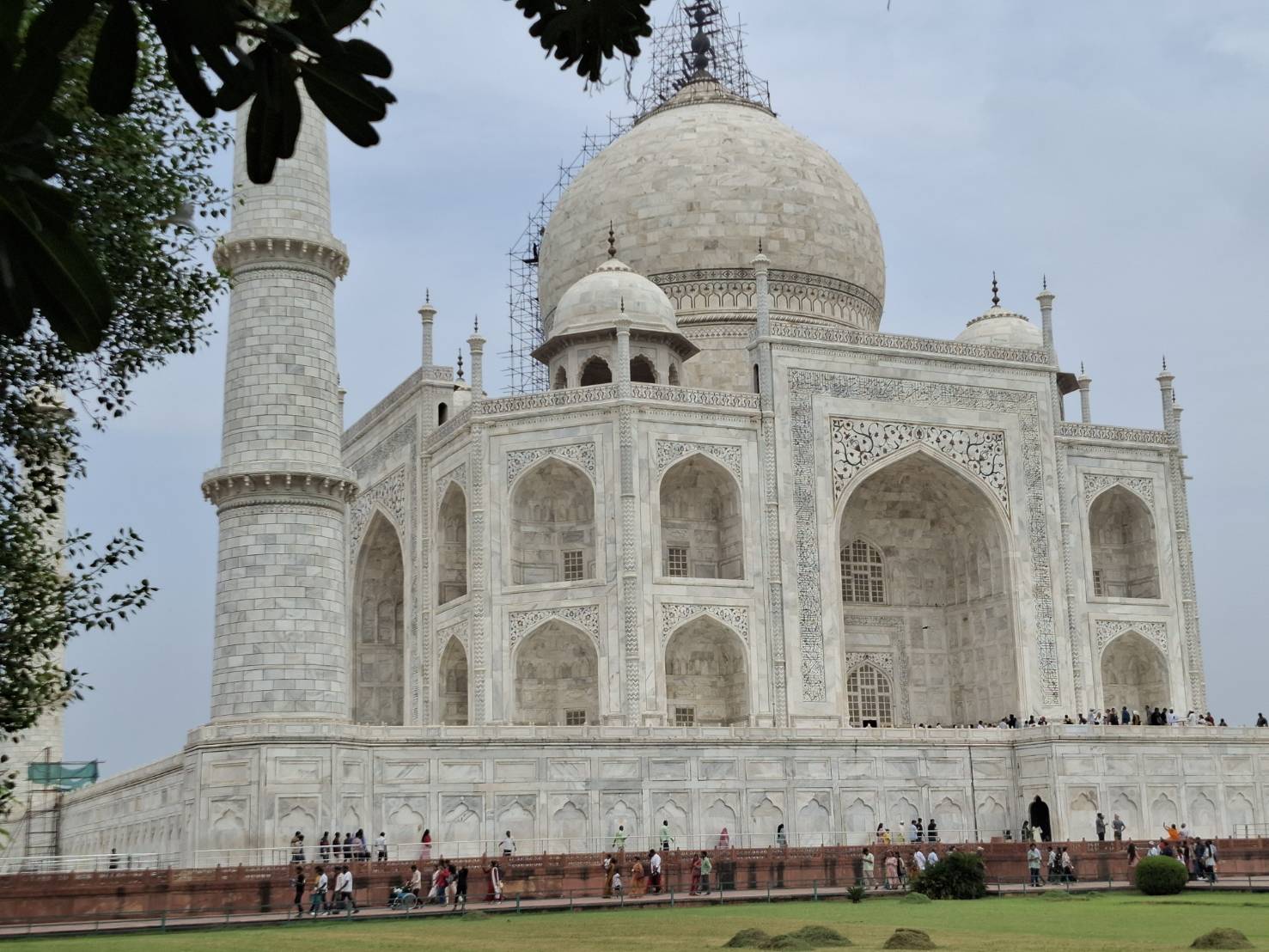
This should not be a one-way street, however. The Indian government will have to try harder to promote tourism in India to Thais and others in Southeast Asia. The potential is there as India offers some of the most beautiful buildings and palaces in the world, including the Taj Mahal, Jama Masjid, and much more beyond the holy sites of Buddhism such as Bodhgaya. Its culinary richness will take many visits to fully appreciate and visiting India is a sensory journey although one must be mindful of possible health impact from food poisoning and somewhat chaotic traffic and infrastructure. All in all, it is a relatively safe country to visit and people are friendly, if not very friendly.
Taj Mahal remains a top tourist attraction in India but the country has moved on to become a major power, offering more than just historic tourist attentions.
We were told they are improving on the tourism experience, including pink police booths for female tourists, and better infrastructure. The relatively new Terminal 2 in Bengaluru, for example, is clean, modern and full of real plants that would put many airports in Southeast Asia, including Don Mueang, to shame.
Beyond tourism, an executive at CII said Thailand can serve as a base for Indian pharmaceutical industry to explore the rest of Southeast Asia.
At another meeting, Dr Rajiv Dahl, a director general at the Indian Council for Medical Research (ICMR) was asked by an American journalist during our meeting in New Delhi if the goal of seeing India becoming a developed nation by 2047 is realistic. Dahl’s answer reflected the determination and confidence of leading Indian officials today that I would hear time and again during our 10-day stay in India.
“We will become a developed country. We’re definitely going to get there.”
Dahl, who worked for the World Health Organization (WHO) prior to joining the Indian government, later added: “Vision needs to be set. Vision is set to be achieved. If we never think like that, we will never be [a developed nation].”
Whether India becomes a developed nation by the year 2047 or not (its current literacy rate is still 74.4 percent, according to the same CIA Factbook), we cannot discount the fact that India is also a major power, the most populous nation on earth, the world’s largest democracy, and a juggernaut in Asia (the word juggernaut is befittingly of Indian origin).
India’s strong presence in Southeast Asia is already multifaceted although the country may have been too busy to make it explicitly known until this trip for foreign journalists, including those from most ASEAN member states.
Here are a few examples:
Road connectivity from Northeast India through Myanmar to Thailand’s western province of Tak is being constructed, hopefully it will link India all the way to Vietnam by road. (The completion is partly pending on the political solution in Myanmar, however.)
India for nearly two decades has been assisting ASEAN member states such as Cambodia, Vietnam, Laos and Myanmar in restoring and conserving their major historical sites, including Angkor Wat and Bagan. An MOU to help conserve Indonesia’s Prambanan Temple Complex is about to be signed.
Executives at Indian Space Research Organisation (ISRO), told us that they are now among the world’s Top 6 in terms of space exploration. Its goal is to have its own space station in 2035. In August 2023, Chandrayaan-3 “became the first mission in the world to have successfully landed near the Moon’s south pole, making a historic milestone for space exploration,” according to a printed manuscript handed to us while visiting ISRO.
India has also established a ground station in Vietnam and is training ASEAN officials on using the data for agricultural and weather forecasting purposes. We should see more co-operation in the area as India, according to the CIA Factbook, “has one of the world’s largest space programs; designs, builds, launches, operates, and tracks the full spectrum of satellites, including communications, navigation, remote sensing (RS)…”
Hosting Indian Ocean Information Centre just outside New Delhi, with 82 countries participating, including Thailand, Indis helps monitor sea safety on the Indian Ocean all the way east to the Straite of Melacca.
India is able to produce domestically-made light fighter jets, known as Tejas, and sold some to Malaysia already.
India’s top institutes, such as the Indian Institute of Sciences (IISc), the National Law University in Bengaluru, and the Indian Institute of Management Bengaluru (IIMB) are already among top-rated schools in Asia, although it will have to try harder to promote their brands in order to attract top students from Southeast Asia. (IIMB, for example, admitted only one student from Southeast Asia, or from Singapore, last year.)
At the Office of Research and Information System for Developing Countries (RIS) our group were told that India is one of the most adversely affected countries when it comes to Trump’s tariff, with a lot of layoffs occurring.
“Trump talks like a hooligan,” an Indian speaker told us. “Some say India and the US are not friends anymore.”
The solution? Diversifying into other markets. “We want a multipolar Asia at the end of the day,” said, Atul Kaushik, an Indian speaker at RIS.
At RIS, we were told that India is a “genuine leader in pharmaceutical sector.” This is an area where Thailand can deepen the relationship, particularly given that medicines from India are generally more affordable than those from the West.
Conclusion: As India is looking East, Thailand, and not just its government but the Thai people, should look West to India as well, not just for more Indian tourists, and economic interests, but to balance the power between the US and China in Thailand.
What’s more, Thais would do well to discover parts of their cultural roots – Buddhism, Hinduism, and the language, that can be traced back to India. These will potentially have a profound positive impact on Thai culture and society in the future.
_________
Note: Pravit Rojanaphruk was in India on the invitation of India’s Ministry of External Affairs and would like to thank the Ministry, including the Embassy of India in Bangkok, for its kind hospitality.
Nualphan Lamsam, President of the Football Association of Thailand (left), poses with FIFA President Gianni Infantino after being appointed as the first female Chairperson of FIFA's Development Committee for the 2025-2029 term.
GENEVA — FIFA has appointed Nualphan Lamsam, President of the Football Association of Thailand, as Chairperson of FIFA’s Development Committee for the 2025-2029 term, making her the first woman in history to hold the position.
The appointment was officially ratified by the FIFA Council on October 7, marking a significant milestone for Thai football and affirming Thailand’s role on the global football stage.
The Development Committee is one of FIFA’s most important standing committees, responsible for setting the direction and overseeing football development programs worldwide across all 211 member associations. Its duties include planning and proposing development strategies, monitoring progress, and evaluating support provided to national football associations, continental confederations, and regional organizations.
Nualphan will report directly to FIFA President Gianni Infantino and the FIFA Council, guiding comprehensive global football development across multiple dimensions including infrastructure, youth development, women’s football, and promoting gender equality in sports.
Historic Appointment for Thailand
This marks the first time a Thai representative has been appointed to a senior position on a FIFA committee, reflecting the global football body’s confidence in female leadership from Southeast Asia and Thailand’s capacity to drive international football forward.
Additionally, FIFA has appointed Lertsakdi Pattanachaikul, a council member of the Football Association of Thailand, to the Member Associations Committee, another key committee responsible for governance and relations among member associations worldwide.
The appointments underscore Thailand’s growing influence in international football administration and represent a breakthrough for gender equality in global sports governance.
Announcement revealed alongside 10-million Marriott Bonvoy Point giveaway in partnership with global adventurer Dylan Efron
BETHESDA, MD – October 2025 – Nothing compares to an adventure in the wild, yet all outdoor travelers know that finding new places to go and preparing for the experience is never easy. Whether it’s destination inspiration, choosing where to stay, or planning what to do, the process can feel overwhelming, and many travelers end up going to the same, familiar locations.
Now, there is a better way. Introducing Marriott Bonvoy Outdoors: a new digital platform from the global hospitality leader that enables travelers to discover and book their next trip based not only where they want to go, but what they love to do. Travelers can now search across 450+ hotels, 50,000 Homes & Villas, and curated Tours & Activities that offer immediate access to some of the most popular outdoor activities – Ski & Snowboard, Hike & Glamp, Bike, Scuba & Snorkel, Surf, Fish, and Paddle. Whether it’s skiing Switzerland’s slopes from W Verbier, paddle boarding in Banff at Moxy, or diving in Belize near Alaia Belize, Autograph Collection, discovering a new outdoor destination has never been easier.
Nationalist protesters hold signs demanding the government unilaterally revoke the MOU 43-44 or MOU 2000/2001 without holding a referendum, during a rally near Government House on October 7, 2025. (Photo: Bunraksa Boonpan)
BANGKOK — Conservative protest groups linked to the former Yellow Shirt movement gathered outside Government House on Tuesday to present a petition to Prime Minister and Interior Minister Anutin Charnvirakul, demanding action on contentious border agreements with Cambodia.
The protesters are calling for a government decision on the fate of two Memorandums of Understanding (MOUs) signed with Cambodia in 2000 and 2001, which have guided bilateral border negotiations for over two decades.
Referendum Proposal Sparks Backlash
Amid mounting nationalist pressure to scrap the agreements, Prime Minister Anutin recently proposed putting the matter to a public referendum, tentatively scheduled alongside general elections expected in late March or early April.
However, the suggestion has drawn criticism from multiple quarters, with opponents arguing that matters of international relations and national security should not be decided by popular vote alone.
Pichit Chaimongkol, representing the People’s Reform Network and the Dhamma Army, accused the government of attempting to “shift responsibility onto the public” and insisted officials should make the decision themselves. While rejecting a referendum, his group supported public forums for debate, emphasizing that “this is about the country, not about which side wins; Thailand must win.”
Paradorn Prissanananthakul, Minister to the Prime Minister’s Office, accepted the petition and pledged to consult with the foreign affairs and defense ministries. He endorsed the idea of public forums where both sides could debate the issue rationally ahead of any potential referendum.
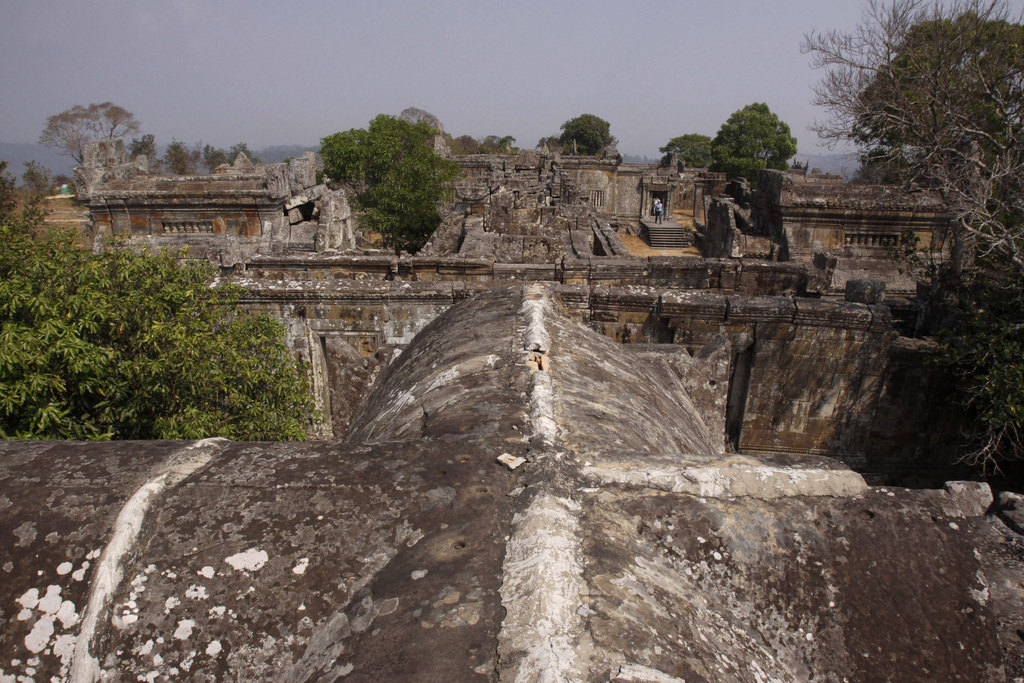
FILE- An overview of Cambodia’s 11th century Hindu Preah Vihear temple, UNESCO’s World Heritage, is seen in Preah Vihear province, about 245 kilometers (152 miles) north of Phnom Penh, Cambodia, Wednesday, Feb. 9, 2011. (AP Photo/Heng Sinith, File)
Foreign Minister Urges Caution
Foreign Affairs Minister Sihasak Phuangketkeow said his ministry is working to provide comprehensive information to the public but warned against hasty decisions.
“At this moment, there has been no discussion about cancellation,” he said, noting that a parliamentary committee is still reviewing the issue. “Everything must be done carefully, as it concerns the national interest. If the people are to participate in decision-making, they must be provided with as much information as possible.”
Opposition Questions Public Readiness
People’s Party leader Natthaphong Ruengpanyawut raised concerns about voter preparedness, citing a recent NIDA Poll showing approximately 70% of respondents did not understand the MOU contents.
“What is more important than the day people cast their votes is the process itself,” Natthaphong said. “These MOUs are detailed and complex. I doubt any public forums could fully educate people on all aspects.”
He noted that some parliamentary sessions on the issue must be held in secret because full disclosure could harm Thailand’s negotiating position, making balanced public education difficult in a polarized society.
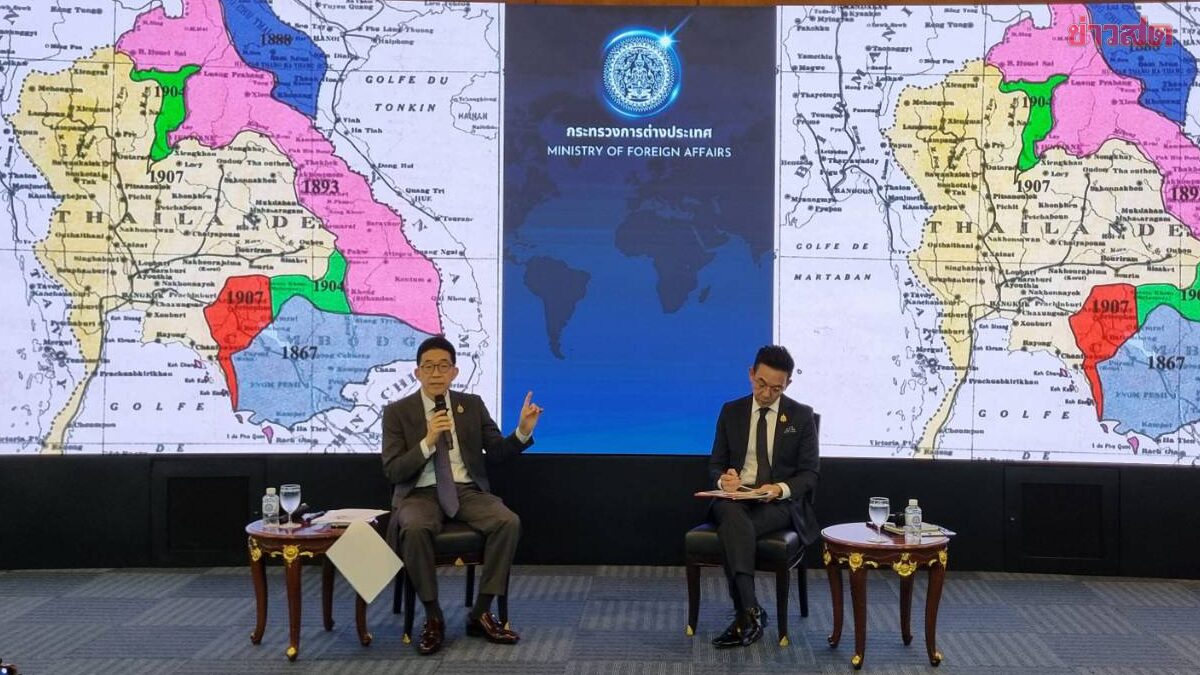
Benjamint Sukanjanajtee (left), Director-General of the Department of Treaties and Legal Affairs, briefs media on the Thailand-Cambodia 2000 MOU at the Foreign Ministry on August 25, 2025.
Calls for Information Campaign
Noppadon Pattama, a Pheu Thai Party member and former foreign minister, urged the government to launch an intensive public education campaign over the next four months. He proposed creating a concise reference guide summarizing the key points of both MOUs—minus classified details—and distributing it online.
“Before asking the public to vote in a referendum about six months from now, I previously proposed that the government assign the National Security Council to study the pros and cons,” Noppadon said. He argued that agencies with over 20 years of experience implementing the MOUs, including the Foreign Ministry, armed forces, and survey departments, should provide expert assessments.
He emphasized the technical complexity of the issue, involving international law and border demarcation, noting that even seasoned observers hold widely differing opinions that may lack proper factual or legal grounding.
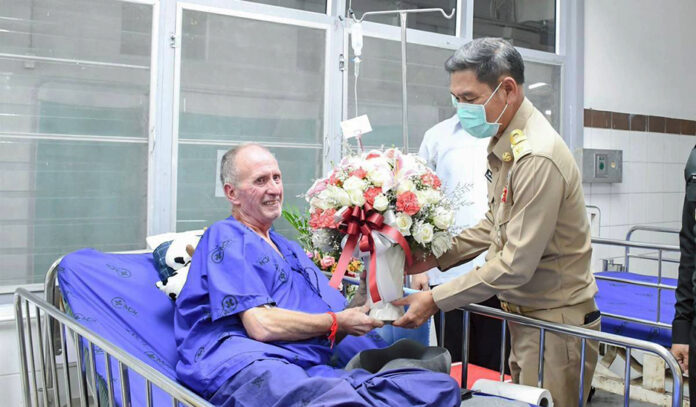
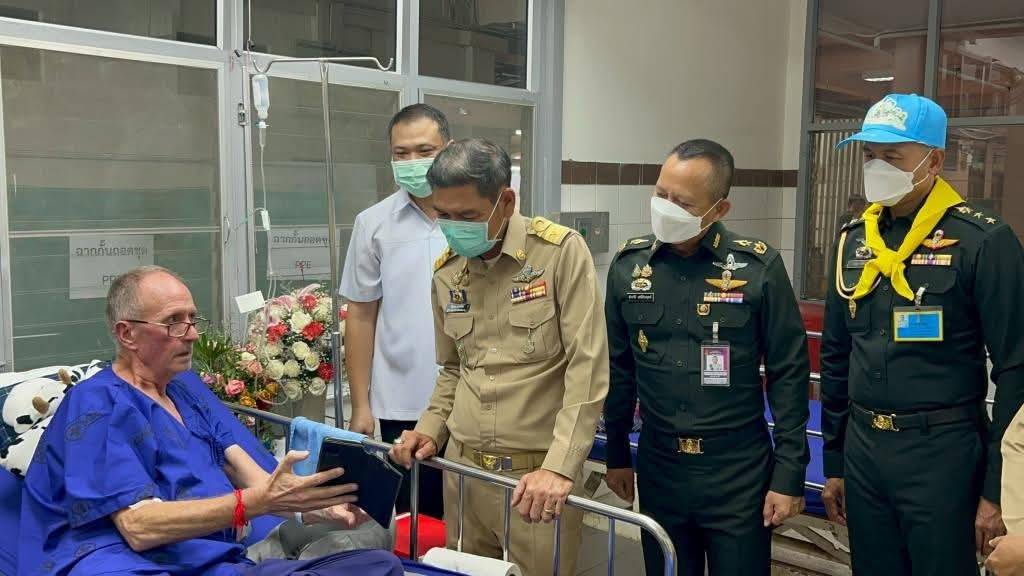
Chiang Rai Governor Rathapol Naradisorn visits Mr. Vernon Harry Unsworth, the British cave expert who helped rescue the Wild Boars team in 2018, at Mae Chan Hospital on October 7, 2025.
CHIANG RAI — His Majesty King Maha Vajiralongkorn and Her Majesty Queen Suthida have granted royal patronage to Mr. Vernon Harry Unsworth, the British cave expert who played a crucial role in the 2018 Wild Boars football team rescue in Chiang Rai seven years ago, as he receives treatment for pneumonia at Mae Chan Hospital.
Unsworth, a British cave explorer instrumental in the mission to rescue the 13 members of the Wild Boars Academy football team trapped in Tham Luang-Khun Nam Nang Non cave, was admitted to Mae Chan Hospital in Mae Chan District, Chiang Rai Province, where he is being treated as a royal patient. The gesture has deeply moved Unsworth.
On October 7, 2025, Major General Chakrawee Saneewongyut, Director of the Royal Volunteer Center, Military Region 37, representing the Director of the Royal Volunteer Center Region 3, along with the Chiang Rai Royal Volunteer Center, visited Unsworth at the hospital’s male medical ward and presented him with a gift basket. He was able to communicate normally and is under close medical supervision.
Maj Gen Chakrawee Saneewongyut (second from right), Director of the Royal Volunteer Center, visits Mr. Vernon Harry Unsworth, the British cave expert who helped rescue the Wild Boars team in 2018, at Mae Chan Hospital on October 7, 2025.
Critical Role in 2018 Rescue
Unsworth had explored Tham Luang-Khun Nam Nang Non cave in Chiang Rai for six years before the incident on June 23, 2018, when 13 members of the Wild Boars Academy football team—12 boys and their coach—became trapped inside during flooding.
When the crisis unfolded, Unsworth provided vital information to Thai authorities and international rescue teams, offering crucial details about the cave’s environment that proved essential to the multi-national rescue operation.
At the time, no one could determine how deep into the cave the group had ventured. At a depth of approximately 2 kilometers, the cave splits into two passages.
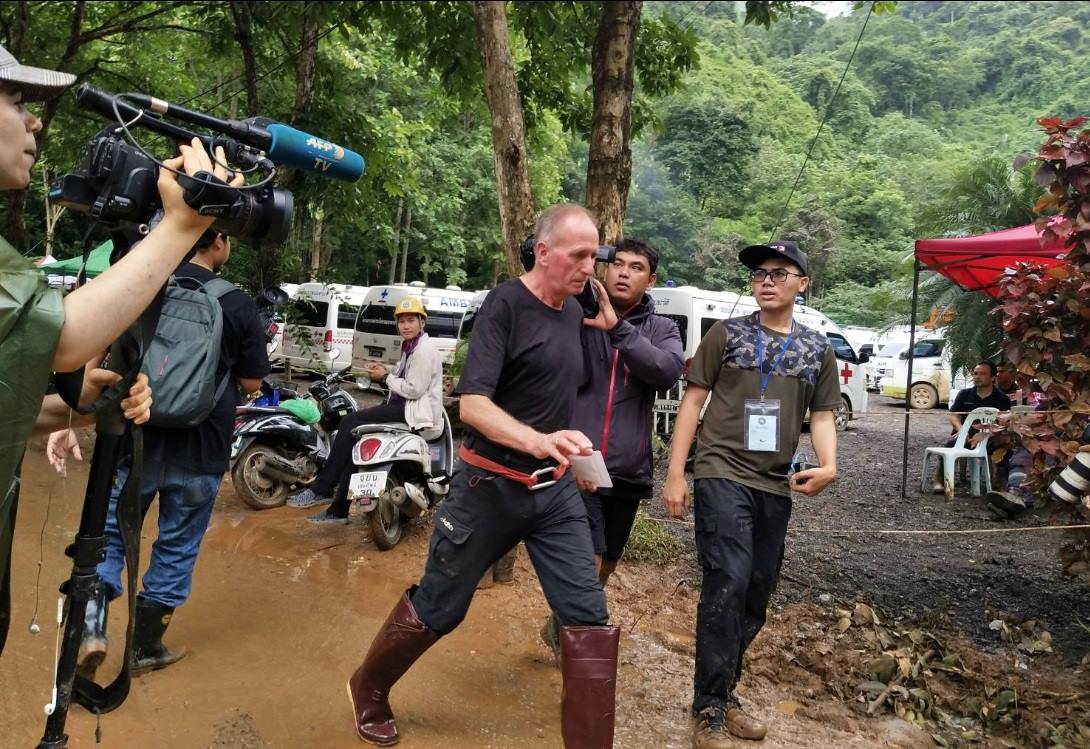
File photo: Mr. Vernon Harry Unsworth during a cave exploration
Unsworth’s expertise helped rescuers deduce that the team likely took the left path—the cave’s main route—rather than the right passage, which required crawling 750 meters to reach a large chamber.
He also coordinated assistance from other international cave explorers, contributing to the successful plan that brought all 13 safely out of the cave.
The boys spent nine nights lost in the cave before being discovered deep in the twisting cave complex, huddled on a patch of dirt above the rising water line on July 2—a moment captured on video and broadcast worldwide. It took another eight days, until July 10, before they were all brought to safety.
The rescue operation captivated global attention and involved expert divers and volunteers from multiple countries working alongside Thai officials in one of history’s most challenging cave rescue missions.
British caver Vern Unsworth in July 2018 in the Tham Luang complex in Chiang Rai.
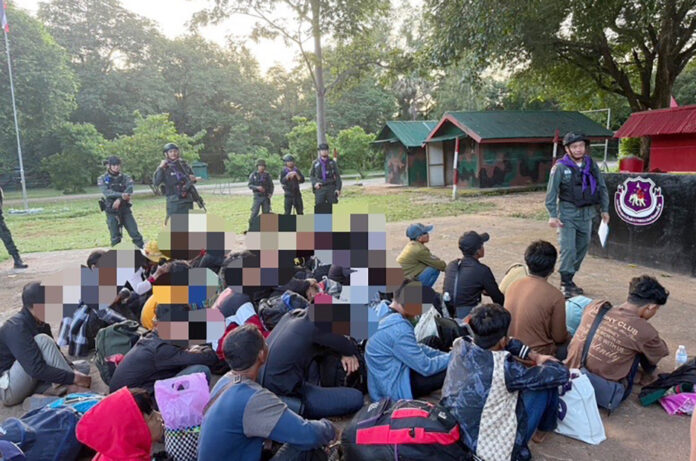
Thai security forces detain 27 Cambodian nationals—15 men and 9 women—trying to illegally cross the border in Sa Kaeo province on October 6, 2025. The group admitted paying 6,500-7,500 baht to human smugglers to help them re-enter Thailand for work.
BANGKOK — The number of authorized Cambodian workers in Thailand has fallen to 490,534 as of late August, down from 512,207 in May before border tensions escalated, according to the Ministry of Labour.
The October 7, 2025 report shows the current workforce comprises 676 skilled workers holding work permits and 489,858 manual laborers. The manual labor category breaks down into 162,015 workers under Memorandum of Understanding (MoU) agreements, 27,017 commuter or seasonal workers, and 300,826 under Cabinet Resolution.
Mass Exodus During Border Crisis
Cambodia’s Ministry of Labor and Vocational Training estimates 1.2 million Cambodians were working in Thailand when border disputes intensified in June. Ministry spokesman Sun Mesa said at least 780,000—approximately 65%—have since returned to Cambodia.
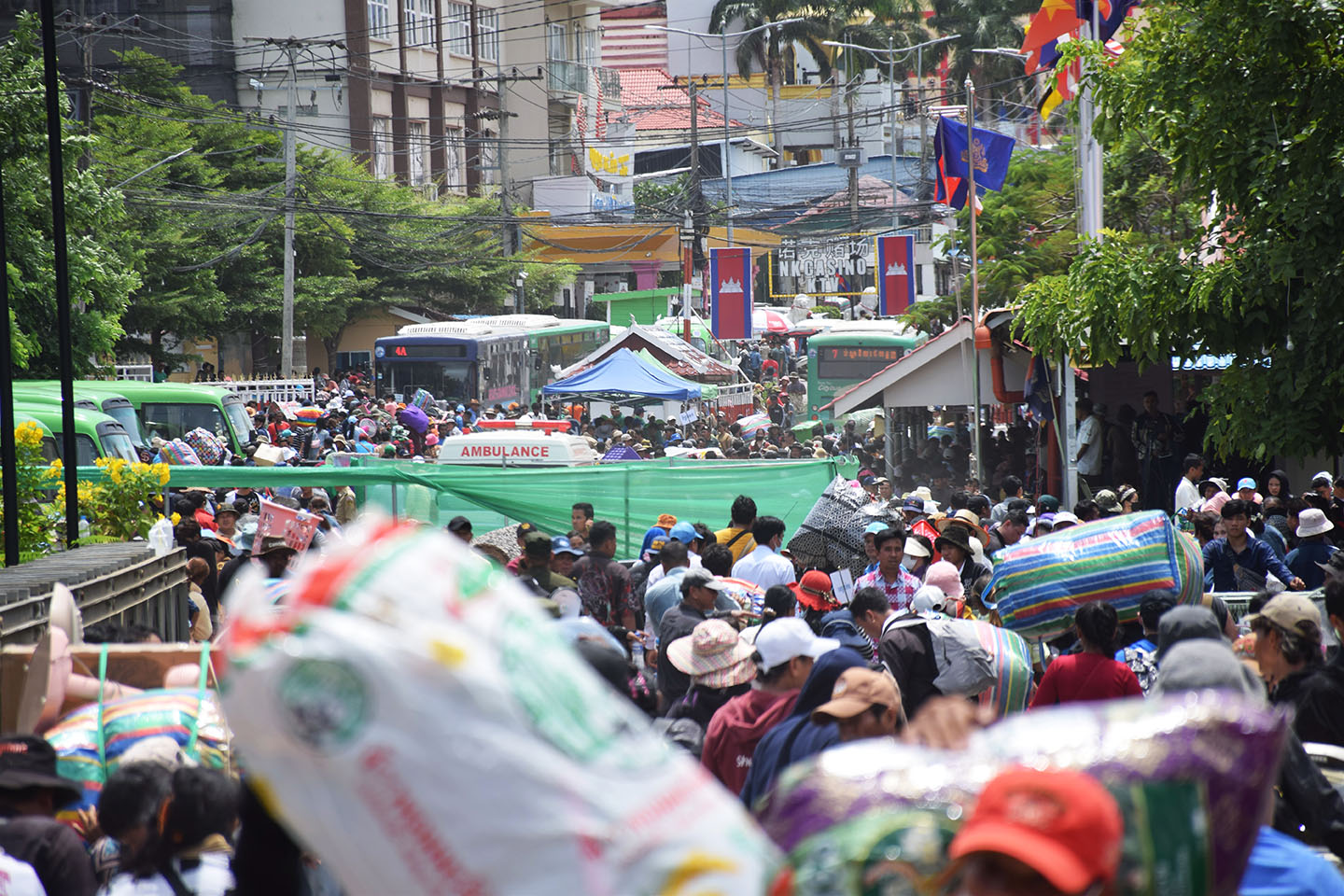
Cambodian workers at Ban Laem border crossing in Chanthaburi wait to return to Cambodia on August 7, with numbers significantly down from previous days.
The largest exodus involved Border Pass holders employed in agriculture and livestock sectors. These workers feared overstaying their permits during the checkpoint closures, which would subject them to penalties under Thai immigration law.
“The border closure caused anxiety among Border Pass holders about permit expiration, leading to a labor shortage in the agricultural sector,” the Ministry of Labour stated.
Addressing Labor Shortages
Despite the departure of Cambodian workers, Thailand can draw on workers from Laos, Myanmar, and Vietnam to fill gaps. Most Cambodian workers had been employed as general laborers, with the highest concentration in Bangkok.
The Ministry outlined a four-point approach to managing migrant workers: protecting human rights and safety, promoting legal registration, suppressing human trafficking networks, and educating workers about their rights.
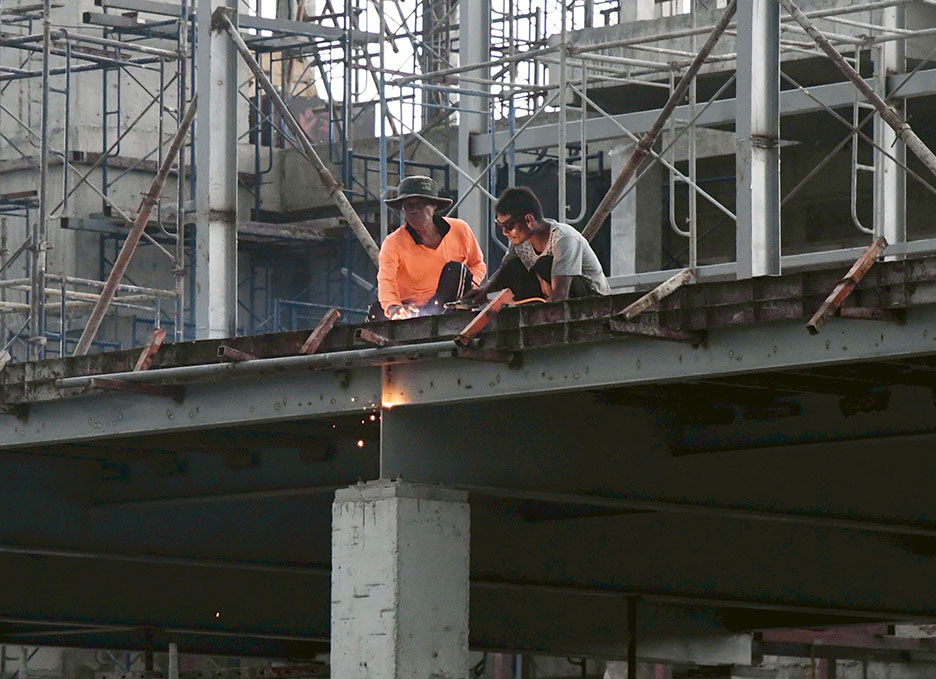
Workers at a construction site in Bangkok.
Three key measures address the labor shortage:
Retention: Extending work permits for existing legal workers, including Myanmar nationals under the July 8 Cabinet Resolution, and granting leniency to Cambodian Border Pass holders under the July 22 resolution.
Expansion: Considering work authorization for Myanmar conflict refugees, negotiating additional MoU agreements with countries like Sri Lanka, and registering undocumented foreign workers under the August 19 Cabinet Resolution.
Thai Worker Recruitment: Expanding domestic job placement through Job Service Centers, Provincial and Bangkok Metropolitan Employment Offices, and the Thai Me Ngan Tham (Thais Have Jobs) digital platform to match Thai job seekers with available positions.
The government emphasized that maintaining a legal framework for foreign workers while expanding opportunities for Thai workers remains a priority as the country navigates regional labor market disruptions.
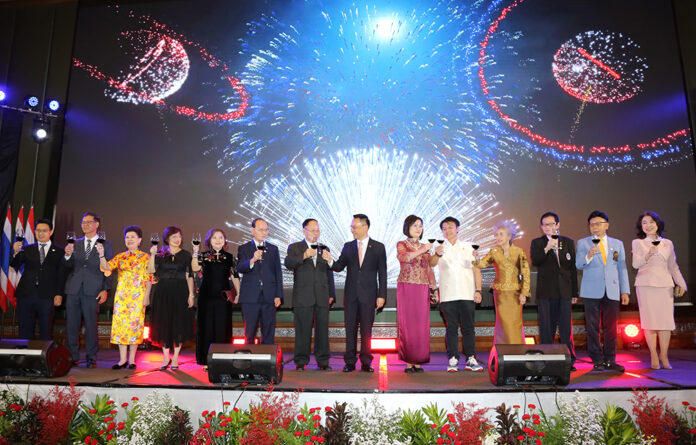
Director-General Peter Lan (center) leads a toast with distinguished guests during Taiwan's 114th National Day celebration at the Grand Hyatt Erawan Bangkok on October 6, 2025.
BANGKOK — Taiwan showcased its ambitions to become a global “AI Island” at a grand celebration marking the 114th National Day of the Republic of China (Taiwan) in Bangkok. The Taipei Economic and Cultural Office in Thailand hosted over 1,000 distinguished guests on October 6 at the Grand Hyatt Erawan Bangkok, highlighting Taiwan’s pivotal role in the semiconductor and artificial intelligence industries while reinforcing its strong partnership with Thailand.
Director-General Peter Lan and his wife presided over the celebration, which coincided with the Mid-Autumn Festival. In his keynote address, Lan described Taiwan through three words: beautiful, innovative, and resilient.
Taiwan’s Strengths and Global Role
Lan highlighted Taiwan’s reputation as one of the world’s safest and most welcoming travel destinations, attracting over 10 million tourists annually before the pandemic. In 2024 alone, nearly 400,000 Thai visitors traveled to Taiwan.
He emphasized Taiwan’s critical role in global AI, semiconductor, and ICT industries, ranking 6th out of 69 economies in the 2025 IMD World Competitiveness Yearbook. “Major tech giants including NVIDIA, Microsoft, AMD, and Micron have established R&D centers in Taiwan, demonstrating Taiwan’s vital role in driving global innovation and its ambition to become an AI island,” Lan said.
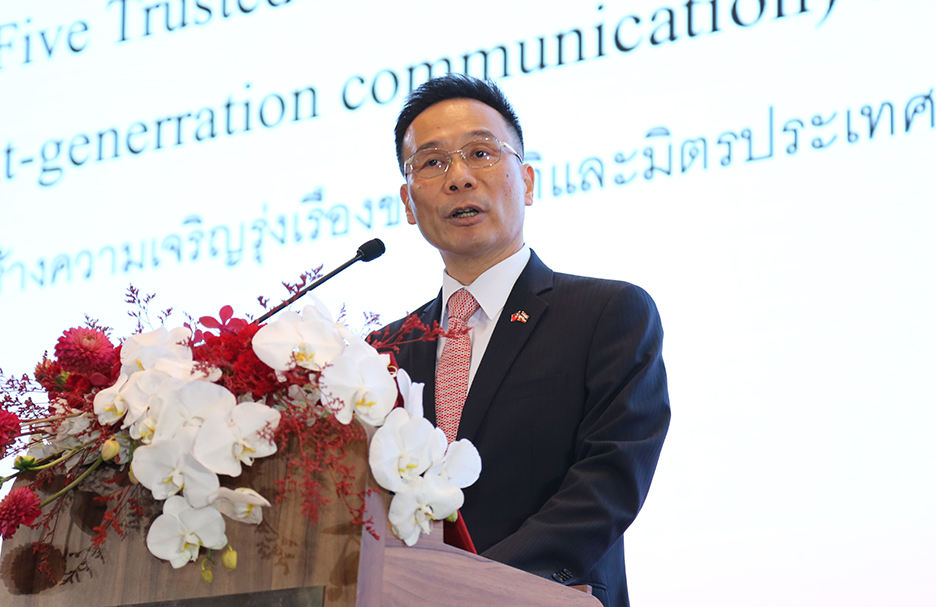
Director-General Peter Lan delivers his keynote address at Taiwan’s 114th National Day celebration in Bangkok on October 6, 2025.
Taiwan’s economic resilience was demonstrated by its over 8% GDP growth in Q2 2025—the highest in Asia. President Lai Ching-te has committed to increasing the national defense budget to 3% of GDP and advancing ESG goals for a sustainable future.
Taiwan-Thailand Partnership
Lan noted the strong bilateral relationship, with Taiwan ranking as Thailand’s 4th largest foreign investor and 5th largest trading partner as of 2024. The Royal Project, initiated by King Bhumibol Adulyadej the Great in the 1960s, continues to benefit over 200,000 Thais across seven provinces. Approximately 200,000 Taiwanese currently reside in Thailand, while Thailand is Taiwan’s 6th largest source of international students, sending over 4,700 students to Taiwan last year.
Lan concluded by urging both nations to build on their enduring friendship and forge a promising future through pragmatic cooperation, closing with best wishes for Their Majesties the King and Queen of Thailand.
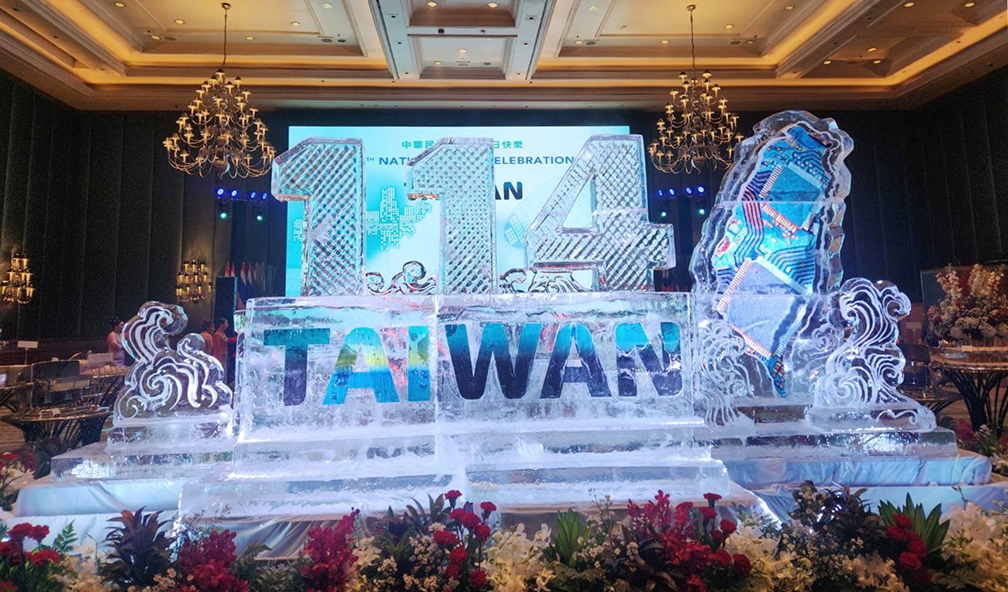
An elaborate ice sculpture spelling “TAIWAN” and marking the 114th National Day takes center stage at the Grand Hyatt Erawan Bangkok, with surfaces decorated in semiconductor wafer patterns.
Event Highlights
The venue featured an ice sculpture of “114” with surfaces decorated in wafer patterns—key materials in semiconductor chip production—alongside a Taiwan map embedded with PCB circuit patterns, symbolizing Taiwan’s pivotal role in the global semiconductor industry and its “AI Island” vision.
The event included screenings of the 2025 National Day video “Taiwan the Resilient,” showcasing Taiwan’s achievements and spirit of unity. The Taiwan External Trade Development Council (TAITRA) and Taiwan Tourism Bureau set up exhibition booths promoting economic services, the “Taiwan International Tradeshows 2026,” and tourism destinations.
For the first time, renowned Taiwanese businesses were invited to set up booths offering authentic bubble tea, while the Thai-wan Chamber Orchestra performed classical music and traditional Taiwanese folk songs throughout the evening.
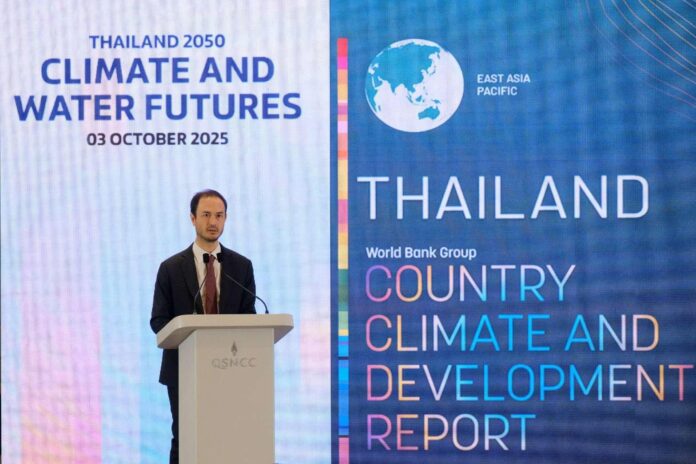
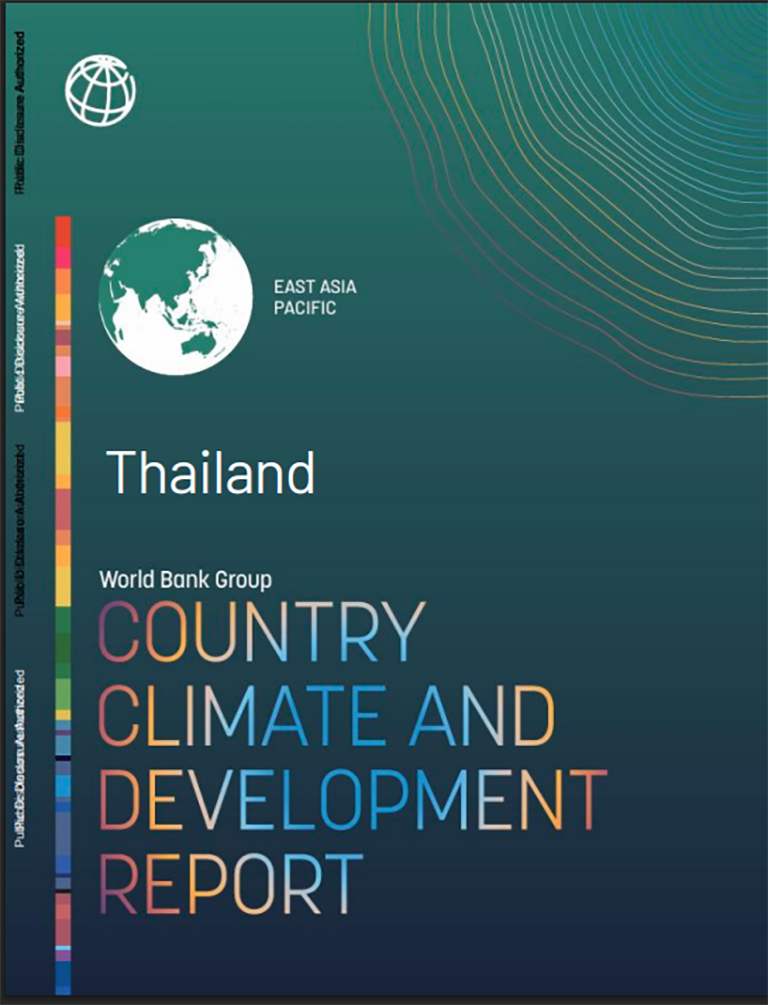
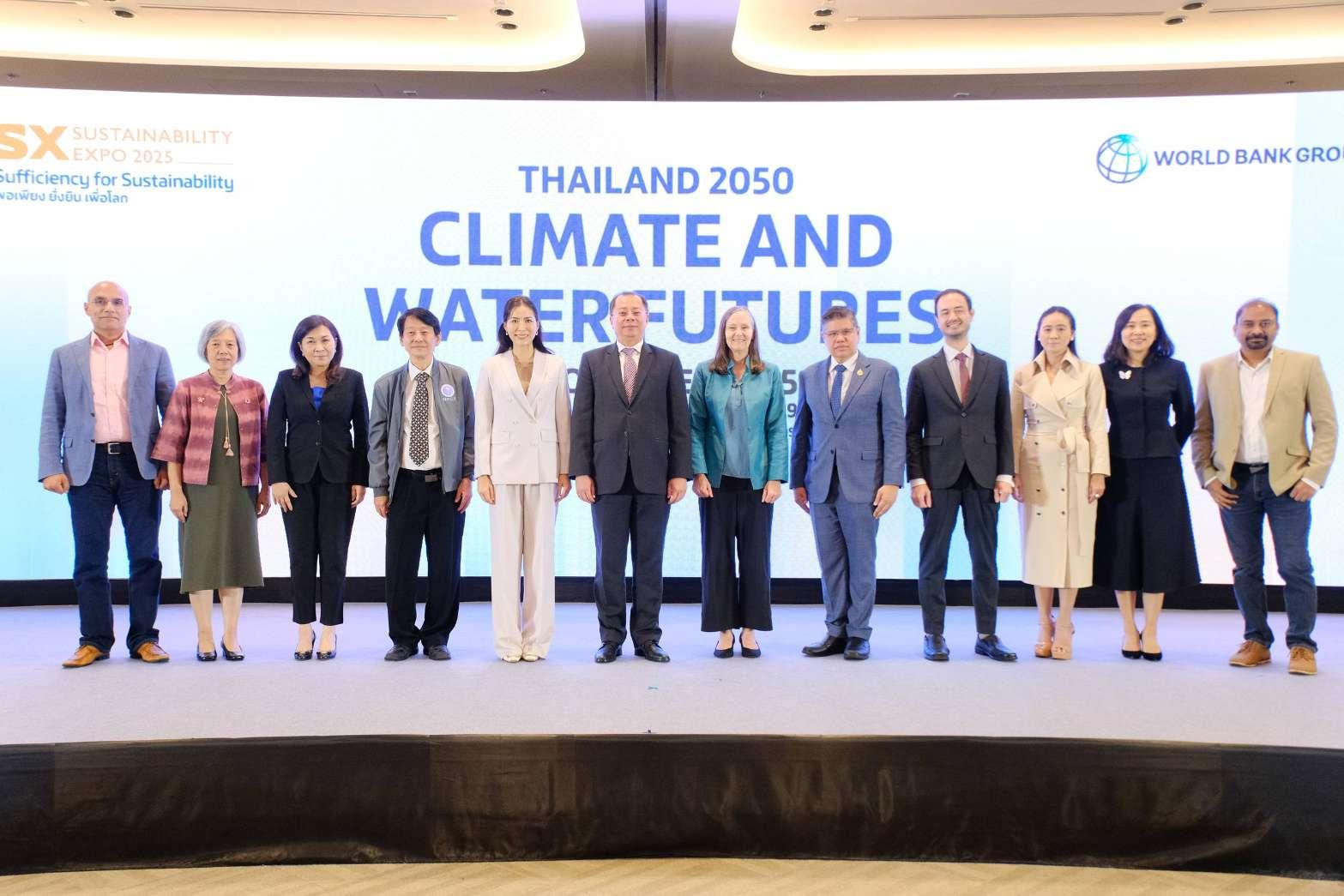
BANGKOK — Thailand must invest $219 billion in climate action over the next 25 years or risk losing up to 14% of its GDP by 2050, according to a new World Bank report launched at the Sustainability Expo 2025 (SX 2025) in Bangkok.
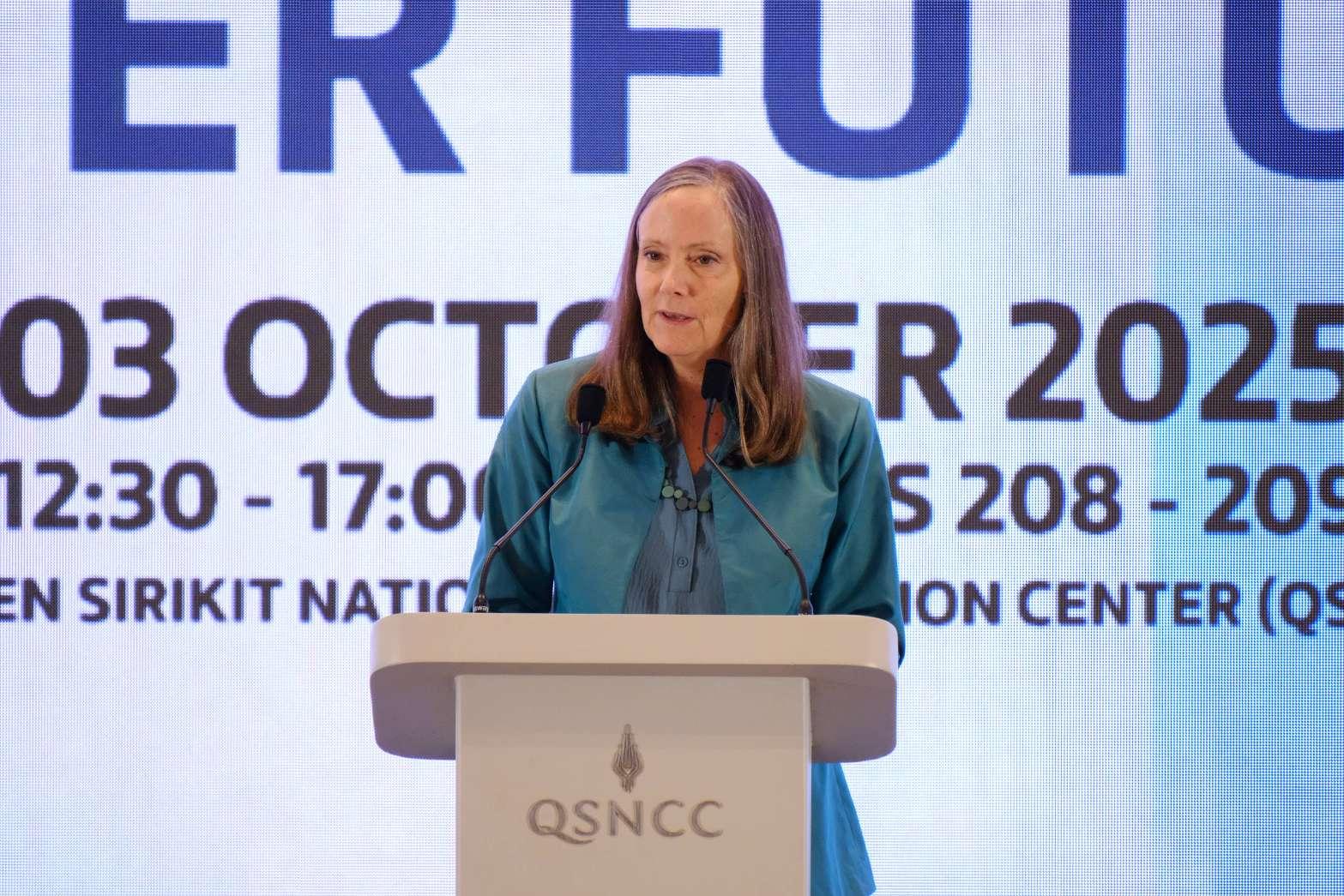
“Thailand has comparative advantages where it makes sense to move now. Those comparative advantages also exist in the water sector. And that’s why we’re combining this with the Water 2030 platform and agenda. This report will show you how climate and water futures are critical to the overall sustainable development trajectory,” World Bank Division Director for Thailand and Myanmar Melinda Good said during the “Climate and Water Futures” forum.
Bangkok’s Vulnerability
While the Bangkok metropolitan area comprises about 25% of Thailand’s population, it contributes over 30% of the country’s GDP. According to Statista’s survey on flood risk based on the number of people affected by annual floods, Thailand ranks fourth globally, following only Vietnam, Egypt, and Bangladesh.
One alarming indicator of intensifying climate issues is the increasing frequency of “rain bombs” in Bangkok this year—downbursts produced by thunderstorms with the potential to cause serious damage, not triggered by storms.
World Bank Division Director for Thailand and Myanmar Melinda Good speaks at the “Climate and Water Futures” forum during Sustainability Expo 2025 in Bangkok.
Economic Stakes
Thailand targets high-income country status by 2037, requiring 5% annual GDP growth. However, the Climate and Development Report reveals this path could be difficult without timely climate reforms and investments. The physical impacts of climate change could lower GDP by 7 to 14% by 2050 if adaptation measures are not implemented.
“This is important if you subscribe to this vision of Thailand becoming a more inclusive and sustainable society. To successfully navigate global megatrends, including climate change, and to build industries of the future that include Thailand as the kitchen of the world, and industries like green manufacturing and sustainable tourism. The future of it will be completely bound up with how Thailand responds to climate change,” World Bank Senior Economist Kim Alan Edwards said during the report presentation.
Green Growth Opportunities
Edwards highlighted that Thailand could move more quickly to seize green growth opportunities. While the country is already the world’s leading exporter of eco-friendly air conditioners, one of the world’s largest sustainable manufacturers, and an emerging production hub for electric vehicles and components, significant potential remains to capitalize on growing international demand for green and climate-adaptive technology.
Investment and Carbon Pricing
The report emphasizes that carbon pricing alone is insufficient to deliver transformational change. Thailand needs a transparent framework to reduce private sector uncertainty. Key recommendations include market reforms in the power sector, investment in EV charging infrastructure, implementation of energy efficiency mandates, strengthening farmer education, refocusing agricultural subsidies, and investment in reforestation.
Carbon pricing could generate additional revenues of close to 1% of GDP, but Thailand still needs broader revenue reform—including VAT, personal income tax, and other taxes—to help finance public climate spending needs and limit impacts on public debt.
No One Left Behind
Director General of the Department of Climate Change Dr. Phirun Saiyasitpanich highlighted that social protection is critical to support the resilience of vulnerable populations. “How can the vulnerable play a role in this adaptation? How can we echo the voices of our youth?”
Dr. Saiyasitpanich noted that youth representatives have sent demands to his department. “Their voices are not the voice of the future, but of the present. They are here now and want to be able to dictate their future, and factor their opinion into policy making. They also request to make climate change a part of every school curriculum. And they need support to be able to work with the government and the private sectors on activities that would strengthen their capabilities.”
Water Management Priority
Secretary-General of the Eastern Economic Corridor (EEC) Office Dr. Chula Sukhmanop stressed the need to raise knowledge and awareness about water. “When everyone is aware of water, it will be something manageable.”
The EEC, a partner with the World Bank in producing the report, has shifted from oil-and-gas-based industries on the Eastern Seaboard to environmentally friendly industries while prioritizing coexistence with local communities.
“What we do now will bear fruit in the next five years. We have to make sure EEC has enough water resources to meet the demand of the incoming industries. We call that water-balance. We set up a committee to oversee the water management and cooperation between public and private sectors. The topic of water might sound like something ‘chill’ and relaxed, but it will become a hot issue if we cannot provide enough supply,” Dr. Sukhmanop said.
Looking Ahead
The report’s launch comes at a strategic time, as Thailand will host the World Economic Forum in exactly one year.
“We’ll have the whole economic world here and we’ll be able to show Thailand’s vision for this part of its future to the world,” Good said.
Good noted that the report puts numbers on economic opportunities associated with decarbonization and green and high-tech manufacturing. “So that’s where we get to the futures part, where the economic opportunities are.”