






















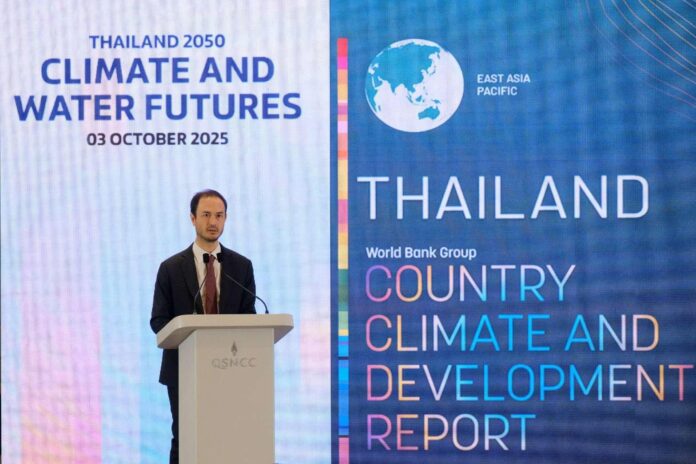
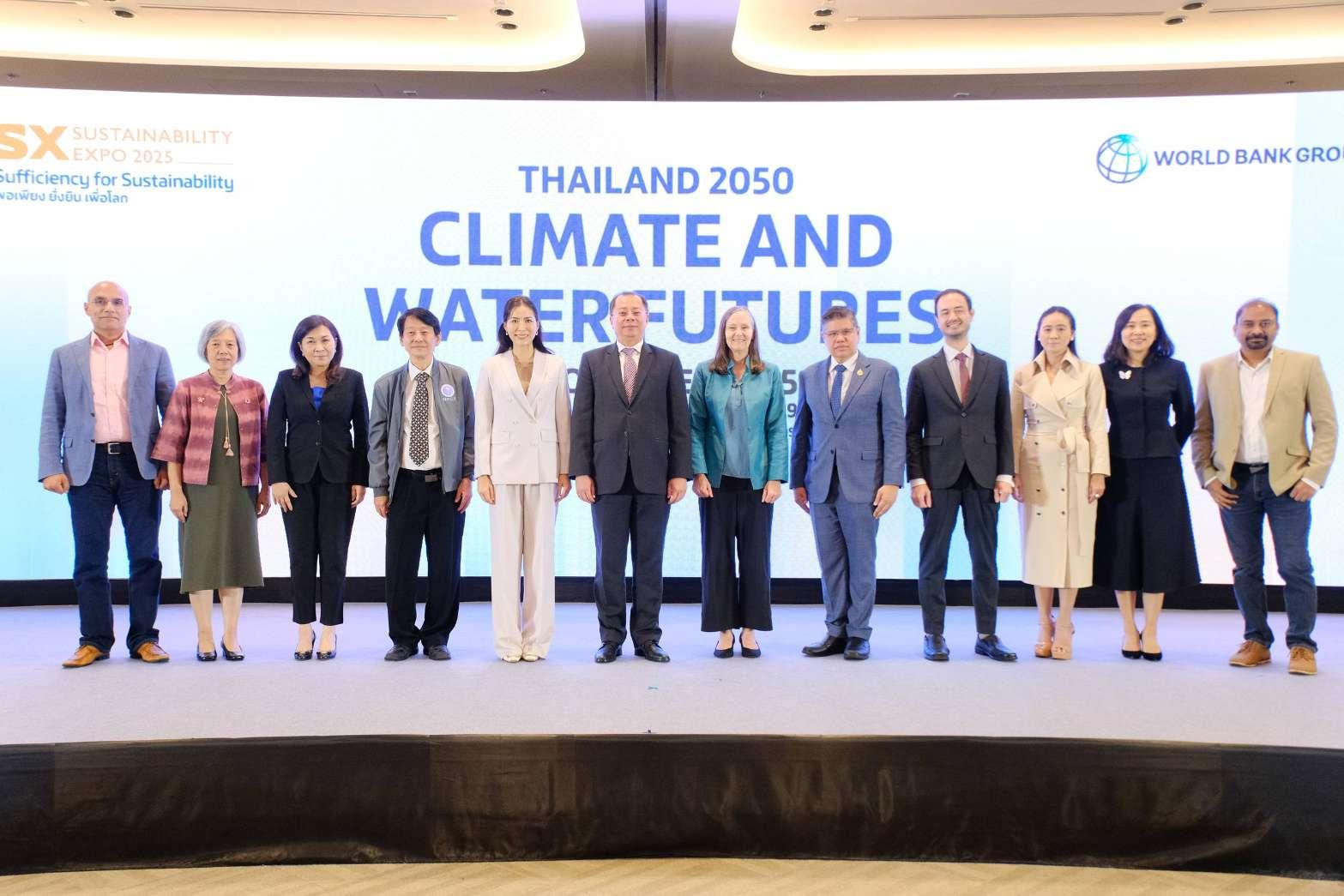
BANGKOK — Thailand must invest $219 billion in climate action over the next 25 years or risk losing up to 14% of its GDP by 2050, according to a new World Bank report launched at the Sustainability Expo 2025 (SX 2025) in Bangkok.
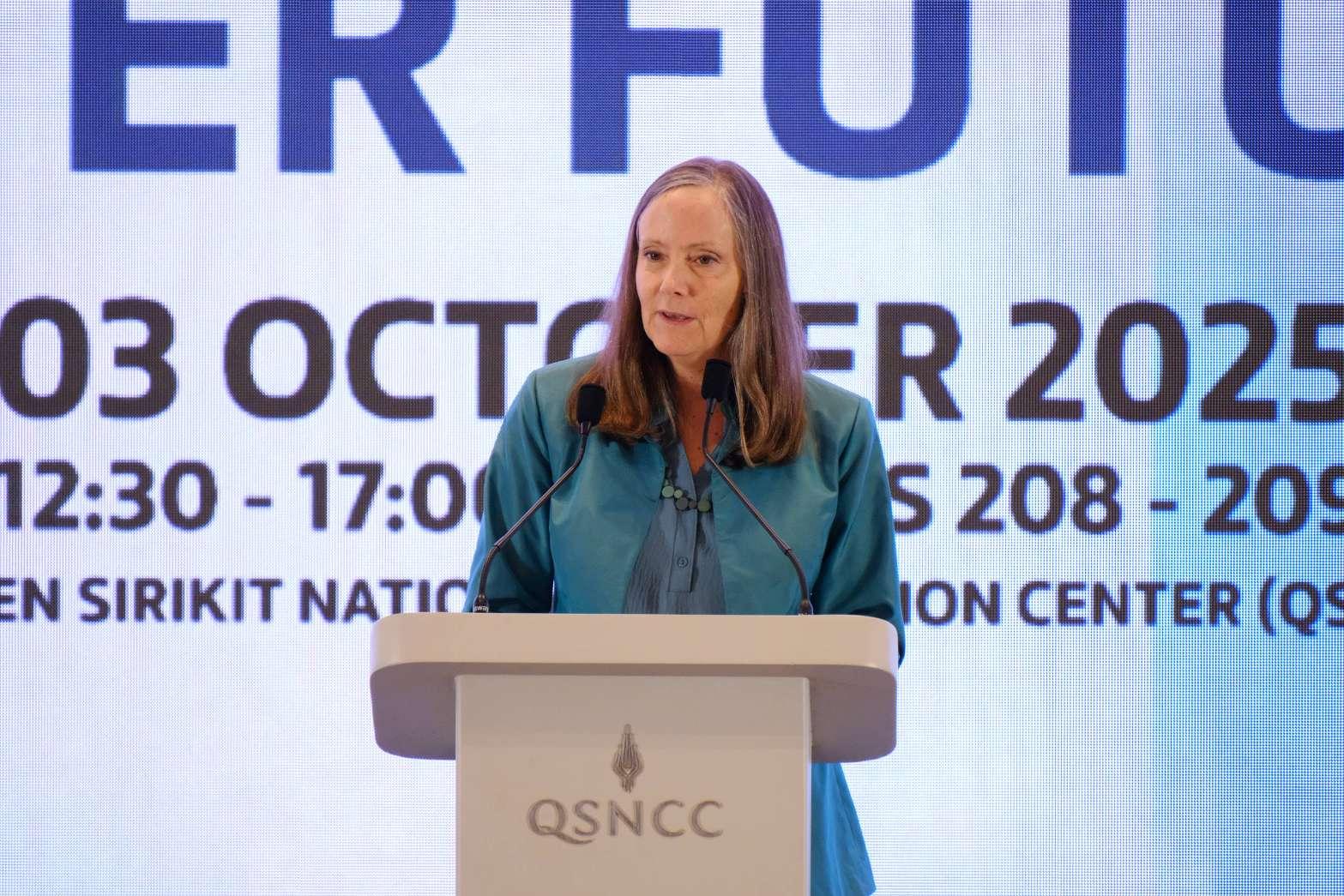
“Thailand has comparative advantages where it makes sense to move now. Those comparative advantages also exist in the water sector. And that’s why we’re combining this with the Water 2030 platform and agenda. This report will show you how climate and water futures are critical to the overall sustainable development trajectory,” World Bank Division Director for Thailand and Myanmar Melinda Good said during the “Climate and Water Futures” forum.
Bangkok’s Vulnerability
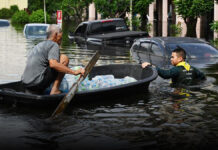
While the Bangkok metropolitan area comprises about 25% of Thailand’s population, it contributes over 30% of the country’s GDP. According to Statista’s survey on flood risk based on the number of people affected by annual floods, Thailand ranks fourth globally, following only Vietnam, Egypt, and Bangladesh.
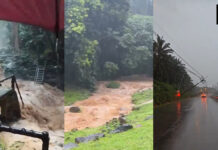
One alarming indicator of intensifying climate issues is the increasing frequency of “rain bombs” in Bangkok this year—downbursts produced by thunderstorms with the potential to cause serious damage, not triggered by storms.
Economic Stakes
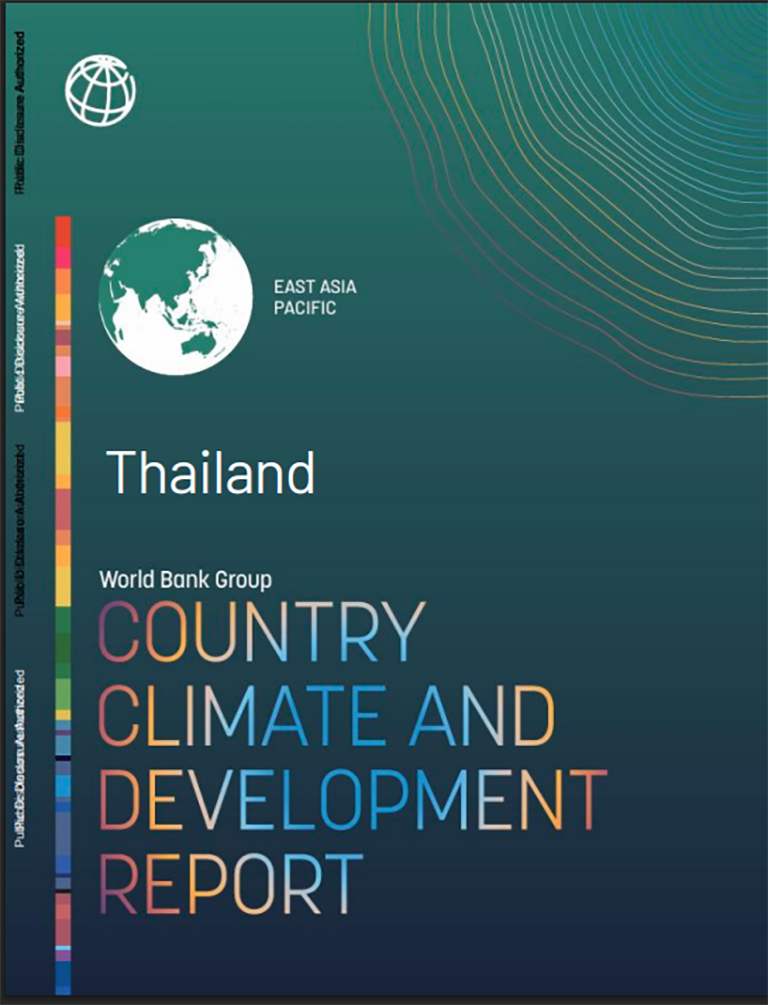
Thailand targets high-income country status by 2037, requiring 5% annual GDP growth. However, the Climate and Development Report reveals this path could be difficult without timely climate reforms and investments. The physical impacts of climate change could lower GDP by 7 to 14% by 2050 if adaptation measures are not implemented.
“This is important if you subscribe to this vision of Thailand becoming a more inclusive and sustainable society. To successfully navigate global megatrends, including climate change, and to build industries of the future that include Thailand as the kitchen of the world, and industries like green manufacturing and sustainable tourism. The future of it will be completely bound up with how Thailand responds to climate change,” World Bank Senior Economist Kim Alan Edwards said during the report presentation.
Green Growth Opportunities
Edwards highlighted that Thailand could move more quickly to seize green growth opportunities. While the country is already the world’s leading exporter of eco-friendly air conditioners, one of the world’s largest sustainable manufacturers, and an emerging production hub for electric vehicles and components, significant potential remains to capitalize on growing international demand for green and climate-adaptive technology.
Investment and Carbon Pricing
The report emphasizes that carbon pricing alone is insufficient to deliver transformational change. Thailand needs a transparent framework to reduce private sector uncertainty. Key recommendations include market reforms in the power sector, investment in EV charging infrastructure, implementation of energy efficiency mandates, strengthening farmer education, refocusing agricultural subsidies, and investment in reforestation.
Carbon pricing could generate additional revenues of close to 1% of GDP, but Thailand still needs broader revenue reform—including VAT, personal income tax, and other taxes—to help finance public climate spending needs and limit impacts on public debt.
No One Left Behind
Director General of the Department of Climate Change Dr. Phirun Saiyasitpanich highlighted that social protection is critical to support the resilience of vulnerable populations. “How can the vulnerable play a role in this adaptation? How can we echo the voices of our youth?”
Dr. Saiyasitpanich noted that youth representatives have sent demands to his department. “Their voices are not the voice of the future, but of the present. They are here now and want to be able to dictate their future, and factor their opinion into policy making. They also request to make climate change a part of every school curriculum. And they need support to be able to work with the government and the private sectors on activities that would strengthen their capabilities.”
Water Management Priority
Secretary-General of the Eastern Economic Corridor (EEC) Office Dr. Chula Sukhmanop stressed the need to raise knowledge and awareness about water. “When everyone is aware of water, it will be something manageable.”
The EEC, a partner with the World Bank in producing the report, has shifted from oil-and-gas-based industries on the Eastern Seaboard to environmentally friendly industries while prioritizing coexistence with local communities.
“What we do now will bear fruit in the next five years. We have to make sure EEC has enough water resources to meet the demand of the incoming industries. We call that water-balance. We set up a committee to oversee the water management and cooperation between public and private sectors. The topic of water might sound like something ‘chill’ and relaxed, but it will become a hot issue if we cannot provide enough supply,” Dr. Sukhmanop said.
Looking Ahead
The report’s launch comes at a strategic time, as Thailand will host the World Economic Forum in exactly one year.
“We’ll have the whole economic world here and we’ll be able to show Thailand’s vision for this part of its future to the world,” Good said.
Good noted that the report puts numbers on economic opportunities associated with decarbonization and green and high-tech manufacturing. “So that’s where we get to the futures part, where the economic opportunities are.”
___________