29.4 C
Bangkok
Monday, June 22, 2026
Home Blog Page 274

Pattaya to Issue Thailand’s First “Sea Walker” Permits This October

Pattaya is going to be the first area in Thailand to regulate this underwater tourism activity.

PATTAYA — Pattaya is preparing to officially issue sea walker permits this October, becoming the first area in Thailand to regulate this underwater tourism activity. The move aims to balance environmental conservation with sustainable tourism.

Ten sea walker operators in Pattaya met with city officials on September 9 at City Hall. Deputy Mayor Wuthisak Rermkij chaired the session, while Pornpirom Seuadaeng, Director of Environmental Health Promotion, explained the draft permit requirements for underwater tourism activities.


New Regulatory Framework

The meeting established unified guidelines to ensure sea walker operations comply with relevant laws while protecting coral reefs and marine ecosystems. The draft includes 19 key requirements:

  • Applicants must be Thai nationals with previously registered businesses
  • Operations limited to city-designated areas approved by the Department of Marine and Coastal Resources
  • Valid tourism business licenses required
  • Operators must complete certified training programs
  • Boats must meet tourism vessel standards with Marine Department permits
  • All diving equipment must pass safety certification
  • Life-saving equipment meeting diving standards mandatory
pattaya seawalk2
In Pattaya, sea walking operations have shifted from coral reef areas to designated open-sea zones to prevent environmental damage.

What is Sea Walker?

Sea Walker allows tourists to walk on the ocean floor while wearing transparent helmets connected to oxygen lines from boats above. Participants descend 7-10 meters for 15-20 minute sessions, breathing normally while observing marine life. The activity has gained global popularity. In Pattaya, operations have shifted from coral reef areas to designated open-sea zones to prevent environmental damage.

Current Operations

Pattaya currently offers sea walker services at 1,600 baht per person across 19 locations. Each boat can serve two points depending on tidal conditions. Operations use 30×30 meter designated areas with installed flooring and barriers, typically at 5-7 meter depths for 10-minute sessions.

The city will establish a monitoring committee to inspect service standards and ensure tourist safety after permits are issued.

__________

Advertisement

GIGABYTE Radeon RX 9000 Series Gains Popularity in Thailand

GIGABYTE, a global leader in computer hardware, announces the success of its Radeon RX 9000 Series graphics cards, which are rapidly gaining traction in Thailand’s gaming market.

The new series delivers powerful performance for both gamers and creators, offering stunning visuals and fast processing for high-demand applications. As Thailand’s gaming community continues to grow, demand for high-end hardware is also increasing. GIGABYTE is committed to developing innovations that meet these needs.

image2 5

Equipped with advanced GPU technology and WINDFORCE cooling, the RX 9000 Series ensures stable performance even under heavy loads. Its balance of quality, value, and distinctive design has earned strong praise from gamers nationwide.

Beyond gaming, the RX 9000 Series is also ideal for creators in video editing, 3D graphics, and digital content production. This success highlights GIGABYTE’s dedication to enhancing user experiences across gaming and creative fields.

The popularity of the RX 9000 Series reinforces GIGABYTE’s leadership in Thailand’s gaming industry. GIGABYTE will continue to deliver high-quality, innovative products that inspire gamers and creators alike.

____

Advertisement

Thaksin to Serve One-Year Prison Term for Previous Convictions

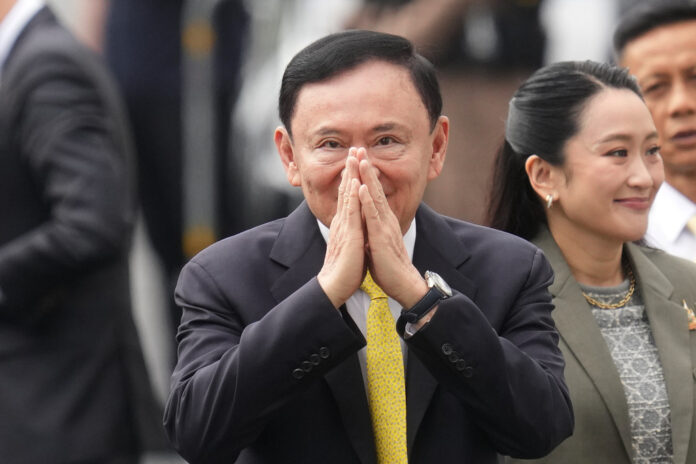
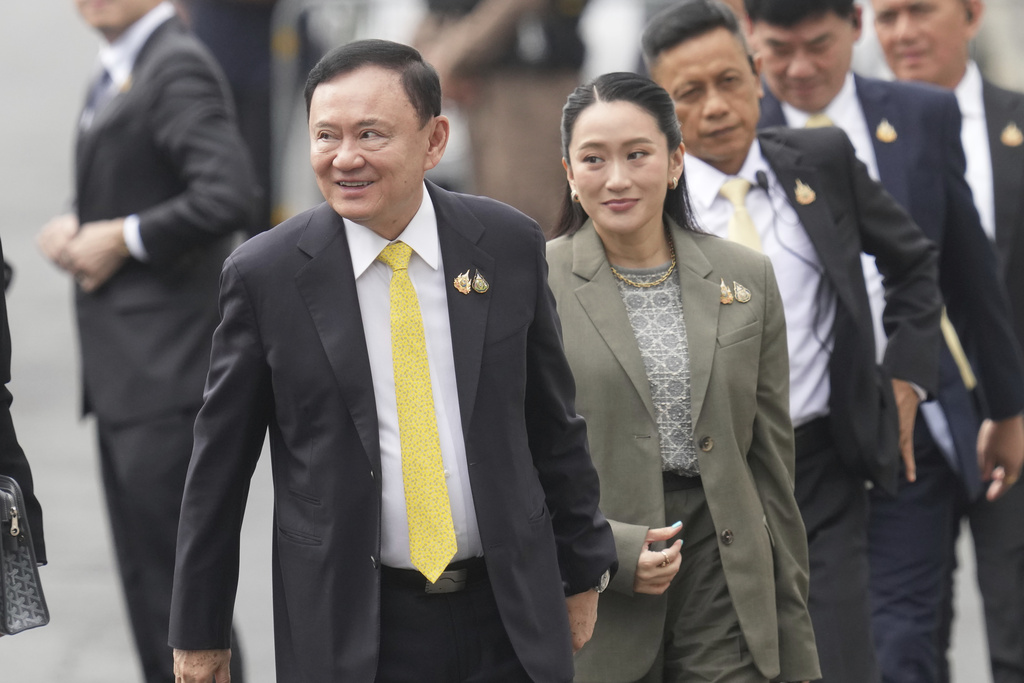
FILE - Thailand's former Prime Minister Thaksin Shinawatra, center, and his daughter and former Prime Minister Paetongtarn Shinawatra, right, arrive at Supreme Court in Bangkok, Thailand, Tuesday, Sept. 9, 2025. (AP Photo/Sakchai Lalit)

By JINTAMAS SAKSORNCHAI and CHALIDA EKVITTHAYAVECHNUKUL

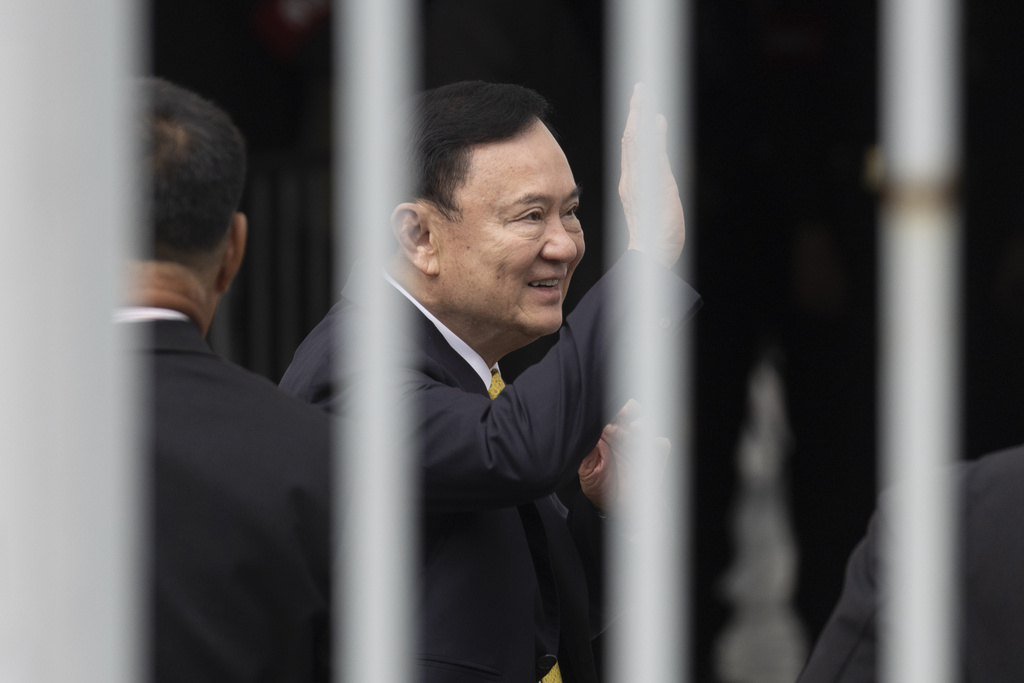
BANGKOK (AP) — Thailand’s Supreme Court said Tuesday former Prime Minister Thaksin Shinawatra must serve a one-year prison term for previous convictions on graft and abuse of power charges, after investigating whether officials had mishandled his return to Thailand in 2023 to begin serving the sentences.

A judge said that the enforcement of Thaksin’s penalty was not done properly, and therefore his detention in a police hospital did not count as serving prison time.

Following his return to Thailand after more than a decade of living in self-exile, Thaksin was sent to a suite at Bangkok’s Police General Hospital, reportedly for medical reasons, after spending less than a day in prison.

His eight-year sentence was then commuted to one year by King Maha Vajiralongkorn, and he was released on parole after six months in the hospital.

AP25252107106383
Thailand’s former Prime Minister Thaksin Shinawatra arrives at Supreme Court in Bangkok, Thailand, Tuesday, Sept. 9, 2025. (AP Photo/Wason Wanitchakorn)

The circumstances raised questions about whether he received special treatment and many were suspicious whether he was genuinely ill.

Thaksin was sent to the Bangkok Remand Prison after the proceedings. A message on his Facebook page, shared by his team following the ruling, said that he accepted the court’s decision.

“I’d like to look into the future, to give conclusions to everything, whether the legal proceedings or the conflicts that were caused by or related to me,” read the post. “From today, although I’m without freedom, I still have freedom of thought for the benefit of the country and its people.”

Before the ruling, Thaksin arrived at the court with his family, including two of his children, Pintongta Shinawatra, and former Prime Minister Paetongtarn Shinawatra, who was removed from her position last month after a court found her guilty of an ethics violation for a politically compromising phone call with Cambodian Senate President Hun Sen.

AP25252111528147
CORRECTS NAME OF DAUGHTER – Thailand’s former Prime Minister Thaksin Shinawatra, left, and his daughter and former Prime Minister Paetongtarn Shinawatra, right, arrive at Supreme Court in Bangkok, Thailand, Tuesday, Sept. 9, 2025. (AP Photo/Sakchai Lalit)

Paetongtarn spoke to reporters after the ruling, thanking the king for commuting Thaksin’s sentence. She said Thaksin would remain a spiritual leader in Thai politics and that he always thinks about working for the good of the country and Thai people.

“I’m worried about my father, but I’m also proud that he has created so many historic moments for the country,” she said. “It’s quite tough, but of course we are still in a good spirit, both my father and our family.”

Thaksin was prime minister from 2001 until a military coup ousted him in 2006 while he was abroad.

His ouster triggered nearly two decades of deep political polarization, pitting his supporters against opponents including better-off urban dwellers, ardent royalists and the military. He briefly returned in 2008 to face charges but skipped bail and fled abroad again, commencing a self-imposed exile lasting over a decade.

After leaving office, he faced a barrage of lawsuits and criminal charges he claimed were politically motivated.

Last month, a criminal court acquitted him of royal defamation, an offense also known as lese-majeste, which could have resulted in a 15-year prison sentence.

____

Advertisement

The Greener Bangkok: What the BMA Is Doing And What We Must Do

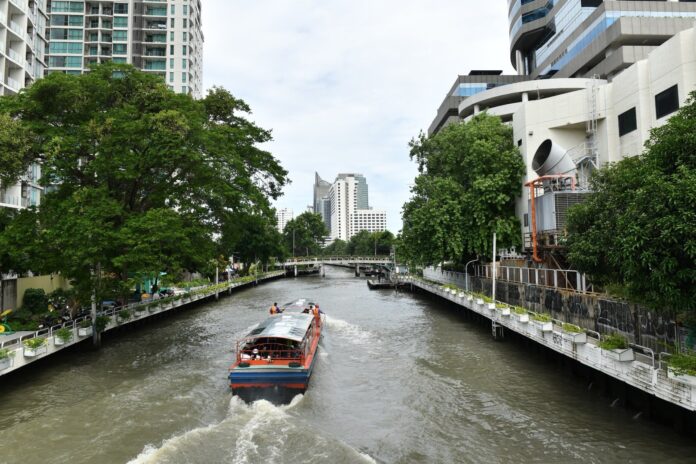
A corner of Bangkok (Photo: BMA)

The Greener Bangkok: What the BMA Is Doing And What We Must Do

By Ranveer Daga
Student Contributor, International School Bangkok

The air was thick with aromas from a nearby food stall, tinged with the earthy tang of river water. As I strolled along the sidewalk, long-tail boats and party boats cruised by while patches of small gardens and trees pressed against the pavement. Hundreds of motorbikes and cars zoomed past. Watching the water flow, boats gliding by, cars dashing ahead, and people with plastic bags of food in one hand and drinks in the other walking in all directions, I felt that Bangkok itself was alive—a city in constant motion, always busy and bustling.

With over 35 million tourists passing through the city each year, Bangkok sits at the crossroads of culture, commerce, and climate. As an expat student born and raised in this vibrant city, I’ve witnessed firsthand how Bangkok’s dynamic growth is matched by inspiring efforts to meet its environmental challenges head-on.

From worsening air pollution to plastic-choked canals and scorching urban heat, it’s clear that Bangkok’s future depends on what we choose to do now. Over the past year, I’ve had the rare opportunity to work closely with Mr. Pornphrom Vikitsreth, Chief Sustainability Officer of Bangkok Metropolitan Administration (BMA) and advisor to Mr. Chadchart Sittipunt, Governor of Bangkok. I shadowed Mr. Pornphrom for over 150 hours, gaining firsthand insight into how the BMA addresses Bangkok’s sustainability challenges.

One moment that stood out for me was a visit to a canal near the Chao Phraya River. I saw up close how the city was innovating its waterway cleanup efforts with new floating machines and localized filtration systems. That day gave me a visceral understanding of what it takes to maintain Bangkok’s vital water arteries and how small interventions can ripple into systemic change.

Another impactful policy the BMA is planning to launch is a waste-collection fee structure tied to household behavior. Under this program, waste fees have increased from 20 to 60 baht per month. However, households that sort their waste and register through the BMA system can have their fee reduced to 20 baht. This simple but smart economic incentive encourages environmentally responsible habits and helps reduce landfill pressure.

During one of our site visits, I saw how some communities have already embraced the program by placing clearly-tagged bins in front of their homes, even labeling waste types in both Thai and English. These small changes are helping drive a cultural shift toward daily sustainability. I personally had the chance to introduce this system to my condo’s admin team.

A city as vast as Bangkok must think vertically and laterally. The BMA is pursuing the creation of urban community spaces beneath elevated expressways and unused infrastructure. These areas, once neglected and polluted, are being reimagined as places for exercise, gatherings, and even small-scale urban farming.

This idea of “double-use” land stuck with me when we walked under a section of the expressway near Din Daeng. Where there had once been nothing but concrete and runoff, I now see people playing futsal and exercising. These aren’t just upgrades; they are signs of a city learning to live within its limits while its people adapt to healthier lifestyles and spend more time outdoors.

To address Bangkok’s massive air pollution problem, the BMA has implemented Low-Emission Zones (LEZs), beginning with the inner ring of the city—an area Mr. Pornphrom calls the “egg yolk” of Bangkok. The vision is to develop a “green list” of compliant vehicles that meet environmental standards. In these LEZs, only compliant vehicles can enter and travel around, while high-emission trucks and vehicles will be prohibited from entering.

Meanwhile, the BMA also supports Royal Rainmaking programs during peak pollution seasons. These efforts aim to induce artificial rainfall to combat haze and particulate matter—a short-term fix for a long-term problem. I witnessed the coordination efforts from the command center, where meteorological data, pollution indexes, and flight paths are all synchronized in real time.

As someone who represents the city’s youth, I was especially drawn to the BMA’s holistic plan for young people. Their five-pronged framework, focused on community, facilities, mentors, opportunities, and capabilities, seeks to open alternative pathways for young people. This structure aims to nurture youth agency and give students like me meaningful avenues to participate. Mr. Pornphrom advocates for electives in public schools that include practical skills like climate literacy, along with other electives like public speaking and second languages. The message is clear: youth are not future stakeholders but present-day changemakers.

One of the most eye-opening aspects of my time with the BMA was learning how closely sustainability ties into public health. Despite Thailand’s large population, the country struggles with chronic illnesses, limited access to preventative care, and rising urban health risks. Mr. Pornphrom points to Japan as a model, where longevity is supported by city planning, early intervention, and communal health programs. He believes that Thailand needs a multi-dimensional health metric beyond just mortality rates—one that reflects how people actually live, move, and breathe in their cities.

To support this vision, the city should equip schools with proper safety gear through targeted funding and partnerships and develop youth-focused sustainability programs built on community interests and supportive infrastructure. The waste-collection incentive scheme must be widely publicized, refined, and expanded to ensure full household participation, while low-emission zones should be regularly assessed with potential for stricter enforcement and broader coverage. Together, these measures create a supportive ecosystem where young people can grow their skills, contribute to their communities, and champion long-term environmental change.

I started this journey hoping to understand how a city like Bangkok tackles the global climate crisis. What I learned is that real progress is made not just in government offices but also in schools, communities, and households.

We all have a role to play—whether it’s reducing and sorting our waste, using public transport or carpooling, volunteering our time to spread knowledge to the youth, or taking some other initiative. Sustainability starts with action. And for Bangkok, my home, my city, one of the most visited places on earth, there is still so much more we can do and so much we can still become. Together, we have the power to do more, to be more, and to lead by example on the world stage.

When I pass through the same sidewalk today, I notice the small signs of change: fewer plastic bags floating on the water, more flower gardens on the sidewalks, more electric cars on the streets, and people carrying their own metal water bottles. Our choices can carry Bangkok toward a more sustainable future. As Helen Keller said, “Alone we can do so little; together we can do so much.” The future of our city and our planet depends on what we do today.

_____

Advertisement

Canon Consolidates Thailand Operations, Retains All Employees

Canon Hi-Tech (Thailand) Ltd.

BANGKOK — Canon Hi-Tech (Thailand) Ltd., a manufacturer of inkjet printers and paper handling equipment for Canon copiers destined for global markets, announced plans to consolidate its manufacturing operations by relocating production from its Nakhon Ratchasima facility to its main plant in Ayutthaya Province as part of a strategic restructuring initiative.

The company confirmed it will maintain employment for all workers, offering relocation opportunities to employees who wish to transfer to the Ayutthaya facility.

Currently operating two production sites—the main factory in Ayutthaya and a branch facility in Nakhon Ratchasima—Canon Hi-Tech Thailand cited changing market conditions and the need to enhance operational efficiency as key drivers behind the consolidation. The move aligns with Canon Group’s broader strategic restructuring across its manufacturing divisions.

Implementation Timeline

Production line relocation will begin in November 2025, with full consolidation expected by June 2026. The phased approach aims to minimize operational disruption during the transition.

Employee Retention Priority

Canon Hi-Tech Thailand emphasized its commitment to workforce preservation, guaranteeing continued employment for all staff willing to relocate from Nakhon Ratchasima to Ayutthaya.

Strategic Benefits

Management expects the consolidation to improve operational agility and production capacity while optimizing resource utilization. The unified operation should strengthen Canon’s competitive position in the global printing equipment market.

The restructuring represents Canon’s effort to streamline its Southeast Asian manufacturing footprint in response to evolving industry dynamics and supply chain optimization requirements.

_______

Advertisement

Nepal Police Shoot and Kill At Least 17 People Protesting a Social Media Ban

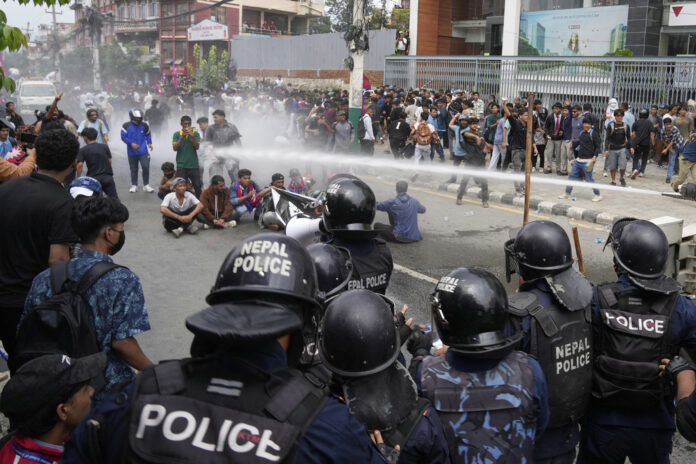
Riot police use water cannon on protesters during clashes outside parliament building in Kathmandu, Nepal, Monday, Sept. 8, 2025. (AP Photo/Niranjan Shrestha)

KATHMANDU, Nepal (AP) — Police in Kathmandu opened fire Monday on protesters demonstrating against a government ban on social media, killing at least 17 people and wounding 145, officials said.

The death toll was announced by police official Shekhar Khanal. He said that 28 police officers were among the wounded, as smaller protests continued into late Monday evening.

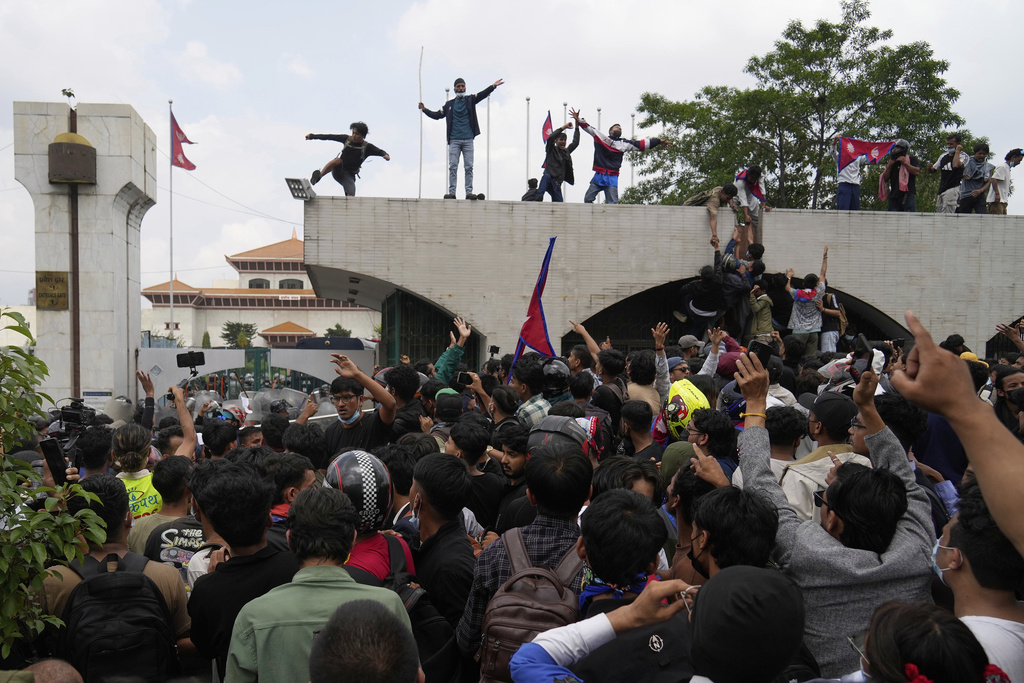
Rallies swept the streets of Kathmandu around the Parliament building, which was surrounded by tens of thousands of people angry over the decision by authorities to block most social media platforms including Facebook, X and YouTube. Officials said the companies had failed to register and submit to government oversight.

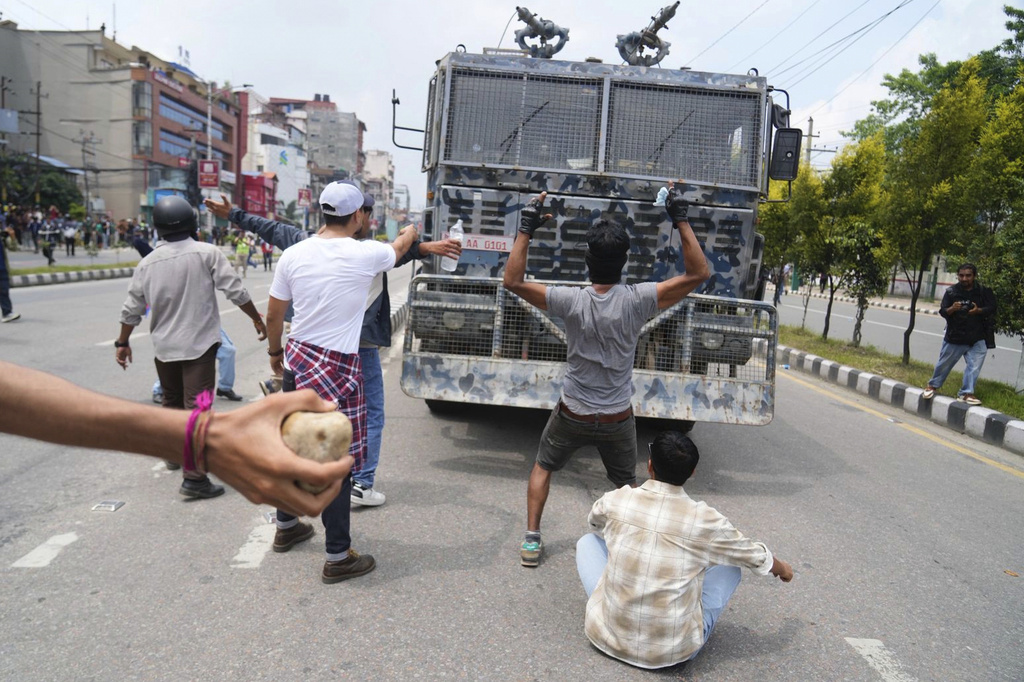
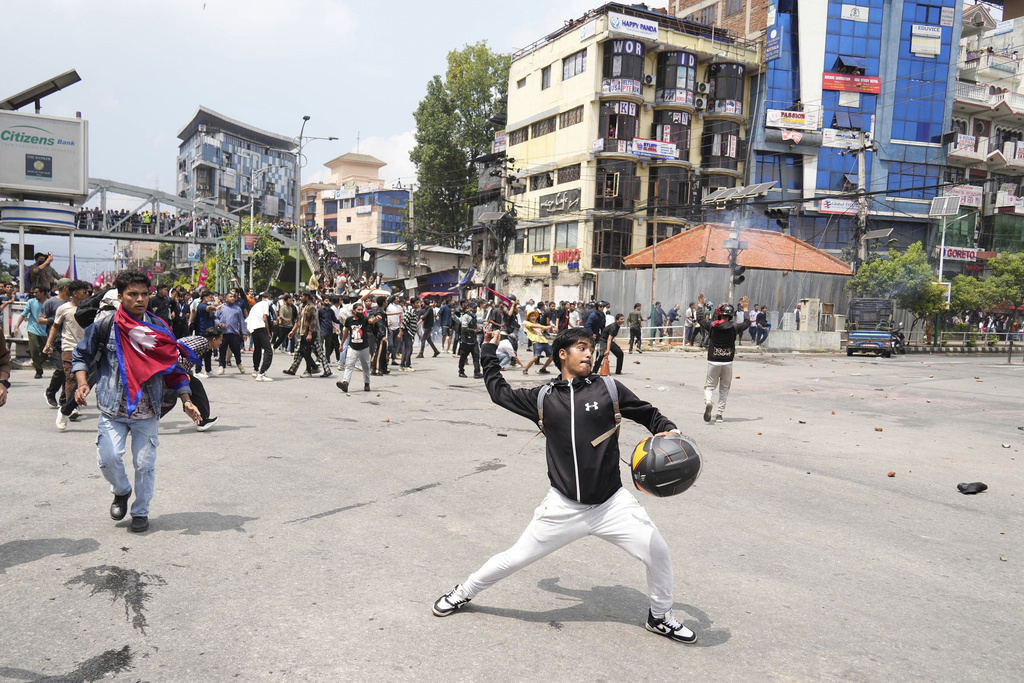
Protesters pushed through barbed wire and forced riot police to retreat inside the Parliament complex. Police eventually opened fire at the protesters.

AP25251332100224
Protesters shout slogans as they gather outside the Parliament building in Kathmandu, Nepal, Monday, Sept. 8, 2025. (AP Photo/Niranjan Shrestha)

The situation remained tense and the government announced a curfew for Monday around Parliament, the government secretariat, presidential house and key parts of the city.

Seven of those killed and scores of wounded were received at the National Trauma Center, the country’s main hospital located in the heart of Kathmandu.

“Many of them are in serious condition and appear to have been shot in the head and chest,” said Dr. Badri Risal, a physician. Families waited anxiously outside for news of their relatives while people lined up to donate blood.

“Stop the ban on social media, stop corruption not social media,” the crowds outside parliament chanted, waving the red and blue national flags. Monday’s rally was called the protest of Gen Z, generally referring to people born between 1995 and 2010.

AP25251340998892
Protesters shout slogans in front of an armored vehicle outside the Parliament building in Kathmandu, Nepal, Monday, Sept. 8, 2025. (AP Photo/Niranjan Shrestha)

About two dozen social network platforms that are widely used in Nepal were repeatedly given notices to register their companies officially in the country, the government said. Those which failed to register have been blocked since last week.

TikTok, Viber and three other platforms have registered and operate without interruption.

The move by the authorities came as the government sent a bill for a debate in Parliament that wants to ensure that social platforms are “properly managed, responsible and accountable.” It includes asking the companies to appoint a liaison office or point in the country.

The bill has been widely criticized as a tool for censorship and punishing government opponents who voice their protests online. Rights groups have called it an attempt by the government to curb freedom of expression and violate fundamental rights.

Nepal in 2023 banned video-sharing app TikTok for disrupting “social harmony, goodwill and diffusing indecent materials.” The ban was lifted last year after TikTok’s executives pledged to comply with local laws. They include a ban of pornographic sites that was passed in 2018.

AP25251355019551
Protestors clash with the riot police outside the Parliament building in Kathmandu, Nepal, Monday, Sept. 8, 2025. (AP Photo/Niranjan Shrestha)

________

Advertisement

Bangkok, Northern Provinces Declared PM2.5 Control Zones

Bangkok
A student wearing face masks on a pedestrian overpass with visible smog in Bangkok on January 24, 2025.(KHAOSOD Photo/Yokin Charoenying)

BANGKOK — Final environmental policy move by outgoing Paetongtarn government targets chronic air quality crisis

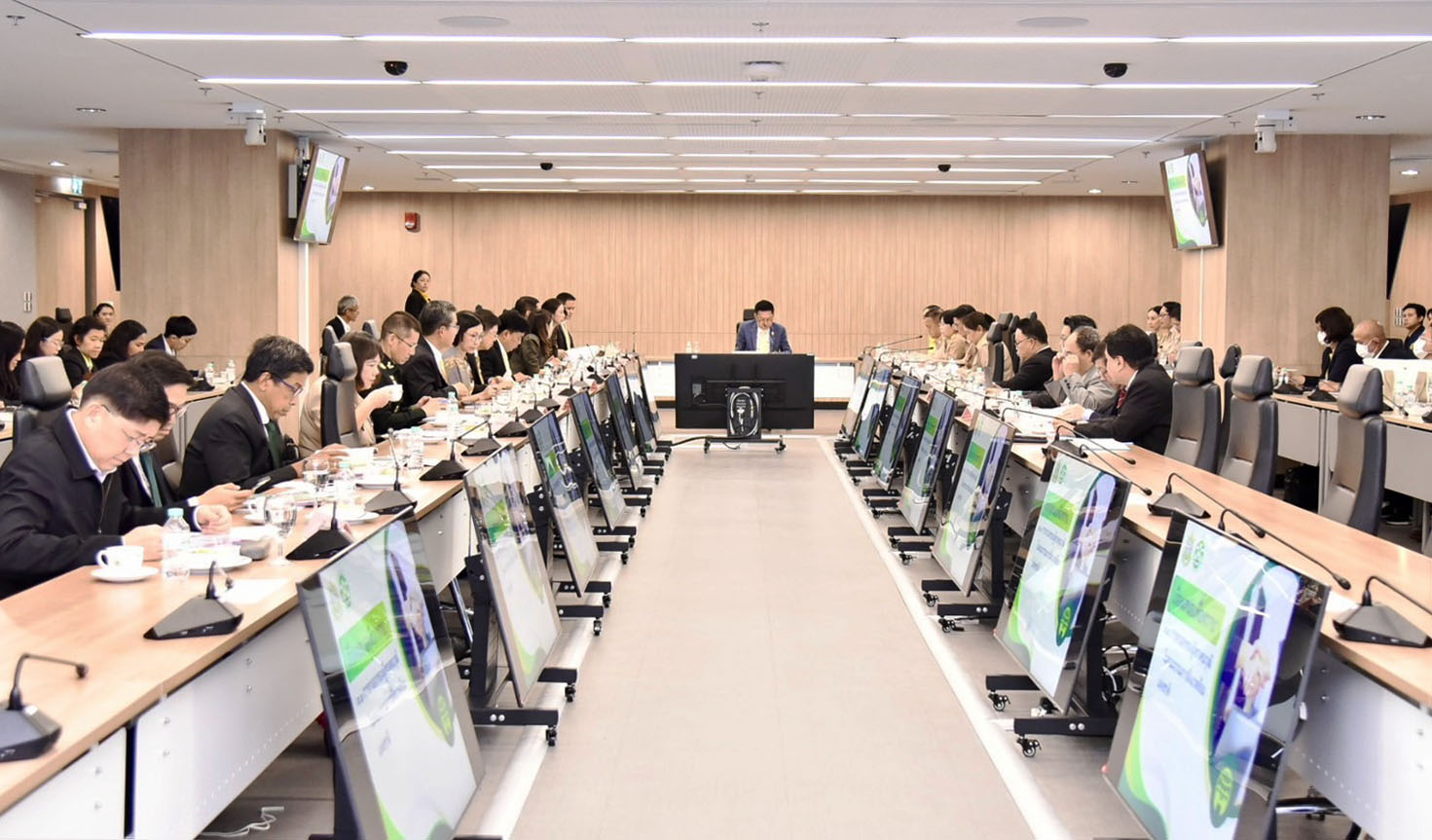
The National Environment Committee has officially declared pollution control zones in Bangkok and four northern provinces to combat Thailand’s persistent PM2.5 air pollution crisis, marking one of the final policy initiatives under Prime Minister Paetongtarn Shinawatra’s administration.

Deputy Prime Minister Prasert Jantarawongtong chaired the committee meeting that approved the designations, aimed at addressing air quality problems that have plagued Thailand’s major urban centers and northern regions for years.

environment
National Environment Committee meeting chaired by Deputy Prime Minister Prasert Jantarawongtong, who also serves as Minister of Digital Economy and Society, at the Ministry of Digital Economy and Society on September 8, 2025.

Bangkok Gets Emergency Powers

Bangkok Governor Chadchart Sittipunt announced the decision following discussions at the Ministry of Digital Economy and Society’s Government Complex. The capital’s designation as a pollution control zone grants authorities enhanced powers to implement emergency measures during peak pollution periods, particularly in winter and dry seasons when PM2.5 levels typically spike.

Officials project the initiative will generate over 20 billion baht in annual economic benefits for Bangkok through improved health outcomes, enhanced quality of life, and boosted eco-tourism appeal.

Northern Haze Crisis Addressed

The committee simultaneously designated Chiang Mai, Chiang Rai, Lamphun, and Mae Hong Son provinces as pollution control zones to tackle the region’s chronic haze problems. These areas regularly experience dangerous air quality levels due to forest fires, agricultural burning, and transportation emissions.

chiangmai dust1
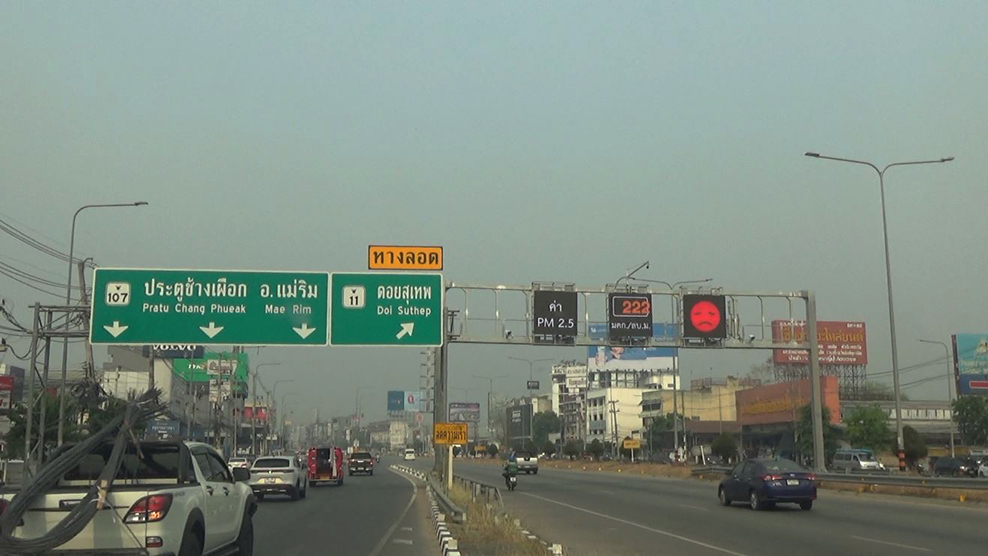
A sign in the middle of a road in Chiang Mai states that PM2.5 levels on March 18, 2024, are at an unhealthy level.

The northern designation enables coordinated action between central government agencies, provincial authorities, and local communities to implement systematic pollution control measures.

Comprehensive Action Plan

Both designations authorize agencies to deploy integrated strategies including:

  • Stricter controls on open burning
  • Promotion of clean fuel alternatives
  • Expanded air quality monitoring networks
  • Enhanced public awareness campaigns
  • Emergency response protocols during pollution episodes
AP24169733301588
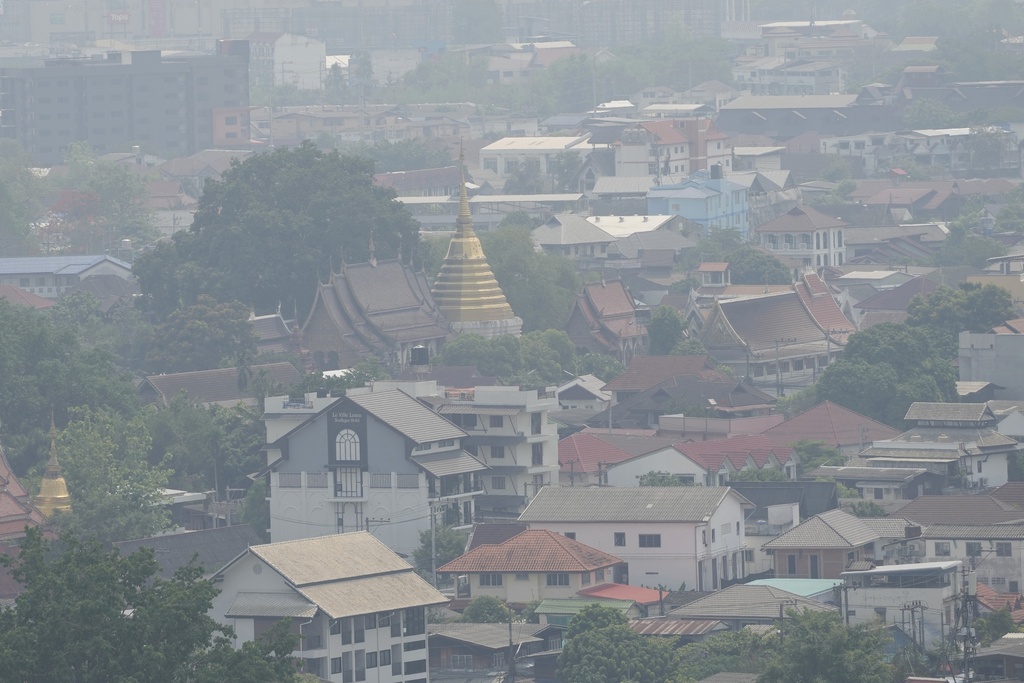
A thick layer of smoke covers the city of Chiang Mai province in northern Thailand, Monday, April 22, 2024.(AP Photo/Sakchai Lalit)

Political Timing

The announcements come as Thailand prepares for a government transition, with the Paetongtarn administration using its final weeks to address one of the country’s most pressing environmental and public health challenges.

The pollution control zones represent a shift toward more systematic environmental governance, balancing health protection with economic development in regions where air quality has become a chronic concern affecting millions of residents and the tourism industry.

The designations are expected to provide legal framework for more aggressive pollution control measures that previous administrations struggled to implement effectively.

_______________

Advertisement

Thailand Outlines Universal Coverage for Transgender Hormone Therapy

Transgender patients seeking treatment must first undergo a comprehensive consultation with specialists to determine whether gender dysphoria is actually present and to ensure that they fully understand the benefits and risks of hormone treatment.

BANGKOK — Thai health authorities have reaffirmed their recognition of gender diversity and outlined the benefits of a new “gender-confirming hormone therapy” for transgender people that covers both male-to-female and female-to-male cases.

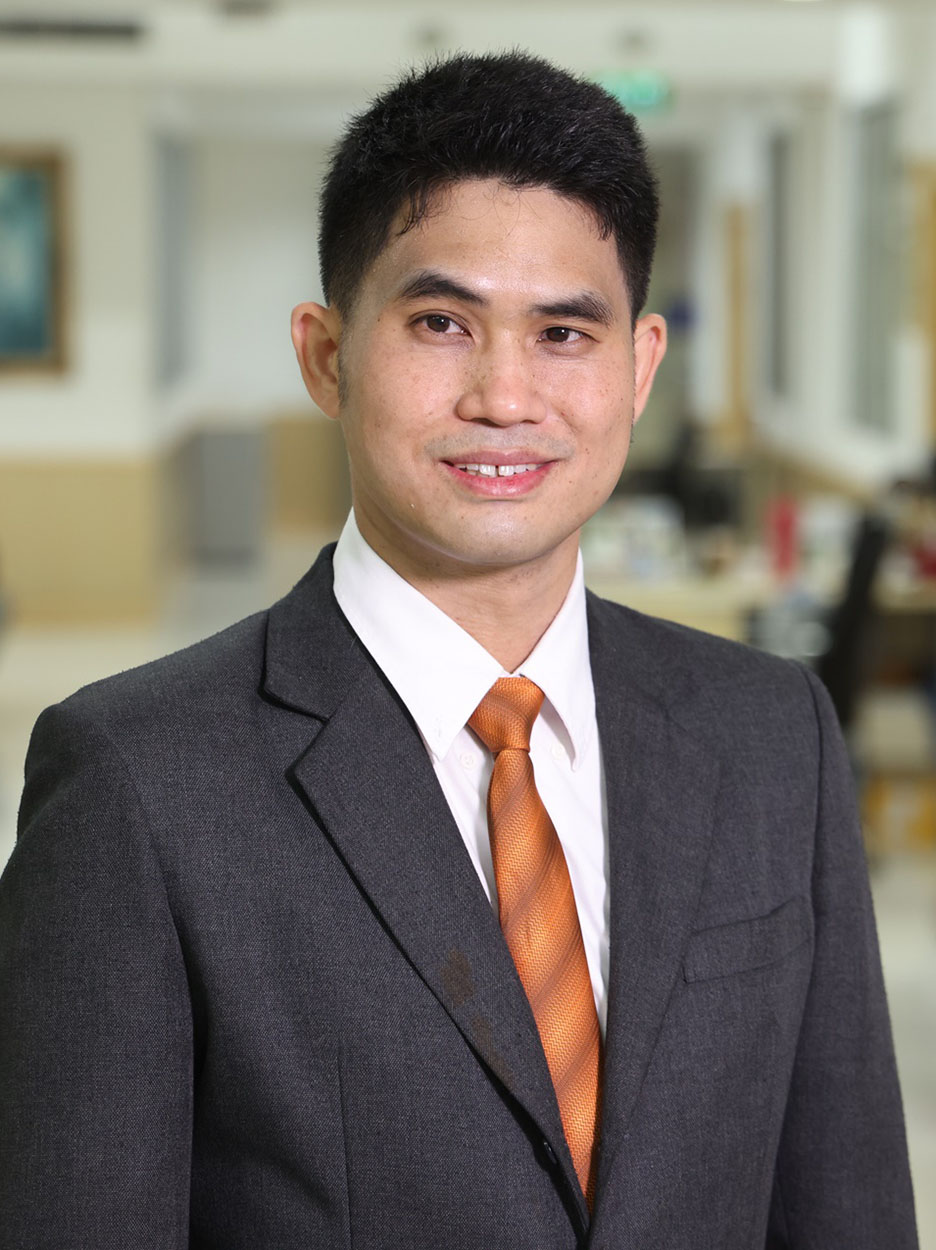
Dr. Nithiwat Saengrueang, Deputy Secretary-General of the National Health Security Office (NHSO), explained the details of this benefit package after the NHSO Board approved it in July 2025 as part of universal health coverage.

The NHSO has allocated a budget of 140 million baht ($4.4 million) to support this benefit package, which covers the cost of blood tests, cholesterol screening and other scheduled health check-ups at 3-month, 6-month, 1-year or 2-year intervals. If the number of beneficiaries exceeds the target, the budget will be increased the following year.

He explained that recipients must undergo comprehensive counselling by a multidisciplinary team consisting of doctors, nurses, social workers and psychologists.

Nithiwat Saengrueang

Dr. Nithiwat said the hormone therapy package developed by the NHSO included both oral and injectable options, depending on the suitability of the individual.

In male-to-female transition, younger patients may not need injections and can take medications that block male hormones. Older patients or those who have already received hormones may only need tablets, which can cause changes such as wider hips, less facial hair and a softer voice.

For female-to-male transition, most receive injections that can deepen the voice, increase facial hair and build more muscle mass.

Patients seeking treatment must first undergo a comprehensive consultation with specialists to determine whether gender dysphoria is actually present and to ensure that they fully understand the benefits and risks of hormone treatment.

These risks include allergic reactions, cardiovascular disease, stroke and an increased risk of breast cancer, as well as the possibility of partial reversibility of physical changes. A thorough health check is also required to rule out other medical or psychological conditions that may need to be treated beforehand.

Dr. Nithiwat explained that the development of this benefit package had its origins in a meeting of transgender groups with Prime Minister Srettha Thavisin and was later developed further under the Paetongtarn Shinawatra government. The policy was the result of collaboration between transgender communities, the medical profession and the NHSO, with extensive studies and public consultations helping to drive the initiative forward.

AP25016237332702
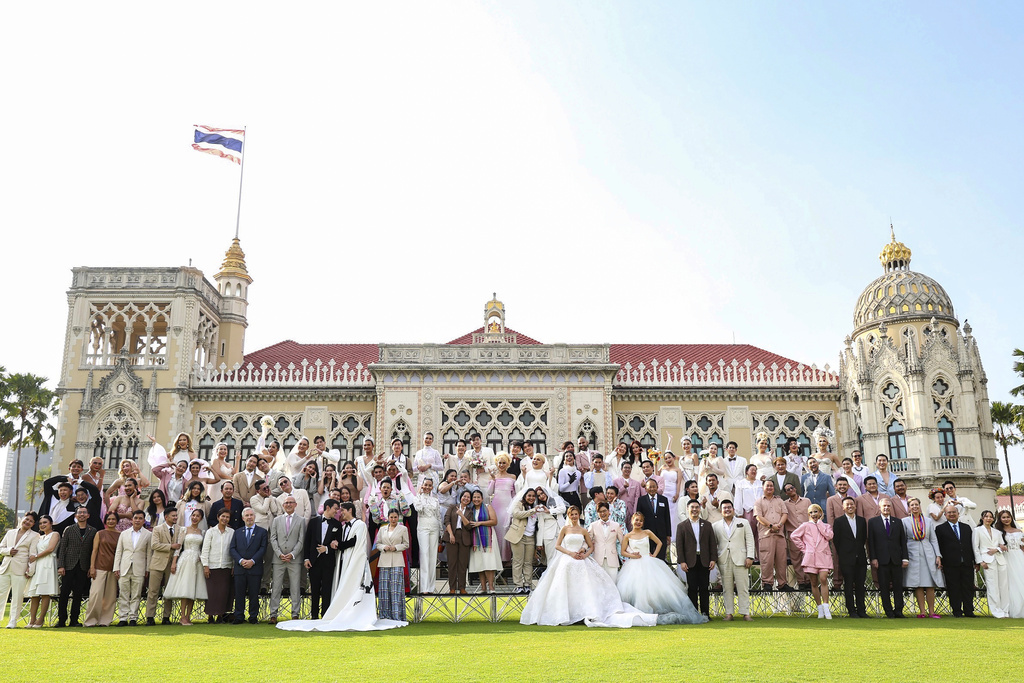
A group of LGBTQ pose for a picture as a part of celebration of a marriage equality bill at Government house in Bangkok, Thailand, on Jan. 15, 2025. (AP Photo/Jirasak jivawavatanawanit)

The procurement of medicines is currently underway. In Bangkok, the existing clinics will continue to offer their services until the NHSO supplies arrive. In the provinces, the Ministry of Health is developing service models, starting with facilities that already offer hormone treatment, many of which are located in the major provincial medical faculties. Telemedicine will also be used for consultations and follow-ups, particularly for patients receiving stable, long-term hormone treatment.

“This package of services is good news and a source of hope for all transgender people in Thailand,” Dr Nithiwat said, adding that the NHSO will soon publish the list of hospitals and clinics offering the service on its website.

____

Advertisement

Thaksin Returns to Bangkok a Day Before a Court Ruling that Could Lead to Imprisonment

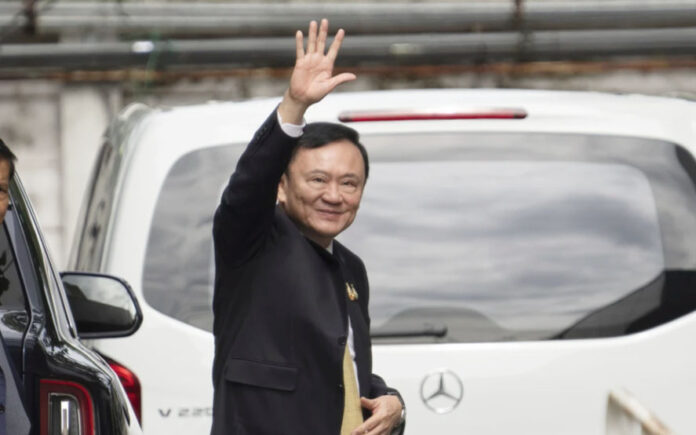
Former Thai Prime Minister Thaksin Shinawatra arrives at Criminal Court for a verdict for allegedly defaming the monarchy in Bangkok, Thailand, Friday, Aug. 22, 2025. (AP Photo/Arnun Chonmahatrakool)

BANGKOK (AP) — Thailand’s former Prime Minister Thaksin Shinawatra arrived in Bangkok on Monday after his surprise departure to Dubai, a day before a court ruling that could open him up to imprisonment.

Thaksin could be seen walking out of the private jet terminal of the Don Mueang International Airport from a livestream video Monday afternoon.

Last week, Thaksin said he intended to travel to Singapore for a medical checkup, but had to change the destination to Dubai instead because he was delayed by Thai immigration. He said his plane wouldn’t be able to land at Singapore’s Seletar Airport, which serves small aircraft, before its 10 p.m. closing time.

Thaksin lived in Dubai during his self-imposed exile starting in 2008. He said that he had regular physicians there.

The Supreme Court on Tuesday is set to rule whether officials mishandled his return to Thailand in 2023, to begin an eight-year sentence for three cases involving graft and abuse of power.

At the time, Thaksin was sent to a suite at Bangkok’s Police General Hospital, reportedly for medical reasons, after spending less than a day in prison. His sentence was commuted to one year by King Maha Vajiralongkorn, and he was released on parole after six months.

The circumstances raised questions about whether he received special treatment. Tuesday’s Supreme Court ruling will determine if the Corrections Department acted legally in its handling of his case.

The mandate for the court’s investigation is broad and it is unclear if Thaksin could be liable for the Corrections Department’s actions, though if he was found to be complicit in their wrongdoing, he might face charges that could result in a new prison sentence.

Thailand’s Parliament voted Friday to confirm Anutin Charvirakul as new prime minister to replace Thaksin’s daughter, Paetongtarn Shinawatra, who was unseated after a court found her guilty of an ethics violation for a politically compromising phone call with Cambodian Senate President Hun Sen.

Many see this as a major blow to the political influence Thaksin has wielded for more than two decades.

Thaksin was prime minister from 2001 until a military coup ousted him in 2006 while he was abroad. He briefly returned to Thailand in 2008 but left again, skipping bail ahead of a court verdict on a corruption case. After leaving office, he faced a barrage of lawsuits and criminal charges he claimed were politically motivated.

Last month, a criminal court acquitted him of royal defamation, an offense also known as lese-majeste, which could have resulted in a 15-year prison sentence.

____________

Advertisement

Over 300 Cambodian Workers Caught Illegally Crossing into Thailand

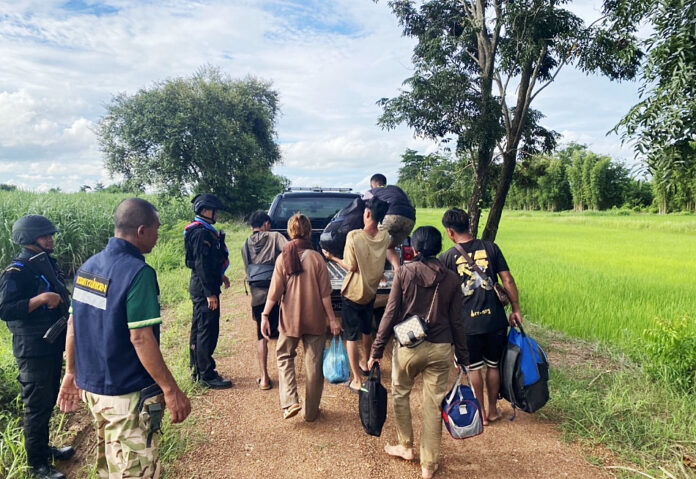
Officials escort detained Cambodians to vehicles for legal proceedings at Khlong Nam Sai Police Station, Sa Kaeo Province on September 7, 2025.

SA KAEO — Thai authorities have arrested more than 300 Cambodian migrant workers attempting to illegally cross the border in Sa Kaeo Province since mid-June, highlighting the human cost of ongoing border restrictions despite a ceasefire agreement between Thailand and Cambodia.

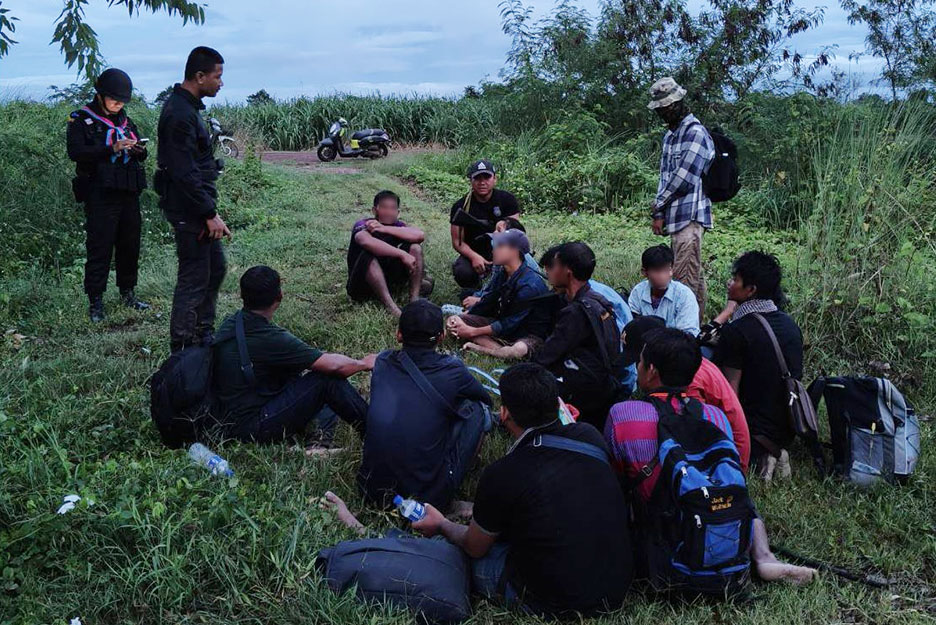
On September 8, the Aranyaprathet Special Task Force and 12th Ranger Regiment detained 50 people attempting to cross on foot through Kud Hin village. The exhausted and hungry workers were trying to slip back into Thailand to find employment.

Workers forced home, then abandoned

During questioning, the detained workers revealed they had previously worked legally in Thailand but were forced to return to Cambodia in early August when both countries tightened border controls. Upon returning home, however, they found no job opportunities and received no government assistance.

cambodia back2
Officials arrest some of the 50 Cambodians who attempted to enter through Kud Hin village, Aranyaprathet District, Sa Kaeo Province on September 8, 2025.

Facing destitution, they paid Cambodian smugglers 5,000-6,000 baht each to guide them back across the border through remote jungle routes. When Thai authorities moved in during the September 8 operation, three guides escaped into nearby sugarcane fields while all 50 workers were arrested.

The workers have been charged with illegal entry and sent to Khlong Nam Sai Police Station for processing.

Daily arrests since June closure

Colonel Chainarong Kasee, commander of the Aranyaprathet Special Task Force, said his unit has conducted 84 arrest operations since border closures began June 17, detaining 329 Cambodian workers in total.

“These arrests reflect the desperation of Cambodian people who must struggle to survive on their own, lacking care from their home government that pressured citizens to return but provided no assistance,” he said.

The colonel noted that smuggling operations remain active despite the risks, partly because current penalties are relatively light—often just fines before deportation back to Cambodia.

cambodia nigeria back1
Officials arrest 3 Nigerian men and their Cambodian guide while attempting to illegally enter Thailand at Ban Non Khi Lek, Phan Suek Sub-district, Aranyaprathet District, Sa Kaeo Province on September 7, 2025.

International smuggling networks

The scope of cross-border smuggling extends beyond Cambodian workers. On September 7, authorities arrested three Nigerian men who had paid approximately $1,000 each (32,000 baht) to smuggling networks for passage to Thailand. The men said they wanted to reach the Nigerian embassy for help returning home.

Their Cambodian guide admitted to receiving 300 baht per bag for carrying the Nigerians’ luggage across the border.

The arrests underscore how border restrictions, while aimed at security concerns, have created a lucrative market for human smugglers preying on desperate migrants seeking economic opportunities or consular assistance.

Advertisement

Hot News

LATEST NEWS

Bangkok
overcast clouds
29.4 ° C
31.6 °
29.4 °
73 %
1.7kmh
100 %
Mon
36 °
Tue
37 °
Wed
37 °
Thu
36 °
Fri
36 °