





























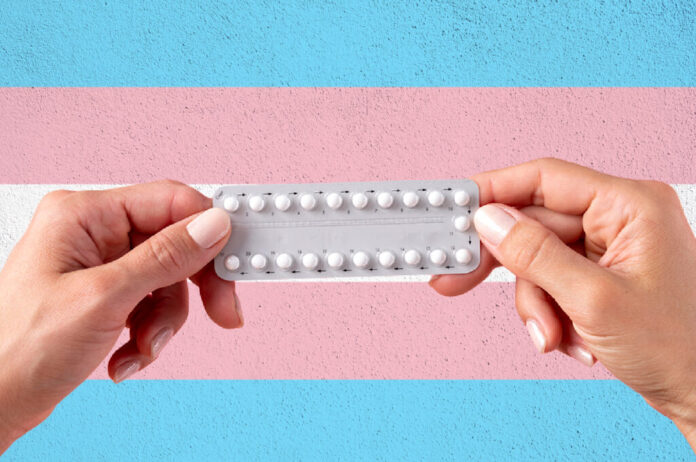
BANGKOK — Thai health authorities have reaffirmed their recognition of gender diversity and outlined the benefits of a new “gender-confirming hormone therapy” for transgender people that covers both male-to-female and female-to-male cases.
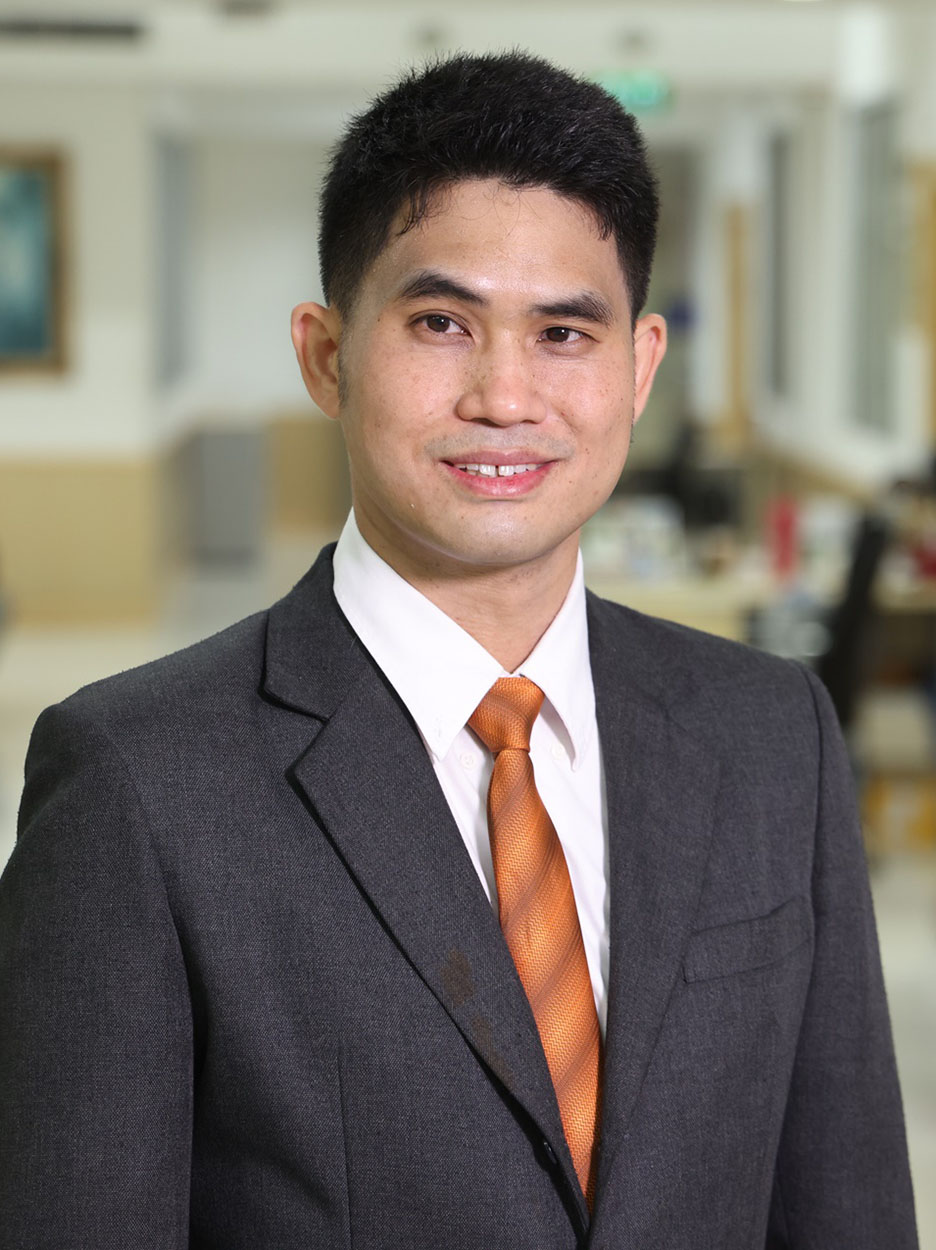
Dr. Nithiwat Saengrueang, Deputy Secretary-General of the National Health Security Office (NHSO), explained the details of this benefit package after the NHSO Board approved it in July 2025 as part of universal health coverage.
The NHSO has allocated a budget of 140 million baht ($4.4 million) to support this benefit package, which covers the cost of blood tests, cholesterol screening and other scheduled health check-ups at 3-month, 6-month, 1-year or 2-year intervals. If the number of beneficiaries exceeds the target, the budget will be increased the following year.
He explained that recipients must undergo comprehensive counselling by a multidisciplinary team consisting of doctors, nurses, social workers and psychologists.
Dr. Nithiwat said the hormone therapy package developed by the NHSO included both oral and injectable options, depending on the suitability of the individual.
In male-to-female transition, younger patients may not need injections and can take medications that block male hormones. Older patients or those who have already received hormones may only need tablets, which can cause changes such as wider hips, less facial hair and a softer voice.
For female-to-male transition, most receive injections that can deepen the voice, increase facial hair and build more muscle mass.
Patients seeking treatment must first undergo a comprehensive consultation with specialists to determine whether gender dysphoria is actually present and to ensure that they fully understand the benefits and risks of hormone treatment.
These risks include allergic reactions, cardiovascular disease, stroke and an increased risk of breast cancer, as well as the possibility of partial reversibility of physical changes. A thorough health check is also required to rule out other medical or psychological conditions that may need to be treated beforehand.
Dr. Nithiwat explained that the development of this benefit package had its origins in a meeting of transgender groups with Prime Minister Srettha Thavisin and was later developed further under the Paetongtarn Shinawatra government. The policy was the result of collaboration between transgender communities, the medical profession and the NHSO, with extensive studies and public consultations helping to drive the initiative forward.

The procurement of medicines is currently underway. In Bangkok, the existing clinics will continue to offer their services until the NHSO supplies arrive. In the provinces, the Ministry of Health is developing service models, starting with facilities that already offer hormone treatment, many of which are located in the major provincial medical faculties. Telemedicine will also be used for consultations and follow-ups, particularly for patients receiving stable, long-term hormone treatment.
“This package of services is good news and a source of hope for all transgender people in Thailand,” Dr Nithiwat said, adding that the NHSO will soon publish the list of hospitals and clinics offering the service on its website.
____