























BANGKOK — Final environmental policy move by outgoing Paetongtarn government targets chronic air quality crisis
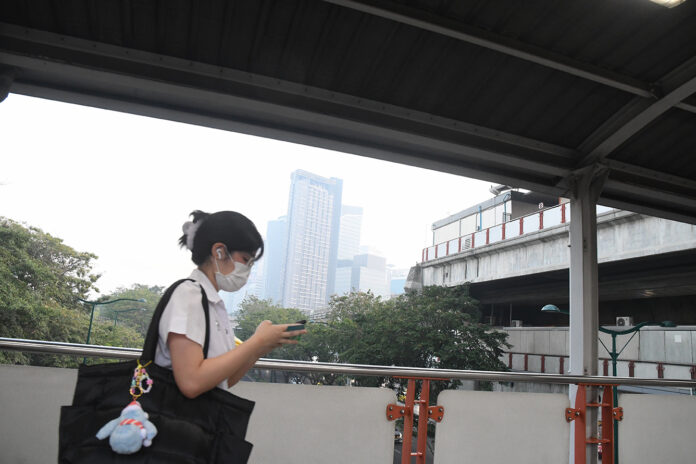
The National Environment Committee has officially declared pollution control zones in Bangkok and four northern provinces to combat Thailand’s persistent PM2.5 air pollution crisis, marking one of the final policy initiatives under Prime Minister Paetongtarn Shinawatra’s administration.
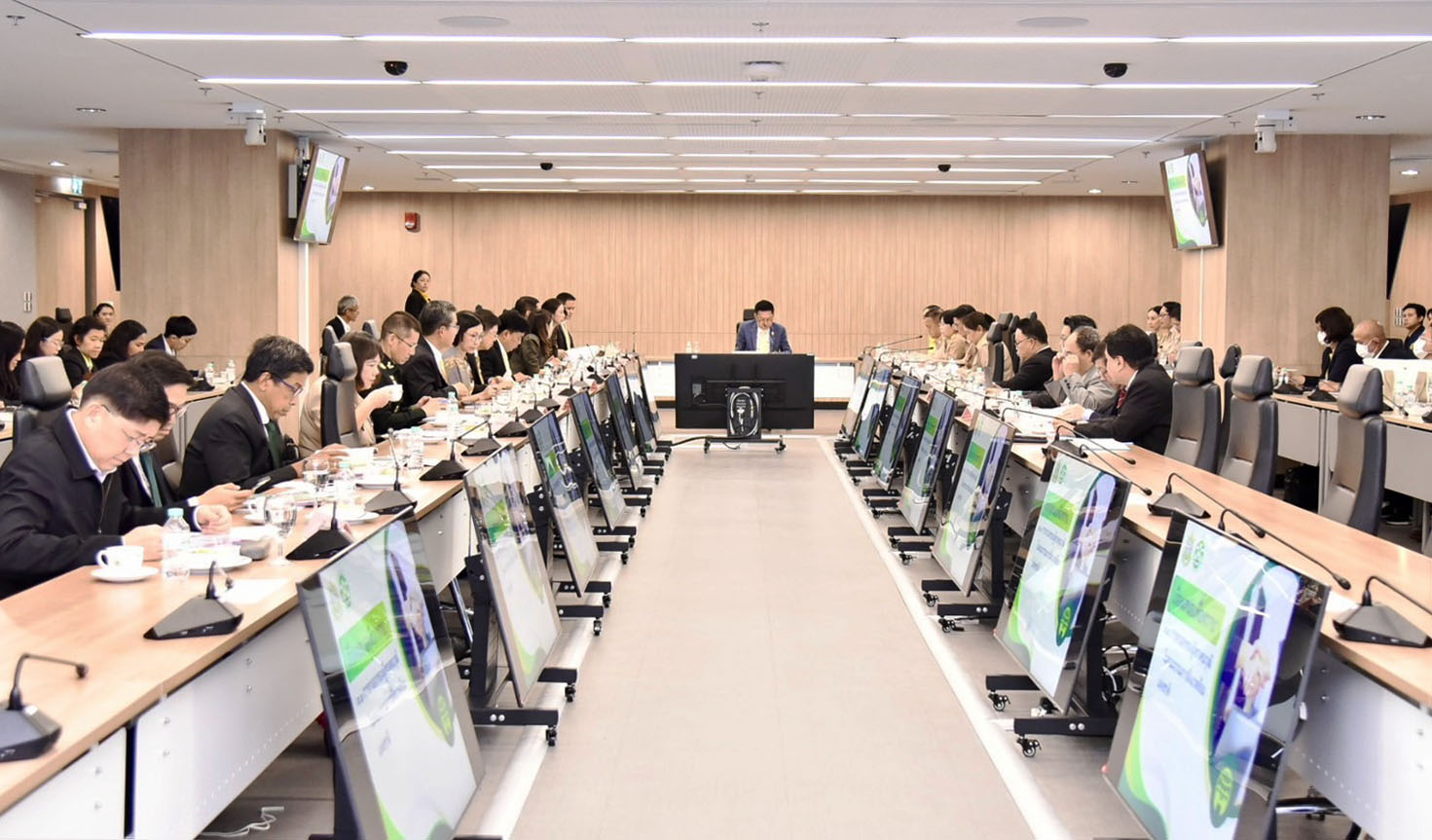
Deputy Prime Minister Prasert Jantarawongtong chaired the committee meeting that approved the designations, aimed at addressing air quality problems that have plagued Thailand’s major urban centers and northern regions for years.
Bangkok Gets Emergency Powers
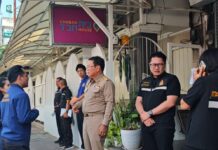
Bangkok Governor Chadchart Sittipunt announced the decision following discussions at the Ministry of Digital Economy and Society’s Government Complex. The capital’s designation as a pollution control zone grants authorities enhanced powers to implement emergency measures during peak pollution periods, particularly in winter and dry seasons when PM2.5 levels typically spike.
Officials project the initiative will generate over 20 billion baht in annual economic benefits for Bangkok through improved health outcomes, enhanced quality of life, and boosted eco-tourism appeal.
Northern Haze Crisis Addressed
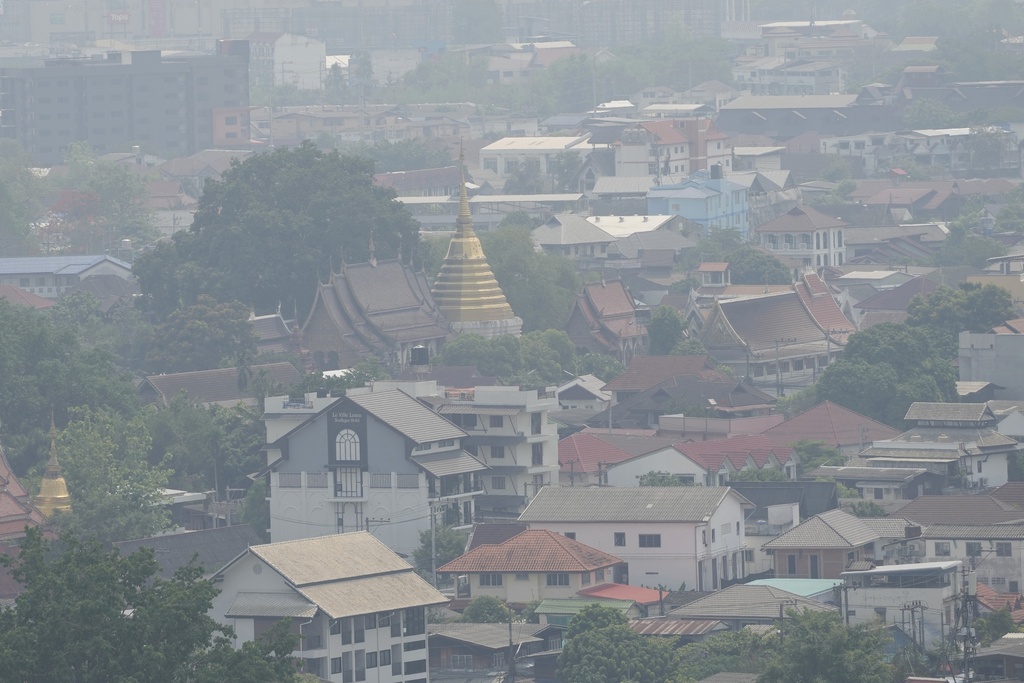
The committee simultaneously designated Chiang Mai, Chiang Rai, Lamphun, and Mae Hong Son provinces as pollution control zones to tackle the region’s chronic haze problems. These areas regularly experience dangerous air quality levels due to forest fires, agricultural burning, and transportation emissions.
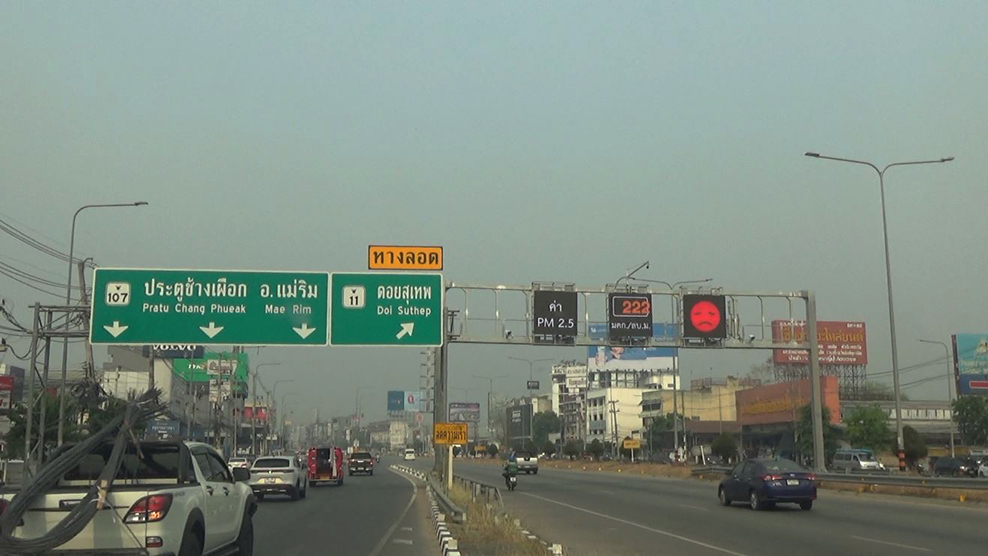
The northern designation enables coordinated action between central government agencies, provincial authorities, and local communities to implement systematic pollution control measures.
Comprehensive Action Plan
Both designations authorize agencies to deploy integrated strategies including:
- Stricter controls on open burning
- Promotion of clean fuel alternatives
- Expanded air quality monitoring networks
- Enhanced public awareness campaigns
- Emergency response protocols during pollution episodes
Political Timing
The announcements come as Thailand prepares for a government transition, with the Paetongtarn administration using its final weeks to address one of the country’s most pressing environmental and public health challenges.
The pollution control zones represent a shift toward more systematic environmental governance, balancing health protection with economic development in regions where air quality has become a chronic concern affecting millions of residents and the tourism industry.
The designations are expected to provide legal framework for more aggressive pollution control measures that previous administrations struggled to implement effectively.
_______________