Forensic officers jointly inspect the suitcase containing the mysterious woman's body in the golf course water reservoir in Huai Yai subdistrict, Bang Lamung district, Chonburi province on September 3, 2025.
CHONBURI — Police are investigating disturbing parallels between two gruesome murders after the body of an unidentified woman was discovered stuffed inside a weighted suitcase at a Chonburi golf course, mirroring a nearly identical killing that remains unsolved seven months later in neighboring Rayong province.
Authorities have not yet determined whether the woman is Thai or foreign, similar to the ongoing identification challenges in the Rayong case.
The latest victim was found September 3 by a Thai national rowing team member training at the Bang Lamung facility, floating in a water reservoir inside a King Safari suitcase weighed down with 15.75 kilograms of dumbbell plates. Authorities believe the woman had been dead for approximately five days and have yet to determine her nationality.
Police officers examine a suitcase that floated to the surface in a golf course water reservoir in Huai Yai subdistrict, Bang Lamung district, Chonburi province on September 3, 2025.
The suitcase contained 9 dumbbell plates weighing a total of 15.75 kg that were used to weigh it down. Also found inside were a padlock branded “FRI-CYCOD 202” manufactured in China, two iron chains measuring 163 cm and 53 cm in length, electrical zip ties, and cream-colored three-piece drawstring pants.
On September 4, authorities sent the body for autopsy and detailed identification procedures at Police Hospital in Bangkok. Police Colonel Atthaphon Itthiyophasakul, chief of Huai Yai Police Station, has deployed investigation teams throughout Chonburi province to trace the source of the dumbbell equipment found in the suitcase.
Inside the suitcase containing the mysterious woman’s body were 9 dumbbell plates used to weigh it down, but the suitcase floated to the surface and was discovered by a rowing athlete on September 3, 2025.
Police are coordinating with Ban Chang Police Station in Rayong province, which is investigating a similar case involving a red-haired woman who was murdered and stuffed in an identical brand suitcase before being dumped in a pond behind a golf course. That body was discovered on February 7, 2025. Police plan to cross-reference information about three male suspects from that case to assist in this investigation.
An officer guarding the evidence, including the suitcase used to conceal the body, reported a strange incident last night around 2 a.m. when a stray dog appeared behind the evidence storage facility and howled continuously for over half an hour—something he found very unsettling.
Police officers inspect the site where a tourist streetcar derailed and crashed in Lisbon, Portugal, Thursday, Sept. 4, 2025. (AP Photo/Armando Franca)
LISBON, Portugal (AP) — The death toll in the crash of a famous Lisbon streetcar popular with tourists rose to 17 Thursday after two of the 23 injured people died, an emergency services official said.
The dead were all adults, Margarida Castro Martins, head of Lisbon’s Civil Protection Agency, told reporters. She didn’t provide their names or nationalities, saying that their families would be informed first.
Another 21 people were injured in Wednesday’s crash, she said. They included Portuguese people as well as two Germans, two Spaniards and one person each from France, Italy, Switzerland, Canada, Morocco, South Korea and Cape Verde, she said.
The range of nationalities reflected how big a draw the renowned streetcar was for tourists who are packing the Portuguese capital during the summer season.
Portugal observed a national day of mourning Thursday after the capital’s worst disaster in recent history.
TV cameras record the site where a tourist streetcar derailed and crashed in Lisbon, Portugal, Thursday, Sept. 4, 2025. (AP Photo/Armando Franca)
Though authorities gave no details about those killed, the transport workers’ trade union SITRA said that the streetcar’s brakeman, André Marques, was among the dead.
The 19th-century streetcar is one of Lisbon’s big tourist attractions and is usually packed with foreigners at this time of year for its short and picturesque trip up and down one of the city’s steep hills.
Teams of pathologists at the National Forensics Institute, reinforced by colleagues from three other Portuguese cities, worked through the night on autopsies, officials said. The injured were admitted to several hospitals in the Lisbon region.
The streetcar’s crumpled wreckage was still on the downtown road where it crashed Thursday, cordoned off by police.
Detectives from Portugal’s judicial police force, which investigates serious incidents, photographed the rails and the wreckage on the deserted road.
Officials declined to speculate on whether a faulty brake or a snapped cable may have caused the derailment.
The yellow-and-white streetcar, known as Elevador da Gloria, was lying on its side on the narrow road that it travels on, its sides and top crumpled. It crashed into a building where the road bends, leaving parts of the mostly metal vehicle crushed.
Police officers inspect the site where a tourist streetcar derailed and crashed in Lisbon, Portugal, Thursday, Sept. 4, 2025. (AP Photo/Armando Franca)
“It hit the building with brutal force and fell apart like a cardboard box,” witness Teresa d’Avó told Portuguese television channel SIC. She described the streetcar as out of control and seeming to have no brakes, and said she watched passersby run into the middle of the nearby Avenida da Liberdade, or Freedom Avenue, the city’s main thoroughfare.
The crash occurred at the start of the evening rush hour, around 6 p.m. local time. Emergency officials said all victims were pulled out of the wreckage in just over two hours.
The streetcar, technically called a funicular, is harnessed by steel cables and can carry more than 40 people, seated and standing. It is also commonly used by Lisbon residents.
The service, inaugurated in 1885, goes up and down a few hundred meters of a hill on a curved, traffic-free road in tandem with one going the opposite way. It goes between between Restauradores Square and the Bairro Alto neighborhood renowned for its nightlife.
Lisbon’s City Council halted operations of three other famous funicular streetcars in the city while immediate inspections were carried out.
The Elevador da Gloria is classified as a national monument.
Lisbon hosted around 8.5 million tourists last year, and long lines of people typically form for the brief rides on the popular streetcar.
Carris, the company that operates the streetcar, said that scheduled maintenance had been carried out. It offered its deepest condolences to the victims and their families in a social media post, and promised that all due diligence would be taken in finding the causes.
President Marcelo Rebelo de Sousa offered his condolences to affected families, and Lisbon Mayor Carlos Moedas said the city was in mourning. “It’s a tragedy of the like we’ve never seen,” Moedas said.
Portugal’s government announced that a day of national mourning would be observed Thursday.
“A tragic accident … caused the irreparable loss of human life, which left in mourning their families and dismayed the whole country,” it said in a statement.
European Union flags at the European Parliament and European Commission in Brussels flew at half-staff. Multiple EU leaders expressed their condolences on social media.
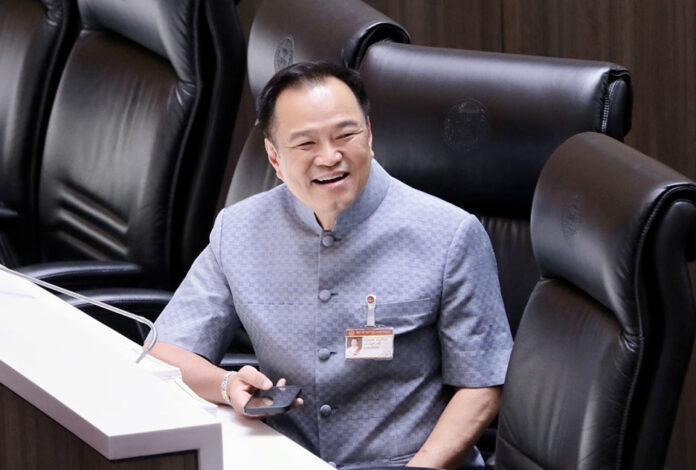
Anutin Charnvirakul, Bhumjaithai Party leader, at Parliament during a House session on September 4, 2025, ahead of the next day's vote where he hopes to become Thailand's 32nd Prime Minister.
With just one day before the scheduled vote for Thailand’s 32nd Prime Minister, the main opposition People’s Party (PP) was reportedly in disarray as I write these words after some of its MPs feared becoming a tool of the deep state by supporting Bhumjaithai Party PM candidate Anutin Charnveerakul as the next PM.
Some PP MPs are asking party executives to reconsider and allow a free vote to elect the 32nd prime minister, while a number of high-profile friends of the party are vocally calling for the party to withdraw its signed agreement to support Anutin.
They say Anutin is an ultra-conservative politician who would likely further undermine the semi-democratic system, rights and liberty. The PP is desperate and insists this is the best path forward to break the political deadlock, as Anutin promised in the signed agreement to relinquish power after four months and call for a new election, along with pushing for a national referendum for a new charter. They also argue that the ruling Pheu Thai Party, which is under the de facto guidance of former PM Thaksin Shinawatra, is even less trustworthy when compared to Anutin.
The biggest irony, however, is that the People’s Party’s policy platform is to reform the monarchy, amend the anachronistic and draconian lese majeste law, and modernise the armed forces into a truly professional force—basically, to curb the influence of the deep state—while Anutin’s stance is probably the opposite.
Yes, Thaksin’s Pheu Thai Party may have most likely made a Faustian agreement with the deep state which eventually enabled him to return from exile two years ago in exchange for forming a government that would keep the progressive Move Forward Party, now known as the People’s Party, out of power.
Now, it appears the deep state has found a new and more compliant agent in Anutin and the Bhumjaithai Party. It would thus be not just myopic but counterproductive to Thai democracy for the People’s Party itself to support Anutin as the new PM.
Anutin may be in power for just four months as he promised, but that’s ample time for a deep state government to lay countless traps to prevent the people from realising true democracy and freedom.
If the People’s Party insists on continuing to support Anutin as the new PM tomorrow, they would be doing a disservice not just to themselves but to Thai democracy, as they would be propelling a right-wing conservative party—who stands opposite People’s Party‘s key policy platforms—into power. The People’s Party would become not part of the solution but part of the problems facing Thailand.
Allowing its MPs to vote freely tomorrow would be the least it can do in an attempt to mitigate the damage the party has already caused through its egregious decision.
Removing Thaksin and the Pheu Thai Party from power while disregarding whose tool you end up becoming in the process reminds me of those who dealt with Thaksin by calling for one military coup after the other and justifying the move by saying the military is less evil.
The People’s Party should know who they are ultimately fighting against and not lose their direction and ideology along the way.
_________
This Nov. 13, 2008 file photo shows the campus of Harvard University in Cambridge, Mass. (AP Photo/Lisa Poole, File)
BOSTON (AP) — A federal judge in Boston on Wednesday ordered the Trump administration to reverse its cuts of more than $2.6 billion in research funding for Harvard University, delivering a significant victory to the Ivy League school in its battle with the White House.
U.S. District Judge Allison Burroughs ruled the cuts amounted to illegal retaliation for Harvard’s rejection of the Trump administration’s demands for changes to Harvard’s governance and policies.
The government had tied the funding freezes to Harvard’s delays in dealing with antisemitism, but the judge said the university’s federally backed research had little connection to discrimination against Jews.
“A review of the administrative record makes it difficult to conclude anything other than that (the government) used antisemitism as a smokescreen for a targeted, ideologically-motivated assault on this country’s premier universities,” Burroughs wrote. The country must fight antisemitism, she wrote, but it also must protect the right to free speech.
The ruling reverses a series of funding freezes that later became outright cuts as the Trump administration escalated its fight with the nation’s wealthiest university. The administration also has sought to prevent the school from hosting foreign students and threatened to revoke its tax-exempt status in a clash watched widely across higher education.
FILE – Graduating Harvard University students celebrate their graduate degrees in public policy during Harvard commencement ceremonies, Thursday, May 25, 2023, on the school’s campus, in Cambridge, Mass. (AP Photo/Steven Senne)
The restoration of federal money would revive Harvard’s sprawling research operation and hundreds of projects that sustained cuts. But whether Harvard actually receives the federal money remains to be seen. The government plans an immediate appeal, White House spokeswoman Liz Huston said in a statement, calling Burroughs an “activist Obama-appointed judge.”
“To any fair-minded observer, it is clear that Harvard University failed to protect their students from harassment and allowed discrimination to plague their campus for years,” Huston said. “Harvard does not have a constitutional right to taxpayer dollars.”
Harvard President Alan Garber foreshadowed potential battles to come even as he said the ruling validates Harvard’s fight for academic freedom.
“Even as we acknowledge the important principles affirmed in today’s ruling, we will continue to assess the implications of the opinion, monitor further legal developments, and be mindful of the changing landscape in which we seek to fulfill our mission,” Garber wrote in a campus message.
Harvard’s research scientists said they had been watching the case closely but feared their funding would not be restored anytime soon.
“Many of us are worried that the federal government is going to appeal this decision or find other ways to obstruct the delivery of research dollars, despite the judge’s clear statement that the funding terminations were illegal,” said Rita Hamad, director of a center that researches the impact of social policies on health.
Beyond the courthouse, the Trump administration and Harvard officials have been discussing a potential agreement that would end investigations and allow the university to regain access to federal funding. President Donald Trump has said he wants Harvard to pay no less than $500 million, but no deal has materialized, even as the administration has struck agreements with Columbia and Brown.
Wednesday’s federal court ruling should embolden Harvard’s administration, said historian Kirsten Weld, president of Harvard’s chapter of the American Association of University Professors, which also prevailed in a lawsuit over the funding cuts. “We hope this decision makes clear to Harvard’s administration that bargaining the Harvard community’s rights away in a compromise with the government is unacceptable,” Weld said.
Harvard’s lawsuit accused the Trump administration of waging a retaliation campaign against the university after it rejected a series of demands in an April 11 letter from a federal antisemitism task force.
The letter demanded sweeping changes related to campus protests, academics and admissions. It was meant to address government accusations that the university had become a hotbed of liberalism and tolerated anti-Jewish harassment on campus.
Harvard President Alan Garber pledged to fight antisemitism. But, he said, no government “should dictate what private universities can teach, whom they can admit and hire, and which areas of study and inquiry they can pursue.”
Trump officials moved to freeze $2.2 billion in research grants the same day Harvard rejected the administration’s demands. Education Secretary Linda McMahon declared in May that Harvard would no longer be eligible for new grants, and weeks later, the administration began canceling contracts with Harvard.
As Harvard fought the funding freeze in court, individual agencies began sending letters announcing that the frozen research grants were being terminated under a clause allowing grants to be scrapped if they no longer align with government policies. Harvard has moved to self-fund some of its research but warned it can’t absorb the full cost of the federal cuts.
The judge’s order reverses all of Harvard’s federal funding freezes and cuts since April 14, and it bars the government from future cuts that violate Harvard’s constitutional rights or run afoul of federal law.
Burroughs sided with the university’s argument that the cuts amounted to retaliation in violation of its First Amendment rights and that the government put unconstitutional conditions on Harvard’s federal money.
“As pertains to this case, it is important to recognize and remember that if speech can be curtailed in the name of the Jewish people today, then just as easily the speech of the Jews (and anyone else) can be curtailed when the political winds change direction,” the judge wrote.
Burroughs also agreed with Harvard’s claim that the government failed to follow steps prescribed by Congress to cut federal money under Title VI of the Higher Education Act, a federal law that forbids discrimination in education.
The Trump administration denied the cuts were made in retaliation, saying the grants were under review even before the April demand letter was sent. It argues the government has wide discretion to cancel contracts for policy reasons.
“It is the policy of the United States under the Trump Administration not to fund institutions that fail to adequately address antisemitism in their programs,” it said in court documents.
In a separate lawsuit filed by Harvard, Burroughs previously blocked the Trump administration’s efforts to prevent the school from hosting international students.
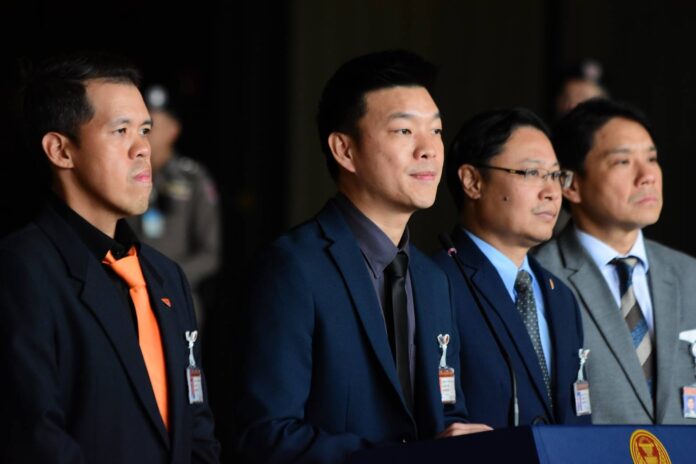
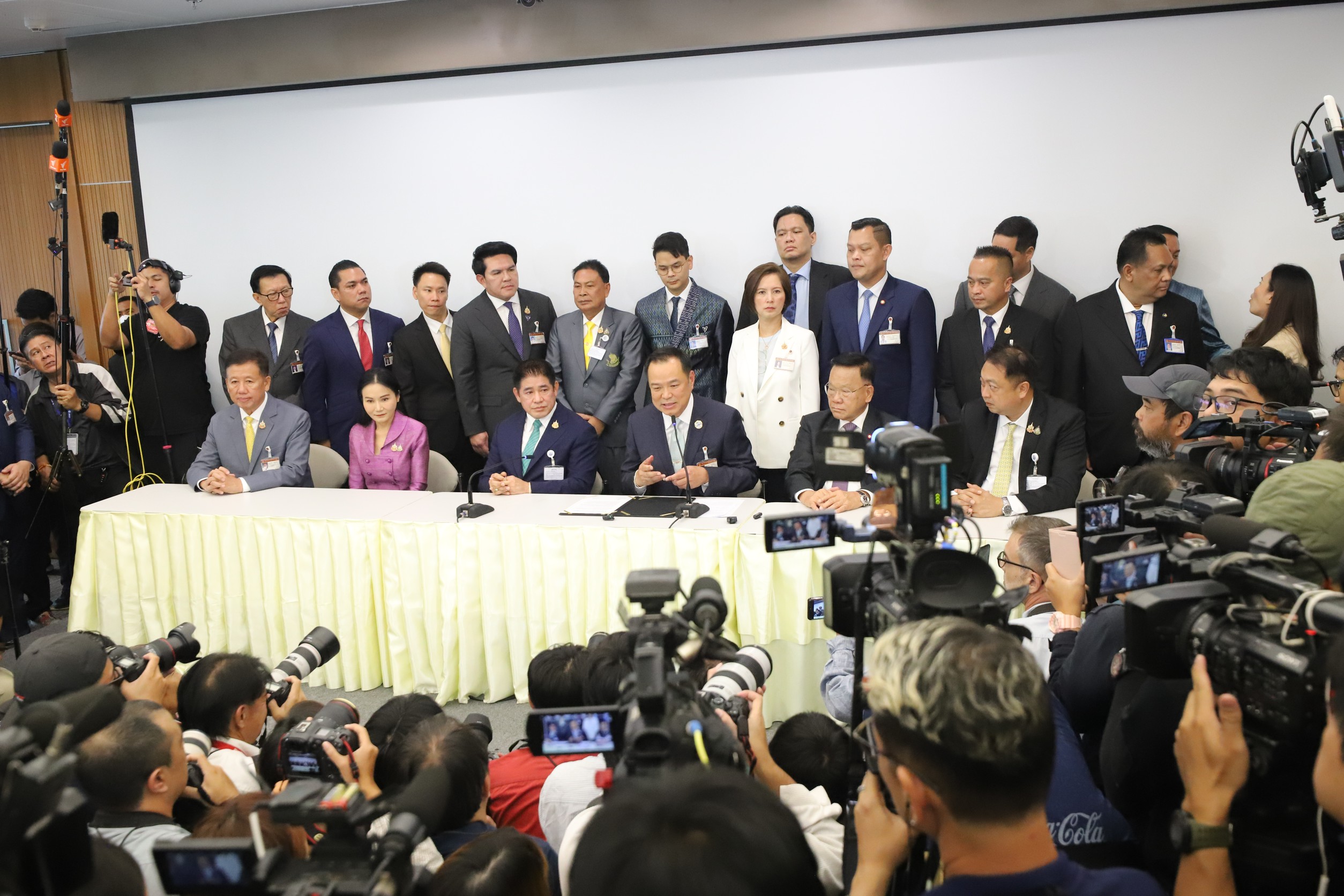
Leader of People's Party, Natthaphong Ruengpanyawut (second from left) talks to reporters during a press conference at Parliament in Bangkok, on September 3, 2025. (KHAOSOD Photo/Chavalit Panyong)
BANGKOK — Thailand’s political landscape shifted dramatically Wednesday as the People’s Party—holding the most parliamentary seats—chose to back Bhumjaithai Party leader Anutin Charnvirakul for 32nd Prime Minister rather than support the ruling Pheu Thai Party. The decision forced Pheu Thai to abandon its bid to dissolve parliament, with the prime ministerial vote now scheduled for September 5.
Royal Endorsement Blocked
The Office of the Privy Council, which screens documents for royal consideration, returned the draft Royal Decree to dissolve parliament to the Cabinet Secretary on September 3. The letter stated the submission did not follow proper procedures because it involved conflicting legal questions about whether a caretaker government could request parliamentary dissolution.
The Council of State’s Secretary-General also ruled that caretaker governments cannot submit such decrees, blocking the document from royal endorsement.
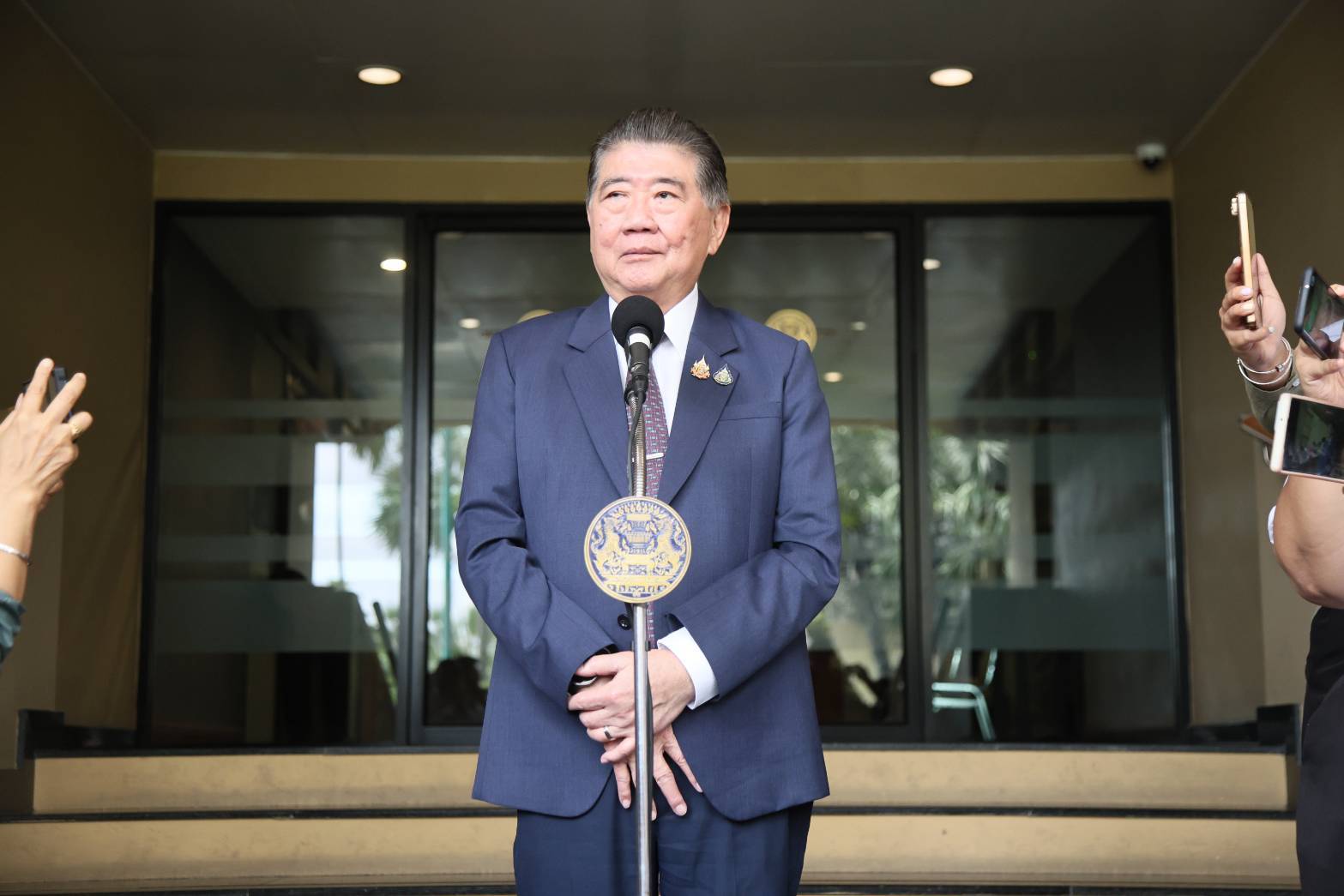
Acting Prime Minister Phumtham Wechayachai speaks at Government House on September 3, confirming he submitted a royal petition to dissolve parliament on September 2, 2025. (KHAOSOD Photo/Chavalit Panyong)
Meanwhile, a New Democrat Party MP filed criminal charges against caretaker Prime Minister Phumtham Wechayachai under Article 112—the lese-majeste law carrying severe penalties—for drafting the royal submission. This law remains controversial as critics argue it’s frequently used as a political tool to eliminate opponents.
Broader Political Realignment
These developments reveal that Pheu Thai won’t lose this political game alone. The People’s Party, known as the “orange party,” chose to align with the “blue party” Bhumjaithai, creating unexpected political fault lines.
Democracy activists and human rights advocates who support the People’s Party, including those imprisoned or exiled for demanding Article 112 reforms, have posted strong opposition to this decision. They argue it contradicts everything the party claims to fight for by supporting a blue party that has consistently defended Article 112.
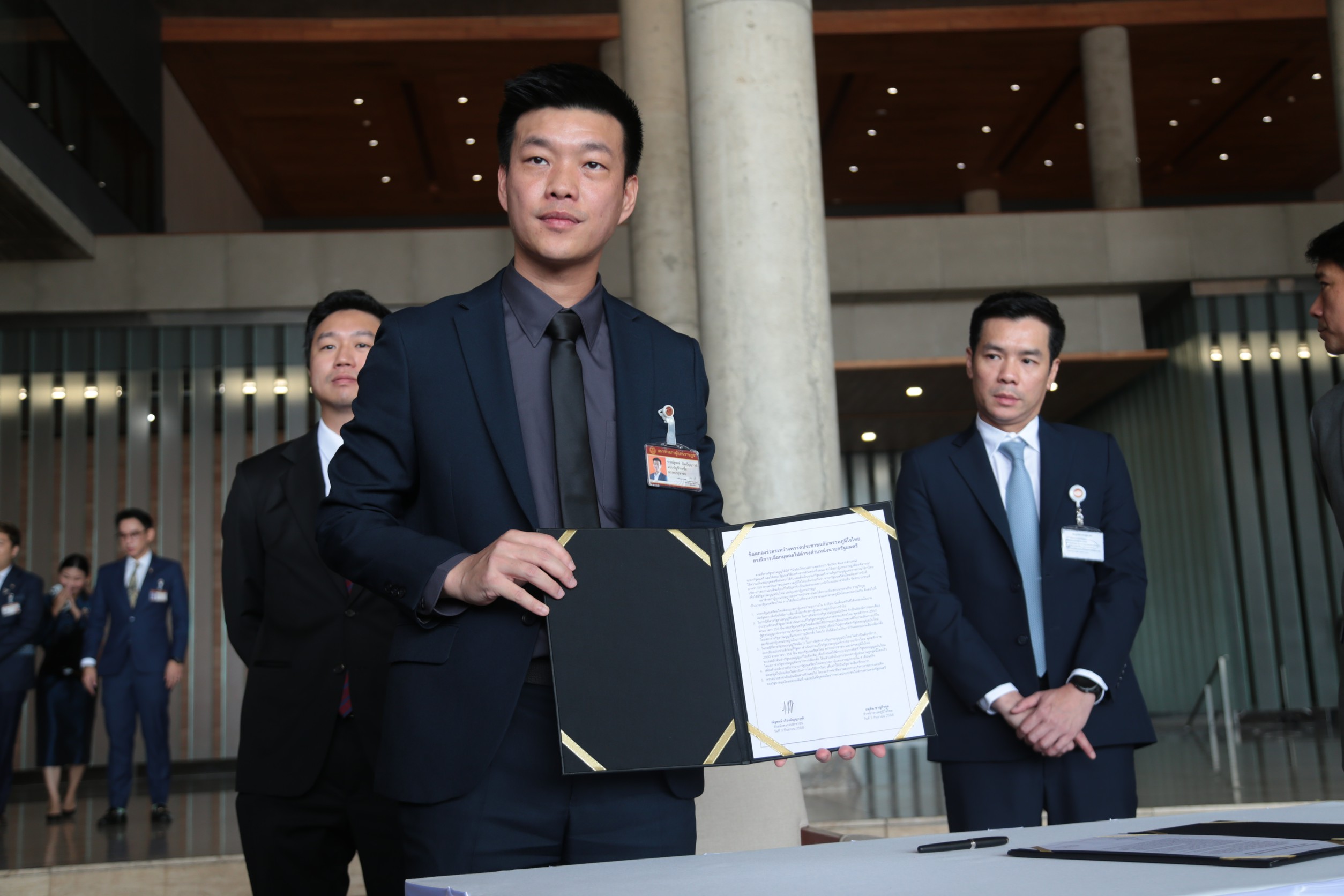
Leader of People’s Party, Natthaphong Ruengpanyawut shows the signed Memorandum of Understanding between his party and Bhumjai Thai Party at Parliament in Bangkok, on September 3, 2025 (KHAOSOD Photo/Chavalit Panyong)
Questions Over Party Logic
Despite the People’s Party’s lengthy statement explaining their choice of Bhumjaithai to expedite parliamentary dissolution, they couldn’t answer why they rejected supporting Pheu Thai’s candidate Chaikasem Nitisiri, who shared similar goals of quick dissolution and urgent constitutional reform of the 2017 charter—a legacy of the military coup era.
Critics across the political spectrum accuse the People’s Party executive committee of seeking revenge against Pheu Thai for abandoning them during government formation after the 2023 election.
Historical Context and Grudges
Pheu Thai has repeatedly explained that all their MPs voted twice for Pita Limjaroenrat, the Move Forward Party’s (now People’s Party) sole candidate. However, Move Forward failed to secure enough support from senators or even fellow MPs from Bhumjaithai, who declared they would support Move Forward only if they withdrew their Article 112 reform policy.
When the top party refused to compromise, second-place Pheu Thai formed a cross-coalition government, leaving the largest party in opposition.
Since then, supporters of both parties have been bitterly divided despite both supporting democratic principles. People’s Party MPs often insist they are more resolute and ideologically consistent—a stance now being severely tested by their decision to support Bhumjaithai.
Leader of Bhumjai Thai Party Anutin Charnvirakul signed Memorandum of Understanding between his coalition parties and the People’s party at Parliament in Bangkok, Bangkok, on September 3, 2025 (KHAOSOD Photo/Chavalit Panyong)
Activist Opposition
Prominent fugitive activist Parit Chiwarak posted on Facebook: “I agree that Pheu Thai’s broken promise was very serious, and people will punish them. However, that’s not reason to join hands with Anutin and Bhumjaithai. Supporting them is like giving wings to a tiger—granting them full state power and resources as Prime Minister. After you vote for them, they will betray you and use that power against you, the People’s Party, and the entire democracy movement.”
The Numbers Game
According to Thai media analysis, Bhumjaithai’s minority government will control 146 seats out of nearly 500 MPs, including 58 defectors from the government side. With People’s Party’s additional 143 votes, Anutin will become prime minister with 289 parliamentary votes.
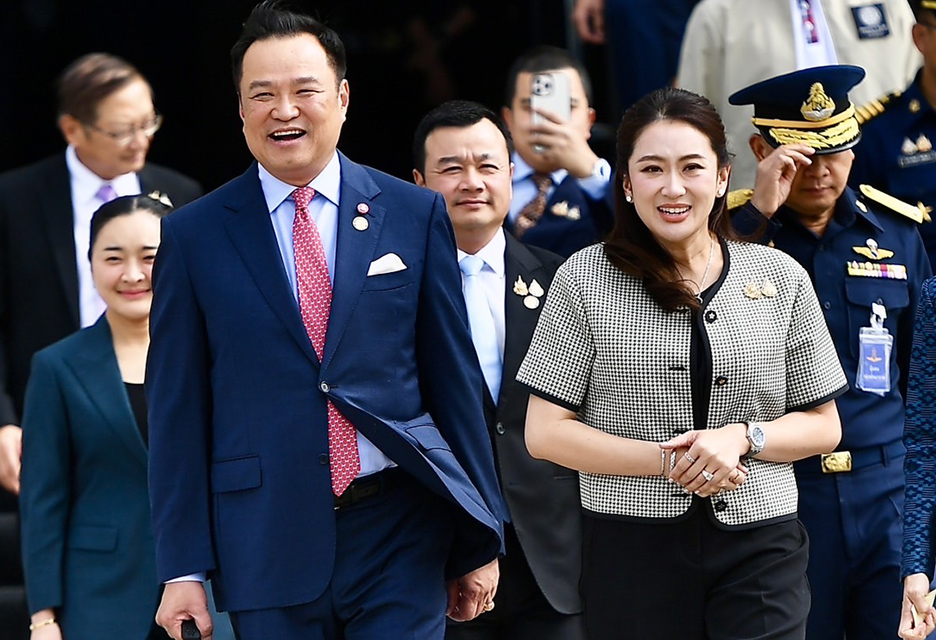
FILE – Prime Minister Paetongtarn Shinawatra and Deputy Prime Minister Anutin Charnvirakul (left) depart from Military Airport 2 in Don Mueang, Bangkok, for an official visit to Malaysia on December 15, 2024.
People’s Party leader Natthaphong Ruengpanyawut said that after the prime ministerial vote, his party will serve as opposition to monitor the government without joining it, honoring their agreement with Bhumjaithai to either dissolve parliament within four months or urgently push constitutional amendment drafts establishing an elected Constitution Drafting Assembly process.
Limited Leverage
Yet analysts argue this agreement doesn’t give the People’s Party superior leverage over the new government’s direction. Instead, they must bear responsibility for choosing Bhumjaithai and Anutin as prime minister, facing accountability if future developments disappoint or alienate their supporters.
The realignment reveals how strategic calculations and historical grievances continue to fracture Thailand’s democratic coalition, with both major progressive parties now facing consequences for their choices.
In this photo released by Xinhua News Agency, drones and other armament formations pass during the military parade to commemorate the 80th anniversary of the end of World War II held in front of Tiananmen Gate in Beijing, Wednesday, Sept. 3, 2025. (Liu Xu/Xinhua via AP)
BANGKOK (AP) — Soldiers in pristine and pressed uniforms marched in lockstep, their boots clacking a steady cadence on the pavement and their eyes following leader Xi Jinping as he drove by in review. Helicopters flew overhead, forming the numbers 8 and 0 in honor of the 80th anniversary of the end of World War II.
There was no shortage of pageantry at Wednesday’s military parade in Beijing, but beyond the spectacle, it also provided the first good look at China’s latest military hardware. New missiles, drones and other high-tech equipment have been added to its arsenal as part of a massive modernization program with the goal, according to the official parade announcers, of producing a force “with both nuclear and conventional capabilities able to deter wars in all battle spaces.”
In this photo released by Xinhua News Agency, armament formations pass during the military parade to commemorate the 80th anniversary of the end of World War II held in front of Tiananmen Gate in Beijing, Wednesday, Sept. 3, 2025. (Guo Yu/Xinhua via AP)
Here are some of the highlights:
New nukes
China’s nuclear arsenal still lags far behind that of the United States and Russia, but it has been rapidly expanding. In its annual report to Congress on China, the U.S. Department of Defense estimated that Beijing now has more than 600 warheads and will have more than 1,000 by 2030.
The parade featured many of the missiles capable of delivering those warheads, from air, sea and land. China’s official Xinhua News Agency said it was the first time the military’s “triad of strategic nuclear forces was presented in a concentrated fashion,” calling it “China’s strategic trump card for safeguarding national sovereignty and defending national dignity.”
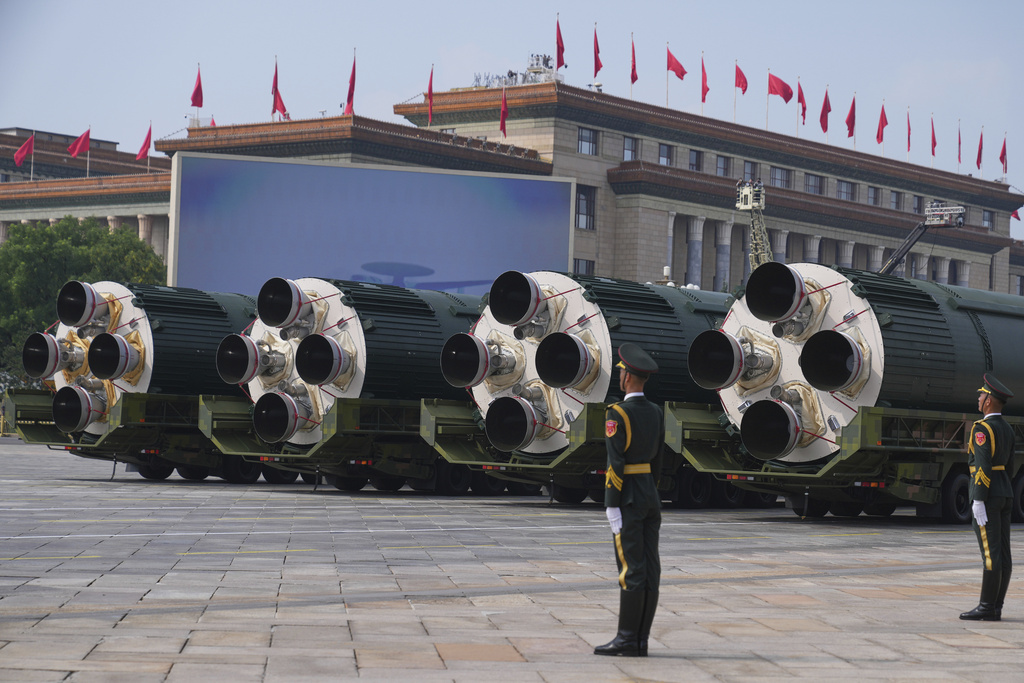
The DF-5C liquid-fueled intercontinental strategic nuclear missiles take part in a military parade to commemorate the 80th anniversary of Japan’s World War II surrender held in front of Tiananmen Gate in Beijing, Wednesday, Sept. 3, 2025. (AP Photo/Andy Wong) (AP Photo/Andy Wong)
The display of the three systems together is noteworthy, said Meia Nouwens, senior fellow for Chinese security and defense policy at the International Institute for Strategic Studies in London.
“All of that, of course, goes back to this key point about deterrence and the messaging that the PLA (People’s Liberation Army) and Xi Jinping are seeking to send to the U.S. and other partners and allies in the region and further afield,” she said.
Among the nuclear-capable missiles seen was the DF-61, a new intercontinental ballistic missile which can be fired from a mobile launching platform. Details on its capabilities are scant, but its predecessor has a range of more than 12,000 kilometers (7,500 miles) and can carry multiple warheads. It also debuted the newest variant of the silo-based DF-5, the DF-5C, whose range has been estimated at 20,000 kilometers.
Also featured were the JL-1 air-launched long-range missile and the JL-3 sea-launched missile, both of which are also nuclear-capable.
The DF-5C liquid-fueled intercontinental strategic nuclear missile takes part in a military parade to commemorate the 80th anniversary of Japan’s World War II surrender held in front of Tiananmen Gate in Beijing, Wednesday, Sept. 3, 2025. (AP Photo/Andy Wong)
More missiles
The parade saw the debut of other new missiles, including several designed to attack ships. These are likely of particular interest to the U.S., whose naval power is a key component of its Asia-Pacific defense strategy.
China claims the self-governing democracy of Taiwan as its own, and Xi has not ruled out taking the island by force. In the event of a Chinese invasion, if the U.S. were to come to Taiwan’s aid, China would need to hold off the U.S. Navy long enough to consolidate control of the island.
China has already built the world’s largest navy, though it is still well behind the U.S. in the number of aircraft carriers it has. It could use missiles, however, to try to keep American carriers out of effective range.
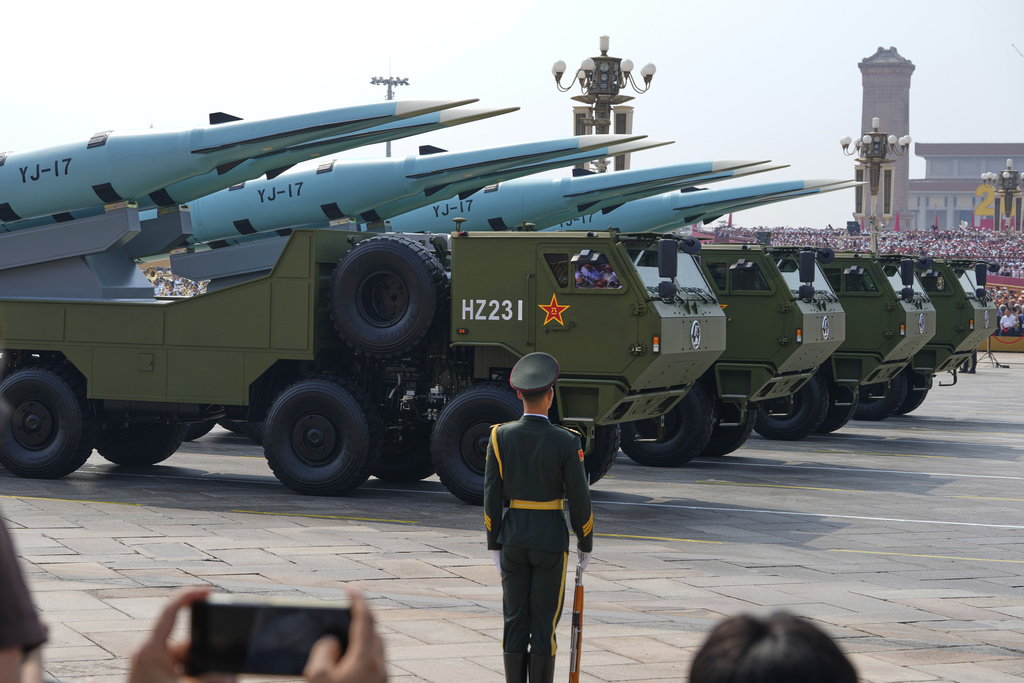
The parade showcased for the first time the YJ-15, YJ-17, YJ-19 and YJ-20 anti-ship missiles, all capable of operating at long ranges and hypersonic, making them difficult to intercept.
YJ-17, hypersonic anti-ship missiles, pass during a military parade to commemorate the 80th anniversary of Japan’s World War II surrender held in front of Tiananmen Gate in Beijing, Wednesday, Sept. 3, 2025. (AP Photo/Ng Han Guan)
It also displayed missiles meant to intercept incoming anti-ship missiles, including the HQ-16C and HQ10A, and presented the aircraft-carrier version of the J-35 stealth multirole fighter for the first time.
“These are capabilities that are increasingly meant to signal to the United States they should think twice about entering into a conflict, if there ever is one, in support of Taiwan,” Nouwens said.
Drones from above, drones from below
Seven types of reconnaissance and attack aerial drones were on display that were not immediately identified by official commentators, but some of which appeared to be new.
A small surface drone ship was also on display but not identified, as well as carrier-based uncrewed helicopters.
China also showed off two submarine drones, the older-model HSU001 and debuting the much larger AJX002. China’s official Xinhua News Agency called them “cutting-edge surprise weapons for naval combat” designed for “covert deployment and blockade, autonomous detection and identification, and swarm-networked attacks.”
“Long gone are the days where China was reliant on Russia or other foreign systems,” wrote Mick Ryan, a retired Australian army major general and analyst at the Lowy Institute, in a research note on the drones and other systems on display. “This level of indigenous capacity infers high levels of sustainability in any future conflict.”
Still, he cautioned, “newer does not always mean better.”
“While most Western military equipment has been tested in Iraq, Ukraine and elsewhere, none of China’s new kit has.”
A large Plan B Media billboard in Bangkok's downtown district displays the Thai flag.
BANGKOK — Thailand’s business leaders are sounding alarms as political turmoil threatens to stall the economy just as the crucial year-end period approaches. Although the ruling Pheu Thai Party has conceded to becoming the opposition and parliament is scheduled to elect a new prime minister on September 5, the prospect of a minority government still risks creating a budget crisis that could undermine economic recovery.
Budget Crisis Deepens
Thailand has disbursed only 50% of its fiscal 2025 budget after nearly 11 months—well below the 60% historical average. Kriangkrai Tiannukul, chairman of the Federation of Thai Industries, warned that prolonged instability will prevent the government from providing essential economic support when businesses need it most.
Trade Collapse Accelerates
The political paralysis is already hitting trade hard. Cross-border commerce with Cambodia has shrunk 10% this year, with July exports crashing 97% to just 370 million baht. “Entrepreneurs need immediate support, so we need a functioning government as soon as possible,” Kriangkrai said.
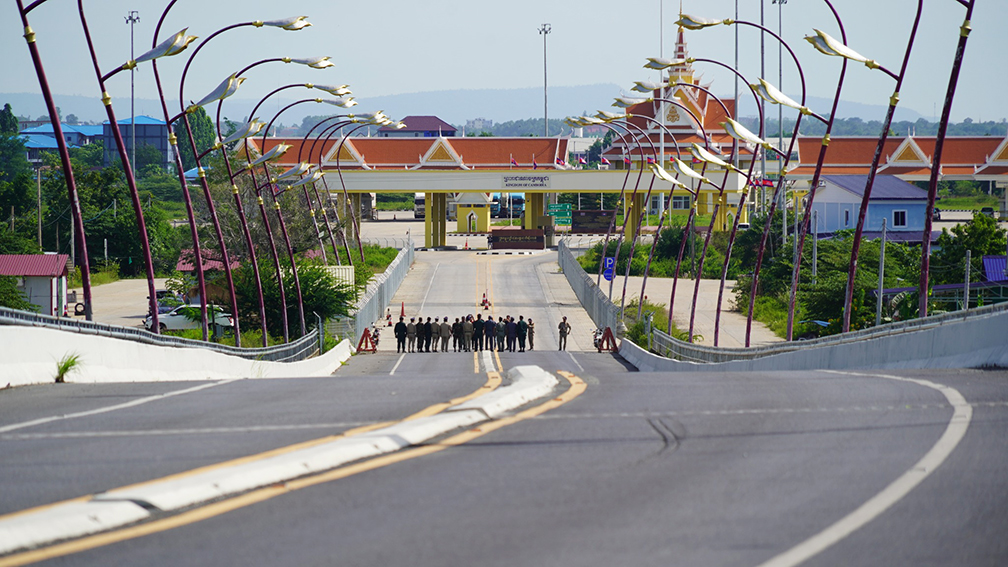
The road in front of the Thai-Cambodia border checkpoint stands empty and quiet after Thailand implemented relaxation measures allowing cross-border vehicle movement for 5 days, but Cambodia continues to reject the proposal, July 21, 2025.
Credit Rating at Risk
Thai Bankers Association chairman Payong Srivanich warns the crisis could trigger a credit rating downgrade, as fiscal spending stalls and corporate investment decisions freeze. The economic slowdown, compounded by political instability, poses serious risks to Thailand’s financial standing.
Year-End Recovery in Jeopardy
Tourism and hospitality leaders fear the worst impact is yet to come. The critical fourth quarter—when government stimulus typically boosts the economy—faces major disruption if parliament dissolves. Despite forecasts of 35-36 million tourist arrivals in 2025, restaurant and hotel operators warn that budget paralysis could derail the sector’s recovery.
Business Leaders Back Compromise
Thai Chamber of Commerce chairman Poj Aramwattananon supports a four-month transitional government as the best path forward. “Businesses want clarity: a legitimate government accepted internationally and capable of running the economy,” he said. While not perfect, this compromise could provide the short-term stability needed to prevent economic damage while political issues resolve.
Bangkok, 3 September 2025 — Forvis Mazars Thailand, a leading international audit, tax, and advisory firm, offers services to support businesses undergoing audits by the Thai Revenue Department, providing guidance and effective assistance throughout the audit process. Aware that tax refund claims often trigger thorough inspections by the Thai Revenue Department, the firm works closely with clients to ensure audit readiness through clear documentation, professional communication, and strategic coordination.
Tax audits, especially those linked to Corporate Income Tax (CIT), Withholding Tax (WHT), Value-Added Tax (VAT), or Stamp Duty (SD) can be time-consuming and complex. Even companies that don’t request refunds may be selected for review due to irregularities such as inconsistent tax reporting, volatile income and expenses, or high retained earnings. Forvis Mazars Thailand’s latest advisory outlines key strategies to help businesses speed up tax refund audits more efficiently.
“Tax refund audits don’t have to be a painful process,” said Vachirawit Kaew-udom, Director, Tax Controversy and Dispute Resolution Services, Forvis Mazars Thailand. “When businesses understand their tax positions, prepare documents thoroughly, and maintain a cooperative attitude, they can significantly reduce audit timelines and improve outcomes.”
The firm advises businesses to take a proactive and strategic approach when applying for tax refunds. This begins with a deep understanding of their own operations and tax and accounting treatments, enabling clear and confident communication with tax officers. Equally important is having all relevant documents well-organized and ready for submission, which helps avoid delays and unnecessary back-and-forth.
Maintaining a respectful and professional relationship with tax authorities, following up regularly, and responding promptly to requests can significantly improve the audit experience. Forvis Mazars also encourages businesses to be realistic about potential audit outcomes and avoid disputing every issue, especially when errors are evident. Engaging a qualified tax advisor is strongly recommended, as expert guidance can help navigate complex regulations, identify risks early, and ensure a smoother, faster refund process.
Forvis Mazars Thailand offers tailored tax advisory services to support businesses throughout the refund process—from risk assessment and documentation to negotiation and resolution. Our team is here to help businesses navigate these challenges. The firm’s deep expertise in Thai tax regulations and audit procedures positions it as a trusted partner for companies seeking efficient and compliant outcomes.
“Our goal is to help businesses move through the refund process with confidence and clarity,” Vachirawit added. “With the right strategy and support, companies can avoid delays and focus on growth.”
This initiative reflects Forvis Mazars Thailand’s broader commitment to delivering client-centric solutions and strengthening its position in the Thai market. As part of its growth strategy, the firm continues to invest in tax advisory, financial consulting, and audit services to meet the evolving needs of Thai businesses.
About Forvis Mazars
Forvis Mazars operates in over 100 countries. In Thailand, the company provides accounting outsourcing, audit, tax, legal, and financial advisory services to clients from diverse industries and countries. Its comprehensive services meet the current and future needs of clients worldwide, consistently delivering exceptional experiences.
Atrial fibrillation affects millions of people worldwide, causing irregular heartbeats that can significantly impact quality of life. Understanding this common heart condition and knowing where to find quality atrial fibrillation treatment is essential for maintaining optimal health. This comprehensive guide explores everything you need to know about Atrial Fibrillation, from recognizing symptoms to finding expert care.
Atrial fibrillation, commonly known as AFib, is the most prevalent type of irregular heartbeat (arrhythmia) affecting people worldwide. This condition occurs when the heart’s upper chambers (atria) beat chaotically and irregularly, disrupting the normal coordination with the lower chambers (ventricles).
Atrial fibrillation is closely associated with an ECG or EKG. A standard ECG (also called an EKG) is the most commonly used test to diagnose atrial fibrillation. It records the heart’s electrical signals and helps identify the irregular rhythm that is characteristic of atrial fibrillation.
Symptoms of Atrial Fibrillation
Early recognition of atrial fibrillation symptoms is vital for timely treatment and complication prevention. Some people experience no symptoms at all while others face symptoms that significantly affect daily life.
Heart palpitations : racing, fluttering, or skipping beats, often described as the heart “flopping like a fish”
Fatigue : due to inefficient blood circulation
Shortness of breath : especially during activity or when lying down
Chest pain or discomfort : from pressure to sharp stabbing pain
Dizziness or lightheadedness : caused by reduced brain blood flow
Confusion or difficulty concentrating
Swelling in legs, ankles, or feet : due to fluid retention
Causes of Atrial Fibrillation
Understanding the root causes of atrial fibrillation allows for better prevention and treatment. The condition often results from a combination of medical, lifestyle, and environmental factors.
Age-Related Factors
Advancing age is a major risk factor for atrial fibrillation, as natural changes in the heart’s electrical system occur over time. The risk of developing atrial fibrillation doubles with each decade after age 55, making age one of the most common underlying contributors.
Cardiovascular Conditions
Several heart-related issues are direct atrial fibrillation causes. High blood pressure (hypertension) forces the heart to work harder, potentially leading to atrial enlargement and rhythm disturbances. Coronary artery disease, heart valve problems, and prior heart attacks also disrupt the heart’s electrical pathways and contribute to atrial fibrillation.
Metabolic and Endocrine Disorders
Metabolic conditions like diabetes and thyroid imbalances are also important atrial fibrillation causes. For example, hyperthyroidism can accelerate heart rate and trigger irregular rhythms, while obesity promotes inflammation and structural changes in the heart.
Lifestyle Factors
Unhealthy habits are frequent atrial fibrillation causes or triggers. Excessive alcohol consumption is a well-known factor. Sleep apnea, intense physical activity, high caffeine intake, and chronic stress can also provoke atrial fibrillation episodes, particularly in individuals with pre-existing vulnerabilities.
Treatment for Atrial Fibrillation
Treating atrial fibrillation effectively requires a personalized, multi-faceted approach. The main goals are to control heart rate, restore normal rhythm, and prevent stroke or other complications.
Medications for Rate Control
Drugs like beta-blockers and calcium channel blockers help slow the heart rate, improving symptoms and reducing strain on the heart.
Medications for Rhythm Control
Antiarrhythmic drugs work to restore and maintain a normal heart rhythm, especially in patients with recurrent atrial fibrillation episodes.
Electrical or Chemical Cardioversion
Used to reset the heart’s rhythm back to normal. This may be done in a hospital setting and is often preceded by imaging or ECG.
Treatment of Underlying Conditions
Managing causes such as hypertension, thyroid disease, or sleep apnea is essential for long-term atrial fibrillation control.
Lifestyle Modifications
Weight management, regular exercise, reducing alcohol and caffeine intake, managing stress, and improving sleep hygiene can enhance treatment effectiveness.
Personalized Atrial Fibrillation Care at Phyathai Hospital
Atrial fibrillation (AFib) is the most common type of irregular heartbeat, causing the heart to beat rapidly and unpredictably. Symptoms may include palpitations, fatigue, dizziness, or sometimes no symptoms at all. Without proper treatment, atrial fibrillation can increase the risk of stroke and other serious complications.
For expatriates in Thailand, personalized atrial fibrillation care can be a challenge. Phyathai Hospital stands out for its high standards, expert staff, and international focus. If you’re experiencing atrial fibrillation symptoms or need expert care in Thailand, early diagnosis and proper management can drastically improve your quality of life and reduce stroke risk.
Zip lining is one of the popular tourist activities in Pai District, Mae Hong Son Province.
MAE HONG SON — Pai police are investigating a tourism business operator following an incident where an 8-year-old Israeli girl fell from a zip line attraction in Pai District, Mae Hong Son Province, sustaining serious injuries.
Mr. Ran, the child’s father, filed a complaint with Pai Police Station on September 1, the day of the accident. He reported that he had taken his family, including two children, to a tourist attraction near Yunlai, Ban Santichon, Wiang Tai Subdistrict, Pai District. While his daughter was using the zip line, she fell to the ground, suffering a broken leg and fractured hip bone. She was transferred for treatment at a hospital in Chiang Mai Province.
Doctors have successfully performed surgery and she is now out of danger and recovering.
Investigation and Shutdown
On September 3, tourist police and local officials inspected the accident site and found that the operator had already partially dismantled the zip line equipment. Authorities ordered the operator to cease all zip line services and completely remove risky structures within 30 days from September 3 onwards. Follow-up inspections will be conducted when the deadline expires.
The operator announced on the Facebook page of Pha Long Dao Resort & Cafe that zip line services will be permanently closed.
Officials inspect the establishment where an Israeli girl fell from a zip line and was seriously injured at Ban Santichon, Wiang Tai Subdistrict, Pai District, Mae Hong Son Province on September 3, 2025.
Legal Compliance Review
Authorities are investigating whether the attraction complied with legal requirements. Generally, zip line operators must obtain permits and maintain several documents, including:
Land use rights documentation with proper title deeds
Construction plans and building permits for the zip line facility
Tour guide licenses and insurance coverage as required by tourism law
Zip line safety standards documentation and regulations
Customer registration records
Daily equipment and system inspection logs
Safety standard certificates for equipment
Officials inspect the establishment where an Israeli girl fell from a zip line and was seriously injured at Ban Santichon, Wiang Tai Subdistrict, Pai District, Mae Hong Son Province on September 3, 2025.
The investigators will focus on verifying whether the business separated adult and children’s equipment, as children wearing adult-sized gear could slip out due to size differences. Equipment and harnesses must meet standards with proper certification from relevant agencies. Most operators use Petzl brand equipment from France, which meets European and international standards.
The agency that issued permits to this establishment could also face charges if found negligent in their oversight responsibilities.