



































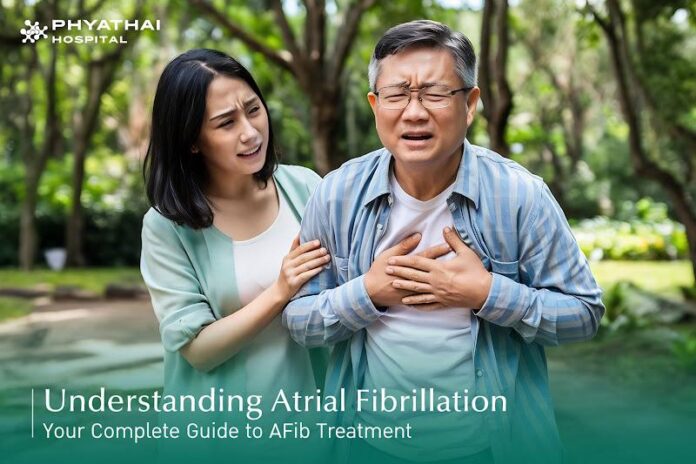
Atrial fibrillation affects millions of people worldwide, causing irregular heartbeats that can significantly impact quality of life. Understanding this common heart condition and knowing where to find quality atrial fibrillation treatment is essential for maintaining optimal health. This comprehensive guide explores everything you need to know about Atrial Fibrillation, from recognizing symptoms to finding expert care.
สารบัญบทความ
What is Atrial Fibrillation (AFib)?
Symptoms of Atrial Fibrillation
Causes of Atrial Fibrillation
Age-Related Factors
Cardiovascular Conditions
Metabolic and Endocrine Disorders
Lifestyle Factors
Treatment for Atrial Fibrillation
Personalized Atrial Fibrillation Care at Phyathai Hospital
What is Atrial Fibrillation (AFib)?
Atrial fibrillation, commonly known as AFib, is the most prevalent type of irregular heartbeat (arrhythmia) affecting people worldwide. This condition occurs when the heart’s upper chambers (atria) beat chaotically and irregularly, disrupting the normal coordination with the lower chambers (ventricles).
Atrial fibrillation is closely associated with an ECG or EKG. A standard ECG (also called an EKG) is the most commonly used test to diagnose atrial fibrillation. It records the heart’s electrical signals and helps identify the irregular rhythm that is characteristic of atrial fibrillation.
Symptoms of Atrial Fibrillation

Early recognition of atrial fibrillation symptoms is vital for timely treatment and complication prevention. Some people experience no symptoms at all while others face symptoms that significantly affect daily life.
- Heart palpitations : racing, fluttering, or skipping beats, often described as the heart “flopping like a fish”
- Fatigue : due to inefficient blood circulation
- Shortness of breath : especially during activity or when lying down
- Chest pain or discomfort : from pressure to sharp stabbing pain
- Dizziness or lightheadedness : caused by reduced brain blood flow
- Confusion or difficulty concentrating
- Swelling in legs, ankles, or feet : due to fluid retention
Causes of Atrial Fibrillation
Understanding the root causes of atrial fibrillation allows for better prevention and treatment. The condition often results from a combination of medical, lifestyle, and environmental factors.
Age-Related Factors
Advancing age is a major risk factor for atrial fibrillation, as natural changes in the heart’s electrical system occur over time. The risk of developing atrial fibrillation doubles with each decade after age 55, making age one of the most common underlying contributors.
Cardiovascular Conditions
Several heart-related issues are direct atrial fibrillation causes. High blood pressure (hypertension) forces the heart to work harder, potentially leading to atrial enlargement and rhythm disturbances. Coronary artery disease, heart valve problems, and prior heart attacks also disrupt the heart’s electrical pathways and contribute to atrial fibrillation.
Metabolic and Endocrine Disorders
Metabolic conditions like diabetes and thyroid imbalances are also important atrial fibrillation causes. For example, hyperthyroidism can accelerate heart rate and trigger irregular rhythms, while obesity promotes inflammation and structural changes in the heart.
Lifestyle Factors
Unhealthy habits are frequent atrial fibrillation causes or triggers. Excessive alcohol consumption is a well-known factor. Sleep apnea, intense physical activity, high caffeine intake, and chronic stress can also provoke atrial fibrillation episodes, particularly in individuals with pre-existing vulnerabilities.
Treatment for Atrial Fibrillation

Treating atrial fibrillation effectively requires a personalized, multi-faceted approach. The main goals are to control heart rate, restore normal rhythm, and prevent stroke or other complications.
- Medications for Rate Control
Drugs like beta-blockers and calcium channel blockers help slow the heart rate, improving symptoms and reducing strain on the heart.
- Medications for Rhythm Control
Antiarrhythmic drugs work to restore and maintain a normal heart rhythm, especially in patients with recurrent atrial fibrillation episodes.
- Electrical or Chemical Cardioversion
Used to reset the heart’s rhythm back to normal. This may be done in a hospital setting and is often preceded by imaging or ECG.
- Treatment of Underlying Conditions
Managing causes such as hypertension, thyroid disease, or sleep apnea is essential for long-term atrial fibrillation control.
- Lifestyle Modifications
Weight management, regular exercise, reducing alcohol and caffeine intake, managing stress, and improving sleep hygiene can enhance treatment effectiveness.
Personalized Atrial Fibrillation Care at Phyathai Hospital
Atrial fibrillation (AFib) is the most common type of irregular heartbeat, causing the heart to beat rapidly and unpredictably. Symptoms may include palpitations, fatigue, dizziness, or sometimes no symptoms at all. Without proper treatment, atrial fibrillation can increase the risk of stroke and other serious complications.
For expatriates in Thailand, personalized atrial fibrillation care can be a challenge. Phyathai Hospital stands out for its high standards, expert staff, and international focus. If you’re experiencing atrial fibrillation symptoms or need expert care in Thailand, early diagnosis and proper management can drastically improve your quality of life and reduce stroke risk.
- Call Center 1772 (press 9 for ENG)
- Email: [email protected]
- Facebook Page: Expat Health & Wellness by Phyathai