33.5 C
Bangkok
Monday, June 8, 2026
Home Blog Page 303

Malaysian Man Arrested at Don Mueang for Notorious Gambling Links

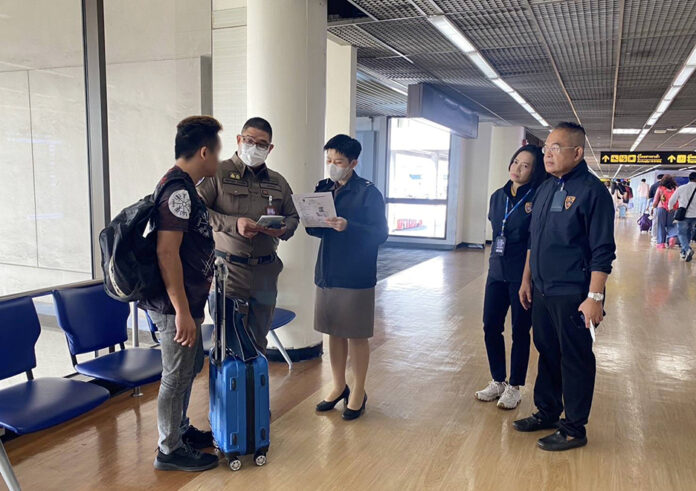
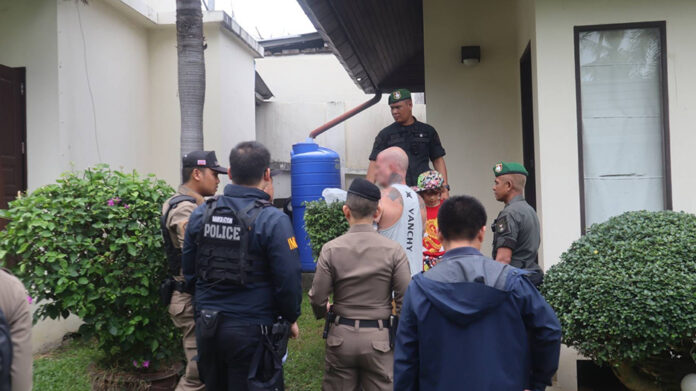
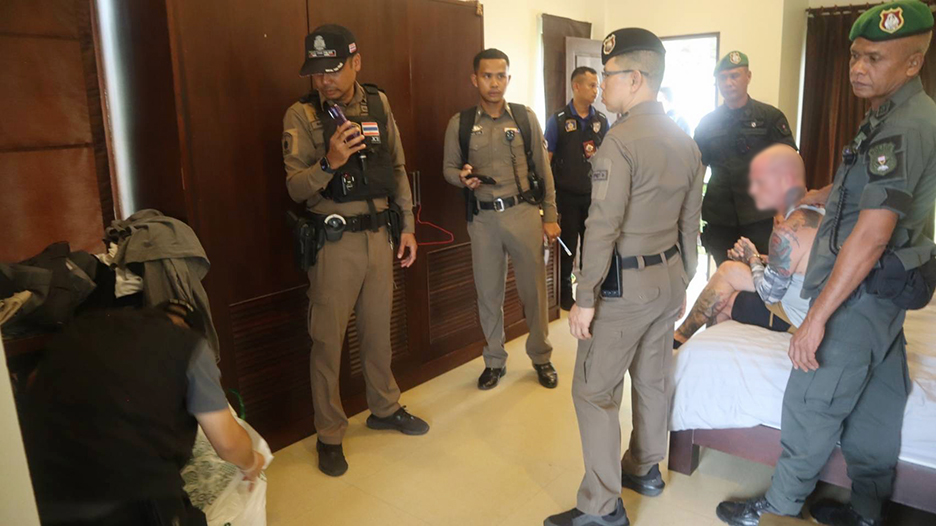
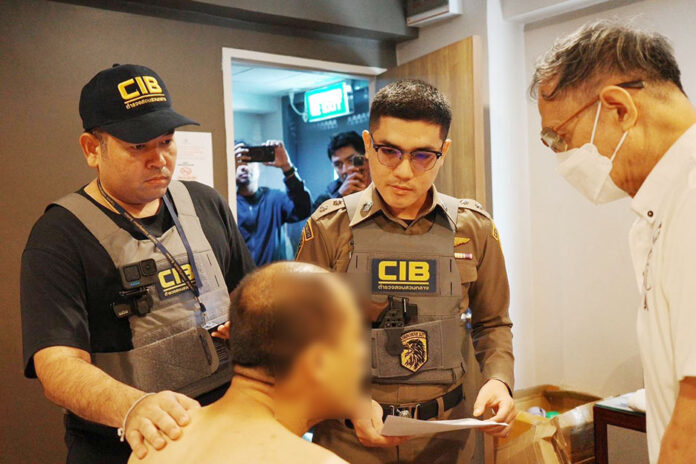
Immigration police arrest a Malaysian suspected of jointly operating unauthorized online gambling and conspiring to launder money at Don Mueang Airport on July 9, 2025.

BANGKOK — Immigration police arrested a Malaysian man at Don Mueang Airport immediately upon his arrival, in connection with the notorious HYDRA888 gambling website that allegedly facilitated money circulation worth over 11.52 billion baht.

Steven Choong, a 26-year-old Malaysian national, was apprehended on July 9 after arriving from Kuala Lumpur via AirAsia. He was arrested while passing through the international arrivals hall at Don Mueang Airport.

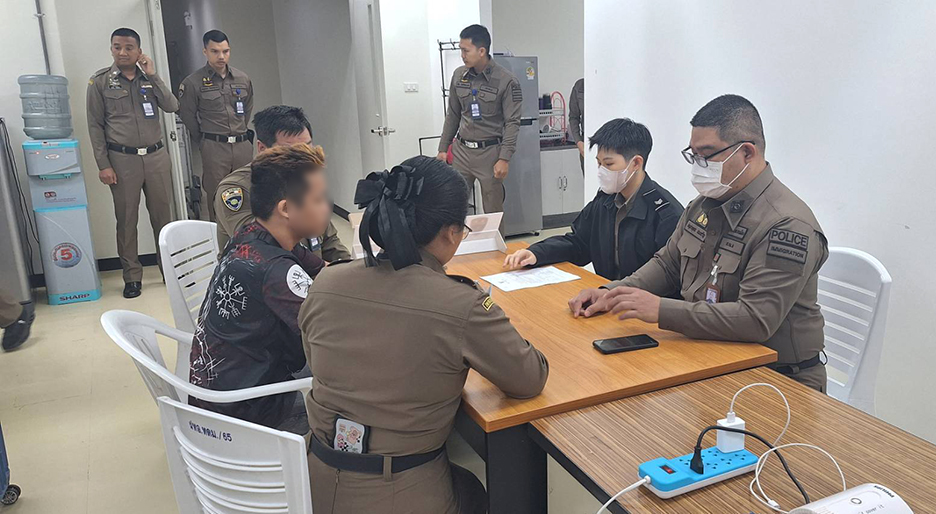
The arrest was made under a Nonthaburi Provincial Court warrant issued on December 16, 2024, on charges of jointly operating unauthorized online gambling and conspiring to launder money. He was subsequently transferred to the Technology Crime Investigation Division 2.

Investigations revealed that Steven owned a sports goods warehouse company that was allegedly used as a channel for money circulation from the HYDRA888 online gambling website, with an annual money flow exceeding 11.52 billion baht ($353 million).

malaysian gambling1
Immigration police arrest a Malaysian suspected of jointly operating unauthorized online gambling and conspiring to launder money at Don Mueang Airport on July 9, 2025.

HYDRA888 made major headlines in February this year when the Technology Crime Investigation Division raided the network but failed to capture Mr. Khanaphon Wichaikij, also known as “Top,” the website’s owner who had fled to Vietnam.

However, cyber police did arrest Ms. Suthida, a 30-year-old woman from Nakhon Ratchasima province, who was found to be closely associated with Khanaphon and involved in receiving benefits from the operation.

The arrest of the Malaysian suspect follows the policy of Police General Kittirat Phanphet, the Royal Thai Police Commissioner, who has ordered immigration officers to strengthen measures to prevent and suppress transnational crimes, particularly focusing on investigating and arresting technology crime networks and money laundering operations.

The arrest demonstrates Thailand’s continued efforts to crack down on international gambling networks and their associated money laundering activities.

_____

Advertisement

UNFPA Thailand Celebrates World Population Day and Launches New Report 2025

UNFPA Thailand Celebrates World Population Day and Launches the State of World Population Report 2025 “The Real Fertility Crisis,” Highlighting Global trends, Challenges and the Importance of Rights and Choices to Address Demographic shift challenges 

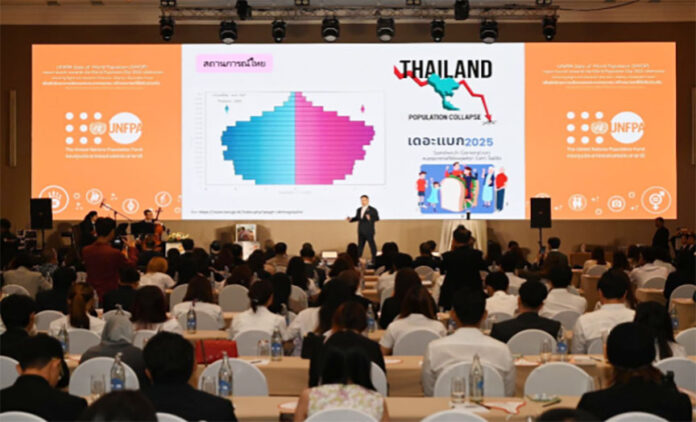
The United Nations Population Fund (UNFPA) Thailand hosts the World Population Day celebration “UNFPA State of World Population (SWP) Report Launch towards World Population Day 2025: Celebration Advancing Rights and Choices for Everyone – Shaping a Sustainable Future”, alongside the official launch of the State of World Population Report 2025, titled The Real Fertility Crisis.

The event takes place at Pullman King Power Bangkok and brings together over 200 participants from government, private sector, academia, civil society, and youth networks.
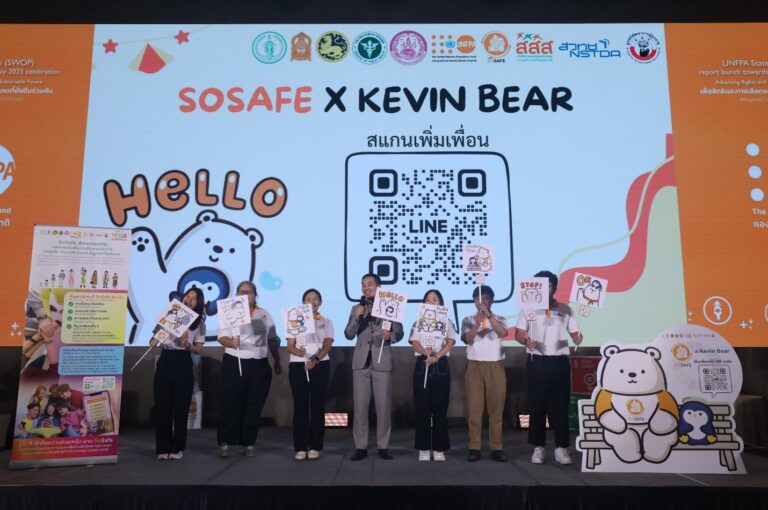
image4 9

World Population Day, observed annually on 11 July, serves as a critical platform to reflect on population issues and reaffirm the global commitment to Sexual and Reproductive Health and Rights (SRHR).

This year’s celebration coincides with the launch of the latest global population report, which reveals a key insight: the real population challenge is not declining birth rates, but the unmet desires of millions—particularly women and young people—who are still unable to decide freely about when and whether to have children.

This event has wide-range of activities started from the opening session by Dr. Julitta Onabanjo, Country Director of UNFPA Thailand and an opening remark and keynote speech from H.E. Mr. Varawut Silpa-archa, the Minister of Social Development and Human Security.

This includes keynote speeches from UNFPA, the National Economic and Social Development Council (NESDC), the Department of Health, MoPH, along with interactive sessions presenting TikTok challenge winners award, inviting participants to share views on fertility desires, live musical performances from Princess Galyani Vadhana Institute of Music, a panel discussion by multi-sectoral partner from private sector, academia, CSOs and person with disabilities.

The event concluded with the launch of SoSafe Line Stickers to promote a safe society for population at every age and every gender.

image3 12

Ms. Siriluck Chiengwong, Head of Office, UNFPA Thailand, states that this year, UNFPA has globally conducted surveys in 14 countries, including Thailand, focusing on fertility aspiration and reality. The findings reveal that many respondents wish to have children but choose to delay or forgo doing so. UNFPA’s approach to addressing the population crisis does not centre on increasing or decreasing birth rates.

Instead, it emphasizes rights and choices for reproductive agent or individuals of reproductive age—whether women, men, or LGBTQAI+ community. Everyone should have the right to make decisions about their own bodies, including whether they want to have children, if so, with whom, when, and how many.

Supportive policies from both government and private sectors are essential to create enabling environments that make these decisions easier. This includes parental leave, workplace childcare, and gender equality measures and a just society without violence. In addition, legal frameworks must be in place to protect the rights of children born into diverse family structures, especially following Thailand’s recent enactment of the Marriage Equality Law.
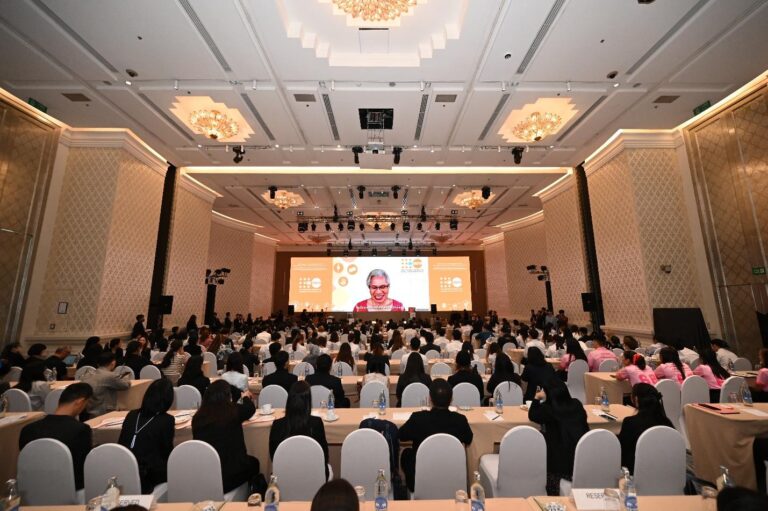
image6 2

“Young people represent a new generation we aim to empower—with knowledge of sexual and reproductive health and rights. They need to understand family planning and access to the services if they are not yet ready to have children. But if they are ready—economically, socially, or in terms of lifestyle—support must come from government, private sector, communities, and families, so they can start families when they are ready.” Ms. Siriluck notes.

Ms. Siriluck also emphasizes that UNFPA encourages the government to develop policies that creates enabling environment for people to have children. This includes building a supportive society, providing adequate welfare for both children and parents, and ensuring gender equality including for LGBTQAI+, marginalized groups who may lack legal documentation, as well as single mothers and single fathers. The core mission of UNFPA is to foster a society where every person has the power to make choices about their life and future.
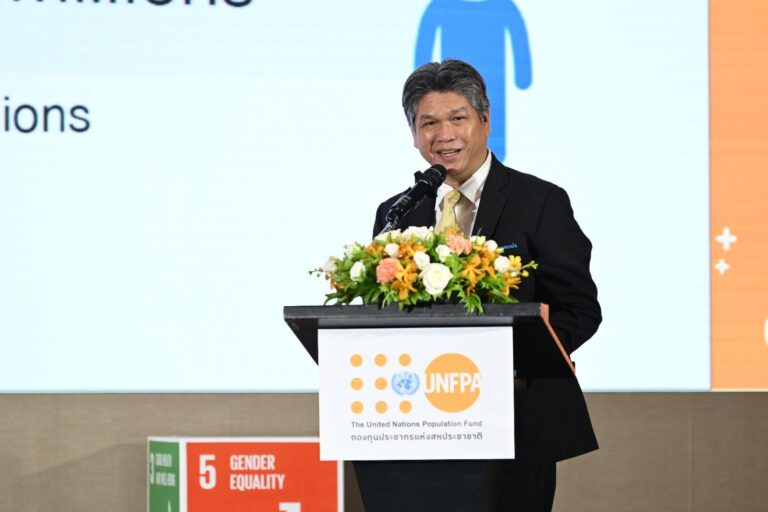
image5 4

H.E. Mr. Varawut Silpa-archa, Minister of Social Development and Human Security (MSDHS), who presides over the opening ceremony, states that in the face of demographic challenges, on March 7, 2024, the Ministry—along with all other ministries in Thailand, United Nations agencies, and the World Bank—jointly organized a workshop that led to the formulation of a national policy called “5×5 Let’s Turn the Tide”.

This policy aims to address Thailand’s population crisis which is an invisible time bomb that may explode even before issues like climate change and others. This is due to the fact that Thailand is expected to become a super-aged society in the next ten years.
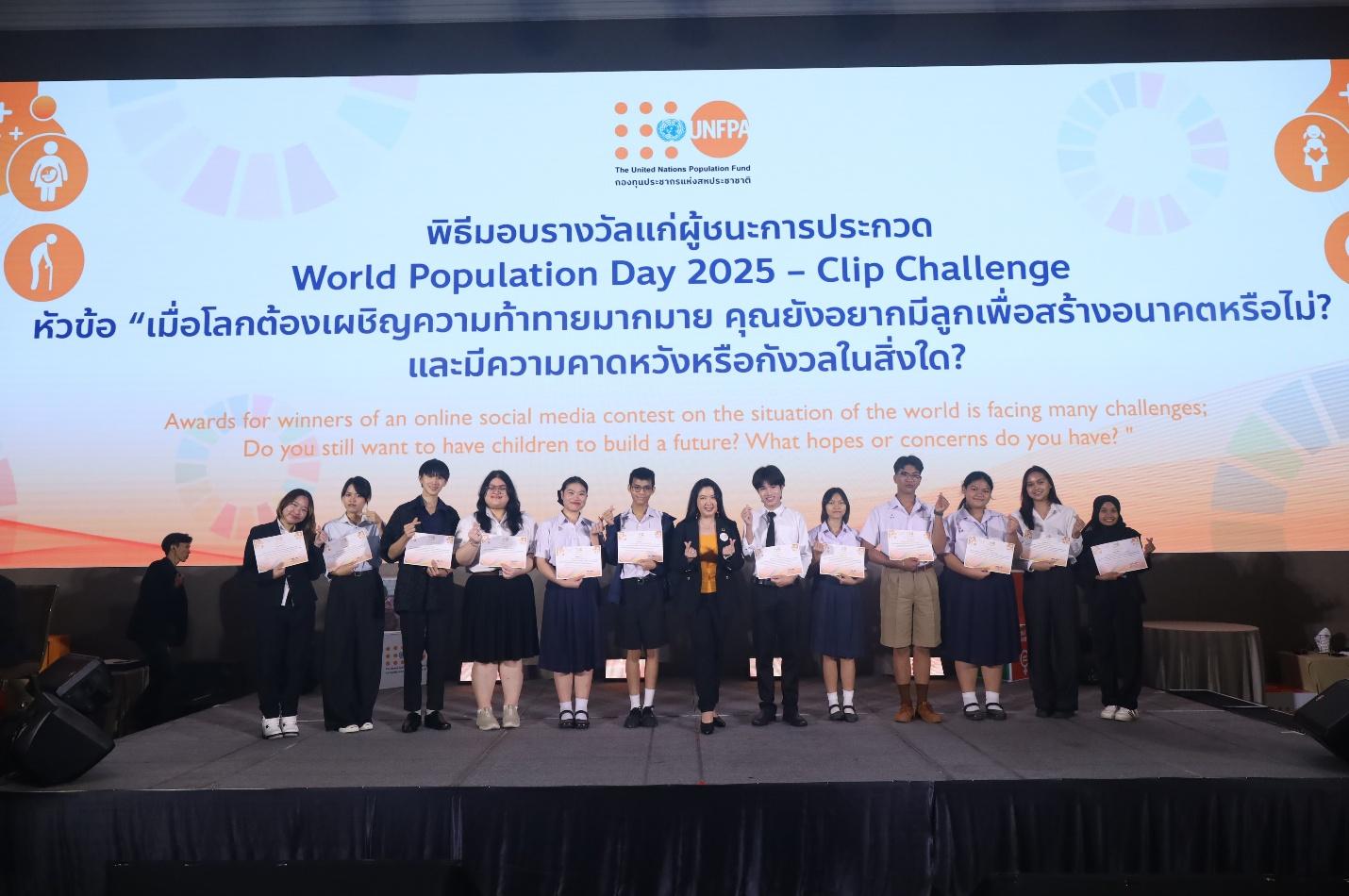
image2 13

H.E. Mr. Varawut explains that the 5×5 Let’s Turn the Tide policy consists of five strategies, each comprising five measures. The first strategy focuses on empowering and enhancing the capacity of the working-age population so they can support themselves and their families. The second strategy aims to improve the quality of early childhood development.

The third strategy centres on caring for and empowering older persons. The fourth strategy emphasizes supporting and empowering persons with disabilities. The fifth strategy involves creating an ecosystem that enables people of all ages to coexist, support one another, build a safe society, and ensures that the new generation grows up in a better society.

“Encouraging people to have children isn’t just about matchmaking or offering financial rewards—like giving 500,000 or a million baht per child. What happens when the money runs out? If you ask young people what they need to have children, I believe the answer won’t be ‘money’ alone. It’s also about education, transport, communication, quality of life, safety, environment, housing, drug prevention, and much more.

Population growth isn’t merely a reproductive health issue. It’s not the sole responsibility of the Ministry of Public Health or the Ministry of Social Development. It’s a national issue that requires collaboration from every ministry and agency,” says Mr. Varawut.

All activities served as a platform to share technical and practical insights from multiple stakeholders, raise awareness that sexual and reproductive health and rights are fundamental to social justice and national development. When people are empowered to make their own reproductive decisions—without pressure, fear, or limitation—they contribute to societies that are more resilient, just, and vibrant.

_______

Advertisement

German Man Arrested on Koh Phangan for Defrauding Australians

Thai authorities arrest a German suspected of being part of an online fraud network that scammed Australians at his residence on Koh Phangan, Surat Thani Province, on July 8, 2025.

KOH PHANGAN — Thai authorities, working with Australian Federal Police, have arrested a German man who was part of an online fraud network that scammed Australians and had been hiding on Koh Phangan island. Assets worth over 19.1 million baht ($585,035) were seized in the operation.

The arrest took place on July 8, when 54-year-old German national David was apprehended under a Pathum Thani Provincial Court warrant dated June 19, 2025. He faces charges of defrauding Australians through online scam networks and inputting false computer data that could cause public harm.

Investigations revealed that David had converted assets obtained through fraud into digital currency and fled to hide in Koh Phangan district. He was supported by a group of Thai nationals who helped him establish four nominee companies in the area.

Police obtained court warrants to search all four companies: Choco Villa in Koh Phangan, a law office, Montana Reality Company, and a house in Village 6, Mae Nam sub-district.

german aussie1
Thai authorities arrest a German suspected of being part of an online fraud network that scammed Australians at his residence on Koh Phangan, Surat Thani Province, on July 8, 2025.

Authorities seized and froze assets worth approximately 19.1 million baht believed to have been obtained through money laundering, including:

  • Digital assets (cryptocurrency) in one account worth 8.04 million baht ($246,265)
  • Bank account funds in four accounts worth 6.23 million baht ($190,825)
  • One land title deed worth 1.5 million baht ($45,945)
  • Four cars and motorcycles worth 2.26 million baht ($69,225)
  • 13 luxury watches worth 605,000 baht ($18,530)
  • Cash totaling 495,000 baht ($15,160)
  • Two computers and notebooks

Computer searches revealed scripts used to deceive and solicit investments in fake stocks, matching the methods used to defraud Australian victims. Data on individual victims who had been scammed was also found.

On July 8, police summoned individuals believed to be part of the suspect’s network who supported and assisted in establishing the four companies: Chesapeake Ross Co., Ltd., Montana Reality Co., Ltd., Laguna Cliff Co., Ltd., and Gollum Co., Ltd. They are being questioned regarding nominee company operations and the use of nominees in business activities.

____________

Advertisement

Southeast Asian Foreign Ministers Meet As US Tariffs Loom

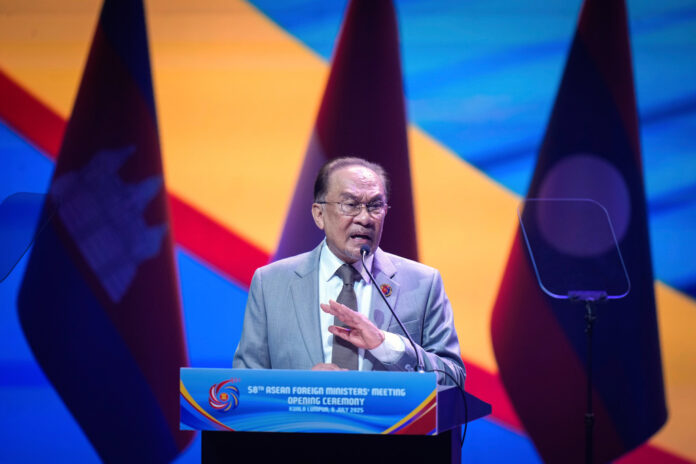
Malaysia's Prime Minister Anwar Ibrahim delivers his keynote address during the opening ceremony of the Association of Southeast Asian Nations (ASEAN) Foreign Ministers' meeting and related meetings at the Convention Centre in Kuala Lumpur, Malaysia, Wednesday, July 9, 2025. (AP Photo/Vincent Thian)

KUALA LUMPUR, Malaysia (AP) — Malaysian Prime Minister Anwar Ibrahim warned Wednesday that global trade is being weaponized as Southeast Asia’s foreign ministers opened an annual meeting while facing the looming threat of U.S. trade tariffs.

The threat of U.S. tariffs has jolted the Association of Southeast Asian Nations, a 10-member bloc that includes some of the world’s most trade-dependent economies.

Six ASEAN members are among the 14 countries that could see duties on their exports to the U.S. skyrocket on Aug. 1.

Launching the Association of Southeast Asian Nations foreign ministers’ meeting, Anwar said the world is now witnessing an era where “power unsettles principle” and “tools once used to generate growth are now wielded to pressure, isolate and contain.”

Without mentioning the U.S. by name, he again urged ASEAN to work together to respond to trade threats.

“Our cohesion must not end at declarations,” he said, calling for members to increase intra-ASEAN trade, invest in regional integration, and reduce strategic dependencies on external powers. “This is no passing storm,” he said. “It is the new weather of our time.”

AP25190134404688
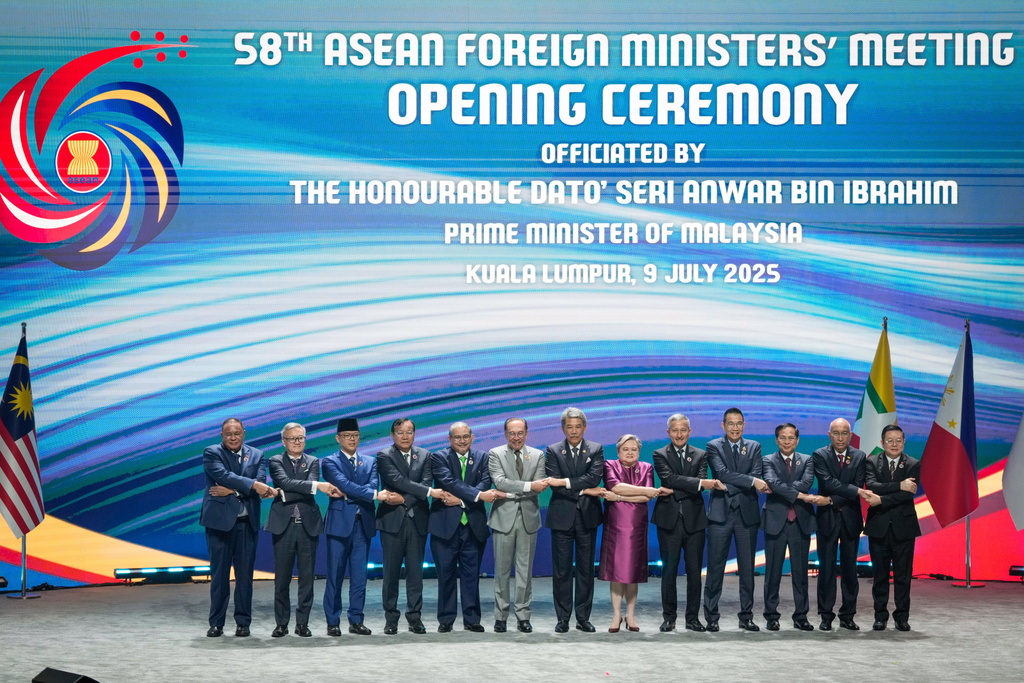
From left to right, East Timor Foreign Minister Bendito dos Santos Freitas, Lao Minister of Affairs Thongsavanh Phomvihane, Indonesia’s Foreign Minister Sugiono, Cambodia’s Foreign Minister Prak Sokhonn, Brunei’s Minister of Foreign Affairs Erywan Yusof, Malaysia’s Prime Minister Anwar Ibrahim, Malaysia’s Foreign Affairs Minister Mohamad Hasan, Philippine Foreign Secretary Theresa Lazaro, Singapore’s Foreign Minister Vivian Balakrishnan, Thailand’s Foreign Minister Maris Sangiampongsa, Vietnam’s Foreign Minister Bui Thanh Son, Myanmar Ministry of Foreign Affairs representative Kyaw Nyun Oo and ASEAN’s Secretary-General Kao Kim Hourn pose for the group photo during the opening ceremony of the Association of Southeast Asian Nations (ASEAN) Foreign Ministers’ meeting and related meetings at the Convention Centre in Kuala Lumpur, Malaysia, Wednesday, July 9, 2025. (AP Photo/Vincent Thian)

Trump first announced tariffs in April, but then delayed them for 90 days to allow for deals. On Tuesday, he announced new tariff with rates of between 25%-40% on 14 countries, which will go into effect Aug. 1 unless new deals are struck. He also threatened to increase tariffs if any countries retaliate.

Many ASEAN members have launched bilateral talks with the U.S., but officials have said they plan to hold an ASEAN-U.S. summit later this year to seek a common position.

So far, only Vietnam has secured a deal, bringing down its tariffs from 46% to 20%.

The list threatens 36% tariffs for Thailand and Cambodia, 32% for Indonesia, 25% for Malaysia, and 40% for Laos and war-torn Myanmar.

AP25190151825367
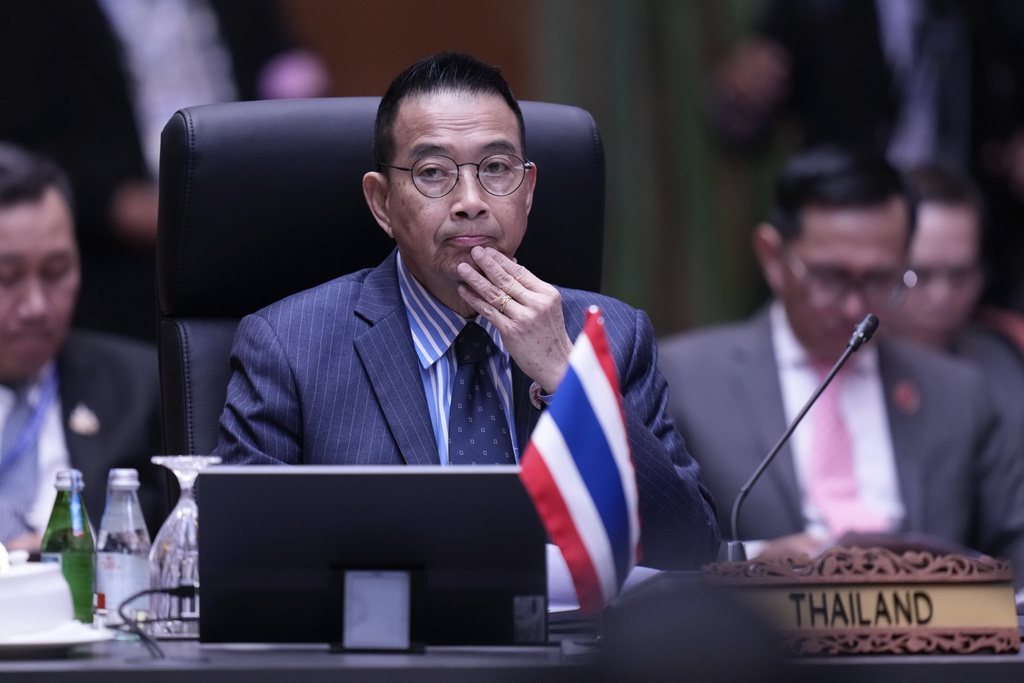
Thailand’s Foreign Minister Maris Sangiampongsa attends a plenary session of the Association of Southeast Asian Nations (ASEAN) Foreign Ministers’ meeting at the Convention Centre in Kuala Lumpur, Malaysia, Wednesday, July 9, 2025. (AP Photo/Vincent Thian)

In addition to confronting trade fallout, the bloc faces mounting internal challenges. The ongoing civil war in Myanmar and a border dispute between Thailand and Cambodia are also on the agenda.

The gathering in Malaysia will be immediately followed by a series of critical meetings with ASEAN’s major trade partners, including the United States, China, Japan, Russia, India, and the European Union, scheduled for Thursday and Friday.

U.S. Secretary of State Marco Rubio, who last week cancelled trips to Japan and South Korea, will arrive Thursday for the talks on his first visit to Asia. Others visiting foreign ministers include China’s Wang Yi and Sergei Lavrov of Russia.

Analysts said these talks will test ASEAN’s ability to assert its voice amid escalating geopolitical tensions.

The bloc hopes to reinforce its commitment to a rules-based trade order while resisting pressure to align exclusively with any one global power.

“ASEAN must be among those who choose to stand for rules, even when others choose retreat,” Anwar said.

Analysts said Rubio’s presence signaled renewed U.S. engagement in the region.

It will be a reminder to “the region that Washington remains its most vital economic and security partner,” said Collins Chong Yew Keat, a foreign affairs, strategy and security analyst with Universiti Malay. But he said that U.S. support may now come with clearer expectations.

“Trump’s administration, while still offering the strongest military deterrence and market access, expects ASEAN to stop exploiting this security umbrella while cozying up economically to China,” he said.

Advertisement

Paetongtarn Accuses Anutin of Distorting Casino Policy Talk with Chinese President

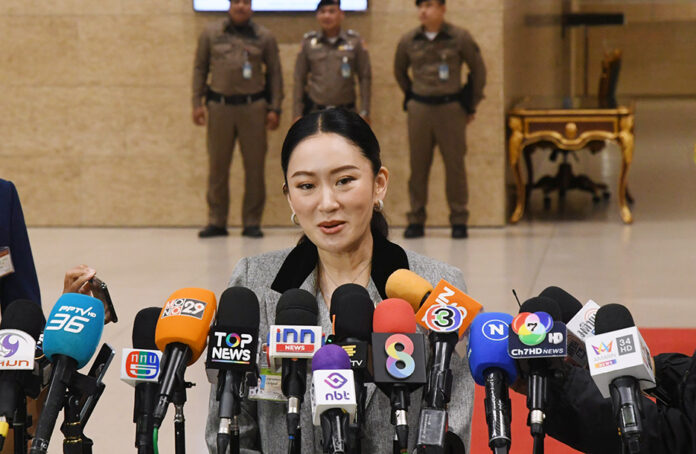
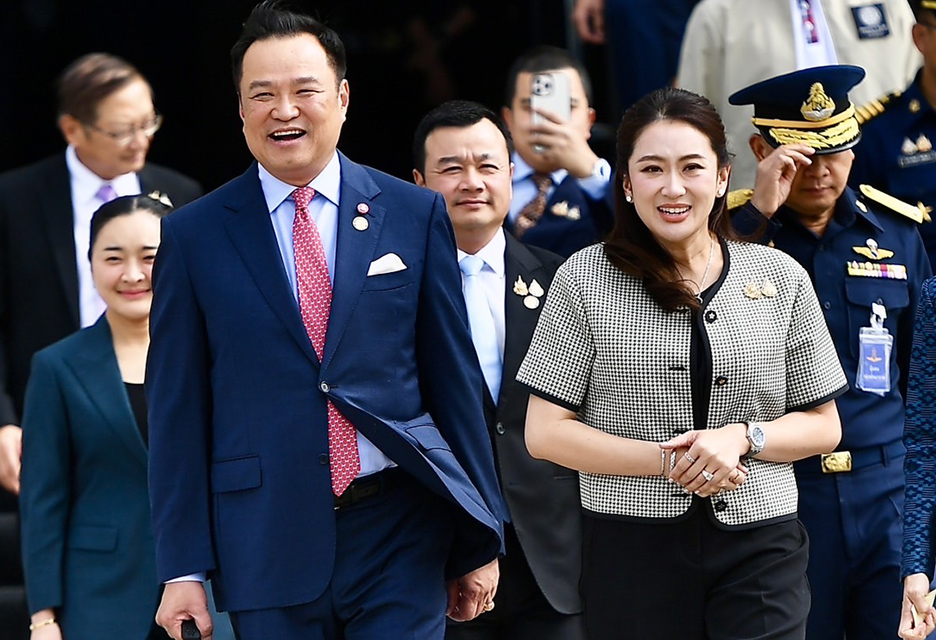
Suspended PM Paetongtarn Shinawatra answers media questions at Parliament, including questions about Anutin Charnvirakul's post claiming Chinese leaders were displeased with the entertainment complex law, on July 9, 2025.

BANGKOK — Suspended Prime Minister Paetongtarn Shinawatra has accused Bhumjaithai Party leader Anutin Charnvirakul of misrepresenting discussions about Thailand’s casino policy with Chinese President Xi Jinping.

Speaking in her capacity as Culture Minister, Paetongtarn responded to Anutin’s recent claims that President Xi had expressed displeasure with Thailand’s casino opening plans and had warned about the policy three times.

“Actually, Mr. Xi Jinping would have various recommendations, and we listen to them. He spoke about casinos out of concern and gave advice,” Paetongtarn said. “We explained that Thailand’s policy is to create entertainment complexes like Singapore and Macau. It helps generate income for the country and increases employment. Importantly, casinos make up only 10 percent.”

AP25037090662096
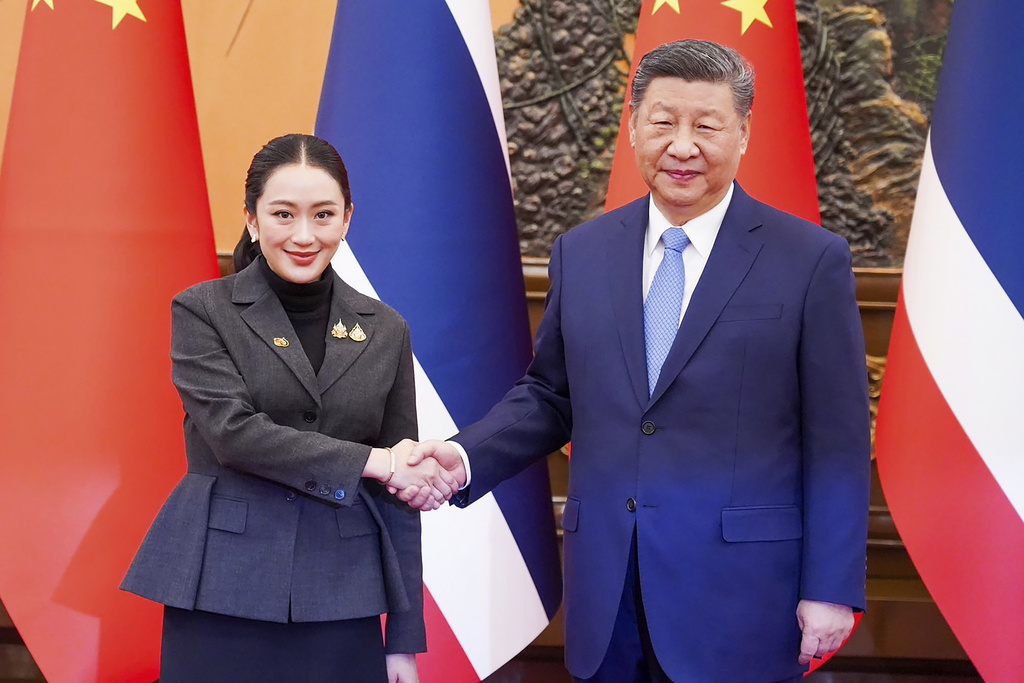
In this photo released by the Thailand’s Government Spokesman Office, Chinese President Xi Jinping, right, shakes hands with Thailand’s Prime Minister Paetongtarn Shinawatra in Beijing, China, Thursday, Feb. 6, 2025. (Thailand’s Government Spokesman Office via AP)

However, she accused Anutin of presenting a different version of events. “We explained it the same way we explained to Thai people – that it’s not all casinos. But he came and told it in another way, just stirring up trouble,” she said.

In a Facebook post, Anutin had claimed that Chinese leadership raised objections three times during bilateral meetings and explicitly requested policy abandonment. The former Interior Minister alleged that Thailand’s persistence with the casino legislation despite Chinese concerns led to deteriorating relations between the two countries.

According to Anutin, this tension has reportedly manifested in a 90% plunge in Chinese tourist arrivals, creating what he described as “unprecedented damage” to Thailand’s tourism sector. The ripple effects have impacted hotels, restaurants, retail shops, souvenir vendors, and street merchants – all traditionally dependent on Chinese tourism.

Paetongtarn
FILE – Prime Minister Paetongtarn Shinawatra and Deputy Prime Minister Anutin Charnvirakul (left) depart from Military Airport 2 in Don Mueang, Bangkok, for an official visit to Malaysia on December 15, 2024.

While welcoming the bill’s withdrawal, Anutin emphasized his party’s support depends on the government permanently shelving the policy rather than merely postponing it.
Paetongtarn dismissed these assertions, saying Anutin had forgotten the real reasons behind declining Chinese tourism.

“Not long after Anutin left his position, he forgot the reason why Chinese tourists don’t come to Thailand – it’s because of safety issues, which was the responsibility of the Interior Minister, a position he held at that time,” she stated.

She also cited ongoing problems with call center gangs and infrastructure issues, including water and electricity cuts, as contributing factors to the tourism decline.

“Orders were given repeatedly but were very difficult to implement. And why is Mr. Anutin speaking up today? Let the people see for themselves what the reason is,” Paetongtarn concluded.

__________

Advertisement

Thai-Cambodian Traditional Dress Sparks UNESCO Heritage Debate

FILE - A Chinese tourist rents traditional Thai costumes and poses for a photographer at Wat Arun, or the "Temple of Dawn," in Bangkok, Thailand, on Jan. 12, 2023. (AP Photo/Sakchai Lalit, File)

BANGKOK  — A heated debate has emerged between Thailand and Cambodia over traditional wedding attire following Cambodia’s submission to UNESCO for Intangible Cultural Heritage recognition, with Thai nationalist groups raising concerns about cultural similarities in the proposed heritage listing.

The controversy centers on Cambodia’s proposal to register Khmer wedding traditions with UNESCO, which Thai critics claim features wedding attire resembling traditional Thai clothing. This has prompted questions about whether Thailand’s Ministry of Culture was aware of the submission and sparked broader discussions about cultural ownership in the region.

Ministry Clarifies UNESCO Process

Prasop Riangngern, Permanent Secretary of Thailand’s Ministry of Culture, moved to clarify the situation, stating that Cambodia’s UNESCO proposal focuses solely on Khmer wedding traditions without any reference to Thai clothing or cultural dress practices. He emphasized that UNESCO’s rigorous evaluation process involves detailed content verification by expert committees operating under principles of transparency, mutual respect, and international cooperation.

thai tradition
Chud Thai: The Knowledge, Craftsmanship and Practices of the Thai National Costume

The clarification comes as Thailand pursues its own UNESCO heritage recognition for “Chud Thai” – the traditional Thai costume. Submitted last year under the title “Chud Thai: The Knowledge, Craftsmanship and Practices of the Thai National Costume,” the proposal will undergo UNESCO evaluation in 2026 during the 21st session of the Intergovernmental Committee for the Safeguarding of Intangible Cultural Heritage.

Parallel Heritage Preservation Efforts

Thailand’s UNESCO submission represents part of a broader cultural preservation strategy that has been ongoing since 2009, aimed at promoting the country’s soft power while safeguarding national cultural heritage. The “Thai Royal-Inspired Costume,” which received national heritage registration in 2023, gained Cabinet approval for international UNESCO submission in March 2024.

The traditional Thai costume reflects cultural identity through regional craftsmanship, transmitted through distinctive patterns, tailoring techniques, and traditional Thai fabrics. The garments gained particular prominence when Queen Sirikit wore them during official state visits to the United States and Europe with King Rama IX in 1960, establishing their role in projecting Thai identity internationally.

miss world thai tradition
Miss World Thailand 2025 Suchata Chuangsri performs a traditional Thai dance at the Miss World Opening Ceremony in Hyderabad, India on May 10, 2025. She is wearing a green peacock-colored Thai Chakri dress made from hand-woven Lamphun large-pattern silk.

These costumes continue to serve as symbols of Thai identity across various occasions, from royal ceremonies to wedding celebrations, demonstrating their enduring cultural significance.

UNESCO’s Framework for Cultural Diversity

The heritage debate highlights UNESCO’s approach to cultural recognition, which encourages countries to submit their cultural practices transparently while promoting cooperation and mutual respect. The Permanent Secretary emphasized that heritage registration represents community value preservation rather than cultural ownership claims.

This framework has enabled successful collaborative submissions, such as the “Kebaya” costume jointly proposed by Singapore, Indonesia, Malaysia, Brunei, and Thailand. Similarly, Thailand’s “Khon” and Cambodia’s “Lakhon Khol” were independently proposed in 2018 without generating conflict, demonstrating how countries with shared cultural roots can pursue separate or joint heritage recognition.

khon scaled
An international Ramayana performance showcasing Thai Khon and Cambodia’s Lakhon Khol, alongside performances from India, Indonesia, Philippines, Myanmar, Singapore, and Malaysia, takes place at the Thailand Cultural Centre in Bangkok on July 12, 2024.

Deeper Historical Context

The traditional dress controversy reflects broader Thai-Cambodian tensions that extend beyond cultural heritage to include border disputes and historical grievances. These disagreements manifest in social media debates where Cambodian nationalists label Thais as “Siamese thieves” over territorial disputes, while Thai nationalists refer to Cambodia as “Claimbodia” for allegedly appropriating Thai culture.

Thai academics trace these tensions to historical nationalism processes and competing narratives that have developed over time in both societies, rather than viewing them as isolated contemporary disputes.

ta kwai
Screenshots from video clips show a tense confrontation between Thai and Cambodian tourists at Ta Kwai Temple in Phanom Dong Rak District, Surin Province, on July 5, 2025.

Academic Perspective on Resolution

Writer and journalist Sujit Wongthes attributes the cultural disputes to colonial-era concepts of racial and nation-state history. He advocates for abandoning divisive historical narratives in favor of studying “kinship history,” which emphasizes people and relationships over territorial claims.

“Southeast Asian history traditionally valued population over territory. While this approach won’t eliminate all conflicts, it reduces conditions that lead to division,” Wongthes explained. “For lasting peace—not just between Thailand and Cambodia, but throughout Southeast Asia—we must persist in these efforts despite the challenges.”

_________

Advertisement

Thailand’s Cabinet Withdraws a Controversial Bill to Legalize Casinos

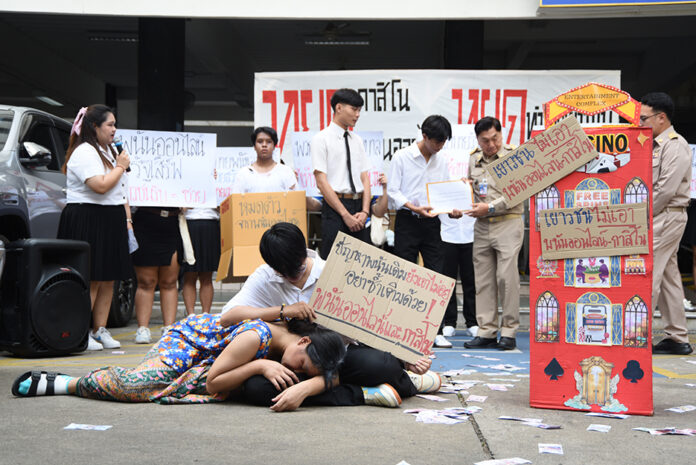
Ramkhamhaeng University Student Organization and Student Council stage a protest opposing legal casinos and online gambling at Government House on March 17, 2025.

BANGKOK (AP) — Thailand’s Cabinet on Tuesday withdrew a controversial bill that aims to legalize casinos after the Prime Minister was suspended last week over an ethics investigation.

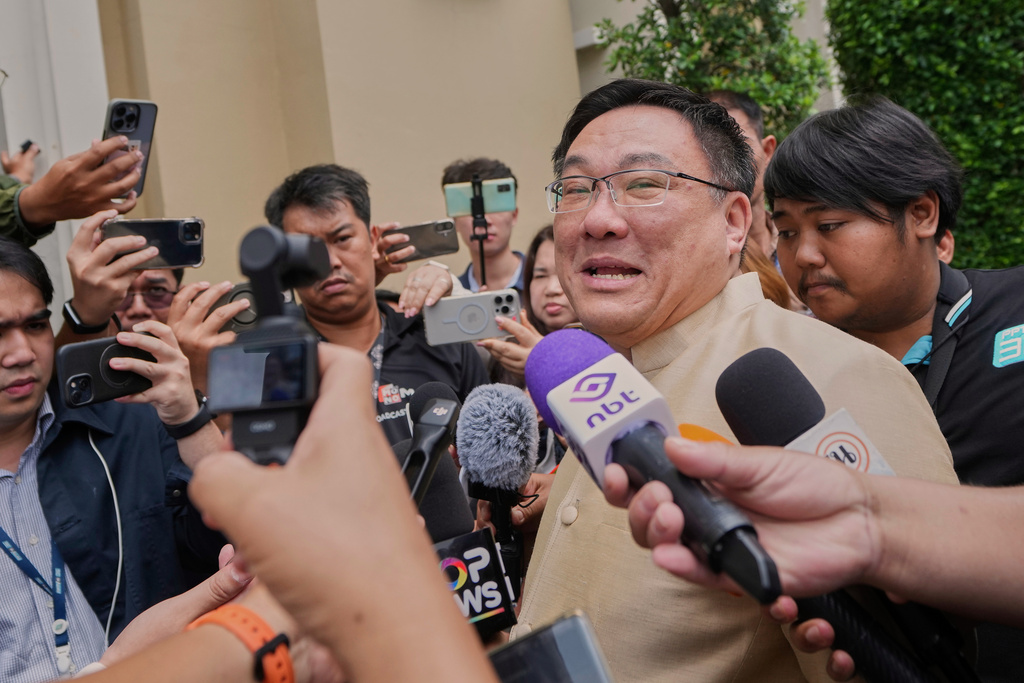
Deputy Minister of Finance Julapun Amornvivat said the government only wants to delay the bill and will reintroduce it at an appropriate time. He cited the current political situation and the Cabinet reshuffle as a factor in the decision.

The bill, also known as the “entertainment complexes bill,” was first approved by the Cabinet in January and was awaiting review by lawmakers. If passed, it would allow casinos to operate within complexes that also house other businesses such as hotels, convention halls, malls or theme parks.

The bill’s withdrawal came after Prime Minister Paetongtarn Shinawatra was suspended by the Constitutional Court last week after a phone call between her and a senior Cambodian leader was leaked, sparking fresh political turmoil.

AP25189270555590
Thailand Deputy Finance Minister Julapun Amornvivat, second right, speaks to media at Government House in Bangkok, Thailand, Tuesday, July 8, 2025. (AP Photo/Sakchai Lalit)

Paetongtarn is under an ethics investigation over accusations that she made comments that damaged Thailand’s national interests to Cambodia’s Senate President Hun Sen when the two discussed a recent border dispute last month.

The ruling Pheu Thai Party has said the bill would help attract more investments, boost tourism and solve issues of illegal gambling. But it has faced strong opposition from the public and Pheu Thai’s former coalition partner, Bhumjaithai Party, which quit the government last month over the leaked call.

Julapun said the government needed more time to explain the benefits of the bill to the public, adding that the delay was regrettable.

The Pheu Thai Party, which pledged to make the country’s economic woes top of its agenda, stressed that casinos would be only a small part of a larger plan to boost tourism.

Tourism is the main drive of the Thai economy and has always been the focus of the different administrations to improve the economy.

_____

Advertisement

Bangkok Caps All Electric Train Fares at 20 Baht Starting Oct 2025

BANGKOKThailand’s cabinet has approved a groundbreaking transport policy that will cap fares for all electric trains in Bangkok and surrounding provinces at 20 baht ($0.60), effective October 1, 2025. The initiative aims to boost ridership while reducing PM2.5 air pollution and private vehicle dependency.

The July 8, 2025 cabinet decision endorses the Transport Ministry’s proposal for a uniform maximum fare across all electric train networks. This policy forms part of the government’s comprehensive strategy to lower living costs, including utilities and energy expenses.

Registration Through Tang Rat App Required

Prime Minister’s Office spokesman Jirayu Huangsap emphasized that the unified 20-baht fare represents a key government promise to the public. However, due to varying concession contracts and operating agreements among different train operators, passengers must register through the “Tang Rat” app to access the reduced fare.

Registration requires Thai nationality verification using a 13-digit citizen ID number. The system accepts payments via credit/debit cards and pre-registered Rabbit Cards, all integrated within the Tang Rat platform.

app digital1
“Tang Rath” government app

Comprehensive Network Coverage

Once registered, users will automatically receive the discounted fare starting October 1, 2025. The policy covers both elevated and underground networks across Bangkok and neighboring provinces, including the Green, Gold, Yellow, Pink, Blue, Purple, Red Lines, and Airport Rail Link (ARL).

Payment methods vary by line: Rabbit Cards work on Green, Gold, Yellow, and Pink lines, while EMV contactless cards (Visa/MasterCard) apply to Red, Blue, Purple, Pink, Yellow, and ARL lines, excluding Green and Gold. Future updates will enable mobile QR code scanning for enhanced convenience.

Massive Infrastructure Impact

The 20-baht maximum fare will cover 13 train routes spanning 279.84 kilometers and serving 194 stations across Bangkok and surrounding provinces. Lost fare revenue will be compensated through the Joint Ticketing Promotion Fund and other appropriate funding sources.

The government forecasts first-year benefits across three key areas: economic savings from reduced private vehicle use, social improvements through enhanced well-being and fewer traffic accidents, and environmental gains through lower carbon dioxide emissions. Combined, these benefits are projected to save the national budget over 10 billion baht ($306 million).

electric train1
Electric Train

Implementation Timeline

Public registration opens in August 2025 through the Tang Rat App, with the flat rate policy officially launching October 1, 2025. Post-implementation, the government plans further fare structure improvements to maximize efficiency.

The 20-baht flat fare is designed to encourage public transport adoption, reduce living costs, and expand access to public services. This creates a safe, punctual, convenient, and environmentally friendly train system that increases ridership while delivering better economic returns on rail infrastructure investments.

The policy ultimately aims to save commuters time and money while reducing accidents, traffic congestion, fuel consumption, and pollution, improving air quality throughout train corridors and surrounding areas.

_______

Advertisement

Chinese Man Arrested in Credit Card Data Theft Operation in Bangkok

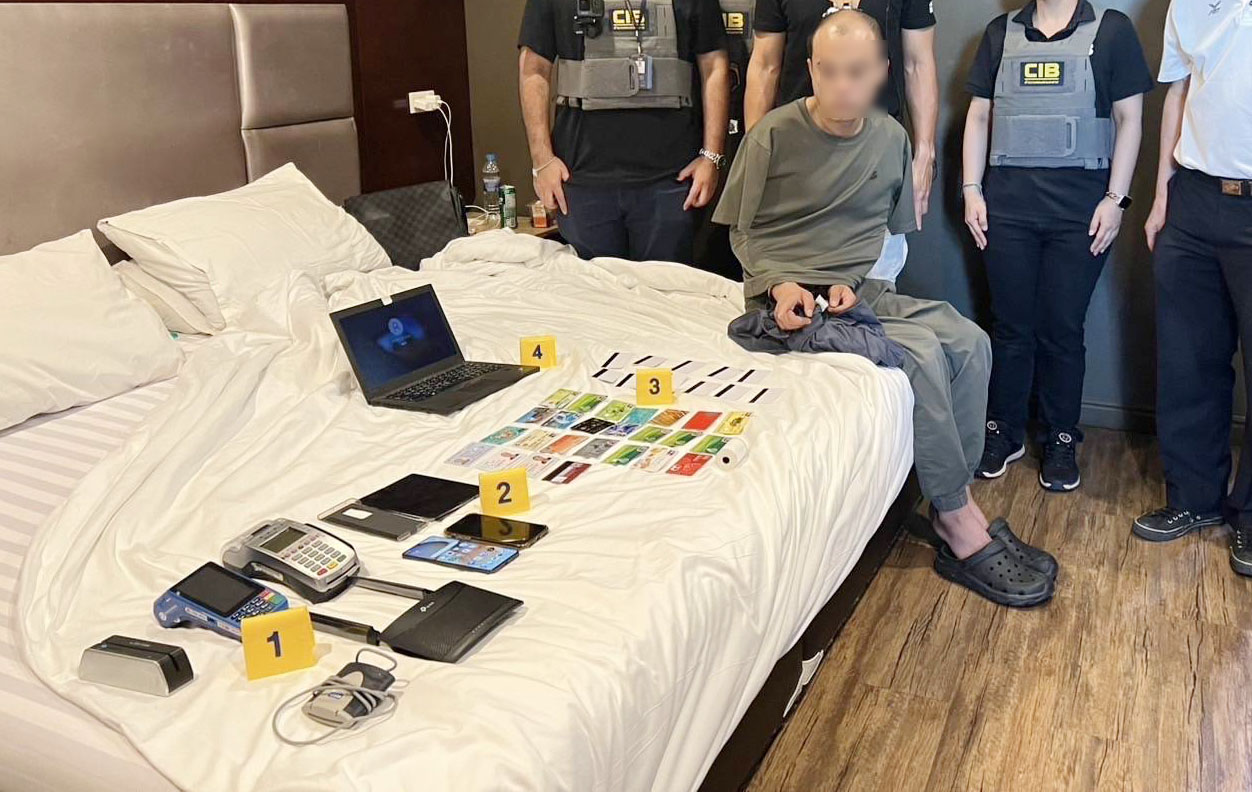
Cyber police arrest a Chinese national involved in a sophisticated credit card fraud operation at a hotel on Soi Sud Prasert 2, Sutthisan Winitchai Road, Huai Khwang District, Bangkok, on July 8, 2025.

BANGKOK — Cyber police have arrested a Chinese national involved in a sophisticated credit card fraud operation that stole victims’ financial data and used it to purchase goods through Google Pay at Bangkok shopping centers.

The case began when the legal department of a major bank reported suspicious activity to the Technology Crime Suppression Division (TCSD). The scammers collaborated with hackers to exploit victims by sending SMS messages containing malicious links. When victims clicked the links and entered their credit card information and OTP codes, hackers would use the stolen data to make unauthorized purchases via Google Pay at Bangkok department stores.

Investigation revealed the operation transmitted numerous Thai and foreign credit card details to hackers through Telegram channels. Chinese accomplices would then use the stolen credit card information to purchase various goods at Bangkok shopping centers, sell the items for cash, convert the proceeds to USDT cryptocurrency, and transfer profit shares back to the hackers.

chinese credit card1
Cyber police arrest a Chinese national involved in a sophisticated credit card fraud operation at a hotel on Soi Sud Prasert 2, Sutthisan Winitchai Road, Huai Khwang District, Bangkok, on July 8, 2025.

Police identified the suspect as Mr. Ma, a 35-year-old Chinese man. A court issued an arrest warrant on July 4, 2025, on charges including fraud by impersonation, unauthorized use of electronic cards, possession of others’ electronic cards for illegal use, accessing computer data without authorization, and fraudulent data input into computer systems.

On July 8, cyber police arrested Ma at a hotel room on Soi Sud Prasert 2, Sutthisan Winitchai Road, Huai Khwang District, Bangkok. Evidence seized included two EDC payment terminals, two card readers, three mobile phones, 17 foreign bank ATM cards, 11 blank PVC cards, and one laptop computer.

Despite denying all charges during interrogation, the suspect has been remanded to investigators at the TCSD’s 3rd Bureau for legal proceedings. Police are expanding the investigation to arrest additional network members.

_____________

Advertisement

True CyberSafe Hackathon 2025: 3 Perspectives on Crime Tech Innovation

As technology rapidly advances, the complexity of cybercrime continues to evolve. This has driven global growth in the Crime Tech market, technologies that help prevent, detect, or respond to criminal activities. In Thailand, despite the high demand, there are currently fewer than 10 startups focused on this domain.

However, according to Gartner, a leading global IT research and advisory firm, it is forecasted that end-user spending on information security in Thailand is projected to total 18.4 billion baht in 2025, a 12.3% increase from the previous year. This presents a major opportunity for Thai developers and startups to turn this pressing challenge into real innovation. The True CyberSafe x TrueMoney Hackathon Thailand 2025 provides an open space for all ideas to grow, whether you’re a student, a startup, or a member of the public. It’s a chance to come together and “hack” for a safer future, and to create tangible, real-world Crime Tech solutions.

Here are key insights and recommendations from three expert speakers at the project’s launch event, perspectives that may serve as the starting point for impactful innovation.

Strong Cybersecurity Requires Policy, Technology, and People

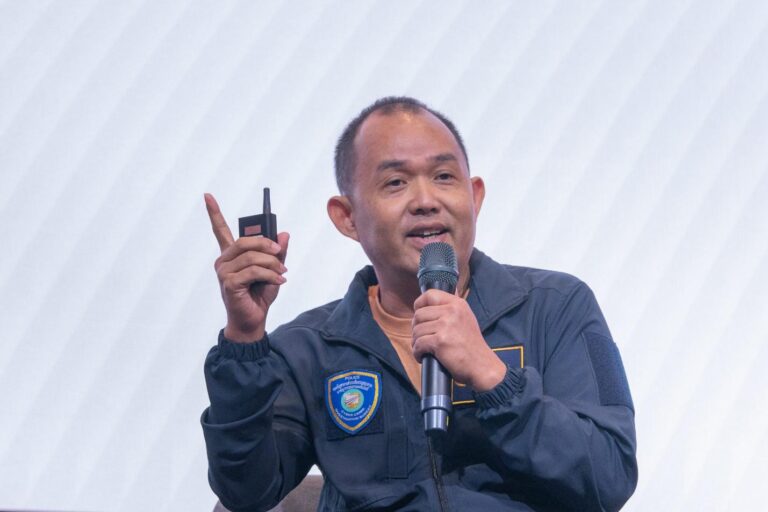
“Cybersecurity isn’t just the responsibility of governments or organizations. It’s an ecosystem that involves everyone,” said Major Pawich Burapachonlatid, Director of National Cybersecurity Academy Office, National Cyber Security Agency, highlighting the broader picture of cybersecurity governance. Under Thailand’s Cybersecurity Act of 2019, the NCSA has become a central driving force in overseeing and enhancing the country’s cyber readiness.

image3 11

As a result of its continuous efforts, Thailand now ranks 7th globally in the Global Cybersecurity Index (GCI) by the International Telecommunication Union (ITU). However, cyber threats are evolving just as rapidly, particularly with the rise of deepfake AI, which can convincingly generate fake images, voices, and videos. These can cause harm on both personal and national security levels.

Major Pawich emphasized that the direction of innovation must now flip the perspective. Instead of merely building technologies, we must focus on developing innovations that can detect and counteract increasingly sophisticated forgeries.

Cyber Threats That Begin With Our Own Beliefs

“In real-life scenarios, criminals don’t attack technology. They target our minds,” said Pol.Col.Kreangkrai Puttaisong, Superintendent, Cyber Support Unit, Cyber Crime Investigation Bureau. He described how cyber threats often come disguised through psychological manipulation. Victims are frequently deceived due to confirmation bias, the tendency to seek information that supports their own beliefs and social proof, or misplaced trust in seemingly credible sources. Criminals exploit these biases by isolating victims during decision-making moments, preventing them from communicating with others because outsiders could quickly recognize the scam.

image2 12

“This is why we pose the question: Is it possible to create a technology that can alert victims during the moment of decision-making, not just after the damage is done?” Kreangkrai asked. He also emphasized the need to build technologies that can identify high-risk individuals with precision, which requires deep insight into people’s daily lives to seamlessly integrate innovation into their routines.

“We simply cannot design meaningful innovations if we don’t understand how a motorcycle taxi driver checks his phone, how an online vendor processes shipments, or how the elderly use mobile phones,” he concluded.

Understanding Humans Before Designing Technology

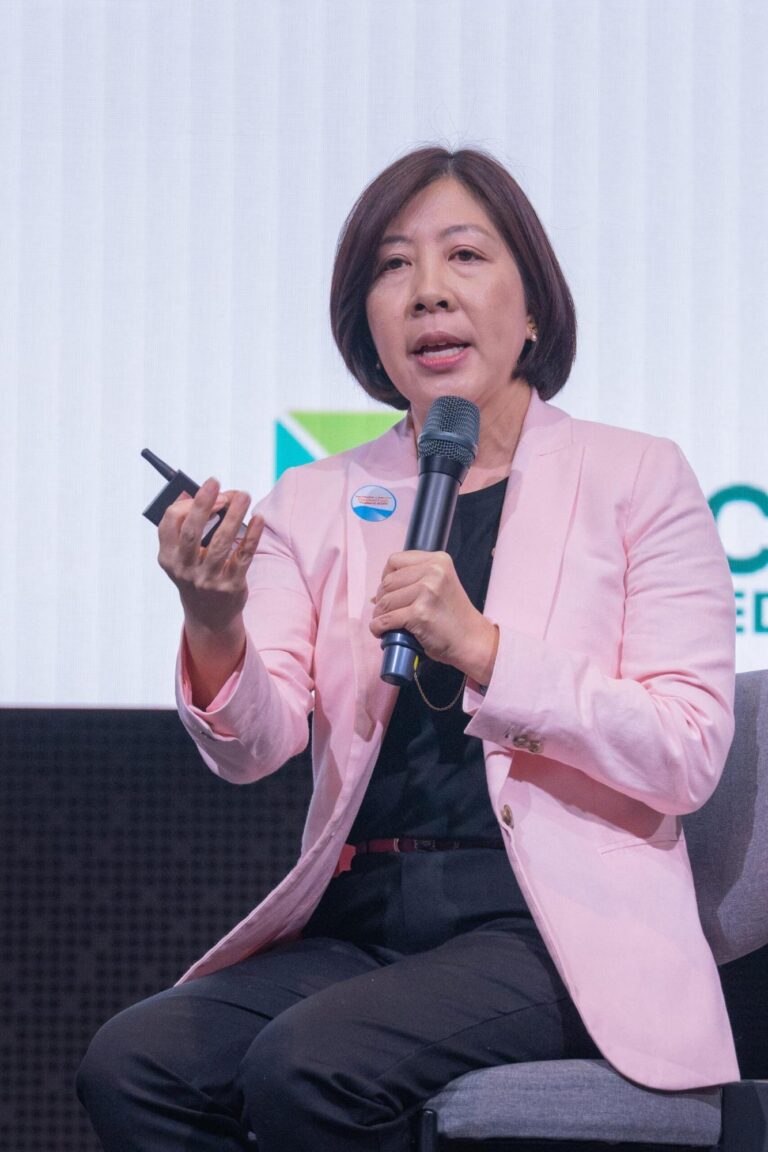
“Good cybersecurity isn’t just about intelligence. It’s about understanding people,” said Assistant Professor Dr. Pattarawan Prasarnphanich, Lead Researcher, Behavioral Research and Informatics in Social Science Research Unit, Sasin School of Management, Chulalongkorn University. She emphasized that the core of designing effective cybersecurity solutions lies in empathy, because people often fall victim when they make emotionally driven decisions rather than rational ones. Different groups have different vulnerabilities. Elderly individuals may panic and click on messages warning their account will be locked, while children and teenagers might share passwords or personal information to gain social approval online.

image4 8

One way to design systems that gently nudge users to think before they click is by applying Digital Nudging, particularly through how messages are framed. For example, instead of saying “Are you sure you want to download this software?” a more effective message would be: “If you download this, your device could be infected with malware.” This helps users recognize the potential risks and pause before taking action.

Even small changes in wording can have a powerful effect. Techniques that work well include: Using large numbers to convey urgency, addressing the user directly rather than in general terms to create personal relevance, and emphasizing potential losses over gains because people are typically more responsive to what they might lose rather than what they might gain.

In the end, a truly effective solution isn’t just smart. It’s one that empowers ordinary people to protect themselves, even on days when they don’t realize they’re at risk.

All of these are perspectives from three speakers that reflect a key insight. Tackling today’s cyber threats is no longer just about cutting-edge technology. It’s about understanding people, their behaviors, and the everyday vulnerabilities in their lives.

The “True CyberSafe x TrueMoney Hackathon Thailand 2025”, taking place from 14 June to 29 November 2025, invites innovators, startups, students, and the general public across Thailand to submit creative ideas in teams of 4 – 5 people to tackle cyber threats and help build a safer digital world. Solutions should address one of three key challenge areas: Safe Internet Use, Safe Financial Transactions, or Safe Digital Living, with a focus on three target groups: Youth, seniors, and foreign tourists or workers in Thailand. The competition is divided into two categories: the general public/startups (no age limit) and university students (from any year or institution, including mixed teams). The top 30 teams will advance to the hackathon and join the True Lab Incubation Program, while the top 6 teams in the startup/general track will receive innovation funding to further develop their ideas into practical solutions. Applications are open now until 11 July 2025. For more information, visit https://linktr.ee/true_lab or follow True Lab on Facebook.

Advertisement

Hot News

LATEST NEWS

Bangkok
overcast clouds
33.5 ° C
35 °
31.1 °
73 %
4kmh
100 %
Mon
34 °
Tue
34 °
Wed
35 °
Thu
31 °
Fri
30 °