33.5 C
Bangkok
Monday, June 8, 2026
Home Blog Page 304

RHODES Bangkok: Top Cocktails to Try in Thonglor

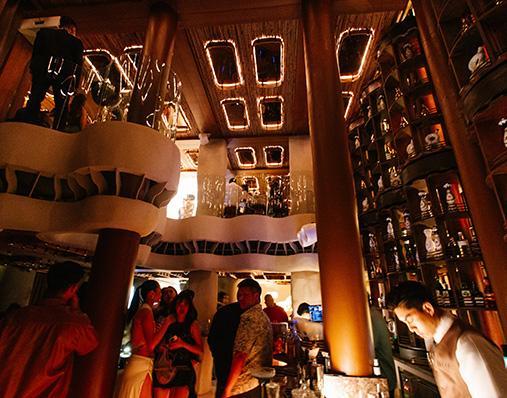
The lively main floor of RHODES Bangkok

In the heart of Bangkok’s vibrant nightlife scene on Sukhumvit 49 in Thonglor, RHODES Bangkok stands out as a fun and exciting destination blending craft cocktails and high-energy entertainment. We’ll tell you the best cocktails to try and describe the décor and vibe at RHODES Bangkok. 

The walkway leading up to the club features a video floor showing waves breaking on a beach in Mykonos. It’s just the thing to get you in the mood to experience something truly colorful, unique and exciting. 

Inside, modern lighting installations cast a warm glow over this colorful and exciting but comfortable venue. An impressive bar framed in red lighting serves as the focal point. It’s backed by a towering illuminated display of premium spirits and Greek-style bottles in classic blue and white. 

The venue’s inspired Greek décor reminds one of the pure white homes of Rhodes. Cosy free-form areas around the club feature nooks and crannies displaying Greek-themed art objects and knickknacks, framing the tables and booths.  

Head upstairs to get a birds-eye view of the action on the main floor, or check out the action from a booth surrounded by the Greek décor. You can almost hear the sounds of bouzoukis playing. 

Culinary and Mixology Highlights

Rhodes takes pride in its innovative cocktail program, featuring both classic mixes and signature creations. Their signature best cocktails to try include:

  • Rhodes Island: Gin, dry vermouth, Campari and absinthe are infused with sweet basil and strawberry syrup, Greek yogurt wash and wild strawberry liqueur to create a drink fit for the gods. 
  • I’m in Love with the Coco: This is an amazing sweet drink made of peanut butter rum, lemon, toffy-coconut cream and Amoretto. 
  • Yassou!: Taste this unique and refreshing drink made with Umeshu, tamarind cordial, salted plum juice, Honey syrup, and sparkling water

Rhodes also offers several drinks packages that are ideal for a group of friends out on the town including spirits and sparkling wine packages, or choose a combination package that features both. 

Perfect Place to Celebrate a Birthday

RHODES Bangkok is the perfect to celebrate a birthday with friends. It offers a lively atmosphere, live DJs, a vibrant atmosphere and a wide range of drinks to satisfy everyone in your group. 

Private Events and VIP Service

RHODES is also available as a venue for hosting private gatherings ranging from corporate events to birthday celebrations. RHODES offers an amazing venue for private party with a vibrant open space on the ground floor framed by sophisticated red lighting and standing tables around the dance floor.  

The second floor can be used as a VIP area for special guests. You can book one floor or the entire venue. An event at RHODES Bangkok includes:

  • Customized drink service
  • Knowledgable staff to help you organize the party
  • A choice of music styles

RHODES Bangkok is experienced in hosting:

  • Birthday blowouts for you, friends, and family
  • Corporate events that encourage people to party
  • Engagements and anniversaries
  • Exclusive DJ-hosted music nights that will have everyone dancing

For a taste of the Greek islands, head down to RHODES Bangkok this weekend and experience something new and unique. 

Advertisement

Have a Relaxing Thai Massage in Chiang Mai Chiang Mai offers Ancient Thai Massage

Enjoy a traditional Thai massage in Chiang Mai

In the cultural heart of northern Thailand, Health Land Spa in Chiang Mai offers a destination where ancient healing traditions meet contemporary wellness needs. Located on Changklan Road, this renowned spa provides busy professionals and travelers with an extensive menu of treatments designed to ease daily stress and rejuvenate body and mind.

Experience the Timeless Practice of Ayurveda

The spa’s foundation rests on the timeless practice of Ayurveda, a holistic healing system that originated in ancient India over 3,000 years ago. Health Land Spa embraces this ancient wisdom, offering authentic Ayurvedic treatments that create a delicate balance between body, mind, and spirit. Their skilled therapists specialize in traditional Ayurvedic massages, including the renowned Abhyanga, a full-body treatment that uses gentle pressure and warm oils to detoxify and re-energize the entire system.

For those seeking deeper relaxation, the Shirodhara treatment provides a focused head massage experience that reduces stress and improves mental clarity through the continuous flow of warm oil over the forehead. The ultimate indulgence comes with their Four Hands Massage, where two therapists create a choreographed massage experience that transforms guests into true believers in the therapeutic wonders of Ayurveda.

Commitment to Traditional Techniques

Health Land Spa’s commitment to traditional techniques extends beyond Ayurvedic practices to include authentic Thai massage in Chiang Mai, the cornerstone of their treatment menu. This ancient art of relaxation kneads and stretches the body’s muscles, joints, and tendons through acupressure and yoga-like stretches. The result is a deeply relaxing experience that melts away tension and promotes the best night’s sleep, making it particularly valuable for professionals unwinding after demanding workdays.

The spa’s comprehensive treatment menu addresses every aspect of wellness and beauty. Their Facial Treatment and Body Polish offer exfoliating properties that restore skin’s elasticity and suppleness, perfect for counteracting the effects of daily environmental stresses. These treatments hydrate skin and restore vitality, often complemented by their Therapeutic Massage, which increases circulation and relaxes tired muscles by targeting tense and knotted areas throughout the body.

The popular Aromatherapy Massage represents the perfect fusion of relaxation and therapeutic benefits. This treatment stimulates the skin, blood, and lymphatic systems while improving circulation by using carefully selected essential oils and soothing massage techniques. It promotes cell renewal and toxic waste removal, leaving guests feeling completely relaxed and rejuvenated.

For busy professionals who need quick relief without the time commitment of a full massage, Health Land Spa offers foot reflexology massage, the perfect solution for rejuvenating tired feet after long days at the office or exploring Chiang Mai’s attractions.

Take a Break from Modern Life

What sets Health Land Spa apart is its understanding that modern life demands accessible wellness solutions. The treatments are designed to fit busy schedules while delivering maximum therapeutic benefits. Whether clients need stress relief after challenging meetings, muscle tension release from long desk hours, or simply a peaceful escape from daily pressures, Health Land Spa provides the perfect after-work retreat.

The spa’s skilled therapists combine traditional techniques with a modern understanding of stress and wellness, creating an environment where ancient healing wisdom meets contemporary lifestyle needs. This makes Health Land Spa the ideal destination for an authentic Thai Massage in Chiang Mai.

Advertisement

The Advantages of Choosing an International Kindergarten in Thailand

Choosing the right kindergarten is an important decision for parents. In the early years, children develop the foundation for learning, socializing, and approaching challenges later in life. For many families living in or moving to Thailand, enrolling their child in an international kindergarten is an investment in their children’s future. 

If you’re currently exploring options for kindergartens in Thailand, here are reasons why international schools like International School Bangkok (ISB) are advantageous.

Multicultural and Language-rich Environment

One of the main benefits of an international kindergarten in Thailand is that it exposes children to a multicultural setting at a young age. Students come from many different countries and cultures, naturally creating an inclusive environment where they can learn to interact with others with openness and respect.

At international schools like ISB, English is the primary language of instruction, but exposure to multiple languages is common. This supports early language development and gives young learners a real advantage in communication, cultural awareness, and global thinking.

Curriculum Designs for Holistic Development

International kindergartens in Thailand typically follow globally recognized curricula that go beyond traditional academics and embrace child-centered approaches that nurture emotional, social, and physical growth and promote early literacy and numeracy skills. 

At ISB, the kindergarten program focuses on hands-on, play-based learning. Children explore, ask questions, and build confidence at their own pace in a safe and supportive environment. Through child-led and teacher-guided activities, they learn how to think critically, work with others, and develop a love for learning that they bring with them as they grow up.

World-class Teachers and Small Class Sizes

Families searching for a high-quality kindergarten in Thailand often look for experienced and qualified teachers who understand how to support young learners as individuals. At ISB, early childhood educators bring professional credentials and a deep understanding of children’s developmental needs.

At ISB, smaller class sizes mean teachers can give more attention and care to each child. They can also adapt lessons to different learning styles and needs and create a personalized learning environment that allows each student to thrive.

Safe, Nurturing, and Stimulating Facilities

The physical environment plays a significant role in how children learn. International kindergartens in Thailand often provide safe, purpose-built learning spaces with materials and resources that encourage exploration and inquiry-based learning. Safe and age-appropriate outdoor activity areas are also provided to promote social and physical development.

ISB’s Early Childhood Center is designed to encourage exploration and active learning. Classrooms are equipped with everything from art corners and reading nooks to sensory play areas and playgrounds so children have space to move, create, and discover.

A Strong Foundation for Future Learning

At an international kindergarten in Thailand, children are given a head start in building the skills they need to thrive academically, socially, and emotionally, such as communication, problem-solving, and independence. For instance, ISB’s holistic approach helps children develop self-confidence and resilience within a supportive community.

Global Education Rooted in Local Understanding

Choosing an international kindergarten in Thailand means getting a globally minded education while also respecting and understanding the local culture. At ISB, students celebrate Thai holidays, learn about local traditions, and develop a sense of respect for the culture.

Family Support and Community Involvement

At ISB, parents are welcomed as partners in their children’s learning. Regular parent-teacher communication, social and community events, and volunteering opportunities help families feel connected and involved and foster a sense of belonging. The school’s strong partnership with parents makes adjusting easier for new families.

If you’re looking for a kindergarten in Thailand that provides a nurturing start, world-class teaching, and a diverse, welcoming community, International School Bangkok may be the right choice. 

Advertisement

Thai Deputy PM Confident US Tariff Deal Will Be Reached Before Aug 1

Thailand's Deputy Prime Minister and Finance Minister Pichai Chunhavajira answers questions from the media at Government House regarding Trump's 36% tariff imposed on Thailand on July 8, 2025. (KHAOSOD Photo/Chavalit Panyong)

BANGKOK — Deputy Prime Minister and Finance Minister Pichai Chunhavajira expressed confidence that Thailand can negotiate a US tariff deal below 36% before the August 1 deadline, stating the government has contingency plans ready if negotiations fail.

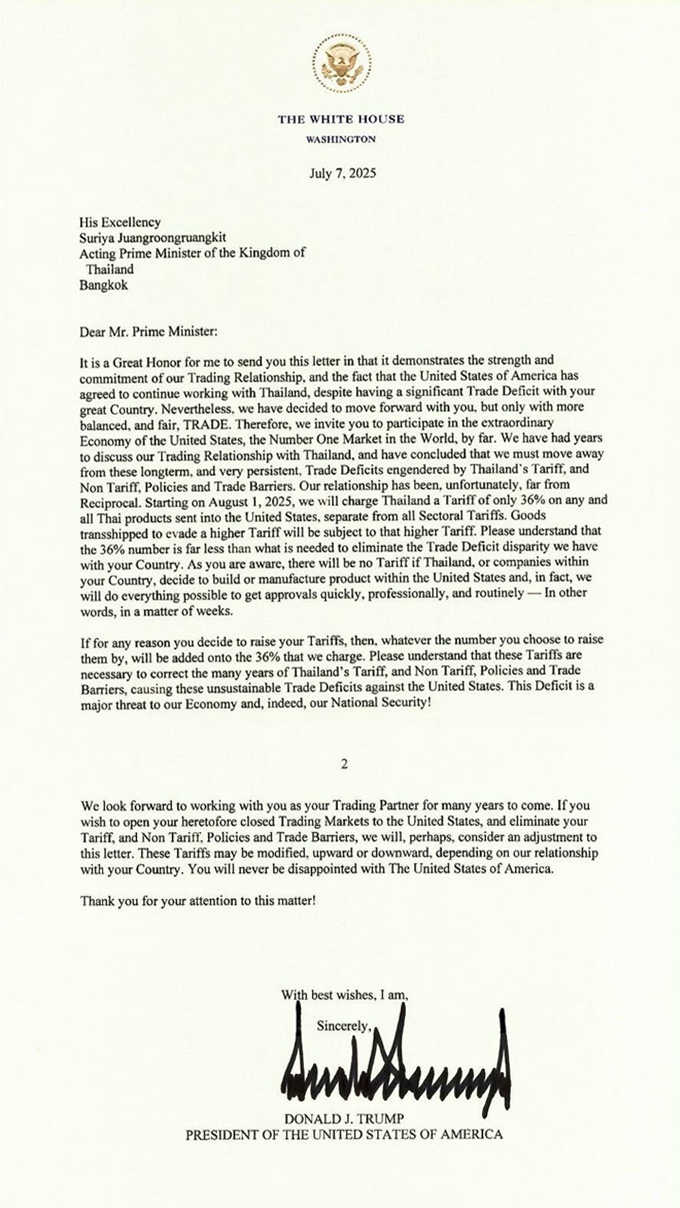
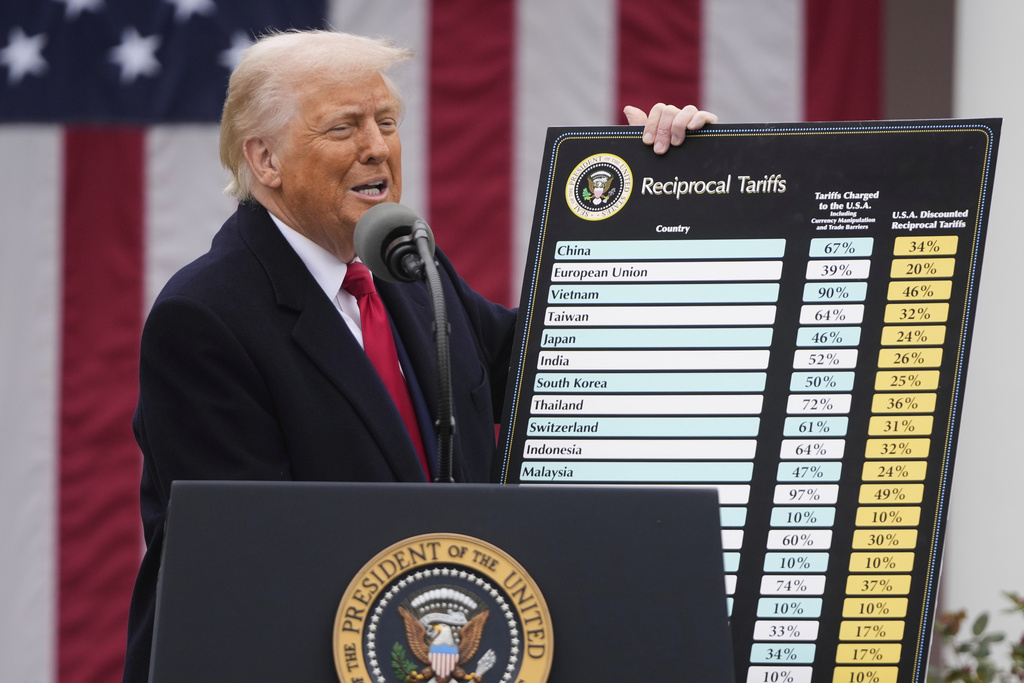
Thailand faces a 36% tariff on goods exported to the United States under new trade measures announced by President Donald Trump on July 7. He announced the tariff rates by posting letters on Truth Social addressed to leaders of the affected countries. The letters warned against retaliation through increased import taxes, threatening even higher U.S. tariffs in response.

In the letter of President Donald Trump, the 36% tariff will apply to “any and all Thai products sent into the United States” starting August 1, separate from existing sectoral tariffs. Trump characterized this rate as “far less than what is needed to eliminate the Trade Deficit disparity” between the two countries.

AP25188852930742
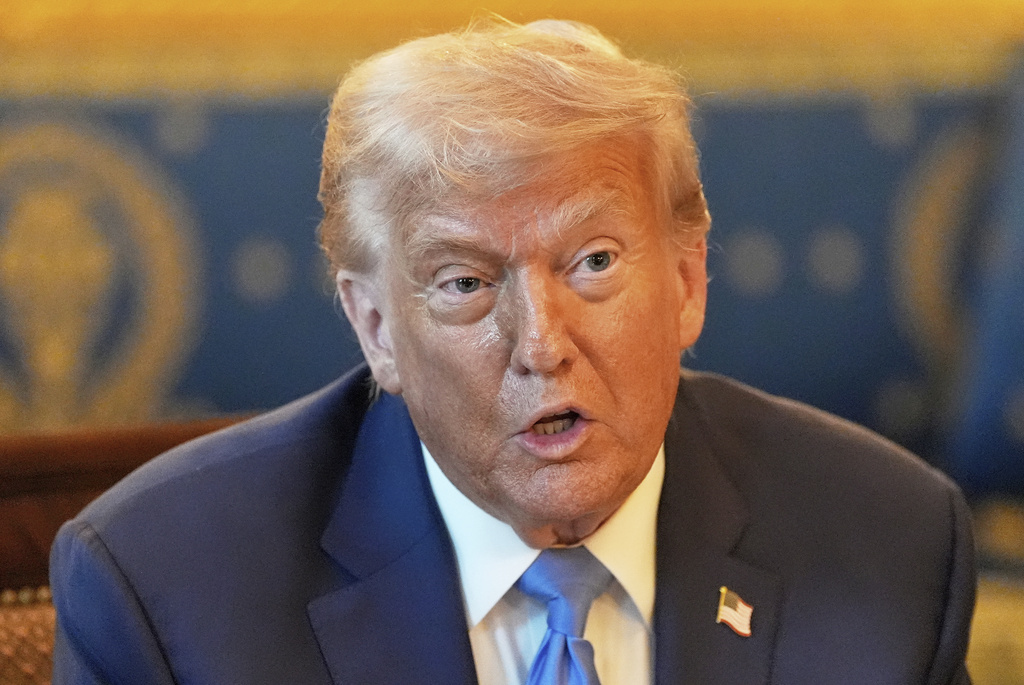
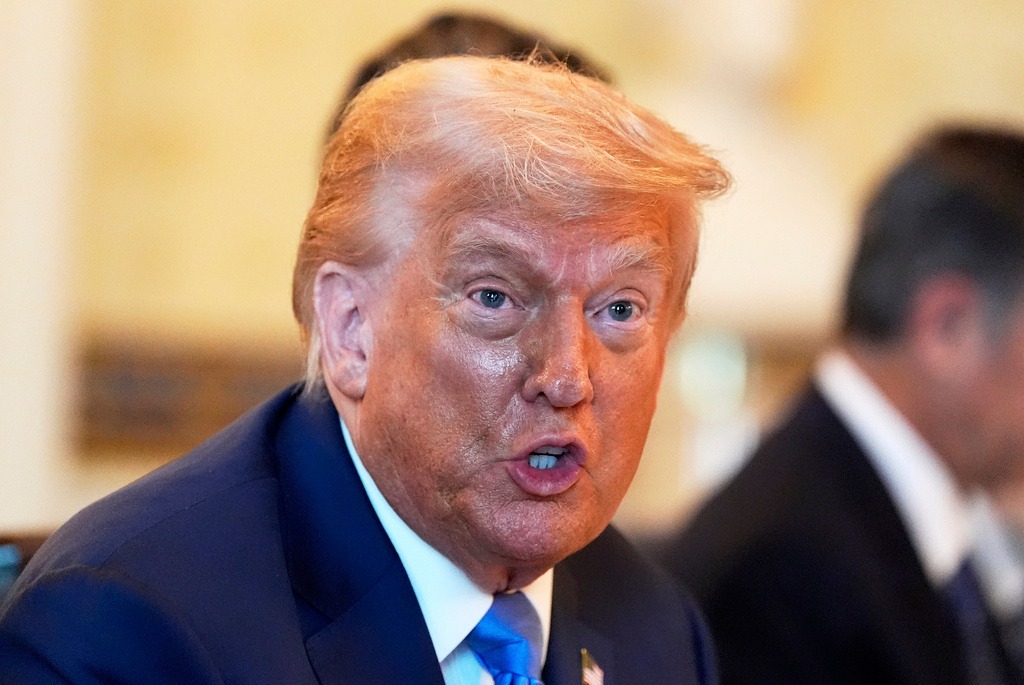
President Donald Trump speaks during a meeting with Israel’s Prime Minister Benjamin Netanyahu in the Blue Room of the White House, Monday, July 7, 2025, in Washington. (AP Photo/Alex Brandon)

The letter warns that any retaliatory tariff increases by Thailand will be added directly to the 36% base rate, creating a potential spiral of trade restrictions.

Trump offered an exemption path, stating there will be “no Tariff if Thailand, or companies within your Country, decide to build or manufacture product within the United States,” promising rapid approval processes “in a matter of weeks.

trumptariff letter

Thailand’s Strategy and Position

Responding to the tariff threat, Pichai speaking at Government House on Tuesday morning, emphasized that Thailand’s proposal aims to achieve competitive parity with trade competitors, noting that the 36% rate doesn’t apply universally and can be adjusted by product category.

The US has announced 2-3 categories for different countries: those with suitable existing rates will maintain the status quo, countries exceeding 40% will see reductions to 40%, while nations like South Korea and Japan that previously submitted proposals will be regrouped for reassessment.

“Therefore, we need to work harder during this period,” Pichai said. He is confident that the tax rate will put Thailand in the same group as our trade competitors, allowing Thai exports to compete. As for the new proposals Thailand had submitted, such proposals typically contain many items, and FTAs (Free Trade Agreements) already cover them at a 0% rate.

AP25092737492542
President Donald Trump speaks during an event to announce new tariffs in the Rose Garden at the White House, Wednesday, April 2, 2025, in Washington. (AP Photo/Mark Schiefelbein)

BRICS Partnership Clarification

Addressing concerns about Thailand’s BRICS partnership status potentially affecting US relations, Pichai dismissed such worries, explaining that Thailand joined as an observer to learn and must maintain relationships with all parties in an evolving global landscape.

Negotiation Approach and Timeline

When pressed about specific timelines, Pichai acknowledged that the US will determine the response schedule, emphasizing that while Thailand cannot set deadlines, the government remains committed to continuing negotiations through the August 1 deadline.

Backup Plans and Market Response

The government has developed comprehensive contingency plans regardless of the final tariff outcome, including support measures for affected businesses and utilizing various funding sources beyond economic stimulus budgets. Acknowledging stock market concerns, Pichai noted that similar situations affect all US trading partners and stressed the importance of clear communication to restore investor confidence.

____________

Advertisement

Thailand Partners with Interpol to Fight Cambodia-Based Scam Networks

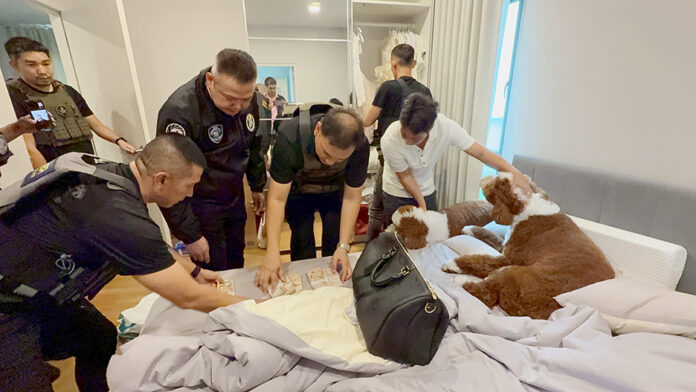
Thai police conduct coordinated raids on 19 locations across Bangkok, Samut Prakan, and Chonburi provinces on July 8, 2025, targeting the criminal empire of Kok An, known as the "Godfather of Poipet.

BANGKOK — Thailand has taken decisive action against transnational cybercrime syndicates with two major developments: establishing a dedicated “War Room” with Interpol to coordinate regional enforcement efforts and dismantling the criminal empire of the “Godfather of Poipet” through coordinated raids that seized 27 million baht ($831K) in assets.

In a dramatic escalation of enforcement efforts, Thai police conducted coordinated raids on 19 locations across Bangkok, Samut Prakan, and Chonburi provinces on Tuesday, targeting the criminal empire of Kok An, a close confidant of former Cambodian Prime Minister Hun Sen and known as the “Godfather of Poipet.”

Operation Against Kok An

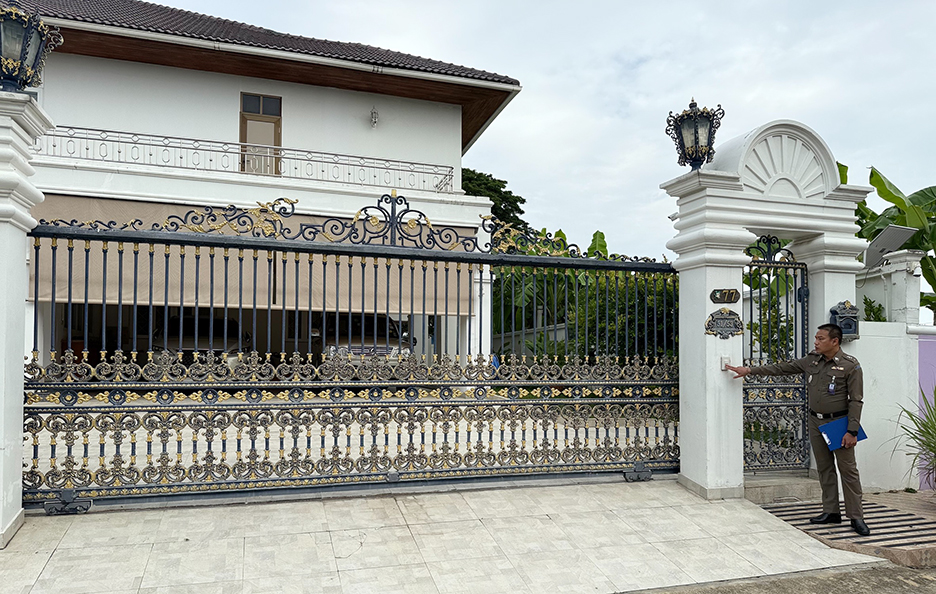
The operation, dubbed “Shut Down Money Mule Accounts, Hunt Khmer Capital,” resulted in the seizure of numerous luxury vehicles and the freezing of 27 million baht ($831,200) in assets. Authorities executed search warrants at key locations, including a residential estate in Bang Phli, Samut Prakan Province, seeking evidence against Kok An, who allegedly owns the Crown Casino Resort complex in Poipet—a 25-story building that serves as a major call center base for transnational fraud operations.

The raids were authorized under CCIB Order No. 172/2568, dated June 26, 2025, which established an investigative committee to probe cases involving transnational criminal organizations.

kok an3
Thai police conduct a coordinated raid at a luxury house in Soi Chalem Phra Kiat Rama 9, Prawet District, Bangkok on July 8, 2025, targeting the criminal empire of Kok An, known as the “Godfather of Poipet.”

These networks have established operational centers across various locations in Poipet, Cambodia, including the 25-story building, 18-story building, HISO building, and Crown Casino, conducting sophisticated online scams including hybrid fraud schemes, call center operations, and money laundering through cryptocurrency and money mule accounts.

Human Trafficking Component

The criminal enterprise has been particularly devastating in its exploitation of Thai workers, luring them into working as money mules and forcing them to undergo facial recognition scans to confirm transactions. Reports indicate instances of unlawful detention of individuals abroad, highlighting the human trafficking component of these operations.

International Partnership

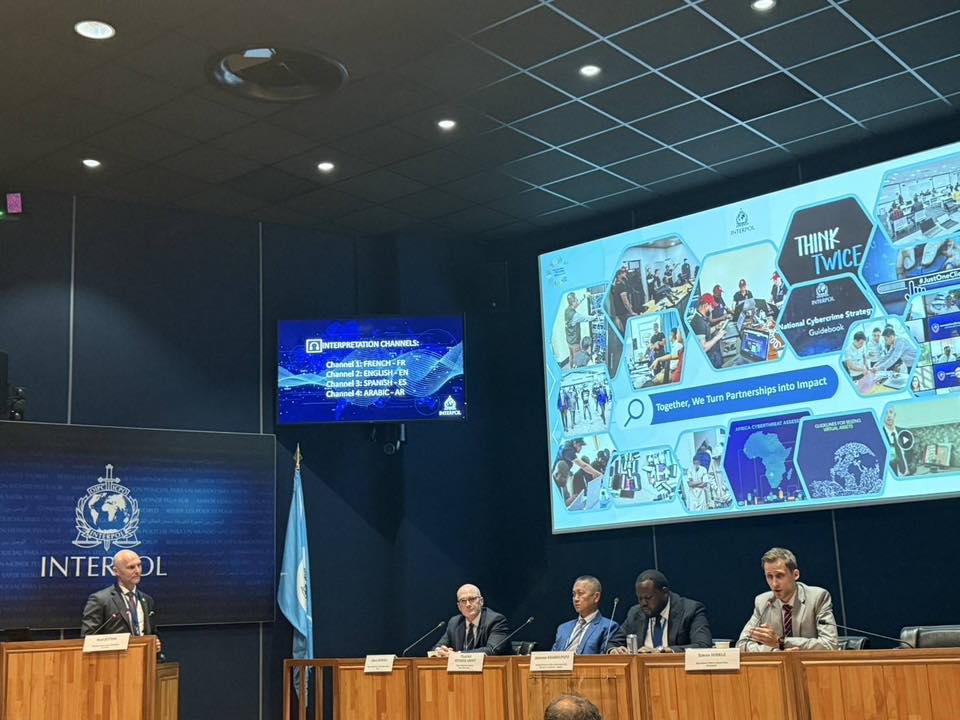
The enforcement action comes as Thailand simultaneously launches a major international initiative in partnership with Interpol to combat these syndicates on a regional scale. On July 2, 2025, a high-level Thai delegation led by Police General Thatchai Pitaneelaboot visited Interpol headquarters in Lyon, France, where they presented compelling evidence of the crisis’s scope to top officials including Cyril Gout, Executive Director of Police Services, and Abdulaziz Obaidalla, Director of External Relations and Regional Support.

The scale of the problem is staggering: according to the United Nations Office on Drugs and Crime (UNODC), the revenue generated by these criminal activities equals over 60% of Cambodia’s national income, demonstrating the entrenched nature of these operations and their massive economic impact across the region.

interpol cybercrime
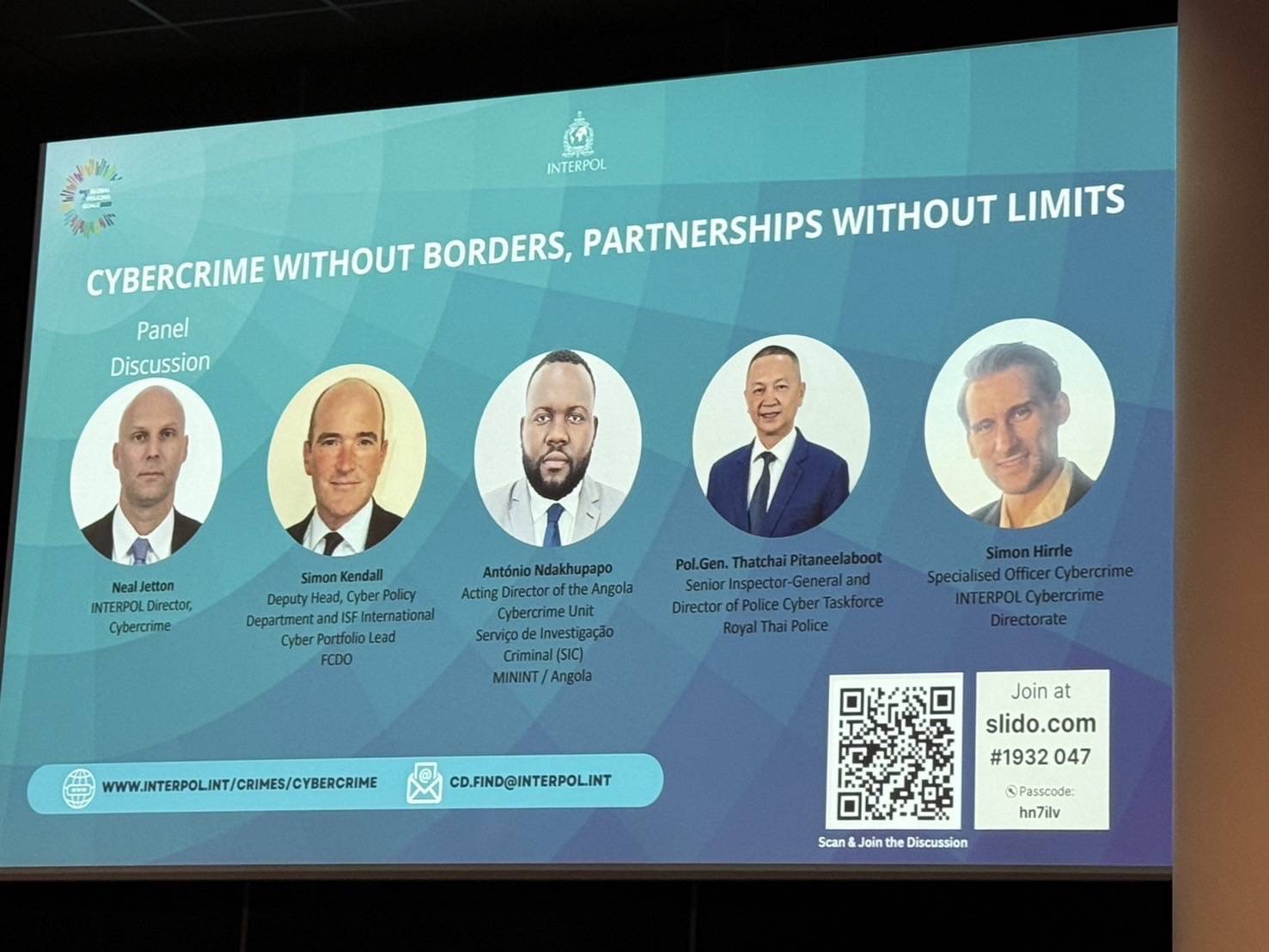
Police General Thatchai Pitaneelaboot (center), Deputy Commissioner of the Royal Thai Police, in his capacity as Director of the Technology Crime Suppression Center, and Director of the Special Operations Center for Combating Technology Crime and Human Trafficking Affecting Border Security with Neighboring Countries, along with the Head of the UNODC Anti-Call Center Crime and Human Trafficking Task Force, participated in the Cybercrime Without Borders meeting at Interpol headquarters in Lyon, France, on July 2, 2025.

War Room Initiative

In response to Thailand’s presentation, Interpol has committed its full support, pledging advanced tools, intelligence analysis, and strategic operational planning. Most significantly, Interpol will dispatch specialist officers to staff a newly established “Thailand Cyber Scam and Human Trafficking Incident Management War Room” in Bangkok.

This War Room represents a key policy initiative of the Thai government, positioning Thailand as a regional hub for coordinating multinational efforts against syndicates operating from neighboring countries. The facility will serve as a real-time strategic center for global intelligence sharing, enabling rapid suspect tracking and swift freezing of illicit funds while adapting to criminals’ evolving tactics.

“By leveraging Interpol’s global network of 196 member countries, including both Thailand and Cambodia, we can provide internationally-backed support to Cambodian law enforcement,” Police General Thatchai explained. “This unified front, led by Thailand, will enable decisive action to dismantle these networks.”

interpol cybercrime2
Police General Thatchai Pitaneelaboot, Deputy Commissioner of the Royal Thai Police, in his capacity as Director of the Technology Crime Suppression Center, Royal Thai Police, and Director of the Special Operations Center for Combating Technology Crime and Human Trafficking Affecting Border Security with Neighboring Countries, along with the Head of the UNODC Anti-Call Center Crime and Human Trafficking Task Force, participated in the Cybercrime Without Borders meeting at Interpol headquarters in Lyon, France, on July 2, 2025.

Strategic Goals

  • The Thai government has set ambitious targets for the War Room initiative:
  • Reduce call center and human trafficking-related crime in Thailand by over 50% within three months
  • Prevent criminals from using Thailand as a transit route to neighboring countries

The War Room is scheduled to become fully operational by the end of July 2025, marking a significant escalation in both global and regional efforts to combat transnational cyber scam and human trafficking syndicates.

The coordinated approach reflects the sophisticated nature of these criminal networks, which operate with structured divisions of labor across multiple nationalities and have inflicted massive economic and social damage throughout Southeast Asia. Thai cyber police are expected to hold a press conference later today to announce additional details about the ongoing investigation and seized assets.

_______________

Advertisement

Trump Sets 25% Tariffs on Japan and South Korea, and New Import Taxes on 12 Other Nations

FILE - Shoppers shop electric rice cookers imported from Japan and Korea at the H Mart in Niles, Ill., April 3, 2025. (AP Photo/Nam Y. Huh, File)

WASHINGTON (AP) — President Donald Trump on Monday set a 25% tax on goods imported from Japan and South Korea, as well as new tariff rates on a dozen other nations that would go into effect on Aug. 1.

Trump provided notice by posting letters on Truth Social that were addressed to the leaders of the various countries. The letters warned them to not retaliate by increasing their own import taxes, or else the Trump administration would further increase tariffs.

“If for any reason you decide to raise your Tariffs, then, whatever the number you choose to raise them by, will be added onto the 25% that we charge,” Trump wrote in the letters to Japanese Prime Minister Shigeru Ishiba and South Korean President Lee Jae Myung.

The letters were not the final word from Trump on tariffs, so much as another episode in a global economic drama in which he has placed himself at the center. His moves have raised fears that economic growth would slow to a trickle, if not make the U.S. and other nations more vulnerable to a recession. But Trump is confident that tariffs are necessary to bring back domestic manufacturing and fund the tax cuts he signed into law last Friday.

He mixed his sense of aggression with a willingness to still negotiate, signaling the likelihood that the drama and uncertainty would continue and that few things are ever final with Trump.

AP25188852930743
President Donald Trump speaks during a meeting with Israel’s Prime Minister Benjamin Netanyahu in the Blue Room of the White House, Monday, July 7, 2025, in Washington. (AP Photo/Alex Brandon)

“It’s all done,” Trump told reporters Monday. “I told you we’ll make some deals, but for the most part we’re going to send a letter.”

South Korea’s Trade Ministry said early Tuesday that it will accelerate negotiations with the United States to achieve a mutually beneficial deal before the 25% tax on its exports goes into effect.

Imports from Myanmar and Laos would be taxed at 40%, Cambodia and Thailand at 36%, Serbia and Bangladesh at 35%, Indonesia at 32%, South Africa and Bosnia and Herzegovina at 30% and Kazakhstan, Malaysia and Tunisia at 25%.

Trump placed the word “only” before revealing the rate in his letters to the foreign leaders, implying that he was being generous with his tariffs. But the letters generally followed a standard format, so much so that the one to Bosnia and Herzegovina initially addressed its woman leader, Željka Cvijanović, as “Mr. President.” Trump later posted a corrected letter.

Trade talks have yet to deliver several deals

White House press secretary Karoline Leavitt said Trump, by setting the rates himself, was creating “tailor-made trade plans for each and every country on this planet and that’s what this administration continues to be focused on.”

Following a now well-worn pattern, Trump plans to continue sharing the letters sent to his counterparts on social media and then mailing them the documents, a stark departure from the more formal practices of all his predecessors when negotiating trade agreements.

The letters are not agreed-to settlements but Trump’s own choice on rates, a sign that the closed-door talks with foreign delegations failed to produce satisfactory results for either side.

Wendy Cutler, vice president of the Asia Society Policy Institute who formerly worked in the office of the U.S. Trade Representative, said the tariff hikes on Japan and South Korea were “unfortunate.”

AP25181152380627
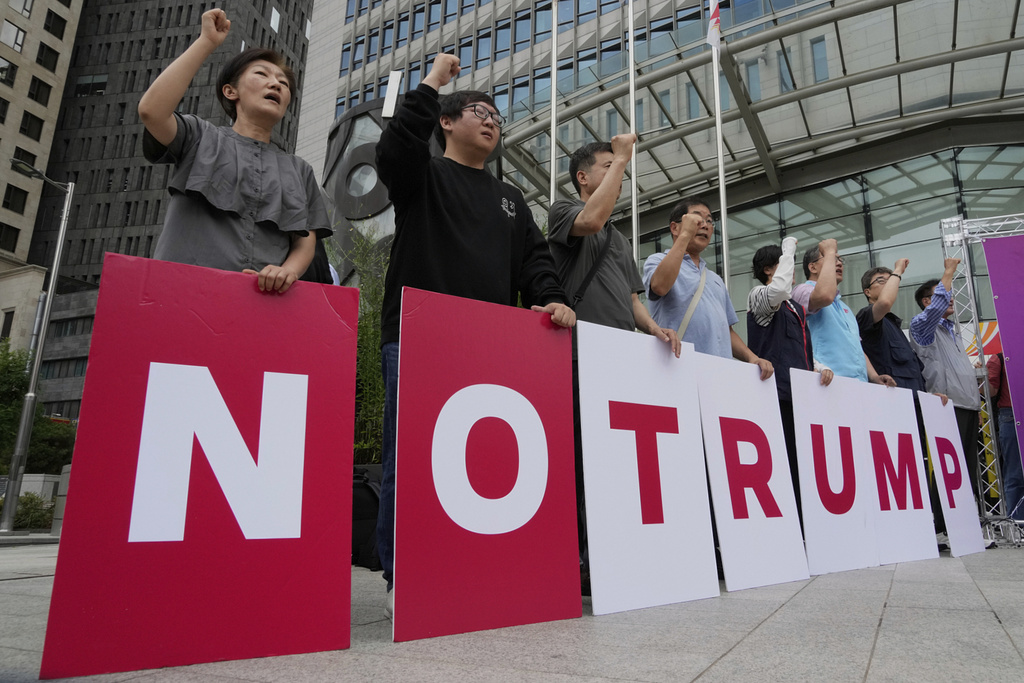
Members of civic groups stage a rally against U.S. President Donald Trump’s tariffs policy in Seoul, South Korea, Monday, June 30, 2025. (AP Photo/Ahn Young-joon)

“Both have been close partners on economic security matters and have a lot to offer the United States on priority matters like shipbuilding, semiconductors, critical minerals and energy cooperation,” Cutler said.

Trump still has outstanding differences on trade with the European Union and India, among other trading partners. Tougher talks with China are on a longer time horizon in which imports from that nation are being taxed at 55%.

The office of South African President Cyril Ramaphosa said in a statement that the tariff rates announced by Trump mischaracterized the trade relationship with the U.S., but it would “continue with its diplomatic efforts towards a more balanced and mutually beneficial trade relationship with the United States” after having proposed a trade framework on May 20.

Higher tariffs prompt market worries, more uncertainty ahead

The S&P 500 stock index was down 0.8% in Monday trading, while the interest charged on 10-year U.S. Treasury notes increased to nearly 4.39%, a figure that could translate into elevated rates for mortgages and auto loans.

Trump has declared an economic emergency to unilaterally impose the taxes, suggesting they are remedies for past trade deficits even though many U.S. consumers have come to value autos, electronics and other goods from Japan and South Korea. The constitution grants Congress the power to levy tariffs under normal circumstances, though tariffs can also result from executive branch investigations regarding national security risks.

Trump’s ability to impose tariffs through an economic emergency is under legal challenge, with the administration appealing a May ruling by the U.S. Court of International Trade that said the president exceeded his authority.

AP25105161731099
Vehicles for export are parked at a port in Pyeongtaek, South Korea, Tuesday, April 15, 2025. (AP Photo/Lee Jin-man)

It’s unclear what he gains strategically against China — another stated reason for the tariffs — by challenging two crucial partners in Asia, Japan and South Korea, that could counter China’s economic heft.

“These tariffs may be modified, upward or downward, depending on our relationship with your Country,” Trump wrote in both letters.

Because the new tariff rates go into effect in roughly three weeks, Trump is setting up a period of possibly tempestuous talks among the U.S. and its trade partners to reach new frameworks.

“I don’t see a huge escalation or a walk back — it’s just more of the same,” said Scott Lincicome, a vice president at the Cato Institute, a libertarian think tank

Trump initially roiled the financial markets by announcing tariff rates on dozens of countries, including 24% on Japan and 25% on South Korea. In order to calm the markets, Trump unveiled a 90-day negotiating period during which goods from most countries were taxed at a baseline 10%. So far, the rates in the letters sent by Trump either match his April 2 tariffs or are generally close to them.

AP25093750834831
Cars line the BNSF Railway vehicle storage facility at the Port of Richmond on Thursday, April 3, 2025, in Richmond, Calif. (AP Photo/Noah Berger)

The 90-day negotiating period technically ends Wednesday, even as multiple administration officials suggested the three-week period before implementation is akin to overtime for additional talks that could change the rates. Trump signed an executive order Monday to delay the official tariff increases until Aug. 1.

Congressionally approved trade agreements historically have sometimes taken years to negotiate because of the complexity.

Administration officials have said Trump is relying on tariff revenues to help offset the tax cuts he signed into law on July 4, a move that could shift a greater share of the federal tax burden onto the middle class and poor as importers would likely pass along much of the cost of the tariffs. Trump has warned major retailers such as Walmart to simply “eat” the higher costs, instead of increasing prices in ways that could intensify inflation.

Josh Lipsky, chair of international economics at The Atlantic Council, said a three-week delay in imposing the tariffs was unlikely sufficient for meaningful talks to take place.

“I take it as a signal that he is serious about most of these tariffs and it’s not all a negotiating posture,” Lipsky said.

Trade gaps persist, more tariff hikes are possible

Trump’s team promised 90 deals in 90 days, but his negotiations so far have produced only two trade frameworks.

His outline of a deal with Vietnam was clearly designed to box out China from routing its America-bound goods through that country, by doubling the 20% tariff charged on Vietnamese imports on anything traded transnationally.

The quotas in the signed United Kingdom framework would spare that nation from the higher tariff rates being charged on steel, aluminum and autos, though British goods would generally face a 10% tariff.

The United States ran a $69.4 billion trade imbalance in goods with Japan in 2024 and a $66 billion imbalance with South Korea, according to the Census Bureau. The trade deficits are the differences between what the U.S. exports to a country relative to what it imports.

According to Trump’s letters, autos would be tariffed separately at the standard 25% worldwide, while steel and aluminum imports would be taxed on 50%.

This is not the first time Trump has tangled with Japan and South Korea on trade — and the new tariffs suggest his past deals made during his first term failed to deliver on his administration’s own hype.

In 2018, during Trump’s first term, his administration celebrated a revamped trade agreement with South Korea as a major win. And in 2019, Trump signed a limited agreement with Japan on agricultural products and digital trade that at the time he called a “huge victory for America’s farmers, ranchers and growers.”

Trump has also said on social media that countries aligned with the policy goals of BRICS, an organization composed of Brazil, Russia, India, China, South Africa, Egypt, Ethiopia, Indonesia, Iran and the United Arab Emirates, would face additional tariffs of 10%.

___

Advertisement

Thailand Produces Its Own Targeted Cancer Drug “Imcranib 100”

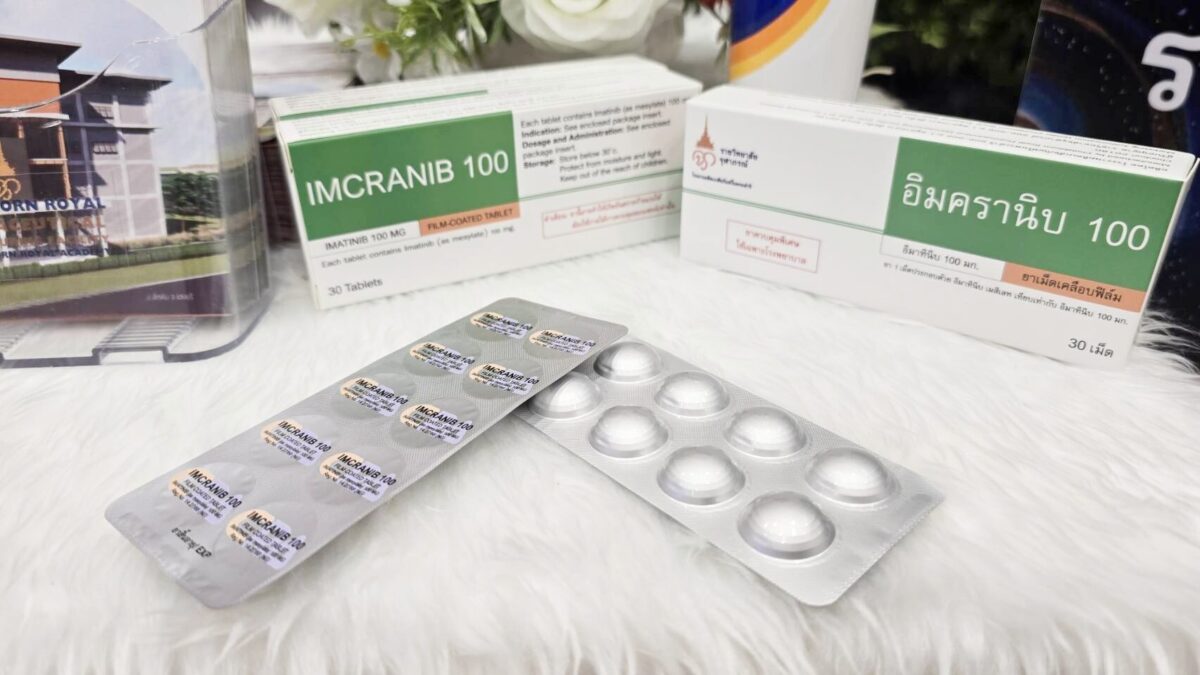
Imcranib 100
“Imcranib 100” is a drug for targeted therapy that inhibits the activity of tyrosine kinase enzymes, which are responsible for the growth and spread of cancer cells.

BANGKOK“Imcranib 100”, the first targeted cancer drug in tablet form developed and produced in Thailand, is the result of the research and development work of Her Royal Highness Princess Chulabhorn Krom Phra Srisavangavadhana.

Chulabhorn Hospital announced on July 5 that Her Royal Highness Princess Chulabhorn has established a strategic policy for cancer research and drug development that places a strong emphasis on holistic patient care. An important part of this initiative is the development of targeted cancer therapies that inhibit the activity of tyrosine kinases, enzymes involved in the growth of cancer cells.

The new drug with proven high efficacy is used to treat various types of cancer. It is highly regarded by oncologists as it delivers strong therapeutic results with fewer side effects than conventional chemotherapy.

The first targeted cancer drug produced in Thailand in tablet form, “Imcranib 100″, contains 100 mg of the active ingredient imatinib. It received official drug approval on 20 May 2025 from the Thai Food and Drug Administration (FDA), which reports to the Ministry of Public Health, and is now available for cancer treatment.

Imcranib 100 1
Chulabhorn Hospital announces that Her Royal Highness Princess Chulabhorn has established a strategic policy for cancer research and drug development that places a strong emphasis on holistic patient care.

Effective Against Multiple Cancer Types

“Imcranib 100” is a drug for targeted therapy that inhibits the activity of tyrosine kinase enzymes, which are responsible for the growth and spread of cancer cells. The drug effectively controls the disease while minimising side effects compared to conventional chemotherapy. It is approved for the treatment of various types of cancer, including:

  • Chronic myeloid leukaemia (CML)
  • Philadelphia chromosome-positive acute lymphoblastic leukaemia (Ph+ ALL)
  • Gastrointestinal stromal tumours (GIST)
  • Dermatofibrosarcoma protuberans (DFSP), a rare skin cancer

Although “Imatinib 100” is already covered by Thai health insurance for several diseases, certain indications and disease stages are still excluded. Domestic production aims to remove these restrictions by extending the scope to all approved indications. This would improve disease control, reduce suffering and significantly improve patients’ quality of life.

Imcranib 1003
“Imcranib 100” is the first targeted cancer drug in tablet form developed and produced in Thailand.

The Cancer Centre at Chulabhorn Hospital has adopted “Imcranib 100” as part of its cancer treatment programme. As a specialised cancer hospital, it acts as an important bridge between medical science and local pharmaceutical quality production by bringing state-of-the-art treatments directly to patients in a structured and systematic way.

In July, the hospital will begin rolling out the drug as part of a pilot programme supported by robust service systems, drug administration protocols and clinical outcome monitoring. The programme involves close collaboration between doctors, pharmacists and support teams to ensure both efficacy and safety, and to put patients’ interests first.

This achievement is not only a boon to the Thai people, helping to alleviate the suffering caused by cancer, but also a milestone in building expertise in drug formulation, production, quality control, quality assurance, pharmacological testing and regulatory affairs.

It significantly enhances Thailand’s capabilities in pharmaceutical manufacturing, technology and human resources, paving the way for the development and production of future cancer treatments. Ultimately, it is a step forward to ensure the country’s long-term pharmaceutical self-sufficiency.

_________

Advertisement

China Challenges Dalai Lama’s Reincarnation Plans on His 90th Birthday

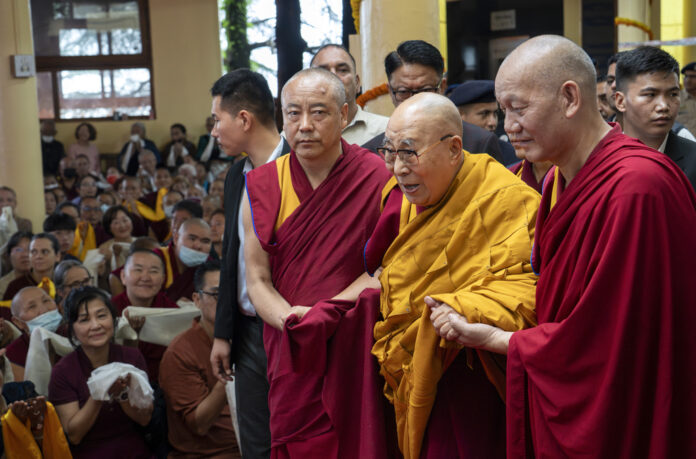
Tibetan spiritual leader the Dalai Lama, in yellow robe, is helped by attendant monks as he arrives to preside over an event during which Tibetan exiles prayed for his longevity, a day before his 90th birthday, in Dharamshala, India, Saturday, July 5, 2025.(AP Photo/Ashwini Bhatia)

The Dalai Lama turned 90 on Sunday, surrounded by thousands of followers who thronged the Himalayan town of Dharamshala, where the spiritual leader of Tibetan Buddhism has been living in exile since fleeing Chinese rule in Tibet in 1959, the Associated Press reported.

Sitting before a packed audience that included hundreds of red-robed monks and nuns who braved incessant rain to see him, he said: “When I look back on my life, I see that I have not wasted it at all.”

“I live my life in the service of other sentient beings,” he added.

The birthday celebration capped a week of festivities during which the Nobel Peace Prize winner said he plans to reincarnate after his death, ending years of speculation that he might be the last person to hold the role. He also said that the next Dalai Lama should be chosen and recognized according to traditional Buddhist practices.

China, which views the Dalai Lama as a separatist, has repeatedly said that it alone has the authority to approve the next spiritual leader of Tibetan Buddhism. Beijing has also stated it will reject anyone chosen without its consent.

The Xinhua News Agency published an article by Li Decheng, deputy director-general of the China Tibetology Research Center and a research fellow, reinforcing Beijing’s position on the matter.

Li stated that the reincarnation of Living Buddhas has never been decided by the reincarnated individuals themselves, and is by no means merely an internal religious matter, nor is it solely the “unique predestined bond” claimed by the 14th Dalai Lama. Instead, he argued, it reflects national sovereignty, governmental authority, religious principles, and the sentiments of lay followers.

I. The Reincarnation of Dalai Lamas Has Never Been Decided by Reincarnated Individuals

The reincarnation of Tibetan Buddhist Living Buddhas has never been decided by the reincarnated individuals themselves. This principle applies particularly to the Dalai Lama reincarnation lineage. The established Dalai Lama reincarnation system commenced with the third Dalai Lama, Sonam Gyatso, while the religious community posthumously recognized the first and second Dalai Lamas.

Historical records, such as the biography of the third Dalai Lama, Sonam Gyatso, document his birth near Lhasa (present-day Doilungdeqen District of Lhasa) in 1543 and the subsequent observation of auspicious signs that led to his identification as a reincarnated candidate. In 1544, disciples of the late Gendun Gyatso of Drepung Monastery visited Sonam Gyatso. They verified the reincarnation through tests such as asking the child to identify a Buddha statue and a rosary belonging to Gendun Gyatso.

After years of investigation by eminent religious monks and with the approval of the leader of the Phagmodrupa local government in Tibet at the time, a formal enthronement ceremony was held in 1547 for Sonam Gyatso at Drepung Monastery, where he was recognized as the “Drepung Living Buddha.” The Desi (chief minister) of the Phagmodrupa government presided over the ceremony and issued official proclamations.

These facts clearly demonstrate that the Drepung Living Buddha was identified and established through collective religious rituals and procedures by eminent monks from monasteries of the Gelug sect of Tibetan Buddhism in Lhasa, with the approval of the local government of Tibet.

In 1578, Sonam Gyatso was granted the honorific title “Dalai Lama Vajradhara, All-knowing Holiness” by Altan Khan, leader of the Mongol Tumet tribe, who had been bestowed the title of Prince Shunyi by the Ming Dynasty government. This was the first time the Drepung Living Buddha had been referred to as the Dalai Lama.

The fourth Dalai Lama, Yonten Gyatso, was a great-grandson of Altan Khan. With the support of the Mongol Tumet tribe, a delegation from the three major monasteries of Lhasa traveled to Inner Mongolia in 1592 to investigate his identity. After obtaining the approval of the Phagmodrupa Desi and King Nampar Jeva of Tsang, his enthronement ceremony was held at Raiqen Monastery in 1603.

The fifth Dalai Lama, Ngawang Lobsang Gyatso, was selected by the Gelug sect monastic group at Raiqen Monastery in 1622 from three reincarnated candidates through a lot-drawing procedure and approved for enthronement by the local government of Tibet. The procedure for recognizing the fifth Dalai Lama has meaningful relevance to the later system of drawing lots from the golden urn, which was implemented by the Qing Dynasty (1644-1911) government.

In Tibet’s history, there was a period when three different individuals were regarded as the sixth Dalai Lama, which reflected the complex and intertwined disputes in Tibet at the time. At the request of the Gelug sect monastic group and the local government of Tibet, the Qing Dynasty central government successively recognized Tsangyang Gyatso, Yeshe Gyatso, and Kelsang Gyatso as the sixth Dalai Lama. Kelsang Gyatso passed away in 1757. In 1762, with the approval of the Qing Dynasty government, his reincarnation, Jampel Gyatso, was enthroned at the Potala Palace.

It was not until 1780, when the sixth Panchen Lama traveled to Chengde to offer birthday greetings to the Qianlong Emperor and reported on the matter, that the emperor accepted the appeals from the Panchen Lama and other Tibetan Buddhist leaders to officially recognize Jampel Gyatso as the eighth Dalai Lama. In 1781, when the Qianlong Emperor formally conferred the title of the eighth Dalai Lama, he simultaneously affirmed Kelsang Gyatso as the seventh Dalai Lama and Tsangyang Gyatso as the sixth. This marked a direct clarification and ordering of the Dalai Lama reincarnation lineage from the perspective of the central government, highlighting the central government’s authority in managing the issue of the Dalai Lama’s reincarnation.

To prevent individuals from exercising arbitrary power and ensure the sanctity and purity of the reincarnation process, the golden urn lot-drawing system was implemented in 1793. From then on, the identification of reincarnations for both the Dalai Lama and the Panchen Erdeni was carried out either through drawing lots from the golden urn or through special exemptions granted by the central government. Historically, the 9th, 13th, and 14th Dalai Lamas were exempted from the golden urn lot-drawing process by special approval of the central government, while the 10th, 11th, and 12th Dalai Lamas were recognized through the golden urn lot-drawing ceremony. All the aforementioned Dalai Lamas were formally approved by the central government.

These historical facts fully demonstrate that the reincarnations of successive Dalai Lamas have always been sought and identified through religious procedures by the Gelug sect monastic community, with the approval of the government. There has never been a case where the decision was made solely by the reincarnated individual.

II. The Reincarnation of Living Buddhas Follows Rigorous Historical Conventions and Rules—It Is Not Subject to Individual Decision

The system of reincarnation for Living Buddhas has evolved over more than 700 years, forming a comprehensive set of religious rituals, historical conventions, and relevant principles that are strictly observed by all sects of Tibetan Buddhism. Among these, the principles and rules concerning reincarnation must be given due importance.

(1) The Reincarnation of Living Buddhas Must Adhere to the Principle of Government Oversight

The formation of the Living Buddha reincarnation system is inextricably linked to the support of the central government. As such, a key aspect of the system is that the final authority for approving a reincarnated successor rests with the government. From the perspectives of national sovereignty and governmental authority, the central government exercises an approval and conferral system for the reincarnations of influential Living Buddhas. This reflects the state’s sovereignty over regions such as Tibet and its authoritative role in the recognition of reincarnations. It embodies the principle that the state is above religion, with political authority taking precedence over religious authority, and that religious followers are citizens first and foremost. It also reflects the principle that religions will prevail with the support of the state.

Historically, the system of Living Buddha reincarnation was established and developed precisely through conferral and approval by the central government. The reincarnation of Living Buddhas, especially those of significant influence, has always been incorporated into the scope of government administration.

In 1334, Emperor Shun of the Yuan Dynasty (1271-1368) conferred the title “Yuantong Zhufa Xingkong Buddha Karmapa (the Buddha who perfectly comprehends the emptiness of the nature of all phenomena)” upon Rangjung Dorje—the first Living Buddha in Tibetan Buddhism to be officially recognized—who was later confirmed as the Third Karmapa. Rangjung Dorje was also granted an imperial edict, the seal of State Preceptor, and other honors. Through this conferment, his legitimate status as a reincarnated Living Buddha was formally recognized by the Yuan Dynasty central government, and the “Karmapa” title was officially sanctioned for use and succession. The imperial recognition also transformed the reincarnation of Living Buddhas from a spontaneous folk practice into a system with legitimacy, laying the foundation for the institutional development of the reincarnation system of Living Buddhas.

The title of the Dalai Lama reincarnation system was also conferred and confirmed by the central government. After Sonam Gyatso was enthroned at the Drepung Monastery in 1547, the Ming Dynasty government dispatched envoys to Qinghai in 1579 to grant him the title “Huguo Hongjiao Chanshi (state-protecting, dharma-promoting Zen master),” along with a seal, an edict, and a monastic robe. This confirmed and recognized the legitimacy of his status as a reincarnated Living Buddha and the reincarnation system by the central government.

In 1653, the fifth Dalai Lama, Ngawang Lobsang Gyatso, was summoned to Beijing to meet the Shunzhi Emperor of the Qing Dynasty. The Qing Dynasty government conferred upon him the title “the Dalai Lama, Overseer of the Buddhist Faith on Earth under the Great Benevolent Self-subsisting Buddha of the Western Paradise,” and granted him a golden certificate and golden seal.

Thus, “Dalai Lama” officially became the exclusive title of this reincarnation system, and his status in Tibet’s religious sphere was formally recognized by the central government. From then on, it became customary for each successive Dalai Lama to be officially confirmed by the central government after reincarnation.

Historically, the reincarnation of Living Buddhas, especially those of great influence, was subject to government approval and oversight. The establishment of the Dalai Lama reincarnation system was not the decision of any individual, but rather was approved by local authorities. Throughout history, each successive Dalai Lama was recognized, approved, and enthroned with the consent of both local and central governments.

(2) The Reincarnation of Living Buddhas Must Follow the Principle of Management According to Law

Managing religious affairs in accordance with the law is a universal practice that has been observed throughout history and around the world. Managing the reincarnation of Living Buddhas in accordance with the law is an important aspect of China’s administration of religious affairs. Managing religious affairs in accordance with the law involves matters related to state interests and public interests; it does not constitute interference in the internal affairs of religion. Once the reincarnation system of Living Buddhas was established, it came under the framework of legal management. During the Yuan and Ming dynasties, the central government’s system of conferring titles upon grand Living Buddhas embodied the spirit and principles of the rule of law. The Qing Dynasty government promulgated the Imperially Approved Ordinance for the Better Governance of Tibet (29-Article Ordinance), based on which the eighth Dalai Lama issued a proclamation for the Year of the Water Buffalo. Both stipulated detailed provisions for implementing the golden urn lot-drawing system. The Nationalist Government, the then central authorities of China, promulgated regulations on the reincarnation of Lamas, under which the reincarnation and recognition of the 13th and 14th Dalai Lamas were completed. In 2007, the Chinese government issued the Measures on the Management of the Reincarnation of Living Buddhas in Tibetan Buddhism, which clearly stipulated that reincarnations of Living Buddhas of different levels of influence must be approved by different government departments.

Managing the reincarnation of Living Buddhas in accordance with the law is a concrete embodiment of the universal spirit of the rule of law. Sakyamuni urged his disciples to strictly abide by the laws of the king, and true Buddhist followers should never disregard national laws or consider themselves beyond the jurisdiction of the law. Therefore, individual wishes must be subject to state law, and the reincarnation of Living Buddhas must not disregard national laws under the pretext of “religious affairs” or “the personal wishes of the reincarnated.”

(3) The Reincarnation of Living Buddhas Must Adhere to the Principle of Confirmation Through Dharma

Buddhism has always advocated “following the dharma, not individuals,” meaning that internal Buddhist affairs must be handled according to Buddhist principles rather than personal wishes—and the reincarnation of Living Buddhas is no exception.

According to Tibetan Buddhist views and the practice of “divine judgment of the true reincarnation,” the confirmation of a reincarnation’s true identity is not determined by the personal wishes of the reincarnated individual or by others, but follows religious rituals and historical conventions through applying the principle of doctrinal determination.

Tibetan Buddhism holds that a Living Buddha reincarnates into the world to uphold the dharma, fulfill the Bodhisattva vow, and bring salvation. Therefore, when confirming a reincarnation, drawing lots from the golden urn before the Buddha and relying on the Buddha’s compassionate blessings and enlightened determination is regarded as the most sacred, solemn, and impartial method.

Methods like drawing lots from the golden urn embody the doctrine of “the Buddha’s decision through dharma.” They cannot be manipulated by individuals, much less decided by the personal will of the reincarnated individual. As the saying goes, “real gold does not fear the test of fire.”

(4) The Reincarnation of Living Buddhas Must Follow the Principle of Respecting the Sentiments of Lay Followers

From the perspective of lay followers, Tibetan Buddhism holds that Buddhas manifest in this world out of compassion, never abandoning sentient beings, and returning by the power of their vows. In the reincarnation of Living Buddhas, the “sentient beings” they do not abandon are not a vague or broad concept, but specifically the devoted followers—the religious community.

The “vows” refer to the aspirations to attain enlightenment, practice the Bodhisattva path, and deliver sentient beings. In the process of reincarnation, the target of these vows is precisely the Tibetan Buddhist faithful. Thus, the reincarnation of a Living Buddha occurs in response to the needs of the believers. The majority of Tibetan Buddhist believers reside in China, specifically within regions where Tibetan Buddhism is practiced.

Therefore, in practice, reincarnated Living Buddhas do not abandon their followers or the land that nurtures them, and can only reincarnate within China, rather than in places where Tibetan Buddhism is not traditionally practiced.

Thus, decisions about whether to reincarnate and where to reincarnate must respect the sentiments and wishes of the lay followers, and cannot be decided solely by the reincarnated individual. Precisely out of respect for the sentiments of the faithful, the Measures on the Management of the Reincarnation of Tibetan Buddhist Living Buddhas stipulate that “the request of the majority of local believers and monastery management organizations for reincarnation” is a fundamental condition for reincarnation.

Conclusion

In summary, there has never been a precedent in the history of Tibetan Buddhism, including the reincarnations of successive Dalai Lamas, where the reincarnated individual alone decides the matter. Since the establishment of the reincarnation system of Living Buddhas, it has consistently adhered to and respected principles and traditions of government oversight, management according to law, confirmation through doctrinal determination, and respect for the sentiments of the faithful. There is simply no basis for the reincarnated individual alone to decide the matter, and any attempt to politicize the reincarnation of Living Buddhas will ultimately prove futile.


Advertisement

CARAT 2025 Kicks Off with US, Canadian, Thai Naval Exercise

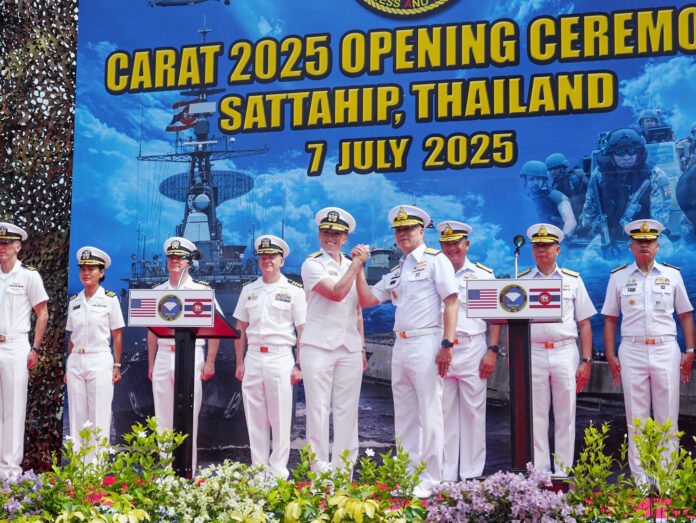
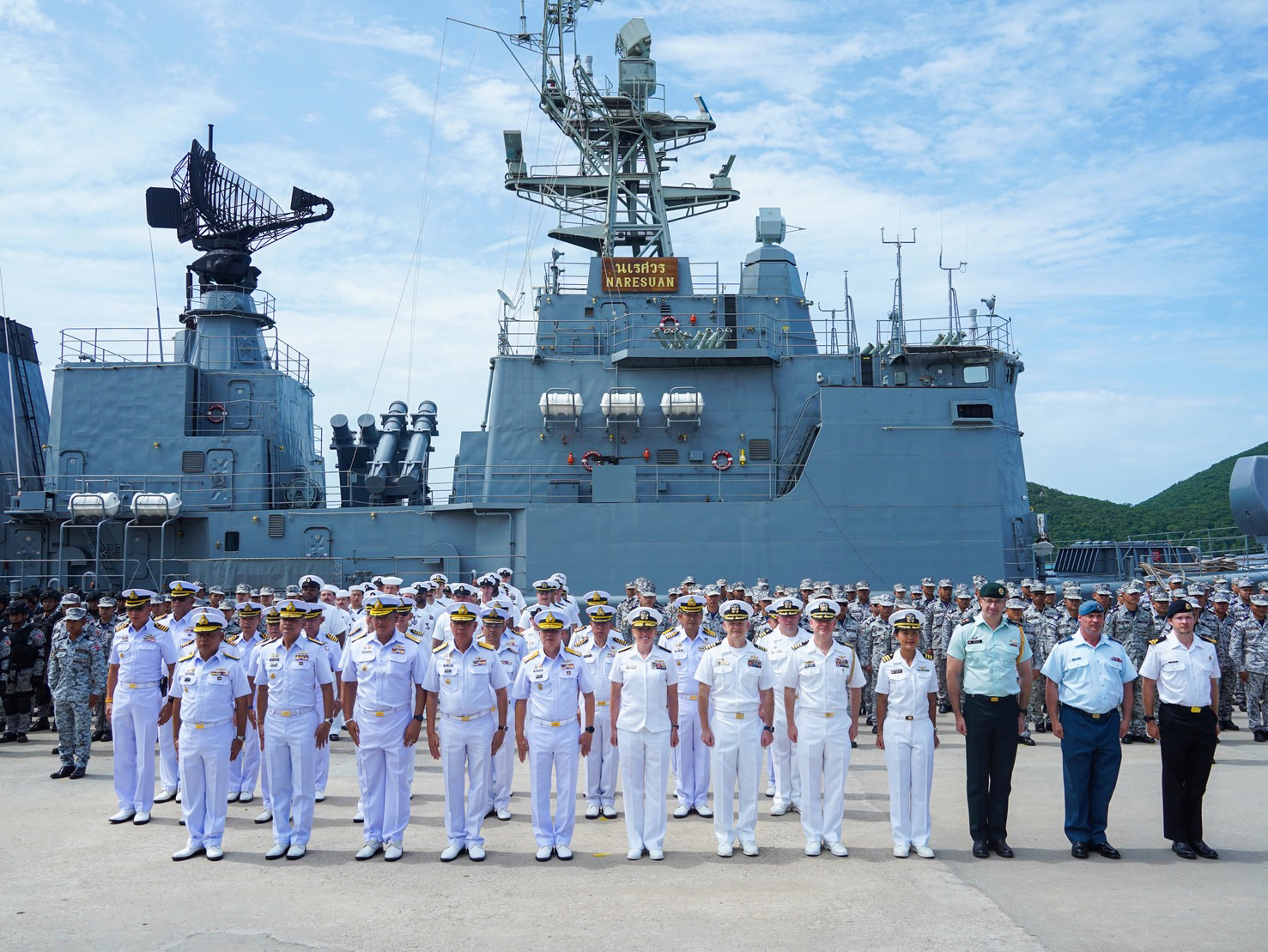
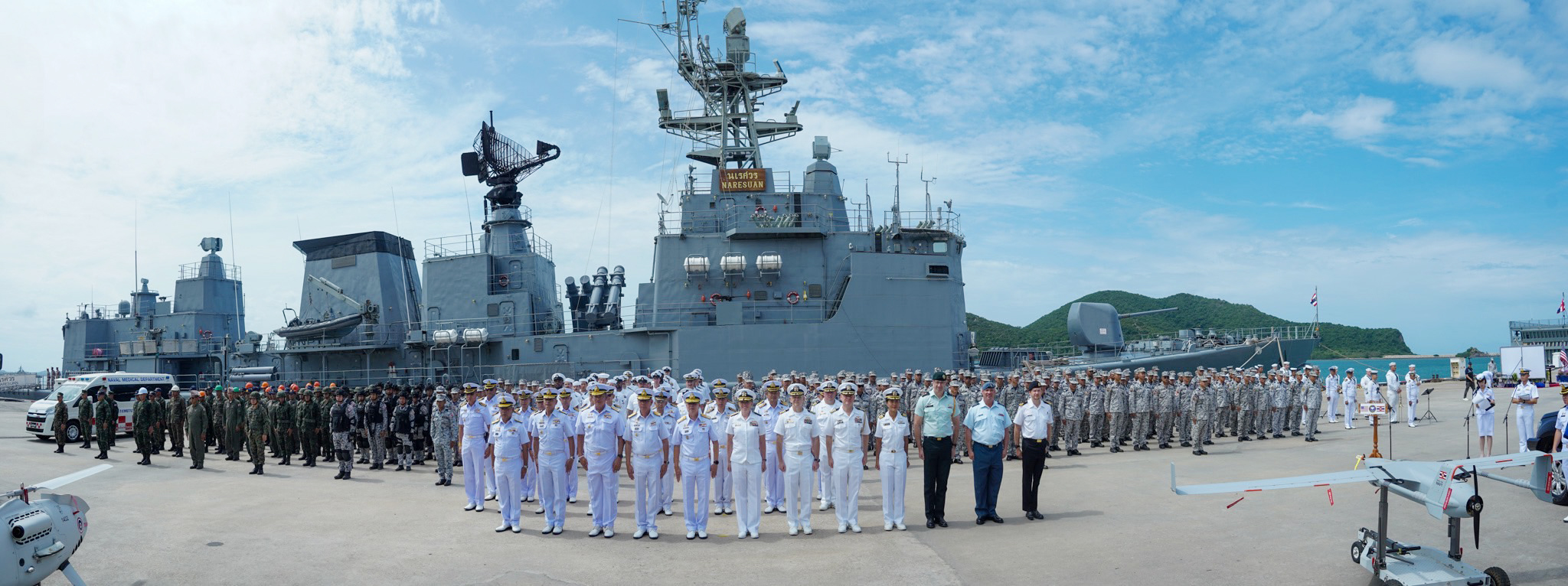
The U.S. Navy, Royal Thai Navy, and Royal Canadian Navy attend an opening ceremony for the 31st Cooperation Afloat Readiness and Training (CARAT) Thailand 2025 exercise in Sattahip, Chonburi Province, on July 7, 2025.

CHONBURI — Naval forces from the United States, Thailand, and Canada launched their 31st annual Cooperation Afloat Readiness and Training (CARAT) Thailand exercise Monday with an opening ceremony in Sattahip, Chonburi Province, marking another milestone in Indo-Pacific maritime security cooperation.

The bilateral exercise, which will take place both ashore and at sea in the Gulf of Thailand, brings together the USS Santa Barbara (LCS 32), an Independence-variant littoral combat ship with an embarked MH-60S Seahawk helicopter, alongside three Royal Thai Navy vessels: the Naresuan-class frigate HTMS Naresuan (FFG 421), Chao Phraya-class frigate HTMS Saiburi (FFG 458), and Rattanakosin-class corvette HTMS Rattanakosin (CVT 441).

The Royal Canadian Navy is contributing a visit, board, search and seizure (VBSS) team to participate in boarding operations training during the exercise.

carat2025 2
The U.S. Navy, Royal Thai Navy, and Royal Canadian Navy attend an opening ceremony for the 31st Cooperation Afloat Readiness and Training (CARAT) Thailand 2025 exercise in Sattahip, Chonburi Province, on July 7, 2025.
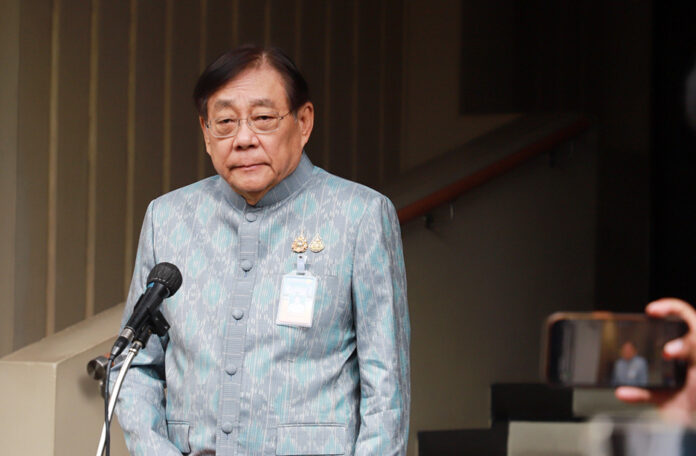
“This year, as we operate alongside our Royal Thai and Royal Canadian Navy partners, we reaffirm our commitment to strengthening maritime security cooperation and fostering a more stable and prosperous Indo-Pacific region,” said Captain Matt Scarlett, commodore of Destroyer Squadron 7 and head of the U.S. delegation.

The maritime training component will focus on anti-submarine warfare exercises, air defense drills, and surface action group coordination. Additional training events include mine countermeasures and search and rescue operations, designed to enhance interoperability between the participating navies.

Admiral Nuttapol Diewvanich, Commander-in-Chief of the Royal Thai Fleet, emphasized the exercise’s broader strategic importance. “CARAT helps all participants build partnerships, gain regional experience, and promote stability in the Indo-Pacific,” he said. “The exercise fosters strong military relationships and mutual understanding between the Royal Thai Navy and U.S. Navy.”

Beyond the complex maritime maneuvers, CARAT Thailand includes significant shore-based activities aimed at strengthening relationships between the participating forces. These include a sports day, community service projects, and public performances featuring exchanges between U.S. and Thai navy bands.

carat2025 3
The U.S. Navy, Royal Thai Navy, and Royal Canadian Navy attend an opening ceremony for the 31st Cooperation Afloat Readiness and Training (CARAT) Thailand 2025 exercise in Sattahip, Chonburi Province, on July 7, 2025.

The exercise also incorporates classroom-based subject matter expert exchanges covering maritime domain awareness, medicine, and at-sea explosive ordnance disposal, providing practical education opportunities for participating personnel.

“Beyond the complex maritime exercises, CARAT Thailand is about building lasting relationships between our navies and our people,” Scarlett noted. “From joint training at sea to community engagement events ashore, we are strengthening the bonds of friendship and mutual understanding that underpin our strong alliance with Thailand.”

CARAT Thailand serves as a key component of broader regional security cooperation efforts, designed to maintain and strengthen maritime partnerships while enhancing interoperability between allied naval forces. The exercise series has been running for over three decades, consistently adapting to address evolving maritime security challenges in the Indo-Pacific region.

Destroyer Squadron 7, the U.S. Navy’s forward-deployed squadron in Southeast Asia, serves as the primary tactical and operational commander of littoral combat ships rotationally deployed to Singapore. The squadron functions as part of the 7th Fleet, the U.S. Navy’s largest forward-deployed numbered fleet, which routinely operates with allies and partners throughout the Indo-Pacific region.

The exercise underscores the continued commitment of participating nations to maintaining a free and open Indo-Pacific, with naval cooperation serving as a cornerstone of regional stability and security.

____________

Advertisement

Australian Tourist Found Dead After Massage Session on Koh Samui

massage
The room where the body of a 43-year-old Australian man was found dead, lying on the bed with his legs hanging down to the floor, at a massage parlor in Bo Phut Subdistrict, Koh Samui District, Surat Thani Province on July 7, 2025.

KOH SAMUI — An Australian man died at a Thai massage parlor on Koh Samui in the early hours of Monday morning after staff heard him snoring while sleeping following his massage. When they later tried to wake him, they discovered he had died.

Police from Bo Phut Station on Koh Samui, Surat Thani Province, investigated the foreign national’s death at a Thai massage parlor in Bo Phut Subdistrict after receiving a report at 7:00 a.m. on July 7. They coordinated with doctors from Koh Samui Hospital to conduct an autopsy on the deceased, identified as Christopher, a 43-year-old Australian from Brisbane.

Ms. Premyupa, 47, who first discovered the body, led officials to examine the second floor of an extended building containing four adjacent rooms measuring 2 meters wide by 3 meters long, each equipped with beds for traditional Thai massage.

The Australian man was found dead in room 4 from the entrance, lying on the Thai massage bed with his body positioned diagonally across the bed, both legs hanging down to the floor, and still wearing his glasses.

Premyupa stated that at approximately 12:10 a.m. on July 7, the Australian man walked to the shop alone without shoes. He requested traditional Thai massage services, choosing a relaxing oil massage for one hour at 400 baht, which she completed according to the scheduled time and received full payment.

After receiving payment, she left to serve other customers. The Australian customer said he wanted to rest on the massage bed, so she left for about 10 minutes before returning. She found the customer sleeping and decided not to wake him, then went out to massage other clients. Around 4:00 a.m., she could still hear his snoring.

At approximately 6:20 a.m., she came to wake him and found the Australian customer unconscious. She quickly called other staff members for help and contacted the hospital emergency vehicle, but the attending medical personnel informed her that he had already died. She then reported the incident to police.

Police stated they must await autopsy results to determine the cause of death. Preliminary information indicates he was traveling in Thailand with his wife but walked alone from his nearby accommodation to the massage parlor.

______________

Advertisement

Hot News

LATEST NEWS

Bangkok
overcast clouds
33.5 ° C
35 °
31.1 °
73 %
4kmh
100 %
Mon
34 °
Tue
34 °
Wed
35 °
Thu
31 °
Fri
30 °