35 C
Bangkok
Monday, June 8, 2026
Home Blog Page 305

“Glow And Renew” at W Bangkok With Exclusivd Ordeva Facial

Bangkok, Thailand: Marriott Bonvoy®, Marriott International’s award-winning travel program and marketplace, is giving its members the chance to shine in Bangkok with an exclusive new Marriott Bonvoy Moments™ wellness package at W Bangkok!

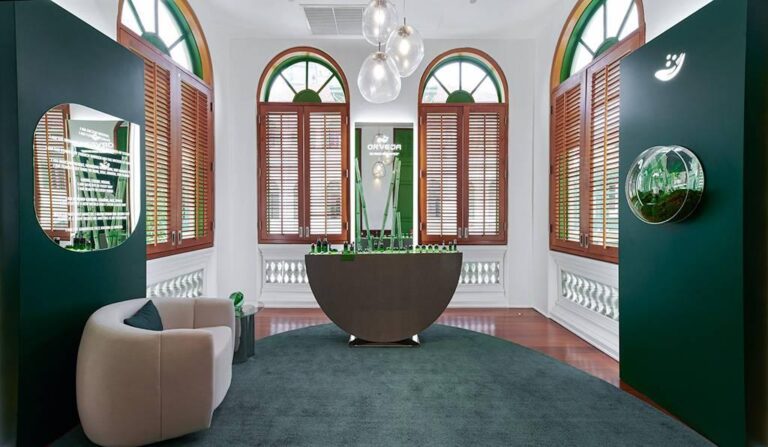
The “Glow & Renew at W Bangkok” package is a money-can’t-buy experience crafted in partnership with Orveda, the French bio-tech skincare brand which is rooted in sustainability. Marriott Bonvoy members can now treat themselves to a luxurious wellness weekend in the heart of Bangkok, including a stylish stay in W Bangkok’s vibrant 84-square meter Supreme Suite, which is perched on the hotel’s higher floors and frames spectacular skyline views.

Travelers can elevate their urban escape with a 60-minute “Glow is the New Lift” facial treatment at The House on Sathorn, W Bangkok.Powered by Orveda’s innovative bio-tech products, this high-performance facial combines the latest spa technology with a gentle yet potent formula to enhance radiance, firm the skin, and smooth uneven lines. Designed for two guests, this is the ultimate experience for wellness-seeking couples, friends or family members who want to reconnect in style.

image2 10

After a comfortable night in the ultra-chic Supreme Suite, which features a standalone bathtub, a comfy leather sofa, and a wide-screen TV for complete relaxation, guests can kickstart the next day with a fantastic breakfast at The Kitchen Table.

Two Marriott Bonvoy Moments packages are available; checking in Friday 25 July or Saturday 26 July 2025. To secure this blissful Marriott Bonvoy Moments package, please click here and place your bid no later than 4 July 2025. Bids start from just 88,500 points!

Offering more than a hotel stay, Marriott Bonvoy encompasses an exceptional portfolio of over 30 brands and 10,000 destinations, an award-winning travel program, and an unparalleled array of experiences that connect members to the people, places and passions they love.

For more information about Marriott Bonvoy Moments, please visit moments.marriottbonvoy.com.

Advertisement

Two Foreign Tourist Fall Incidents in Pattaya-Phuket

Police from Pattaya City Station photograph the scene where an elderly Korean man fell from a hotel in the Na Jomtien area late Sunday night, July 5, 2025.

PATTAYA/PHUKET — Two separate incidents involving foreign tourists falling from heights occurred within close proximity of each other, with one fatality in Pattaya and one serious injury in Phuket.

In the first incident, Police from Pattaya City Station’s Khong Dong Tan sub-station, along with rescue volunteers, responded to a report at 10:00 PM on July 6th at a 3-star, 9-story hotel with a rooftop in the Jomtien Beach area of Pattaya.

The deceased, identified as Mr. Oh, a 70-year-old South Korean national staying on the 5th floor, fell from height and struck a wall before hitting the ground beside the building. Hotel security personnel were first to hear the loud impact sound and immediately notified authorities. The investigation remains ongoing.

In the second incident, Police from Phuket City Station received a report at 9:20 PM of a foreign man jumping from the 3rd floor of a company dormitory on Luang Pho Road, Talad Yai Subdistrict. The severely injured individual was identified as Maksim, a 27-year-old Russian national, who was transported to Vachira Phuket Hospital.

russian fall1
A 27-year-old Russian national, who fell from the third-floor balcony of a building and was seriously injured, was transported to Vachira Phuket Hospital on July 6, 2025.
russian fall2
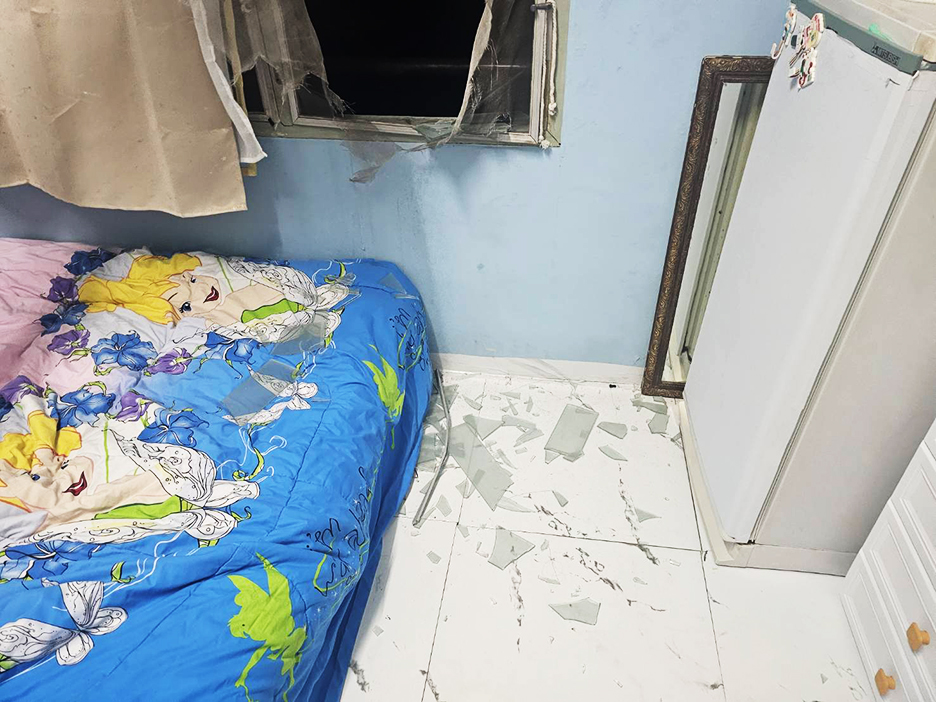
Broken glass from the shattered window scattered around the corner of the Thai woman’s room, which was broken into by a delusional Russian man before he jumped from the balcony and was seriously injured on July 6, 2025.

Preliminary investigations revealed that Maksim was in a delusional state when he climbed to the 3rd floor of the company dormitory, where a Thai woman was resting in her room. He smashed the window with his hands and broke into the room, causing the female occupant to flee in panic.

Maksim subsequently removed his clothing and left it near the woman’s room before running to the dormitory balcony. He grabbed the balcony railing and jumped from the 3rd floor.

Investigation showed he normally resided in another dormitory in the same area. His passport indicates his permitted stay in Thailand expires on August 25, 2025. Authorities have contacted the Russian Embassy to inform them of the incident.

_____________

Advertisement

Pressure from Trump for Trade Deals Before Wednesday Deadline

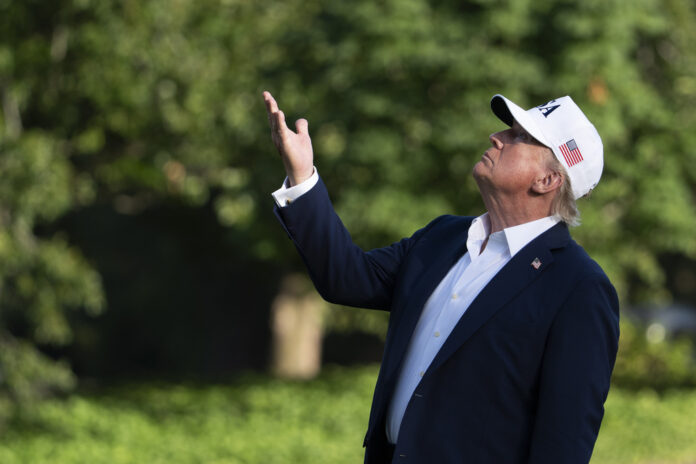
President Donald Trump looks up at the American flag on the flagpole on the South Lawn as he arrives at the White House, Sunday, July 6, 2025, in Washington. (AP Photo/Manuel Balce Ceneta)

WASHINGTON (AP) — The Trump administration is stepping up pressure on trading partners to quickly make new deals before a Wednesday deadline, with plans for the United States to start sending letters Monday warning countries that higher tariffs could kick in Aug. 1.

That furthers the uncertainty for businesses, consumers and America’s trading partners, and questions remain about which countries will be notified, whether anything will change in the days ahead and whether President Donald Trump will once more push off imposing the rates. Trump and his top trade advisers say he could extend the time for dealmaking but they insist the administration is applying maximum pressure on other nations.

Kevin Hassett, director of the White House National Economic Council, told CBS’ “Face the Nation” on Sunday that Trump would decide when it was time to give up on negotiations.

“The United States is always willing to talk to everybody about everything,” Hassett said. “There are deadlines, and there are things that are close, so maybe things will push back past the deadline or maybe they won’t. In the end the president is going to make that judgment.”

Stephen Miran, the chair of the White House Council of Economic Advisers, likewise said countries negotiating in good faith and making concessions could “sort of, get the date rolled.”

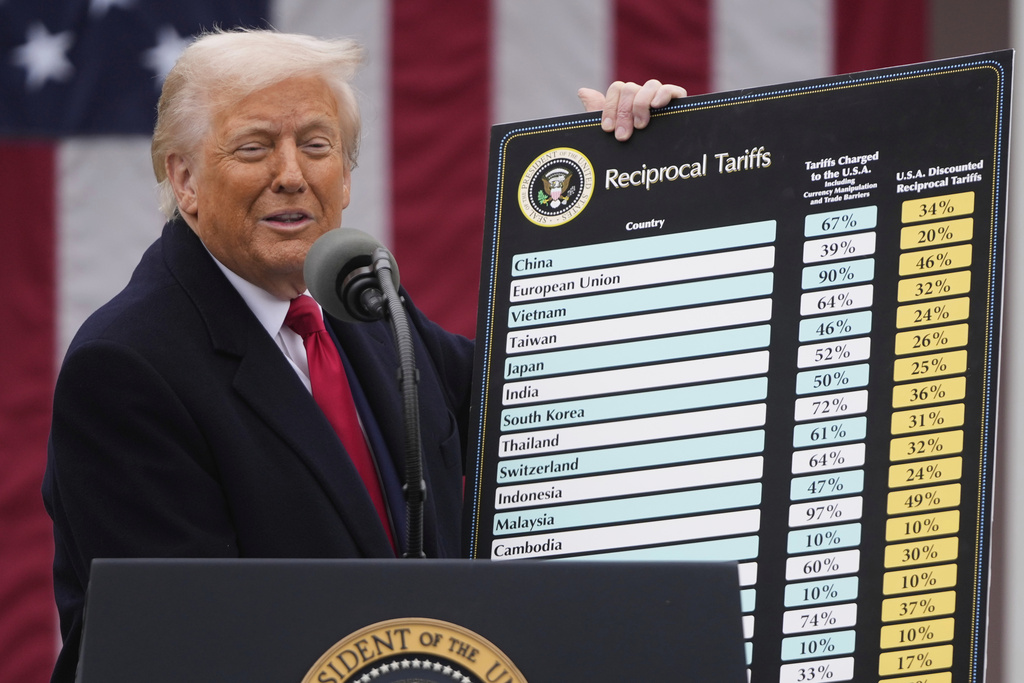
The steeper tariffs that Trump announced April 2 threatened to overhaul the global economy and lead to broader trade wars. A week later, after the financial markets had panicked, his administration suspended for 90 days most of the higher taxes on imports just as they were to take effect. The negotiating window until July 9 has led to announced deals only with the United Kingdom and Vietnam.

Trump imposed elevated tariff rates on dozens of nations that run meaningful trade surpluses with the U.S., and a 10% baseline tax on imports from all countries in response to what he called an economic emergency. There are separate 50% tariffs on steel and aluminum and a 25% tariff on autos.

Since April, few foreign governments have set new trade terms with Washington as the Republican president demanded.

Trump told reporters Friday that his administration might be sending out letters as early as Saturday to countries spelling out their tariff rates if they did not reach a deal, but that the U.S. would not start collecting those taxes until Aug. 1. On Sunday, he said he would send out letters starting Monday — “could be 12, could be 15” — to foreign governments reflecting planned tariffs for each.

“We’ve made deals also,” Trump told reporters before heading back to the White House from his home in New Jersey. “So we’ll get to have a combination of letters, and some deals have been made.”

He and his advisers have declined to say which countries would receive the letters.

Treasury Secretary Scott Bessent rejected the idea that Aug. 1 was a new deadline and declined to say what might happen Wednesday.

“We’ll see,” Bessent said on CNN’s State of the Union. “I’m not going to give away the playbook.”

AP25175702351888
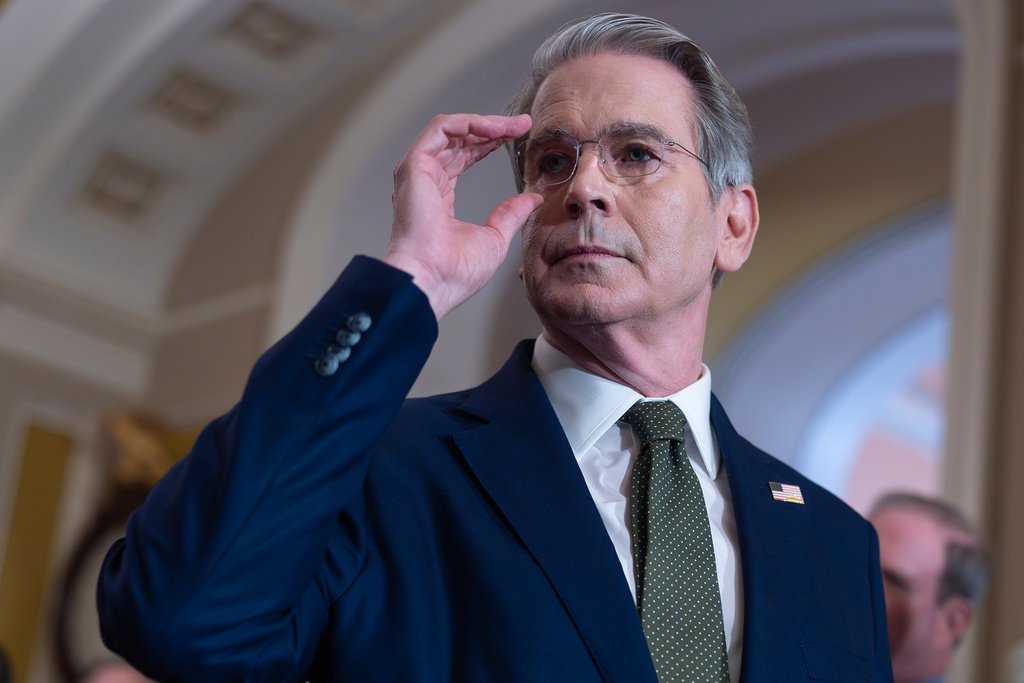
Treasury Secretary Scott Bessent talks to reporters about his lunch meeting with Republican senators and the schedule for getting the Republican megabill to President Donald Trump’s desk by July 4, at the Capitol in Washington, Tuesday, June 24, 2025. (AP Photo/J. Scott Applewhite)

He said the U.S. was “close to several deals,” and predicted several big announcements over the next few days. He gave no details.

“I think we’re going to see a lot of deals very quickly,” Bessent said.

Later Sunday, Trump vowed to impose more tariffs against the BRICS bloc of developing nations, which had condemned tariffs increases at its summit in Brazil. Trump said in a post on his social media platform that any country aligning itself with what he termed “the Anti-American policies of BRICS” would be levied an added 10% tariff.

Trump has announced a deal with Vietnam that would allow U.S. goods to enter the country duty-free, while Vietnamese exports to the U.S. would face a 20% levy.

That was a decline from the 46% tax on Vietnamese imports he proposed in April — one of his so-called reciprocal tariffs targeting dozens of countries with which the U.S. runs a trade deficit.

Asked if he expected to reach deals with the European Union or India, Trump said Friday that “letters are better for us” because there are so many countries involved.

“We have India coming up and with Vietnam, we did it, but much easier to send a letter saying, ’Listen, we know we have a certain deficit, or in some cases a surplus, but not too many. And this is what you’re going to have to pay if you want to do business in the United States.”

Canada, however, will not be one of the countries receiving letters, Trump’s ambassador, Pete Hoekstra, said Friday after trade talks between the two countries recently resumed.

“Canada is one of our biggest trading partners,” Hoekstra told CTV News in an interview in Ottawa. “We’re going to have a deal that’s articulated.”

Canadian Prime Minister Mark Carney has said he wants a new deal in place by July 21 or Canada will increase trade countermeasures.

Hoekstra would not commit to a date for a trade agreement and said even with a deal, Canada could still face some tariffs. But “we’re not going to send Canada just a letter,” he said.

___

Advertisement

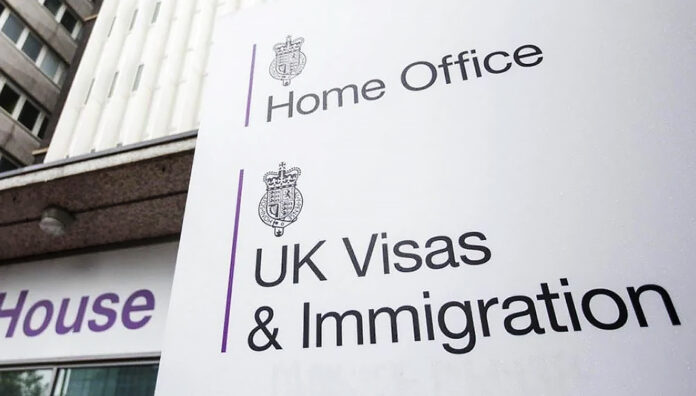
UK Visa Clampdown and Police Raid Cast Shadow Over 170 Years of Thai–UK Relations

UK Visa Clampdown and Police Raid Cast Shadow Over 170 Years of Thai–UK Relations

By Nopporn Wong-Anan

This year marks the 170th anniversary of diplomatic relations between Thailand and the United Kingdom—an occasion being celebrated with formal receptions, cultural showcases, and renewed commitments to deepen bilateral cooperation. Yet, just as both countries toast to their historic friendship, a pair of developments in the UK are dealing a blow to Thailand’s aspirations to project its soft power abroad—especially in one of its most iconic cultural exports: traditional Thai massage.

On 9 April 2025, the UK Home Office officially removed “Sports Massage Therapist” from its Skilled Worker visa eligibility list—just weeks after delisting “Thai Massage Therapist.” Under the new rules, only those already in the UK with valid work permits may renew them. New applicants are no longer eligible, regardless of their qualifications or experience.

What’s more concerning is that this visa reclassification reflects a downgrade of massage occupations to below degree-level status, signalling that these are no longer considered skilled jobs under UK immigration criteria. For thousands of Thai therapists who have trained rigorously in the healing arts of Nuad Thai, the message is clear: their profession no longer meets the UK’s threshold for skilled migration.

To compound matters, in mid-June, West Yorkshire Police and immigration officers raided Yonlada Thai Massage in Huddersfield on suspicion of illegal activity. The operation led to the arrest of two individuals on charges related to controlling prostitution and the detention of four Thai women who were found working illegally. Though the case is under investigation, sensational UK media coverage has already linked Thai massage to criminality—casting a long shadow over the thousands of legitimate Thai-owned wellness businesses operating professionally across Britain.

This is a painful irony. In 2019, UNESCO officially recognised Nuad Thai as an Intangible Cultural Heritage of Humanity, celebrating its value as a traditional healing practice passed down through generations. Yet just six years later, Thai massage is being marginalised in one of its most important overseas markets—victim to reputational damage, regulatory downgrades, and policy misalignment.

At a time when Thailand is preparing to host the Splash Soft Power Forum from 8 to 11 July to promote its cultural and creative sectors, the UK’s actions send a contradictory signal. Instead of celebration, Thai wellness professionals are facing exclusion.

One constructive path forward lies in the ongoing Thailand–UK Free Trade Agreement (FTA) negotiations. While most attention has focused on trade in goods, the FTA presents an opportunity to include labour mobility and services—paving the way for Thai massage therapists to be reinstated as recognised skilled workers under a formal bilateral framework. I personally proposed this idea to Prime Minister Paetongtarn Shinawatra during her London visit in May, where she led a business delegation to promote Thai soft power and business opportunities.

Though suspended as Prime Minister, Ms. Paetongtarn continues to serve as Minister of Culture—a role that allows her to address pressing issues through cultural policy and leadership. This position places her in a strong position to champion heritage protection and reform, ensuring that Thai traditional wellness is not only admired, but also respected and safeguarded.

Still, Thailand must also look inward. Despite their exceptional hands-on skills, many Thai therapists face barriers abroad due to limited English proficiency and a lack of international certification. If Thailand truly wants to globalise its wellness economy, it must invest in language training, accreditation, and regulatory compliance for its workforce.

Soft power only succeeds when a country’s culture is not merely appreciated but embraced. That embrace must rest on professionalism, credibility, and legal standing. The 170th anniversary of Thai–UK friendship offers more than a moment to celebrate history—it should be a catalyst to ensure Thai soft power has a place in the future.

Nopporn Wong-Anan is a former journalist who is now running a Thai massage salon in central London.

Advertisement

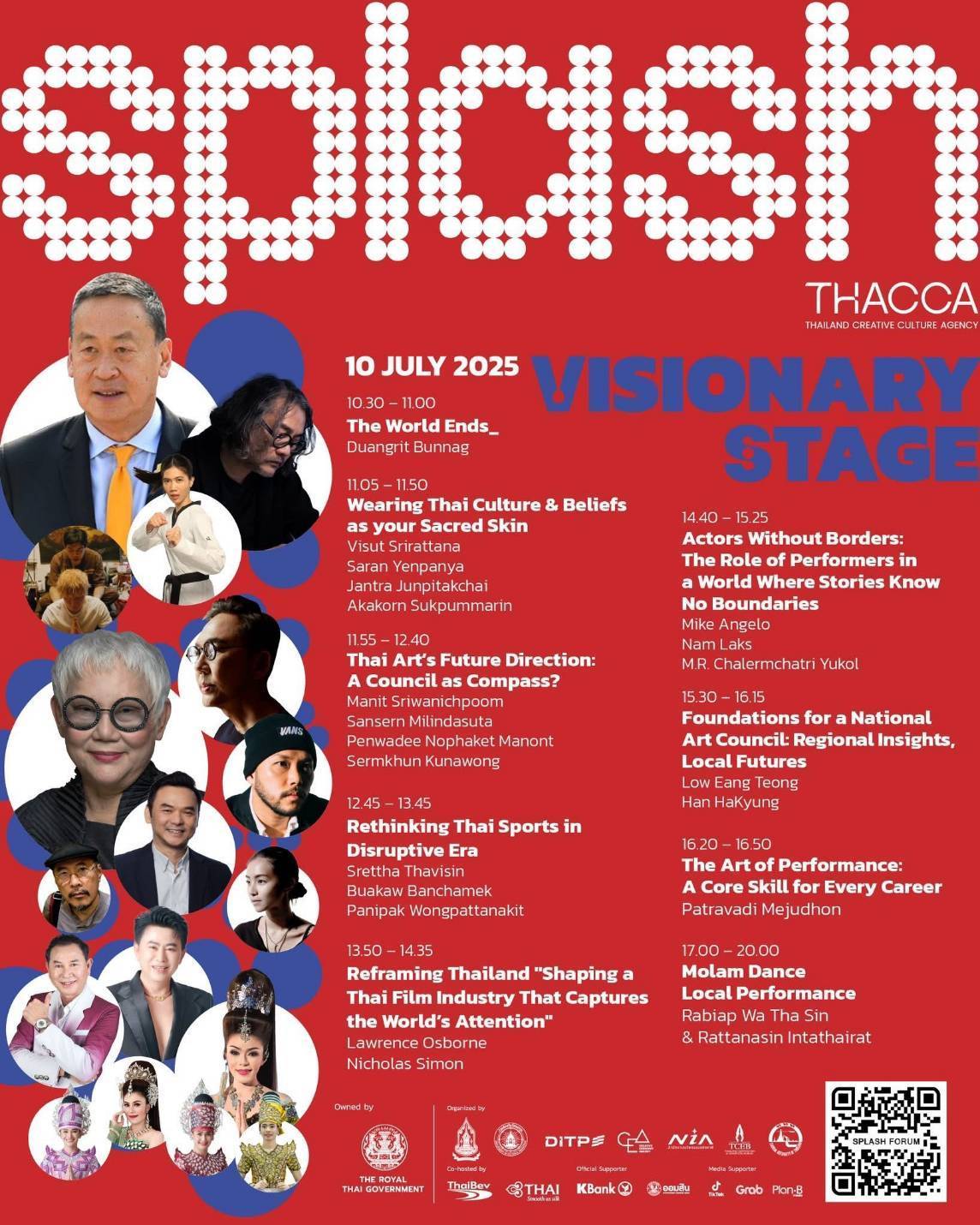
Paetongtarn to Lead Major Cultural Initiative SPLASH, Joined by Thaksin

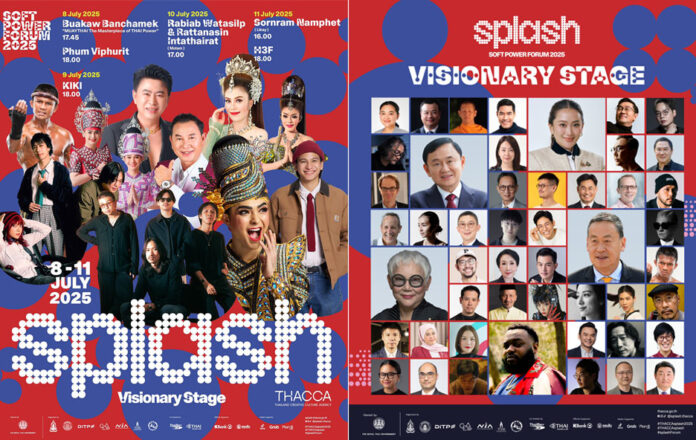
The SPLASH – Soft Power Forum 2025 will run July 8-11, 10:00 AM-8:00 PM daily at Halls 1-4 of the Queen Sirikit National Convention Center.

BANGKOK —  Despite being temporarily suspended from her duties as Prime Minister pending an ethics investigation over a leaked phone call with senior Cambodian leader Hun Sen regarding a recent border dispute, Paetongtarn Shinawatra announced she will continue working at full capacity in her role as Minister of Culture.

Her first major undertaking in this capacity will be the “SPLASH – Soft Power Forum 2025,” scheduled for July 8-11.  The Thailand Creative Culture Agency (THACCA) will host the event alongside the Ministry of Culture’s Department of Cultural Promotion, the National Soft Power Strategy Committee, government agencies, private sector partners, communities, and international networks.

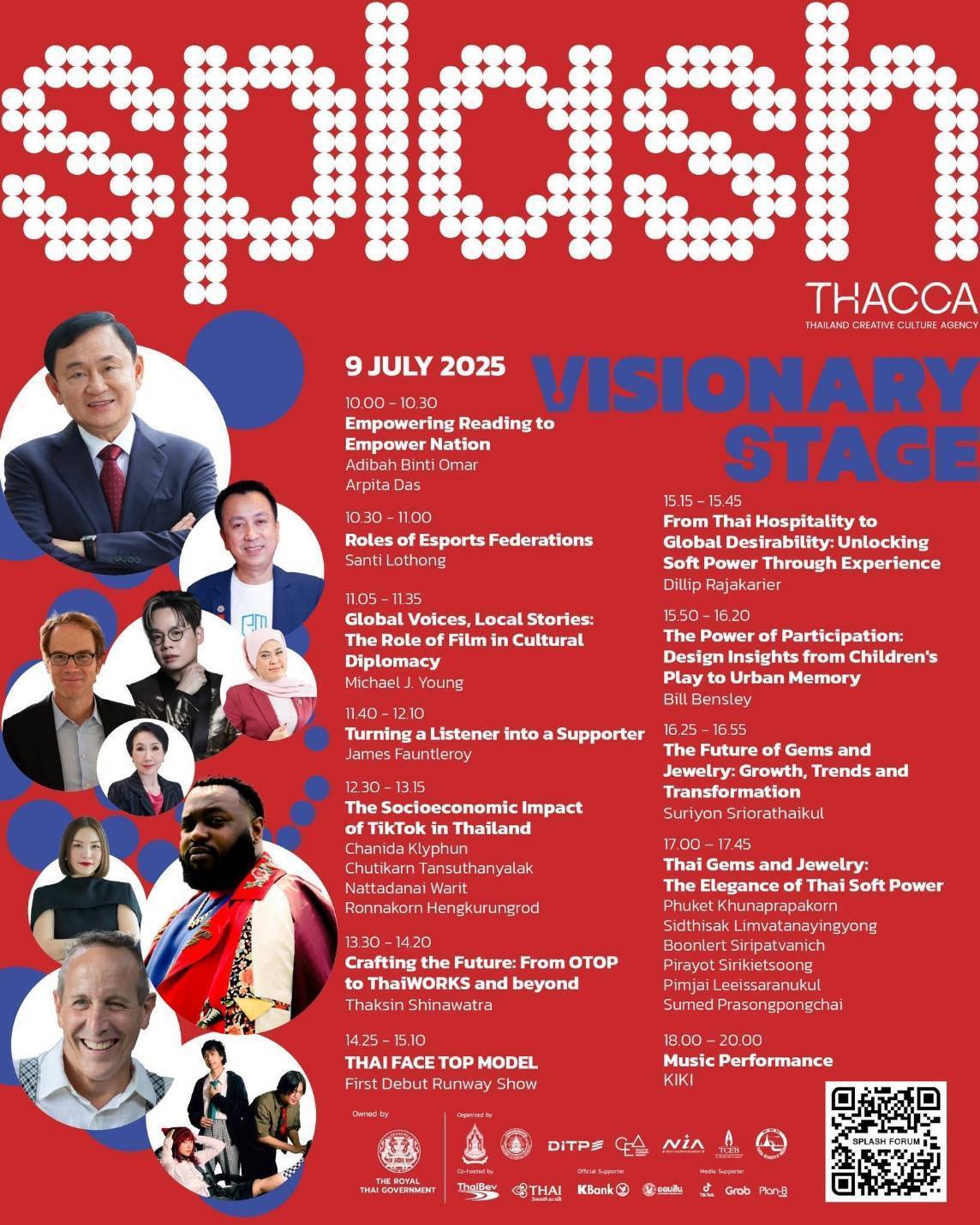
The forum will feature notable speakers including two former prime ministers close to Paetongtarn. Her father, Thaksin Shinawatra, is expected to make his first public appearance since the Cambodia diplomatic crisis erupted, when “close friend” Hun Sen launched a psychological war against the Paetongtarn government. Former Prime Minister Srettha Thavisin, who was removed from office by the Constitutional Court last year, will also participate.

splash1

Government spokesman Jirayu Huangsap announced on July 6 that the government invites citizens to join this comprehensive Thai soft power showcase under the theme “Thailand’s Opportunities in Creative Cultural Industries.”

The concept represents a “stream of opportunities” nurturing Thai cultural capital toward sustainable new economic growth, with 14 soft power sectors represented to showcase Thailand’s creative diversity while fostering dialogue on how cultural identity can generate sustainable value.

The forum will feature speakers and participants from across Asia, Europe, and the United States, offering four days of presentations, discussions, and networking opportunities.

Key Speaking Schedule:

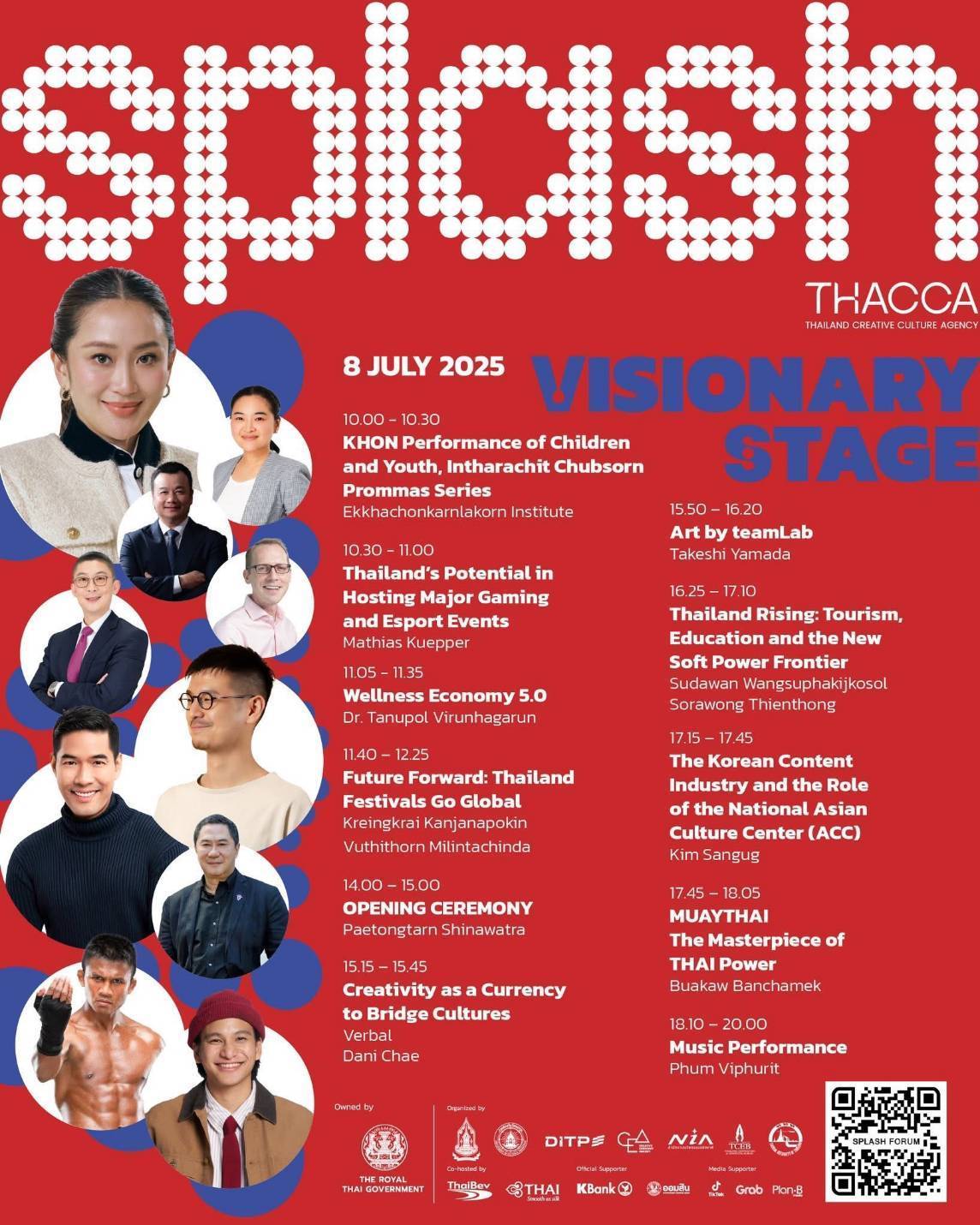
  • July 8, 2:00-3:30 PM: Prime Minister and Culture Minister Paetongtarn Shinawatra will deliver the opening address on “Thailand Rising: Tourism, Education and the New Soft Power Frontier”
  • July 9, 1:00-2:00 PM: Former PM Thaksin Shinawatra will present his vision on “Crafting the Future: From OTOP to ThaiWORKS and Beyond”
  • July 10, 12:45-1:45 PM: Former PM Srettha Thavisin will join a panel with Muay Thai superstar “Buakaw” Banchamek and Olympic gold medalist “Tennis” Panipak Wongpattanakit on “Rethinking Thai Sports in a Disruptive Era”

splash3

Six Main Exhibition Zones:

  1. Creative Culture Village – Interactive showcase of 14 Thai creative industries from food and film to music, fashion, and tourism, designed to engage younger audiences
  2. THACCA Pavilion – Knowledge center featuring strategies and tools for building Thai brands through soft power, with in-depth guidance for entrepreneurs
  3. Glo-Cal Networking – Business matching space connecting investors with Thai and international entrepreneurs to build global networks
  4. Workshop & Masterclass – Training courses under the “One Family One Soft Power (OFOS)” project, offering youth, students, and entrepreneurs direct learning opportunities with experts
  5. Experiential Zone – “Multisensory Mindfulness Experiences” technology exhibition engaging all five senses to convey new-age Thai soft power experiences
  6. Visionary Stage – Global forum stage bringing together genuine thinkers and creators to inspire the creative economy

splash2

The event will highlight how creative industries can contribute to broader economic, social, and global engagement, positioning Thai soft power as a dynamic force in international markets.

Free admission is available with advance registration at splash.thacca.go.th. The SPLASH – Soft Power Forum 2025 will run July 8-11, 10:00 AM-8:00 PM daily at Halls 1-4 of the Queen Sirikit National Convention Center.

______

Advertisement

Thai Finance Minister Denies 36% Tariff Reports Ahead of US Deadline

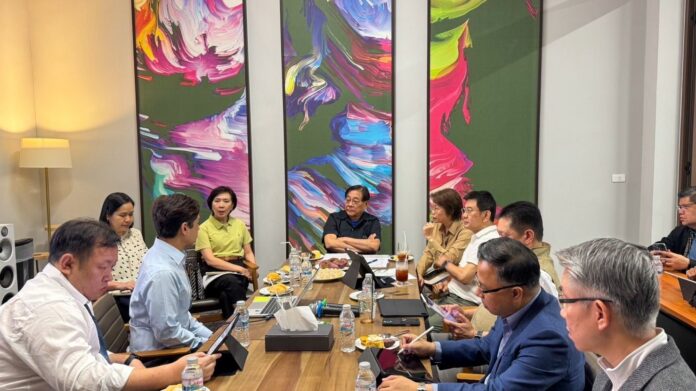
Deputy Prime Minister and Finance Minister Pichai Chunhavajira meets with the US trade policy working group on July 6, 2025.

BANGKOKDeputy Prime Minister and Finance Minister Pichai Chunhavajira dismissed rumors that the United States would impose tariffs of 36% on Thailand, stating the claims are false as negotiations continue ahead of a crucial July 9 deadline.

Speaking through the Ministry of Finance’s official page on July 6, Pichai revealed he had discussions with the US trade policy working group to refine proposals following meetings with US trade representatives. He firmly denied circulating reports that Thailand would face tariff rates of 18-36%.

“The Thai team has not yet received confirmation of what tariff rate the US will impose on Thailand,” Pichai stated. “The decision on all tariff rates will be officially announced by the US side simultaneously. We ask everyone to wait for the official results only.”

Negotiations Remain Confidential

Addressing calls for transparency regarding the negotiation details, the finance minister explained that all current discussions with relevant teams from both the US and Thailand remain confidential under negotiation agreements and protocols, as there are still issues requiring consideration.

However, he assured that the working group is committed to negotiating with Thailand’s best interests as the top priority, seeking a win-win and sustainable agreement for both countries. The expected outcome is to ensure Thailand’s economy and people remain competitive on the global stage.

“I believe that the US coming to talk with the Thai team is a positive signal. The US is still open to working with us to find a middle ground for both countries,” Pichai said.

AP25172075974812
FILE – President Donald Trump speaks during an event to announce new tariffs in the Rose Garden at the White House, on April 2, 2025, in Washington. (AP Photo/Mark Schiefelbein, File)

New Proposal Due Before July 9

Following discussions with all relevant ministries including Commerce, Finance, Industry, Foreign Affairs, Agriculture, Public Health, and the Board of Investment (BOI), “Team Thailand” will prepare a revised proposal to submit to the US before July 9.

“We hope the US will consider this in determining tariff rates that benefit Thailand,” the minister stated.

Regarding expectations after the July 9 US deadline, Pichai believes negotiations will continue toward a final agreement, noting that many countries have ongoing internal approval processes. He expressed hope that during this period, Thailand will receive favorable tariff rates until detailed negotiations are completed.

“Certainly, the tariff rate we expect must be the lowest possible to ensure Thailand remains competitive,” he concluded.

The statement comes amid growing concerns about potential US trade actions that could impact Thailand’s export-dependent economy, with the government working to secure the most favorable terms possible for Thai businesses and exporters.

The 36% figure stems from President Donald Trump’s announcement of new tariffs at the White House on April 2, 2025, with Thailand being set at this high level due to its trade surplus with the United States.

______

Advertisement

Fitness and Muay Thai Sectors Boom, Market Hits $3.37 Billion

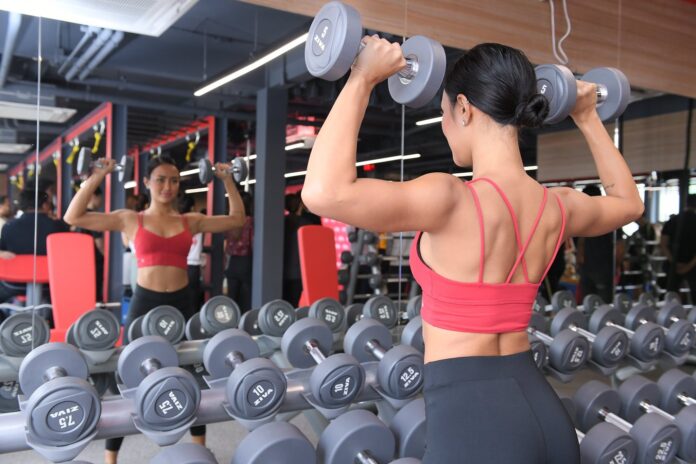
BANGKOK — Sales of health-related products and services are increasing. This offers opportunities for entrepreneurs who want to capitalise on this trend, especially in the fitness sector, which is growing steadily according to the Thai Ministry of Commerce.

Poonpong Naiyapattharagorn, Director of the Trade Policy and Strategy Office (TPSO) at the Thai Ministry of Commerce, explained that the fitness industry is growing steadily due to consumers’ growing awareness and appreciation of health and wellness. This includes not only exercise, but also the consumption of healthy foods and supplements, all of which contribute to the overall increase in sales of health-related products and services.

Global Market Growth

According to the Global Wellness Institute, the global fitness industry was estimated at USD 1.06 trillion in 2023 and is expected to grow at a compound annual growth rate of 5.8% to around USD 1.41 trillion by 2028.

In 2023, North America held the largest share of the global fitness market with a value of USD 401.3 billion, an increase of 4.2% compared to 2022. At the country level, the United States was the world’s largest fitness market with a value of USD 376.8 billion, followed by China (USD 155.4 billion), the United Kingdom (USD 52.9 billion), Germany (USD 41.6 billion) and Japan (USD 37.2 billion).

Thailand’s Growing Market

The Thai fitness industry was estimated to be worth USD 3.37 billion in 2023, ranking 32nd out of 218 countries worldwide, an increase of 6.6% compared to 2022. This trend is expected to continue. A survey of Thais aged 15 years and older found that 44.39% will exercise regularly in 2024, up from 42.18% in 2023.

A consumer survey on health and wellness conducted by SCB EIC in 2023 with 1,402 respondents also revealed that preferences for exercise vary by generation. Baby boomers prefer to go for walks, Generation X prefers swimming, yoga and Pilates, Generation Y tends to go to gyms or fitness centres and Generation Z prefers running.

Business Registration Surge

The number of fitness and related businesses in Thailand is increasing. Data from the Department of Business Development shows that by 2024, there will be 2,499 registered fitness businesses with a total registered capital of 12.933 billion baht. Of these, 2,485 are small businesses, accounting for 99.44%. In 2024 alone, 396 new companies were established, an increase of 33.33% compared to 2023.

Other fitness-related sectors such as the wholesale/retail trade in sporting goods, fitness equipment and training apparel are also growing. In 2024, there were 206 new business registrations in this category, an increase of 28.75% compared to the previous year. In 2023, these supporting businesses generated a turnover of 42.293 billion baht, up 6.23% from 2022, with a profit of 1.482 billion baht, an impressive 61.51% increase, reflecting the growth potential for new entrepreneurs.

Digital Technology and Trends

The TPSO director noted that the fitness business continues to show promise as it is supported by strong trends such as health awareness, longevity and the emergence of digital technology that makes exercise more accessible. Tools such as fitness tracking apps and wearables, online workout classes and hybrid workouts (e.g. Piloxing: Pilates combined with boxing or strength training with Pilates) are becoming increasingly popular.

There is also a growing emphasis on physical and mental wellbeing, e.g. through yoga, group training and fitness communities that encourage motivation and support.

“Social media platforms, which provide information and inspiration from influencers, have also played an important role in encouraging people to exercise, especially the younger generation who place great importance on their appearance and self-image,” says Poonpong.

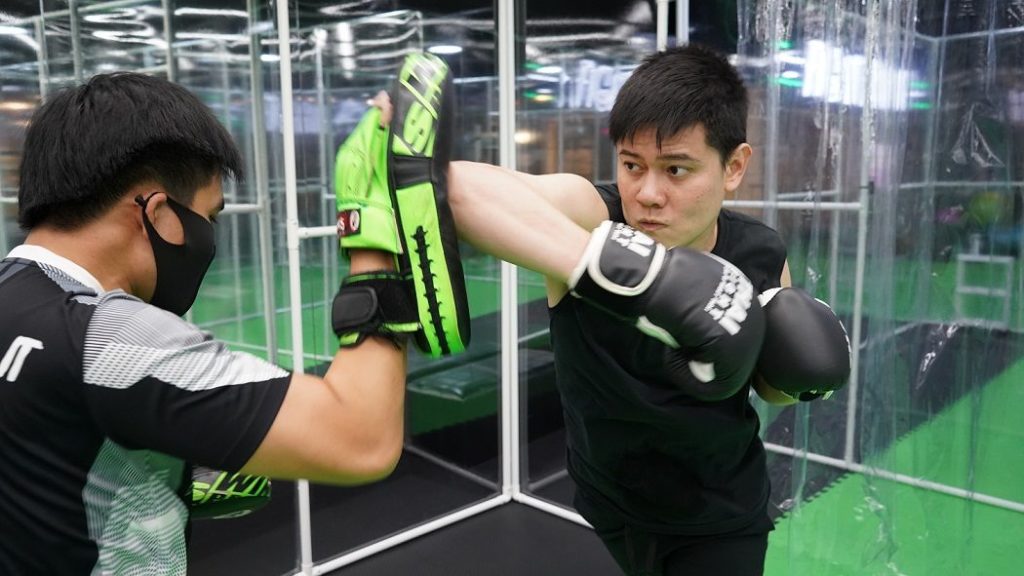
He also emphasized Muay Thai as a flourishing segment. Not only is it an effective workout that strengthens the body, relieves stress and improves posture, but it is also a form of soft power that the Ministry of Commerce is actively promoting worldwide. This includes the establishment of more Muay Thai training centres, the opening of gyms and schools abroad, the inclusion of Muay Thai classes in gyms and the organisation of international competitions.

Muay Thai as Soft Power

In addition to exporting goods and services related to Muay Thai, such as sports equipment, apparel and nutritional supplements, the industry offers clear opportunities for entrepreneurs to capitalise on the growing health trend and cultural tourism that attracts international visitors.

fitness muay

However, Poonpong warned that entrepreneurs need to develop offerings that meet consumers’ needs by considering factors such as personalisation (tailoring services to individual fitness goals), affordable prices, quality service, promotions and trial sessions to encourage long-term engagement.

They should also consider multi-channel service delivery,both offline and online, and create value-added packages by bundling fitness with other wellness products and services, such as healthy eating and exercise accessories.

Advertisement

Thailand’s ICJ-Phobia: Thailand-Cambodia’s Prison of Historical Narrative

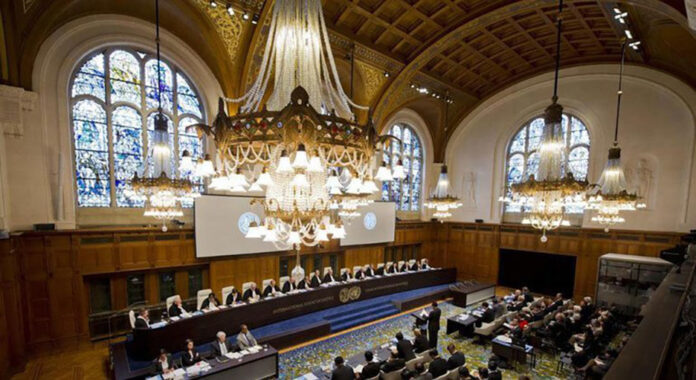
View of the courtroom at the opening of the ICJ hearings in the Temple of Preah Vihear case between Cambodia and Thailand. (UN Photo CIJ/Frank van Beek)

The leaked audio clip between PM Paetongtarn Shinawatra and Cambodian Senate President Hun Sen has led the Thai Constitutional Court to suspend PM Paetongtarn Shinawatra from her PM duties on July 1 and potentially, if not likely, ending her stint as PM for good.

If PM Paetongtarn is removed from power for being unethical in conversing with Hun Sen by stating that the Second Region Army Commander, Lt Gen Boonsin Padklang, is among those on the other side of her, if not on the other side of her and Hun Sen (depending on the interpretation of a Thai pronoun used), Paetongtarn would be the first Thai political leader to be removed from power due to Cambodian “political interference”.

Her supporters say she has been scammed by no less than Hun Sen, the paramount leader of Cambodia, or “Scambodia” as they would refer to the country.

The experience must have been traumatic for Paetongtarn, whose PM post and political future are now at grave risk.

However, instead of trying to live up to her position as PM, Paetongtarn chose on Friday, her first day as new Culture Minister after the Cabinet reshuffle, to order a delay in returning ancient Khmer artefacts to Cambodia, citing budget constraints.

It isn’t about budget constraints, but about punishing Cambodia in an attempt to retaliate for the injuries Hun Sen’s leaked audio clip has caused her.

This is regrettable because she is unnecessarily fuelling further the bilateral conflict instead of using this issue to signal friendship and return the items promptly.

It’s very doubtful whether the Prime Minister has qualified advisers. Are there no trusted and experienced insiders who screen and object to these actions before they’re taken?

Doing this solves nothing; it only satisfies ultra-nationalists (and those who blindly support the PM, seeing everything she does as correct, and even some redshirt PM supporters now want more conflict to ‘punish’ Cambodia and Hun Sen, barely different from the ultra-nationalists led by former yellow-shirt co-leader Sondhi Limthongkul).

Foreign countries, not just Cambodia, can see that trying to justify the delay in the return of the artefacts as a budget issue is insincere. How then will Thailand gain international trust?

While the leaked audio clip must have traumatised Paetongtarn, for many Thais, their collective trauma was the loss of Preah Vihear Temple after the International Court of Justice’s ruling in 1962.

On June 28, when Sondhi led tens of thousands of anti-government demonstrators at Victory Monument in Bangkok, the topic of the lost Preah Vihear featured prominently. It’s fair to say that for many Thais, the ICJ’s ruling that took away Preah Vihear Temple and awarded it to Cambodia was a collective national trauma.

This explains why most Thais, from the current administration, opposition parties, including even otherwise well-educated and liberal opposition figures like Pita Limjaroenrat, are all against Thailand accepting ICJ’s jurisdiction.

ICJ-Phobia

One month after the clashes at Chong Bok, significant damage occurred in both Thailand and Cambodia. This includes economic losses, with Matichon Weekly reporting 500 million baht in daily border trade damage for both nations alone, not to mention other trade outside the border areas.

Most recently, today, Prachachat, a sister daily of Khaosod English, reports that the Thai Chamber of Commerce is urging the government to negotiate with Cambodia to reopen border checkpoints, saying the closure is “severely impacting people on both sides of the border.”

On the impact on Cambodia, it says Cambodian supermarkets are experiencing shortages of consumer goods as people panic-buy and hoard items, making daily life difficult for Cambodians. On the impact on Thailand, the report says the closure is causing significant problems for multinational automobile assembly plants in Thailand. Their production processes are disrupted because the supply chain of raw materials from Cambodia, which sends parts back for assembly, is broken.

Jirapan Asvatanakul, Vice Chairman of the Thai Chamber of Commerce and Chairman of the Border Trade and Cross-Border Trade Committee of the Thai Chamber of Commerce, told “Prachachat Business” that the Border Trade and Cross-Border Trade Committee recently met with chambers of commerce from seven provinces bordering Cambodia. They discussed various problems and the needs of entrepreneurs.

“All provinces agreed on one point: they want to urge government agencies from both sides to negotiate. The current situation makes it difficult for people on both sides to conduct business as usual,” the report adds.

Back to politics, the relationship between the people and governments of both countries has deteriorated to its worst in decades.

However, virtually all parties in Thailand keep chanting the same mantra like a parrot: “No to the International Court of Justice (ICJ).” This despite the fact that neither the government nor the Ministry of Foreign Affairs has been able to offer a truly convincing and logical explanation to Thai society or the international community as to why.

The question is: Is Thailand a country without world-class lawyers? Is the chance of winning nil? Has the experience with the Preah Vihear case at the ICJ been so traumatising that we can’t even consider Thailand having a chance to win? Is the fight at the ICJ truly a rigged lottery?

I want Thai society to seriously reconsider this issue, including those highly trained in international law, rather than simply repeating the parrot-like stance.

Otherwise, we should be brave enough to tell the international community that it’s because Thailand was traumatised by the last ICJ case, to the point where “ICJ” has become a taboo word, or simply because we’re afraid of losing face after having already declared we won’t go to the ICJ again.

I believe the cost of this parrot-like stance, rooted in a traumatic past experience, is unnecessarily holding Thailand back, and the price for ICJ-phobia is very steep.

It seems a mindless AI like Gemini could better explain things when I asked it why the Thai government is reluctant to bring the border dispute with Cambodia to the ICJ.

Here’s the answer from the AI, which is more direct than what the Thai Foreign Ministry would be willing to admit.

* Lessons from the Preah Vihear Case: Thailand had a negative experience with the ICJ in the Preah Vihear temple case in 1962 and the interpretation of the judgment in 2013. The rulings were unfavourable to Thailand, leading to a perception that the ICJ did not genuinely deliver justice and resulting in a feeling of distrust in the ICJ mechanism.

* Non-Acceptance of Compulsory Jurisdiction: In principle, taking a case to the ICJ requires the consent of both parties. Thailand declared its non-acceptance of the ICJ’s compulsory jurisdiction back in 1960 (after the Preah Vihear case). Therefore, if Thailand does not consent, the ICJ has no power to compel Thailand to appear in new dispute cases.

* Resolution Through Bilateral Mechanisms: Thailand believes that border disputes should be resolved through existing bilateral mechanisms, such as the Joint Boundary Commission (JBC). This is seen as a more flexible approach that can maintain good relations between the two countries. Referring the case to a third party might not be beneficial for friendly relations.

* Concerns about Sovereignty and Broader Impacts: Taking a case to the ICJ is a sensitive matter involving sovereignty and territorial integrity. ICJ rulings could have complex repercussions and lead to other issues, such as fostering animosity between nations or opening up disputes in other unclear areas, like those in the Gulf of Thailand.

* Viewing the Problem as Legal and Technical, Not Political: The Thai government views the border issue as a legal and technical matter that requires experts to manage, rather than a political issue that would lead to tension.

* Preventing Escalation to an International Level: Cambodia’s submission of the issue to the ICJ might be seen as “creating content” in international politics to pressure Thailand. Thailand’s non-acceptance of the court’s jurisdiction is aimed at preventing the issue from escalating and becoming a more complex international problem.

  In summary, the Thai government has a clear stance on avoiding taking border disputes with Cambodia to the ICJ, emphasising resolution through bilateral mechanisms and the non-acceptance of the ICJ’s compulsory jurisdiction to preserve its sovereignty and good relations with its neighbouring country.

Prisoners of Nationalistic History

If you think the Preah Vihear case was traumatic enough, Cambodian histories offer many more reasons for them to be even much more traumatised by their relations with Thais, and dealing with Thailand.

Here are two historical incidents that Cambodians could never be proud of, despite the fact that at one time, a very, very long long time ago, the Angkor Empire was mighty and its influence and power covered much of modern-day central, north-east, east, and upper south of modern-day Thailand.

Towards the end of the empire, historical records point to the Siamese (Thais) as the culprits who attacked Angkor Thom, which led the city to be abandoned only to be ‘rediscovered’ in the 19th century by a French man, however.

“The deliberate destruction of reservoirs and other hydraulic works by the Siamese between 1350 and 1431 AD made the Angkor Thom area almost uninhabitable…” wrote British historian D.G.E. Hall in his seminal and classic book “A History of South East Asia.”

There were periods when what became modern-day Cambodia was a semi-vassal state of Siam until the French made her its protectorate for nearly a century in 1863 until 1953.

On Chapter 25 of the same book, entitled “THE RAPE OF CAMBODIA”, Hall narrates how both Vietnam and Siam, the stronger neighbours, were taking turn taking advantage of Cambodia.

“The remainder of this grim story up to the establishment of the French protectorate over Cambodia in the eighteen-sixties is told in the chapters devoted to Vietnamese and Siamese history. Our knowledge of it comes basically from the Cambodian Chronicle together with the Vietnamese Annals and T’ai chronicles. They are concerned solely with dynastic events: the people are out of the pture. On either side of the beleaguered kingdom were two harpies, Vietnam and Siam, snatching away its territories, and each vying with the other in seeking to dominate what was left….

The Vietnamese were militarily the stronger, but were hated by the Cambodians, who, with no love for the Siamese either, yet co-operated with them against the common enemy. By 1845 it was a drawn fight, and under an agreement placing Cambodia under the joint protection of both competitors, she escaped absorption by either. France perhaps saved the situation for the Khmers by making Cambodia a protected kingdom…”

…..

We can’t change the past but we can learn from it and hopefully use it to ensure a more peaceful and equal coexistence as neighbours. How can there be genuine peace if we cannot even trust our next-door neighbour?

Thais (and perhaps Cambodians) have become a prisoner of their own nationalist history. The time to turn a new leaf in Thai-Cambodia relations is long over due but we cannot succeeded as long as we voluntarily imprisoned ourselves by the chains of our respective nationalist history narrative.

___

Advertisement

Pattaya Hotel Denies Scammer Links After Chinese Man’s Fatal Fall

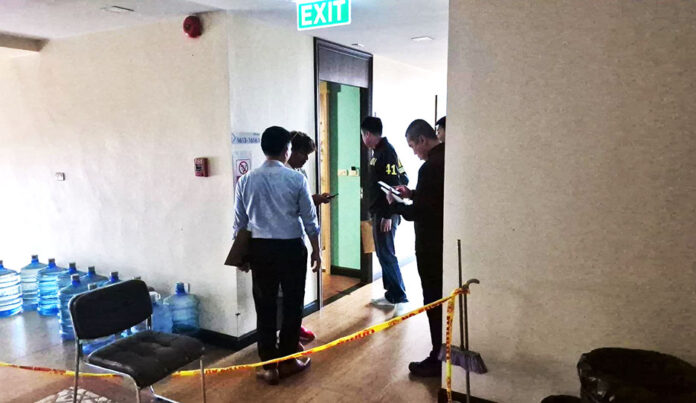
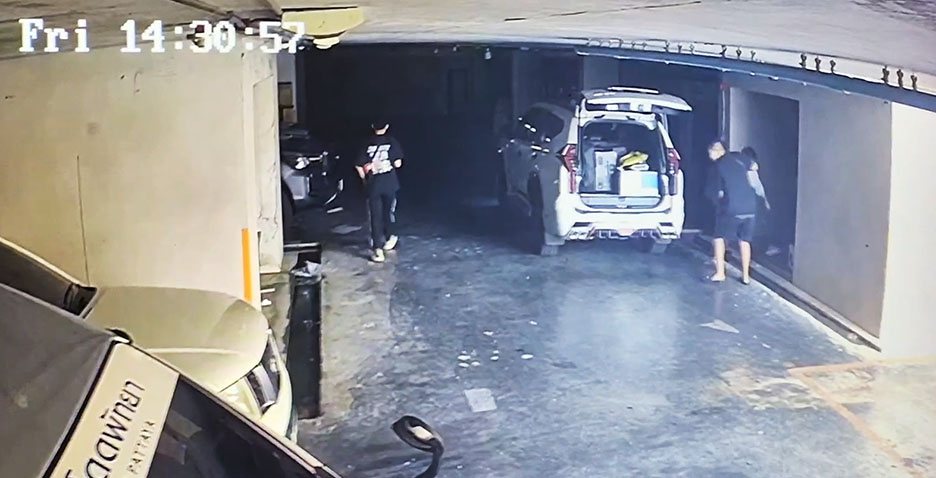
Police officers conduct an inspection at the North Pattaya hotel where a 24-year-old Chinese national died after jumping from the 6th floor, July 5, 2025.

PATTAYAA hotel in North Pattaya where a Chinese man fell to his death from the 6th floor is defending itself against suspicions after fellow Chinese nationals quickly packed up their belongings and computer equipment following the incident, with hotel representatives claiming the guests were not scammers but left due to shock over the tragedy.

Police Colonel Anek Sarathong-ayu, Chief of Pattaya City Police Station, and Police Colonel Naphasapong Khositsuriamani, Chief of Chonburi Immigration Office, led uniformed and plainclothes officers in inspecting the hotel in North Pattaya, Na Kluea Sub-district, Bang Lamung District, Chonburi Province, to gather additional evidence on July 5.

Anirudh Kongthap, a representative of the hotel, provided information claiming that the deceased, identified as Liu Song, aged 24, a Chinese national, had entered Thailand through Suvarnabhumi Airport before renting a room at the hotel.

chinese flee5
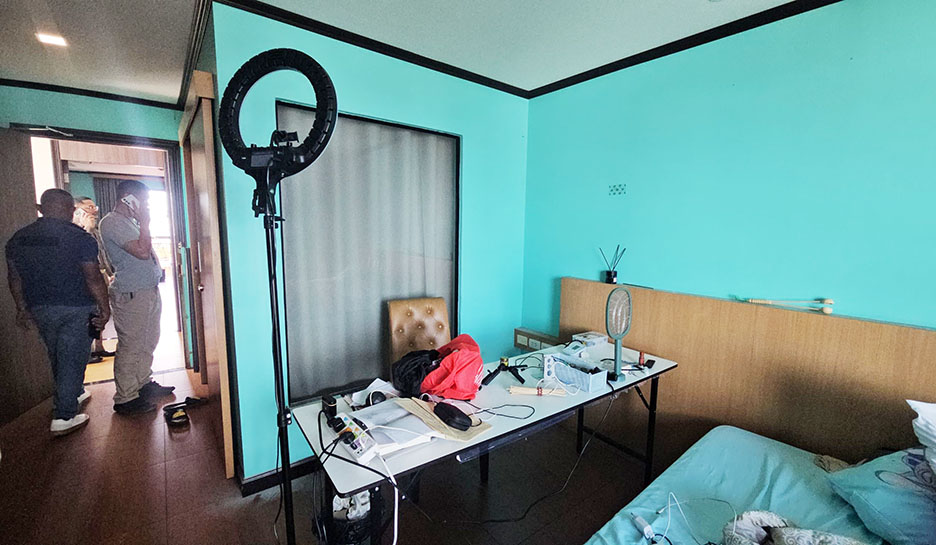
Equipment resembling streaming apparatus left behind in a hotel room in North Pattaya after Chinese guests hurriedly moved out following the incident where a Chinese man jumped to his death on July 4, 2025.

On the day of the incident, July 4, Liu appeared intoxicated, though it was unclear what he had consumed, and was alone in his 6th-floor room before jumping.

Mass Exodus After Incident

Following the incident, Chinese guests staying on the 6th floor immediately packed their belongings and left. Anirudh claimed that most guests on this floor were families who were shocked and frightened by the fatal jumping incident, prompting them to seek new accommodations. The computer equipment that was quickly removed were devices used for TikTok streaming.

chinese flee3
CCTV footage shows the group of Chinese nationals panicking and hastily packing belongings after the Chinese man’s fatal fall from the building on July 4, 2025.

After the incident, the hotel attempted to contact the Chinese group to return and demonstrate their innocence to police. Some individuals were brought in for questioning, and the hotel expressed willingness to cooperate fully with the investigation.

Hotel Documentation Provided

Anirudh accompanied police during their inspection and presented documents including the hotel operating license and rental contract from the original owner, showing that the hotel had been leased from the previous owner two years ago. The establishment operates on both daily and monthly rates, with customers primarily being Chinese and Indian tourists.

Investigation Continues

Investigating officers revealed they are examining whether the hotel has any previous violations. In the deceased’s room, detailed inspection found no signs of struggle or ransacking of property. Police are awaiting forensic results and evidence analysis to confirm the cause of Liu’s death.

The case has raised questions about the rapid departure of Chinese nationals and removal of computer equipment, though hotel representatives maintain the guests were legitimate tourists who left due to trauma from witnessing the tragic incident.

________
Related article:

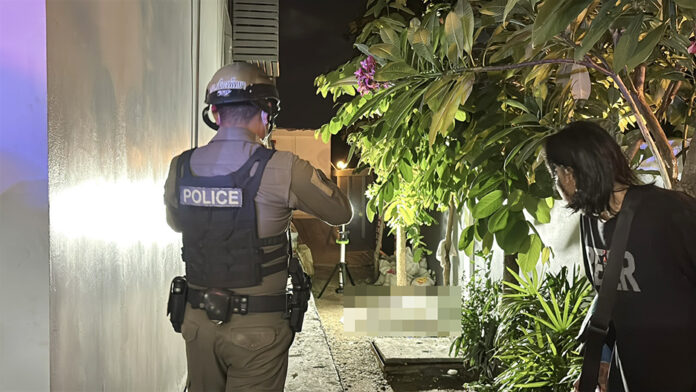
Pattaya Police Probe Fatal Fall as Chinese Group Flees Hotel 

Advertisement

Thailand Responds to Cambodia’s UN Letter Regarding Border Dispute

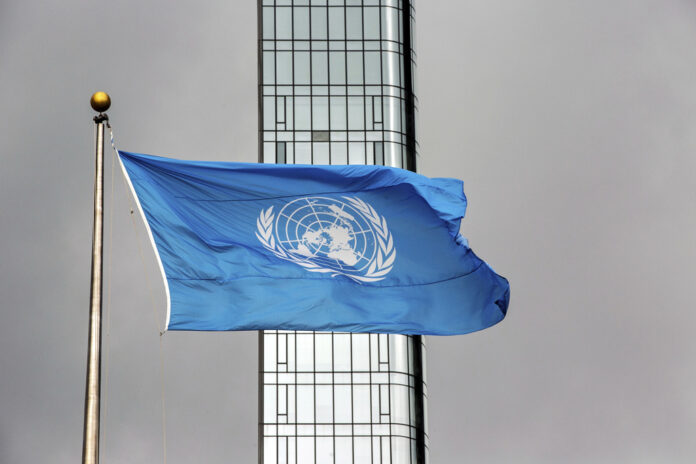
FILE - The United Nations flag flies on a stormy day at the U.N. during the United Nations General Assembly, Sept. 22, 2022. (AP Photo/Ted Shaffrey, File)

BANGKOKThailand’s Foreign Ministry issued an official response Thursday after Cambodia formally notified the United Nations of its intention to take their long-standing border dispute to the International Court of Justice, following a fatal clash between troops last month.

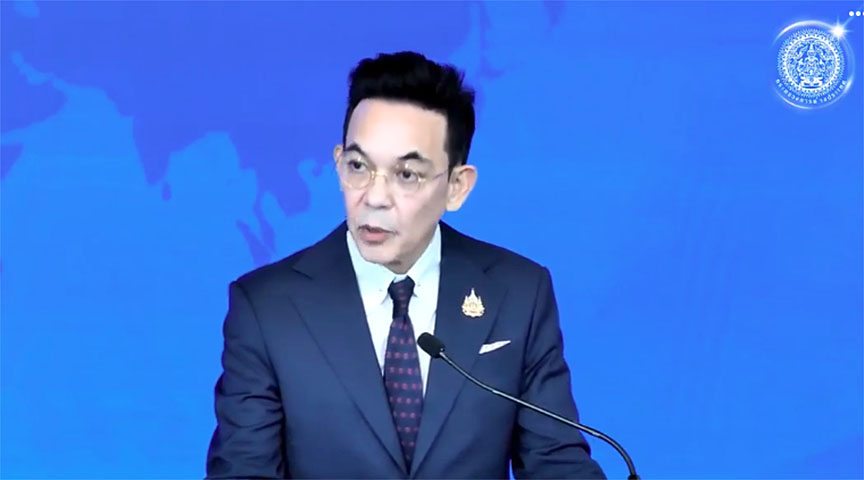
Mr. Nikorndej Balankura, Director-General of the Department of Information and spokesperson for the Ministry of Foreign Affairs, clarified Thailand’s position after Cambodia’s Permanent Representative to the UN requested that military clashes and border tensions be included as an agenda item for the UN General Assembly under “Prevention of armed conflict.”

FM spokesperson
Nikorndej Balankura, Director-General of the Department of Information and Spokesperson for the Ministry of Foreign Affairs

Cambodia’s Letter

According to the UN database, Cambodia’s letter requested that military clashes and border disputes between Thailand and Cambodia be included as an agenda item for the UN General Assembly under “Prevention of armed conflict.” The letter, which included an attachment dated June 15 regarding Cambodia’s intention to file with the ICJ, detailed escalating tensions along the border.

Cambodia’s submission stated that on June 15, 2025, the Cambodian government sent a letter to the ICJ Registrar expressing its intention to file an application concerning unresolved border issues between the two countries.

The letter cited ongoing disputes despite the French-Siamese Treaties of 1904 and 1907, as well as previous ICJ rulings in 1962 and 2013 that affirmed Cambodia’s sovereignty over Preah Vihear Temple and surrounding areas. It highlighted persistent tensions in areas including Mom Bei, Tamone Thom Temple, Tamone Touch Temple, and Ta Krabey Temple.

AP25177431375598
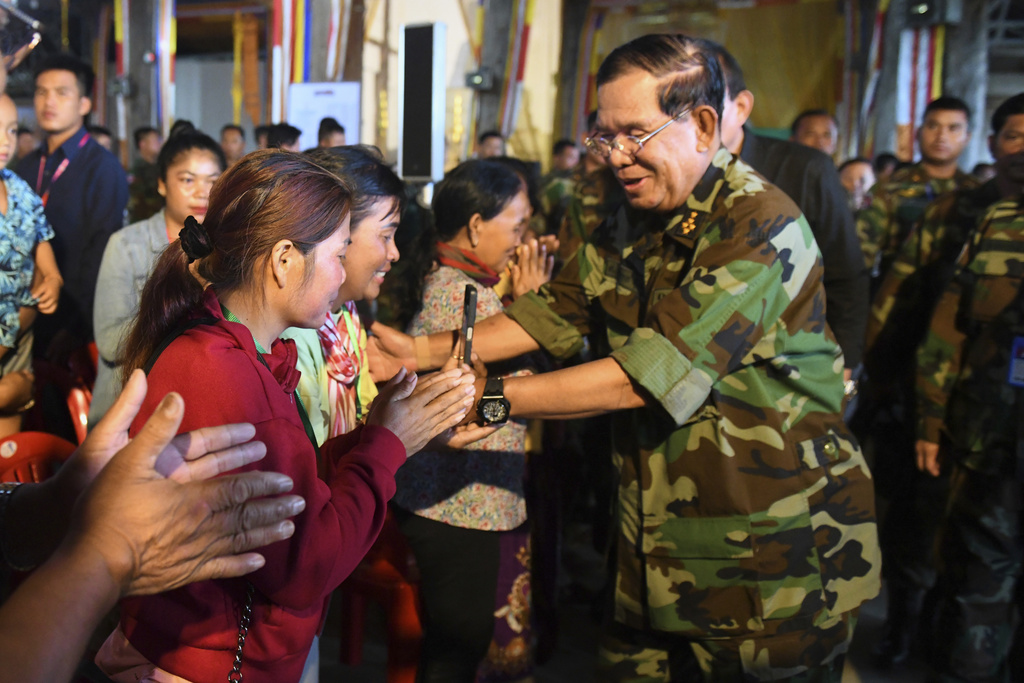
In this photo released by Agence Kampuchea Press (AKP), Cambodian Senate President Hun Sen, center, greets people who fled from the border site of Preah Vihear province, near Cambodia-Thailand border, in Cambodia, Thursday, June 26, 2025. (AKP via AP)

Most significantly, it referenced a May 28, 2025 armed confrontation in the Mom Bei area, where Cambodia alleges Thai forces opened fire on Cambodian military units on Cambodian territory, resulting in the death of one Cambodian soldier. The incident reportedly led to the deployment of thousands of heavily armed forces on both sides of the border.

Cambodia’s letter accused Thailand of lacking political will in bilateral negotiations, relying on unilaterally drawn maps, and violating Cambodian sovereignty. It also cited threats from Thailand’s Second Army Region Commander to resolve disputes by force and expressed concern about rising extreme nationalism fueled by statements from Thai military and political figures.

Thailand’s Response

The Thai Foreign Ministry provided the following clarification:

  1. On June 16, 2025, Cambodia’s Ambassador and Permanent Representative to the UN in New York sent a letter to the UN Secretary-General regarding tensions along the Thai-Cambodian border, requesting that the letter be circulated as a UN General Assembly document under agenda item 32 of the 79th session concerning “Prevention of armed conflict.”
  2. On June 19, 2025, Thailand’s Ambassador and Permanent Representative to the UN in New York sent a letter to the UNSG transmitting a “Statement by the Royal Thai Government on Thailand-Cambodia border situation” dated June 18, 2025. The statement clarified facts and outlined Thailand’s position and actions on the matter, which are in accordance with international law, the MOU2000 agreement, and the bilateral negotiation approach that both sides have agreed upon and are committed to. Thailand also requested that both the cover letter and statement be circulated as UN General Assembly documents under agenda item 32.
  3. The UNSG has now registered both Cambodia’s letter and Thailand’s letter under agenda item 32 of the 79th UN General Assembly session, effectively circulating them to UN member states for their information.
  4. In principle, the circulation of member state letters under UN General Assembly agenda items is a process to place information or positions of member states on record and create awareness among member nations. In this case, following Cambodia’s letter to the UN General Assembly, Thailand took action to send its own letter to the General Assembly to clarify Thailand’s position. This document circulation follows standard UN procedures for distributing such materials.

Rising Tensions Spill Over Online and Offline

The diplomatic developments have been accompanied by confrontations between netizens from both sides expressing intense nationalist views, creating a tense atmosphere that has extended to military personnel facing off at certain border points and even between tourists from both countries at disputed historical sites.

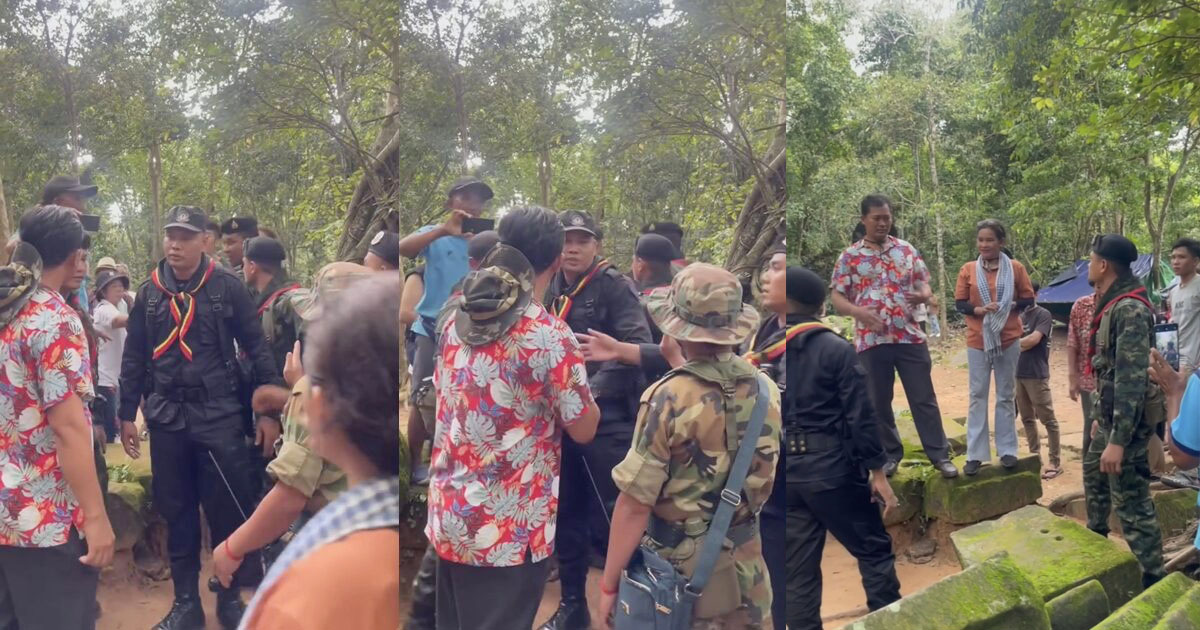
In the latest incident at Ta Kwai Temple in Phanom Dong Rak district, Surin province, on July 5, a Cambodian man was heard shouting at Thai tourists using provocative language claiming ownership of the area. This prompted Thai military personnel in black uniforms to intervene and restore calm, warning that “war doesn’t make anything better.”

ta kwai
Screenshots from video clips show a tense confrontation between Thai and Cambodian tourists at Ta Kwai Temple in Phanom Dong Rak District, Surin Province, on July 5, 2025.

When the man refused to stop, Thai soldiers had to firmly emphasize that tourism must have rules and respect for the location, stating: “But if you’re confident it belongs to you, then take the stones back with you.”

In another incident, a woman wearing a Cambodian flag as a shawl was prevented from entering the temple area by Thai soldiers, who explained that symbolic displays of the dispute were not permitted. This led to expressions of dissatisfaction from Cambodians, with both sides filming and posting clips online that generated numerous comments from netizens.

__________
Related article:

Advertisement

Hot News

LATEST NEWS

Bangkok
overcast clouds
35 ° C
35 °
32.7 °
68 %
4kmh
99 %
Mon
35 °
Tue
36 °
Wed
34 °
Thu
31 °
Fri
29 °