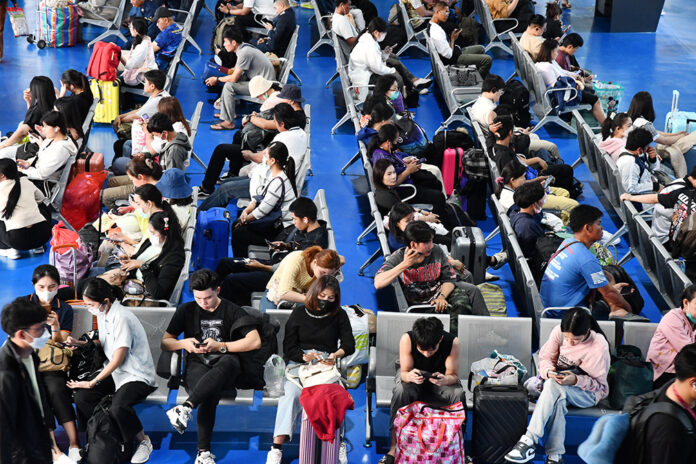
People wait for intercity buses at Mo Chit 5 Bus Terminal in Bangkok during the extended New Year holiday period on December 27, 2024. (KHAOSOD PHOTO/Chanathip Rungbua)
BANGKOK — Thailand’s population declined by 100,000 in 2024 to 65.95 million, marking a historic demographic shift as annual births fell below 500,000 for the first time since 1949, despite government efforts to promote childbearing through the “Having Children for the Nation” campaign.
According to data released by the Department of Provincial Administration on January 8, 2025, Thailand’s total population stands at 65,951,210, with 64,953,661 Thai nationals and 997,549 non-Thai residents. Bangkok remains the most populous area with 5,455,020 residents.
The country recorded 462,240 births against 571,646 deaths in 2024, continuing a four-year trend where deaths outnumber births. The marriage registry showed 263,087 new couples, while 147,621 couples divorced during the same period.
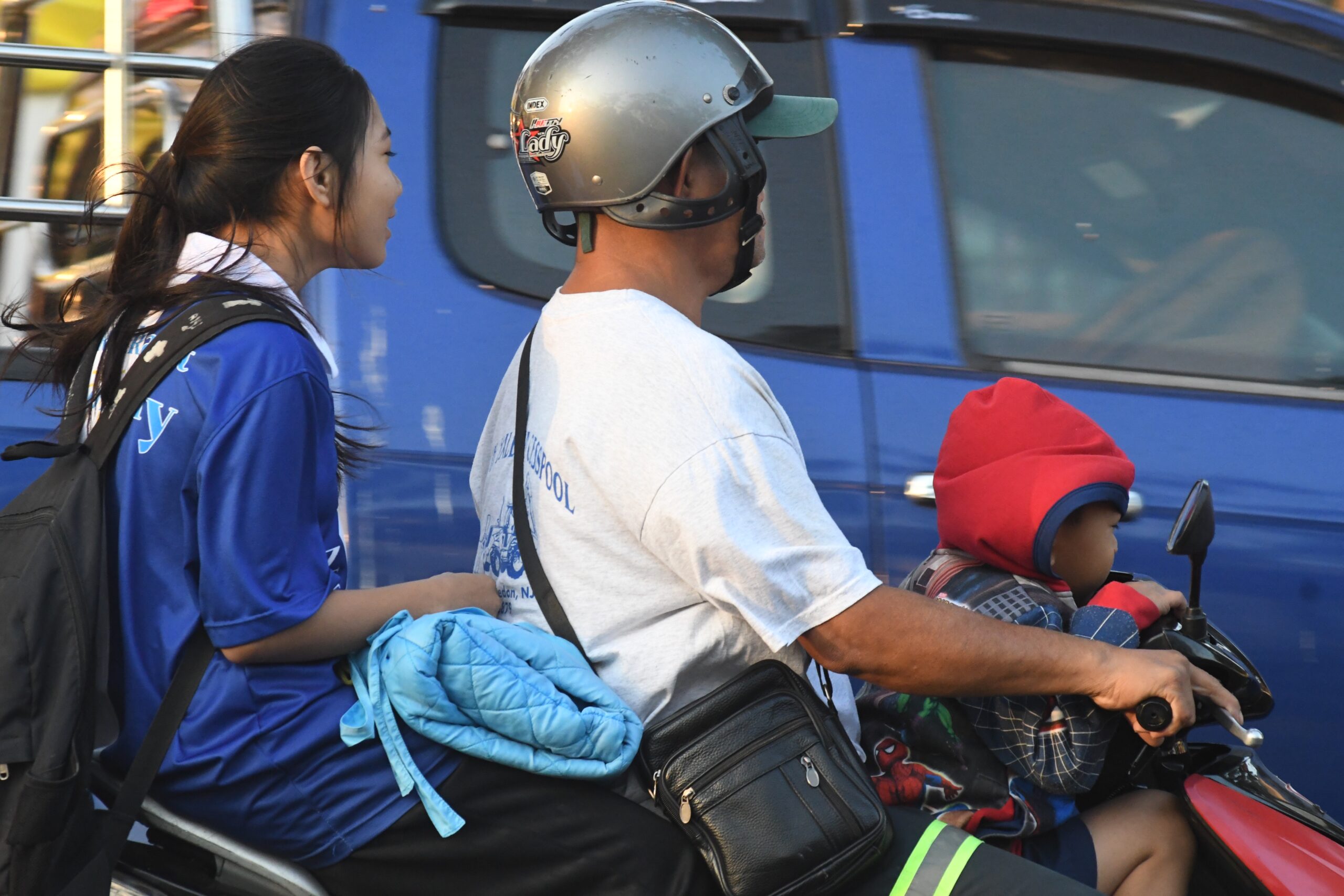
A father rides a motorcycle to drop off his child at Wat Somanas School in Bangkok, opposite the Government House, on January 13, 2025. (KHAOSOD PHOTO/Yokin Charoenying)
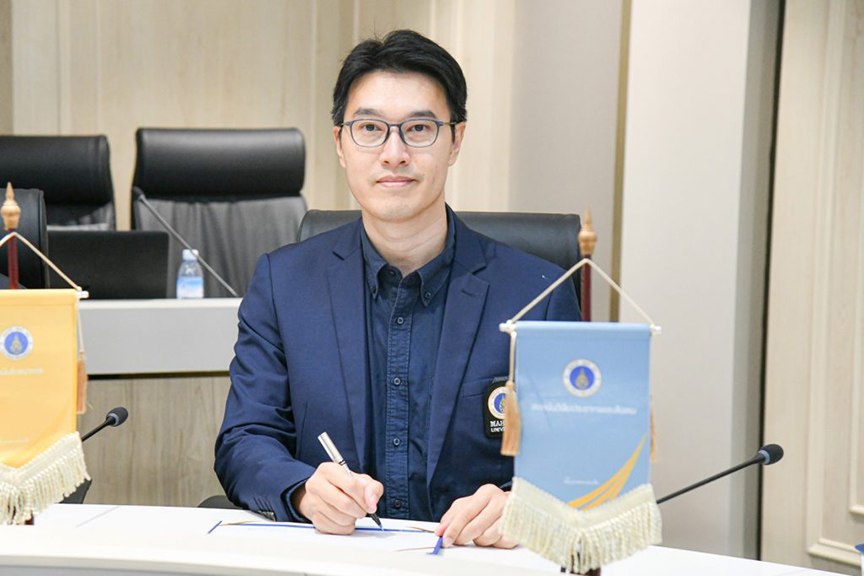
Associate Professor Dr. Chalermpol Chamchan, Director of Mahidol University’s Institute for Population and Social Research, highlighted the severity of the situation in a January 15 press conference. “Thailand is the only Southeast Asian country categorized by the United Nations among nations with declining birth rates, a group typically comprising developed, high-income countries,” he explained.
Thailand’s Total Fertility Rate (TFR) has dropped to 1.0, lower than Japan’s 1.2, placing it among ultra-low fertility countries like South Korea and Singapore. Demographic projections suggest the population could shrink to 40 million within 50 years, effectively losing 25 million people – approximately one million every two years.
Associate Professor Dr. Chalermpol Chamchan, Director of Mahidol University’s Institute for Population and Social Research
The workforce impact could be severe, with the current 37.2 million workers potentially declining to 22.8 million over the next five decades. A recent survey of over 1,000 Thais aged 28 and above revealed that 71% view the low birth rate as a national crisis, while only 35.8% of those capable of having children plan to do so.
“While only one-third currently plan to have children, there’s a significant group – about 30% – who might consider it with the right support,” Dr. Chamchan noted. “Targeted policies could potentially increase the percentage of those definitely planning to have children to over 60%.”
A group of dog lovers took their dogs to Huai Mai Teng Reservoir in Ratchaburi Province, where nearby pet-friendly resorts welcome tourists traveling with pets, on January 5, 2025.
BANGKOK — Traveling with pets, or pet-friendly travel, has become a growing trend that is attracting a lot of attention. A key driver of this growth in pet-friendly tourism is the behavior of travelers who increasingly want to take their pets with them on trips.
This trend is particularly evident among so-called “Pet-Pleasure Families”, which include owners of dogs, cats and other pets who seek activities and destinations that are comfortable and safe for both them and their furry companions.
It marks a significant shift and shows strong growth potential for the coming years.
Wannapha Kiatphongsa, Director of the Central Region of the Tourism Authority of Thailand (TAT), said that the latest market study indicates an annual growth rate of around 15-20 percent for this segment. This is particularly remarkable following the introduction of pet-friendly tourism initiatives.
One outstanding project, “Starry Night & Paw Prints”,” offers activities where pets and their owners can enjoy shared experiences. The initiative focuses on Thailand’s central provinces, including Suphanburi, Kanchanaburi, Ratchaburi and Phetchaburi, which support camping tourism. Activities include stargazing, eco-friendly cooking and toy making, as well as yoga classes for families with pets.
Starry Night & Paw Prints
Initially, pet-friendly tourism projects will focus on the central region as it is ready to support this niche. These four provinces offer natural attractions and a network of operators equipped for pet-friendly campsites.
Over the past 2–3 years, the pet-friendly campsite business has grown rapidly, especially in Phetchaburi, which is experiencing rapid growth and is poised to expand to other regions, including Northern and Eastern Thailand.
Travelers with pets usually spend about 20 percent more than normal tourists. Spending is higher due to pet-specific services such as pet-friendly accommodation, participation in special activities and pet care during the trip.
For example, participants in the “Starry Night & Paw Prints” program spent an average of 4,000 baht per person on overnight trips. When they traveled with pets, this amount increased by about 20 percent due to the need for pet-friendly accommodation and services.
The central region of Thailand offers great potential for pet-friendly tourism. Compared to other regions in the country, it ranks first in the number of pet-friendly restaurants and cafés and third in pet-friendly accommodation.
This is in line with the global pet products market, which is expected to reach 217.65 billion dollars (approximately 6.9 trillion baht) by 2026, with continued growth expected.
The TAT Central Region Director emphasized that “Pet-Pleasure Families” are becoming a high-potential market segment, leading to an expansion of pet-friendly services and activities throughout Thailand. Regions with ecotourism and natural attractions are particularly well suited to meet this demand.
So Highland, Cha-am, Thailand, Phetchaburi
Growth is not limited to accommodation, but also includes a wider range of activities such as outdoor experiences for pets, charity events with pets and the development of pet-friendly restaurants.
“The pet-friendly tourism market in Thailand is growing rapidly, both in terms of accommodation and activities tailored to travelers with pets. The future of this market is bright, driven by the increasing demand from pet lovers and entrepreneurs who are taking advantage of the opportunities in this niche.”
Supporting pet-friendly tourism not only meets the wishes of travelers, but also promotes ecotourism and environmental sustainability.
It is expected that pet-friendly tourism projects will spread to other regions and that the associated services will be further expanded. Tour operators are increasingly willing to offer camping experiences and family-friendly activities that incorporate pets, ensuring a well-rounded and enjoyable travel experience for all.
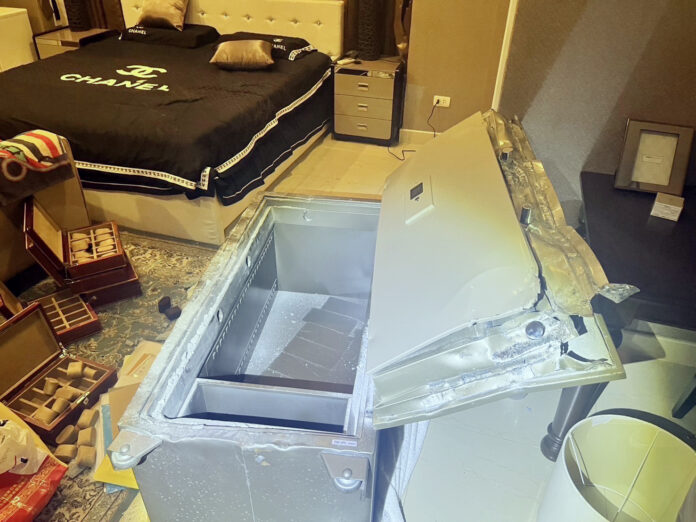
The damaged safe with its door pried open, found empty of luxury watches as reported by the Chinese homeowner, on January 16, 2025.
CHONBURI — Thieves broke into a Chinese businessman’s luxury home in Chonburi, making off with high-end watches valued at over 100 million baht (approximately $2.9 million). The incident occurred in Huay Yai subdistrict, Bang Lamung district, Chonburi province on Wednesday night.
Police spent January 16 investigating the break-in at the two-story house, valued at around 8 million baht. The perpetrators forced entry through a rear window and targeted a large safe measuring 1 meter wide and 1.5 meters tall on the second floor. Investigators found eight empty watch boxes scattered around the premises, with all timepieces missing.
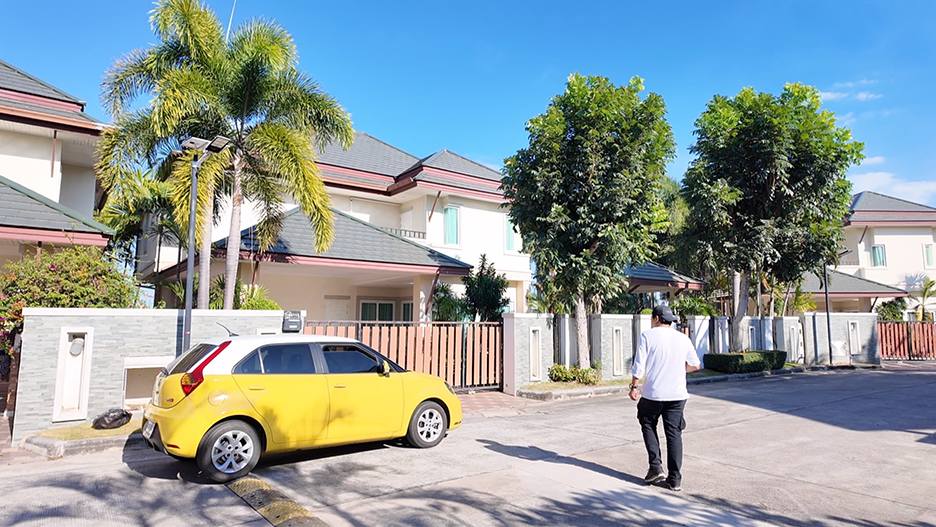
The residence of Mr. Liang Chen, 39, a Chinese businessman, located in a gated community in Huay Yai sub-district, Bang Lamung district, Chonburi province, where numerous wealthy Chinese nationals own luxury homes.
The homeowner, identified as Liangchen, 39, is a Chinese tour company executive currently unable to return to Thailand due to ongoing legal proceedings in China. Mr. Youchao, 43, a friend watching over the property, discovered the break-in after returning from a six-hour absence on January 15. He found the safe severely damaged and all valuable contents removed.
Mr. Somboon, 56, a business partner of the homeowner, confirmed that the stolen items were primarily luxury brand watches. Local security personnel noted that the residential complex, popular among Chinese nationals, features homes valued from 7 to 10 million baht. The thieves may have accessed the property through the largely forested area behind the house.
Forensic officers examine scattered items in the safe room of a luxury home in an upscale gated community in Huay Yai sub-district, Bang Lamung district, Chonburi province on January 16, 2025.
Huay Yai Police are reviewing security camera footage and conducting further interviews to track down the perpetrators. They are also working with the homeowner in China to confirm the exact inventory of stolen items.
The security guard of the gated community stated that many Chinese residents live in this estate. He doesn’t know how the thieves entered, but they might have climbed over the wall from the back of the property, which is mostly surrounded by forest.
Numerous expats work at a cafe at the Thailand Creative & Design Center in Bangkok.
BANGKOK — Thailand’s Board of Investment has significantly relaxed its Long-Term Resident (LTR) visa requirements in a bid to attract more foreign talent, including lowering income thresholds and expanding eligibility for family members.
At the Cabinet meeting on January 13, 2025, it was decided to revise the criteria for the special visa program (LTR Visa) to attract high-potential foreign professionals to Thailand.
Narit Therdsteerasukdi, Secretary-General of the Board of Investment (BOI), explained that the LTR visa is a special visa program for which the BOI is primarily responsible. He explained that due to escalating geopolitical tensions and growing business opportunities worldwide, there is a significant movement of foreign professionals seeking long-term residency and work opportunities, including in Thailand. This is in line with Thailand’s aspiration to become a global talent center.
The LTR visa aims to attract highly skilled foreigners from four main groups:
Individuals with special skills
Professionals working remotely for foreign employers from Thailand
High net worth individuals
Retirees, including their family members.
LTR visa holders may stay in Thailand for up to 10 years and have an unlimited right of re-entry. They are also allowed to work in Thailand and the income tax for specialized professionals is reduced to 17 percent. The obligation to register with the Immigration Department will also be relaxed from every 90 days to once a year.
The target sectors for qualified specialists have been expanded to include teachers at universities and vocational training institutions in various fields. This is intended to improve the skills of Thai talent.
In addition, the work experience requirements for skilled professionals and remote workers have been removed to reduce redundancy with other qualifications, such as minimum income, educational background, working in the target industries and the stability of foreign employers, which already reflect the competence and potential of foreign applicants.
Income requirements for foreign employers of remote workers in Thailand have been reduced from a minimum of 150 million dollars to 50 million dollars over the past three years. This now includes subsidiaries with parent companies earning at least 50 million dollars, expanding eligibility. The income requirement for high net worth individuals has also been removed, shifting the focus to stable assets and long-term investments in Thailand (minimum $500,000) rather than annual income.
Eligibility for dependents has also been extended to include not only spouses and children, but also parents and other dependents, with no upper limit on the number. This is in line with other visa types and should boost domestic spending by family members of foreign skilled workers.
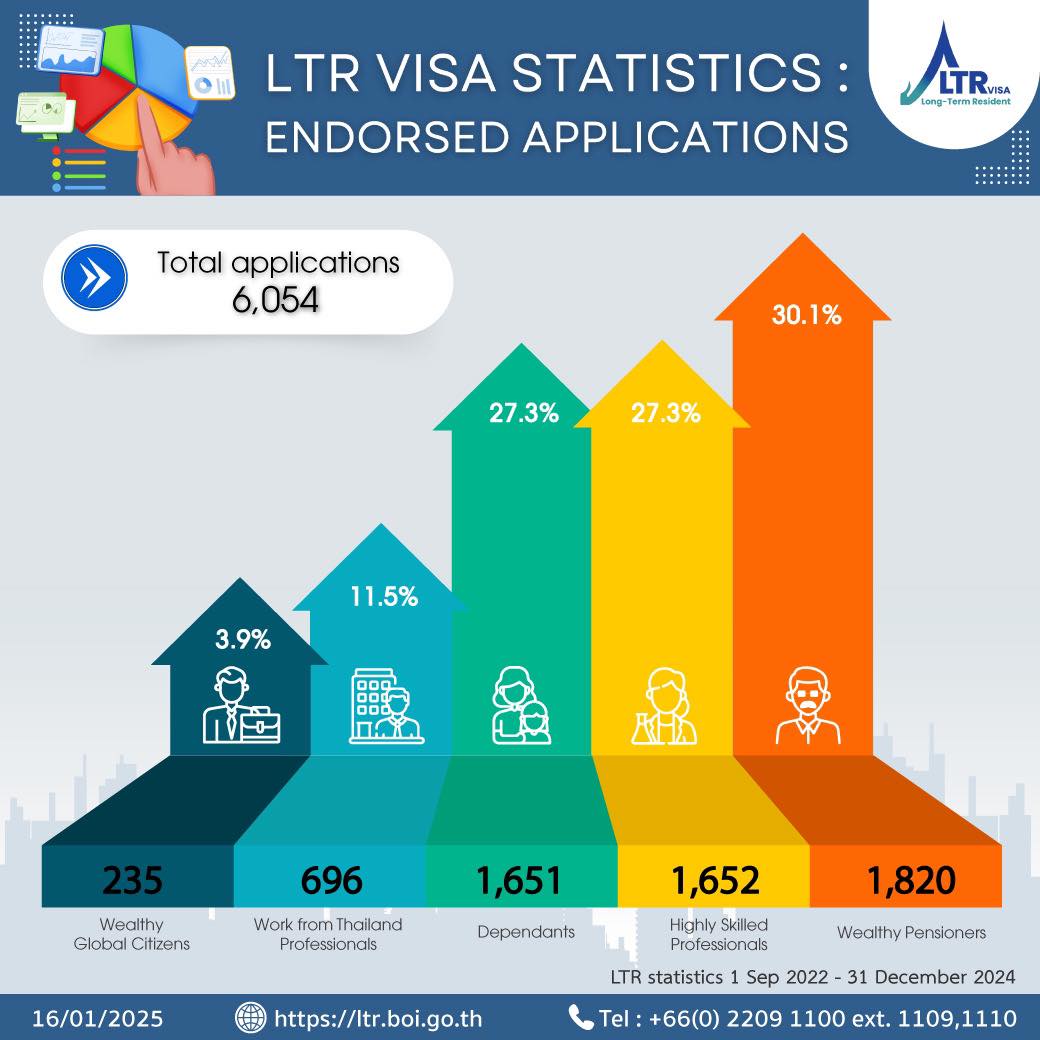
Currently, the BOI has approved LTR visas for more than 6,000 highly skilled foreign professionals worldwide. Most of them come from Europe (2,500 people), followed by the United States (1,080), Japan (610), China (340) and India (280).
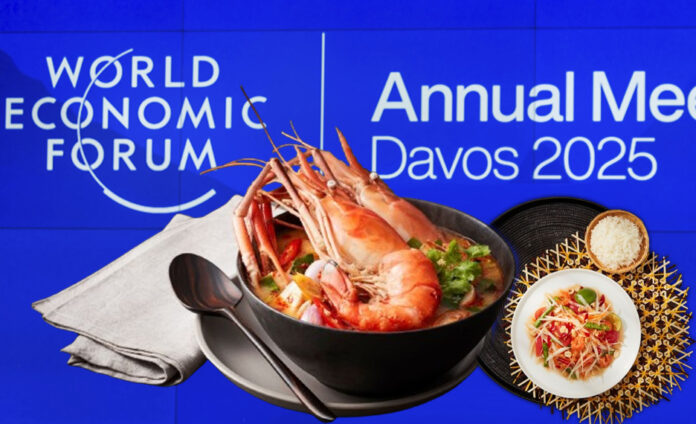
BANGKOK — Thai culinary expertise will take center stage at the World Economic Forum (WEF) in Davos, Switzerland, as Chef Cares’ Project Company partners with the Ministry of Foreign Affairs to present “Thailand Reception” under the theme “Nourishing The Future For All” on January 22, 2025. The event will cater to approximately 500-600 global leaders and top executives.
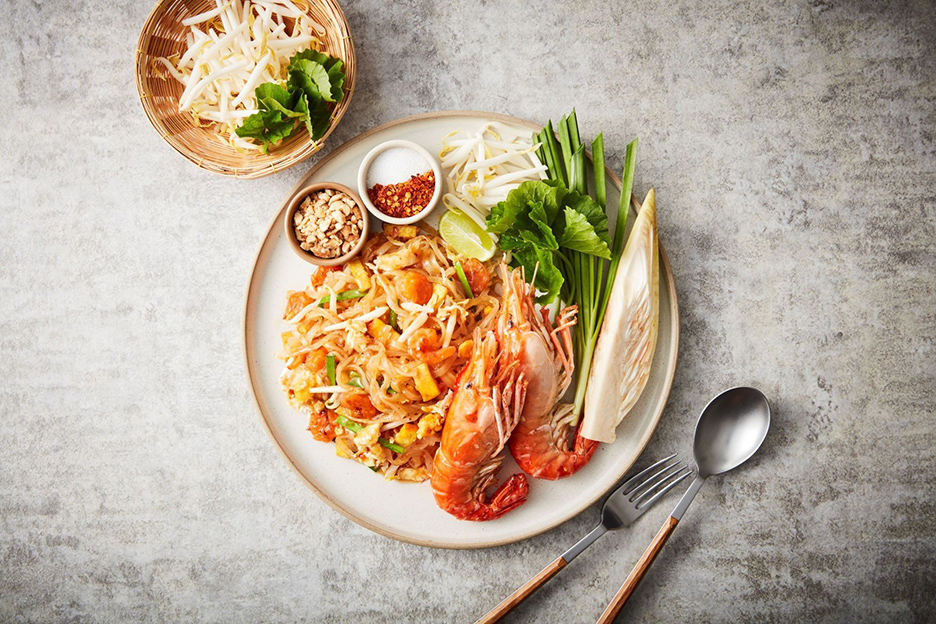
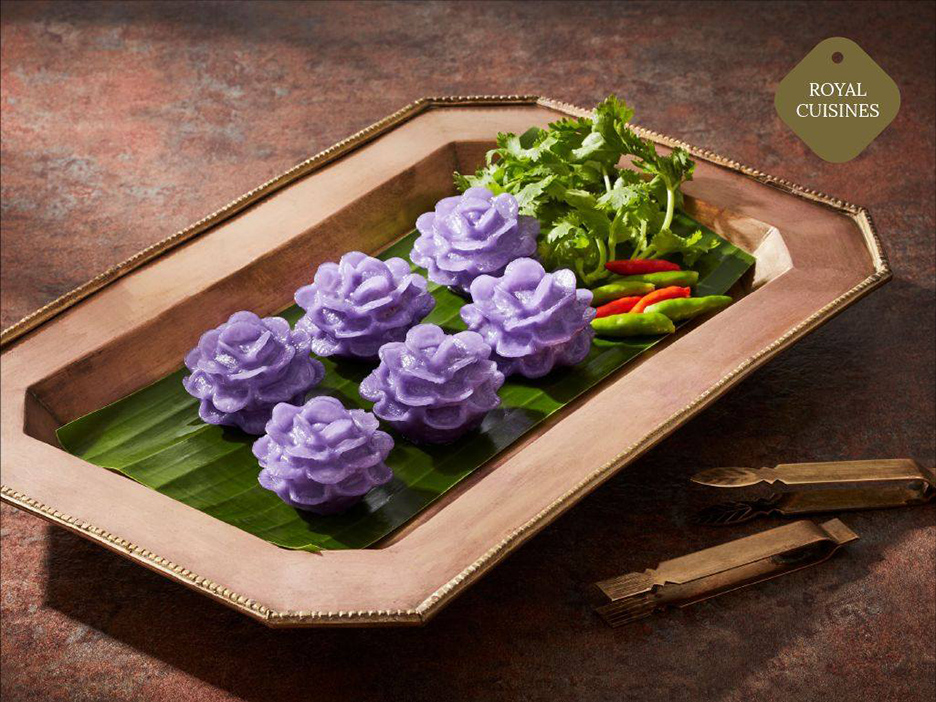
The showcase will feature 12 buffet items including traditional Thai favorites such as sticky rice with longan, crispy rubies dessert (Tab Tim Grob), Cho Muang (Flower Shaped Dumpling filled with Minced Chicken), Pad Thai, Papaya Salad, Thai-style grilled chicken, Northern-style chili dip (Nam Prik Ong) with sticky rice and vegetables, basil stir-fry, green curry chicken, massaman lamb curry, and tom yum kung.
Pad ThaiCho Muang
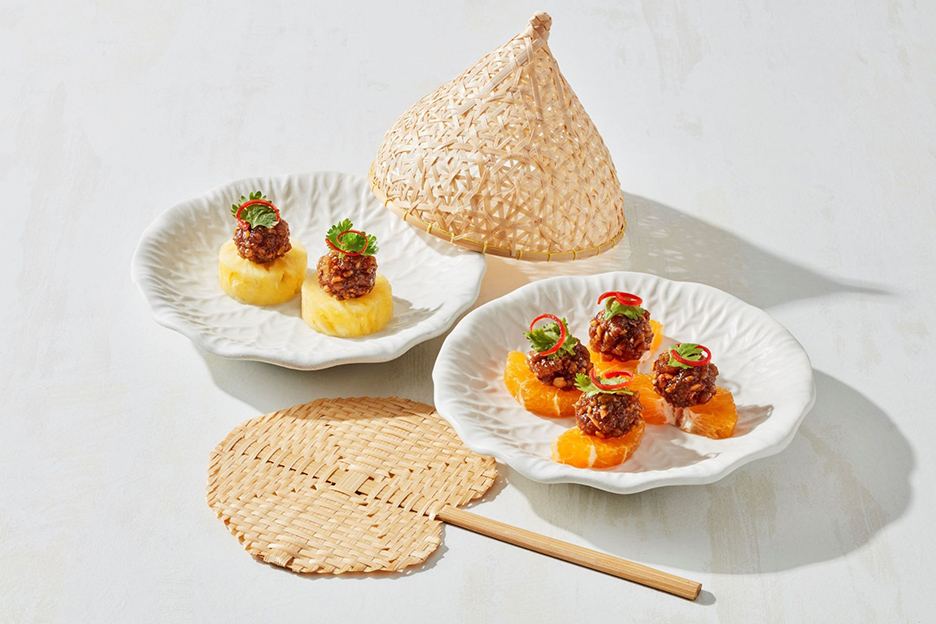
Additionally, five varieties of canapés will be served, featuring traditional Thai appetizers like Ma Hor, watermelon with dried fish, Gai Gor, herbal fish roll, and larb.
According to the Office of Policy and Trade Promotion, Ministry of Commerce, Thailand’s food service industry was valued at US$27.5 billion in 2023, with projected growth of 6.72% during 2023-2028, surpassing pre-COVID-19 growth rates. The promotion of Thai cuisine globally is expected to significantly contribute to national income.
Poonperm Paitayawat, Vice Chairman of Chefcare Foundation and Managing Director of Chef Cares, emphasized the unprecedented nature of this promotion. “This marks the first time Thai private sector has participated in such capacity at the WEF in Davos,” he stated.
From left – Chef Nooror Somany Steppe, Poonperm Paitayawat, and Chef Chumpon JangpraiMa Hor
Led by Marisa Chearavanont, CEO and founder, along with leading Thai chefs including Chef Chumpon Jangprai, Chef Nooror Somany Steppe, and Chef Ann Supanat Khanarak, the team will present diverse Thai dishes ranging from royal cuisine to regional specialties. The presentation will highlight food innovations including plant-based protein from MEAT ZERO brand and sustainable jasmine rice produced through carbon-reduction processes.
A special highlight will be the live demonstration of both clear and creamy Tom Yum Kung, recently registered as UNESCO cultural heritage on December 4, 2024.
Chef Nooror of Blue Elephant Group noted that CPF is providing quality ingredients, including Pacific shrimp for Tom Yum Kung, chicken for grilled dishes and green curry, and plant-based meat for various dishes, alongside Chor Chata rice products, which comprise 40% of total ingredients.
The initiative aims to promote Thai cuisine as global soft power while showcasing Thailand’s position as a world kitchen and leader in food innovation, potentially benefiting both the culinary industry and Thai farmers.
Chinese father Mr. Y. Haitao (left) submits a letter to National Police Chief Pol. Gen. Kittirat Panpetch, requesting help in finding his son (right), a model who disappeared in Thailand, at the Royal Thai Police Headquarters on January 16, 2025.
BANGKOK — Another Chinese father has sought help from Thai police to locate his son, a model who disappeared after traveling to Thailand. This follows the cases of Wang Xing, the Chinese actor, and another father searching for his 21-year-old daughter from Jiangsu province, whom Thai police later rescued from Myanmar.
Mr. Y. Haitao came with Thai lawyer Rachaphon Sirisakhon to submit a letter to Police General Kittirat Panpetch, the National Police Chief, on January 16 at the Royal Thai Police Headquarters.
Haitao explained that his son arrived in Thailand on December 21, 2024, flying from Beijing to Suvarnabhumi Airport. The last communication with him was on December 29, 2024, when he made a WeChat video call to his mother. During the call, he appeared anxious and distressed, with visible bruising around his eyes, leading his father to suspect physical abuse.
The father noted unusual behavior during the video call – his son kept his hands on the table throughout the conversation instead of holding the phone, suggesting someone else might have been holding it. When asked if his son requested help during the call, the father said there were no explicit requests or signals for assistance, believing his son was under surveillance and possibly being held against his will.
The family filed a report with the Anti-Trafficking in Persons Division (ATPD) on January 10. While authorities have begun coordinating with relevant agencies, there has been no progress in locating Yang, and it’s unclear whether he remains in Thailand or has left the country.
The last known location of Zheqi, shared with his girlfriend and friends, showed him in the Phop Phra district near Mae Sot, Tak province, though it’s uncertain if he has crossed the border. His social media accounts remain inactive.
“Y. Zheqi, a model who traveled to Thailand for a film photoshoot, has been missing since December 29, 2024.
Haitao mentioned this was his son’s first overseas work assignment, arranged through social media for Thai entertainment work. Initially, he wasn’t concerned, given Thailand’s reputation for safety and hospitality. However, his son’s disappearance has caused great worry.
Rachaphon believes the case involves Thai, Chinese, and Myanmar nationals. Vehicle registration photos found in Yang Zhe Qi’s possession show Thai-registered vehicles. He suggests that tracking these vehicles and their owners could provide valuable leads. He emphasizes the need for cooperation between Thai, Chinese, and Myanmar authorities, as the case spans all three countries.
They have asked the Prime Minister and Royal Thai Police, along with relevant agencies, to follow the case. Current evidence includes photos of two transfer vehicles – one that picked up Zheqi from Suvarnabhumi Airport before switching to another vehicle at an unknown location – and various photos Zheqi shared with his friends.
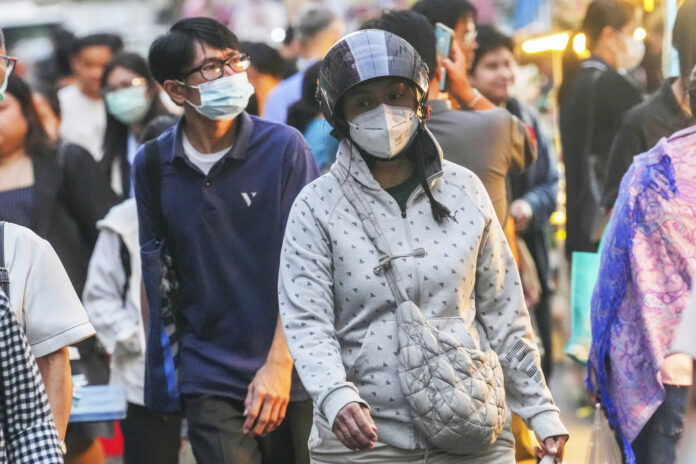
A woman wears sweater in Bangkok, Thailand, Thursday, Jan. 16, 2025. (AP Photo/Sakchai Lalit)
BANGKOK (AP) — Tropical Thailand is experiencing an unusually cool stretch of weather that forecasters say could last until mid-February, leading many residents to dig out their sweaters and cardigans.
Thursday morning’s forecast showed areas all over Thailand were feeling the cool, especially in the north. The Meteorological Department said temperatures in the north and northeast dropped as low as 8-9 degrees Celsius (46.4-48.2 degrees Fahrenheit), while on the mountains they hit 2 degrees Celsius.
The past few weeks have been particularly enjoyable for many people in Bangkok, where high temperatures in the summer can rise to 35-40 degrees Celsius.
Thursday saw a slight rise in temperatures in the city, but the lows were still measured at 19-21 degrees Celsius.
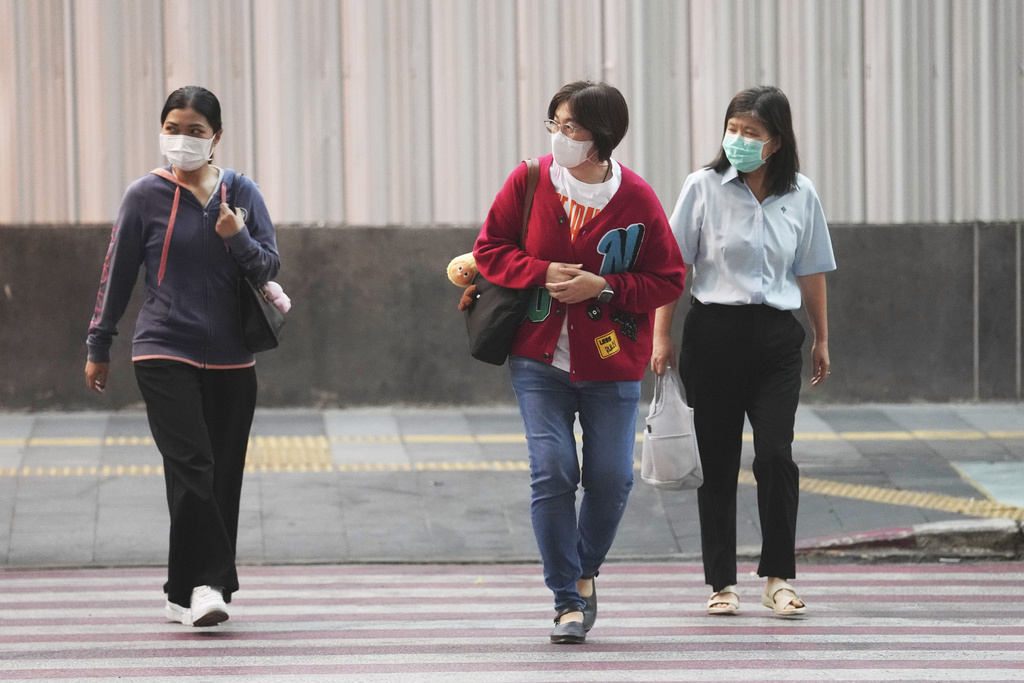
Women wear sweater cross a street in Bangkok, Thailand, Thursday, Jan. 16, 2025. (AP Photo/Sakchai Lalit)
At a park in central Bangkok, many joggers were out early in the morning to enjoy the cooler temperatures and sweat-free exercise.
German expat Thomas Singenberger, who has been living in Thailand for 10 years, said the weather made his morning run much more pleasant.
“It’s really nice and cold. So it’s a good feeling to get up early,” he said. “Even sleeping without AC is really nice at the moment and to open the windows.”
Earlier this week the weather was even cooler. On Monday, Bangkok temperatures touched 15 degrees Celsius, which the weather department said was the lowest this year for the capital.
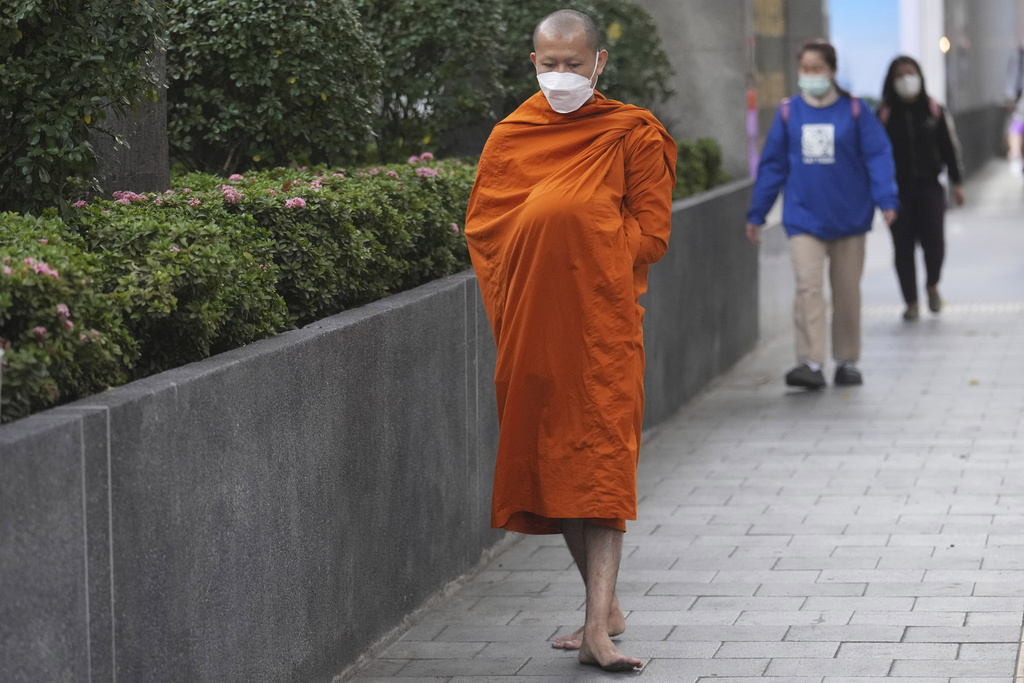
A Buddhist monk holds a bowl for morning alms in Bangkok, Thailand, Thursday, Jan. 16, 2025. (AP Photo/Sakchai Lalit)
Food vendor Ekkarak Kamtan, wearing a thick denim shirt over a T-shirt, said he didn’t care for the chilly temperatures. “I’ve never felt so cold like this… The hot weather’s better,” he said with a laugh.
While temperatures could rise next week, the Meteorological Department said the cooler conditions will likely remain until mid-February, especially in the north and northeast, and summer temperatures are expected to be milder than usual.
This is due to the impact of La Nina, an occasional but natural cooling of the equatorial Pacific that also changes weather worldwide.
The cool spell coincides with seasonal air pollution in Bangkok, which usually starts in October and lasts until February. Along with warm clothing, many people also donned face masks outdoors.
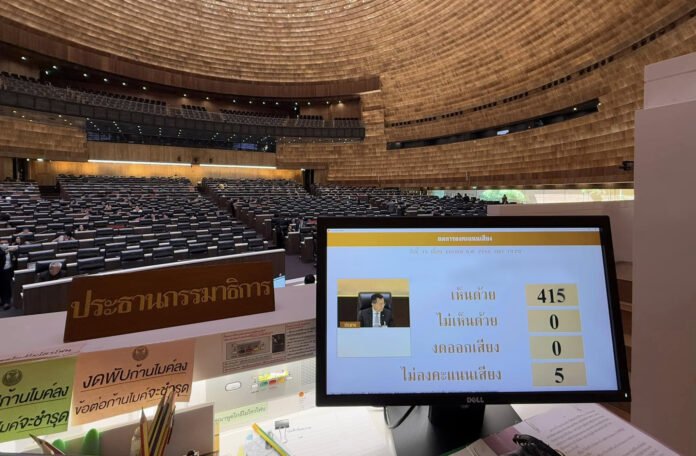
Thailand's House of Representatives unanimously approves the Community Alcoholic Beverage Bill, with 415 votes in favor, no opposition, and 5 abstentions, on Jan. 15, 2025.
BANGKOK — In a landmark decision, the Thai House of Representatives unanimously approved the Community Alcoholic Beverage Bill, marking a significant shift in Thailand’s beverage production landscape. The bill passed with 415 votes in favor, no opposition, and 5 abstentions.
The legislation, jointly proposed by the Pheu Thai Party under the name “Community Alcoholic Beverage” and the Thai Sang Thai Party as “United Thai Alcoholic Beverage,” aims to democratize the industry by allowing small-scale producers to legally manufacture and possess equipment for both distilled spirits and beer production.
Committee Chairman Chanin Rungthankiat of the Pheu Thai Party explained that the legislation establishes a framework for issuing production licenses and setting conditions for manufacturing equipment. “The new licensing system will prevent discriminatory practices and economic monopolies, ensuring fair access for small-scale producers,” he stated.
Key aspects of the bill include:
Support for cooperatives, farmer groups, community enterprises, and small entrepreneurs to obtain commercial production licenses
Permission to produce various types of alcoholic beverages, including distilled spirits and beer
Requirements for production standards while maintaining necessary social impact controls
Mandatory registration with government authorities for production and equipment possession
Thailand’s House of Representatives unanimously approves the Community Alcoholic Beverage Bill, on Jan. 15, 2025.
Prime Minister Paetongtarn Shinawatra celebrated the bill’s passage in a social media post, highlighting new economic opportunities for small entrepreneurs. “This bill will enable producers to transform agricultural products and unique Thai spices into valuable ingredients for both spirits and beer, increasing their produce value while elevating Thai traditional brewing and distilling wisdom to international markets,” she stated.
The legislation aligns with government policies by:
Reducing industry monopolization and enabling legal business opportunities for small producers
Bringing unofficial production under proper regulation and taxation
Supporting creative cultural tourism through community-based alcoholic beverage production
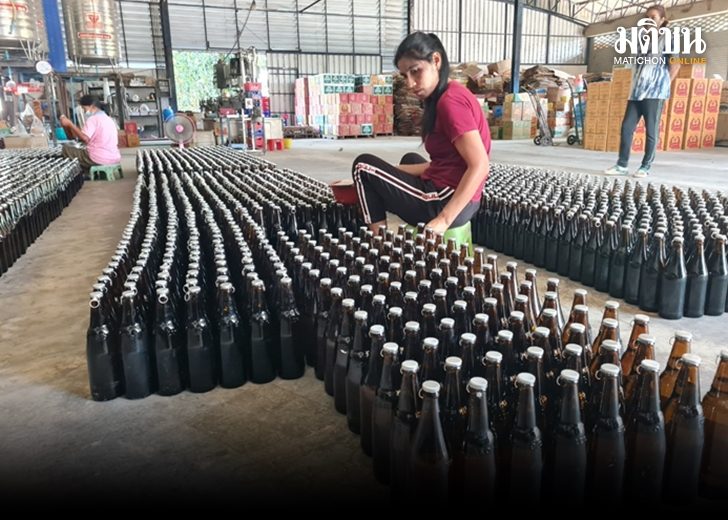
Community liquor production in Nakhon Ratchasima Province
Government agencies have indicated they won’t wait for the law’s full implementation to begin helping small businesses. Opposition People’s Party MP Taopipop Limjittrakorn, a long-time advocate for alcoholic beverage production reform, welcomed this approach and extended gratitude to the majority coalition. He particularly praised Chairman Chanin for their productive cross-party collaboration, despite their different political affiliations.
Regarding implementation, Taopipop noted that while the licensing framework is now established, attention must turn to ministerial regulations under the Finance Ministry’s authority, estimating these could be issued within 2-3 months.
The bill will now proceed to the Senate for further consideration. This reform marks a significant step toward modernizing Thailand’s alcoholic beverage industry while preserving regulatory oversight and promoting economic opportunities for local communities.
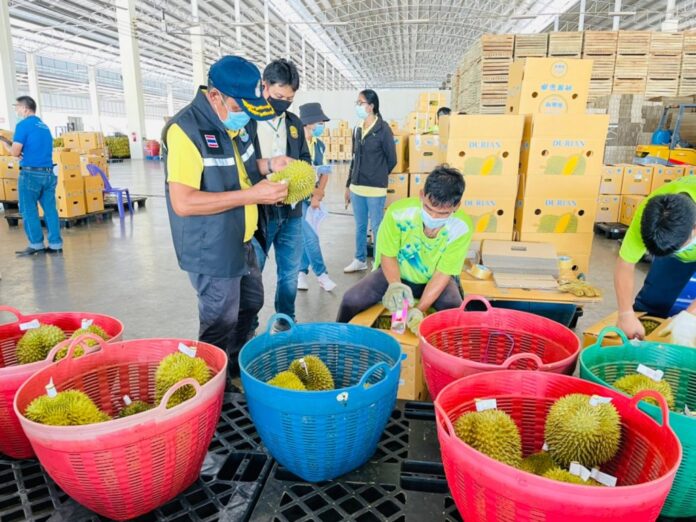
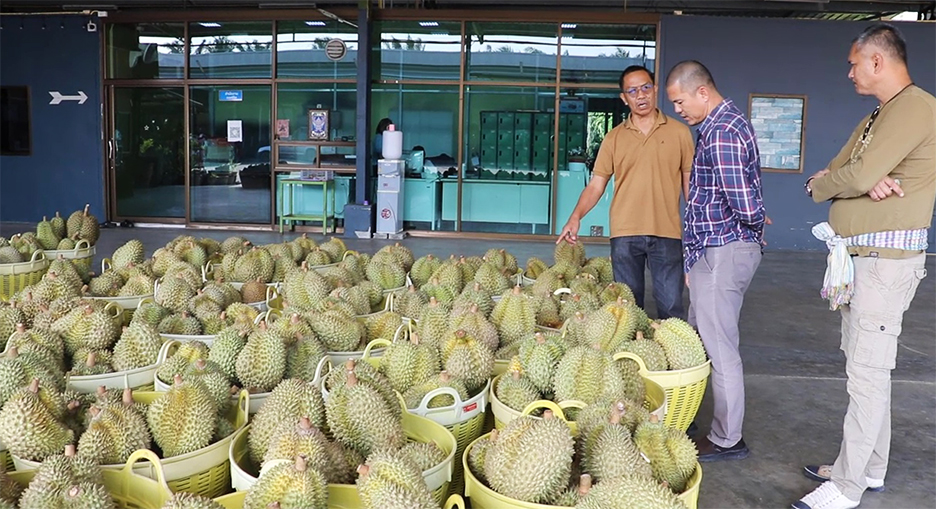
Thai fruit board meeting in January, 2025 has approved stricter measures requiring 100% inspection of all durian export containers.
BANGKOK — Thailand’s durian export industry is in a serious crisis after more than 100 containers were rejected by China because the test results for the carcinogenic dye “Basic Yellow 2” (BY2) were missing. The rejected durians have been sent back and are being sold on the “Talad Thai” market, resulting in a price drop from the initial purchase prices of 230-240 baht/kg to only 110-120 baht/kg, forcing exporters (known as “long”) to stop buying.
The General Administration of Customs of China (GACC) reported the detection of Basic Yellow 2, a substance classified by the WHO as a Group 2B carcinogen, in Thai durian exports. China now requires all Thai durian shipments to be accompanied by a test report confirming the absence of BY2 and cadmium.
In addition, spot checks will be carried out at entry points by land, sea and air. If residues are found, imports will be suspended immediately. The regulation has been in effect since January 10, 2025.
The Thai Durian Association stated that several export associations have issued a ban on the use of such chemical additives in the production of durians for export in order to comply with Chinese standards and restore consumer confidence. However, China has adjusted its inspection procedure and extended the duration of inspections from one week to a longer period.
Basic Yellow 2, a substance classified by the WHO as a Group 2B carcinogen, is believed to be used to enhance the yellow color of durian fruit.
The Chinese authorities carry out strict checks for BY2 and cadmium on durians from Thailand, Vietnam and Malaysia. While Vietnam has a laboratory that can test for BY2, imported shipments in China require additional testing, which takes about seven days. This delay is expected to cause congestion at border checkpoints and ports as more than 50% of durian shipments from these countries are now being tested.
“China is currently randomly inspecting more than 50 percent of durian shipments from Thailand, Vietnam and Malaysia, with the process taking up to seven days.”
A source from a large packing plant told Prachachat Business that the entire durian export system is in chaos. About 100 containers sent to China before January 10, 2025 for Chinese New Year (January 26-28) were rejected due to lack of BY2 test results and had to be sent back.
Waiting for the Chinese authorities to conduct their own BY2 tests would take 7-9 days, with no guarantee that the labs would be able to complete the tests in time. This delay could significantly affect sales during the Chinese New Year, when durian prices usually peak. The financial loss from the rejections is estimated at 500 million baht, with each container worth about 5 million baht.
Returned durians, which are often overripe, may have to be sold domestically at reduced prices. If they are too ripe, they may have to be sold to cold storage for further processing at even lower prices.
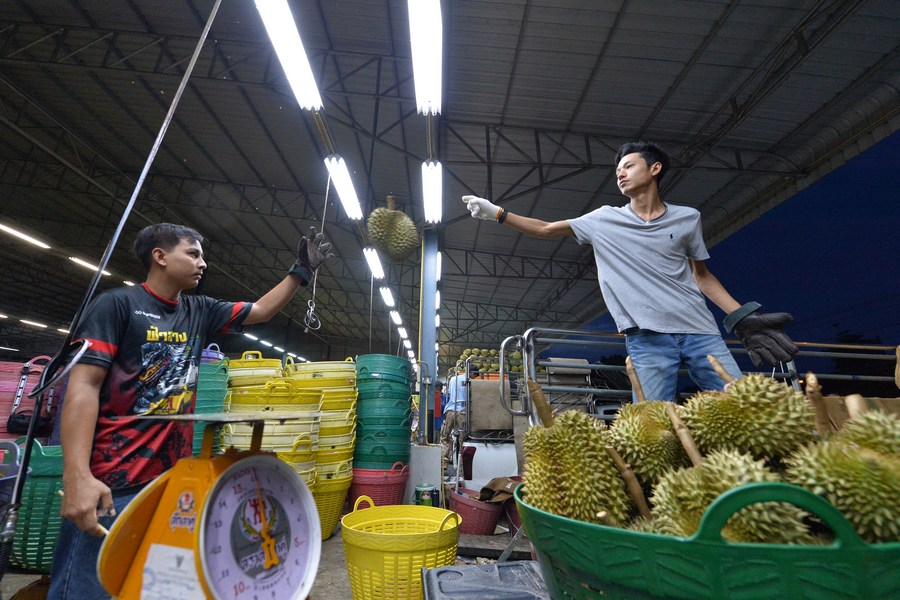
Workers transfer durians at a durian processing factory in Chanthaburi, Thailand, May 7, 2024. (Xinhua/Rachen Sageamsak)
“We are currently in a difficult situation. The rejected durians have to be sold at a loss, about 110-120 baht/kg. When they are overripe, the price drops further to 60-80 baht/kg when they are sold for cold storage processing. This crisis coincides with the off-season when production is low. Many exporters had already bought durians for Chinese New Year sales at high prices, around 230-240 baht/kg, and paid 30 percent upfront to farmers. Now the price has dropped to 130 baht/kg, but all exporters have stopped their purchases and are waiting for clarity and complete documentation,” the source said.
Thai Labs Can Test BY2 for 3,000 baht per Sample
Sanchai Puranachai, president of the Thai Fruit Traders and Exporters Association, explained that China strictly checks for BY2 residues on all shipping routes. The Customs Department in Kunming has confirmed that Thai and Vietnamese durians must be tested for the light alkali yolk (BY2) from January 10, 2025. The results are expected within seven days, while the entire export process will take around 18 days.
The Chinese protocol provides for a three-stage enforcement:
First Violation: Warning and return of the shipment.
Second Violation: Another warning with the shipment returned.
Third Violation: Complete destruction of the shipment within seven days.
Chumphon durian exporters and farmers were affected by China’s new chemical testing protocols in early 2025.
“Following the Fruit Board meeting, measures were established to ensure durian exports can proceed. Testing companies confirmed they could issue certification within 10 working days if no BY2 is detected. However, if Chinese authorities retest and find BY2, both the packing facility and inspection officers will face penalties,” said Sanchai.
The Department of Agriculture announced that AMARC, one of the 22 accredited laboratories in Thailand, can start issuing BY2 test reports from January 17, 2025. The tests will take three days and cost THB 3,000 per sample. The allowable limit for BY2 set by China is a maximum of 2 parts per billion (ppb).
Fruit Board Orders 100% Testing of Durian Exports
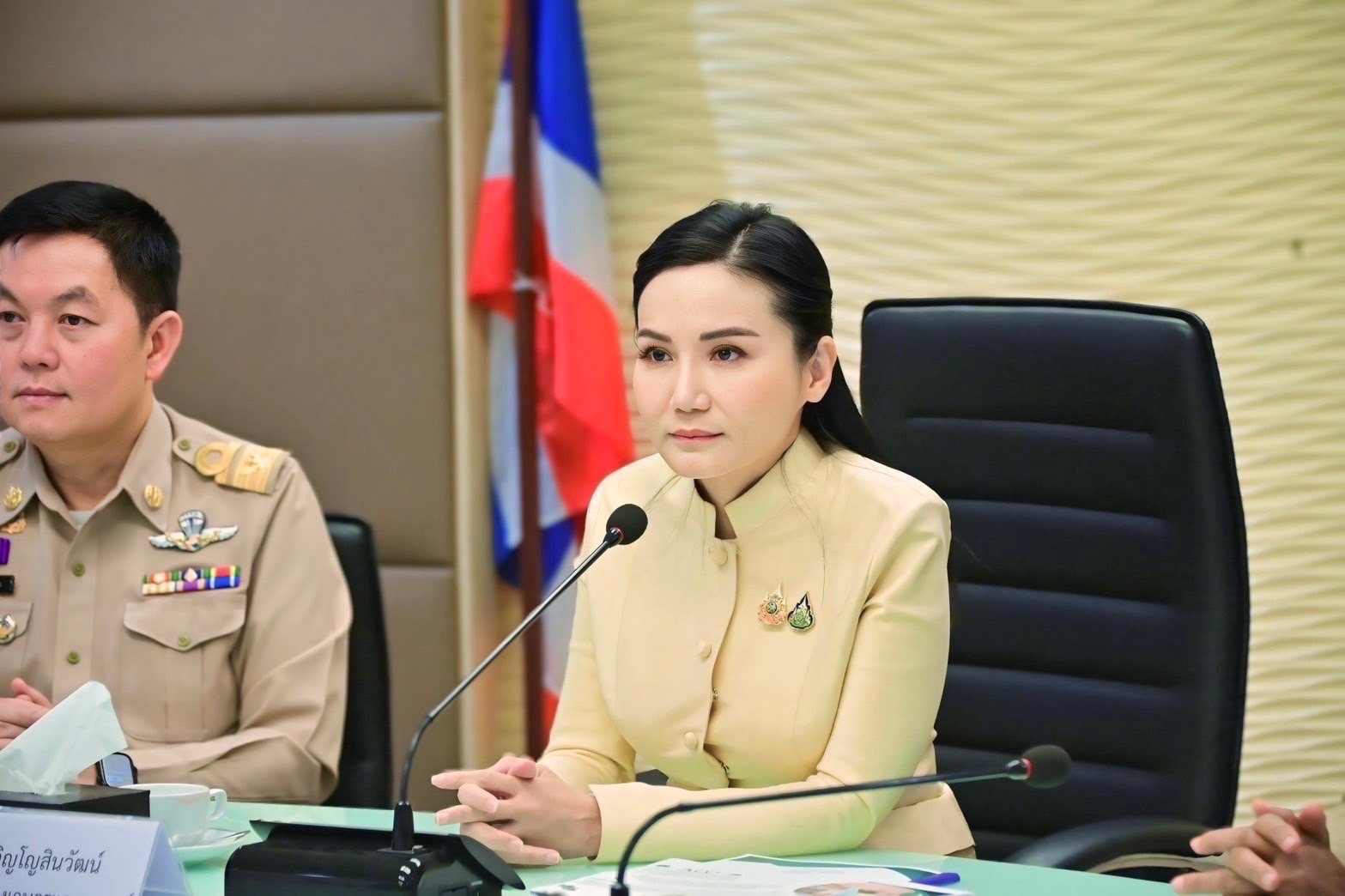
Narumon Pinyosinwat, Minister of Agriculture and Cooperatives, confirmed that the Fruit Board has ordered a 100 percent inspection of all Thai durian exports for BY2, cadmium, durian mites and sulfur dioxide contamination in longans. Violations will be penalized under the new Ministry of Agriculture guidelines.
Officials will also be dispatched to inspect packing plants in Chumphon and Nakhon Si Thammarat, where the harvest season is approaching. The Ministry of Agriculture plans to carry out stricter quality checks within the next 10 days to restore confidence in Thai durians.
Fruit Board meeting: Minister Narumon announces 100% inspection policy for durian exports.
Minister Narumon will visit China with the Prime Minister from February 5-7, 2025 to discuss the durian export crisis with the GACC. Chinese authorities have recently tightened controls on Thai fruit, according to export data from January to November 2024, when Thailand exported 1.817 million tons of fresh fruit worth 177.131 billion baht to China.
The Department of Agriculture also announced new measures under the 2025 Regulation on the Prevention of Prohibited Substances in Fresh Durians Exported to China, which have come into effect on January 10, 2025:
Proper use of chemicals: only authorized chemicals in appropriate quantities according to the regulations of the Thai Ministry of Public Health or the Hazardous Substances Act B.E. 2535.
Use of prohibited substances: If found in the packaging facility, the export license may be revoked.
Suspected use: If a prohibited substance is suspected, the facility must send the products for laboratory analysis before receiving phytosanitary certification.
In 2024, Thailand exported 101,884 containers (1.824 million tons) of fruit worth 134.954 billion baht to China, a decrease compared to previous years. Durian exports accounted for 52,960 containers (824,777 tons) worth 88.806 billion baht.
Longan exports amounted to 15,102 containers (375,327 tons) worth 16.018 billion baht ($3.9 billion). The ministry also announced plans to open the Philippine market to Thai longan to expand export opportunities.
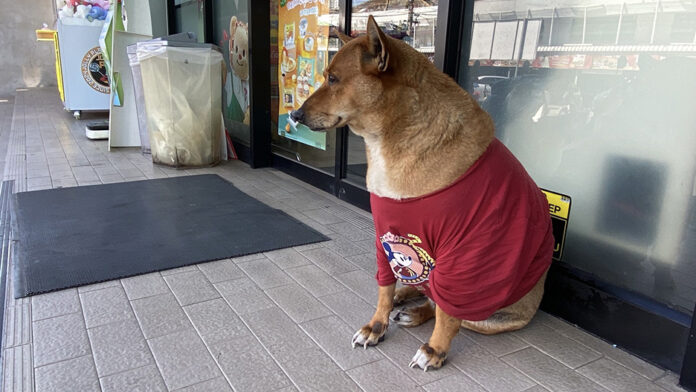
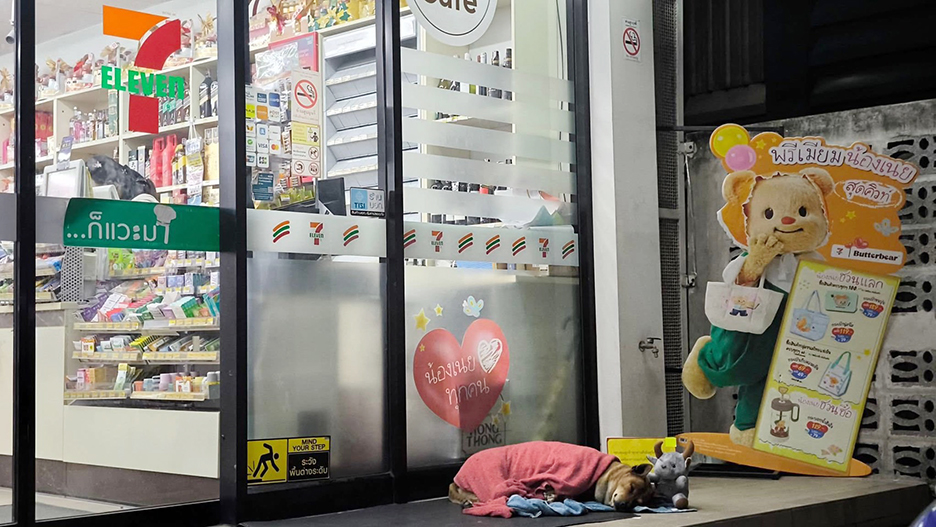
Moo Daeng, a dog who continues to wait for her owner outside a convenience store in downtown Nakhon Ratchasima, even after his master's death, earning her the nickname "The Hachiko of Korat."
NAKHON RATCHASIMA — A heartwarming story of loyalty has emerged from Nakhon Ratchasima province, where a Thai dog nicknamed “Moo Daeng” (meaning ‘Chinese BBQ pork’ in Thai) continues to wait for her deceased homeless owner outside a convenience store in the Ya Mo market area. The dog’s unwavering dedication has earned her the title “The Hachiko of Korat,” drawing parallels to the famous Japanese dog known for his legendary loyalty.
The story went viral after being shared by the Facebook page “Korat: The City You Can Create,” touching the hearts of thousands of viewers.
Moo Daeng, a dog who continues to wait for her owner outside a convenience store in downtown Nakhon Ratchasima, even after her master’s death, earning her the nickname “The Hachiko of Korat.”
Moo Daeng previously lived with a homeless man who dressed like a hermit and often sold items or received donations in the area. The pair were inseparable, with Moo Daeng regularly waiting for her owner outside the 7-Eleven store, which served as their regular resting spot.
In November 2024, the homeless man fell seriously ill and passed away. Despite her owner’s death, Moo Daeng refuses to leave her post, reminiscent of Hachiko, the Japanese dog who waited at Shibuya Station for his deceased owner every day for ten years.
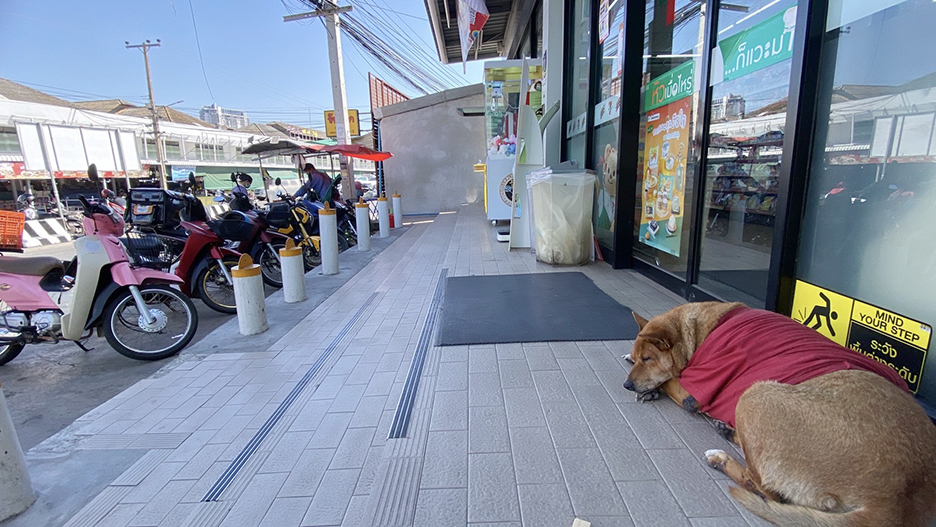
Moo Daeng rests outside a convenience store in Ya Mo Market, Nakhon Ratchasima, wearing warm clothes and blankets provided by the store staff, January 15, 2025.
Currently, the convenience store manager and staff are caring for Moo Daeng, providing food and warm clothing during the cold season. To protect her health, they’ve installed signs requesting visitors not to feed her milk or liver, as these foods could make her ill. The dog’s unwavering loyalty has captured the attention and affection of local residents and passersby.
When a Khaosod reporter visited the site on January 15, they found Moo Daeng peacefully sleeping in front of the store, wearing a red shirt. Local vendors and customers regularly stop to greet and interact with her, with food delivery riders often bringing treats.
Moo Daeng rests outside a convenience store in Ya Mo Market, Nakhon Ratchasima, wearing warm clothes and blankets provided by the store staff, January 15, 2025.
According to local vendors, the dog was originally named “Noo Daeng” (Red Mouse), but due to her chubby appearance, people started calling her Moo Daeng (Red Pig).
Somnuk Wisetnok, a banana fritter vendor who has worked in the area for six years, shared that he had witnessed Moo Daeng following the homeless man for four years before his passing. “Moo Daeng is a friendly dog, never aggressive, and gets along well with everyone. The market vendors all love her and regularly bring her food and water. The convenience store staff take excellent care of her and have even taken her to the veterinarian,” Somnuk explained.
To this day, Moo Daeng maintains her vigil at the same spot, a testament to the enduring bond between a dog and her owner.