
























36.6 C
Bangkok
Monday, June 22, 2026
Home Blog Page 936

CP Foods reports progress on Sustainability transition to achieve SeaBOS’ Commitment

Charoen Pokphand Foods PCL (CP Foods) announced a five-year progress towards Seafood Business for Ocean Stewardship’s goals, highlighting achievements on Antimicrobial Resistance prevention, IUU elimination, and Ocean trashes management. 
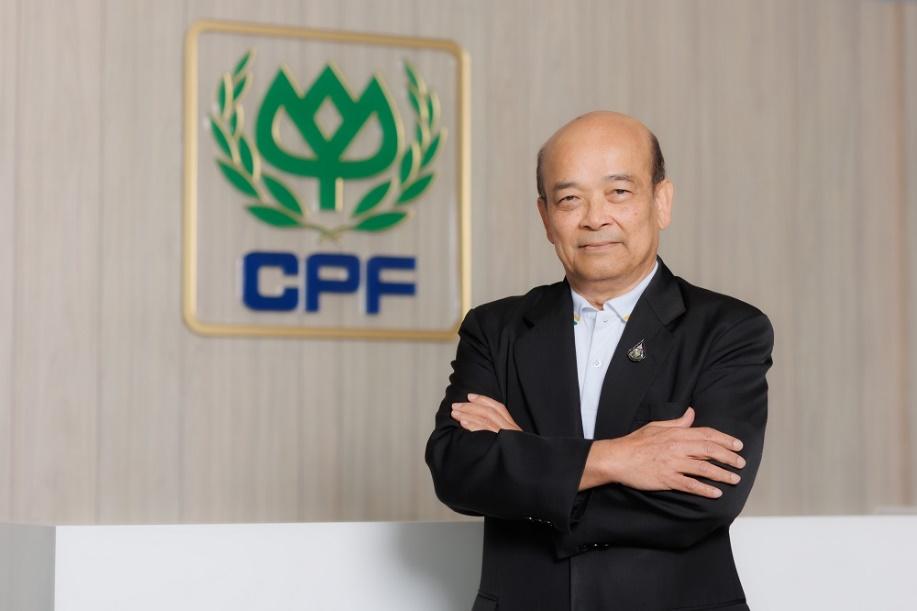
image3 6

Seafood Business for Ocean Stewardship (SeaBOS) is a joint effort made by leading seafood companies and marine scientists to synergize sustainability standards, allowing more quality, efficiency, and affordability of seafood traceability worldwide. As a member of SeaBOS, CP Foods is continually supporting transformation of global seafood industry in multiple dimensions.  

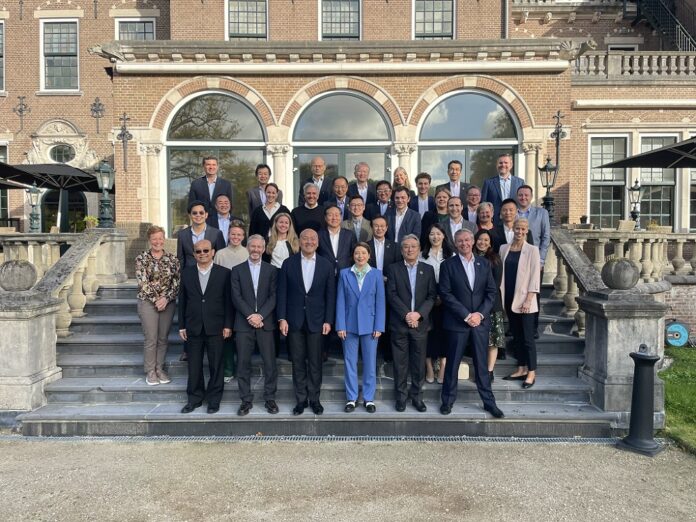
Ten company members including CP Foods recently reported its progresses to HRH Crown Princess Victoria of Sweden at the recent SeaBOS CEO meeting in Netherlands. DVM Sujint Thammasart, Chief Operating Officer – Aquaculture Business at CP Foods, says “At CP Foods, we drive the sustainable development under the sustainability strategy named “CPF 2030 Sustainability in Action”. Under this guideline, we are committed to creating our values for society and restoring the balance to natural resources, which is the fundamental of foods production as well as supporting the UN SDGs and the ten principles of the UN Global Compact. The effort is fully aligned with SeaBOS commitments. Therefore, collaboration with SeaBOS has strengthen us on our sustainability journey, helping us achieved our goal earlier than the milestones initially set,” DVM Sujint said.

He added that CP Foods’ aquaculture practice is highly transparent with no use of antibiotic. CP Foods is proud to be assessed at BBFAW Tier 3, for prioritize aquaculture performance, achieved with the company’s 3 Clean principles, clean pond, clean shrimp, and clean water, which ensure high quality shrimp product and sustainability. The technological innovation helps the company cut down water usage in shrimp farms. 

In addition, CP Foods has a policy on ‘Fishmeal Sourcing Restriction’ that requires all fishmeal used in operation must not relate to IUU fishing and does not include species at risk from extinction as defined by the World Conservation Union: IUCN Red List of Threatened Species.  Global recognized standard on fishery sustainability such as MarinTrust and the Fishery Improvement Project are key priority to ensure the legal and healthy fish stocks.  
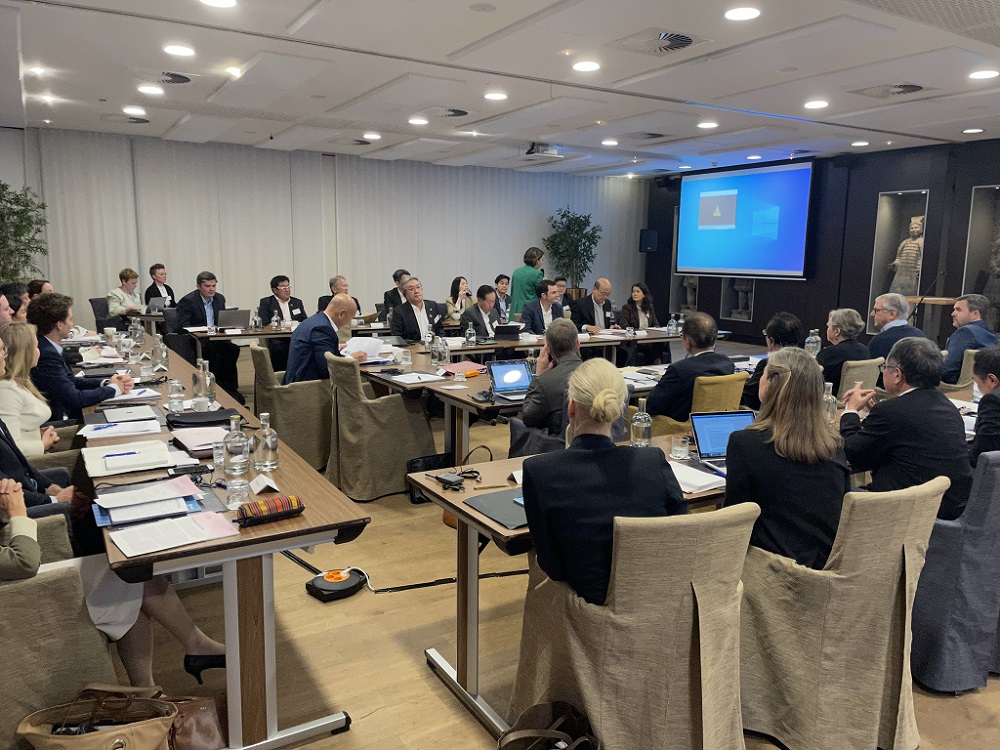
image2 8

In Thailand operation, CP Foods has sourced fishmeal 100% from MarinTrust certification factories and be able to tracing back to the vessel level.  He says, “This is the area we are working with researchers from ‘Stockholm Resilience Centre’ for further analysis of the vessel group we source from to seek for effective way to incorporate ‘Risk Maps on IUU and Labour Abuse’ into our procurement process in the near future,” 

As a result of responsible seafood production, CP Foods recently launched CP Pacific, a sustainable shrimp product whose feed is 100% sustainable and traceable. 
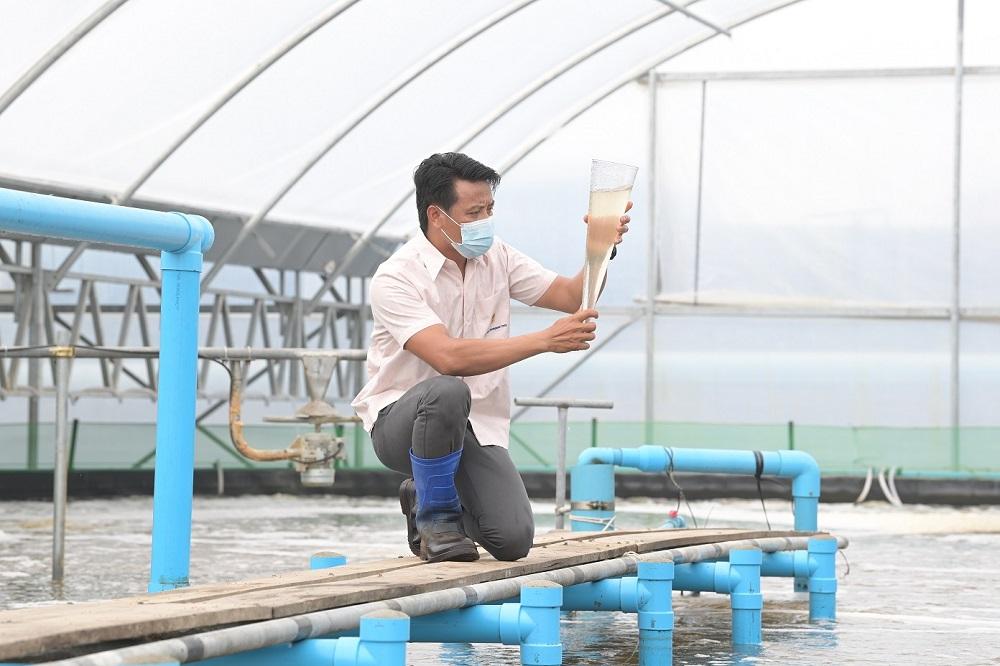
image5 5

Beyond ensuring 100% of the company’s critical suppliers received ESG assessment, this year, CP Foods has conducted Human Rights Due Diligence in high-risk areas throughout operations and supply chains across 17 countries of operation. This Due Diligence will be re-conducted every 3 years.

In August, CP Foods launched ‘Restore the Ocean’ program. The Program is active in 32 locations along the Gulf of Thailand and Andaman Sea. The trash is collected in critical inland areas and the coastal areas. There is also collaboration with vessel groups to bring back ocean trash.  All trash collected is systematically recorded in accordance with SeaBOS’ recommended approach, internationally recognized Ocean Conservancy guidelines, for recycling and upcycling process. These are only made possible by thorough guidance from SeaBOS and excellent research from the Plastic Task Force.
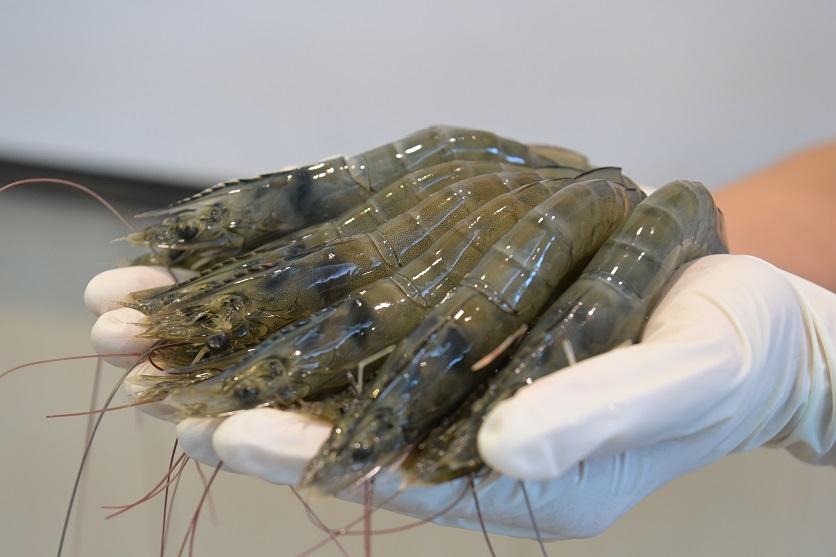
image4 6

Seafood Business for Ocean Stewardship (SeaBOS) is a group of the world’s largest seafood companies that are collaborating with science to implement a joint vision to support more sustainable seafood production and improved ocean health. The initiative connects capture fisheries with feed producers and aquaculture businesses across the globe.

Advertisement

CP Foods marks 35th anniversary of its “Raising Layer for Student’s Lunch” project Ensuring food security for students in a thousand remote schools.

In an effort to promote food security for children in rural Thailand, Charoen Pokphand Foods PLC (CP Foods) and Charoen Pokphand Rural Life Foundation commemorated the 35th anniversary of the “Raising Layer for Student’s Lunch” project by raising layer hens in providing their students with food security. This year, the project will offer the assist upto 1,000 schools nationwide and scale up to community’s food security. 

Somkid Wannalukkhee, Senior Vice President at CP Foods said CP Group, in collaboration with CP Foods and Charoen Pokphand Rural Life Foundation started the project since 1989 to support kids in rural areas gain access high-protein food, thereby addressing the malnutrition problem. The project assists schools in raising layer hens to produce fresh eggs for their own use in preparing meals for children. Currently, there are 905 schools participating this project ensuring more than 180,000 Thai receive adequate nutrition. This year, the schools granting the support will reach one thousand schools across Thailand.

“The project commits to assisting schools in providing a secure food source for children. CP Foods provides schools with the knowledge and technology they need to raise layer hens,” Somkid said.

The company also assists schools in developing production plans based on their consumption using the LINE application and a Google form. Aside from children, the surrounding communities can purchase surplus eggs at low prices. During the Covid-19 situation, the eggs from the projects become a community’s food stock and help alleviate household expenses.

The project was recognized by Thai and international organizations, particularly the Japanese Chamber of Commerce, Bangkok, which became a strategic partner to support the project from 2000 to the present, with the goal of increasing food accessibility for children. Siam Makro Plc. also joined as a partner to help drive the project’s expansion to become the school’s learning center for occupational skill development.

In order to participate in the project, interested schools should contact the Charoen Pokphand Foundation for Rural Life Development at 02-766-7340/4310 or 0-2638-2716.

Advertisement

Never Before! “Birdy Max Roast”, the first and only no-sugar-added milk coffee but still has right sweetness! 

“Birdy”, Thailand’s market leader in ready-to-drink canned coffee, introduces “Birdy Max Roast”, a no-sugar-added milk coffee with a right sweetness, and intense taste, introduced with Joss Way-Ar Sangngern, the hottest actor, as a presenter to target who love milk coffee and concern about healthiness (sugar intake), but want to drink coffee every day to wake up and get ready for work.

image2 7

Ajinomoto Co., (Thailand) Ltd. has always been developing quality products to meet consumer’s need by pioneering the market for no-sugar-added milk coffee as a healthier choice for health-conscious consumers who love to drink milk coffee and to drive the growth of the health product group leading to the development of the latest product, “Birdy Max Roast” under the concept “a no-sugar-added milk coffee with a right sweetness” which is the first and only one product this market segment. To emphasize the image of the intense coffee, a well-known actor Joss Way-Ar Sangngern was chosen as a presenter of “Birdy Max Roast” representing a health-concerned consumer. Moreover, we also launched the campaign for consumers to easily join and play for many rewards by these 3 ways; 1. Scan QR code on product or add line @birdyworld 2. Fill in your information for the first time 3. Input the 11 code numbers under the ring tab to collect points and redeem rewards since today onwards until March 31, 2023. Keep updating our movement of “Birdy®” via our Facebook Fan page ‘Birdy World’ and www.ajinomoto.co.th

This one of Ajinomoto contribution to creating a “Healthy living society” among consumers, which can be seen from the “Healthier Choice Logo” which reflects our strong intention to support consumer’s good health in accordance with our Ajinomoto Group Creating Shared Value policy (ASV). Through this relentless dedication, “Birdy®” is able to win the hearts of consumers as a brand that has “No. 1 sales in the ready-to-drink canned coffee market in Thailand”.

Click :  https://www.youtube.com/watch?v=KZS5ooyWkUk

Advertisement

Ukraine War, Tensions With China Loom Over Big Bali Summit

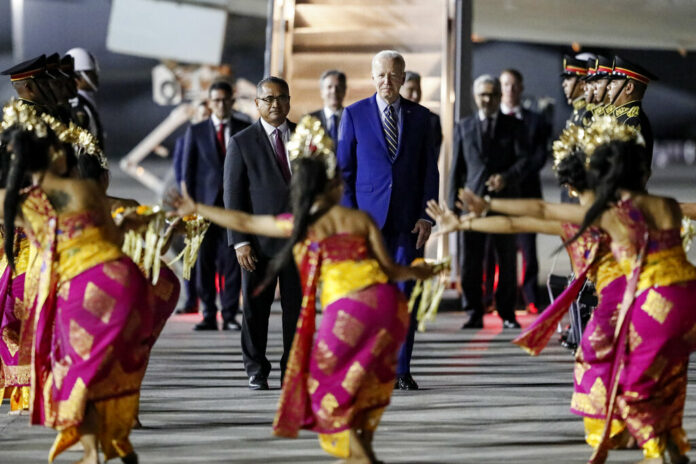
U.S. President Joe Biden, center, watches Balinese dancers perform upon his arrival to attend the G20 Summit at the Ngurah Rai International Airport in Bali, Indonesia, Sunday, Nov. 13, 2022. Photo: Made Nagi / Pool Photo via AP

NUSA DUA, Indonesia (AP) — A showdown between Presidents Joe Biden and Vladimir Putin isn’t happening, but fallout from Russia’s invasion of Ukraine and growing tensions between China and the West will be at the fore when leaders of the world’s biggest economies gather in tropical Bali this week.

The Group of 20 members begin talks on the Indonesian resort island Tuesday under the hopeful theme of “recover together, recover stronger.” While Putin is staying away, Biden will meet with Chinese President Xi Jinping and get to know new British Prime Minister Rishi Sunak and Italy’s Giorgia Meloni.

The summit’s official priorities of health, sustainable energy and digital transformation are likely to be overshadowed by fears of a sputtering global economy and geopolitical tensions centered on the war in Ukraine.

The nearly 9-month-old conflict has disrupted trade in oil, natural gas and grain, and shifted much of the summit’s focus to food and energy security.

The U.S. and allies in Europe and Asia, meanwhile, increasingly are squaring off against a more assertive China, leaving emerging G-20 economies like India, Brazil and host Indonesia to walk a tightrope between bigger powers.

Indonesian President Joko Widodo has tried to bridge rifts within the G-20 over the war in Ukraine. Widodo, also known as Jokowi, became the first Asian leader since the invasion to visit both Russia and Ukraine in the summer.

He invited President Volodymyr Zelenskyy of Ukraine, not a G-20 member, to join the summit. Zelenskyy is expected to participate online.

“One of the priorities for Jokowi is to ease the tension of war and geopolitical risk,” said Bhima Yudhistira, director of the Center of Economic and Law Studies in Indonesia’s capital, Jakarta.

Last year’s G-20 summit in Rome was the first in-person gathering of members since the pandemic, though the leaders of Russia and China didn’t attend.

This year’s event is bracketed by the United Nations climate conference in Egypt and the Association of Southeast Asian Nations summit in Cambodia, which Biden and some other G-20 leaders are attending, and the Asia-Pacific Economic Cooperation meeting in Thailand right afterward.

The American president vowed to work with Southeast Asian nations on Saturday, saying “we’re going to build a better future that we all want to see” in a region where China is working to grow its influence. On Sunday, Biden huddled with the leaders of Japan and South Korea to discuss China and the threat from North Korea.

One question hanging over the Bali summit is whether Russia will agree to extend the U.N. Black Sea Grain Initiative, which is up for renewal Nov. 19.

The July deal allowed major global grain producer Ukraine to resume exports from ports that had been largely blocked for months because of the war. Russia briefly pulled out of the deal late last month only to rejoin it days later.

Ukrainian Foreign Minister Dmytro Kuleba on Saturday called for more pressure on Russia to extend the deal, saying Moscow must “stop playing hunger games with the world.”

As leaders contend with conflicts and geopolitical tensions, they face the risk that efforts to tame inflation will extinguish post-pandemic recoveries or cause debilitating financial crises.

The war’s repercussions are being felt from the remotest villages of Asia and Africa to the most modern industries. It has amplified disruptions to energy supplies, shipping and food security, pushing prices sharply higher and complicating efforts to stabilize the world economy after the upheavals of the pandemic.

United Nations Secretary-General Antonio Guterres is urging the G-20 to provide financial help for the developing world.

“My priority in Bali will be to speak up for countries in the Global South that have been battered by the COVID-19 pandemic and the climate emergency, and now face crises in food, energy and finance — exacerbated by the war in Ukraine and crushing debt,” Guterres said.

The International Monetary Fund is forecasting 2.7% global growth in 2023, while private sector economists’ estimates are as low as 1.5%, down from about 3% this year, the slowest growth since the oil crisis of the early 1980s.

China has remained somewhat insulated from soaring inflation, mainly because it is struggling to reverse an economic slump that is weighing on global growth.

The Chinese economy, the world’s second largest, grew at a 3.9% pace in the latest quarter. But economists say activity is slowing under the pressure of pandemic controls, a crackdown on technology companies and a downturn in the real estate sector.

Forecasters have cut estimates of China’s annual economic growth to as low as 3%. That would be less than half of last year’s 8.1% and the second lowest in decades.

Chinese President Xi will be coming to the summit emboldened by his appointment to an unusual third term as party chairman, making him China’s strongest leader in decades. It’s only his second foreign trip since early 2020, following a visit to Central Asia where he met Putin in September.

Biden and Xi will hold their first in-person meeting since Biden became president in January 2021 on the event’s sidelines Monday.

The U.S. is at odds with China over a host of issues, including human rightstechnology and the future of the self-ruled island of Taiwan. The U.S. sees China as its biggest global competitor, and that rivalry is only likely to grow as Beijing seeks to expand its influence in the years to come.

The European Union is also reassessing its relationship with China as it seeks to reduce its trade dependency on the country.

Biden said he plans to talk with Xi about topics including Taiwan, trade policies and Beijing’s relationship with Russia.

“What I want to do … is lay out what each of our red lines are,” Biden said last week.

Many developing economies are caught between fighting inflation and trying to nurse along recoveries from the pandemic. Host Indonesia’s economy grew at a 5.7% pace in the last quarter, one of the fastest among G-20 nations.

But growth among resource exporters like Indonesia is forecast to cool as falling prices for oil, coal and other commodities end windfalls from the past year’s price boom.

At a time when many countries are struggling to afford imports of oil, gas and food while also meeting debt repayments, pressure is building on those most vulnerable to climate change to double down on shifting to more sustainable energy supplies.

In Bali, the talks are also expected to focus on finding ways to hasten the transition away from coal and other fossil fuels.

The G-20 was founded in 1999 originally as a forum to address economic challenges. It includes Argentina, Australia, Brazil, Canada, China, France, Germany, India, Indonesia, Italy, Japan, South Korea, Mexico, Russia, Saudi Arabia, South Africa, Turkey, the United Kingdom, the United States and the European Union. Spain holds a permanent guest seat.

Some observers of the bloc, like Josh Lipsky, senior director of the Atlantic Council’s GeoEconomics Center, question whether the G-20 can even function as geopolitical rifts grow.

“I’m skeptical that it can survive long-term in its current format,” he said in a briefing last week.

That makes things especially tough on host Indonesia.

“This is not the G-20 they signed up for,” Lipsky said. “The last thing they wanted was to be in the middle of this geopolitical fight, this war in Europe, and be the crossroads of it. But that’s where they are.”

___

Story: Adam Schreck and Elaine Kurtenbach. Associated Press writer Joe McDonald in Beijing contributed to this report.

Advertisement

Bomb Rocks Avenue in Heart of Istanbul; 6 Dead, Dozens Hurt

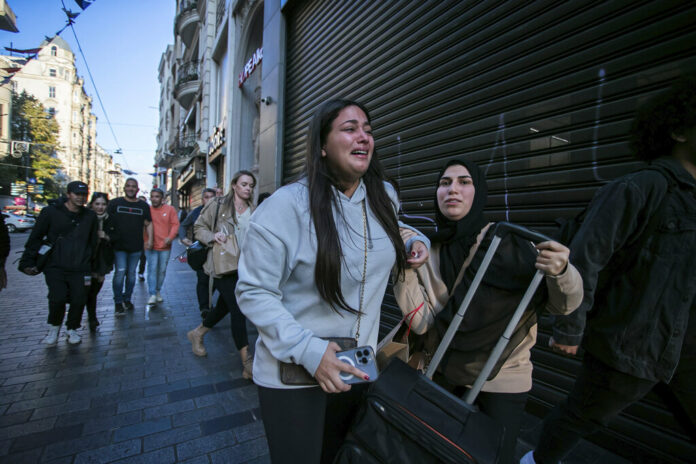
People leave the area after an explosion on Istanbul's popular pedestrian Istiklal Avenue Sunday, Istanbul, Sunday, Nov. 13, 2022. Photo: Can Ozer / AP

ISTANBUL (AP) — A bomb rocked a bustling pedestrian avenue in the heart of Istanbul on Sunday, killing six people, wounding several dozen and leaving panicked people to flee the fiery blast or huddle in cafes and shops.

Emergency vehicles rushed to the scene on Istiklal Avenue, a popular thoroughfare lined with shops and restaurants that leads to the iconic Taksim Square. In one video posted online, a loud bang could be heard and a flash seen as pedestrians turned and ran away.

Turkish President Recep Tayyip Erdogan called the blast a “treacherous attack” and said its perpetrators would be punished. He did not say who was behind the attack but said it had the “smell of terror” without offering details and also adding that was not certain yet.

Sunday’s explosion was a shocking reminder of the anxiety and safety concerns that stalked the Turkish population during years when such attacks were common. The country was hit by a string of deadly bombings between 2015 and 2017, some by the Islamic State group, others by Kurdish militants who seek increased autonomy or independence.

In recent years, Erdogan has led a broad crackdown on the militants as well as on Kurdish lawmakers and activists. Amid skyrocketing inflation and other economic troubles, Erdogan’s anti-terrorism campaign is a key rallying point for him ahead of presidential and parliamentary elections next year.

Erdogan, who left Sunday for the Group of 20 summit in Indonesia, said six people were killed. Vice President Fuat Oktay put the wounded toll to 81, with two in serious condition, and also said it appeared to be a terrorist attack.

Justice Minister Bekir Bozdag told pro-government broadcaster A Haber that investigators were focusing on a woman who sat on a bench by the scene of the blast for about 40 minutes. The explosion took place just minutes after she left. He said her identity was not yet clear, nor was it clear what group might be behind the attack.

A manager of a restaurant near where the bomb went off said he heard the explosion and saw people running. The dozens of customers inside his restaurant, including women and children, panicked and screamed.

The manager, who spoke on condition of anonymity because of the sensitivity of the situation, said he closed his restaurant’s shutters, fearing there might be another explosion, and tried to calm the customers down. After about 15 to 25 minutes inside, he saw police on the avenue and organized the customers and his staff to leave in small groups.

Numerous foreign governments offered their condolences, including neighboring Greece with which relations are tense. Prime Minister Kyriakos Mitsotakis said he was “shocked and saddened by the news of the heinous attack.”

Following the attacks between 2015 and 2017 that left more than 500 civilians and security personnel dead, Turkey launched cross-border military operations into Syria and northern Iraq against Kurdish militants, while also cracking down on Kurdish politicians, journalists and activists at home.

While the Kurdish militants, known as the PKK, are considered a terrorist organization by Turkey, the United States and the European Union, critics say Erdogan has also used broad terror laws to stifle free speech.

Most recently, Turkey enacted a controversial disinformation law that carries a prison sentence of up to three years for social media users who disseminate false information about domestic or international security, public order or health. Critics have said the wording of the article is so vague, it can be used to stamp out dissent.

Police on Sunday said they had identified 25 social media users who shared “provocative content” that could fall afoul of that law.

In another example of the country’s restrictions on the press, Turkey’s media watchdog also imposed temporary limits on reporting on Sunday’s explosion — a move that bans the use of close-up videos and photos of the blast and its aftermath. The Supreme Council of Radio and Television has imposed similar bans in the past, following attacks and accidents.

Access to Twitter and other social media sites was also restricted.

French President Emmanuel Macron on Sunday noted that the Istanbul attack came exactly seven years after Islamic State extremists killed 130 people at Paris cafes, the Bataclan theater and France’s national stadium.

“On such a symbolic day for our nation, as we are thinking of the victims who fell Nov. 13, 2015, the Turkish people were hit by an attack on their heart, Istanbul,” Macron said. “To the Turks: We share your pain. We stand at your side in the fight against terrorism.”

___

Story: Zeynep Bilginsoy. Associated Press journalists Cavit Ozgul and Khalil Hamra contributed to this report.

Advertisement

Opinion: Why Trying to Sell Off Thai Land Is Never a Good Political Idea?

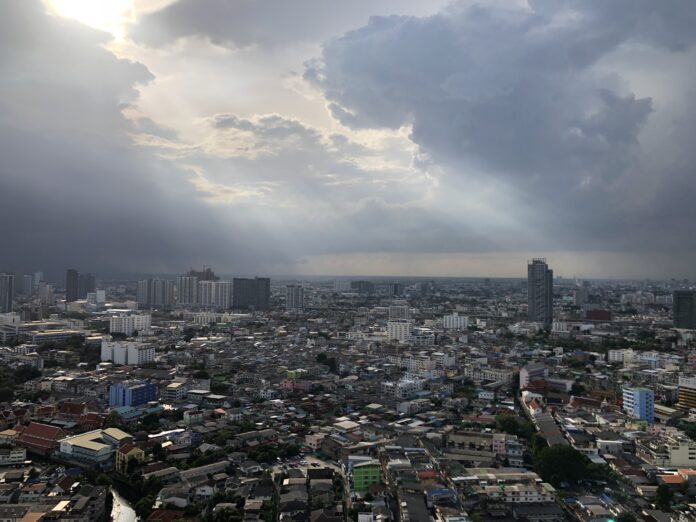
A file photo of Bangkok skyline.

It took just a few weeks for the Prayut Chan-o-cha government to cancel its controversial policy to allow foreigners to own up to one rai of land if they invest 40 million baht for three years. Well, the Cabinet on Tuesday decided they would not swim against the tsunami of criticisms and the allegation that they are literally “selling off Thai land” – particular close to general election time.

Whether that is fair for foreigners working hard or investing a lot in Thailand or not is debatable but what is clear is that the notion of nationalism in Thailand is closely tied to land and land ownership.

A journalist from the Mandarin Branch of Radio Free Asia asked me earlier this week why Thais are against Chinese purchasing one rai of Thai land.

“Chinese is seemingly the main target for blame, why so many people criticize Chinese recently,” Zewei Yang asks me.

Well, to be fair, ordinary Thais are just wary of foreigners, and not just Chinese from mainland China, owning Thai land.

But let’s answer Yang’s question first. That is partly because we see what is happening in neighboring countries like Cambodia and how China has literally turned Cambodia into a satellite state, a client state, or a semi-economic colony of China.

Some Chinese’s penchant for grey businesses in Thailand only make the matter worse. Think about the recent drug bust at a car-washing center illegally turned into a karaoke bar in the heart of Bangkok that is filled with young Chinese partygoers and supposedly operated by Chinese, and one should get the picture.

One valid issue that needs to be pointed out is resultant land price hikes in major urban areas if foreigners are allowed to own land. Think about the posh parts of London and their absentee foreign land and property owners, for example. Some Thais rightly fear they would be driven out of the property market if foreigners who earned much more are able to compete to buy Thai land.

But no, no, Thais inculcated with the Thai version of nationalism think of Thai land as something sacred and needs to be defended from foreign colonialists, imperialists, and now capitalists.

School children are inculcated at a young age on how ugly farangs, France and Britain, have shamelessly looted ‘our land’ that is now parts of Cambodia, Laos, Myanmar, and Malaysia. Never mind if we have looted from our neighbors first! These historical insults during the colonial era over a century ago enabled Thailand (then known as Siam) to narrowly escape direct western colonization is at the heart of Thai official history lessons taught at schools.

We feel ashamed that nothing can now be done about it so the specter of Prayut “the good former junta leader” wanting to “sell off” more Thai land – one rai at a time is just a betrayal to the very fundamental tenet of Thai nationalism. In fact, the Thai term for betraying one’s country, or “khai chart” (ขายชาติ) in fact literally means to sell off the country.

With such mindset, Thais who are brainwashed by the state-imposed notion of nationalism naturally equate permitting foreigners to own Thai land a seditious act that is gravely detrimental to national security as land ownership is perceived as an integral part of national sovereignty.

Never mind that only a handful of Thais and Thai-Chinese families own most of the land in Thailand and most people who are upset about the Prayut Cabinet for approving the idea last month own little or no land themselves.

According to Dot Property, an online property website, as of 2018, the Beer Chang owning-clan, the Sirivadhanabhakdi family, owns 630,000 rai of land. This is followed by the CP-owner clan, the Chearavanont, with over 200,000 rai. At number four is the Crown Property which owns 30,000 rai. All these when a quarter of a rai land with a house in the outskirts of Bangkok is dream millions of Bangkokians, the vast majority Bangkok residents, would never fulfill.

Here lies the irony of the whole notion of nationalism which does not address the domestic notion of gross inequality, land, or other aspects.

Advertisement

CP Foods showcases Meat Zero – Benja Chicken in APEC 2022 Thailand: Showcase at ICONSIAM

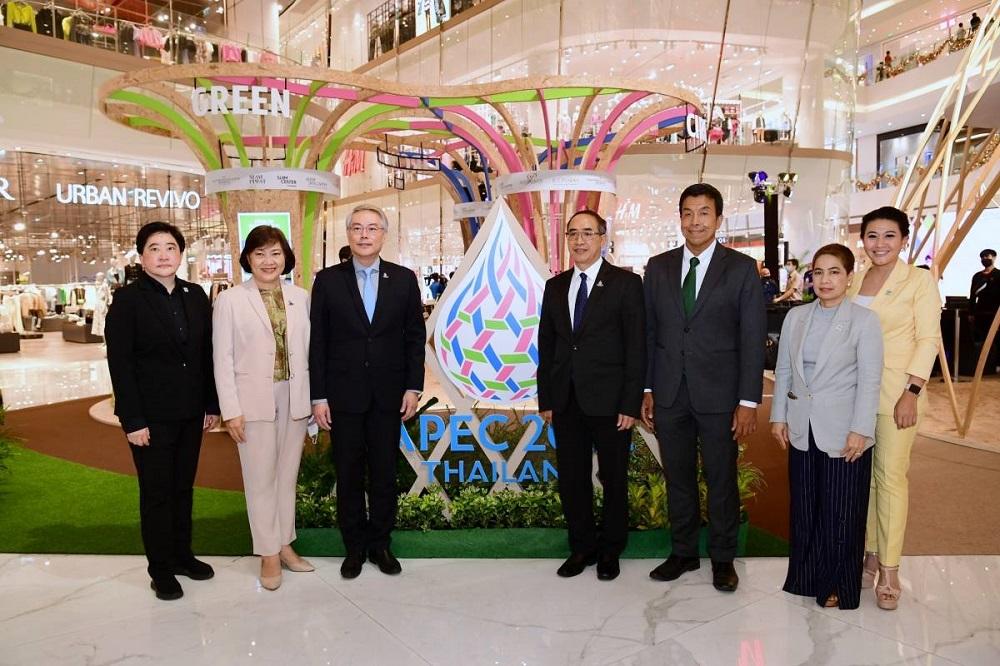
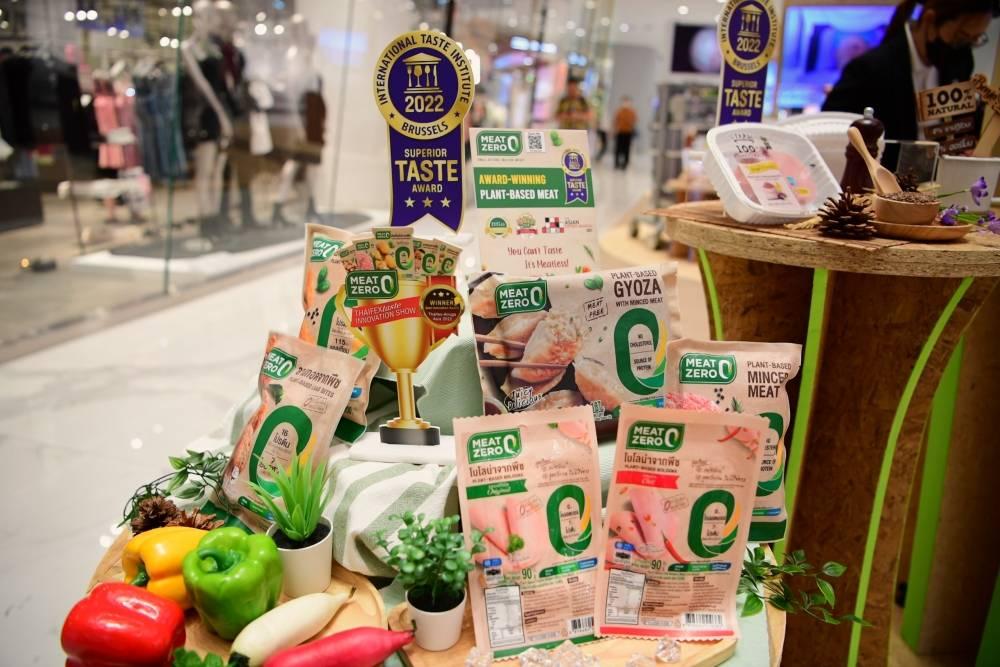
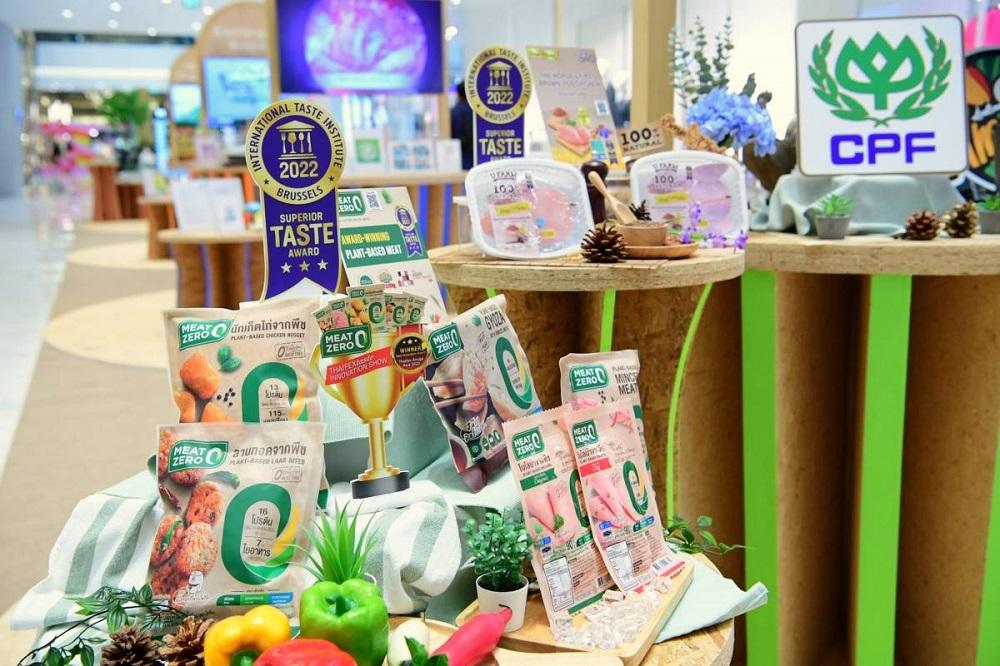
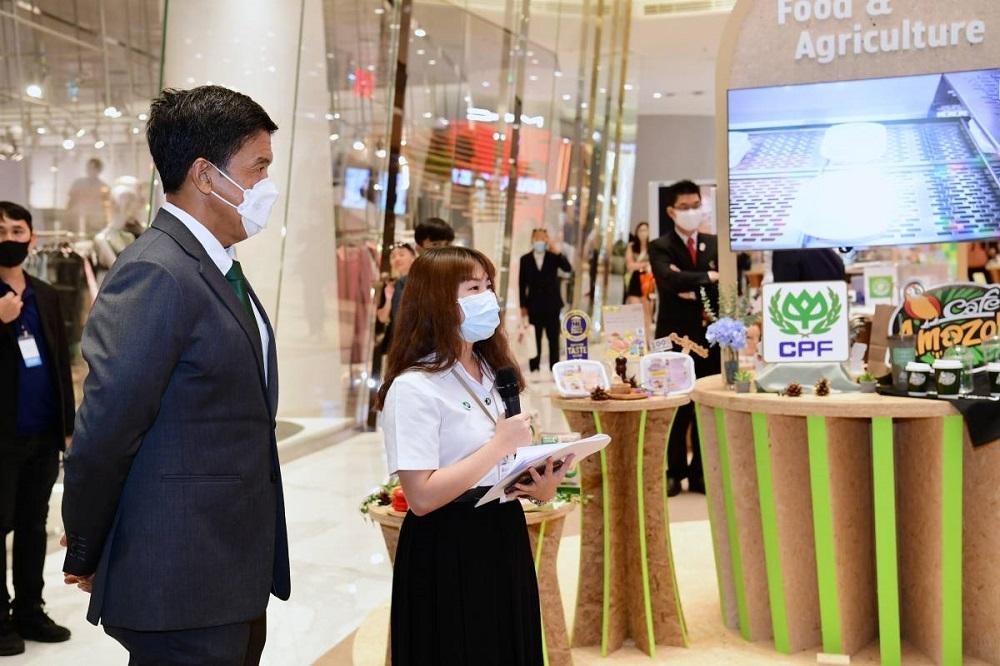
Charoen Pokphand Foods Public Company Limited or CP Foods, presents two sustainable food products consisting of plant-based brand MEAT ZERO and Benja Chicken from U Farm brand at “APEC 2022 Thailand: Showcase at ICONSIAM”, recognizing premium and safe foods produced align with the BCG model. The event, organized by ICONSIAM in collaboration with Ministry of Foreign, aiming to promote the Asia Pacific Economic Cooperation or APEC 2022, to be held in Bangkok from 16 to 18 November 2022.

image4 5

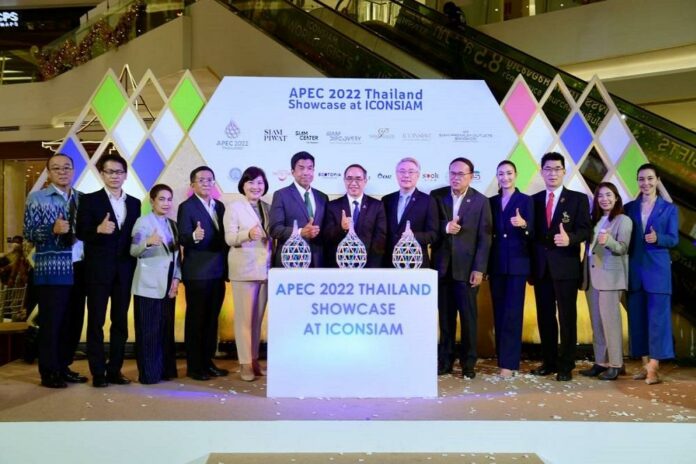
Tanee Sangrat, Director-General, Department of Information, Ministry of Foreign Affairs together with Bangkok governor Chadchart Sittipunt as well as Supot Chaiwatsirikul, CEO of Icon Siam Co.,Ltd. presided over the ceremony and visited CPF booth presenting plant-based products brand “MEAT ZERO”  and “Benja Chicken” products which adheres to the BCG economic model. 

image3 5

image6 2

Meat Zero, the plant-based meat made from plants with “PLANT-TEC”, innovation for creating a meat-like flavor, has the same texture and delicious taste as real meat while being cholesterol-free and high in protein and fiber. 

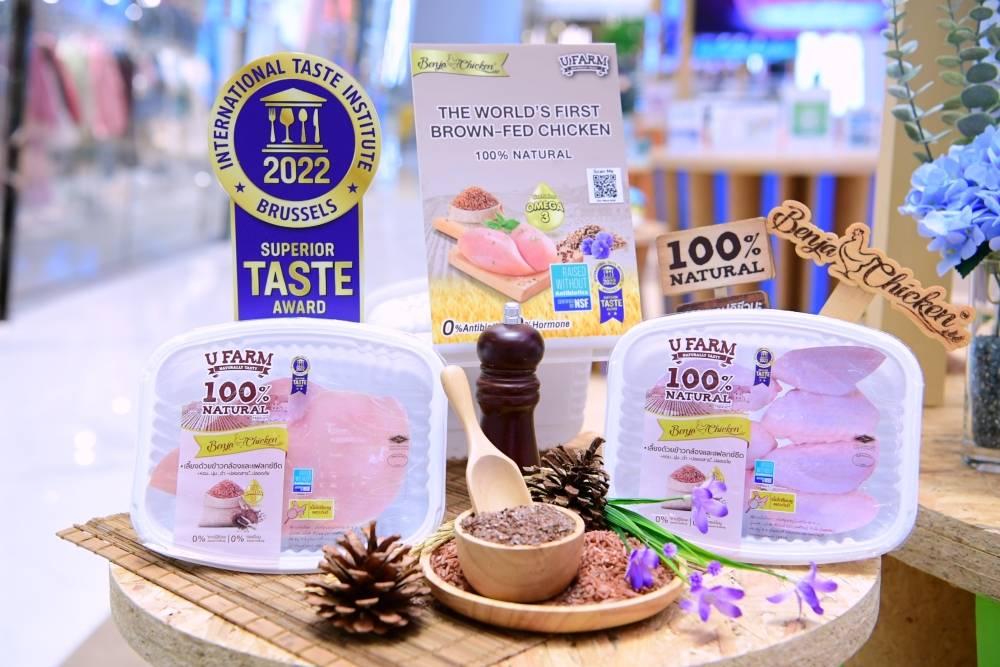
Benja Chicken is the first brown rice fed chicken that is 100% natural and chemical free. NSF certification ensures that  Benja Chicken is raised without the use of antibiotics and hormones added. Moreover, CP Foods’ fresh chicken meat products emit 50% less GHG than Thailand’s average chicken meat emissions. This is an attempt to mitigate the impacts of climate change.

Aside from that, Benja chicken and Meat Zero were awarded  “Superior Taste Award 2022” from the prestigious International Institute of Taste at an annual event in Brussels, Belgium. 

image5 4

Supot Chaiwatsirikul said on behalf of Siam Piwat, thanked partners for their cooperation and support in promoting Thailand’s hosting of APEC 2022. He stated that it is the excellent opportunity to showcase the country’s potential on the global stage. 

This event aims to provide innovation and explicit knowledge that align with the BCG economic model toward sustainable growth. The event consists of 4 exhibition zones: the APEC’s background, BCG innovation, BCG driven business model and seminars. 

image1 9

The event “APEC 2022 Thailand : Showcase at ICONSIAM” is a collaboration between Siam Piwat and Ministry of Foreign Affairs and will take place between 9-20 November 2022 at Charoen Nakhon Hall, M Floor, ICONSIAM. In response to Thailand’s hosting APEC 2022, highlighting BCG economic model, CP Foods booth recognizes the concept “Sustainable Kitchen of the World … Towards Net-Zero” to drive the world toward sustainability.

Advertisement

Cambodian Leader Cautions Against Post-COVID Complacency

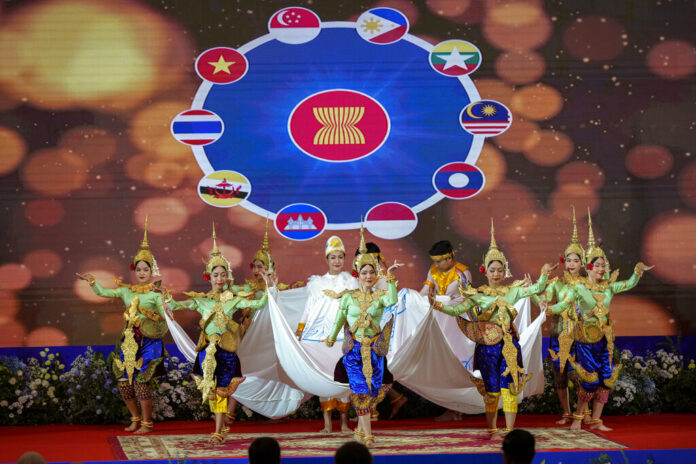
Cambodian dancers perform during the opening ceremony of the 40th and 41st ASEAN Summits (Association of Southeast Asian Nations) in Phnom Penh, Cambodia, Friday, Nov. 11, 2022. Photo: Vincent Thian / AP

PHNOM PENH, Cambodia (AP) — Cambodia’s prime minister on Friday cautioned fellow Southeast Asian leaders against complacency, saying that even though economies are gradually recovering as the COVID-19 pandemic wanes, there is much work to be done.

Prime Minister Hun Sen, whose country holds the rotating chairmanship of the Association of Southeast Asian Nations, warned at the official opening ceremony of the group’s summit that the region is “now at the most uncertain juncture” as it seeks to promote “peace, security and sustainable growth.”

“We are now enjoying the fruits of our efforts and moving towards sustainable growth,” he said. “We should always be vigilant as the current socio-economic situation in ASEAN as well as in the whole world remains fragile and divided.”

He said the summit’s theme, “Addressing Challenges Together,” should be considered “time relevant.”

“There is a saying that disasters and crises can bring out the best in people,” Hun Sen said. “In this connection, I believe that all of us gathering here today share a sense of urgency to work together.”

Hun Sen spoke broadly of “strategic challenges we all face” but did not delve into specifics during his opening address.

One overarching issue, however, is that of the escalating violence in ASEAN member state Myanmar, and how to bring the country’s military-led government, which seized power from the democratically elected government of Aung San Suu Kyi in February 2021, into compliance with ASEAN’s five-point consensus for peace.

The plan calls for the immediate cessation of violence, a dialogue among all parties, mediation by an ASEAN special envoy, provision of humanitarian aid and a visit to Myanmar by the special envoy to meet all sides.

Myanmar’s government initially agreed to the plan but has made little effort to implement it.

As a consequence, ASEAN has already barred Myanmar’s military leadership from its main meetings, including the ongoing summit, and Myanmar has refused the group’s offer to send non-political representatives.

Talks among ASEAN’s other members — Cambodia, the Philippines, Malaysia, Indonesia, Laos, Singapore, Thailand, Vietnam and Brunei — about how to put pressure on Myanmar to comply with the five-point plan have already been occurring in Phnom Penh since mid-week.

So far there has been no consensus, however, with several countries pushing for Myanmar’s generals to be excluded from lower-level ASEAN meetings as well, with others arguing that that amounts to a de facto suspension from the group, according to a diplomat with access to the discussions, speaking on condition of anonymity to talk about the closed-door meetings.

_____

Story: David Rising and Sopheng Cheang. Rising reported from Bangkok. Jim Gomez contributed to this story from Manila, Philippines.

Advertisement

Watches, Daggers and Cricket Ice Cream: Asian Summit Treats

This undated photo released on Nov. 3, 2022, by Agence Kampuchea Press (AKP), shows a custom wristwatch which Cambodia produced as souvenirs for world leaders who will attend the Association of Southeast Asian Nations (ASEAN) summit in Cambodia. Photo: Agence Kampuchea Press via AP

BANGKOK (AP) — A custom wristwatch from Cambodian leader Hun Sen at the ASEAN summit in Phnom Penh, a foot-long dagger at the G-20 meetings in Bali, and cricket ice cream and Thai noodles with worm sauce at the APEC talks in Bangkok.

World leaders have a surfeit of swag and surprises awaiting them as they attend back-to-back-to-back summits in Asia starting this week.

Hun Sen raised eyebrows a few weeks ago when he announced that he would be having special-edition watches made for U.S. President Joe Biden and other leaders attending the Association of Southeast Asian Nations summit, which runs through the weekend. Many speculated the former mid-level Khmer Rouge commander would feature his own mug on the timepiece in the narcissistic vein of autocratic leaders in the past, like Iraq’s Saddam Hussein or Libya’s Muammar Gaddafi.

But the final product, which Hun Sen said was designed and made in Cambodia, is a sleek silver timepiece with coppery-gold hands and a leather strap, with “ASEAN Cambodia 2022” imprinted on its face.

Hun Sen did not say what the gift was worth as he unveiled it this week on his Facebook page, but did say he’d be wearing it himself at all three summits — foregoing one of the rare, designer wristwatches in his collection whose $1 million-plus price tags have been a source of grumbling in impoverished Cambodia.

In addition to Biden, many other world leaders who will be receiving the Cambodian watch, including Australia’s Anthony Albanese, Canada’s Justin Trudeau and Japanese Prime Minister Fumio Kishida, will travel from Phnom Penh next to the Indonesian island of Bali where there are some traditional trinkets in store for them at the Group of 20 summit.

G-20 organizers this year say the leaders, also expected to include China’s Xi Jinping, will be asked to wear colorful shirts made of the traditional Balinese woven fabric endek, similar to those that Indonesia gave out at the 2013 APEC meetings they hosted in which the country revived the on-again, off-again summit tradition of a group photo in what some have dubbed “silly shirts.”

The tradition was started in 1993 by then-President Bill Clinton, who gave out leather bomber jackets as a memento to leaders in attendance as a way to lighten the mood of the serious economic talks.

In Indonesia, all 120 member and non-member states’ representatives attending will also be given shawls made from another Balinese fabric known as gringsing, typically red, off-white and black woven in a geometric pattern.

Leaders will also receive a traditional kris dagger, a distinctive asymmetrical knife usually between 11 and 14 inches long with a wavy blade.

According to organizers, each dagger takes between one and six months to make, and while used as combat weapons in the past they are today typically worn at special ceremonies.

There were no “silly shirts” last year at the Asia-Pacific Economic Cooperation meetings, held virtually due to the pandemic, with host New Zealand instead providing merino wool scarves for the men and capes for the women.

It looks like Thailand doesn’t plan on reviving the shirts this year at the upcoming APEC summit in Bangkok. Instead, organizers say they will be giving leaders silk neckties and shawls, as well as handkerchiefs and face masks.

There is culinary excitement, however, as the country, renowned for its cuisine, brings in Thai food startups selected from a competition to highlight sustainability under a concept dubbed “plate to planet.”

Biden isn’t expected to be on hand for the APEC meetings, but Vice President Kamala Harris, Xi and others will be given the opportunity to try out dishes like carb-free ramen noodles made from egg white protein, milk-free ice cream with kale and passion fruit, low-sodium Thai noodles with a sauce made from sandworms, and ice cream made from the protein from crickets, government spokesman Anucha Buraphachaisri said.

Celebrity chef Chumpol Chaengprai is preparing the gala dinner to cap the event, under the concept of “sustainable Thai gastronomy.” Its menu has not yet been announced.

_____

Story: David Rising. Chalida Ekvitthayavechnukul in Bangkok, Niniek Karmini in Jakarta and Sopheng Cheang in Phnom Penh contributed to this story.

Advertisement

MineHarmony Enters Stage of Large-scale Commercial Use with 5G+AI Helping Mining Industry Unleash Digital

Bangkok, 9 November 2022 – Global technology leader Huawei brings MineHarmony to create more efficient and safer mining operation through 5G low latency and AI algorithms, which has already proven successful in China through significant reductions in operation and personnel risks.  

Around the world, mining operations require a large number of machines and onsite personnel, especially for mining that is particularly delicate or complex. Due to the nature of these operations, there are several inherent dangers and liabilities present for both companies and employees. In China, where there are around 5,300 mines currently in operation, recent practices in facilitating smart mining through an “Industrial Internet Architecture” embedded with 5G, artificial intelligence and basic research has opened the discussion for the greater pursuit of safe, smart, efficient, and green mining.

Mohan Munasinghe, Nobel Peace Prize co-winner and environment economist, explained: “Mining must grow for the foreseeable future. The whole purpose is not to kill industries that provide jobs for millions of workers, but rather to transform production and consumption onto a path that will be more sustainable and greener.” He added: “It is clear that in the post-pandemic world, digital technologies will help to resuscitate the global economy by accelerating the recovery of damaged supply chains and creating more livelihoods. As a global DT leader, Huawei is well positioned to play a key role in this transformation.”

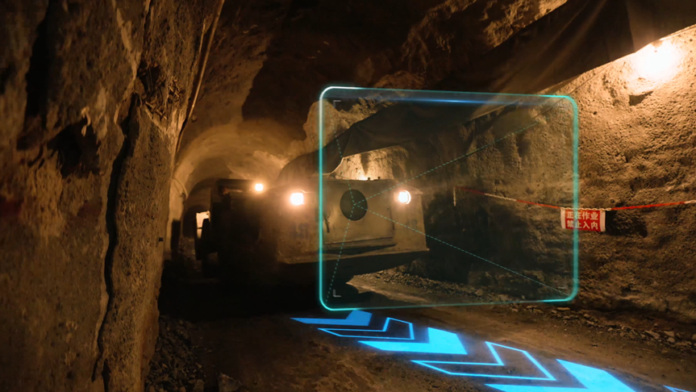
Remote mining has become an industry consensus over time as a result of risk mitigation initiatives and considerations. In traditional mines, underground safety relies on manual practices, such as through team leader supervision. Despite these efforts, accidents during tunneling account for more than 40% of all mining accidents, with a large portion of these being attributed to human error or oversight. Today, low latency 5G networks, such as those offered by Huawei, have enabled technicians to control underground mining machines both remotely and precisely from the safety of an office. 

image2

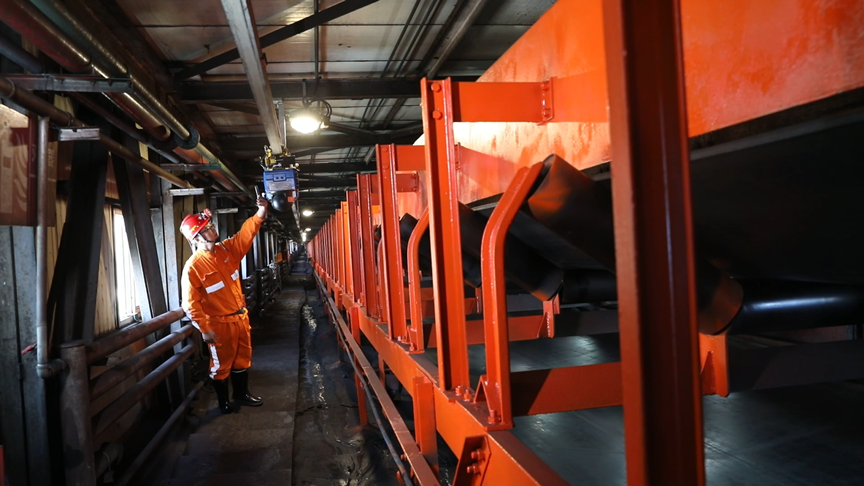
The biggest challenge around the implementation of remote mining lies in clear and real-time visualization of the mining process itself. Another major factor also revolves around underground conveyor systems, which can reach up to 20 km in length and require routine inspections and monitoring to ensure continuous operations. Now, thanks to Huawei’s ultra-high 5G network bandwidth and reversed uplink-downlink timeslot configuration technology, with an uplink bandwidth over 1 Gbit/s, the wireless backhaul of hundreds of real-time HD videos via multiple channels has become a reality.

Using AI technology and video stitching algorithms, separate video feeds can be combined into a single panoramic image and dust-filtering algorithms help to ensure clear imaging up to 20 m, even when surrounded in dust particles and mist. AI algorithms can also track underground operations and trigger real-time alerts when anomalies are detected during mining or transportation, ensuring 24/7 intelligent monitoring and operations safety. These contributions can help cut the number of required inspection personnel by up to 20% and general personnel required underground by even more.

On the equipment side, Huawei has also made significant contributions. Underground production typically involves more than 1,000 types of devices, with nearly half of them not supporting remote control, centralized control, or remote management. Of these, most use over 10 types of operating systems, 500 types of interface protocols, and various data formats, creating a complicated and inefficient process with no available interconnections or interoperations. To tackle this, Huawei created MineHarmony, an operating system that unifies device languages and simplifies operations. The system covers devices of all sizes and uses unified protocols to enable data sharing between devices, as well as between various machine interconnections. Overground personnel monitoring operations can intelligently dispatch tasks in real time thanks to this comprehensive real-time data, allowing for safer and more efficient production and processes. This can help to detect incidents such as gas overflows, organize evacuations, shut down mining equipment, and ventilate sites, and boost emergency response efficiency.

For more information on 5G and AI-assisted smart mining technologies, please access the video overview available here: VDO: 5G and AI-Assisted Smarter and Safer Mining Technologies

image3

Advertisement

Hot News

LATEST NEWS

Bangkok
broken clouds
36.6 ° C
37.8 °
35.5 °
47 %
3kmh
82 %
Mon
35 °
Tue
37 °
Wed
37 °
Thu
36 °
Fri
36 °