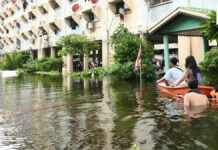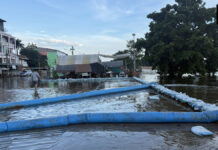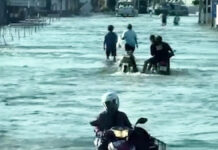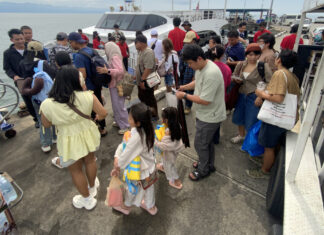

























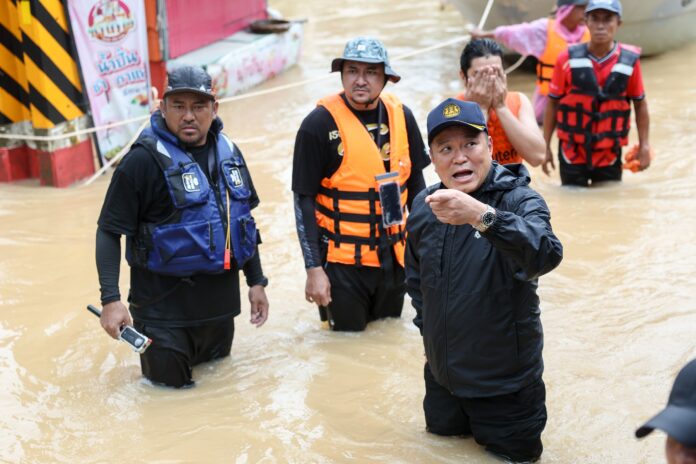
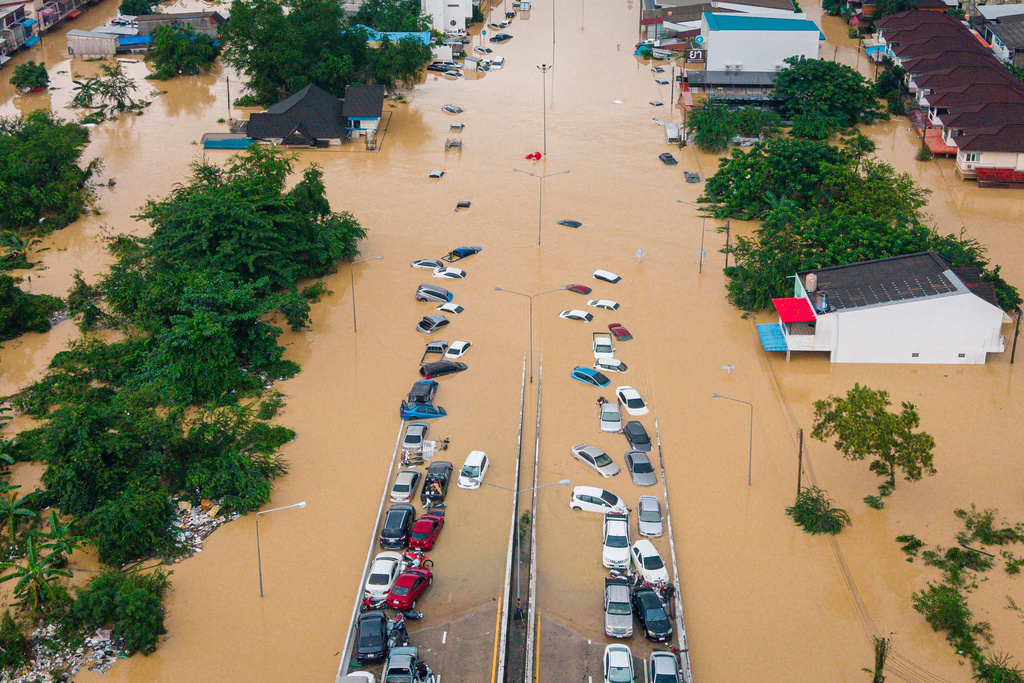
BANGKOK — Prime Minister Anutin Charnvirakul, who also serves as Minister of Interior, faces mounting pressure as his administration grapples with catastrophic flooding across southern Thailand, particularly in Hat Yai, a major economic and tourism hub in the region.
The crisis has claimed 33 lives across seven southern provinces as of November 26, according to the Ministry of Public Health. Fatalities have been reported in Nakhon Si Thammarat (9), Songkhla (6), Pattani (5), Yala (5), Phatthalung (4), Trang (2), and Satun.
Causes of death include drowning, electrocution, landslides, and being swept away by floodwaters—many victims were elderly residents trapped in their homes before rescue teams could arrive.
Criticism Over Delayed Response
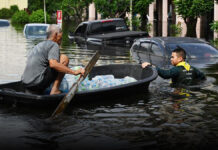
Despite government insistence that its response has been adequate, widespread criticism has emerged over perceived delays and poor coordination. Images of stranded residents—some with dying phone batteries and no way to call for help—have flooded social media as water levels continued rising.
Critics span the political spectrum, from the opposition Pheu Thai Party and the Democrat Party, which traditionally dominates southern constituencies, to academics, political commentators, journalists, and even some supporters of the ruling Bhumjaithai Party. Several MPs from the Palang Pracharath Party, which backed Anutin’s rise to the premiership, have expressed frustration and urged faster action.
Some observers have drawn unfavorable comparisons to the more effective response to the 2004 tsunami disaster under the Thaksin administration.
Royal Urging Accelerates Action
Government efforts intensified markedly after Air Chief Marshal Satitpong Sukvimol, Principal Private Secretary to His Majesty the King, conveyed royal concerns at a November 25 meeting chaired by Prime Minister Anutin at Government House.
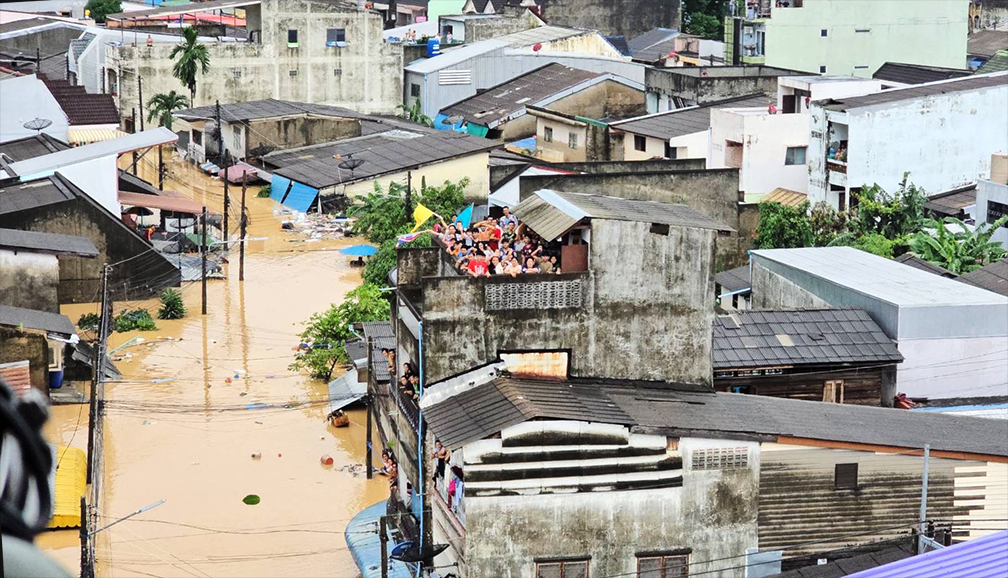
The King expressed deep concern for flood victims and commanded the mobilization of resources from all armed forces branches, the Ministry of Interior, and relevant agencies. He specifically emphasized the urgent need for boats to rescue people from danger zones and deliver essential supplies including food and drinking water.
Following the royal directive, Anutin declared a state of emergency for Songkhla province and established an Emergency Flood Operations Center at Government House to coordinate relief efforts, triaging distress calls by urgency using red and yellow classifications.
The Prime Minister also appointed the Supreme Commander of the Armed Forces as on-ground operations director with full authority to command, approve, and oversee all relief activities in coordination with local authorities—replacing an earlier appointee who had drawn criticism for ineffective response.
Prime Minister Pledges Extended Stay
Anutin returned to the south on Wednesday for the first Emergency Flood Operations Center meeting at Senanarongk Camp in Songkhla Province. He vowed to remain in Hat Yai until the situation improves, canceling all other appointments through November 29.
The move appears to mirror former Prime Minister Thaksin Shinawatra’s approach during the 2004 tsunami crisis, when he stationed himself in Phuket Province to personally oversee disaster response efforts.
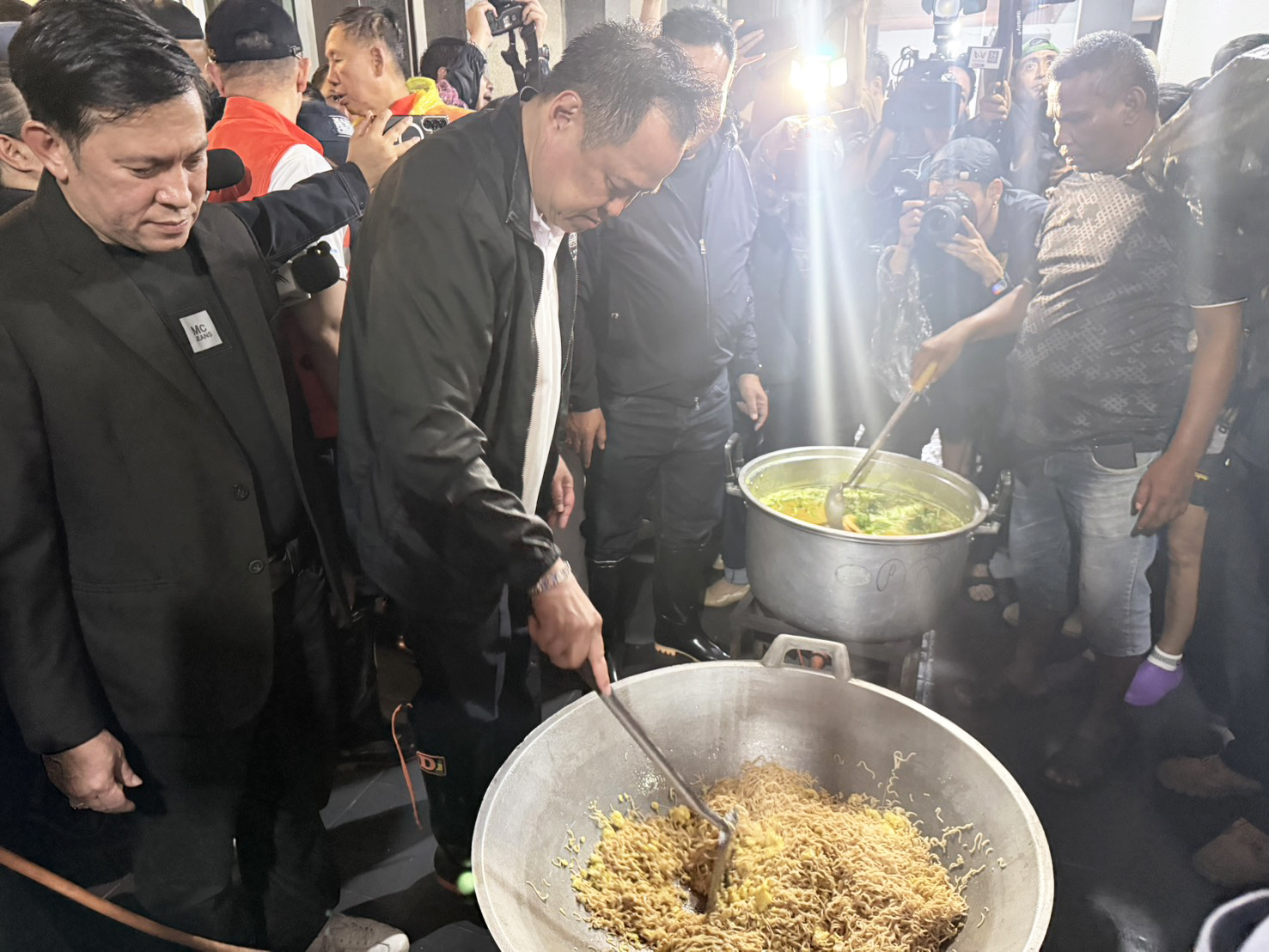
It also represents a significant shift from Anutin’s initial visit on the evening of November 23, when he was photographed serving food and distributing relief bags at a temporary shelter in the Hat Yai Municipal Command Center—while outside, victims reported having barely enough phone battery to call for help and receiving no response from authorities.
Siriphong Akkarasakulkiat, spokesperson for the Prime Minister’s Office and the Emergency Operations Center, defended the government’s response time. He cited an example from Satun Province where authorities issued evacuation warnings but residents refused to leave.
“We are working both on the ground and online,” Siriphong said. “We have consistently maintained that we are not slow; we follow all established procedures and systems. Assistance is ready, but when a disaster strikes, everyone seeks help simultaneously.”
Relief Efforts Arrive
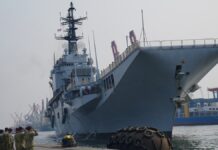
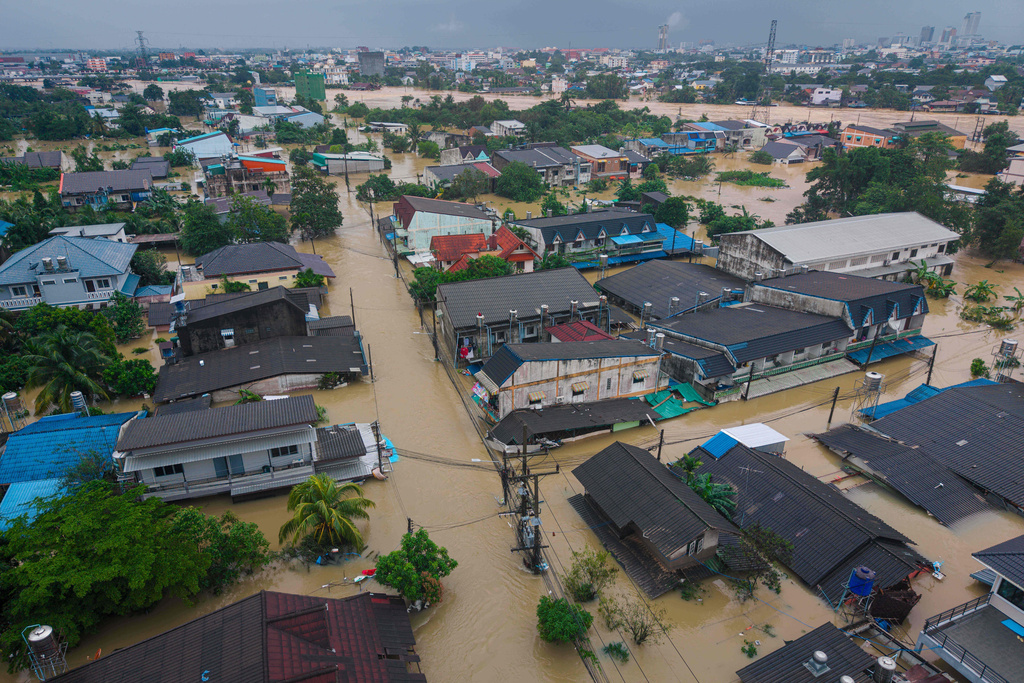
Military resources from all branches, including the aircraft carrier HTMS Chakri Naruebet, along with government agencies, volunteers, and donated supplies from across the country, began arriving in affected areas approximately six days after floodwaters engulfed Hat Yai city center on November 21, following heavy accumulated rainfall that began on November 19.
Climate Factors Behind Extreme Rainfall
Somkhuan Tonchan, Director of the Central Weather Forecast Division at the Thai Meteorological Department, explained that multiple factors contributed to the worst flooding the region has seen in decades.
While heavy late-year rainfall in the south typically results from strong monsoons combined with low-pressure systems, this event was significantly intensified by La Niña conditions, which produced extreme rainfall levels far exceeding normal amounts. He indicated that precipitation would gradually decrease starting November 26.
The disaster represents one of the worst natural calamities to strike southern Thailand in decades, severely testing both the government’s crisis management capabilities and its political standing in a region critical to national stability.
_______