
































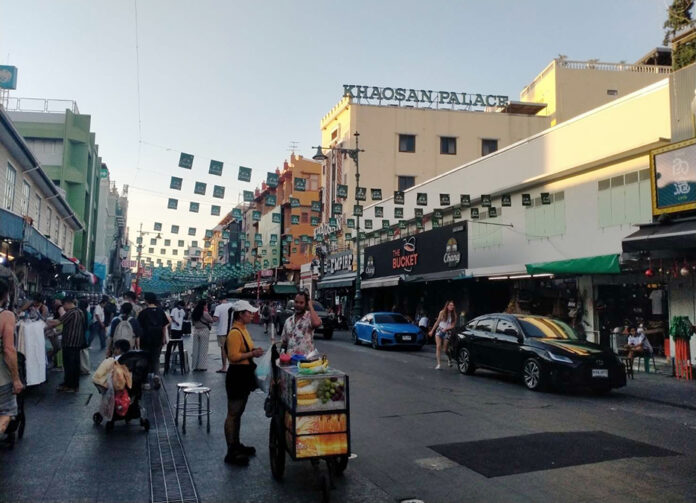
BANGKOK — A ceasefire agreement between Thailand and Cambodia has come too late to revive New Year celebrations on Bangkok’s famed Khao San Road, where businesses report sharply lower hotel bookings and subdued crowds amid regional tensions and economic uncertainty.
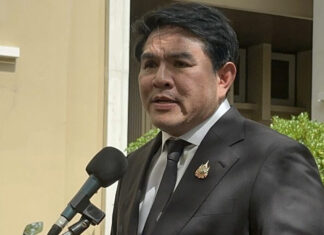
Hotel occupancy on Khao San Road and nearby areas stood at about 70% to 80% in the final week of 2025, down from near-full capacity typically seen from early December in previous years, said Sa-nga Ruangwattanakul, president of the Khaosan Business Association. He said bookings are down about 30% from normal levels.
“This is the worst situation since tourism began recovering after the easing of COVID-19,” Sa-nga said.
Most reservations are from foreign tourists planning to spend New Year’s Eve in Thailand, while domestic spending has weakened sharply since the fourth quarter of the year, he said. Small businesses have relied heavily on the government’s “Khon La Khrueng Plus” subsidy program, but activity has slowed again since the funds were fully used.
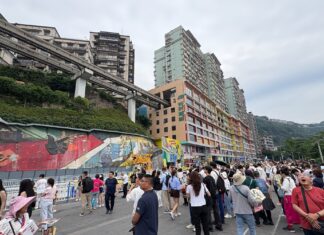
New Year countdown events on Khao San Road will run from 7 p.m. on December 31 through 1 a.m. on January 1, featuring traditional Thai performances.
Organizers estimate about 20,000 Thai and foreign visitors will pass through the area, generating 20 million to 30 million baht ($636,000 to $954,000) in spending — less than half the roughly 50 million baht ($1.6 million) or more typically seen in past years.
Security measures have been tightened, with increased checks at entry points, expanded CCTV coverage and more security personnel, Sa-nga said. Authorities will also strictly prohibit alcohol sales to heavily intoxicated customers.
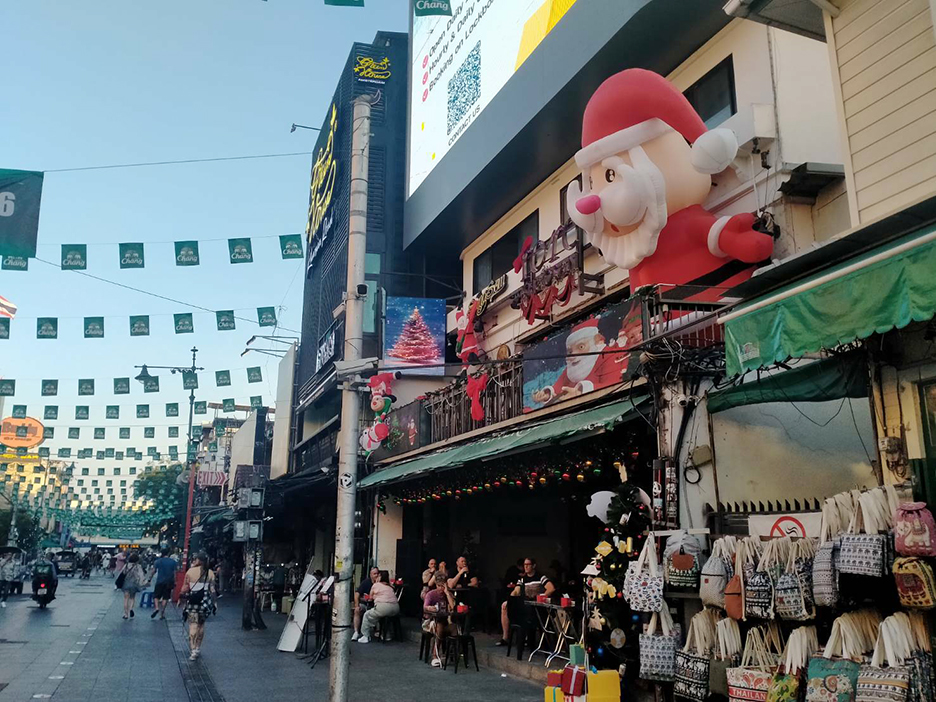
Several factors have dampened the New Year atmosphere, Sa-nga said, citing tensions along the Thailand–Cambodia border that have made some foreign tourists wary and prompted them to choose alternative destinations such as Japan, Vietnam or China.
Wealthier Thai travelers are also increasingly opting to travel abroad, particularly to Japan, where a weaker yen has lowered costs, or to China, which offers cheaper travel than Thailand’s beach destinations.
A trip to China during the holiday period can cost about 10,000 baht ($290), including flights and accommodation, compared with more than 20,000 baht ($580) for a trip to Phuket, he said.
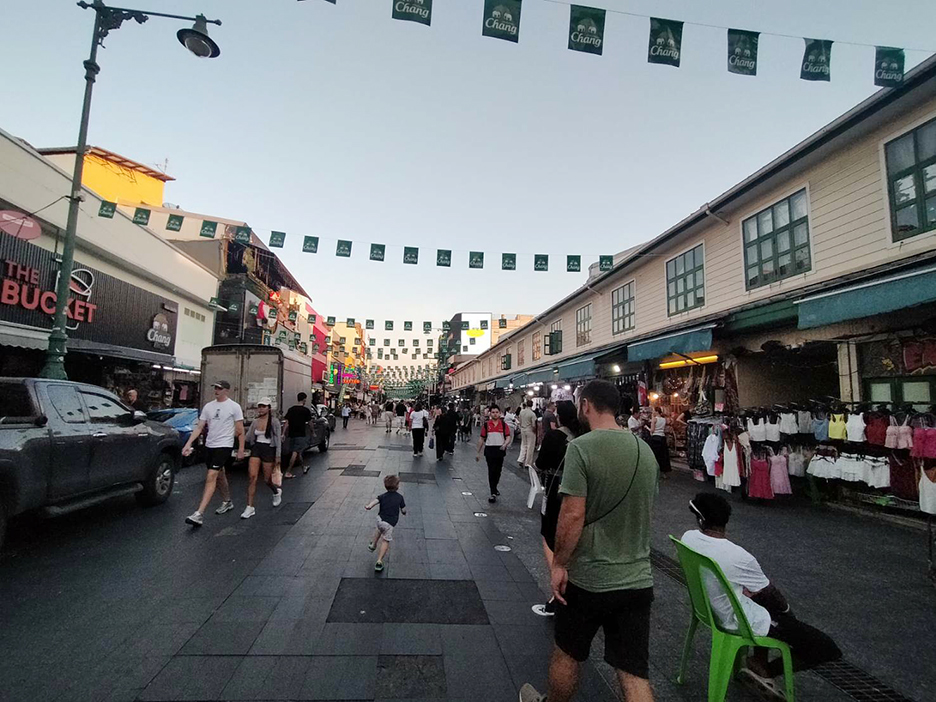
Domestic political uncertainty ahead of elections, a slow economic recovery at home and abroad, and concerns about future income have also led consumers to cut spending by 20% to 30% from normal levels, he added.
Although Thailand and Cambodia have agreed to halt hostilities, Sa-nga said the deal has had little impact on travel decisions at this stage.
“Tourists have already made and paid for their plans,” he said. “If an agreement had been reached before December, more foreign tourists might have chosen Thailand. With just days left before the New Year, there is very little that can be done now.”
____