

































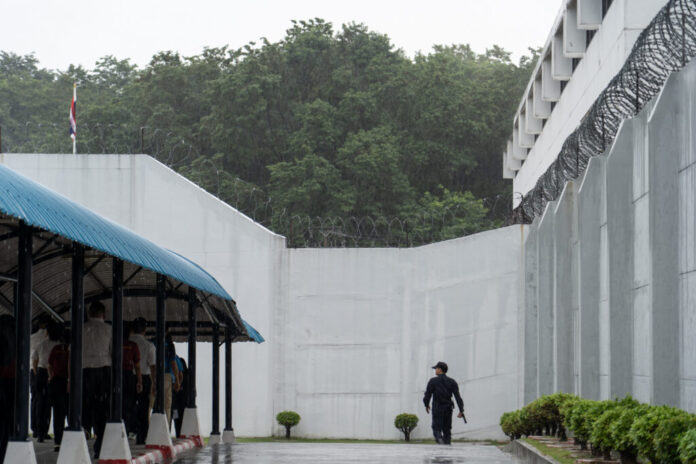
CHONBURI — Thailand has designated 23 prisons as “tourist destinations” as part of a sweeping transformation of its corrections system that aims to rehabilitate inmates while addressing the country’s labor shortages and boosting the economy.
The bold initiative, unveiled during the Department of Corrections’ 110th anniversary celebration, features prison-run restaurants, cafes, and shops staffed entirely by trained inmates. The flagship “Chuan Chom” restaurant brand has expanded to 122 branches nationwide, known for cleanliness, flavor and affordability.
Deputy Director-General Chan Wachiradet told Prachacahet Business the new “model prison” at Chonburi Central Prison, explaining how the program transforms correctional facilities into venues where visitors can “eat, drink, learn and discover” while inmates gain real job skills for life after release.
Developing inmate potential
As of August 1, 2025, there were 300,246 prisoners nationwide: 262,688 men and 37,558 women. The prison population, which had once reached 400,000, fell by 200,000 before COVID-19, but has risen again due to economic hardship, unemployment and drugs.
The department has around 10,000 officers, 60% of whom are guards, which equates to one officer for every 40 inmates—well above the international standard of 1:5.

Nevertheless, the department continues to run vocational training programs geared to the needs of the labor market and works with private companies to provide inmates with real work experience and employment opportunities, giving them the chance to showcase modern, well-designed prison products that are sold both offline and online.
The department is now focusing on unlocking the potential of individual inmates, often through Royal Initiative projects including the TO BE NUMBER ONE project.
Products and Shops Step Into a New Era
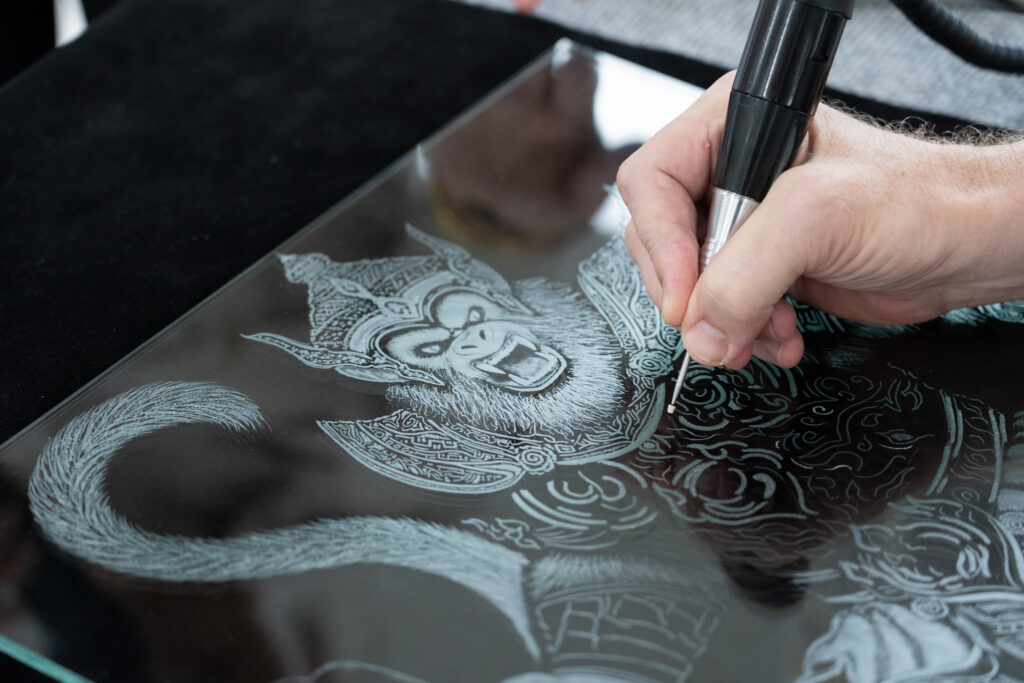
With the commitment to rebrand both people and products through vocational training in prisons, the goods produced in prisons—from furniture, household goods, fabrics and traditional Thai handicrafts to food, baked goods and Thai massages—have become more distinctive, attractive and affordable.
“Krua Chuan Chom,” a restaurant brand known for its cleanliness, flavor and affordability, has become a flagship for the Department. Building on this success, the department has expanded with “Cook & Coff” and “Hub Phuey Café.”
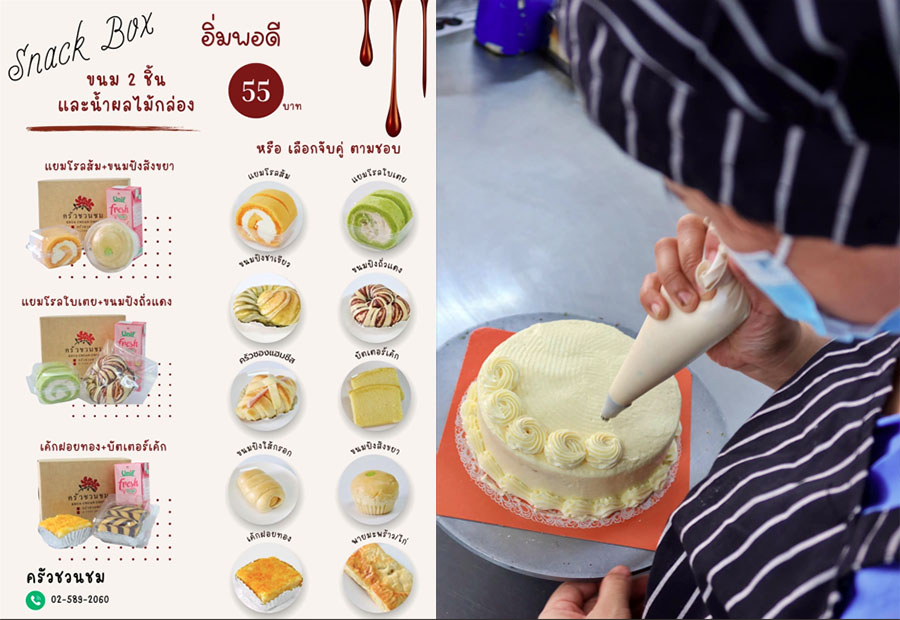
There are now 122 branches nationwide, with 23 prisons officially designated as “tourist prisons.” The special feature is that the staff are trained inmates, meaning no external employees are required.
Crucially, these programs provide real, transferable skills for life after release. Training covers a wide range of areas including culinary arts, agriculture, health and lifestyle services, music and performing arts.
A Second Chance for the Inmates
This training system strengthens both quality and diversity in the front of house and transforms the back of house into a classroom where life and job skills are developed. The result is a new kind of destination where you can eat, drink, learn and discover. The model creates a foundation for growth, from kitchens, vegetable gardens and workshops to shops.
“Every touchpoint is a real lesson that converts skills into future income—a second chance for the inmates,” Chan said.
The reorganization has led to new partnerships with public and private institutions. These collaborations aim to offer specialized training and employment opportunities. Notable examples include:
- Kamlangjai Project (Inspire Project): This royal initiative of HRH Princess Bajrakitiyabha focuses on product development.
- Royal Silk Designs: HRH Princess Sirivannavari designs silk products.
- SUPPORT Arts and Crafts International Centre of Thailand: Partnership involving cooperation with the center.
- SCG Projects: Collaborations extend to various projects with SCG.
Knowledge and Reading for Sentence Reduction
One of the department’s key policies is providing education to inmates through the “Read for Release” program, which promotes knowledge through reading, develops reading habits, and creates opportunities for honest employment to support themselves and their families.
Twenty-one pilot prisons have launched the reading initiative for grade advancement starting in April 2025, with 1,059 inmates already participating in the program.
Reading for grade advancement requires evaluation results from reading 2 books (1 mandatory category book and 1 free choice book) that have not been previously used for grade consideration. Inmates must demonstrate their reading comprehension through 6 formats (inmates choose 2): storytelling, writing, reading aloud, mind mapping, drawing, and creative work production.
Currently, 970 inmates have passed the evaluation, representing a 91.60% success rate.

One District, One Industrial Prison
Since 2023, Thailand has designated 11 leading prisons across 10 districts as industrial training centers under the “One District, One Industrial Prison” policy. The initiative addresses both labor shortages and prisoner rehabilitation by partnering with companies to provide real job training.
The program operates on a simple principle: “If companies have a labor shortage, those who have stumbled and are in prison can fill the gap.” Prisoners gain factory skills before release while companies benefit from no rental costs, tax breaks, and paying only 50% wages in the first year.
The timing is strategic. Many industries previously relied on migrant workers who have now shifted to other sectors like durian processing, leaving factories understaffed. Industrial prisons offer a solution, particularly in industrialized provinces like Chonburi, Chachoengsao and Rayong.
“Why not turn the crisis into an opportunity? Let the Thai people and local communities embrace these jobs and empower each other. The people behind the prison walls are already being prepared for this,” said Deputy Director-General Chan Wachiradet.
The program focuses on six key areas: Education, Agriculture, Special Skills, Products, Sports and Industry, preparing inmates for sustainable employment upon release.
______