
































TRAT — For four months, an order from the Chanthaburi-Trat Border Protection Force has remained in effect, closing all border checkpoints and suspending trade, cargo transport, and cross-border tourism. This measure was implemented in retaliation against Cambodia following clashes on Thailand’s northeastern border.
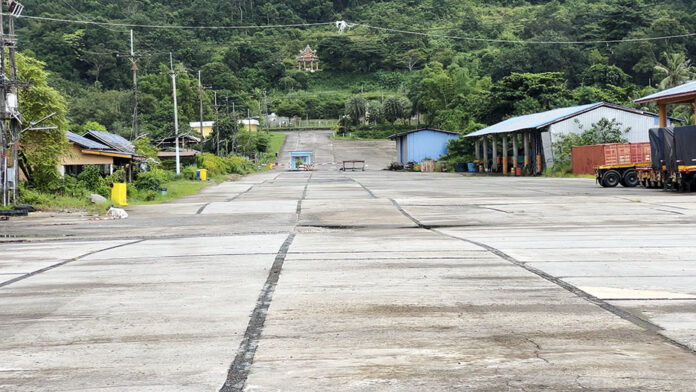
The impact of this closure was starkly evident on September 24 at the permanent Ban Hat Lek checkpoint in Hat Lek Subdistrict, Khlong Yai District, Trat Province. The area, once bustling with activity, now resembled a ghost town.
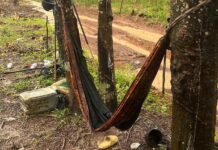
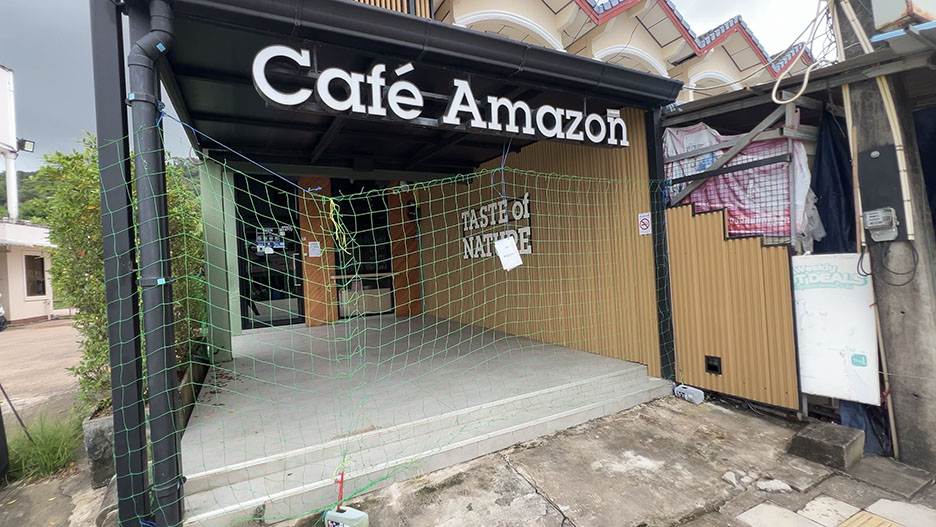
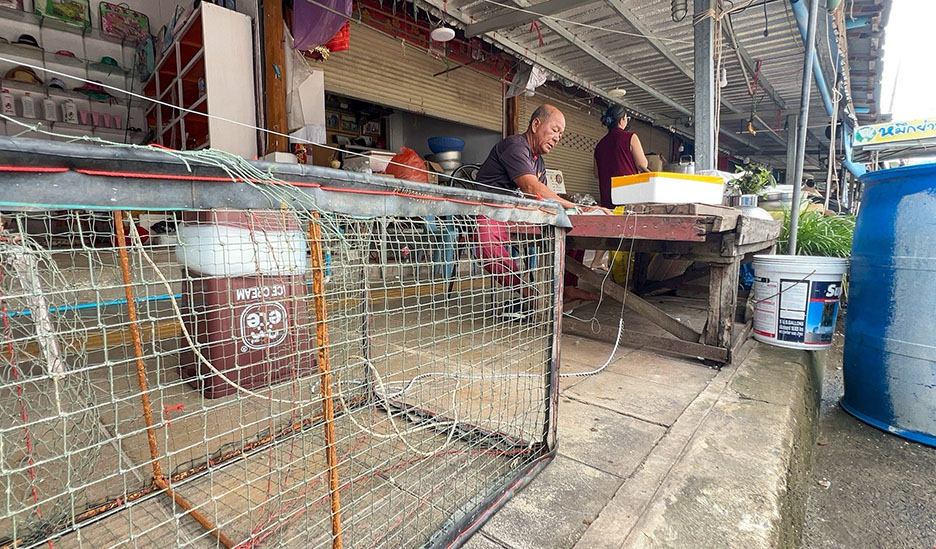
Silence prevailed, with no cars or people in sight. Hotels, shops, convenience stores, and cafés remained shuttered. Locals and vendors who historically relied on the Hat Lek market have been forced to seek alternative livelihoods, such as weaving fishing nets, to survive.
Personal accounts of economic hardship
Somboon Hoi-Sang, 60, a former motorcycle taxi driver, described the difficulties he has faced since the checkpoint closure. Once ferrying tourists and students across the border, he found it impossible to make a living and has since turned to fishing, setting nets at sea to catch fish for sale. He expressed little hope for the checkpoint’s reopening, stating that “the Khmers are difficult to negotiate with.”
The private cargo port of S. Kritwan in Khlong Yai District mirrored this inactivity. More than ten cargo trucks and five freighters have remained idle since cross-border maritime shipments were banned. Two other private ports in the district face the same restrictions.
Unequal Trade Restrictions
The Royal Thai Navy’s ban on shipments to Cambodia has severely impacted local cargo ports and businesses in Trat and Chanthaburi provinces, according to a local source in Khlong Yai. However, this ban does not extend beyond these two provinces. Notably, Thai vessels continue to export consumer and industrial goods to Cambodia without interruption from Laem Chabang Port in Rayong, prompting Khlong Yai operators to question this exemption.
In an attempt to maintain their Koh Kong clientele, some Khlong Yai traders tried rerouting goods through Laem Chabang for onward shipment to Koh Kong’s Mong Sit Thi Port. This workaround proved unsustainable after only two trips, as the additional logistics costs exceeded 100,000 baht—a price their Cambodian customers were unwilling to bear.

Economic Ripple Effects
Nawiyada Suang, manager of Talayphu Resort in Khlong Yai, highlighted the severe economic repercussions of the extended closure. Export-dependent factories face reduced workdays and potential temporary shutdowns. Trat’s tourism sector, especially the islands that rely heavily on foreign visitors (70-80%), has also suffered significant losses.

“What border residents currently fear is not solely economic hardship, but the potential impact of war. However, as fighting has not yet begun, we are grappling with the pressure of an economic blockade. Businesses lack any clear outlook for the future. This is the most stifling period we have experienced to date,” Nawiyada stated.
She said she wanted the new government to revive the economy and restore confidence as quickly as possible, emphasizing the importance of positive messaging. The most crucial step, she noted, is rebuilding domestic confidence so that Thai people return to visit.
Travel Thailand Campaign Support
She called for collaboration between the government and media to promote Trat province as a safe and open travel destination, thereby supporting the “Travel Thailand” campaign. She also recommended that authorities consider lifting martial law, especially in island areas like Koh Chang, Koh Kood, and Koh Mak. This action, she argued, would send a positive signal to international tour agencies and facilitate business recovery in time for the high season.
At the same time, she called for clear stimulus and recovery measures, saying the government must lay out concrete plans to compensate and boost the economies of the seven border provinces affected. Business operators and local residents, she added, must also unite in communicating that Trat is safe in order to restore its original positive image.
_____