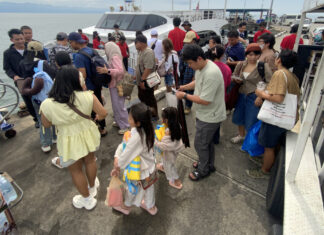






























BANGKOK — The number of authorized Cambodian workers in Thailand has fallen to 490,534 as of late August, down from 512,207 in May before border tensions escalated, according to the Ministry of Labour.
The October 7, 2025 report shows the current workforce comprises 676 skilled workers holding work permits and 489,858 manual laborers. The manual labor category breaks down into 162,015 workers under Memorandum of Understanding (MoU) agreements, 27,017 commuter or seasonal workers, and 300,826 under Cabinet Resolution.
Mass Exodus During Border Crisis
Cambodia’s Ministry of Labor and Vocational Training estimates 1.2 million Cambodians were working in Thailand when border disputes intensified in June. Ministry spokesman Sun Mesa said at least 780,000—approximately 65%—have since returned to Cambodia.
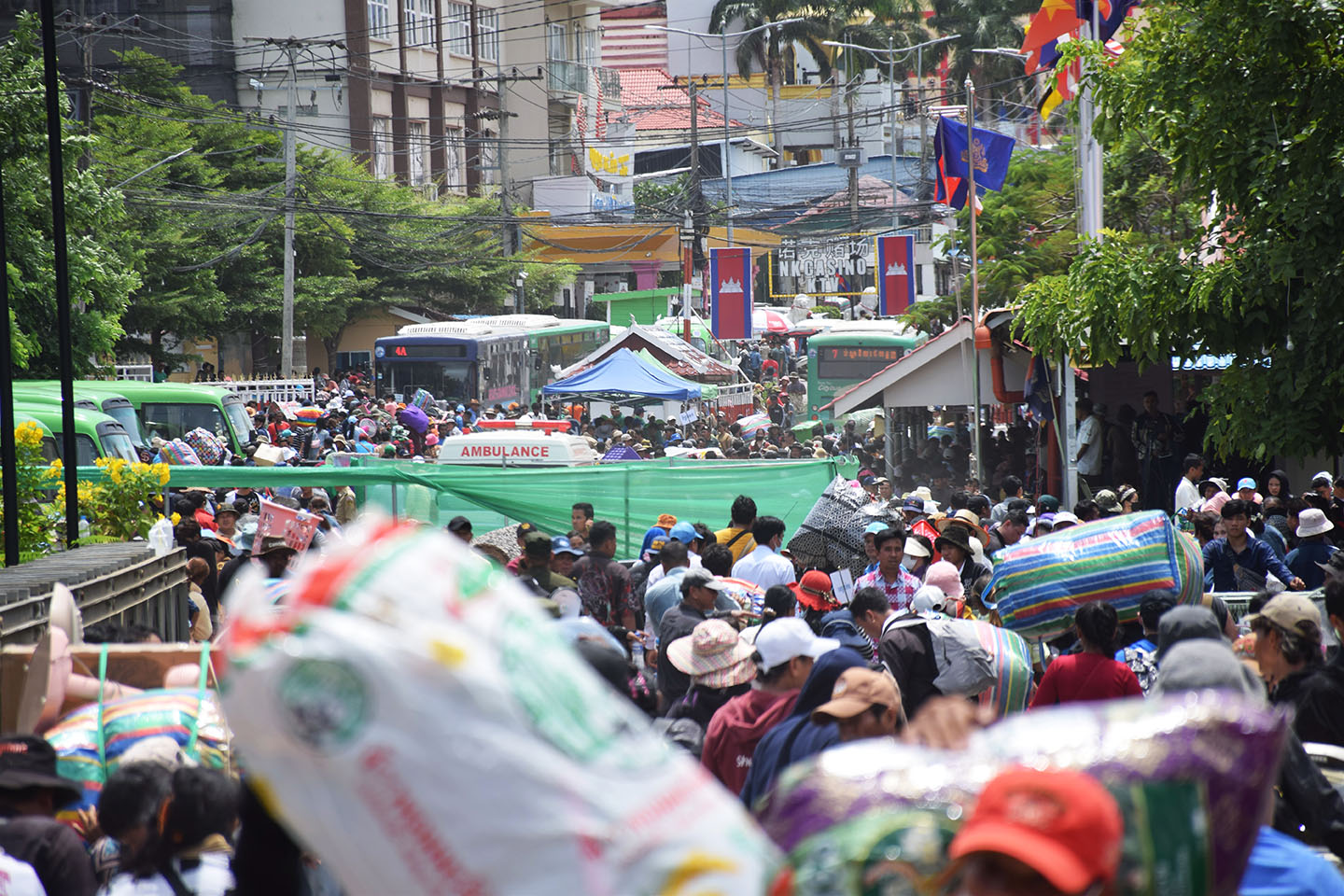
The largest exodus involved Border Pass holders employed in agriculture and livestock sectors. These workers feared overstaying their permits during the checkpoint closures, which would subject them to penalties under Thai immigration law.
“The border closure caused anxiety among Border Pass holders about permit expiration, leading to a labor shortage in the agricultural sector,” the Ministry of Labour stated.
Addressing Labor Shortages
Despite the departure of Cambodian workers, Thailand can draw on workers from Laos, Myanmar, and Vietnam to fill gaps. Most Cambodian workers had been employed as general laborers, with the highest concentration in Bangkok.
The Ministry outlined a four-point approach to managing migrant workers: protecting human rights and safety, promoting legal registration, suppressing human trafficking networks, and educating workers about their rights.

Three key measures address the labor shortage:
Retention: Extending work permits for existing legal workers, including Myanmar nationals under the July 8 Cabinet Resolution, and granting leniency to Cambodian Border Pass holders under the July 22 resolution.
Expansion: Considering work authorization for Myanmar conflict refugees, negotiating additional MoU agreements with countries like Sri Lanka, and registering undocumented foreign workers under the August 19 Cabinet Resolution.
Thai Worker Recruitment: Expanding domestic job placement through Job Service Centers, Provincial and Bangkok Metropolitan Employment Offices, and the Thai Me Ngan Tham (Thais Have Jobs) digital platform to match Thai job seekers with available positions.
The government emphasized that maintaining a legal framework for foreign workers while expanding opportunities for Thai workers remains a priority as the country navigates regional labor market disruptions.
_______