

























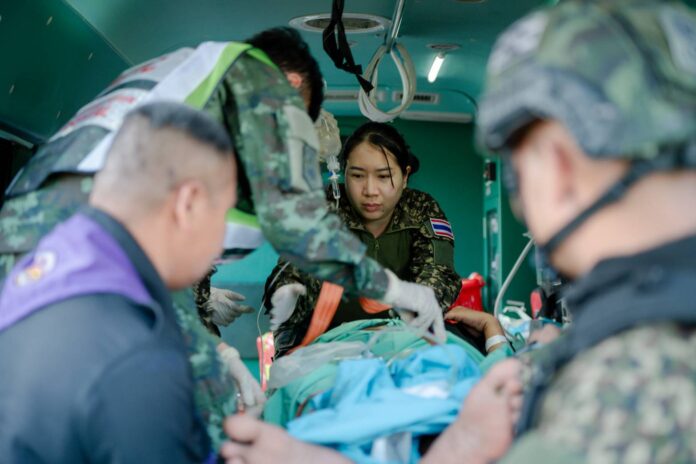
SISAKET — A brief exchange of gunfire between Thai and Cambodian troops erupted Sunday afternoon along a disputed stretch of the border in Sisaket province, leaving two Thai soldiers injured and prompting evacuations in four Thai provinces.
The clash broke out around 2:15 p.m. December 7 near the Phu Pha Lek–Phlan Hin Paet Kon area when Thai soldiers from Infantry Battalion 13 exchanged small-arms fire with Cambodian troops. Thai officials said the fighting escalated when Cambodian forces fired a recoilless rifle. The shooting stopped at 2:50 p.m.
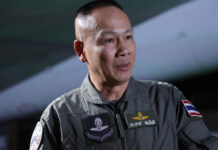
Lt. Gen. Weerayut Raksil, commander of Thailand’s 2nd Army Area, ordered units to remain on high alert and adhere strictly to the rules of engagement.
The Thai Army said Sgt. Anuchat Rueankham was shot in the leg and Pvt. Phonchai Champajum suffered chest pain and bruising after a round struck his body armor. Both were evacuated to Kantaralak Hospital. The 2nd Army Region later reported that both soldiers were in stable condition, though Champajum continued to experience chest tightness.
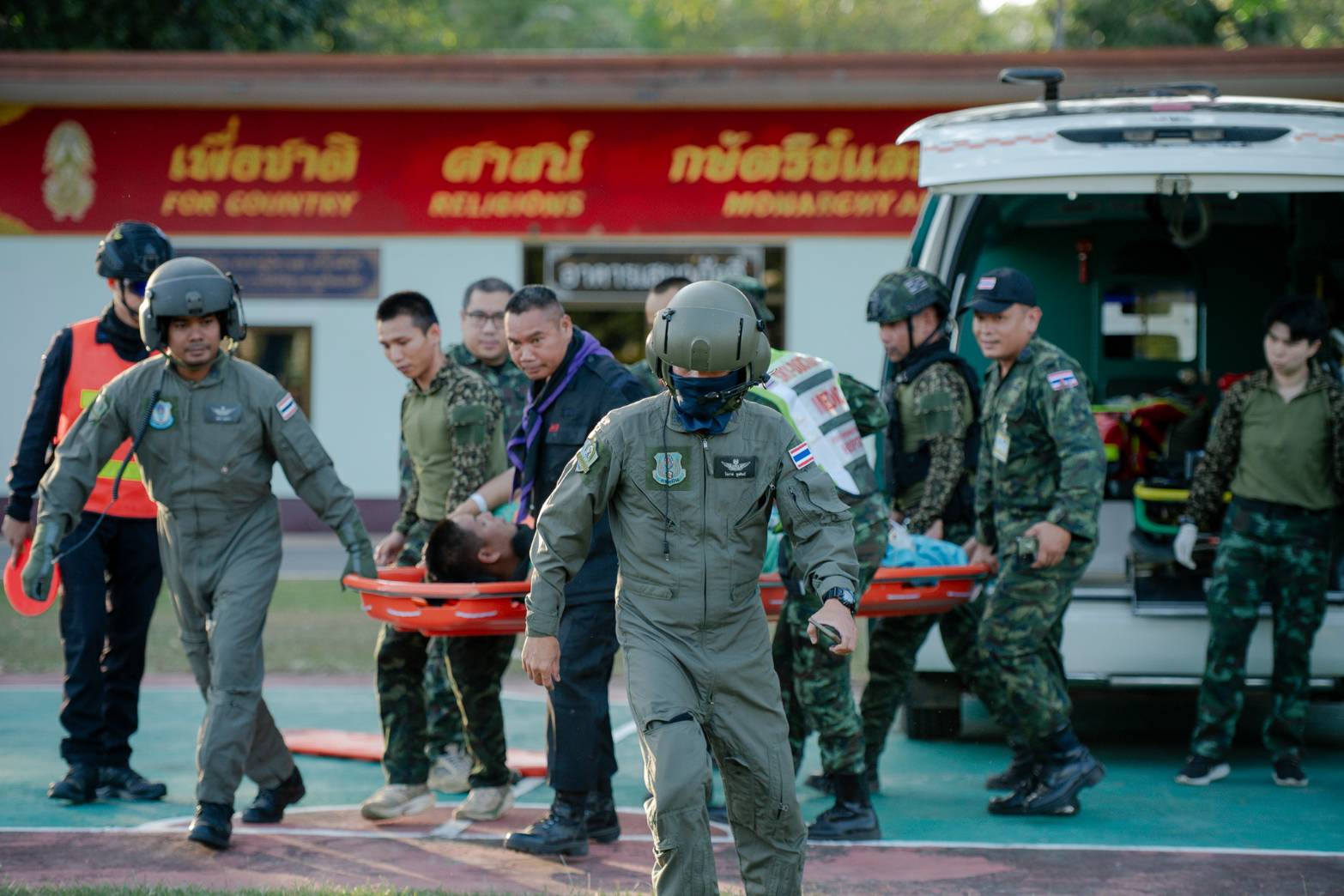
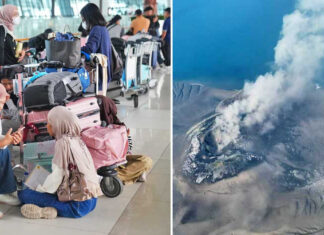
Authorities ordered residents in border districts of Buriram, Surin, Sisaket and Ubon Ratchathani to move to designated shelters as a precaution. Local military units are monitoring the situation amid concerns the violence could escalate.
Defense Ministers Clash Over Responsibility
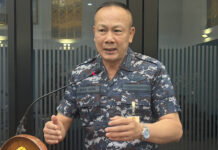
Thai Defense Minister Gen. Nattaphol Nakpanich criticized Cambodian Defense Minister and Deputy Prime Minister Gen. Tea Seiha for accusing Thailand of firing first. Nattaphol said the claim was made “without fact-checking,” pointing to the two injured Thai soldiers as evidence of Cambodian fire.
“This has been a consistent pattern,” he said, alleging that Cambodian frontline units have repeatedly provoked Thai troops and removed barbed-wire fencing Thailand installs to stop landmine planting.
Asked whether the clash could be linked to this week’s Meeting of States Parties to the Ottawa landmine treaty at the United Nations office, Nattaphol said Cambodia might be seeking to portray Thailand as the aggressor ahead of the gathering.

Prime Minister and Interior Minister Anutin Charnvirakul has ordered full defensive measures to protect Thailand’s sovereignty and instructed provincial governors to activate evacuation procedures, according to government spokesman Siripong Angkhasakulkiat. He also stated that PM Anutin, along with the Minister of Defence, will fly urgently tomorrow to visit four Thai-Cambodian border provinces following this incident.
Cambodia Calls for Investigation
Cambodia offered a sharply different account. Defense Ministry spokeswoman Maly Socheata said Thai troops opened fire in Choam Ksan district using “shotguns, B-40 machine guns and 60mm mortars.” She said Cambodian forces did not fire back and immediately contacted Thai authorities, ending the incident at 2:32 p.m.
“During the incident, Cambodian forces refrained from retaliating and continued to cautiously monitor the situation,” the ministry said in a statement.
Cambodia said it has notified the ASEAN Observer Team and requested an investigation “with transparency, fairness and correctness.” The ministry reaffirmed what it called Cambodia’s “unwavering commitment” to the ceasefire agreement and the Kuala Lumpur Peace Accord.

Regional Diplomacy Underway
The incident underscores once again how fragile the October 26 ceasefire agreement between Thailand and Cambodia is — a deal that U.S. President Donald Trump helped push forward and witnessed. Earlier, on November 11, a Thai soldier lost a foot to a land mine while patrolling the border in Sisaket province, becoming the seventh amputation case since May. Thailand presented evidence that the device had been newly planted. In response, Thai Prime Minister Anutin declared that Thailand would suspend the ceasefire.
Two days later, a brief clash erupted between Thai and Cambodian troops, during which Cambodia claimed one civilian was killed by gunfire from the Thai side.
However, two days later, President Trump said he had successfully eased hostilities between the two countries, saying he managed to preserve the U.S.-brokered ceasefire that appeared to be unraveling.
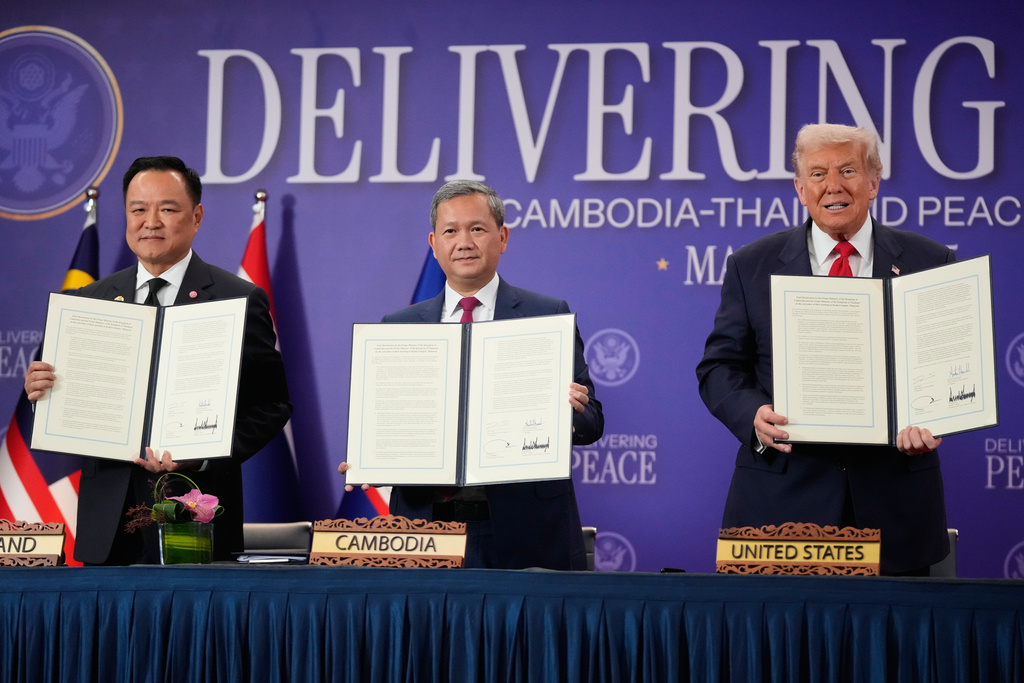
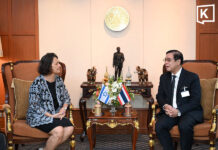
The latest clash occurred as Cambodian Prime Minister Hun Manet hosted Gen. Tan Sri Hj Mohd Nizam bin Hj Jaffar, Malaysia’s chief of defense forces. Nizam reaffirmed Malaysia’s support for the Kuala Lumpur Peace Accord and a neutral stance on border issues. He also met with Cambodian Defense Chief Tea Seiha during the visit.
______