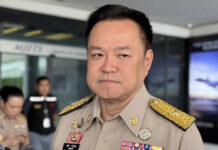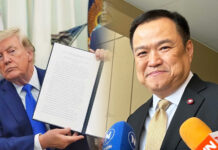


















Thailand has received no direct assistance from the United States to cope with the economic fallout from the ongoing Iran war, Foreign Minister Sihasak Phuangketkeow said in an interview published by The Washington Post.
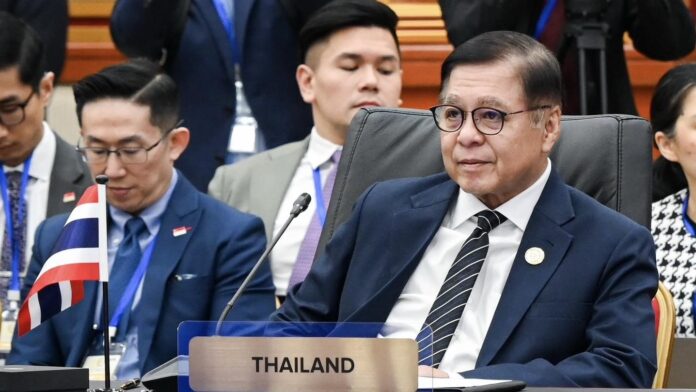
Speaking to the newspaper in Krabi, Sihasak said the conflict — involving the United States and Israel against Iran — has caused significant economic strain across Asia, particularly in energy and fertiliser supplies. “This war should not have taken place,” he said, adding that Washington has not approached Thailand with any concrete support measures.
According to the report, Sihasak noted that US officials appeared aware of the consequences but had not offered direct assistance, aside from suggesting countries purchase American oil and gas.
With limited support from its treaty ally, Thailand has begun seeking alternatives, including outreach to Russia and China, the report said.
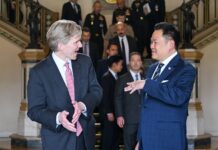
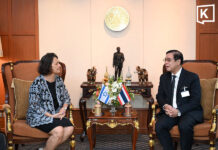
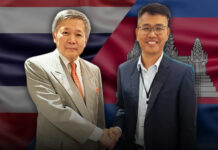
The foreign minister reiterated that Bangkok does not wish to directly criticise Washington, but maintained the conflict should have been avoided. He made the remarks while hosting Chinese Foreign Minister Wang Yi in Krabi.
The war, now stretching beyond two months, has disrupted global supply chains, with Asia particularly exposed due to its dependence on Middle Eastern energy and fertilisers. Prices for key inputs such as urea have surged, while diesel costs in Thailand have reached record highs, the report noted.
Thailand has sought to secure fertiliser supplies ahead of the May planting season, including negotiations with Russia. However, concerns over potential US sanctions have complicated efforts to import Russian crude, Sihasak said.
He also told the newspaper that Thailand had requested China’s assistance to help ensure safe passage for Thai vessels through the Strait of Hormuz, a critical shipping route affected by the conflict. China itself faces similar challenges, with dozens of its ships stranded in the area, according to the report.