
































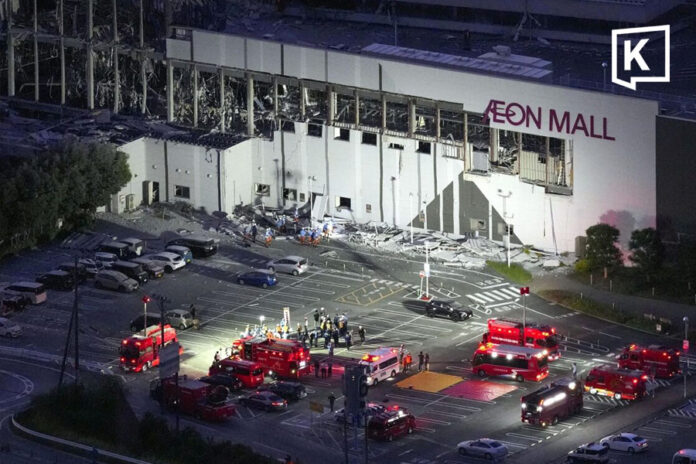
KUMAMOTO, Japan — 29 July 2026, The death toll from a powerful earthquake in southern Japan has risen to 13 as rescuers continue searching for people trapped beneath collapsed buildings, including a badly damaged Aeon shopping centre.
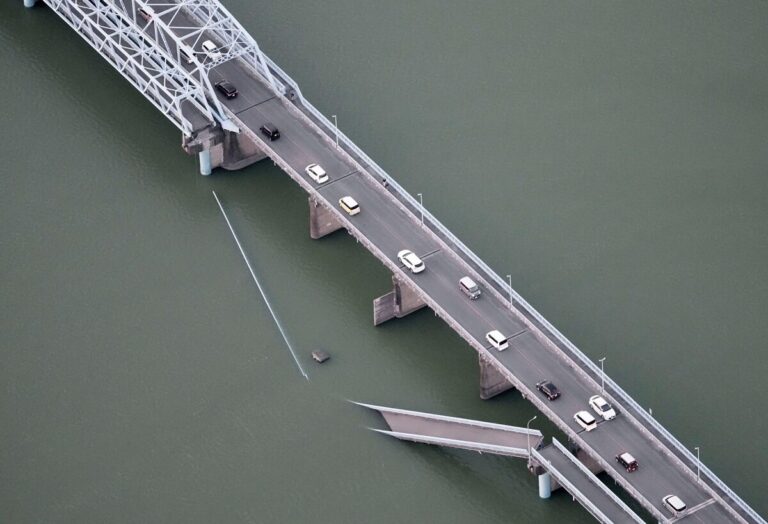
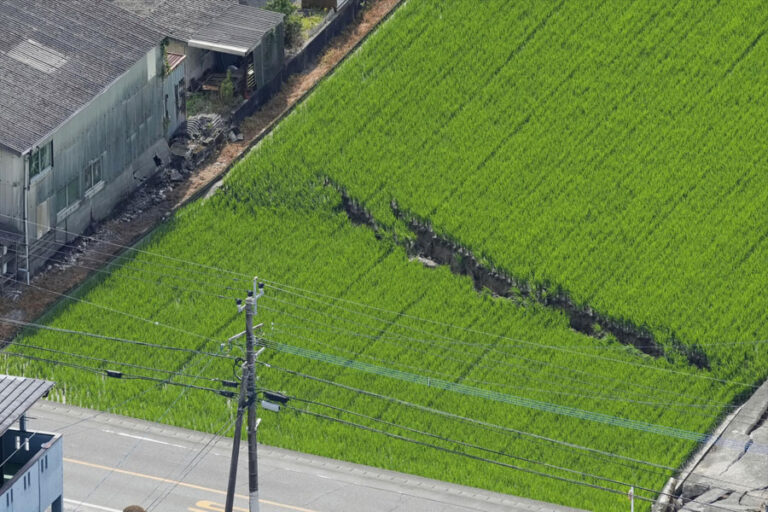
The magnitude 7.1 earthquake struck Kumamoto Prefecture on the southwestern island of Kyushu on Tuesday afternoon, damaging buildings, roads and bridges and disrupting electricity and transport services across the region.
Japanese Prime Minister Sanae Takaichi confirmed the death toll on Wednesday morning.
“Even now, there are people waiting to be rescued, and it is a race against time,”
Takaichi said. “We will mobilise all available resources to save and assist as many people as possible.”
Firefighters, police and Japan Self-Defense Forces personnel worked throughout the night, focusing on locations where people were believed to be trapped or had been heard calling for help.
Eight people were pulled from the rubble of the partially collapsed AEON Mall Kumamoto in Kashima town early Wednesday.
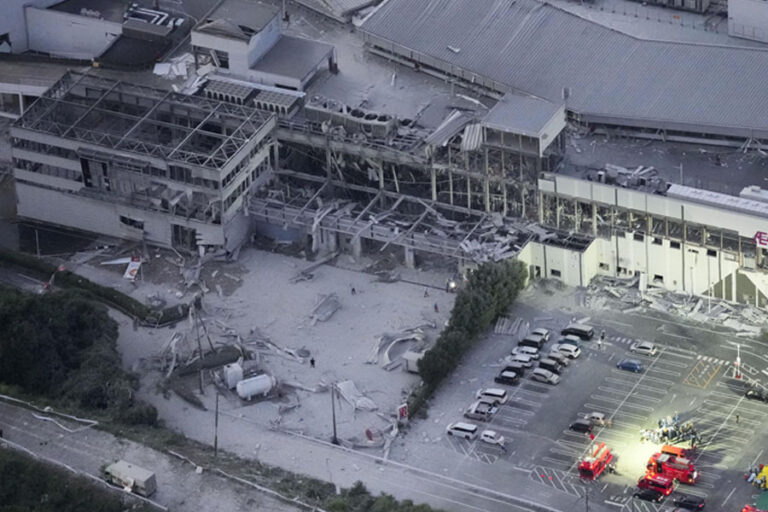
Two women in their 20s were confirmed dead, while another person was found in cardiopulmonary arrest. Five others were injured, although their conditions were not considered life-threatening.
About 20 to 30 mall employees were reported missing on Tuesday, according to public broadcaster NHK.
Part of the mall was destroyed by an explosion about an hour after shoppers and employees were evacuated following the initial earthquake. Images showed an exterior wall torn away, exposing the steel structure and scattering debris across the car park.
AEON said the cause of the explosion remained unknown. Authorities are investigating whether it may have been caused by a gas leak.
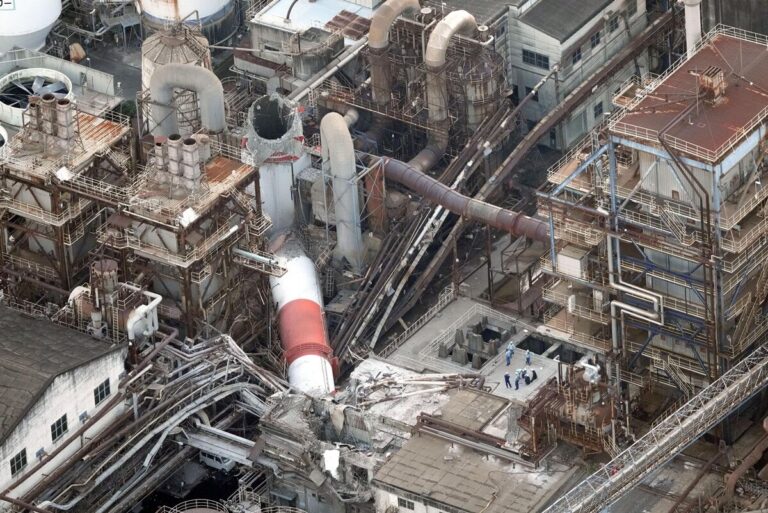
Seven people were also reported missing after a chimney collapsed at a Nippon Paper Industries factory in Yatsushiro. Four others at the facility were seriously injured.
Hospitals across the region were treating dozens of patients. One hospital stopped accepting new patients after receiving 86 injured people, while another was unable to operate because of a power outage.
The earthquake left more than 36,000 homes without electricity and caused severe damage to major roads. Rail services, including Kyushu Shinkansen bullet trains, were suspended, while the runway at Aso Kumamoto Airport was closed, forcing airlines to cancel or divert flights.
About 260,000 people were advised to evacuate as aftershocks continued across Kyushu.
The Japan Meteorological Agency warned residents in the worst-affected areas to remain alert for another strong earthquake over the coming week, as well as possible landslides.
Authorities also warned evacuees about the risk of heatstroke, with temperatures in Kumamoto expected to reach about 34 degrees Celsius on Wednesday.
Japan’s Nuclear Regulation Authority said no abnormalities had been detected at nuclear power plants in the region.
Several major manufacturers temporarily halted operations after the earthquake. Taiwan Semiconductor Manufacturing Co., Sony and Fujifilm evacuated workers from facilities in the area.
TSMC said its Kumamoto plant had not suffered damage and was gradually resuming production. Tokyo Electron suspended work at two local plants, while Honda temporarily stopped production at its motorcycle factory.
The earthquake’s epicentre was about 20 kilometres south of Kumamoto city, which has a population of approximately 700,000.
Kumamoto was also struck by a series of major earthquakes in April 2016 that killed hundreds of people, injured thousands and damaged buildings across the prefecture, including the historic Kumamoto Castle.