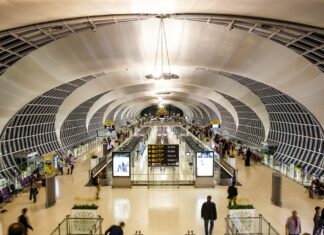
















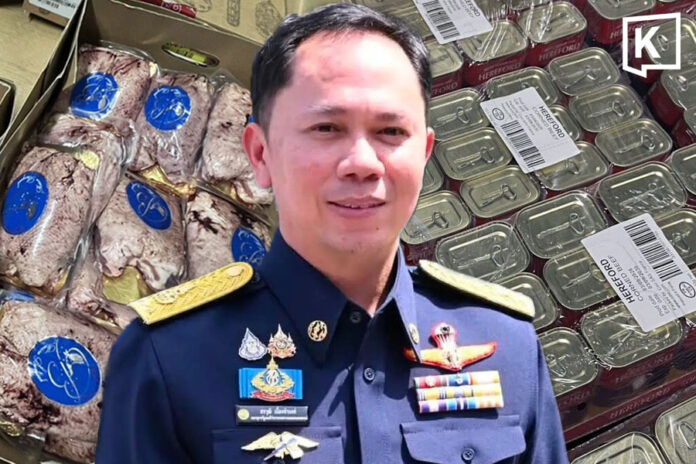
Authorities have seized more than 2 tonnes of premium meat and animal products from France at Suvarnabhumi Airport after finding that they had allegedly been imported without the required livestock permits.
The Agriculture and Cooperatives Ministry’s Phaya Phirun Joint Operations Centre for Agricultural and Food Security, the Department of Livestock Development and the Customs Department carried out the operation after receiving information about a well-known premium meat importer suspected of bringing animal products into Thailand without disease and hygiene inspections or approval from the Livestock Development Department.
The products were allegedly intended for customers including hotel restaurants and high-end restaurants, where they would be sold at premium prices.
Sorawut Nuengchamnong, secretary to the agriculture and cooperatives minister and commander of the joint operations centre, said officers inspected an inbound cargo warehouse at Suvarnabhumi Airport and found large quantities of animal products from France mixed with fishery and agricultural goods.
The shipment did not match the import permit, which covered only fishery products, he said. Authorities said the case may constitute violations of Section 31 of the Animal Epidemics Act 2015 and the Customs Act 2017.
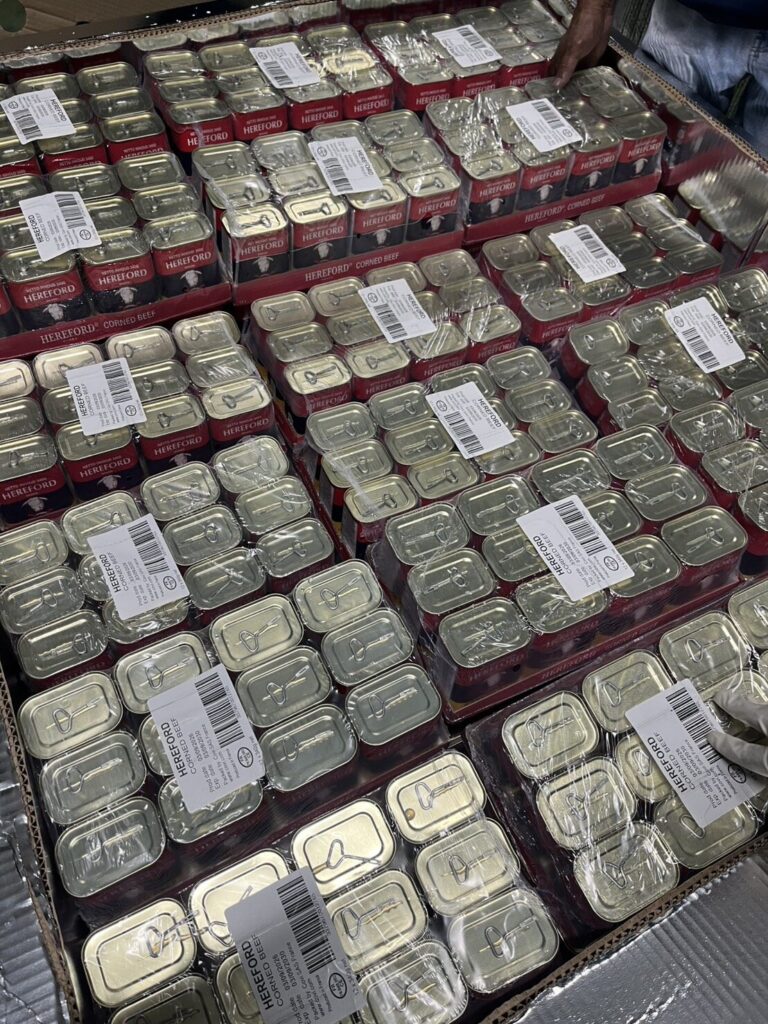
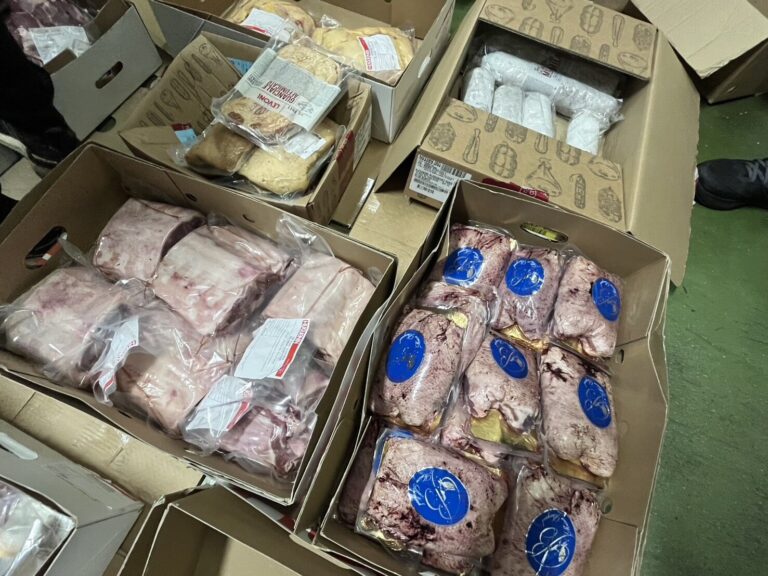
Officials seized 21 types of animal products weighing more than 2,000 kilograms and valued at 1,201,851.50 baht.
The seized goods included salted beef, wild boar meat, wild boar liver, smoked pork cheeks, smoked turkey breast, chilled quail, pigeon carcasses, duck meat, duck breast, duck legs, bone-in lamb loin, canned beef ham, salami and Parma ham.
Livestock inspectors collected samples for laboratory testing because authorities said the products posed a risk of carrying animal diseases and could be unsafe for consumers. The entire shipment has been detained pending destruction, while the Livestock Development Department and Customs Department are pursuing legal action.
Sorawut said the unauthorised movement of animals or animal carcasses was a major factor in the spread of serious livestock diseases, including foot-and-mouth disease, lumpy skin disease and African swine fever.
He said such outbreaks could damage Thailand’s livestock industry and pose risks to consumers, while illegal imports could also distort the market and unfairly affect Thai farmers.
Animal quarantine checkpoints nationwide have therefore been instructed to step up enforcement against illegal animal and animal-product imports.
Businesses and members of the public who encounter suspected livestock-related offences can submit information through the DLD 4.0 application.