




































BANGKOK — A dramatic shareholder showdown at Dusit Thani Public Company Limited has exposed deep tensions over the future of one of Thailand’s most iconic hotel brands, with CEO Chanin Donavanik successfully fighting off an attempt to remove him from the board.
The September 26, 2025 extraordinary general meeting ended with minority shareholders decisively rejecting a motion to oust Chanin, raising questions about corporate governance and potential monopolistic practices in Thailand’s competitive hospitality sector.
A Battle for Control
The push to remove Chanin didn’t come from Dusit Thani’s existing board. Instead, the company’s largest shareholder, Chanat and Children Company Limited, invoked its legal right under Thailand’s Public Limited Companies Act to force an extraordinary meeting. The agenda was ambitious: remove the current CEO from the board, increase the number of directors, appoint new board members, and restructure board authority.
When votes were tallied on Chanin’s removal, the results told a revealing story. While 425.4 million shares voted for his ouster, an overwhelming 422.8 million of those belonged to Chanat and Children Co, Ltd itself. Only 2.5 million shares from other investors supported the motion—a striking indication that minority shareholders stood firmly behind current management.
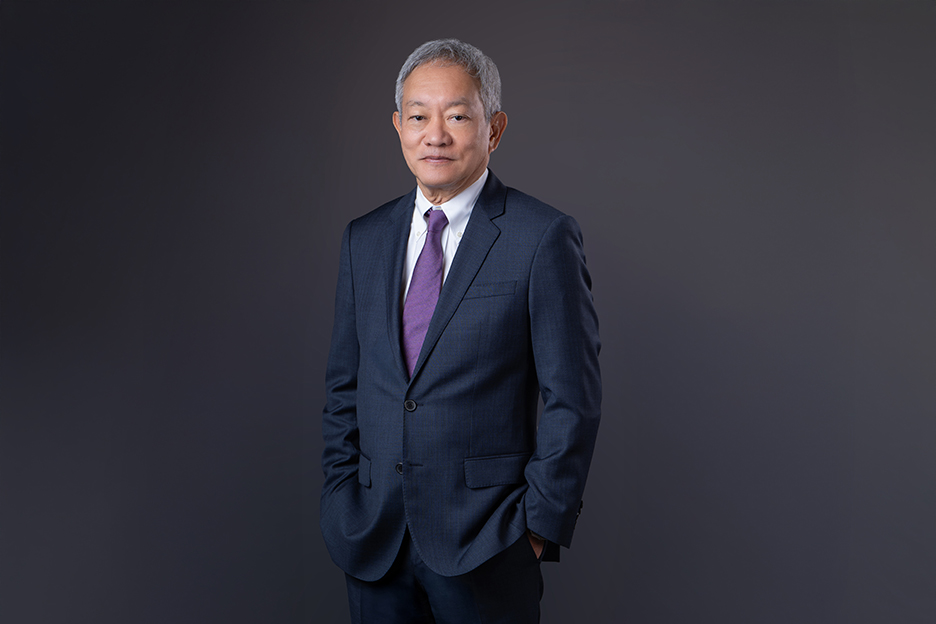
In the end, nearly 87% of the 420 shareholders present voted against the removal. With Dusit Thani’s total share capital at 850 million shares, the verdict was clear: most investors want the current leadership to stay.
“I must take this opportunity to express my sincere gratitude to all minority shareholders who joined together to protect and support Dusit Thani, allowing it to continue operating under the management of the current board, for the honor and dignity of this Thai brand,” Chanin said in his statement on September 29.
Antitrust Concerns Take Center Stage
The meeting’s remaining agenda items have been postponed until December 4, 2025, following complaints filed by minority shareholders with both the Securities and Exchange Commission and the Trade Competition Commission. The concerns center on whether the proposed changes could facilitate monopolistic control or require regulatory approval for business consolidation.
At the heart of the controversy lies the relationship between Dusit Thani and the Central Group, one of Thailand’s largest conglomerates with extensive retail and hospitality interests. Chanin didn’t mince words about the potential implications.
“Many of Dusit Thani’s businesses directly compete with Central Group businesses—we have competed in the marketplace all along,” he explained to shareholders. “If Dusit Thani were to have directors or senior executives from Central Group, the company’s strategic direction would effectively fall under the control of a trade competitor.”

The CEO warned that such an arrangement could give Central Group access to Dusit Thani’s most valuable assets—not physical properties, but proprietary information including customer databases, operational strategies, and business intelligence accumulated over decades. “These have tremendous business value, but could be used to benefit our competitor, potentially causing irreparable damage to Dusit Thani,” he cautioned.
The stakes extend beyond corporate interests, Chanin argued. Consumers could lose competitive choice in Thailand’s hospitality market if the Dusit Thani brand were to weaken or disappear entirely.
A Turnaround Story
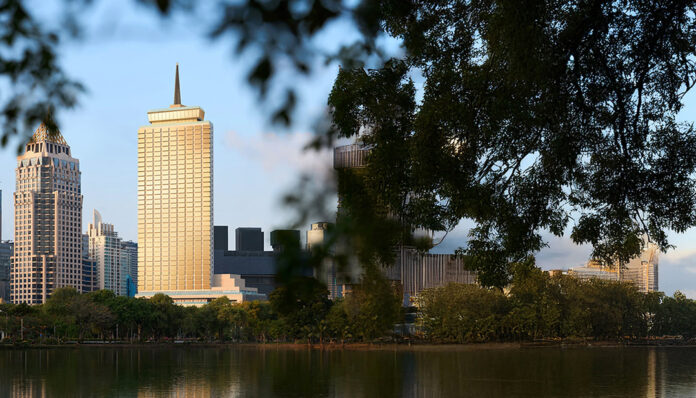
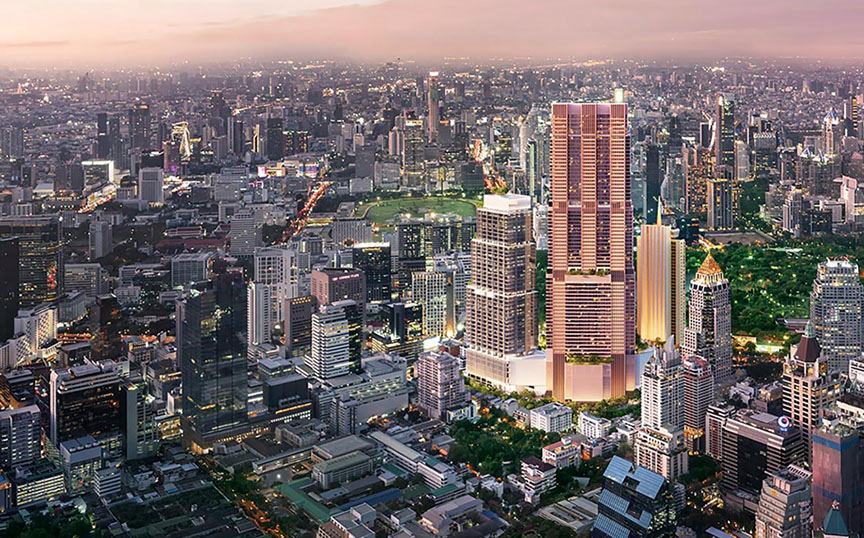
Chanin’s defense of his leadership rested heavily on the company’s recent transformation, particularly the ambitious Dusit Central Park project that reimagined the original Dusit Thani Bangkok property.
“The critical turning point came when we had to demolish the original Dusit Thani Bangkok hotel,” he recalled. “If we had simply done nothing, Dusit Thani might not have been able to compete in the modern market.”
The decision to proceed with the massive redevelopment required finding partners and carefully structuring finances to avoid burdening shareholders—a strategy that would be tested during the darkest days of the COVID-19 pandemic.
“The pandemic devastated hotel businesses worldwide, but we never stopped or gave up,” Chanin said. “We kept moving forward with determination to ensure the project continued without requiring capital increases or disturbing shareholders. That decision came from our intention to protect existing shareholders’ interests as best as possible.”
The gamble appears to have paid off. The reimagined Dusit Thani Bangkok has reopened to critical acclaim, collecting numerous prestigious awards. Dusit Arun Park, a seven-rai elevated garden at the project’s heart, has become a beloved public space and the development’s signature feature—reflecting what Chanin described as the company’s commitment to social and environmental responsibility.
The residential component, Dusit Residences, has achieved over 90% sales, generating substantial revenue for the company. The office tower and shopping center are already operational and contributing to the company’s recovery.
What Happens Next
With Dusit Thani’s current management team secured—at least for now—attention turns to the December 4 meeting, where shareholders will revisit the proposed board changes. The outcome may hinge on regulatory investigations into the competition concerns raised by minority investors.
For Chanin, the fight represents more than corporate politics. “Dusit Thani is a symbol of Thai identity and cultural heritage that we all take pride in together,” he told shareholders.
“I promise to continue performing my duties with honesty, transparency, and adherence to good governance principles, so that Dusit Thani can move forward steadily and become a sustainable legacy for future generations, in accordance with the founder’s intentions.”
The postponement gives regulators time to examine whether the proposed changes would violate competition laws—and gives Dusit Thani’s minority shareholders time to organize their defense of the company’s independence. In Thailand’s competitive hospitality landscape, the battle for Dusit Thani’s future is far from over.
_____________