























29.4 C
Bangkok
Thursday, June 18, 2026
Home Blog Page 1071

Raid on Hideout of Myanmar Militants Sparks Deadly Shootout

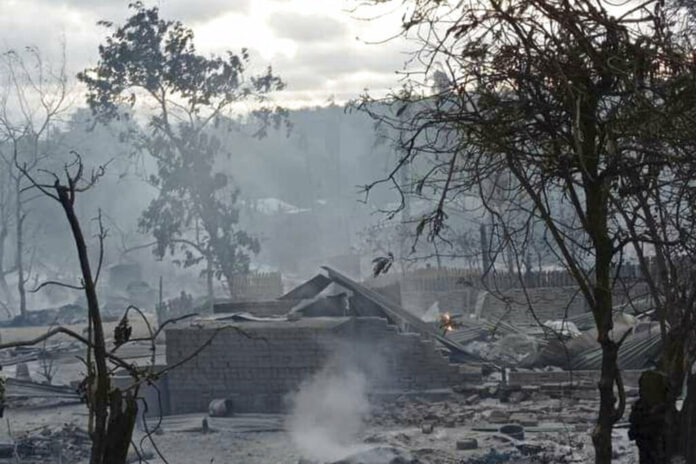
Smoke rises from smoldering houses in Kinma village, Pauk township, Magwe division, central Myanmar, Wednesday June 16, 2021. Photo: AP

BANGKOK (AP) — A deadly shootout between security forces and militants opposed to army rule erupted Tuesday in Myanmar’s second biggest city when a raid was carried out on a building that the government described as a hideout of “terrorists.”

At least eight people were killed in the gun battle in Mandalay, the military-run Myawaddy Television’s news service reported.

The word “terrorists” is generally used by the government and state media to refer to members of the armed resistance that has arisen against the February military takeover that ousted the elected government of Aung San Suu Kyi.

A video that circulated widely on social media showed a soldier just outside the besieged property firing a rocket-propelled grenade at the building, a boarding house. The authenticity of the video could not immediately be confirmed, though residents of the densely populated area said the fighting, involving about 50 troops, appeared to be fierce and they could hear explosions.

Initial opposition to the army’s seizure of power took the form of nonviolent resistance, including peaceful marches and demonstrations, but the military used deadly force that killed hundreds of protesters, sparking a turn to active self-defense.

Violent opposition to army rule has escalated in recent weeks, and has mostly taken the form of bombings and killings of military-linked local officials, though responsibility is rarely claimed for such attacks.

Armed opponents of the ruling junta have organized themselves into what they call People’s Defense Force units, with the ultimate goal of forming a federal army that can challenge the ruling junta. Some activists who have turned to armed resistance have been receiving military training from the militias of ethnic minority groups in border areas who have long battled the central government for greater autonomy, but the extent of their assistance is unclear.

Social media posts claiming to speak for a Mandalay People’s Defense Force branch said during the shootout Tuesday morning that it was the start of an urban guerrilla uprising. There were no signs, however, of any other significant actions.

“The day we have been waiting for has arrived. The Mandalay PDF has started today,” said a post signed by Bo Tun Tauk Naing, described as the group’s leader. The name is a pseudonym, combining the words for “bright like the sun” and “victory” after the abbreviation for the rank of major.

Other posts urged the city’s residents to block military reinforcements, obstruct roads with burning tires and reveal the military’s movements online.

The military said that when security forces went to inspect a building where “terrorists” were reported to be hiding, they were attacked with guns and grenades, compelling them to shoot back, according to Myawaddy TV.

The military said some members of the security forces were seriously injured — no exact number was announced — and four “terrorists” in the building died and eight others were arrested. It said some homemade explosive devices, grenades and light firearms were captured.

It also said a white sedan attempted to attack the security forces and then escape, but crashed into a transformer as it was being chased, killing four “terrorists” inside the car, in which weapons were also found.

The confrontation in Mandalay drew concern from at least two Western embassies.

“We are tracking reports of ongoing fighting in Mandalay, including early reports of possible civilian casualties. We are disturbed by the military escalation and urgently call for a cessation of violence,” the U.S. Embassy said on social media.

The French Embassy said, “The urban bloody confrontations in Mandalay heightened once again the death toll following the 1st February military coup.”

Story: Grant Peck 
Advertisement

UK Pushes Pacific Trade Talks Amid Broader New Focus on Asia

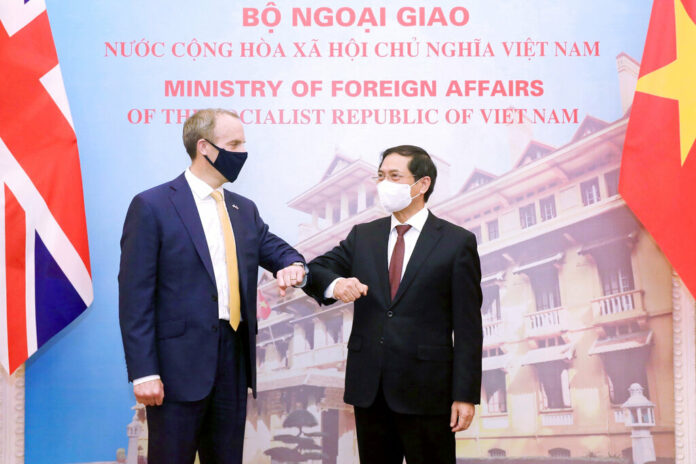
Britain's Foreign Secretary Dominic Raab, left, and Vietnamese Foreign Minister Bui Thanh Son greet with an elbow bump in Hanoi, Vietnam, Tuesday, Jun. 22, 2021. Photo: Bui Lam Khanh / VNA via AP

BANGKOK (AP) — The U.K. launched negotiations Tuesday to join a trans-Pacific trade bloc as it looks to explore new opportunities following its departure from the European Union and strengthen its strategic interests in Asia.

The start of talks to join the Comprehensive and Progressive Agreement for Trans-Pacific Partnership, made up of 11 counties with a combined half billion people, came as Foreign Secretary Dominic Raab met with his counterpart and other Vietnamese officials during his fifth visit to Southeast Asia in his current job.

Britain is also looking to attain “dialogue partnership” status with the 10-country Association of Southeast Asian Nations, or ASEAN, as it pursues a “tilt” toward the Indo-Pacific region in response to China’s growing influence on the world stage that was recommended by a recent British government review of defense and foreign policy.

“The U.K. is committed to strengthening our friendship across the Indo-Pacific,” Raab said ahead of the trip. “We are demonstrating this through our commitment to join CPTPP, partner with ASEAN and invest more energy, time and effort in our bilateral relations in the region.”

The push comes as the region’s countries are looking for “options and alternatives” to China as their main source of capital and trading opportunities, said Euan Graham, senior fellow for Asia-Pacific security with the International Institute for Strategic Studies’ office in Singapore.

For Britain to be taken seriously it needs to show that it’s prepared to be engaged for the long-term, he said.

“It’s no good just saying you’re engaged from the safety of London, even in a pandemic you have to commit to face time in the region,” he said.

Beyond trade, Britain earlier this year dispatched a strike group led by the Royal Navy’s flagship aircraft carrier the HMS Queen Elizabeth on a 28-week deployment to Asia. It is also expected to announce the forward deployment of smaller Royal Navy vessels to the Indo-Pacific, Graham said.

“That would be noticed in the region,” he said. “It won’t change the balance of power, but it does demonstrate to China and others that this is not only a U.S.-China bilateral dynamic,”

Whether the diplomatic, economic and military outreach will succeed, however, will take time.

“I think they can maintain their ambitions over a four-year timeframe, and that might be enough to develop the momentum that they need,” Graham said, adding that closer ties to the region are probably more important for the Britain than vice versa.

Following Vietnam, Raab was to visit Cambodia and then end his trip to the region in Singapore.

Britain said joining the CPTPP would open new access to fast-growing economies across Asia-Pacific and the Americas, including Mexico, Malaysia and Vietnam. Other countries in the pact include Australia, New Zealand and Canada, but Britain would be the first European country if it succeeds in joining.

Britain singled out digital, services and finance as sectors that stand to gain from a trade deal, which it said should mean tariff-free trade for 99.9% of exports.

“Membership of the CPTTP free-trade partnership would open up unparalleled opportunities for British businesses and consumers in the fast-growing Indo-Pacific,” Prime Minister Boris Johnson said. “It’s an exciting opportunity to build on this country’s entrepreneurial spirit and free-trading history to bring economic benefits across the whole of the U.K.”

The CPTTP is a much looser arrangement than the European Union, which the U.K. formally left last year, as it does not include any political integration.

After the conclusion of a transition period that was intended to smooth the U.K.’s departure, the country is now able to negotiate its own trade deals. Last week, the British government negotiated the broad outlines of a trade deal with Australia that will see tariffs on a range of goods eliminated over coming years.

The United States, the world’s biggest economy, is not part of the CPTTP; former President Donald Trump withdrew the country from its predecessor, the Trans-Pacific Partnership. His successor, Joe Biden, has previously indicated that he would like to rejoin the grouping but has yet to set out any substantial plans since taking office in January.

China, the world’s No. 2 economy, also does not belong.

The British government said CPTPP countries accounted for around 110 billion pounds ($153 billion) worth of U.K. trade in 2019. Though substantial, the amount is around six times less than the business the U.K. conducts with the EU.

___

Story: David Rising and Pan Pylas. Pylas reported from London.

Advertisement

Marriott’s Engineering Conference Celebrates Unheralded Heroes and Lays Foundations for a Sustainable Future

Virtual event gathers 94 engineers from hotels and resorts across Southeast Asia and the Maldives to recognize top performers and set out vision to maintain the highest standards.

Engineering is one of the most important but least acclaimed elements of the hospitality industry. Behind the scenes and out of sight, teams of highly-trained professionals work tirelessly to make every element of a hotel or resort run smoothly, efficiently and in an environmentally-friendly manner, enhancing the guest experience.

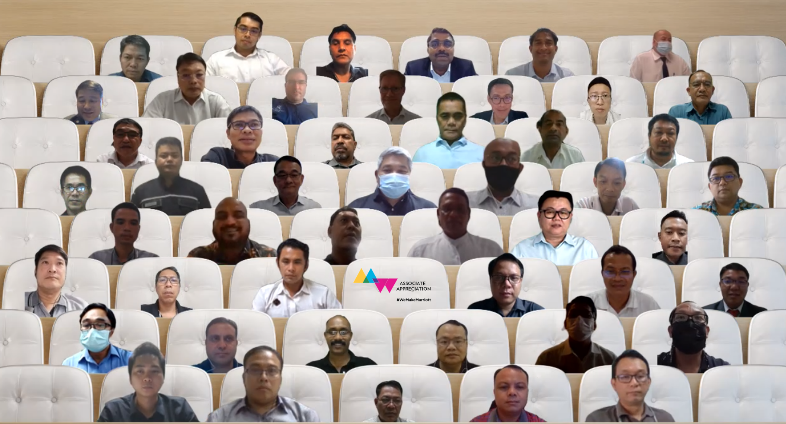
To celebrate these unheralded heroes and ensure the highest standards of operational excellence, Marriott International recently hosted its regional Engineering Conference. Held virtually in line with ongoing social distancing requirements, this online event was attended by 94 engineers from properties in Thailand, Vietnam, Cambodia, Singapore and the Maldives, including several directors of engineering.

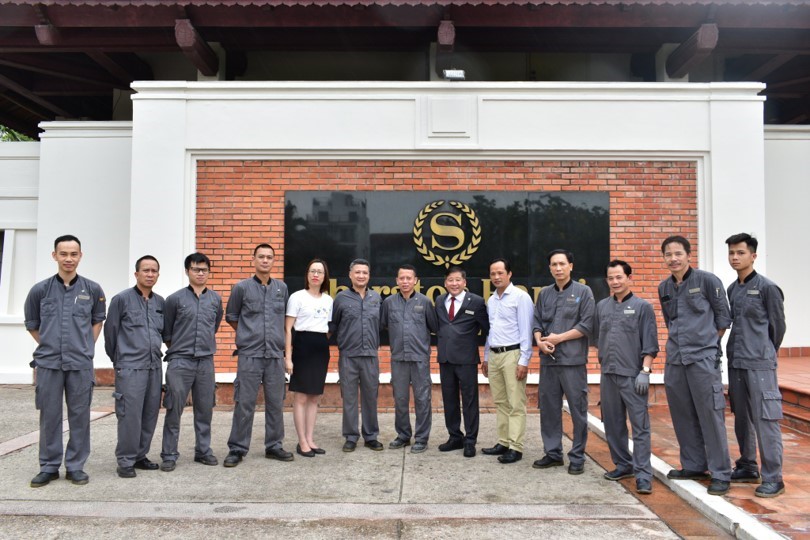
Marriott 2 1

Attendees were greeted with keynote speeches by four of Marriott’s top regional executives, including Jakob Helgen, Area Vice President – Thailand, Vietnam, Cambodia & Myanmar; Rivero Delgado, Area Vice President – Singapore, Malaysia & Maldives; Ananchai “Mao” Lertwatthiphong, Vice President of Engineering; and Saravana Raj S, Area Director of Engineering, who all provided updates on the latest engineering objectives, plans and practices for the coming decade and beyond.

Environmental efficiency is a key element of Marriott’s vision for the future, and the engineering delegates were consulted on the company’s latest Utility Cost Benchmarking initiatives, which are designed to help hotels consume less energy.

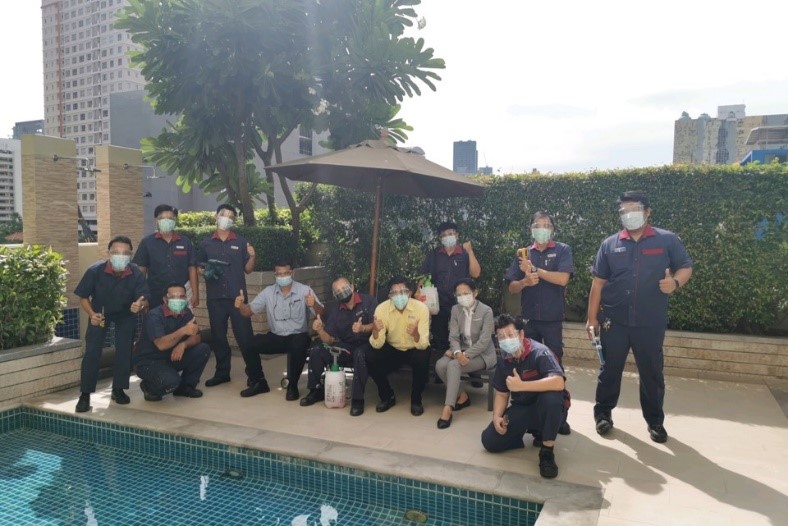
Marriott 3 1

The conference also recognized Marriott’s top hotels and resorts, according to the Guest Satisfaction Index (M&U) and Maintenance Excellence Index (TRG), which show how the engineering teams are making a positive impact on all aspects of hotel performance. A panel of experts then helped to introduce the group’s online platforms for hotel maintenance, and a quiz provided a fun way of boosting knowledge and awareness.

“Our engineering teams are the unheralded heroes of our hotels; the associates who often go unnoticed by our guests, but without whom our hotels simply could not operate. They also play a critical role in reducing our properties’ carbon footprints and helping us to function in an efficient and eco-friendly manner, which will be critical to our progress in the coming years. This virtual conference let us shine a spotlight on our engineers, celebrate their vital role and lay the foundations for a more sustainable future,” commented Jakob Helgen.

Marriott 4

For more information about Marriott International, please visit www.marriott.com.

Advertisement

CP Joins UNGC ‘Leaders Summit 2021’

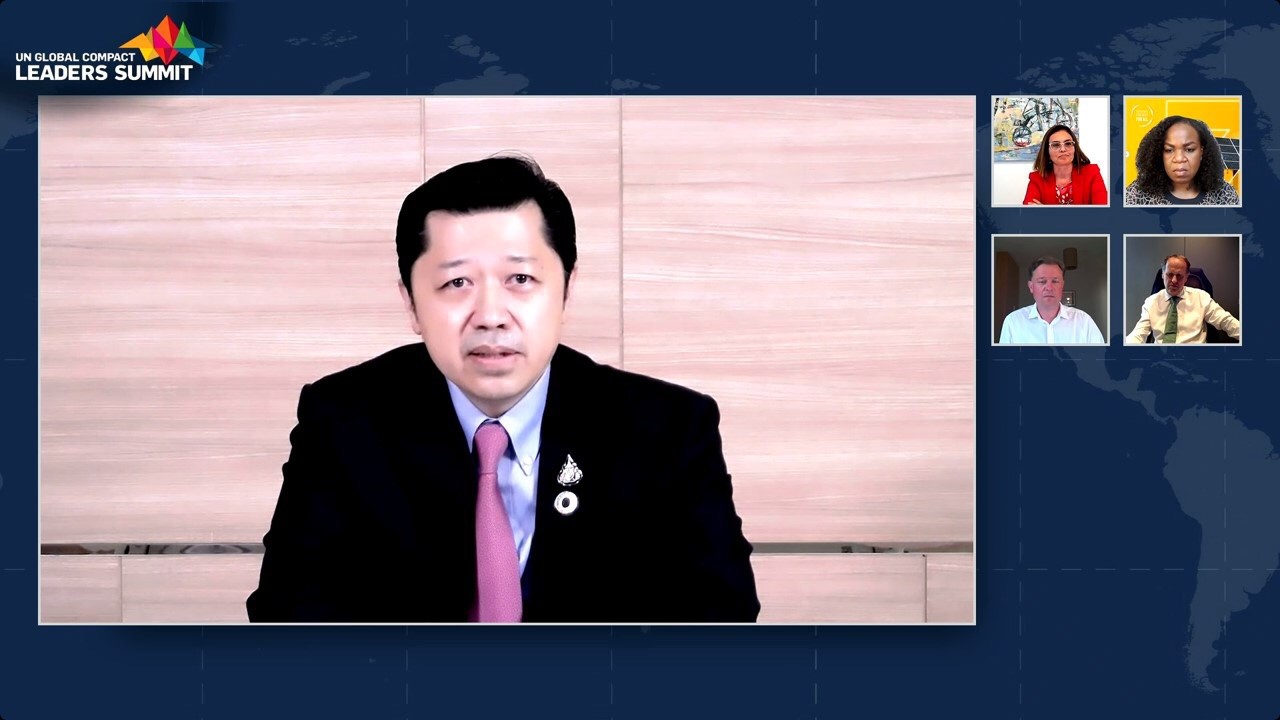
Mr. Suphachai Chearavanont, CEO of C.P. Group, joined global leaders at the United Nations Global Compact ‘Leaders Summit 2021’ to share how we can accelerate business ambition to achieve the #GlobalGoals and the 2030 Agenda. He participated in the session Light the Way to Glasgow (COP26) and Net Zero: Credible Climate Action for a 1.5°C World.

Leaders 2

Mr. Suphachai Chearavanont, Chief Executive Officer Charoen Pokphand Group (C.P. Group) and President of the Global Compact Network Association of Thailand, participated in the 2021 United Nations Global Compact Leaders Summit 2021, held June 15-16, 2021. The event was held virtually from New York City, USA and broadcast live all over the world.

This year, the UN Global Compact, the world’s largest sustainability network under the United Nations highlighted climate change solutions as a key agenda for the event.

António Guterres, Secretary-General of the United Nations addressed the opening of the UN Global Compact Leaders Summit 2021, he stated that “we are all here to support the action plan to achieve the SDGs and to meet the Paris Agreement on Climate Change. Business organizations have come together to demonstrate their readiness to share responsibility and to act on net zero emissions reduction mission, with the most effective methods” Guterres emphasized that business organizations must integrate investments. Building business alliances in parallel with sustainable business operations and consider ESG (Environmental, Social, Governance).

Leaders 3

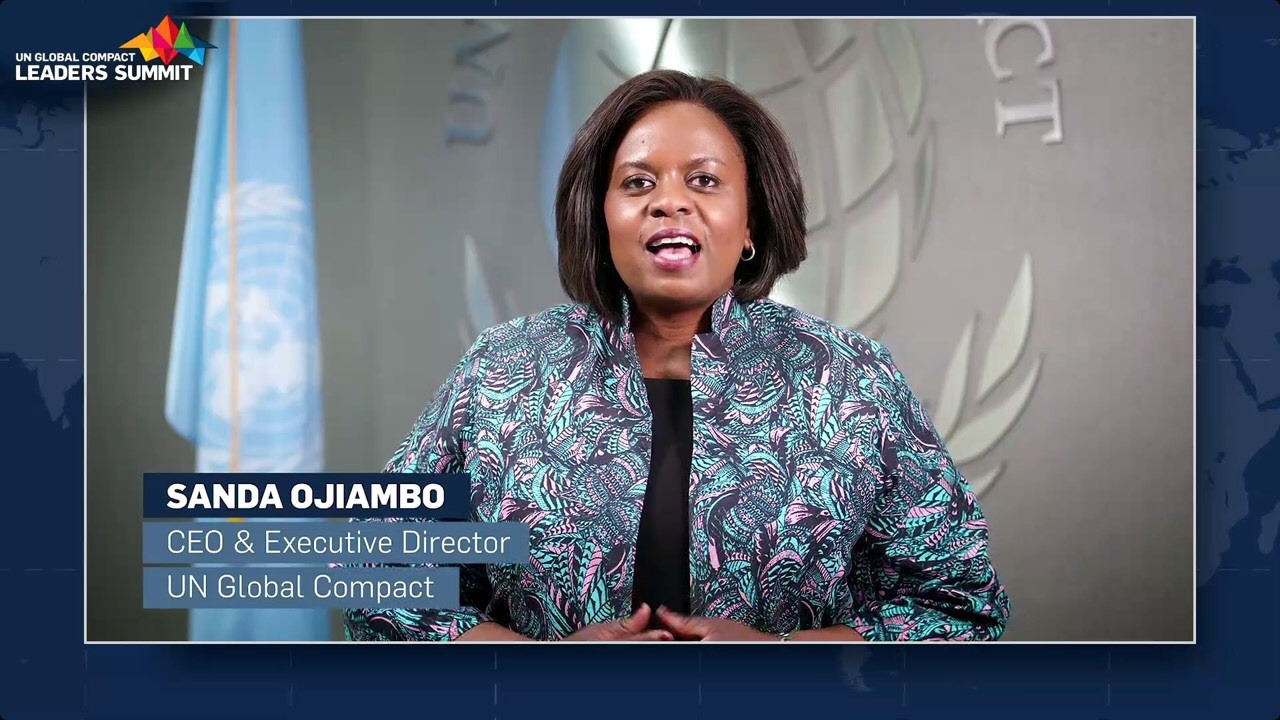
Ms. Sanda Ojiambo, Executive Director and CEO of the UN Global Compact, said that due to the COVID-19crisis, UNGC is concerned about the current state of inequality. As there continues to be a shortage of vaccines against COVID-19, and numerous countries still lack access to vaccinations. In addition, there are still major issues with unemployment, especially among working women who have been laid off due to the COVID-19 pandemic. At this meeting, all sectors have gathered to find ways to collaborate and mobilize solutions to solve inequality caused by the impact of COVID-19.

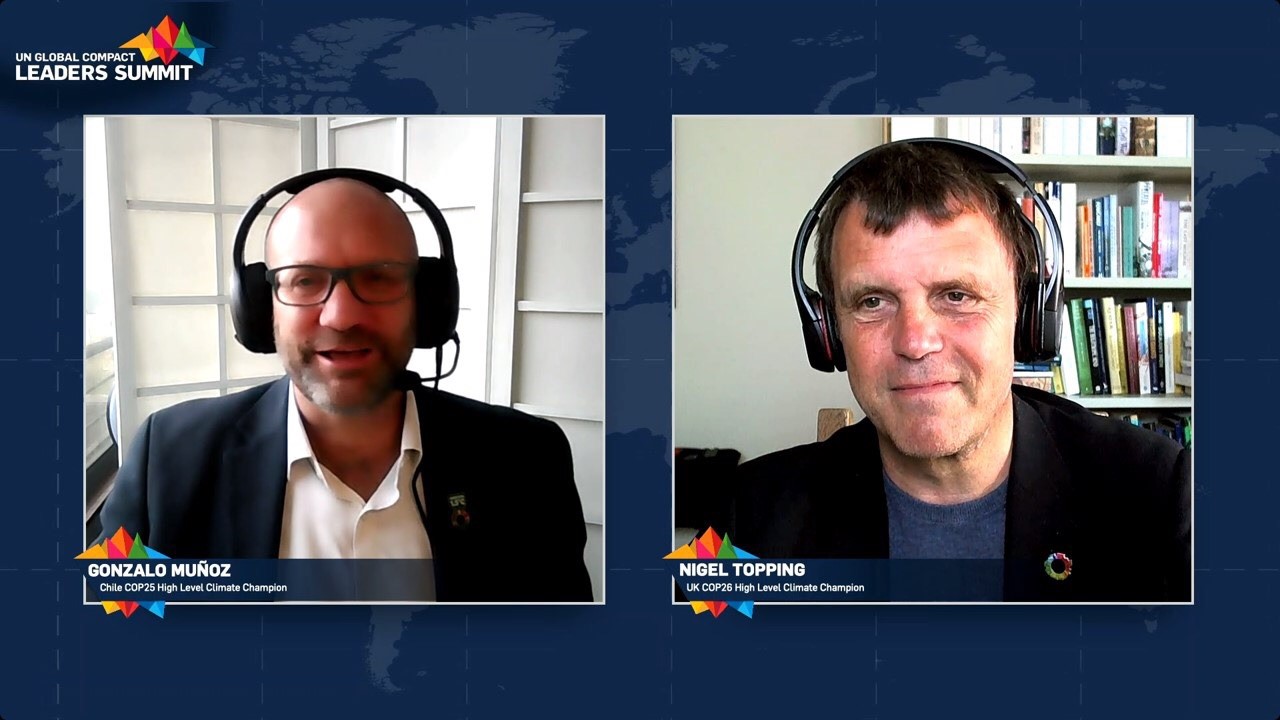
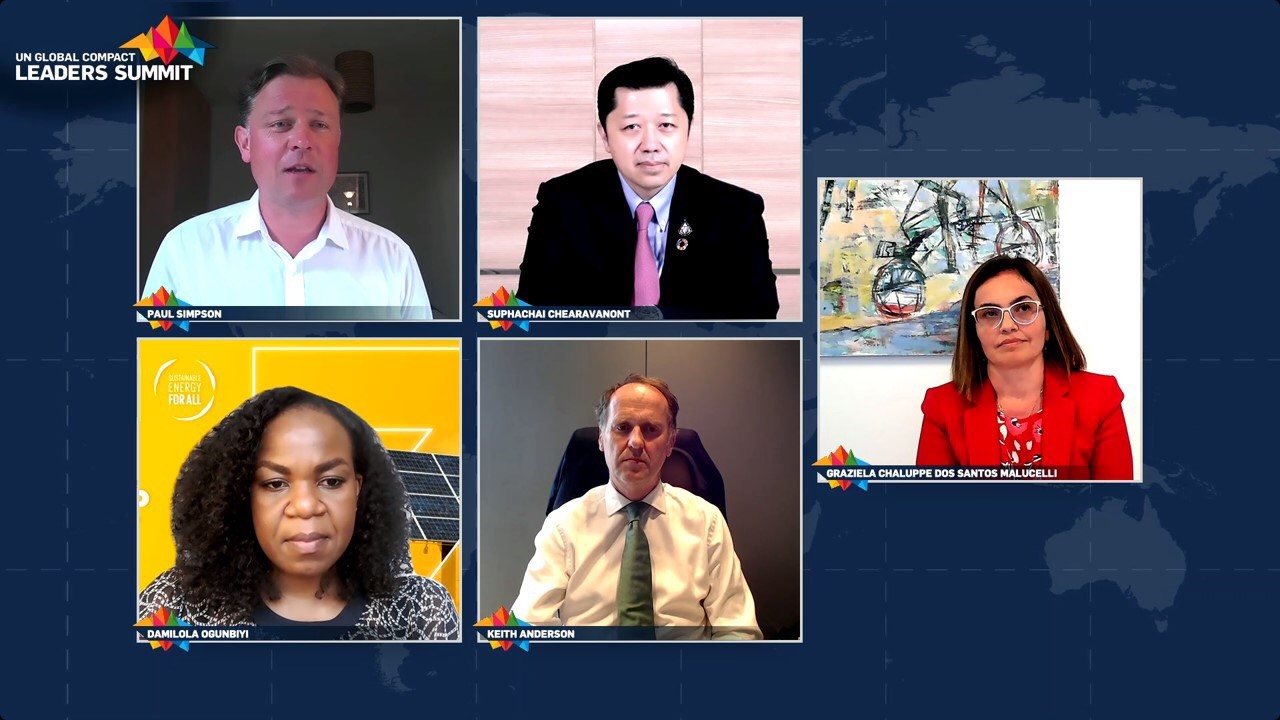
Suphachai Chearavanont, CEO of C.P. Group, attended the UN Global Compact Leaders Summit 2021 and shared his vision and ambition in the session ‘Light the Way to Glasgow (COP26) and Net Zero: Credible Climate Action for a 1.5°C World’ alongside panelists that included: Keith Anderson, CEO of Scottish Power, Damilola Ogunbiyi, CEO Sustainable Energy for All (SE forALL), and the UN Secretary-General’s Special Representative for Sustainable Energy and Graciela Chalupe dos Santos Malucelli, COO and vice president of Novozymes, a biotechnology company in Denmark. Opening remarks were made by Mr. Gonzalo Muños, Chile COP25 High Level Climate Champion, and Mr. Nigel Topping, UN’s High-Level Climate Action Champion, Global Champion on Climate Change and Mr. Selwin Hart, Special Adviser to the Secretary-General on Climate Action.

Suphachai also announced that the company is committed to bringing its businesses to become carbon neutral by 2030 which are in line with global goals to ensure the global temperature rise does not exceed 1.5 degrees Celsius and the global campaign ‘Race to Zero’, leading towards the UN Climate Change Conference (COP26) to be held in Glasgow, Scotland to be held in November of this year.

The CEO of C.P. Group further shared that global temperature rise is a critical issue and as the Group is in the business of agriculture and food, responsible supply chain management requires working alongside partners, farmers, and all stakeholders as well as its 450,000 employees worldwide. There are technologies such as IOT, Blockchain, GPS, and Traceability Systems that are being utilized to achieve common goals and C.P. Group believes that building a sustainable food and agriculture system will be crucial to effectively address climate change.

As for C.P. Group, there is a policy to increase forest coverage by planting more trees to help slow down global warming. The organization aims to plant 6 million acres of trees to cover its carbon emissions. At the same time, the Group continues to drive sustainability goals with more than 1 million farmers and hundreds of thousands of trading partners. In addition, farmers are encouraged to restore forests in deforested mountain areas in northern Thailand and turn to integrated farming and tree planting to increase forest areas. All this to achieve the goal of becoming a carbon neutral organization.

Another important goal of C.P. Group is the implementation of systems to save energy and utilize renewable energy sources in its business operations. As investments made into renewable energy is considered as an opportunity and not a business cost. Furthermore, all the stock exchanges throughout the world should require for companies to set their goals and reporting towards carbon management. This will enable awareness raising and everyone can race towards the same goal of achieving net zero.

Leaders 4

Gonzalo Muños Chile COP25 High Level Climate Champion said the world was hit hard by the COVID-19 situation this year. But at the same time, the issue of climate change remains a serious concern. There are currently more than 4,500 organizations participating in the Race to Zero campaign from 90 countries around the world. Including more than 3,000 business organizations, accounting for 15% of the global economy, this is a campaign that has grown rapidly in the past year.

For Nigel Topping, UN’s High-Level Climate Action Champion, the challenge of the next 10 years for sustainability leaders across all sectors is to take action to reduce global warming with the goal of halving greenhouse gas emissions by 2030. Addressing climate change is a challenge as it is linked to communication, politics, science, and technological challenges. All sectors must accelerate cooperation and act to reduce carbon emissions to solve global warming.

On the other hand, Damilola Ogunbiyi, CEO of Sustainable Energy for All (SEforALL), said all sectors are now encouraged to negotiate on energy efficiency. It views climate change and energy resources as things that must go hand in hand and must focus on developing countries encourage these countries to manage their energy to create greener energy that is more environmentally friendly.

Keith Anderson, CEO of Scottish Power, discusses the operations of Scottish Power, a coal-producing company, which is now phasing out coal throughout Scotland, and will switch to renewable energy to reduce climate change. In Scotland, 97% of renewable electricity is used for all activities, including transportation and the use of energy in buildings must reduce greenhouse gas emissions. Most importantly, the city of Glasgow aims to become the first net zero carbon city in the UK.

Graciela Chalupe dos Santos Malucelli, COO and Vice President of the Danish biotechnology company Novozymes said her company has invested in renewable energy such as the conversion of solar energy into electricity. By working with partners and stakeholders throughout the supply chain, we can work together to find ways to reduce greenhouse gas emissions as much as possible.

Alok Sharma, Chairman of COP 26, concluded the talks that 2015 was an important year, marking the beginning of the Paris Agreement on Climate Change. The 1.5 degrees Celsius boundary is aimed at minimizing the amount of damage and suffering due to the consequences of climate change, including people’s livelihood and extinction of countless species of plants and animals. At this Global Leaders Summit on sustainability, we would like to thank UNGC for driving businesses to commit to the Paris Agreement and corporate leaders from all sectors are invited to join the Race to ZERO campaign, which will demonstrate to all stakeholders the determination and commitment that the business sector has risen up to the challenge.

Leaders 5

The UN Global Compact Leaders Summit 2021 from 15-16 June 2021 brings together leaders from various sectors including leading business sectors in many countries around the world such as Charoen Pokphand Group, Unilever, Schneider Electric, L’Oréal, Nestle, Huawei, IKEA, Siemens AG, as well as executives from the Boston Consulting Group and Baker & McKenzie. Opening remarks were made by António Guterres, Secretary-General of the United Nations, and Ms. Sanda Ojiambo, CEO and Executive Director of the UN Global Compact.

Advertisement

CPF Bids To Create Model Communities in Nakhon Ratchasima and Uthai Thani To Promote “Zero Burning” Maize Production

Charoen Pokphand Foods PCL (CPF) is turning communities in Nakhon Ratchasima and Uthai Thani province into the zero-burning models for maize growers across the country, in support of the Company’s “No Mountain, No Burning, We Buy” motto and eco-friendly supply chain policy.

The Company plans to deepen its knowledge transfer in line with its sustainable sourcing policy. Mr. Woraphot Suratwisit, Vice President, of Bangkok Produce PCL (BKP), CPF’s raw material sourcing arm, said that CPF is proceeding with its mission to ensure its sourcing policy does not harm communities or the environment and to use only maize from sustainable production sources that can offer traceability and legal land documents.

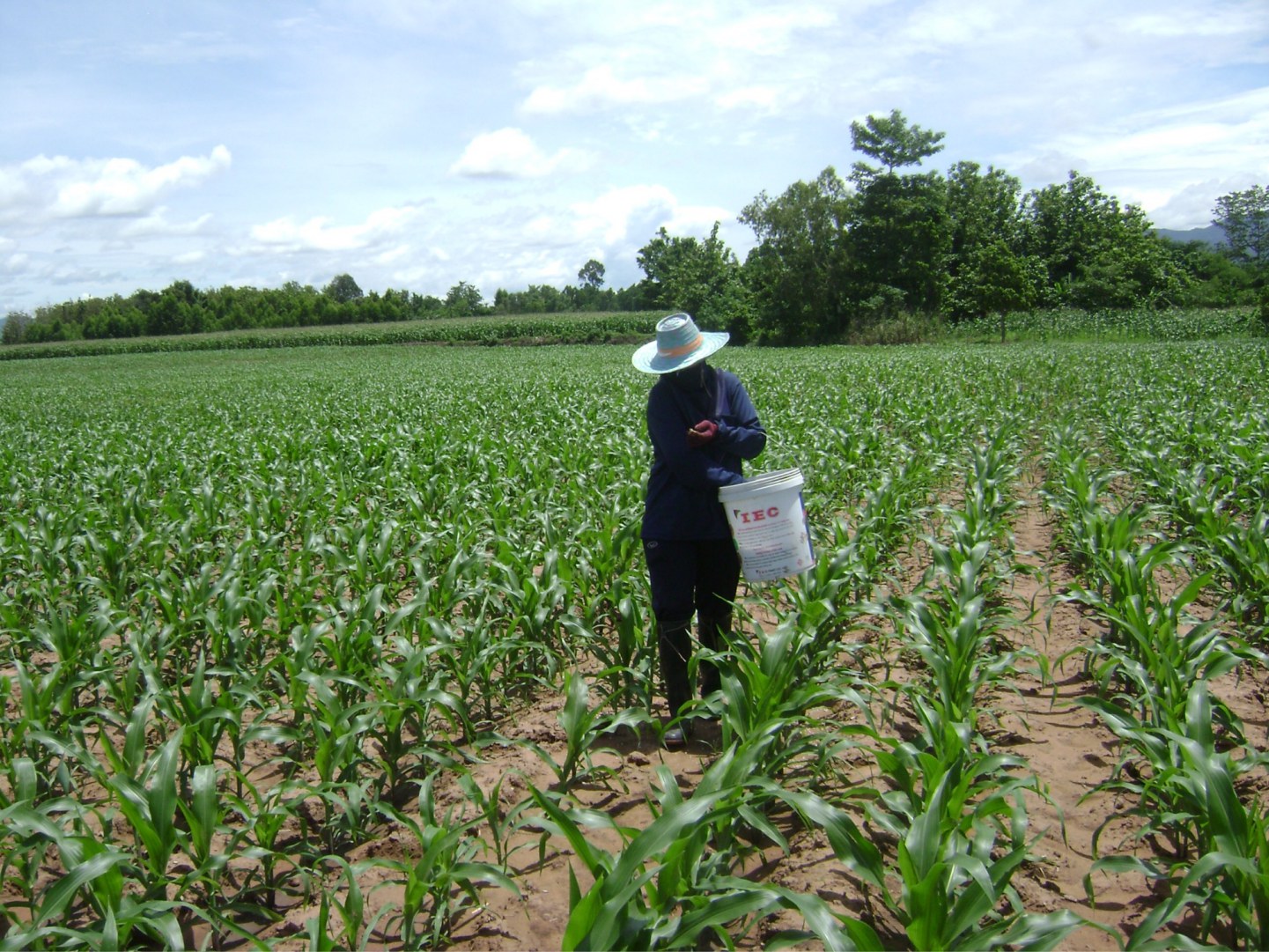
Eligible farmers must not grow maize on forest areas (Zero Deforestation) or burn corn cobs (Zero Burn). To achieve this mission, during the 2021 harvest year, the Company will extend its knowledge transfer campaign to promote Zero Burn and educate them how to turn corn cobs to usable items, targeting farmers in Tambon Banlang municipality in Nonethai district, Nakhon Ratchasima province; and in Lansak district, Uthai Thani province.

Corn 21

Under the “Self-Sufficient Farmers, Sustainable Corn Project”, these communities are expected to become the Zero Burn models. In the past 4-5 years, the project has encouraged farmers to apply academic knowledge in raising quantitative and qualitative productivity as well as promoted transparent and fair sourcing channels, as a way to discourage them from burning corn cobs.

“This year, we target Zero Burn. This will not only preserve soil quality and nutrients but also reduce their expenses on fertilizers and improve the community environment. Zero burn will reduce dust and smoke and support the battle against global warming,” he said.

Corn 51

CPF has adopted traceability in its corn-sourcing process since 2017. Satellite imaging technology has been applied thereafter to trace farms where corn cob burning still exists, so that the Company’s team will be dispatched to the areas and educate farmers about sustainable farming. Discouraging them from burning which harms the environment, farmers and communities, the knowledge is also expected to raise productivity.

The traceability system supports the “No Mountain, No Burning, We Buy” motto which is the heart of the “Self-Sufficient Farmers, Sustainable Corn Project”, as it ensures that the sourced maize is not grown on forest areas or land without legal deeds and is not from the farms where corn cobs are burnt.

759474

It gives consumers confidence that the supply chain of CPF’s chicken and pork products is friendly to the environment and helps promote farmers’ quality of life. The “Self-Sufficient Farmers, Sustainable Corn Project” was kicked off in 2015, with the goal to raise quantitative and qualitative productivity while reducing expenses.

Farmers have been assisted in selling their produce directly to feed mills, to earn fair prices. With these assistance, farmers are encouraged to lend a hand in tackling deforestation and dust in the long run.

Advertisement

Suu Kyi Tells Lawyers Trial Testimony Against Her Is Wrong

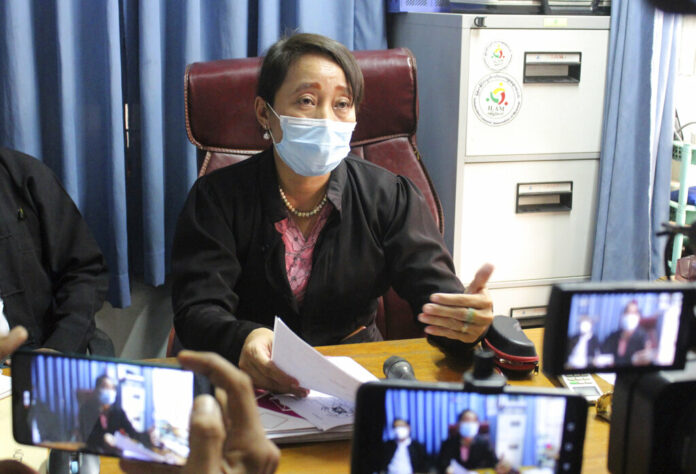
Min Min Soe, a lawyer assigned by the National League for Democracy party to represent deposed leader Aung San Suu Kyi, meet journalists in Naypyitaw, Myanmar, Monday, June 21, 2021. Photo: AP

BANGKOK (AP) — Lawyers for Myanmar’s ousted leader, Aung San Suu Kyi, said Monday she told them some of the testimony against her was wrong in her trial on criminal charges that could send her to prison and end her political career.

In the trial, now in its second week. Suu Kyi is charged with illegally importing walkie-talkies for her bodyguards’ use, unlicensed use of the radios, spreading information that could cause public alarm or unrest, and violating COVID-19 pandemic restrictions during the 2020 election campaign.

Critics of the ruling military junta say the case is meant to discredit her and legitimize its seizure of power. The charges in the trial are relatively minor, but if she is convicted could keep her from contesting a new election promised by the military within two years of its takeover.

Even if Suu Kyi is acquitted, there are two more serious charges against her that have yet to go to trial: violating a state secrets act, a holdover from British colonial law that is punishable by up to 14 years’ imprisonment, and accepting bribes, which carries a maximum 15-year prison sentence.

Suu Kyi “listened with interest during the entire court hearing process and told us which testimony is wrong, which one should be cross-examined,” one of her lawyers, Min Min Soe, said after Monday’s court session in the capital, Naypyitaw. She did not cite any examples.

Another of her lawyers, Kyi Win, said Monday’s testimony by police and a local official involved the charges of violating pandemic control regulations, and the unregistered import and use of the walkie-talkies.

Kyi Win said the army captain who testified about importing the radios provided few details when he questioned him.

“All he could say was that the telecommunications equipment had been handed over to him. And he doesn’t know the rest,” Kyi Win said.

The army seized power in February, preventing Suu Kyi’s National League for Democracy party from beginning a second five-year term after a landslide election victory in the November election. She and President Win Myint and other senior members of her government and party were arrested, and the country is now under harsh military rule.

The military ruled Myanmar for 50 years after a coup in 1962 and kept Suu Kyi under house arrest for 15 years after a failed 1988 popular uprising.

On Friday, a U.N. General Assembly resolution with broad support called on the ruling junta to restore the country’s democratic transition, condemned its “excessive and lethal violence” since the takeover and called on all countries “to prevent the flow of arms into Myanmar.”

The resolution also called on the junta to immediately and unconditionally release Suu Kyi, Win Myint and other officials and politicians detained after the takeover, as well as “all those who have been arbitrarily detained, charged or arrested.”

Suu Kyi turned 76 on Saturday, and lawyer Min Min Soe said that during her half-hour meeting with the defense team before Monday’s proceedings, she expressed gratitude to the people who prayed for her on her birthday. Her lawyers are seeking a longer period of time to be allowed to confer with her.

“She gave us four chocolates each for her birthday celebration. She also told the people to be united,” Min Min Soe said.

Opposition against military rule remains strong nationwide and has become increasingly violent. However, to celebrate Suu Kyi’s birthday, flower-themed peaceful protests were held.

Story: Grant Peck

Advertisement

British FM Heads to Southeast Asia Looking for Closer Ties

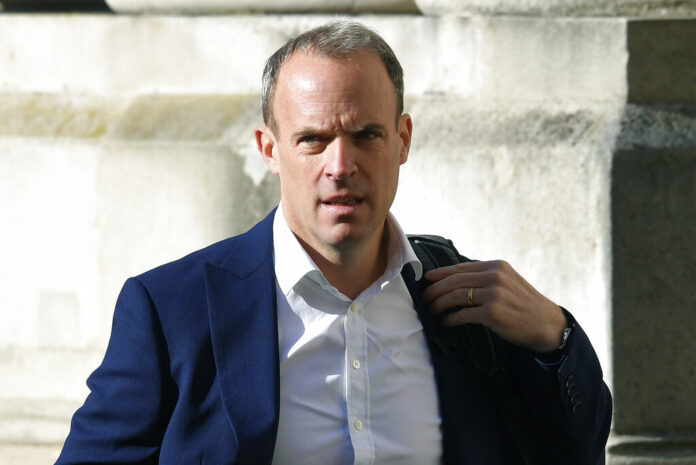
In this Thursday, Sept. 1, 2020, file photo, Britain's Foreign Secretary Dominic Raab arrives to attend a cabinet meeting of senior government ministers at the Foreign and Commonwealth Office FCO in London. Photo: Toby Melville / Pool via AP, File

BANGKOK (AP) — Britain’s top diplomat arrived in Southeast Asia late Monday on a three-nation visit as his country looks to promote closer ties and trade with the region following the U.K.’s exit from the European Union.

Foreign Secretary Dominic Raab’s trip to Vietnam, Cambodia and Singapore comes the week after Britain announced the broad outlines of a free trade deal with Australia, the first the country has negotiated from scratch since it left the EU.

That deal was expected to boost trade between the two nations, and the British government said it hoped it would also help it join a regional trade agreement that would open the door to increased trade throughout the Asia-Pacific region.

A recent British government review of defense and foreign policy recommended that the U.K. “tilt” its focus toward the Indo-Pacific region in response to China’s growing influence on the world stage.

Tweeting after his arrival in Hanoi, Raab said he would use the visit to discuss the new policy direction.

Raab has said the shift includes a greater emphasis on common strategic interests in the region, which goes beyond trade to also include issues such as maritime security and climate change.

“Looking forward to discussing trade, security and tackling challenges such as climate change, COVID-19 and serious organized crime,” Raab tweeted from the Vietnamese capital.

As part of the initiative, Britain earlier this year dispatched a strike group led by the Royal Navy’s flagship aircraft carrier the HMS Queen Elizabeth on a 28-week deployment to Asia that Prime Minister Boris Johnson insisted was not meant to be confrontational toward China.

“One of the things we’ll be doing clearly is showing to our friends in China that we believe in the international law of the sea and, in a confident but not a confrontational way, we will be vindicating that point,” Johnson said in May before the carrier group sailed from Portsmouth.

Raab is to hold talks with Vietnamese officials Tuesday and speak at an event held by the 10-country Association of Southeast Asian Nations, or ASEAN.

A meeting with Cambodian Prime Minister Hun Sen scheduled for Wednesday was canceled after Hun Sen announced he had been indirectly exposed to COVID-19 and was quarantining as a precaution.

Raab is to meet with his Cambodian counterpart, however, along with other officials in a visit that the Cambodian Foreign Ministry said it hoped would strengthen bilateral ties, as well as help “multilateral cooperation within the ASEAN framework.”

Raab’s trip wraps up Thursday in Singapore, where he is to meet with the prime minister and other officials, as well as business leaders.

Story: David Rising

Advertisement

BGRIM Collaborates With Siemens Energy To Upgrade Co-Generation Plants

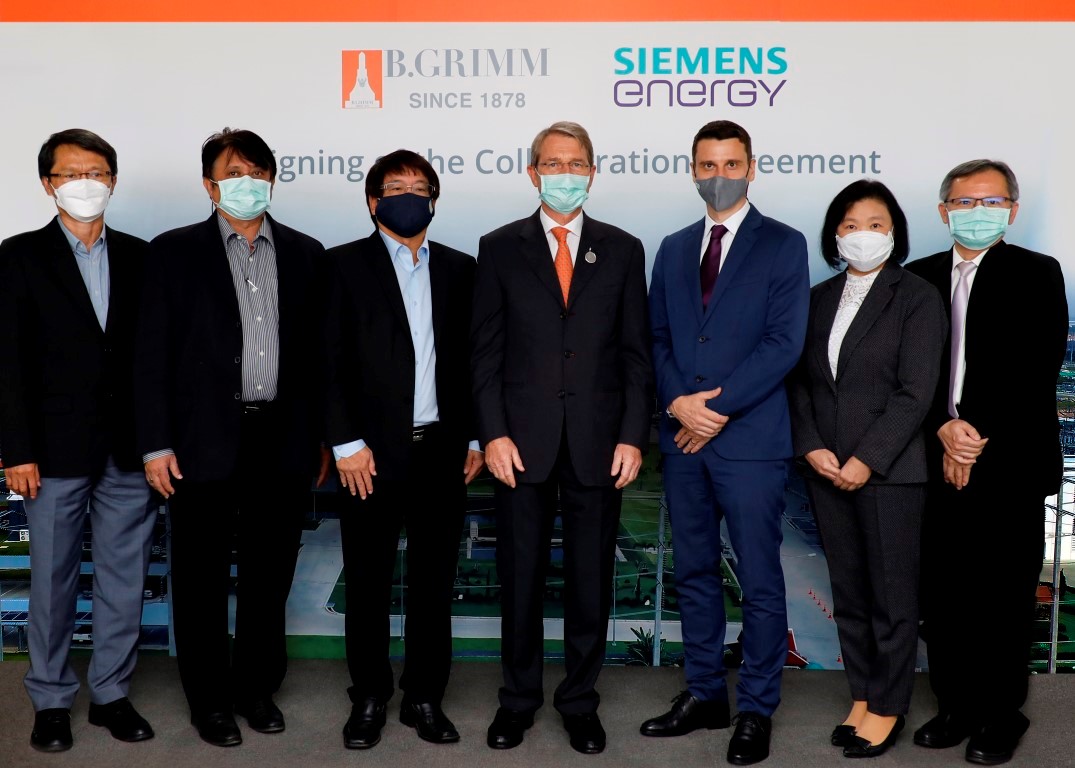
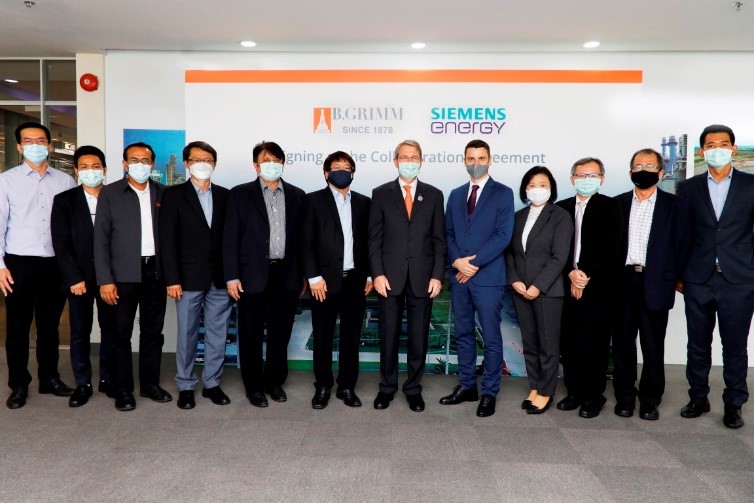
BGrimm Power Public Company Limited (BGRIM), Thailand’s leading industrial power producer, has formed collaboration with German engineering firm, Siemens Energy to upgrade its ten co-generation power plants.

The accord will see Siemens Energy render its technological expertise to raise BGRIM’s powerhouses, currently with a combined generating capacity of 1,294 megawatt, by 44 MW.

Bgrimm

As part of the overall performance improvement, the availability and efficiency of the facilities will also increase to a maximum of 55%.

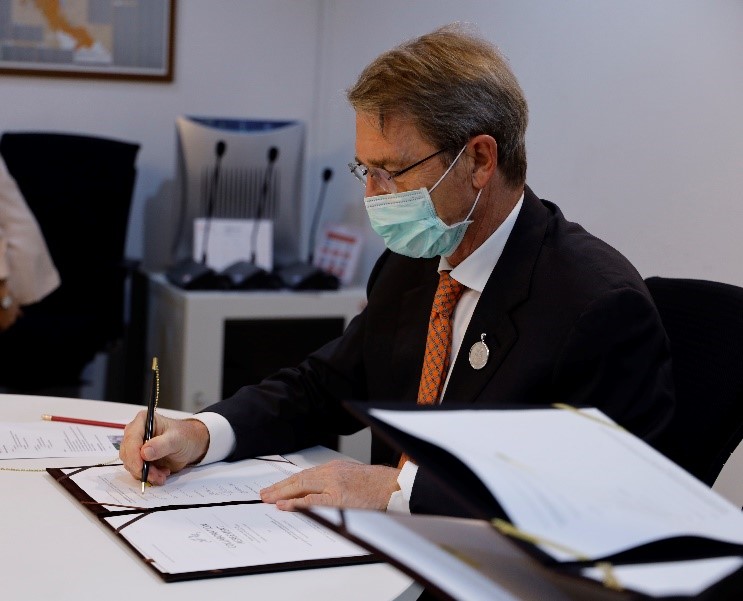
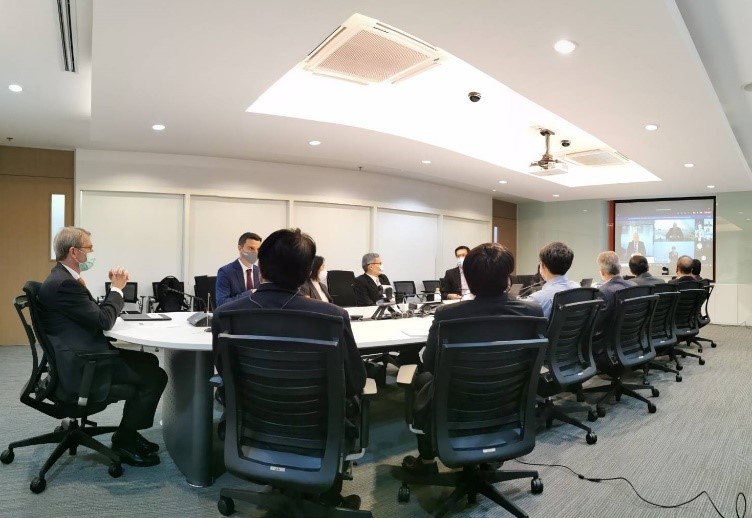
This collaboration agreement was concluded virtually between Dr. Harald Link, Chairman and President of BGRIM, and Thorbjörn Fors, Executive Vice President for Siemens Energy Industrial Applications, and Markus Lorenzini, Managing Director, Siemens Energy Limited (Thailand).

Bgrimm 3

Dr. Link said, “The collaboration with Siemens Energy reflects BGRIM’s endeavour to modernise its co-generation facilities located in industrial estates to ensure high quality of electrical and steam supplies to the industrial clients.”

Mr. Fors said “We’re delighted to advance our collaboration with B.Grimm, to modernize their plants by applying digitalization solutions for operation and maintenance, to reduce fuel consumption and production costs, and to enhance their availability and efficiency. Continuous advancement of innovative technologies is the key to accelerate energy transition and transformation. We look forward to working with B.Grimm on future collaboration opportunities that will further strengthen our partnership.”

Bgrimm 4

Bgrimm 5

Advertisement

Pope on Myanmar: Houses of Worship Serve as Neutral Refuge

Pope Francis delivers his blessing as he recites the Angelus noon prayer from the window of his studio overlooking St.Peter's Square, at the Vatican, Sunday, June 20, 2021. Photo: Andrew Medichini / AP

VATICAN CITY (AP) — Pope Francis on Sunday decried the suffering of refugees in Myanmar and pleaded that houses of worship be respected as neutral places to take shelter.

He told the public gathered in St. Peter’s Square for his customary Sunday noon remarks that he was joining his voice to that of the Asian nation’s bishops in also calling for humanitarian corridors.

Francis lamented that thousands of displaced people in Myanmar are “dying of hunger.” Violence, including ravaging of villages, has become endemic since the army seized power in February, ousting the elected government of Aung San Suu Kyi.

A nonviolent civil disobedience movement is challenging military rule, but the junta’s attempt to repress it with deadly force has fueled resistance.

Francis noted that Myanmar’s Catholic bishops last week launched an appeal, “calling to the attention of the entire world, the heart-wrenching experience of thousands of persons in that country who are displaced and are dying of hunger.” He added he was joining the churchmen’s call for humanitarian corridors to allow safe passage for those fleeing.

Echoing the bishops, Francis also insisted that “churches, pagodas, monasteries, mosques, temples, just as schools and hospitals, be respected as neutral places of refuge.”

The pope then prayed for peace in Myanmar before noting that Sunday was World Refugee Day, an initiative promoted by the United Nations.

“Let’s open our heart to refugees,” the pope said. ”Let make ours their sadness and their joys, let’s learn from their courageous resilience,” Francis said.

That way, he said, “all together, we will grow a more human community, one big family.”

Advertisement

Vaccine Hesitancy Puts India’s Gains Against Virus at Risk

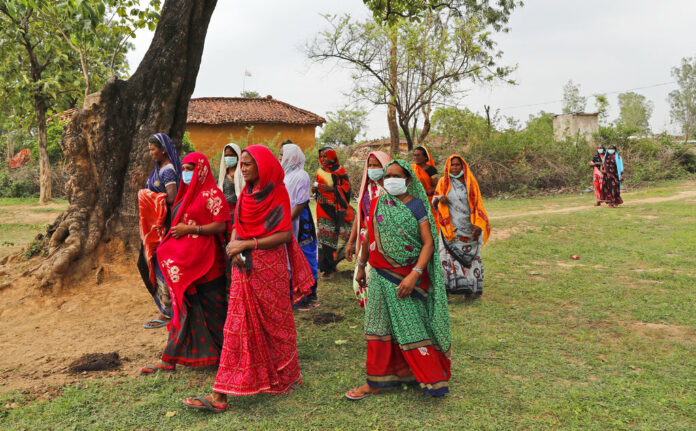
Women return to their village after attending an awareness program on getting tested and vaccinated against COVID-19 in Jamsoti village, Uttar Pradesh state, India, on June 10, 2021. Photo: Rajesh Kumar Singh / AP

JAMSOTI, India (AP) — In Jamsoti, a village tucked deep inside India’s most populous state of Uttar Pradesh, the common refrain among the villagers is that the coronavirus spreads only in cities. The deadly infection, they believe, does not exist in villages.

So when a team of health workers recently approached Manju Kol to get vaccinated, she locked up her house, gathered her children and ran to the nearby forest.

The family hid there for hours and returned only when the workers left in the evening.

“I would rather die than take the vaccine,” said Kol.

A deadly surge of coronavirus infections that ripped through India in April and May, killing more than 180,000, has tapered off and new cases have declined. But the relief could be fleeting as a significant amount of the population is still reluctant to get the shots. This has alarmed health experts who say vaccine hesitancy, particularly in India’s vast hinterlands, could put the country’s fragile gains against COVID-19 at risk.

“Vaccine hesitancy poses a risk to ending the pandemic in India,” said retired virologist and pediatrician Dr. T. Jacob John. “The more the virus circulates, the more it can mutate into dangerous new variants that can undermine vaccines.”

Delivering vaccines in the world’s second-most populous country was always going to be challenging. Even though India did relatively well at the beginning of its mammoth vaccination drive, the campaign hit a snag almost immediately due to shortages and a complicated vaccine policy, exacerbating existing inequalities.

Only less than 5% of India’s people are fully immunized. Experts caution that by the end of the year, vaccination rates must go up significantly to protect most Indians from the virus that has so far already killed more than 386,000 people — a figure considered to be a vast undercount.

Starting Monday, every adult in India will be eligible for a shot paid for by the federal government. The new policy, announced last week, ends a complex system of buying and distributing vaccines that overburdened states and led to inequities in how the shots were handed out.

There is still widespread hesitancy fueled by misinformation and mistrust, particularly in rural areas where two-thirds of the country’s nearly 1.4 billion population lives.

AP21171253040991
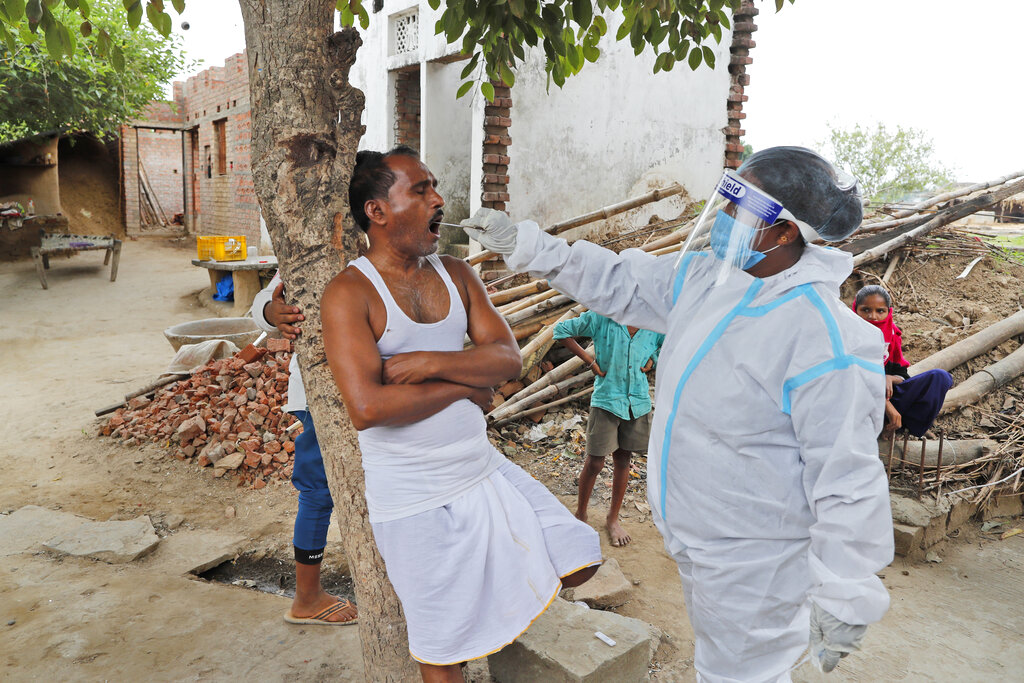
A health worker conducts COVID-19 test on Ram Yadav at Sikanderpur village, Uttar Pradesh state, India, on June 9, 2021. Photo: Rajesh Kumar Singh / AP

Health workers face stiff resistance from people who believe that vaccines cause impotence, serious side effects and could even kill. Some simply say they do not need the shots because they’re immune to the coronavirus.

Rumors about jabs disrupting the menstruation cycle and reducing fertility have also contributed to fear and skewed the data in favor of men. In almost every Indian state, more men are getting vaccinated than women — and that gap is widening further every day.

Quashing such rumors and conspiracy theories is a tough order for many, particularly in India’s tribal-dominated districts that have recorded disproportionately lower vaccine coverage in comparison with other districts, according to official data.

Yogesh Kalkonde, a public health doctor in Gadchiroli, a tribal area in the western state of Maharashtra, said his district was overrun with the belief that the vaccine is more dangerous than the virus.

Some in the area have raised the untrue claim that the shots can cause infertility, Kalkonde said. Others simply question its effectiveness.

“We have to convince people, go door to door, and rely on people who have taken the vaccine to spread the word,” he said. “It’s an extremely slow process.”

There is some pushback. State governments have mounted aggressive awareness campaigns through posters and radio announcements to allay some of the anxiety and confusion. Some local administrations have started giving rides to vaccination centers, especially from remote villages. Volunteers are conducting door-to-door surveys and even small rallies to encourage people to get the jab.

For months, Vibha Singh, a government-appointed nurse, has gone door-to-door in the villages of Uttar Pradesh.

“People tell us to leave or they would beat us,” said Singh. “Sometimes they also throw stones and bricks at us.”

Prime Minister Narendra Modi and other leaders have routinely spoken about the need to shun vaccine hesitancy, but health experts say more needs to be done.

“We need to explain it clearly to people, ideally through local trusted networks,” said K. Srinath Reddy, president of the Public Health Foundation of India. He said state governments should bolster local self-help groups, village councils and ask local religious leaders to step in.

“It requires a conversation, not just top-down messaging,” he said.

Dr. Vinod K. Paul, head of the country’s COVID-19 task force, acknowledged the immediate need to address the problem but said public participation to dispel rumors and misinformation was important.

“It is the responsibility not only of the government but also the society as a whole to create such an environment in which an unfounded hesitancy is addressed,” said Paul.

Virologists and public health experts say eradicating doubts about the vaccine in rural India and inoculating people quickly should be of paramount importance since the majority of Indians live in the hinterlands. Already, urban dwellers are getting the shots much faster.

“If they are protected, much of India will be protected,” Reddy said of rural areas. “Their vulnerability to a sweeping pandemic is much, much more. So vaccinating them quickly must be a priority.”

Not everyone is convinced.

When a team of health workers last week attempted to vaccinate Panna Lal, a resident of Sikanderpur village in Uttar Pradesh, they were met with an absolute refusal.

Lal even discouraged the rest of his family from getting the jab.

“The vaccine will not protect me,” the 56-year-old told the workers. “God has sent me here safely, and he will continue to protect me.”

___

Story: Rajesh Kumar Singh. Associated Press writers Sheikh Saaliq and Krutika Pathi in New Delhi contributed to this report.

Advertisement

Hot News

LATEST NEWS

Bangkok
overcast clouds
29.4 ° C
29.4 °
29.4 °
80 %
2.6kmh
98 %
Thu
36 °
Fri
36 °
Sat
37 °
Sun
35 °
Mon
36 °