




























27.7 C
Bangkok
Friday, June 26, 2026
Home Blog Page 1135

Myanmar Charges Suu Kyi, Giving Legal Basis To Detain Her

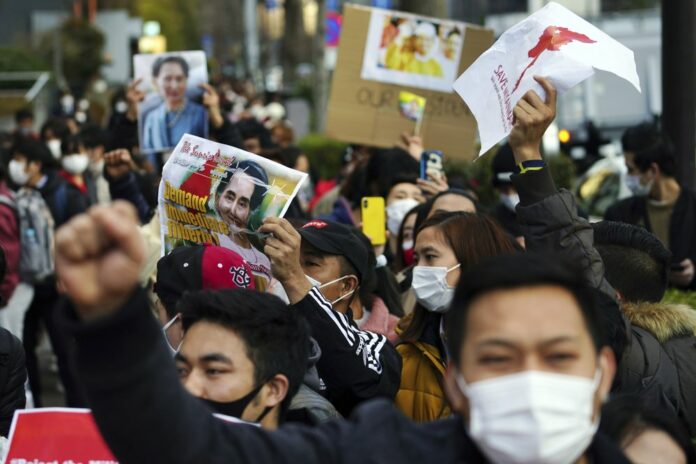
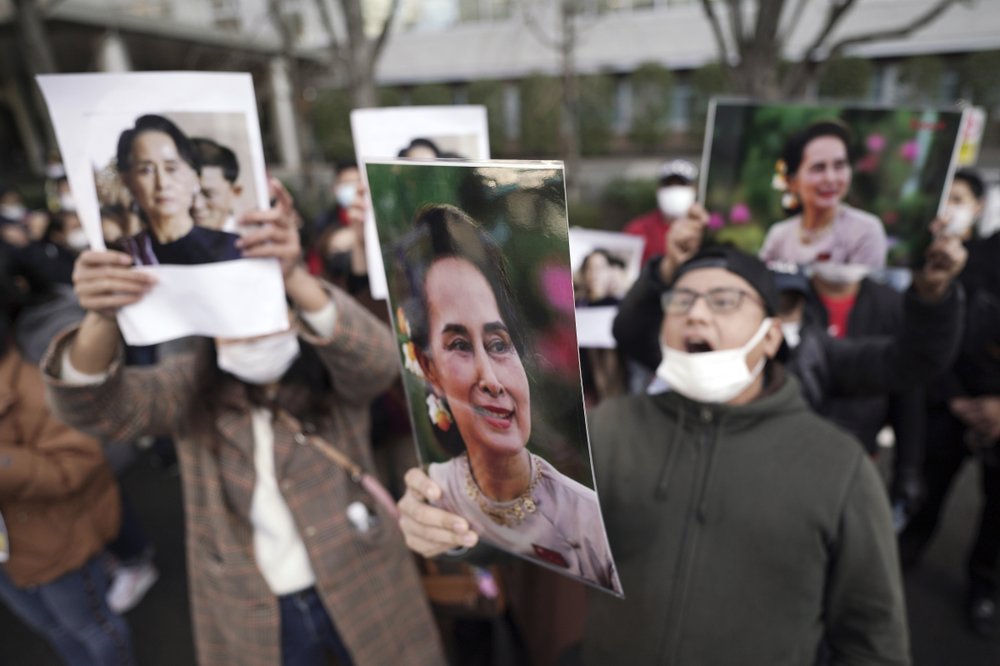
Burmese living in Japan and supporters march during a protest in front of the Foreign Ministry in Tokyo Wednesday, Feb. 3, 2021. (AP Photo/Eugene Hoshiko)

YANGON, Myanmar (AP) — Myanmar authorities charged the country’s deposed leader, Aung San Suu Kyi, with possessing illegally imported walkie-talkies, her allies said Wednesday, a move that gives the generals who overthrew her legal grounds to detain her for two weeks.

The charge came to light two days after Suu Kyi was placed under house arrest and appeared to be an effort to lend a legal veneer to her detention, though the generals have previously kept her and others locked up for years.

The military announced Monday that it would take power for one year — accusing Suu Kyi’s government of not investigating allegations of voter fraud in recent elections. Suu Kyi’s party swept that vote, and the military-backed party did poorly.

National League for Democracy spokesman Kyi Toe confirmed the charge against Suu Kyi that carries a maximum sentence of three years in prison. He also said the country’s ousted president, Win Myint, was charged with violating the natural disaster management law. A leaked charge sheet dated Feb. 1 indicates they can be held until Feb. 15.
1000 3 2
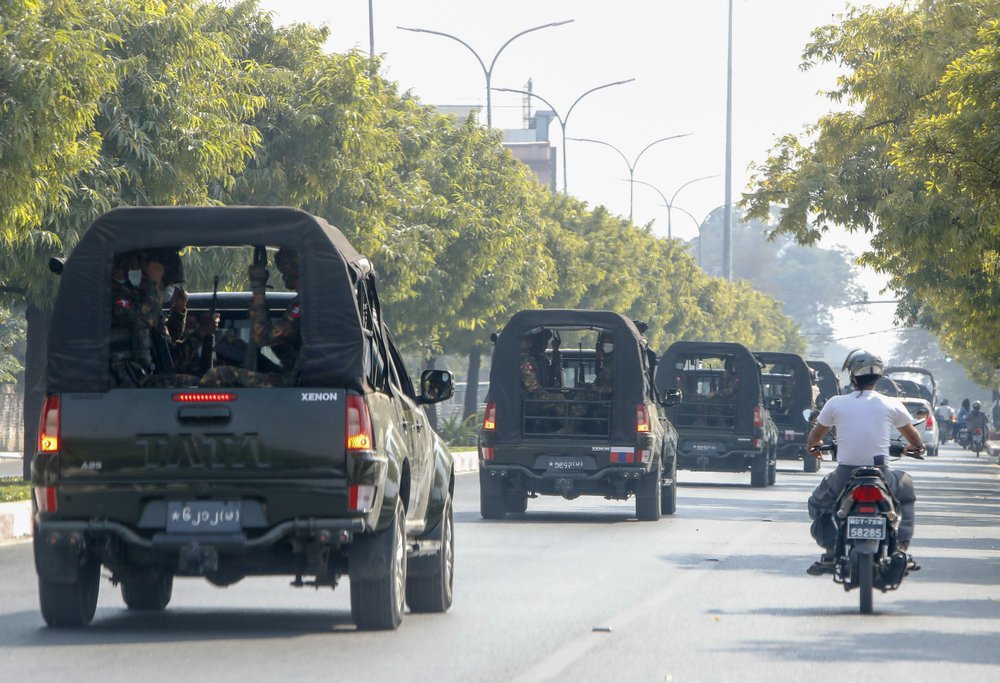
A convoy of army vehicles patrol the streets in Mandalay, Myanmar, Wednesday, Feb. 3, 2021. (AP Photo)

“It was clear that the military were going to look for some legal cases against the leaders of the National League for Democracy and especially Aung San Suu Kyi to actually legitimize what they’ve tried to do,” said Larry Jagan, an independent analyst of Myanmar affairs. “And that is really a power grab.”

Police and court officials in the capital Naypyitaw could not be contacted.

While authorities were working to keep Suu Kyi in detention, hundreds of lawmakers who had been forced to stay at government housing after the coup were told Wednesday to leave the capital city within 24 hours and go home, said a member of Parliament from Suu Kyi’s party who is among the group. He spoke on condition of anonymity because he feared drawing the military’s attention.

Journalists saw lines of cars, with the lawmakers inside, leaving the heavily guarded compound on Wednesday afternoon.

The coup was a dramatic backslide for Myanmar, which had been making progress toward democracy, and highlighted the extent to which the generals have ultimately maintained control in the Southeast Asian country.

In response to the coup, Suu Kyi’s party has called for nonviolent resistance, and residents in Yangon, Myanmar’s largest city, honked car horns and banged on pots and pans in a noisy protest for a second consecutive night Wednesday. Supporters of the military have also staged demonstrations.

Medical workers have also declared they won’t work for the new military government in protest of the coup at a time when the country is battling a steady rise in COVID-19 cases with a dangerously inadequate health system. Photos were shared on social media showing health workers with red ribbons pinned to their clothes or holding printed photos of red ribbons.
1000 12 1
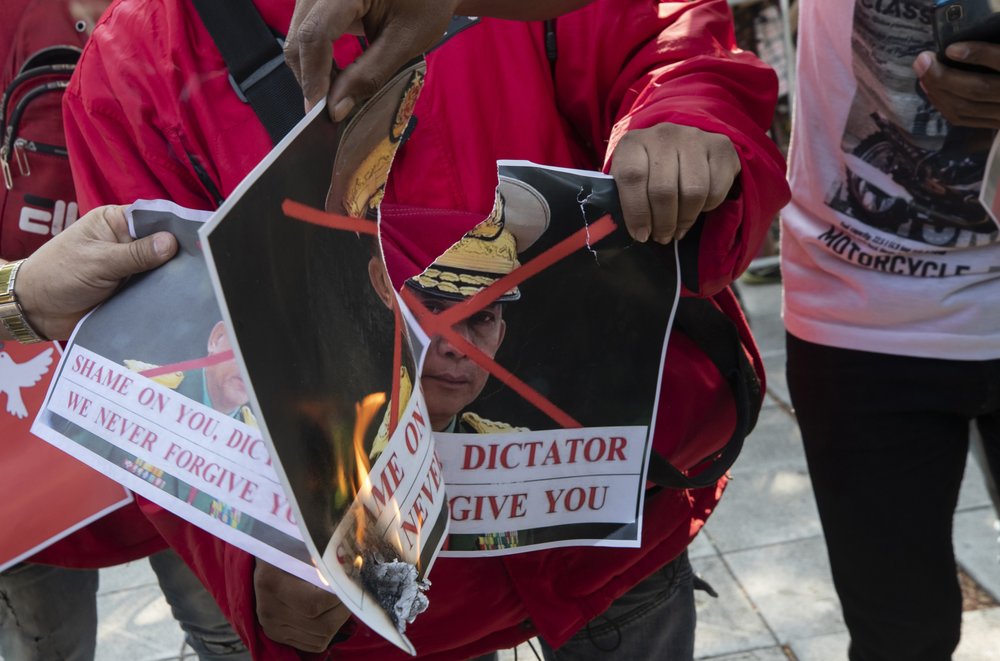
Myanmar nationals living in Thailand set a fire to a picture of Myanmar military Commander-in-Chief Senior Gen. Min Aung Hlaing during a protest in front of the United Nations’ building in Bangkok, Thailand, Wednesday, Feb. 3, 2021. (AP Photo/Sakchai Lalit)

Protests against the coup occurred in Japan as well as in neighboring Thailand, where Khin Maung Soo, a Myanmar national, said Wednesday that he was demonstrating to “show the world that we are not happy with what happened.”

He added: “We want the whole world to help us too.”

The takeover marked a shocking fall from power for Suu Kyi, a Nobel Peace Prize laureate who had lived under house arrest for years as she tried to push her country toward democracy and then became its de facto leader after her party won elections in 2015. Suu Kyi had been a fierce critic of the army while in detention, but as a politician, she worked with the generals and even defended their crackdown on Rohingya Muslims.

That shift damaged her international reputation, but Western governments have made clear they consider her the country’s legitimate leader and Monday’s takeover a coup.

“We call on the military to immediately release them all and detained civilian and political leaders, journalists and detained human rights activists and to restore the democratically elected government to power,” U.S. State Department spokesman Ned Price told reporters in Washington.
1000 14 3
Burmese living in Japan and supporters hold pictures of Myanmar leader Aung San Suu Kyi during a protest in front of the Foreign Ministry in in Tokyo Wednesday, Feb. 3, 2021. (AP Photo/Eugene Hoshiko)

The foreign ministers of the Group of 7 leading industrial nations issued a statement making similar calls Wednesday, a day after the U.N. Security Council met over the matter. In an interview on Washington Post Live, U.N. Secretary-General Antonio Guterres said the United Nations would work with key international players “to put enough pressure on Myanmar to make sure that this coup fails.”

In Myanmar, the leader of the new government said it planned to investigate alleged fraud in the November elections, a state newspaper reported. While the military has cited the government’s failure to properly investigate alleged voting irregularities as its reason for the coup, the state Union Election Commission had found no evidence of fraud.

Analysts say the landslide victory of Suu Kyi’s party may have surprised the generals — and made them concerned that the party had too much power, even though the military-drafted 2008 constitution ensured it would retain significant control, including with an allocation of 25% of the seats in Parliament.

The state-run Global New Light of Myanmar newspaper also reported that Senior Gen. Min Aung Hlaing, the top leader of the new military government, said coronavirus containment measures taken by Suu Kyi’s government would be continued.
Advertisement

2010 Crackdown: Mother of Slain Medic Says Justice Hinges on Next Gov’t

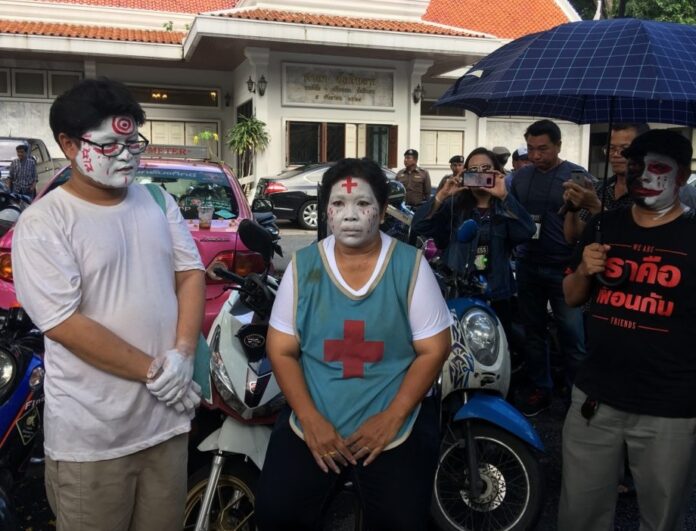
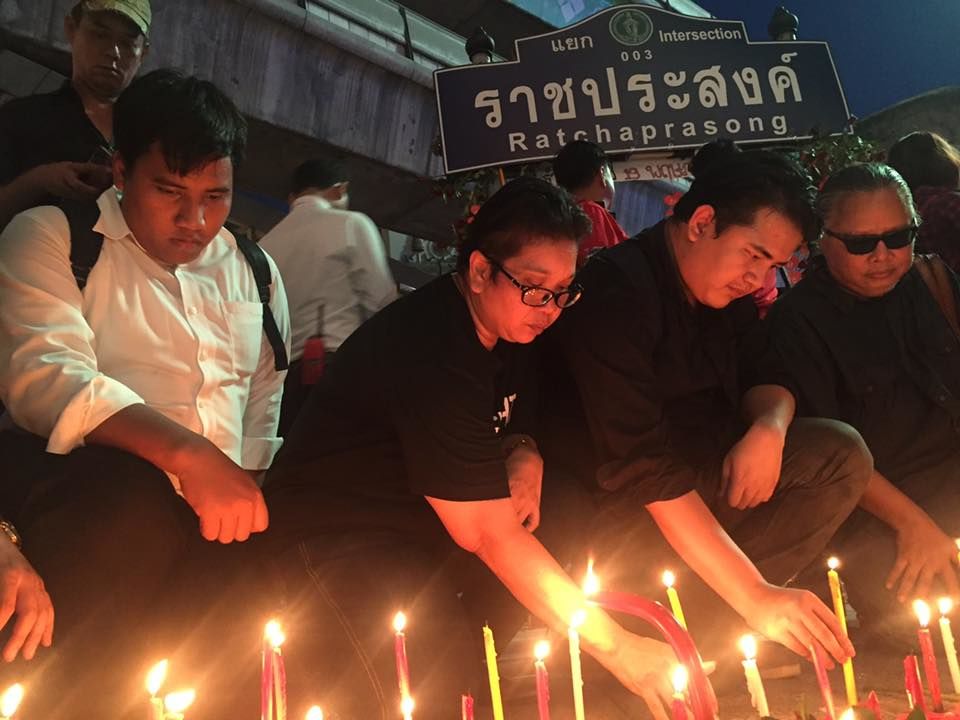
In this May 19, 2018, file photo, Phayaw Akkahad, center, paints her face during a ceremony marking the 8th year since the death of her daughter at Wat Pathum Wanaram.

BANGKOK — The mother of a medic volunteer shot dead by soldiers during a crackdown on protesters in 2010 said on Monday she has lost all hope for justice under the current military-backed government.

Phayaw Akkahad, whose daughter Kamonkate Akkahad died along with five others inside a temple, said the only possibility of justice for her daughter rests with the next government, who may revive the investigation. The military prosecutor in 2019 dismissed all charges against the soldiers identified by a civilian court as the killers of the temple victims.

“To tell you frankly, I can’t do anything anymore, because they have controlled this country completely,” Phayaw said of the armed forces. “They try everything they can to make people forget.”

Kamonkate, or “Nurse Kate,” was shot dead on May 19, 2010, while tending to the wounded inside Wat Pathum Wanaram, a Buddhist temple designated as “Safe Zone” by the government at the time. Five other people, including emergency first responders, also died under the hail of gunfire.

A court inquest in 2013 ruled that eight soldiers posted on BTS Skytrain tracks in front of the temple were responsible for killing the victims. The judges said forensic evidence gathered at the crime scene implicated the soldiers beyond reasonable doubt, and no one else in the vicinity could have committed the killings.

Phayaw said she hopes that the next general elections, slated for 2023, will bring in a more democratic government independent of the military influence who can pursue the legal process once again.

“That is my hope,” she said. “Even though it’s been 11 years, the case’s statute of limitation is 20 years. So I have 9-10 years left. I still have time. I’ll have to make it work.”

Her attorney, Winyat Chatmontree, said on the phone that he is of the same opinion.

“I agree with Nurse Kate’s mother that we have to wait for the right time, so there won’t be any interference from any level,” Winyat said. “We are most concerned about possible interference.”

EnqtoV6VcAEOc0L 3
In this May 19, 2016, file photo, Phayaw Akkahad, second from left, lights candles in memory of her daughter close to Wat Pathum Wanaram.

He added, “As a lawyer, I hope that someone will be held responsible. We have to let people know the truth of what happened.”

More than 90 people were killed during the Redshirt protests in April to May 2010, which were brought to an end by a military assault on May 19, 2010. The fatalities include demonstrators, soldiers, medics, bystanders, and two foreign journalists.

The Department of Special Investigation, or DSI, was later appointed by the civilian government that took power in 2012 to establish facts of the crackdown and prosecute those responsible for the killings.

The effort has gone nowhere. Phayaw said the last written communication from the DSI was in 2020, when the department informed her that military court prosecutors had decided to drop charges against the eight soldiers due to “a lack of evidence.” The decision was made a year earlier, in 2019.

“The Military Prosecution Office has given its opinion that this case has no circumstantial witnesses or any other evidence that can confirm the guilt of the eight suspects,” part of the DSI letter, dated May 25, 2020, read.

84767169 10221313465088226 8856778281580494848 n Copy 5
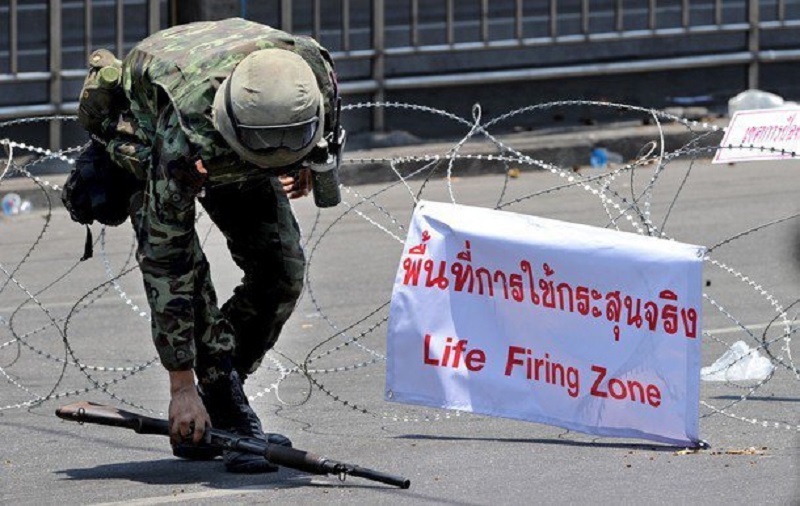
A soldier puts up banner warning that live ammunition was being used in Bangkok on May 15, 2010.

Maj. Parumtri Buato, an officer in charge of the Military Prosecution Office, declined to speak on the phone why the prosecutors came to their conclusion despite evidence laid down by the 2013 court inquest.

Parumtri said any interview can only be given after a written request is submitted to his office.

But DSI Spokesman Maj. Worranan Srilum confirmed that the investigation is now “temporarily suspended,” and can only be reopened if “new evidence” emerges.

“Under the law, we have no power to investigate the case for the moment, because there is no cause for prosecuting the accused parties,” Worranan said by phone. “But we are not prohibited from gathering evidence. If there’s any other new evidence, we’ll be happy to hear it.”

When asked why the 2013 court inquest does not count as evidence, Worranan declined to comment.

“I do not dare infringe on the justice process of other agencies,” the spokesman said. “It’s up to the [military] prosecutors to make their decisions.”

Redshirts Acquitted 

The Criminal Court on Monday also acquitted a group of Redshirt demonstrators charged with killing an army commander during the clashes on April 10, 2010.

The three Redshirts were accused of throwing grenades at a group of soldiers close to the protest site on Democracy Monument. Prosecutors say the blasts killed five soldiers, including the crackdown’s field commander, Col. Romklao Thuvatham.

But the court said in its verdict that there was insufficient evidence to implicate the trio. The witnesses brought forward by the prosecutors also proved to be unreliable, the verdict noted.

Upon the acquittal, the three defendants were sent back to prison where they were held in remand; they are still facing other charges in connection with the protests in 2010.

Col. Romklao’s widow said the verdict at least proved that there were armed elements who killed and wounded security officers among the demonstrators on that day.

“It wasn’t a peaceful and unarmed assembly as they have always claimed,” Nicha Hiranburana Thuvatham wrote online.

Advertisement

Health Officials Can’t Even Agree on COVID Vaccine Launch Date

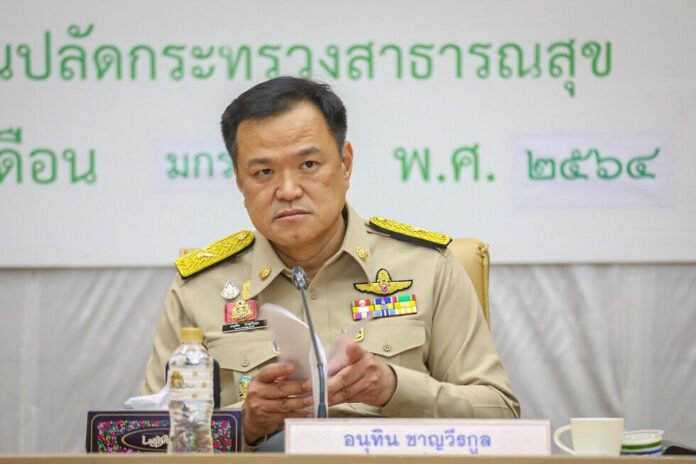
Public Health Minister Anutin Charnvirakul attends a meeting on the national vaccination project against COVID-19 on Jan. 25, 2021.

BANGKOK — A health official on Wednesday contradicted health minister Anutin Charnvirakul on the potential date when the vaccination against COVID-19 will begin, the latest sign that the country’s inoculation drive is far from ready.

Tawee Chotpitayasunondh, an senior expert at the National Communicable Disease Committee, said the first shot of coronavirus vaccine will be administered “within this month” as soon as the first shipment of 50,000 doses of AstraZeneca vaccine arrive in Thailand – slightly sooner than the target date projected yesterday by Anutin.

“The vaccination program will go ahead as planned within this month,” Tawee said by phone Wednesday.

Read: Anutin Says Current Vaccine Plans Are ‘Best Choice for Thailand’

Anutin told reporters on Tuesday that the vaccination will not happen until March.

The health minister also asked his detractors to stop comparing Thailand with other countries who already received the jabs since he wanted to ensure that the vaccines are safe.

“It’s the same answer: March,” he replied when a reporter asked when the vaccine campaign will kick off.

He continued, “Those who like to say that other countries have received the vaccine should see that they got it because they agreed to use their citizens as test subjects. That will never happen to Thai people under this health minister. Imagine that if you received the shot and got Bell’s Palsy and muscle weakness, who will explain that?”

Anutin, who has no background in healthcare, did not cite any evidence to support his warning. Although the U.S. Center for Disease Control and Prevention did report that cases of Bell’s Palsy were found during the clinical trials of COVID-19 vaccine, the rate of prevalence is not considered to be above the rate expected in the general population.  

Broken Valentine Promise 

Thailand is still waiting for the shipment of 50,000 doses of AstraZeneca vaccine to arrive from Italy, but it is unclear whether the vaccine will arrive this month as expected. The European Union has imposed vaccine export restrictions in response to the supply dispute between AstraZeneca and the EU.

The government previously floated the date of Feb. 14 to roll out vaccine against COVID-19. Anutin now distanced himself from that goal.

“I’ve never said the doses will be given out on Feb. 14,” Anutin told reporters on Wednesday.

He is correct – but it was one of his deputies, Sopon Mekthon, who came up with the lauch date at a conference on Jan. 25. Anutin presided over the meeting and did not dispute Sopon’s pledge to start the vaccination drive on Feb. 14.

Tawee from the National Communicable Disease Committee said health officials are currently pushing the supplier for the promised delivery date, though he admitted that the target date may go slightly out of plan if the dispute between AstraZeneca and the EU remains unresolved.

“It’s beyond our control,” Tawee said. “If it’s going to be delayed, it would probably be pushed back a few days, not as far as the end of this year. We are doing our best to solve the problem.”

He also said that the government will take responsibility for any deaths or disabilities that are proven to have occured from the vaccine.

“If they can be proven that the vaccine resulted in death or disabilities, the government will compensate the victims,” Tawee said. “It depends on each individual to take the vaccine or not, but the risk of getting infection is higher than the risk of adverse effects from the vaccine.”

According to the government, the first group of people to be immunized will be frontline healthcare workers and vulnerable populations such as those living with diabetes, obesity, and chronic obstructive pulmonary disease in the provinces hardest hit by the virus.

Related stories:

Officials Reject Claim That Gov’t Turned Down Indian Vaccine Offer

Anutin Says Vaccination Campaign Delayed Due to Supply Row

Advertisement

Bangkok Unhealthy Salty Tap Water To Persist Through Feb.

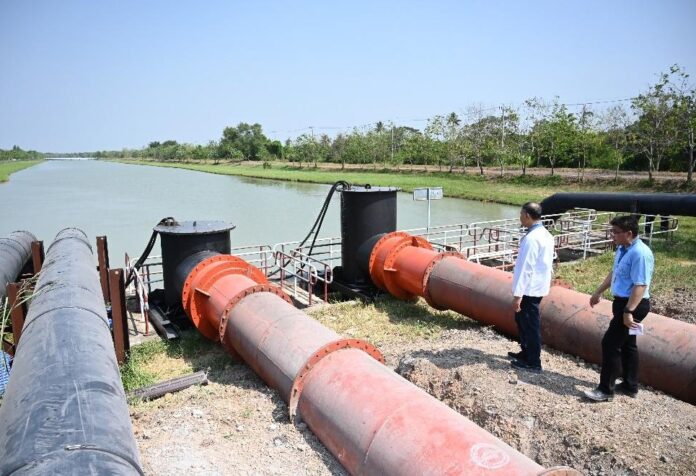
Officials inspect a public water pump station in Bangkok on March 13, 2020.

BANGKOK — Drought and a surge in sea levels is why Bangkokians’ tap water is tasting saltier than usual – and the authorities are not planning to do anything about it.

The high concentration of sodium in the water, which is harmful to children and people with heart diseases, will continue throughout February at the very least, Metropolitan Waterworks Authority deputy director Raksak Suriyahan said on Wednesday. Another waterworks official said the phenomenon will lessen when rainfall raises the dam levels.

No one knows for sure when that would happen. Thailand’s rainy season won’t begin until May.

A notice released by the Department of Public Health said the brackish-tasting water is generally safe to drink, but it should not be consumed by infants, young children, the elderly, and pets. 

People with liver problems, heart disease, diabetes, and high blood pressure are also advised to refrain from drinking the tap water.

The Department of Public Health’s statement suggests filtering the water through a Reverse Osmosis system, or – here’s the super green advice – switch to drinking bottled water.

But whatever you do, do not boil the tap water before drinking – it will only increase the concentration of salt, the statement said.

Beyond those pieces of advice, the government has not yet presented any solution for the salty tap water.

Sodium can also be found in everyday foodstuffs like snacks, MSG, fast food, and fish sauce. A daily intake of sodium should not exceed 2,000 milligrams.

Saltier Than Crait?

Bangkokians can check their tap water salinity levels at this real-time map. Each water testing station lists the amount of sodium found per liter – Greater Bangkok area on Wednesday is seeing levels as high as 0.96 grams per liter. 

Both the World Health Organization and the U.S. Environmental Protection Agency say that drinking water should have no more than 0.2 grams of sodium per liter. 

It could get worse. Bangkok Governor Aswin Kwanmueang said on Monday that some water stations registered sodium levels as high as 12 grams per liter. 

Water supply in Bangkok comes from the Samlae Raw Water Pumping Station and the Mae Klong Dam in Pathum Thani, which process the water from Chao Phraya River and other sources upriver.

Due to low water levels in upriver dams, there is less water available to dilute the salt content in the river water processed at Samlae. When combined with a sea level surge in the river, this contributes to a higher salt content in the water.

Residents can also queue up for free water every day from 8am to 8pm at the following Metropolitan Waterworks Authority offices branches: Suvarnabhumi, Minburi, Samut Sakhon, Bang Khen, Sukhumvit, Phra Khanong, Phaya Thai, Maen Sri, Lat Phrao, Prachacheun, and Soi Samakkhi 30.

Advertisement

Japan To Set Fines for Refusal to Comply With Antivirus Measures

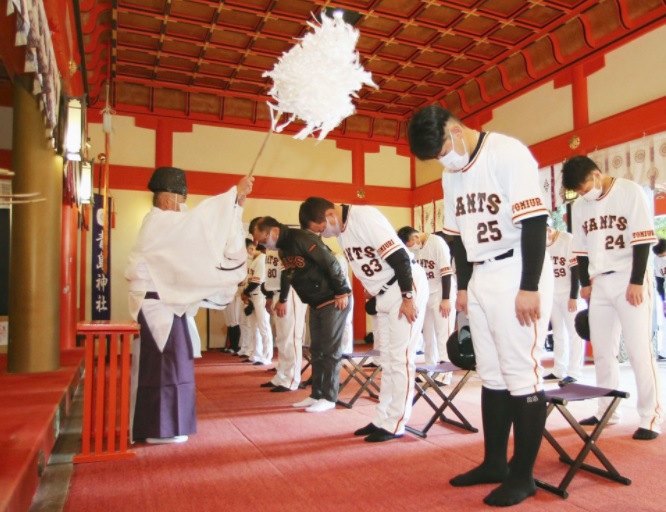
Yomiuri Giants manager Tatsunori Hara (jersey No. 83) and other team members pray at Aoshima shrine in Miyazaki, southwestern Japan, on Feb. 1, 2021, as its spring training kicks off without spectators amid the coronavirus pandemic. (Kyodo)

TOKYO (Kyodo) — Japan’s parliament on Wednesday is set to enact laws that will introduce fines for people and businesses that do not comply with restrictions imposed to prevent the spread of the novel coronavirus.

While the government had initially sought to imprison COVID-19 sufferers who refuse to be hospitalized, the plan was scrapped after talks between the ruling Liberal Democratic Party and the main opposition Constitutional Democratic Party of Japan, the latter categorizing such a step as excessive.

Continue reading the story here

Advertisement

Moscow Court Orders Kremlin Foe Navalny To Prison

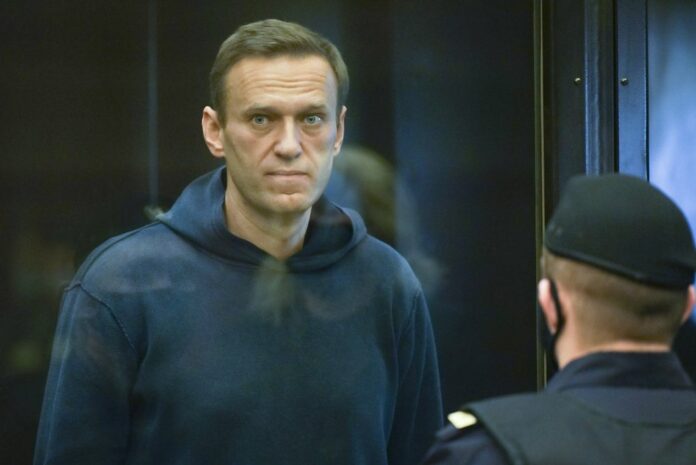
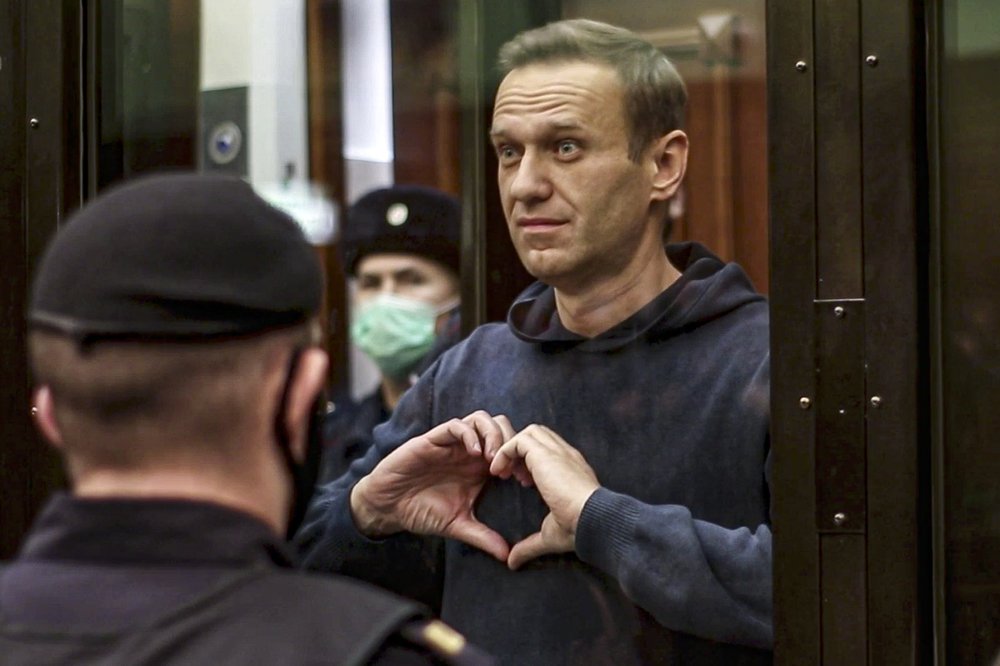
In this handout photo provided by Moscow City Court Russian opposition leader Alexei Navalny stands in the cage during a hearing to a motion from the Russian prison service to convert the suspended sentence of Navalny from the 2014 criminal conviction into a real prison term in the Moscow City Court in Moscow, Russia, Tuesday, Feb. 2, 2021. (Moscow City Court via AP)

MOSCOW (AP) — A Moscow court on Tuesday ordered Russian opposition leader Alexei Navalny to prison for more than 2 1/2 years, finding that he violated the terms of his probation while recuperating in Germany from nerve-agent poisoning. The ruling ignited protests in Moscow and St. Petersburg.

Navalny, who is the most prominent critic of President Vladimir Putin, had denounced the proceedings as a vain attempt by the Kremlin to scare millions of Russians into submission.

After the verdict that was announced about 8 p.m., protesters converged on areas of central Moscow and gathered on St. Petersburg’s main avenue, Nevsky Prospekt.

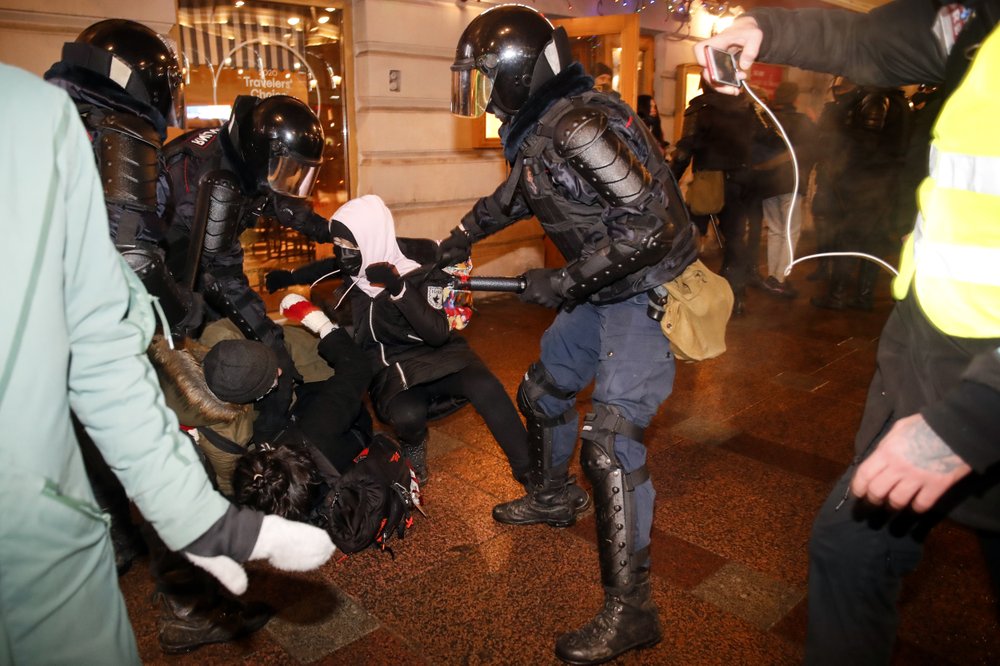
Helmeted riot police grabbed demonstrators without obvious provocation and put them in police vehicles. The Meduza website showed video of police roughly pulling a passenger and driver out of a taxi.

1000 5 1
Police officers detain Navalny supporters during a protest in St. Petersburg, Russia, Tuesday, Feb. 2, 2021. (AP Photo/Dmitri Lovetsky)

The ruling came despite massive protests across Russia over the past two weekends and Western calls to free the 44-year-old anti-corruption campaigner.

“We reiterate our call for the Russian government to immediately and unconditionally release Mr. Navalny, as well as the hundreds of other Russian citizens wrongfully detained in recent weeks for exercising their rights, including the rights to freedom of expression and of peaceful assembly,” U.S. Secretary of State Antony Blinken said after the ruling.

The protests lasted until about 1 a.m. About 650 people were arrested, according to OVD-Info, a group that monitors political arrests.

The prison sentence stems from a 2014 embezzlement conviction that Navalny has rejected as fabricated and politically motivated.

Navalny was arrested Jan. 17 upon returning from his five-month convalescence in Germany from the attack, which he has blamed on the Kremlin. Russian authorities deny any involvement. Despite tests by several European labs, Russian authorities said they have no proof he was poisoned.

As the order was read, Navalny smiled and pointed to his wife Yulia in the courtroom and traced the outline of a heart on the glass cage where he was being held. “Everything will be fine,” he told her as guards led him away.

1000 3 1
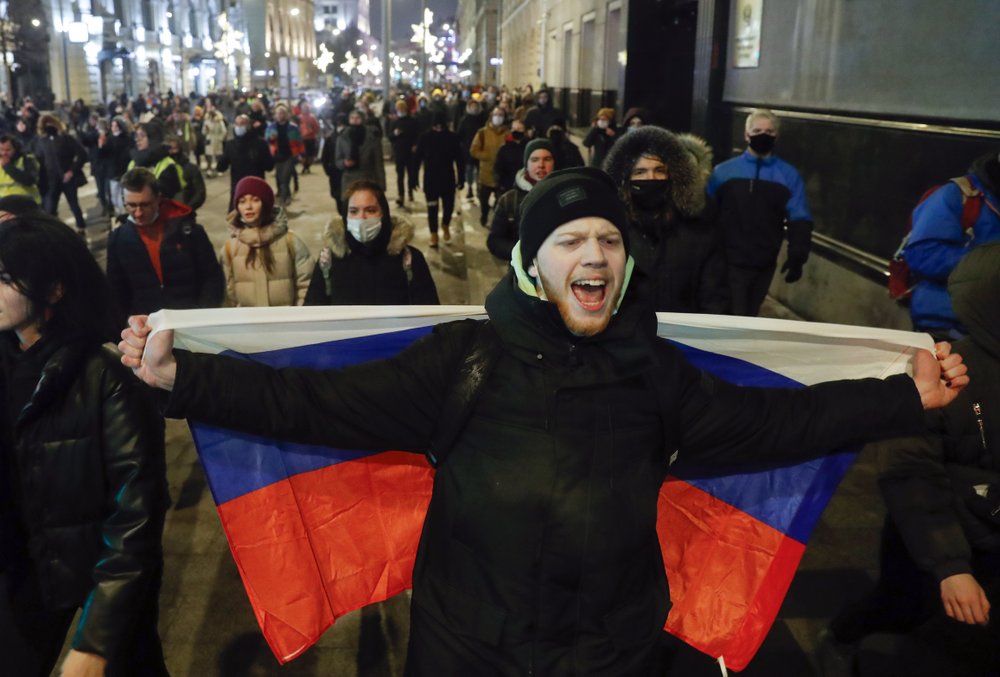
People attend a protest after Russian opposition leader Alexei Navalny was sentenced to jail in Moscow, Russia, Tuesday, Feb. 2, 2021.  (AP Photo/Pavel Golovkin)

Earlier in the proceedings, Navalny attributed his arrest to Putin’s “fear and hatred,” saying the Russian leader will go down in history as a “poisoner.”

“I have deeply offended him simply by surviving the assassination attempt that he ordered,” he said.

“The aim of this hearing is to scare a great number of people,” Navalny added. “You can’t jail the entire country.”

Russia’s penitentiary service said Navalny violated the probation conditions of his suspended sentence from the 2014 conviction. It asked the court to turn his 3 1/2-year suspended sentence into one that he must serve in prison, although about a year he spent under house arrest will be counted as time served.

Navalny emphasized that the European Court of Human Rights ruled that his 2014 conviction was unlawful and Russia paid him compensation in line with the ruling.

Navalny and his lawyers have argued that while he was recovering in Germany from the poisoning, he couldn’t register with Russian authorities in person as required by his probation. He also insisted that his due process rights were crudely violated during his arrest and described his jailing as a travesty of justice.

“I came back to Moscow after I completed the course of treatment,” Navalny said during Tuesday’s hearing. “What else could I have done?”

1000 1 5
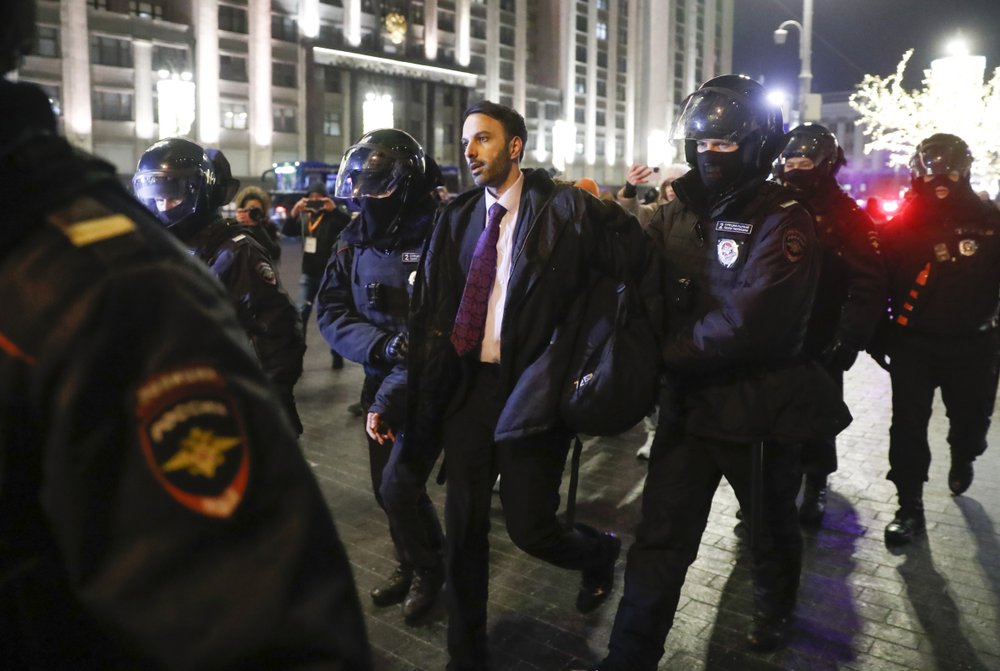
Policemen detain a Navalny supporter at the Red Square in Moscow, Russia, Tuesday, Feb. 2, 2021. (AP Photo/Pavel Golovkin)

Tens of thousands of people took to the streets the past two weekends to demand Navalny’s release and chant slogans against Putin. On Sunday, police detained more than 5,750 people nationwide, which was the biggest one-day total in Russia since Soviet times. Most were released after being handed a court summons, and they face fines or jail terms of seven to 15 days, although several face criminal charges of violence against police.

“I am fighting and will keep doing it even though I am now in the hands of people who love to put chemical weapons everywhere and no one would give three kopecks for my life,” Navalny said.

Navalny’s team called for a demonstration Tuesday outside the Moscow courthouse, but police were out in force, cordoning off nearby streets and making random arrests. More than 320 people were detained, according to OVD-Info.

Some Navalny supporters still managed to approach the building. A young woman climbed a pile of snow across the street and held up a poster saying “Freedom to Navalny.” Less than a minute later, a police officer took her away.

Before the ruling, authorities also cordoned off Red Square and other parts of central Moscow, as well as Palace Square in St. Petersburg, anticipating protests. Police flooded the centers of both cities.

In court, Navalny thanked protesters for their courage and urged other Russians not to fear repression.

“Millions can’t be jailed,” he said. “You have stolen people’s future and you are now trying to scare them. I’m urging all not to be afraid.”

1000 2 1
In this handout photo taken from a footage provided by Moscow City Court, Russian opposition leader Alexei Navalny shows a heart symbol standing in the cage during a hearing to a motion from the Russian prison service to convert the suspended sentence of Navalny from the 2014 criminal conviction into a real prison term in the Moscow City Court in Moscow, Russia, Tuesday, Feb. 2, 2021. (Moscow City Court via AP)

Observers noted that authorities want Navalny in prison, fearing he could run an efficient campaign against the main Kremlin party, United Russia, in September’s parliamentary election. “If Navalny remains free, he is absolutely capable of burying the Kremlin’s plans regarding the outcome of the Duma election,” said political analyst Abbas Gallyamov.

After his arrest, Navalny’s team released a two-hour YouTube video about an opulent Black Sea residence allegedly built for Putin. It has been viewed over 100 million times, fueling discontent as ordinary Russians struggle with an economic downturn, the coronavirus and widespread corruption during Putin’s years in office.

Putin insisted that neither he nor his relatives own any of the properties mentioned in the video, and his longtime confidant, construction magnate Arkady Rotenberg, claimed that he owns it.

As part of efforts to squelch the protests, authorities have targeted Navalny’s associates and activists across the country. His brother Oleg, top ally Lyubov Sobol and several others were put under house arrest for two months and face criminal charges of violating coronavirus restrictions.

Advertisement

China Strips License From Second Lawyer for HK Activists

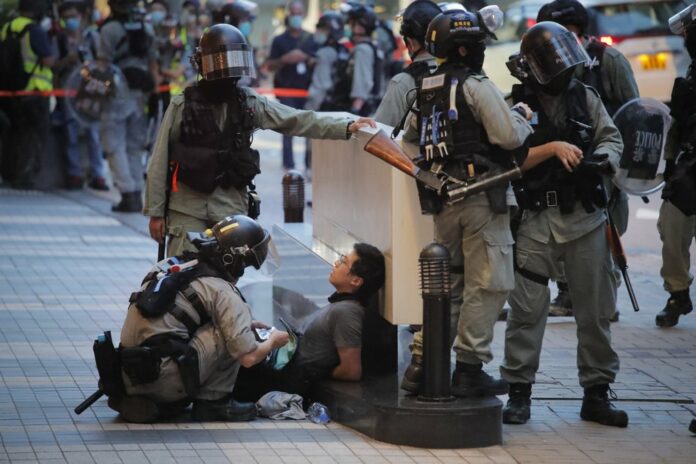
Police detained a protester during a march marking the anniversary of the Hong Kong handover from Britain to China, Wednesday, July. 1, 2020, in Hong Kong. (AP Photo/Kin Cheung)

TAIPEI, Taiwan (AP) — A second Chinese lawyer who represented a Hong Kong pro-democracy activist was stripped of his license on Tuesday as Beijing attempts to crush opposition to its tighter control over the territory.

Ren Quanniu, who represented one of 12 Hong Kong activists who tried to flee to Taiwan, said he had his license revoked by the Henan Provincial Justice Department.

Ten of the 12 activists caught at sea in August were sentenced by a Shenzhen court in December to prison terms ranging from seven months to three years for crossing the border illegally and organizing the crossings. The two other activists are minors.

Thousands of Hong Kong residents have fled the territory since Beijing’s imposition of a tough new security law that some say is destroying the territory’s Western-style civil liberties. Since the law was introduced in response to anti-government protests that began in 2019, dozens of pro-democracy activists have been arrested or detained.

The Henan Judicial Department held a hearing on the license revocation on Friday in Zhengzhou, the provincial capital, according to other lawyers who turned up to support Ren. They were not allowed into the hearing.

Ren is the second lawyer to have his license stripped by the authorities for handling the activists’ case. Two weeks ago, judicial officials in Sichuan took away the license of Lu Siwei, another lawyer on the case.

The U.S. expressed concern over the decision to revoke the licenses of both lawyers.

“We’re deeply concerned by the People’s Republic of China’s attempts to disbar and harass human rights lawyers Lu Siwei and Ren Quanniu for representing the Hong Kong 12,” said a spokesperson for the U.S. State Department in a statement issued on Twitter on Wednesday.

“We urge Beijing to respect human rights and the rule of law and to reinstate their legal credentials at once.”

Ren was told that comments he made in court in a case in 2018 defending Falun Gong practitioners had caused a “negative impact on society,” according to a notice from the Henan Justice Department that he showed to The Associated Press.

An official who answered the phone at the Henan Justice Department declined to comment on the case, saying they did not deal directly with media.

Ren has years of experience in handling politically human rights cases in China. He has defended people affiliated with the Falun Gong, a spiritual movement which China has labeled a cult and is the subject of persecution after its followers protested in Beijing’s Tiananmen Square in 1999.

Most recently, he represented citizen journalist Zhang Zhan, who was sentenced to four years in prison last December for attempting to report on the situation in the city of Wuhan during the onset of the coronavirus pandemic early last year.

Advertisement

84-Yr-Old Thai Man Murdered in U.S. Was ‘Victim of Hate Crime’

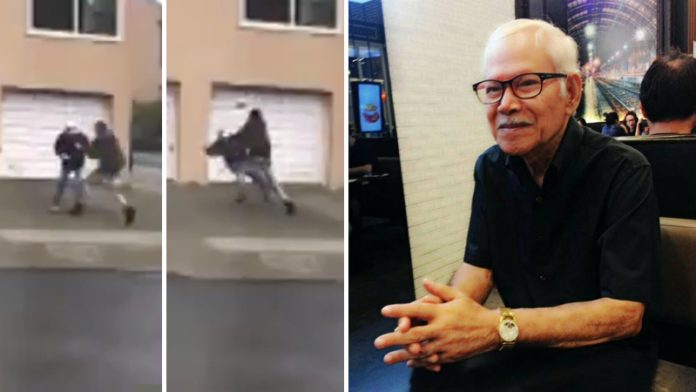
Left, footage of Vicha Ratanapakdee being attacked. Screenshot: EvanSernoffsky / Twitter

SAN FRANCISCO — Video of the deadly assault of an elderly Thai man in the U.S. was released on Monday by his family, who suspected it to be a hate crime. 

The CCTV footage captured the shocking moment when 84-year-old Vicha Ratanapakdee was mortally wounded in Daly City, San Francisco on Thursday. He died two days later at a hospital. His family said Vicha was likely a victim of anti-Asian sentiment turned deadly. 

“Our family has endured multiple verbal Anti-Asian attacks since the beginning of the pandemic, this time it was fatal,” Eric Lawson, Vicha’s son-in-law, wrote online.

“Racism has once again proven deadly. Anti-Asian racism has become a very serious danger to all Asian Americans, particularly in San Francisco.”

Antoine Watson, 19, was arrested Saturday on suspicion of murder, elder abuse, and assualt with a deadly weapon, local media reports said. On the same day, police also reportedly arrested Maylasia Goo, 20, who was with Watson at the attack with being an accessory after the fact.

Lawson wrote that Vicha, who moved to the U.S. from Thailand, “was a nearly blind, gentle person beloved by his family.”

A GoFundMe page for Vicha’s family was also launched. 

Spikes in racially motivated attacks that target people perceived to be of Chinese and Asian descent were reported in countries like the U.S., U.K., and Canada following the outbreak of the coronavirus in early 2020. 

In July, a man in New York City was arrested for spitting on a woman on the subway and yelling, “Asians caused the virus!” and “Go back to China!”

Advertisement

Myanmar Celeb ‘Paing Takhon’ Condemns Coup

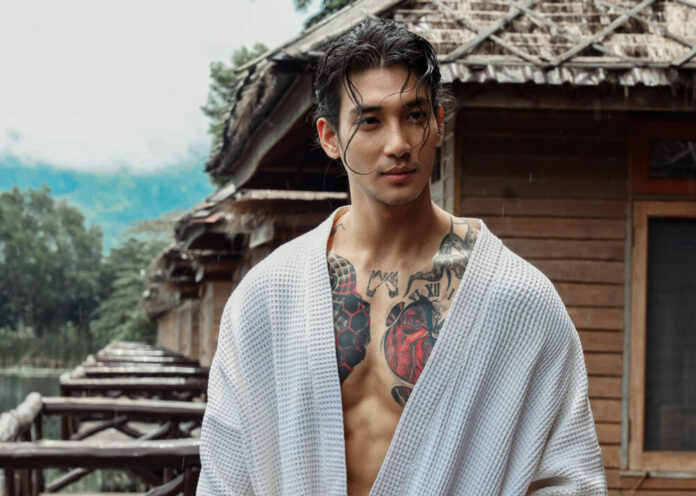
Photo: Paing Takhon / Facebook

BANGKOK — One of Myanmar’s most popular celebrities lashed out at the military takeover in his country on Tuesday.

Paing Takhon, 24, a celebrity model who enjoys large followings in both Thailand and Myanmar, joins a growing chorus of condemnation against the coup by Myanmar’s military, which threatens to roll back a decade of democratic reforms in the country.

“We strongly condemn Military coup. We demand immediate release of state counseller [sic] Daw Aung San Suu Kyi, President U Win Myint, civilian government ministers and elected members of perliment [sic],” Paing wrote online Tuesday.

“We demand to respect 2020 election results and form new civillian [sic] government soonest by NLD led perliment [sic].”

Paing had also posted images of State Counselor and pro-democracy icon Aung San Suu Kyi on his Facebook and Instagram, which have 1.2 million and 1 million followers, respectively.

“We as a citizen of Myanmar not agree with the current move and would like to request the world leaders. UN and the world medias help our country- our leaders- our people – from this bitter acts. We want democracy and want our country to develop as our nabouring [sic] countries,” he wrote on his Instagram post Monday.

Suu Kyi is believed to be under military custody along with other key members of the opposition movement, following the de facto coup by the Burmese armed forces on Monday morning.

Under Myanmar’s military-backed constitution, the president can hand power to the armed forces in cases of emergency. That is one of many ways the Tatmadaw is assured of keeping ultimate control of the country.

The military claims there has been widespread fraud in November elections, in which Suu Kyi’s allies won more than 80 percent of the seats, but the civilian election regulators have dismissed the allegations.

“We, Myanmar citizens need the world to know what’s happening in Myanmar right now before our wifis are cut off,” Paing posted Monday afternoon. “Again in 2021! History is about to be repeated like in 1988.”

Paing is featured in many Thai commercials and TV shows. His first fanmeet in Thailand took place in 2019 at Siam Paragon, drawing a large number of Thai and Burmese fans.

Related stories:

This Sexy Burmese Model Is Myanmar’s Hottest Export Right Now

Koisuru Democracy: Singer, Girl Idols Lend Voice to Protest

Advertisement

Japanese Manufacturers Halt Production in Myanmar After Coup

Photo taken in July 2018 shows people looking at Suzuki Motor Corp. vehicles displayed in a shopping mall in Yangon, Myanmar. (Kyodo)

TOKYO (Kyodo) — Japanese automaker Suzuki Motor Corp. and auto parts maker Denso Corp. said Tuesday they have halted production in Myanmar to ensure the safety of their employees following a military coup the previous day.

The two companies said they stopped output of vehicles and auto parts, respectively, on Monday afternoon and have yet to decide when to resume production. Suzuki said a total of 400 employees work at its two factories in Yangon.

Continue reading the story here

Advertisement

Hot News

LATEST NEWS

Bangkok
broken clouds
27.7 ° C
27.7 °
27.7 °
81 %
2.7kmh
67 %
Fri
36 °
Sat
36 °
Sun
37 °
Mon
36 °
Tue
35 °