
























32.2 C
Bangkok
Saturday, June 6, 2026
Home Blog Page 1539

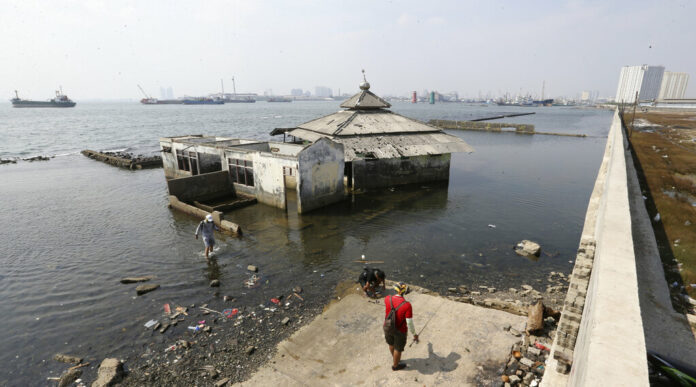
Indonesia’s Leader Says Sinking Jakarta Needs Giant Sea Wall

People walk near a giant sea wall which is used as a barrier to prevent sea water from flowing into land and cause flooding in Jakarta, Indonesia, Saturday, July 27, 2019. Photo: Achmad Ibrahim / AP

JAKARTA — Indonesia’s president said in an interview that he wants to see the speedy construction of a giant sea wall around Jakarta to prevent the low-lying capital from sinking under the sea, lending renewed backing and a sense of urgency to a slow-moving and politically contested mega project.

President Joko Widodo and his government are up against a tight timetable, including a forecast by experts that at the current rate, one-third of Jakarta could be submerged by 2050.

The existential crisis facing the city is the culmination of decades of unfettered development, almost nonexistent urban planning and misrule by city politicians who have served private interests over those of the public.

Lacking a comprehensive piped water network, industry and homeowners have tapped into the city’s aquifers, causing rapid subsidence in northern Jakarta, home to several million people.

In this area, the swampy ground has been sinking at an average of about 10 centimeters (4 inches) a year. Rising sea levels from a heated-up planet will compound the problem in decades to come.

Widodo told The Associated Press on Friday that it’s time to move ahead with the sea wall, a project the government first began to consider a decade ago. “This huge project will need to be done quickly to prevent Jakarta from sinking under the sea,” he said in the interview at a humble restaurant serving spicy Indonesian dishes.

The president said he’s determined to push through key projects and reforms, even if potentially unpopular, noting that he’ll be less constrained by domestic politics in his second and final five-year term. Widodo was reelected earlier this year.

He also addressed other ambitious plans for Jakarta, a congested, polluted and sprawling metropolis of 10 million that swells to three times that number when counting those living in the larger metropolitan area.

Widodo reiterated that he wants to build a new capital, suggesting it should be outside Indonesia’s main island of Java, where 57 percent of the country’s nearly 270 million people are concentrated.

“We want to separate the capital, the center of government and Jakarta as a business and economic center,” he said. “We don’t want all the money existing only in Java. We want it to be outside Java as well.”

Jakarta’s vulnerability to flooding and earthquakes is also a factor, Widodo said. “We need to make sure our capital is safe from disasters,” he said, without naming the location for the new capital.

The threats facing Jakarta are most visible in Muara Baru, a waterfront slum in the northwest of the city.

A sea wall along the shore is meant to protect the area’s makeshift shacks against the waters of the Java Sea, but the concrete barrier — raised and reinforced after a major flood more than a decade ago — has developed cracks.

A steady trickle of seawater leaks through it, covering the street running alongside the wall with a shallow brackish brew. A half-submerged mosque on the bay side of the wall serves as a stark reminder of what could be in store for the entire area. Two women in the neighborhood said their homes are flooded frequently.

Jakarta has been described as one of the world’s fastest sinking cities — a result of geographic misfortune and mismanagement. The city sits on swampy ground, with 13 heavily polluted rivers running through it. The main cause for the sinking is the over-extraction of groundwater. The weight of taller buildings being constructed in recent years further compresses the ground.

Heri Andreas, an earth scientist at Indonesia’s Bandung Institute of Technology, said that in some parts of northern Jakarta, the ground is already 2 to 4 meters (7 to 13 feet) below sea level and is sinking by as much as 20 centimeters (8 inches) a year.

“Jakarta keeps sinking,” said Andreas, an expert in geodesy, or the measuring of the shape of the earth. “If subsidence continues at the same rate, 95 percent of northern Jakarta will be underwater by 2050.”

He said water would cover about one-third of the city.

Andreas said it took time for his alarming forecasts to be taken seriously by Indonesian government officials, but that planning for a giant sea wall encircling Jakarta Bay began about a decade ago.

The $42 billion project envisions three stages, starting with strengthening 30 kilometers (18 miles) of existing coastal dams and creating 17 artificial islands. This would be followed by building giant sea walls on the western and eastern sides of the bay.

However, implementation has been slow amid political arguments over the cost of the project and possible harm to the local fishing industry.

Andreas, who is occasionally consulted by the authorities and met with government officials last week, said he expects a scaled-back version of the giant sea wall to be built for less than the initial budget.

In this scenario, a 20-kilometer-long (12-mile-long) wall would enclose part of the bay to protect the most vulnerable area, rather than a loop that was intended to be three times as long. This would buy time for the government to deal with the other areas later.

Local fishermen view the mega project with suspicion, fearing it will rob them of their livelihood.

In Muara Angke, a small fishing port in northern Jakarta, 63-year-old Pandi dismissed the warnings by scientists, arguing that occasional flooding is part of life on the waterfront.

Pandi, who uses a single name, catches mussels for a living, in an operation that provides a livelihood for about 30 people.

On Saturday, several men scooped their catch from a small boat into large vats they placed on open fires nearby. Once the mussels were cooked, the men dumped them onto the ground, where women removed the shells, preparing the mussels for sale.

Pandi said land reclamation already underway in the bay forced him to sail farther away from shore in search of mussels. He said he fears a giant sea wall could drive him out of business for good.

“If we can’t work, we will suffer for a long time,” he said. “Sinking” below water, he said, “is just part of the risk.”

___

Story: Karin Laub. Associated Press journalists Fadlan Syam and Stephen Wright contributed to this report.
Advertisement

Prayuth’s Meltdown and the Semi-Democratic Transition

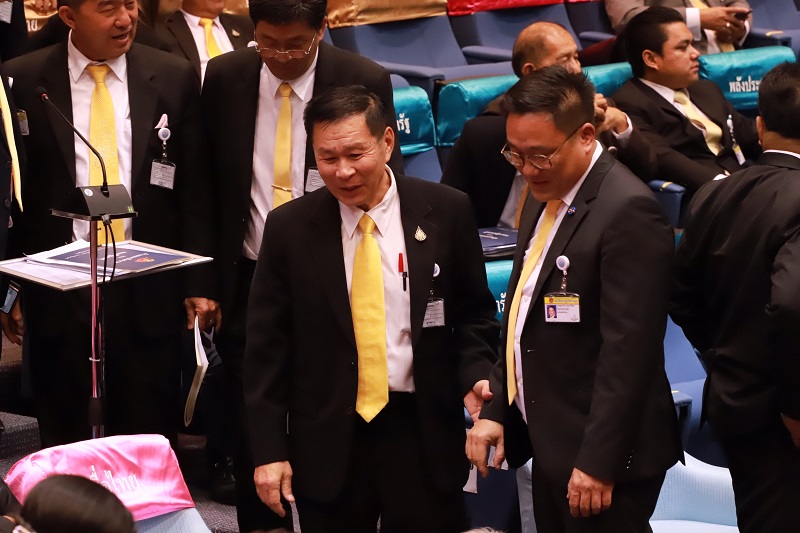
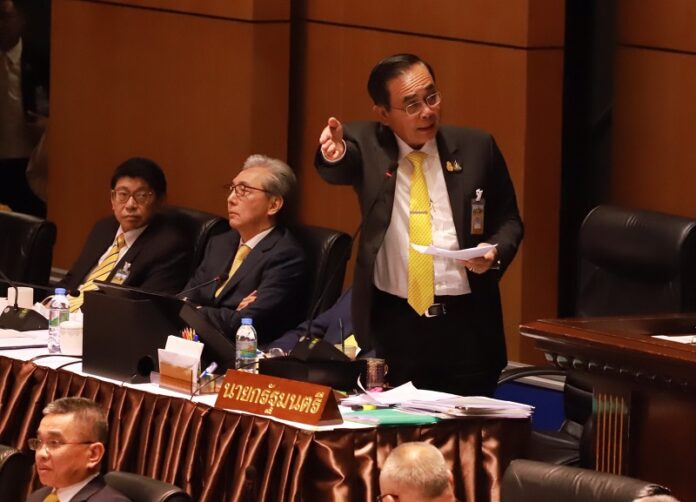
PM Prayuth Chan-ocha responds to Sereepisut's criticism in Parliament on July 25, 2019.

retention.column

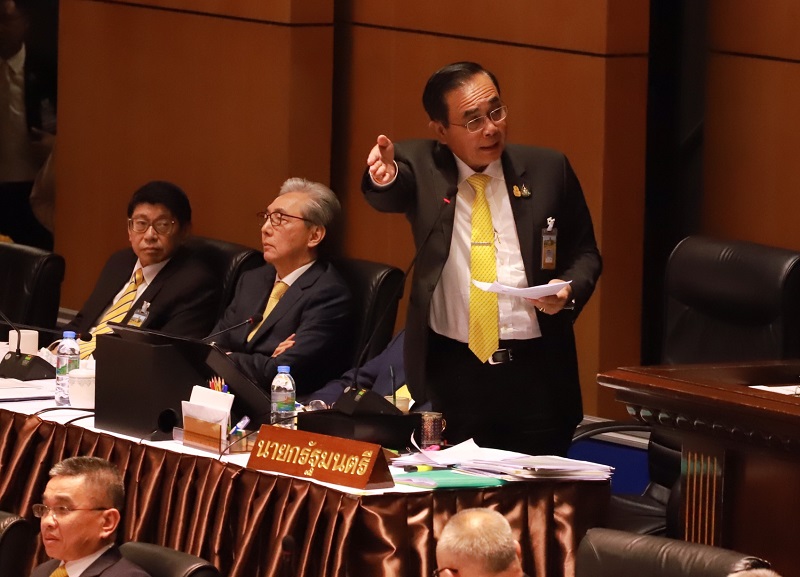
Parliament’s two-day debate on the new government’s core policies was a test of ex-dictator Gen. Prayuth Chan-ocha’s commitment to a semi-democratic transition. But Prayuth barely composed himself, struggling to contain his short dictatorial fuse time and time again.

Used to promulgating absolute orders and detaining critics and opponents, Prayuth found himself in utterly unfamiliar turf as the prime minister of a so-called elected government.

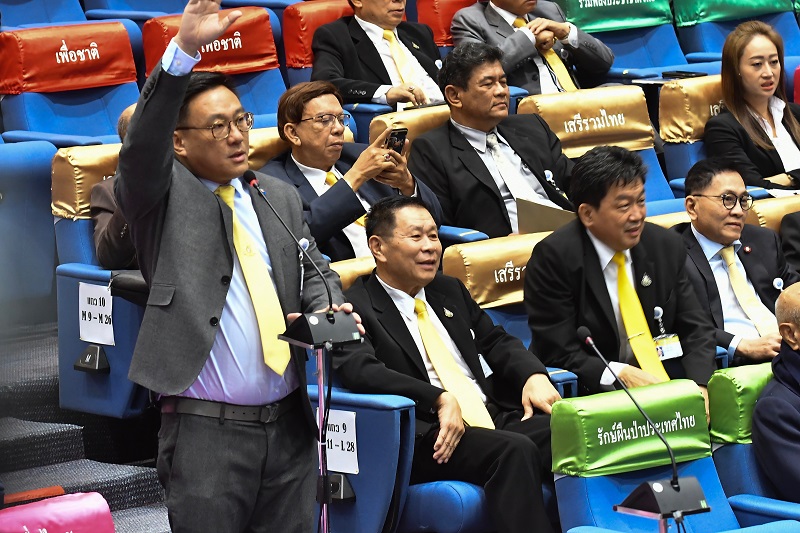
The appointed parliament, known for its docility and nearly total support for Prayuth’s military regime, is partially gone, save the 250-strong appointed senate. It its place is an elected lower house with a strong opposition bloc.

On Thursday and Friday, the ex-coup leader had to endure direct criticism, listen and try to respond politely.

One opposition MP after another took to the floor to not only criticize Prayuth and his policies, but also to remind him that he cannot simply order MPs to shut up.

“We are not your subordinates,” Future Forward MP Karom Polpornklang reminded Prayuth. The moment was televised for all to see.

At one point, Prayuth warned that many opposition MPs are still facing security-related charges, which are an attempt by the authorities to curb dissident. But the threat didn’t seem to have an effect. Opposition MPs renewed their criticisms, calling Prayuth’s administration a “fake democratic government” and his government policies vague, unmeasurable and unlikely to be implemented by the end of the administration.

On Thursday afternoon, the ex-dictator asked opposition lawmakers to accord him some respect, though he never offered them the same courtesy during the five years after the 2014 coup. “Give me respect, too. I’ve never looked at you as rank-and-file soldiers.”

Prayuth himself admitted that if the MPs were soldiers under his command, he wouldn’t have lost his cool. “I wouldn’t be behaving like this,” he stressed.

By Thursday night, Prayuth descended into a complete emotional meltdown and into a spar with Seri Ruam Thai Party leader and MP Sereepisut Temiyavet, after the latter accused Prayuth of “cheating” his way into power in the March elections.

S 41116012
Sereepisut after the House Speaker calls for a break.

“If I were him, I wouldn’t be this shameless and still hold on to power,” said Sereepisut, who was a former senior of Prayuth at the army academy.

Prayuth couldn’t keep calm and declared, “From today, I will not count you as my roonpee [senior classmate] anymore, because you don’t treat me with honor at all.”

Prayuth then walked out of Parliament amid chaos as the House Speaker called for a 10 minute emergency recess.

How long will Prayuth be able to maintain his patience in the face of more public criticism? Some fear the military may just stage another coup if the regime cannot control the parliamentary situation.

Watching the democratic chaos unfold, Gen. Thawatchai Samutsakorn, one of Prayuth’s 250 appointed senators, took to the floor and suggested on Thursday night that perhaps Thailand needs another 20 years of military rule.

“I’ve always said that if Thailand wants to progress, all Thai males must be [drafted into] soldiers. Then there won’t be any need for a coup. Everyone will be friends and they won’t be fighting like this. If it continues on like this, we will need a 20-year military coup,” said the general-turned-senator.

It was an acknowledgment that the now-defunct junta led by Prayuth failed to fully militarize Thai society even after five years. Now Thawatchai wants another 20 years of direct military rule.

Thai viewers of the two-day parliamentary debate on TV be warned: the transition to a semi-democratic regime may not be smooth. Prayuth’s mood is like a rollercoaster, so be prepared for the possibility of another zany military coup.

Advertisement

8 Dead, 60 Hurt as Quakes Shake Northern Philippine Isles

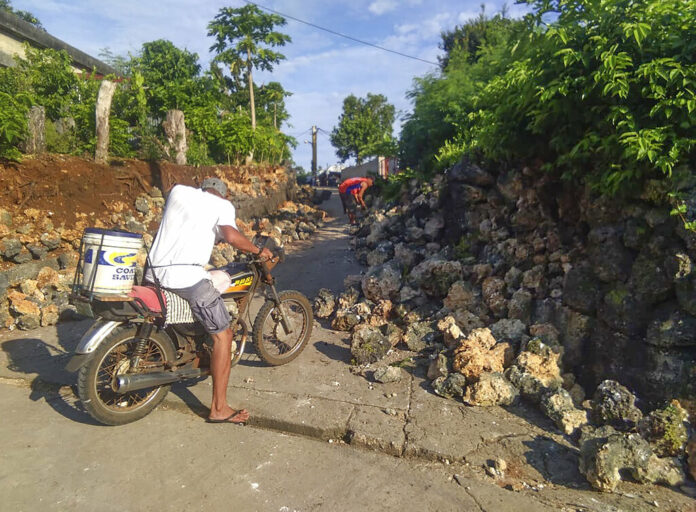
A resident looks at damages in Itbayat town, Batanes islands, northern Philippines following the earthquakes Saturday, July 27, 2019. Phioto: Agnes Salengua Nico / AP

MANILA — Two strong earthquakes hours apart struck a group of sparsely populated islands in the Luzon Strait in the northern Philippines early Saturday, killing at least eight people, injuring about 60 and causing substantial damage.

The quakes collapsed houses built of stone and wood, arousing residents from sleep, said Roldan Esdicul, who heads the Batanes provincial disaster-response office.

“Our bed and everything were swaying from side to side like a hammock,” Esdicul told The Associated Press by cellphone from Basco town, the provincial capital. “We all ran out to safety.”

More than 1,000 residents of hard-hit Itbayat island — nearly half of the island’s population of mostly fishermen — were advised not to return to their homes and stay in the town plaza as successive aftershocks shook the region, he said.

“The wounded are still being brought in,” Itbayat Mayor Raul de Sagon told a local radio station. He said more doctors may be needed if the number of injured from interior villages rises.

The Philippine seismology agency said the quakes measured 5.4 and 5.9. A third quake magnitude 5.7 struck later Saturday.

Esdicul said he was already in his office with the provincial governor when the second and more powerful quake struck about three hours after the first shock. “We have to hold on because you can’t stand or walk. It was that strong,” he said.

The initial quake severely cracked the bell tower of the island’s old limestone church, the 19th-century Santa Maria de Mayan, a popular tourist attraction. The tower collapsed when the second temblor hit the island, he said.

An Itbayat hospital was damaged but remained open. An air force helicopter and a plane were en route to Batanes to help ferry and provide aid to victims.

Itbayat, part of the Batanes Islands, has a population of about 2,800 people and lies in the Luzon Strait that separates the Philippines and Taiwan. The islands are famous for their stone-built houses, coral walls and cogon grass roofs.

Story: Jim Gomez

Advertisement

Libya’s Coast Guard Recovers Dozens of Bodies of Migrants

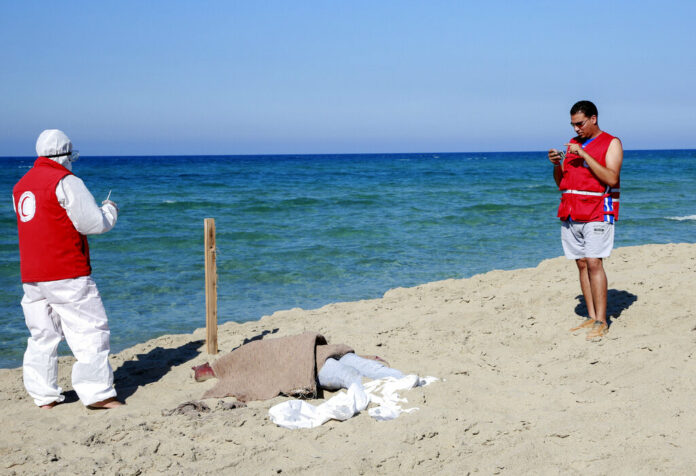
Libyan Red Crescent workers stand around a body of a drowned migrant near the city of Khoms, some 100 kilometers (60 miles) east of Tripoli, Libya, Friday, July 26, 2019. Photo: Hazem Ahmed / AP

CAIRO — Libya’s coast guard recovered dozens of bodies of Europe-bound migrants who perished at sea as search operations continued Friday, a day after up to 150 people, including women and children, went missing and were feared drowned when their boats capsized in the Mediterranean Sea.

A top U.N. official described Thursday’s shipwreck as “the worst Mediterranean tragedy” so far this year.

The Anti-Illegal Immigration Agency in the Libyan capital said that up to 350 migrants were on board the boats that capsized off the town of Khoms, around 120 kilometers (75 miles) east of Tripoli.

The migrants included nationals from Eritrea, Egypt, Sudan and Libya, the agency said. Libyan officials said more than 130 have been rescued since Thursday.

One of the survivors, from Eritrea, said his vessel started to capsize after an hour of sailing. Most of the migrants on board were women, he said, and most of them drowned.

“All of them (who drowned) were ladies … only two girls rescued themselves,” he said, speaking on condition of anonymity for fears for his safety.

Two other survivors, reached at a disembarking facility in Tripoli, told The Associated Press over the phone they had each paid between $200 and $400 to smugglers who promised they would reach Italy’s shores by sunset Thursday.

Ahmed al-Tayeb, a 32-year-old from Sudan, said he was on one of three boats that capsized an hour after setting off from Libya on Wednesday night.

Egyptian Mustafa Mahmoud, 26, said Libyan fishermen were first to come to their rescue. “I saw lots of bodies, dozens, in the water,” he said. “Most of them were children and women who were not able to swim.”

At least a dozen of the survivors were taken to a hospital in Khoms while the rest were transferred to different detention centers, including Tajoura, located near the front lines of the fighting between rival Libyan factions, the Libyan officials said, speaking on condition of anonymity because they were not authorized to talk to the media.

The Tajoura detention center was hit by an airstrike on July 3 that killed more than 50 people and raised new concerns over the treatment of migrants in Libya. The U.N. refugee agency has demanded the center be closed, but that hasn’t happened.

“This is putting intentionally the life of these people at risk,” Vincent Cochetel, UNHCR’s special envoy for the Central Mediterranean tweeted Friday.

The U.N. migration agency said later Friday that once they arrived, the 84 migrants were turned back from the detention center and were instead being “released gradually” into the town of Tajoura.

Separately from the shipwreck, Ayoub Gassim, a spokesman for Libya’s coast guard, said it had intercepted three rubber boats off Tripoli on Thursday, carrying 269 Europe-bound migrants, including nine women and two children. The 269 were taken to refugee camps in Tripoli, Gassim said.

Amnesty International called Friday on EU leaders to “show some courage” and reverse their decision to halt migrant rescues in the Mediterranean. The rights group appealed on European nations to change their approach and not “condemn those who survive to detention in Libya.”

“People are still risking their lives to come to Europe,” said Amnesty’s Massimo Moratti.

The European Union has over the past years partnered with Libya to prevent migrants from making the dangerous journey by sea to Europe. Rights groups say those efforts have left migrants at the mercy of brutal armed groups or confined in squalid detention centers that lack adequate food and water.

The EU released a statement Friday saying it was deeply saddened by the tragedy off Libya’s coast and added that “sustainable solutions for search and rescue are urgently needed in the Mediterranean.”

However, it also said “Libya’s current system of managing irregular migration and arbitrarily detaining refugees and migrants has to end.”

U.N. Secretary-General Antonio Guterres reiterated that “Libya is not a safe country of asylum” and stressed that “refugees must be treated with dignity and respect, and in accordance with international law,” U.N. deputy spokesman Farhan Haq said Friday.

After the NATO-backed uprising that toppled and killed longtime ruler Moammar Gadhafi in 2011, Libya became a major conduit for African migrants and refugees seeking a better life in Europe. Traffickers and armed groups have exploited Libya’s chaos since Gadhafi’s overthrow, and have been implicated in widespread abuses of migrants, including torture and abduction for ransom.

Thursday’s shipwreck was “the worst Mediterranean tragedy” so far this year, said U.N. High Commissioner for Refugees Filippo Grandi.

In January, some 117 died or went missing off Libya’s coast and around 65 people drowned after their boat sank off the coast of Tunisia in May.

At least 2,500 migrants have been detained in centers in and around Tripoli, where forces loyal to commander Khalifa Hifter are battling an array of militias loosely aligned with a U.N.-recognized government.

Hifter’s attempt to seize Tripoli started in April and has so far killed more than 1,000 people, mainly combatants but also civilians, the U.S. said earlier this month.

The Tripoli-based government blamed the Tajoura airstrike on Hifter’s forces, which denied responsibility and accused government-linked militias of storing weapons at the facility.

The U.N. refugee agency says 164 migrants have died traveling from Libya to Europe since the start of the year, fewer than in previous years. But the agency says the journey is becoming more dangerous for those who attempt it, with one out of four perishing at sea before reaching Europe.

The U.N.’s death toll of 154 did not include the scores who drowned Thursday.

___

Story: Samy Magdy. Associated Press writer Edith M. Lederer at the United Nations contributed to this report.
Advertisement

Cardinal Ortega, Former Archbishop of Havana, Dies at 82

In this Nov. 10, 2011 file photo, Cuba's Cardinal Jaime Ortega celebrates a Mass, in Havana. Cuba's Roman Catholic Church said Friday, July 26, 2019, the former archbishop of Havana who helped organize the first papal visit to communist Cuba has died. Ortega was 83. Photo: Javier Galeano / AP

HAVANA — Cardinal Jaime Lucas Ortega y Alamino, a sugar worker’s son who oversaw the first papal visit to Cuba, helped lower barriers to believers in the communist country and played a role in mediating improved U.S.-Cuba ties, died Friday at age 82.

His death was announced by his successor, Havana Archbishop Juan de la Caridad García Rodriguez.

Ortega helped open a dialogue between Havana and the U.S. that led the two countries to resume relations in 2014, after presidents Raúl Castro and Barack Obama secretly turned to Pope Francis for help. He served as a messenger for both sides, carrying secret letters and responses that helped thaw relations.

He also helped drive a gradual but significant thaw in relations with a government that was officially atheist and long barred religious believers from Communist Party ranks.

“His contribution to the strengthening of relations between the Roman Catholic Church and the Cuban State is undeniable,” Cuban President Miguel Díaz-Canel said while offering his condolences via Twitter.

With his flawless French, flowing vestments and dark-rimmed glasses, Ortega cut an elegant figure in Cuban society. Abroad, he was well known among fellow cardinals, especially in the United States, where he befriended several, including Cardinal William Keeler, archbishop of Baltimore.

Born and raised in Cuba, the country’s top Roman Catholic leader was mentioned at times as a longshot candidate to succeed Pope John Paul II.

But Ortega’s beginnings were modest, and his climb up the ecclesiastical ladder was arduous.

The son of a sugar worker, Ortega was born on Oct. 18, 1936, in the sugar mill town of Jagüey Grande in the central province of Matanzas, and moved to the provincial capital as a child. There, he attended public schools and began studying for the priesthood at San Alberto Magno Seminary.

He completed his studies with the Fathers of Foreign Missions in Quebec, Canada, and returned to Matanzas to be ordained on Aug. 2, 1964 — just as the new communist government was further weakening an already feeble Cuban church.

The church, long identified with Cuba’s wealthier citizens, took a vehemently anti-communist line shortly before Castro declared Cuba to be socialist in 1961. The government later accused prominent Catholics of trying to topple Castro.

Public religious events were banned after processions were transformed into political protests, sometimes turning violent. Hundreds of foreign priests, mostly from Spain, were expelled. The more than 150 Catholic schools that once operated across the island were nationalized.

Ortega was among many Cuban priests sent to military-run agricultural work camps, spending a year beginning in 1966. After his release, Ortega worked as a parish priest in his hometown. He also oversaw several neighboring parishes, traveling among churches to say Mass, perform baptisms and officiate at weddings.

A practiced pianist, Ortega composed music for a Cuban Catholic Mass, and traveled to Havana weekly to lecture on theology at the San Carlos y San Ambrosio Seminary.

Ortega was named bishop for the western province of Pinar del Río in December 1978 and was consecrated the following month. He became archbishop of Havana in November 1981.

At the time, the Cuban government was officially atheist. Believers of all faiths were banned from the Communist Party, the military and some other professions. But Ortega quietly helped rebuild the church infrastructure around Havana, establishing new parishes and renovating more than 40 churches.

He also set up Caritas of Havana, the first office of the Catholic relief charity in Cuba. That planted the seed for Caritas of Cuba, which delivers meals and medicine to people across the island.

Ortega was named president of Cuba’s Catholic Bishops Conference in 1988 and held that position for a decade.

In November 1994, Pope John Paul II named Ortega the first cardinal in Cuba in more than three decades — and the second in the island’s history.

In 1992, the government dropped its constitutional references to atheism, and a gradual thaw in church-state relations began, culminating with the papal visit on Jan. 21-25, 1998, and government acceptance of some outdoor religious events.

While Ortega refrained from publicly confronting the Cuban government, on his trips abroad he expressed disappointment that the opening had been modest.

Critics accused him of being too conciliatory to the government, although Ortega — who in 2010 and 2011 helped the church and Raúl Castro reach a deal to free a group of political prisoners who had been held since 2003 — said the church’s place was not in politics but in humanitarian deeds.

He told a group of U.S. students in 2012 that some would like the church to be “the party of opposition that is lacking in Cuba, and we cannot be. That cannot be our role because it would be against the nature of the church.

John Kavulich, president of the U.S.-Cuba Trade and Economic Council, recalled working with Ortega on many occasions over the years, including logistics for papal visits and restarting U.S. exports of health care products to Cuba, a politically sensitive matter on both sides of the Florida Straits.

He described Ortega as an optimistic man full of encouragement: “He was always looking for ways to make it work, as opposed to first trying to develop a list of why it won’t.”

“He would smile, and you would believe what was possible. … He instilled that optimism not just spiritually but commercially, in trying to make things happen for his flock,” Kavulich said.

In addition to John Paul II’s historic visit, he also hosted visits by Pope Benedict XVI in 2012 and Pope Francis in 2015.

In April 2016, Pope Francis approved Ortega’s request to retire.

___

Story: Andrea Rodriguez and Peter Orsi. Associated Press journalist Michael Weissenstein contributed to this report.

Advertisement

Power Bank Explosion at CNX Caused by Leaked Liquid: Official

Image: Airports of Thailand

CHIANG MAI — The explosion of a power bank at Chiang Mai Airport last week was caused by leaked liquid inside an American tourist’s backpack, officials said Friday.

Deputy airport director Thananrat Prasertsri said an investigation established the liquid seeped out of either a water bottle or perfume bottle in the tourist’s bag. The liquid then ignited the 20,000 milliamp power bank just as the tourist was about to enter the airport building on July 21, Thananrat said.

Security camera footage of the incident shows the tourist feeling something burning in her bag before throwing it on the ground. The backpack soon catches fire and explodes. No injury was reported.

The tourist, who was not named, was using the power bank to charge a mobile phone at the time, Thananrat said.

Thananrat advised travelers to separate their power banks from bottles containing liquid in their bags as a safety precaution.

Advertisement

Thailand’s Last Gorilla Lives in Decrepit Zoo Atop a Mall

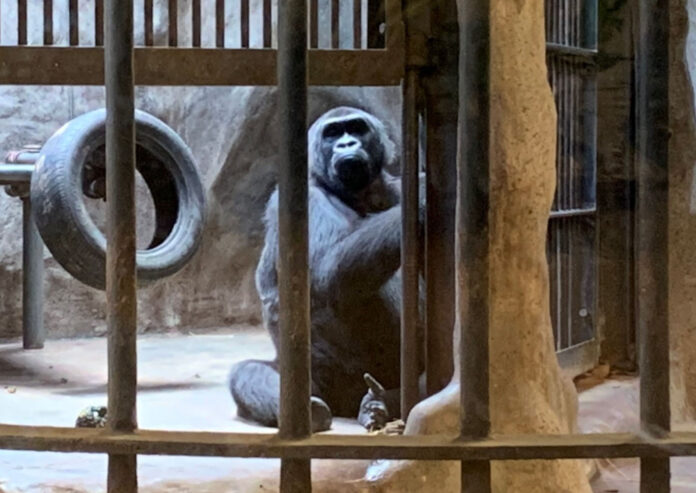
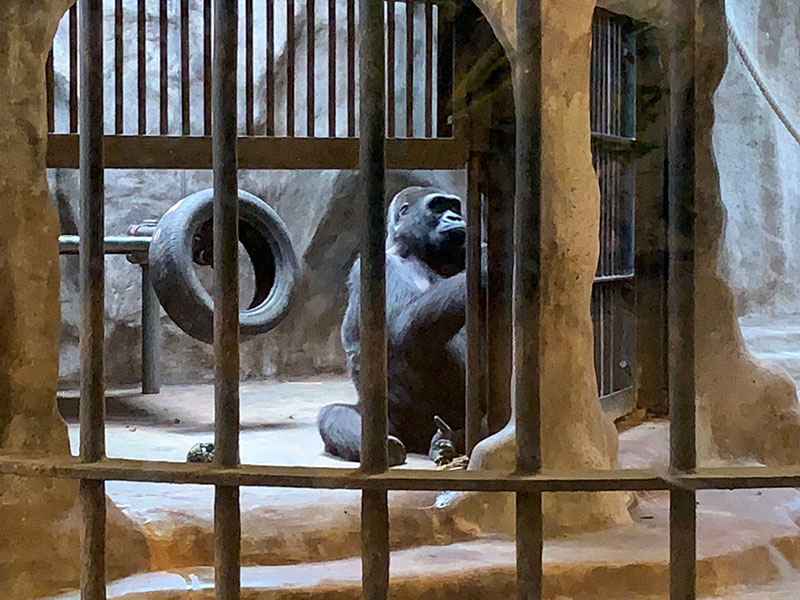
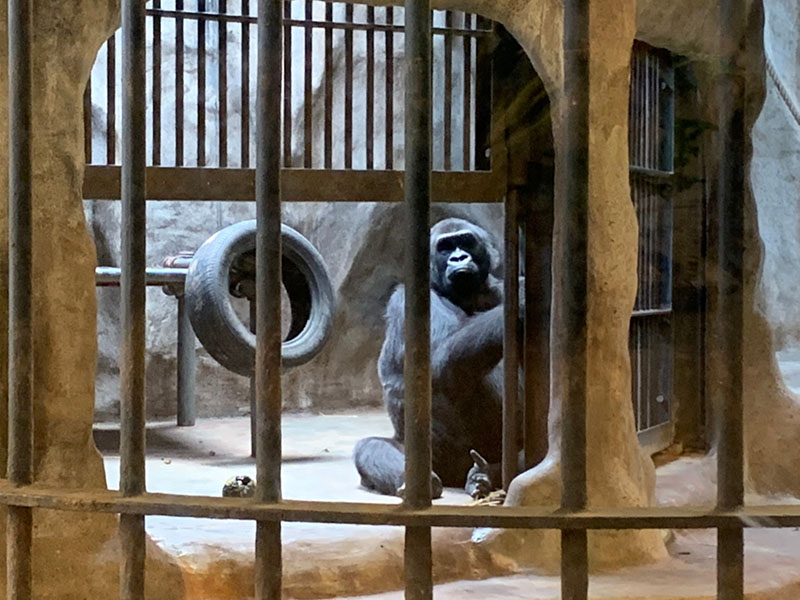
Bua Noi in her cage on July 25, 2019 at Pata Zoo.

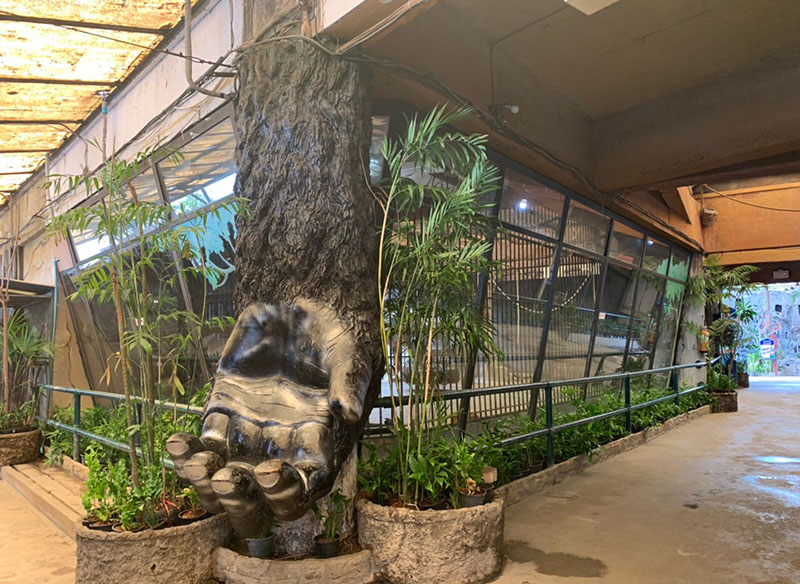
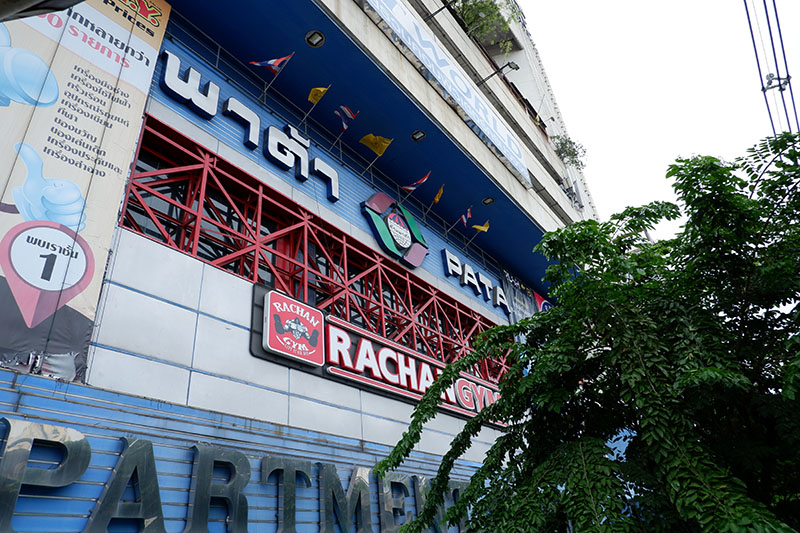
On the top floor of a decrepit mall in western Bangkok, the last gorilla in Thailand and her friends will live out their days, with rats and roaches as companions.

At a recent visit to Pata Zoo in Pata Pinklao Department Store, Khaosod English found primates in bare, isolated cages—including Bua Noi, the last gorilla in Thailand.

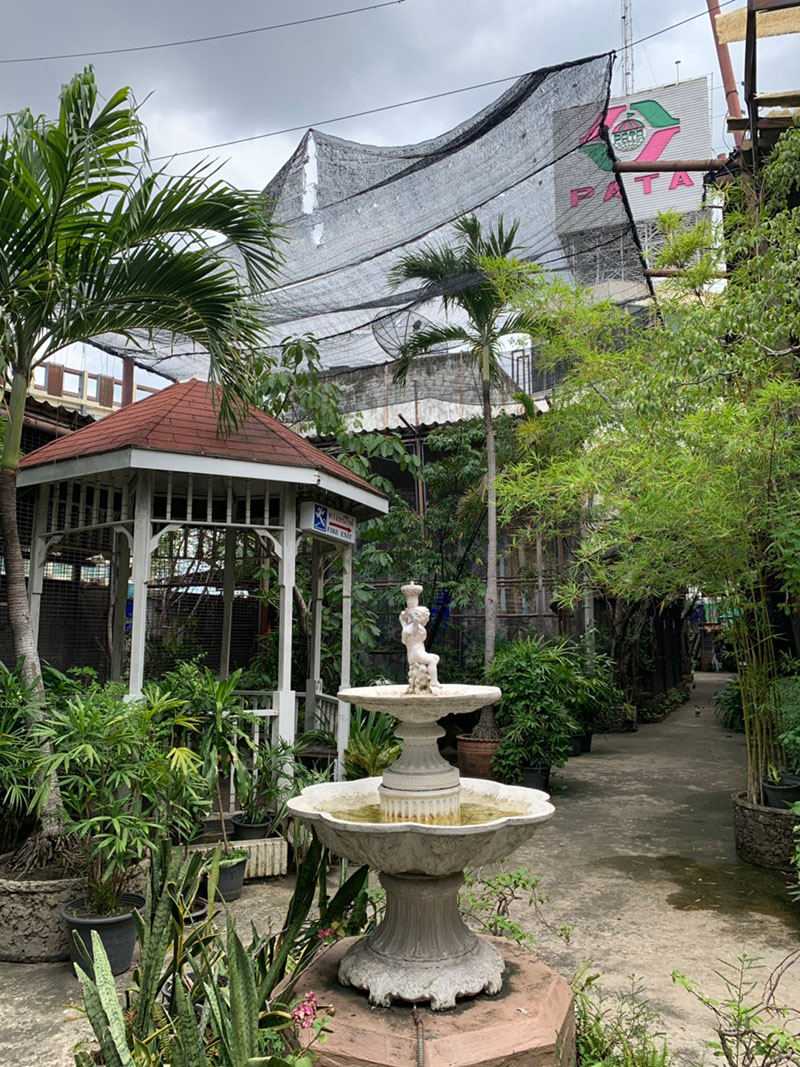
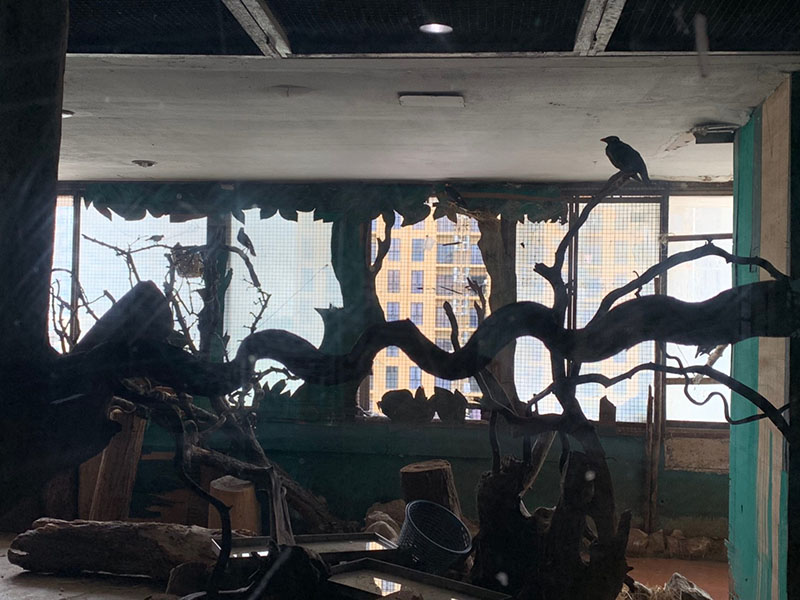
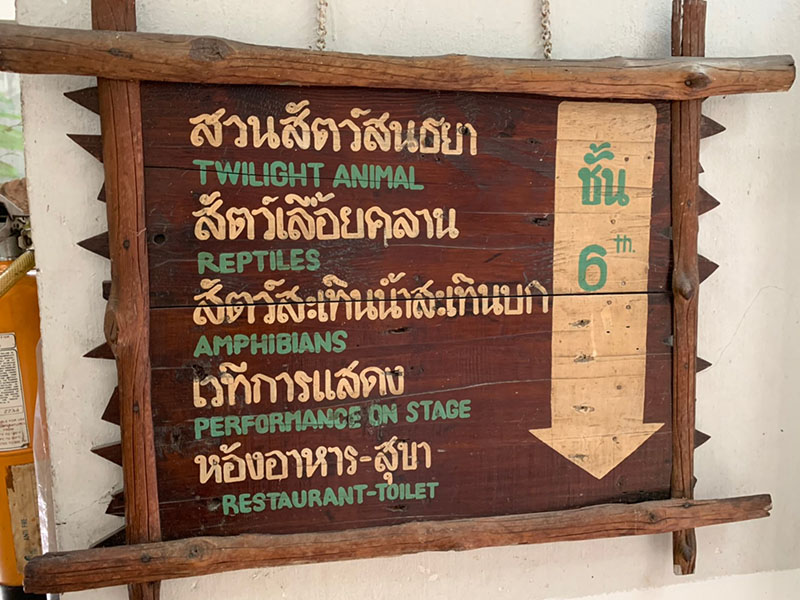
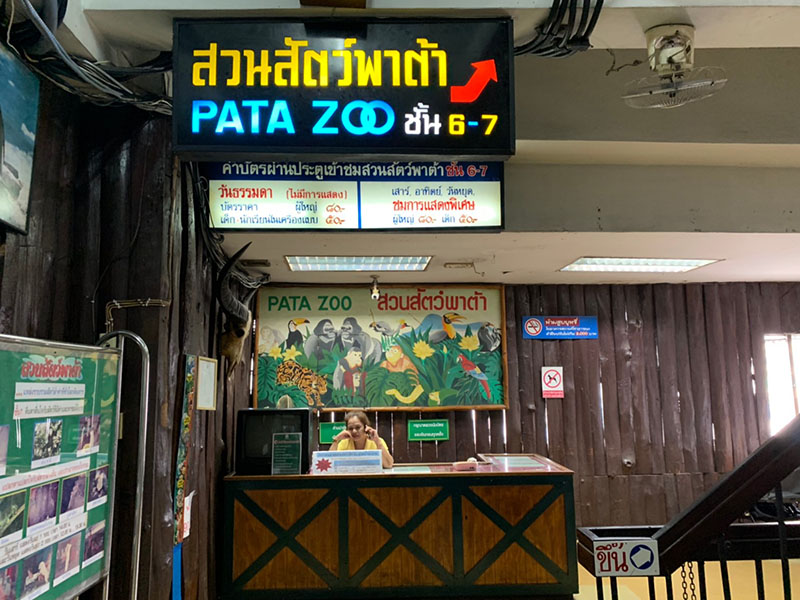
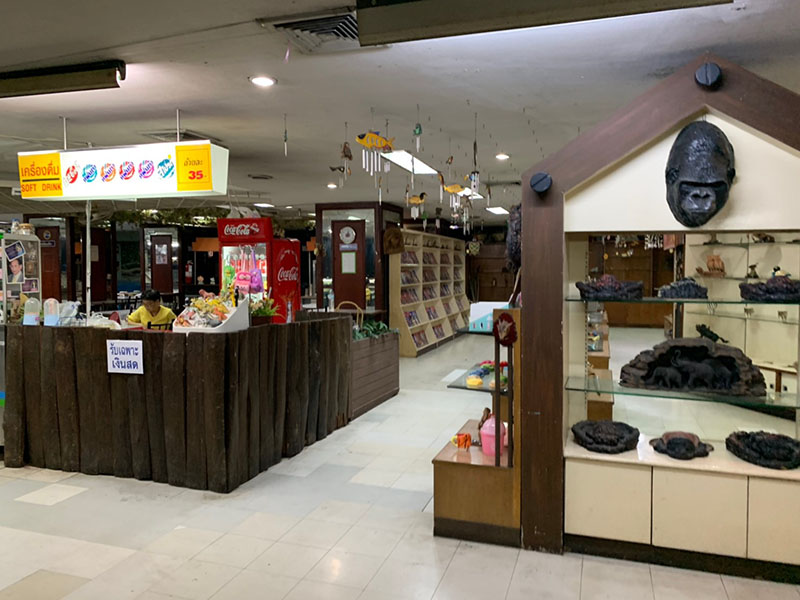
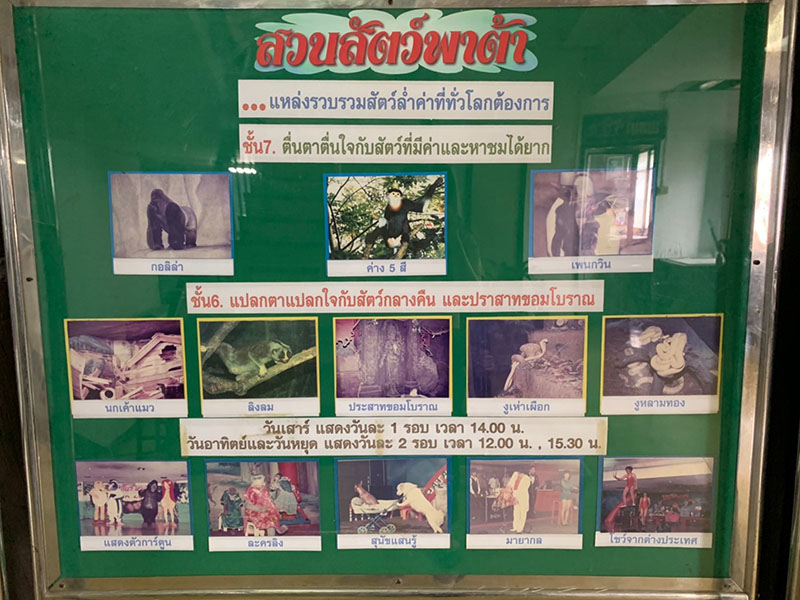
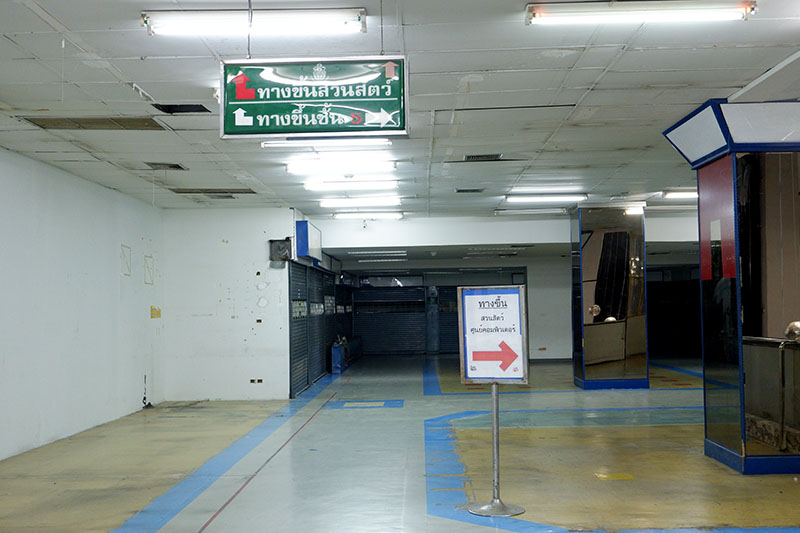
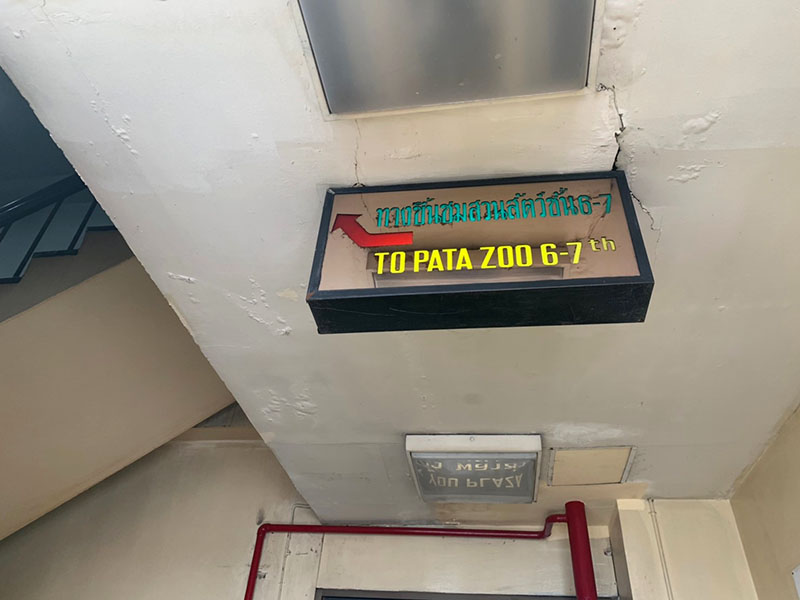
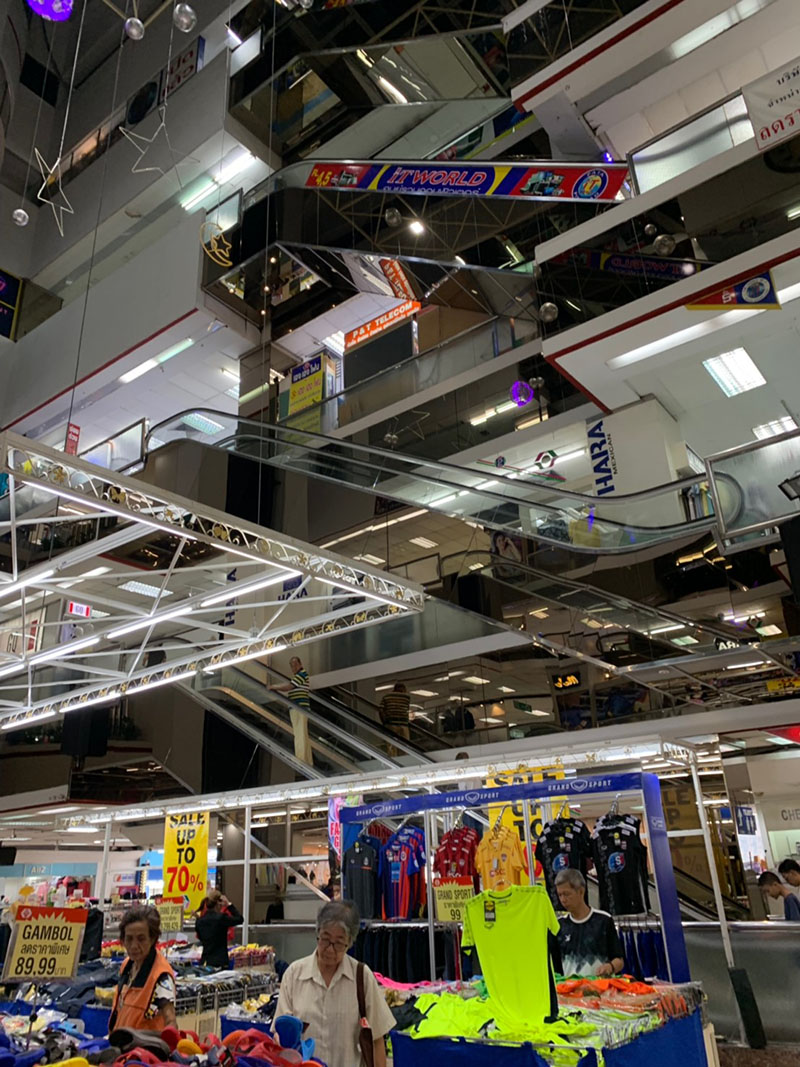
The zoo is located on top of a 37-year-old outdated mall full of “sale” signs, cheap tech stores, and empty, dirty tenant spaces. After buying a ticket on the fifth floor, visitors can head to see animal exhibits on the sixth floor. Reptiles and amphibians are on the seventh floor, while the rooftop area is for mammals and birds.

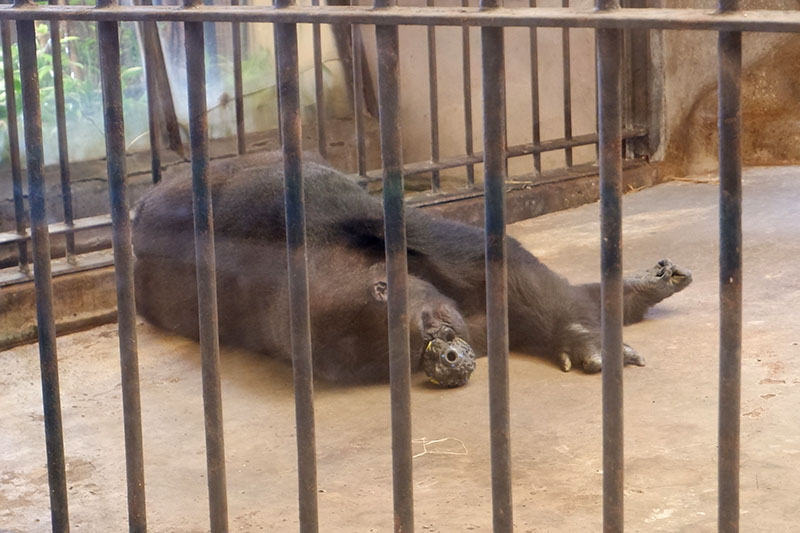
Bua Noi, now around 28 years old, was found during the visit languidly lying on the concrete floor and listlessly poking at a chewed-up ball.

Bua Noi lays on the ground of her cage.

Bua Noi became the star attraction of the 36-year-old zoo when she was bought as a 1-year-old from Germany in 1992. In 2015, the zoo refuted claims that Bua Noi “looks sad,” saying that her tears are just natural lubrication from her eyes. The zoo alleges that it spends 100,000 baht a month on her care, and once successfully refuted activist claims that the zoo was operating illegally.

A zookeeper by Bua Noi’s exhibit said she wouldn’t be able to survive in the wild even if released, having lived in the zoo all her life.

“They won’t let her go at this point. She’s worth at least 10 million baht now,” he said.

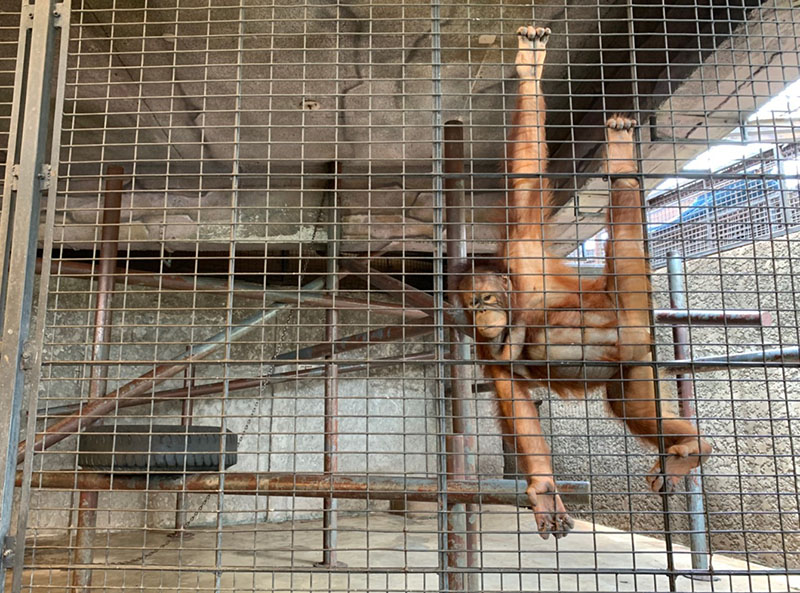
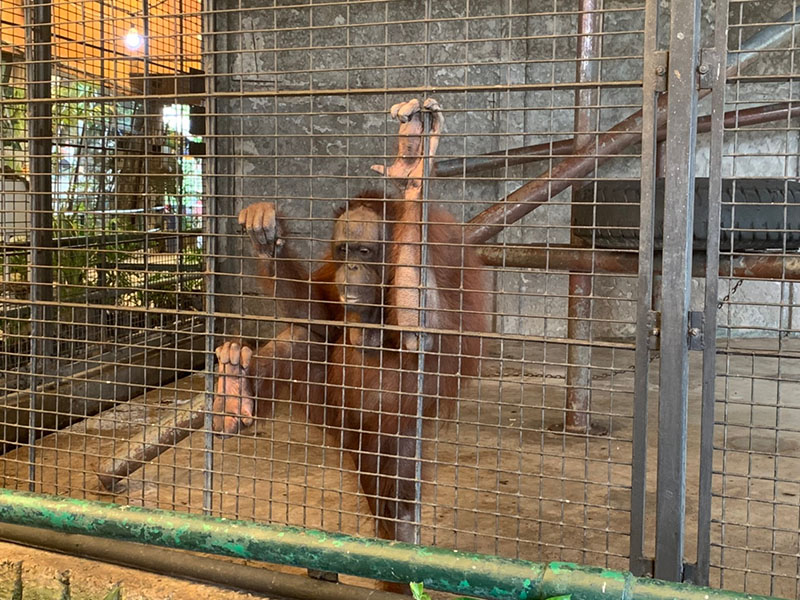
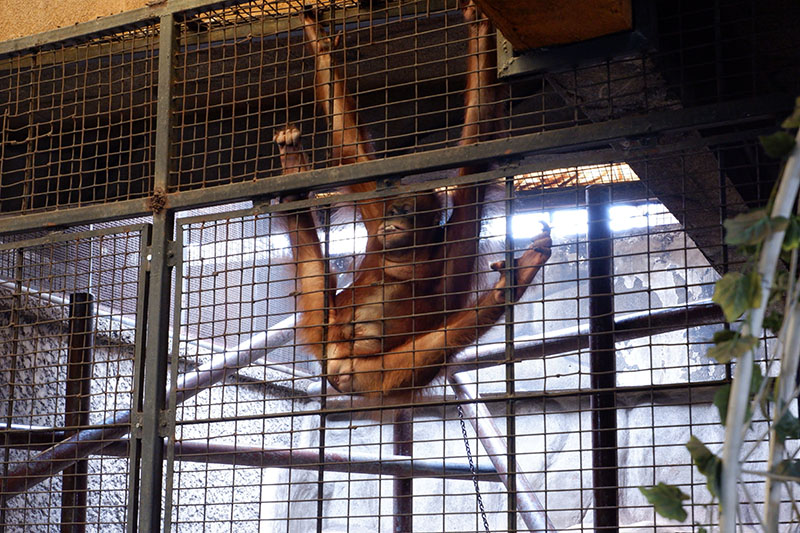
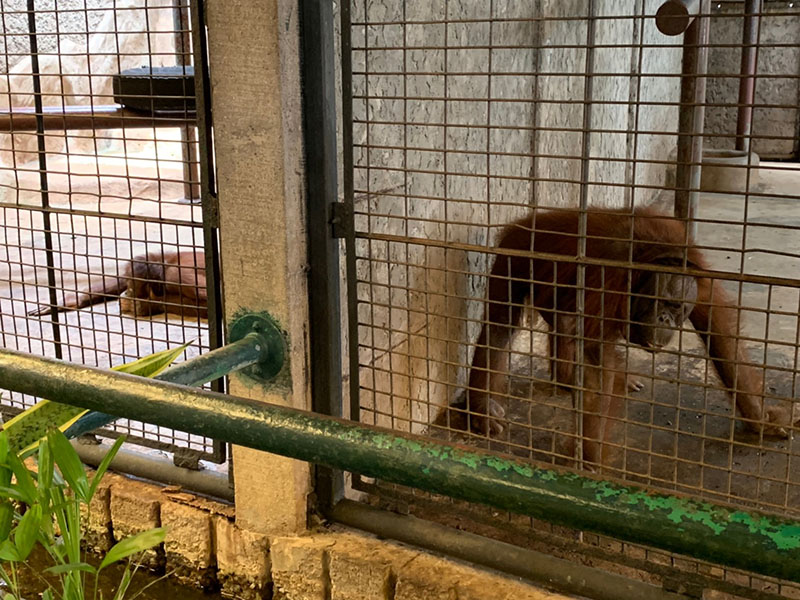
More frantic action came from the cage across from Bua Noi, containing the orangutan Pangpond, 6, and his mom, Porn, around 30 years old. Both were born in Pata Zoo. Their cage consists of wooden climbing beams, some tires, and a long chain, which the pair constantly yank. A monkey minder warned visitors not to get too close to the cage, since Pangpond often spits.

Pangpond.
Pangpond.

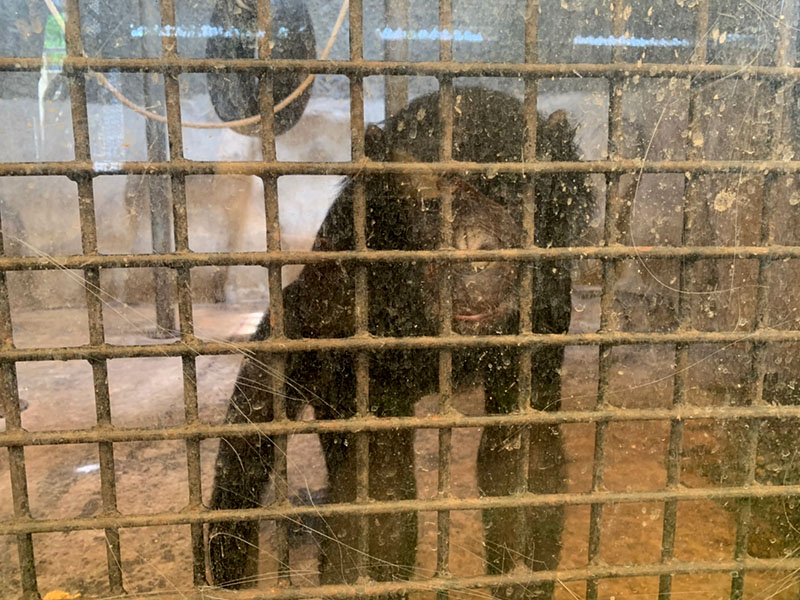
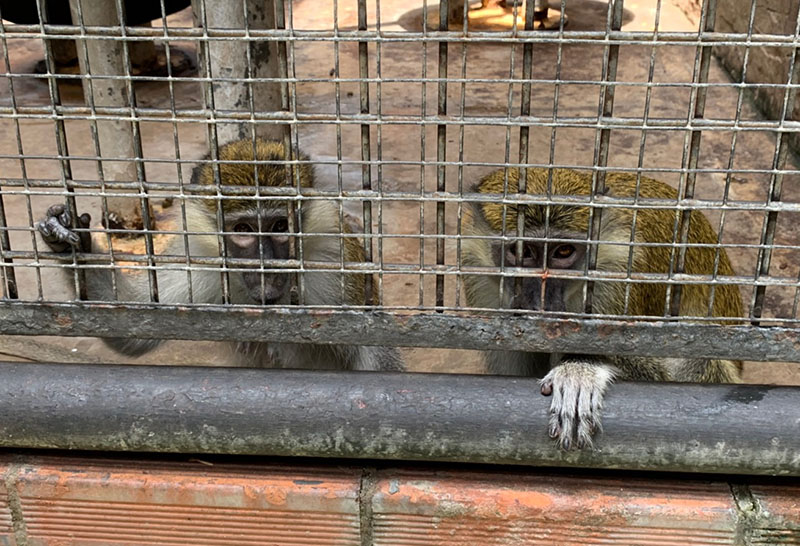
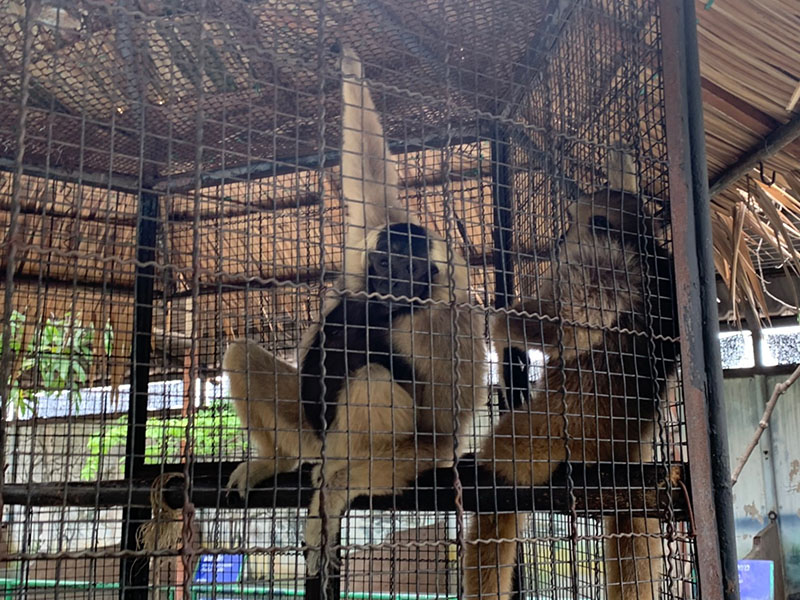
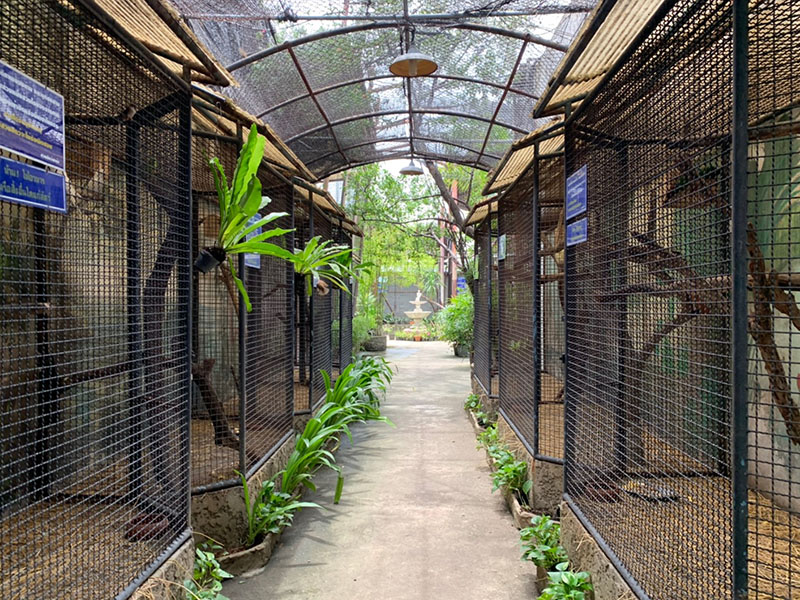
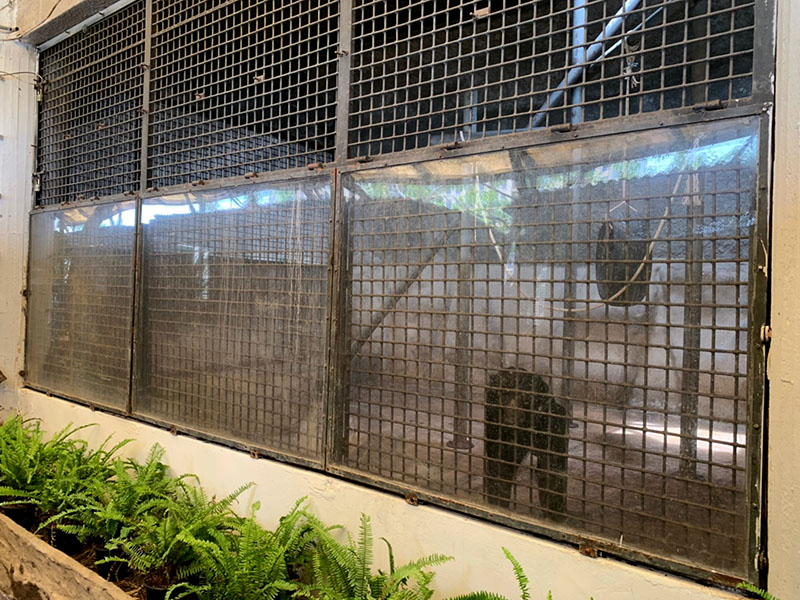
Behind Bua Noi’s exhibit is an unmarked cage with smeared windows, where a lone chimpanzee paces and stares listlessly. The more open-air cages contain smaller monkeys and apes, such as macaques and gibbons, for which zoo visitors can purchase bananas to feed. Most are isolated in bare cages.

The chimpanzee in the exhibit behind Bua Noi's.
The chimpanzee in the exhibit behind Bua Noi’s.

2572562 BE 190725 0057

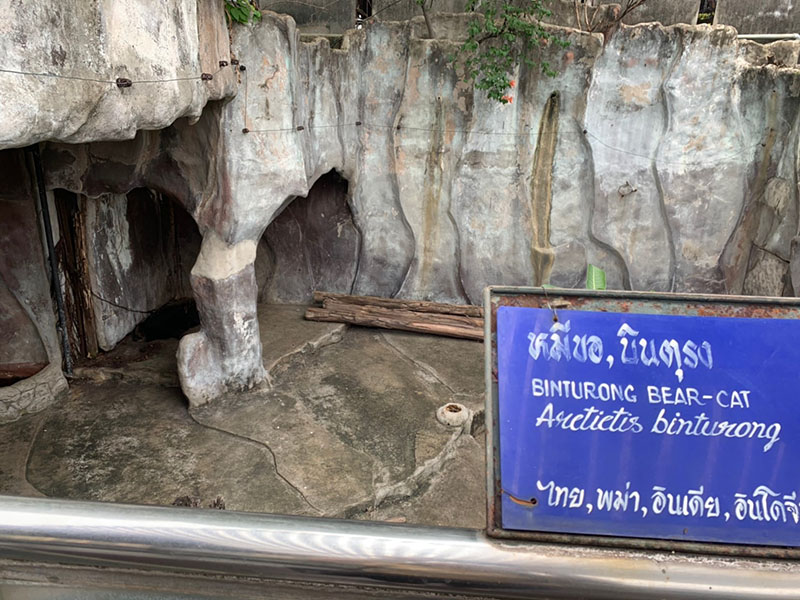
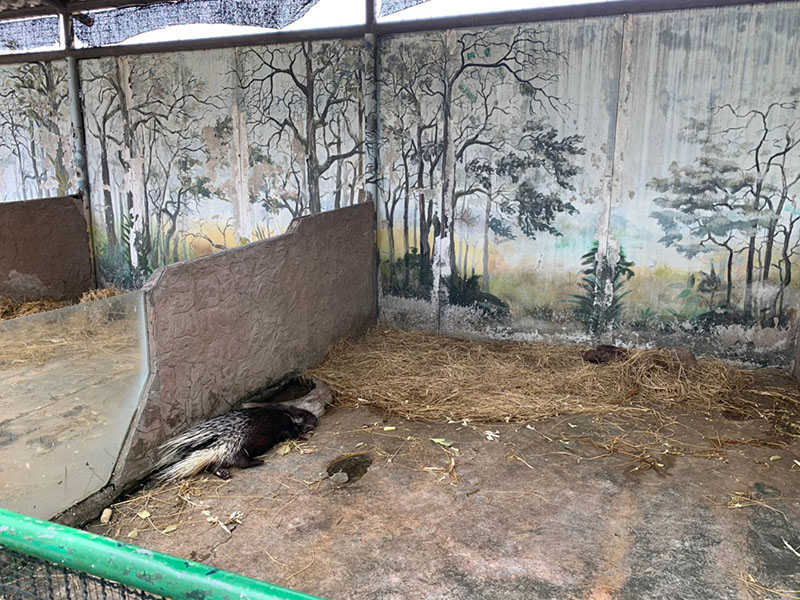
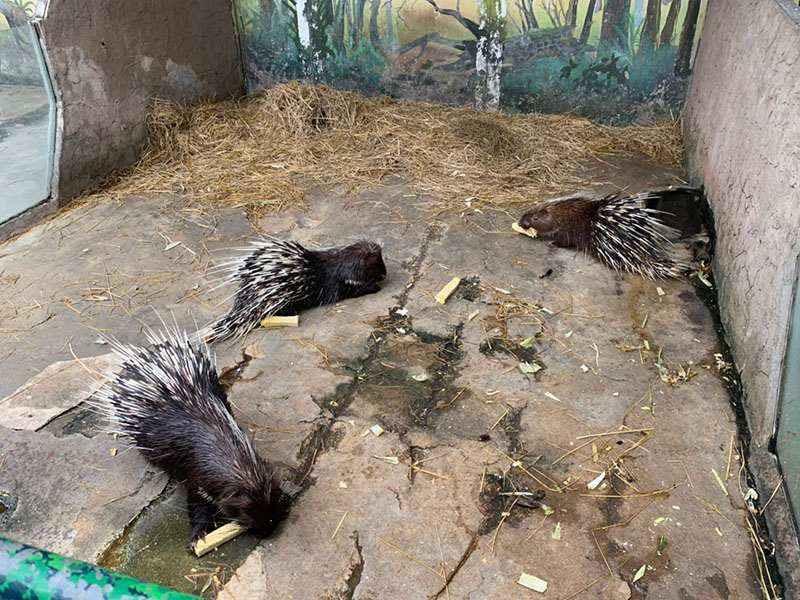
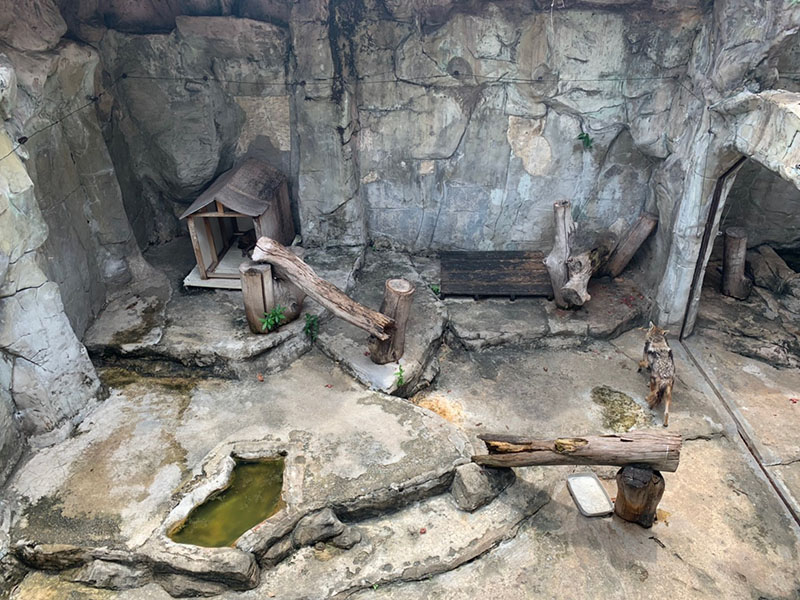
Porcupines are motionless in their dirty hay enclosures, only coming to life to munch on corn husks thrown to them. Isolated bearcats lie still in a corner, while two desert foxes in another pace over the concrete and fake stumps. 2572562 BE 190725 0048

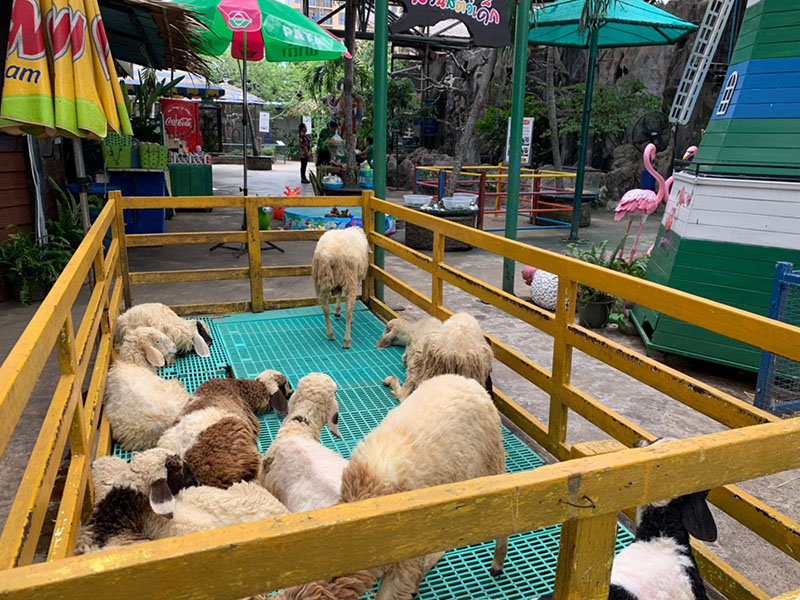
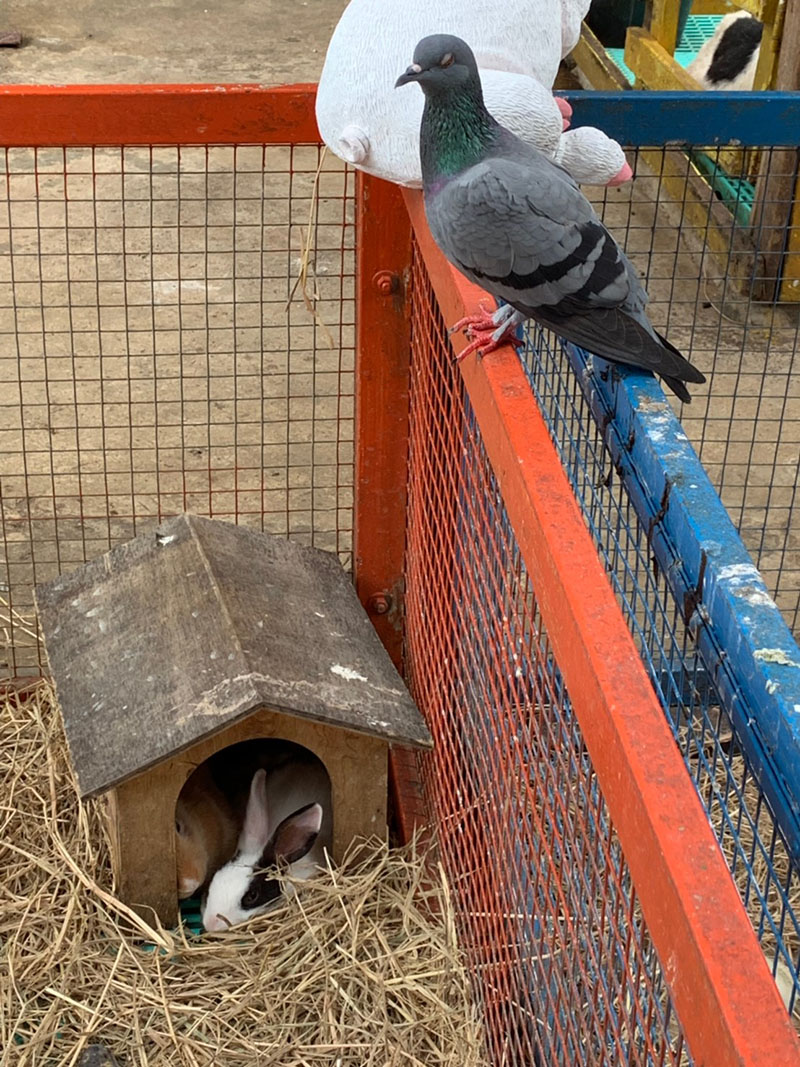
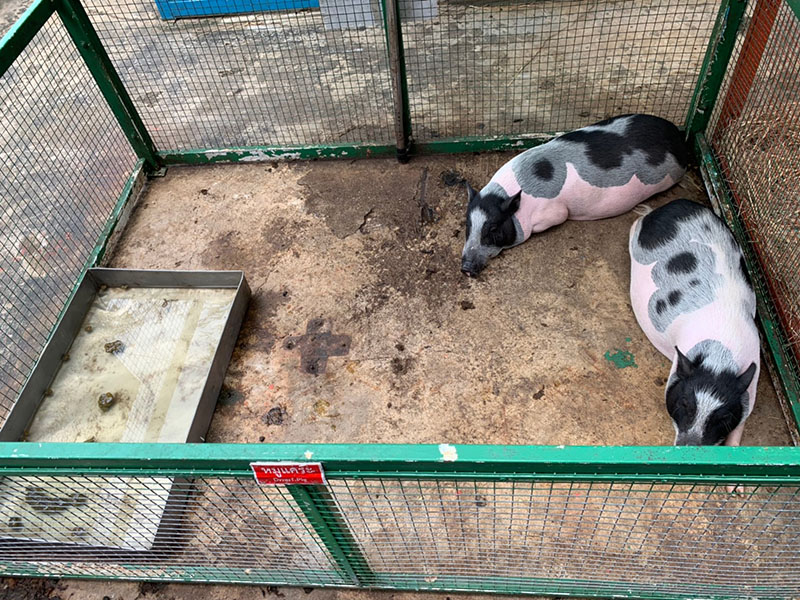
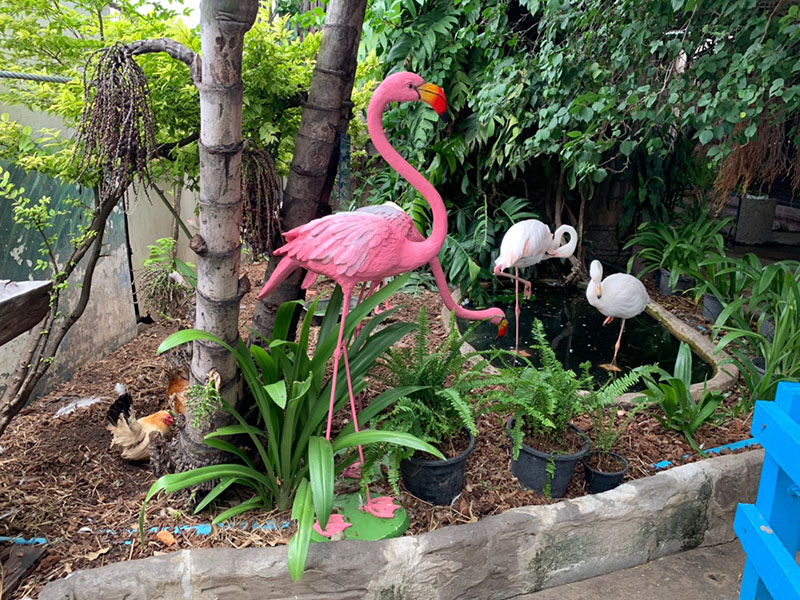
City pests roam amid the exhibited animals in the farm section, where a dozen goats are crammed into one enclosure. A rat could be seen drinking from the pond that is the home of a gray crowned crane. Adjacent are pens of ducklings, a pair of rabbits, and a couple of dwarf pigs, cowering in a corner to get away from the pigeons that have come to peck at their feed.

2572562 BE 190725 0112

Recently, foreign tabloids such as The Sun have published articles about Bua Noi, using Trip Advisor reviews as sources. Zoo director Kanit Sermsirimongkol, in a recent interview with MThai, said that fake news is on a “mission to destroy Pata Zoo by exploiting Thai peoples’ sense of pity.”

“Animals in zoos are generally well treated, and can mate,” Kanit said. “People can get dramatic over even the best zoo in the world.”

Pata refuted a rumor on June 27 that the mall is set to close down.

Laying Still in Darkness

If one skips the sixth floor in order to quickly see Bua Noi, one avoids the most spine-chilling parts of the mall-zoo.

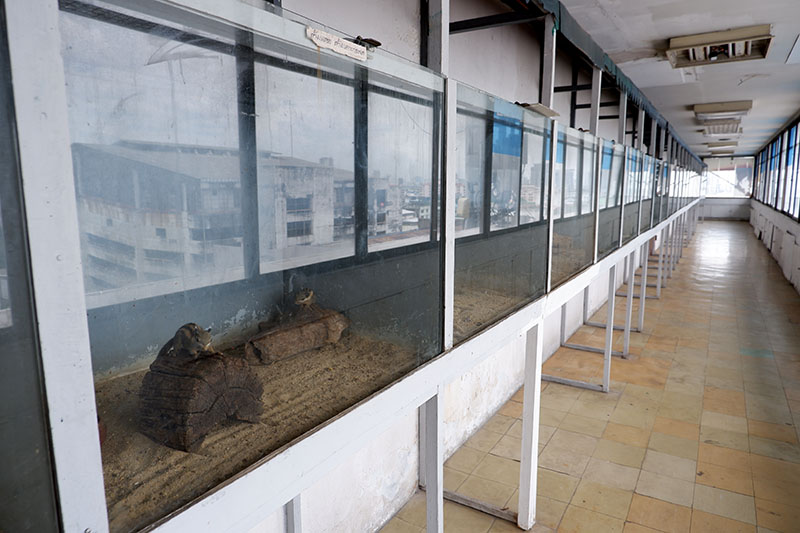
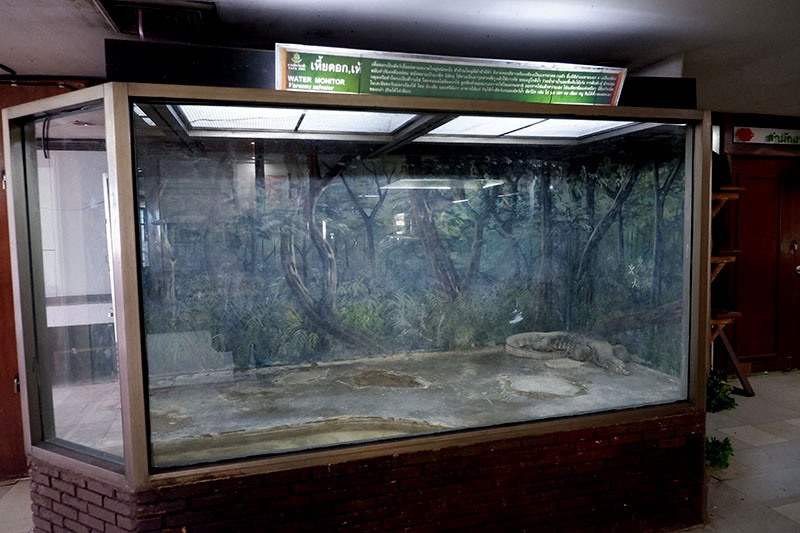
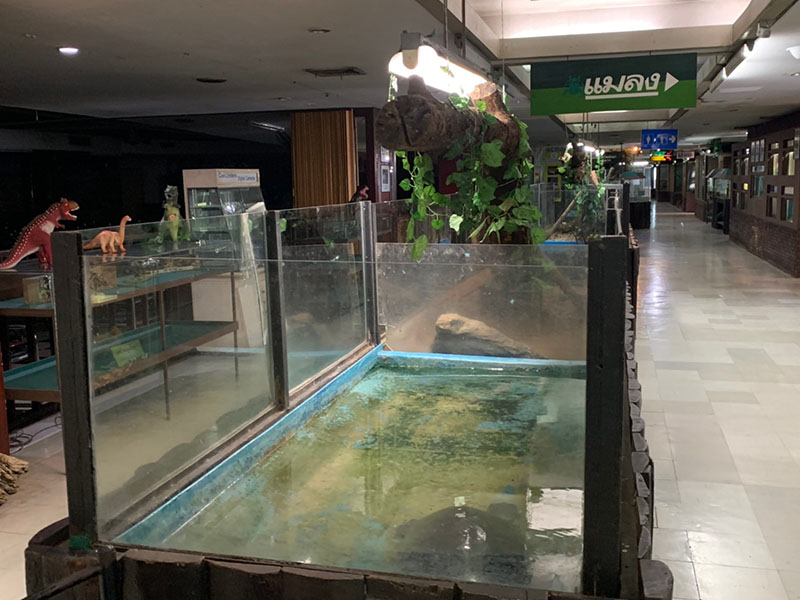
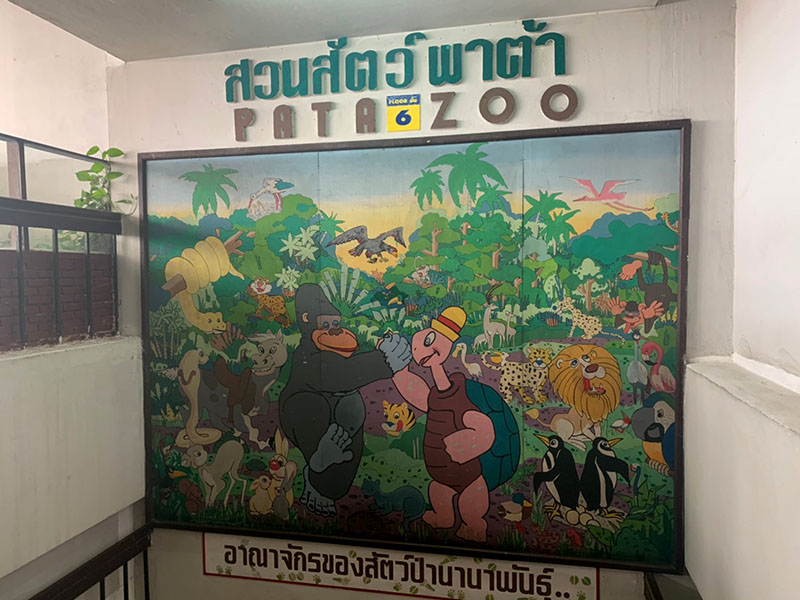
The entire sixth floor is dimly-lit, possibly to accommodate the cool-blooded amphibians and reptiles, or to save on electricity. Only one in a nine-lightbulb cluster of ceiling lights is lit.

DSCF7680

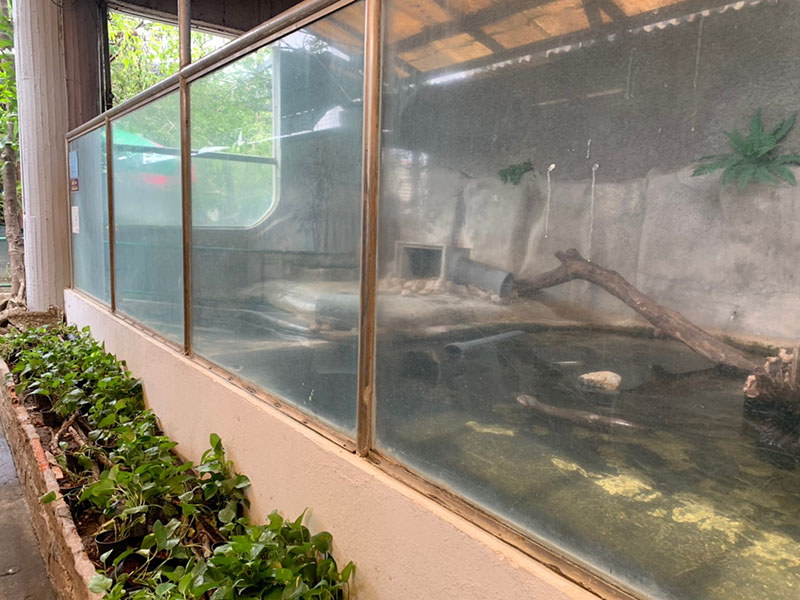
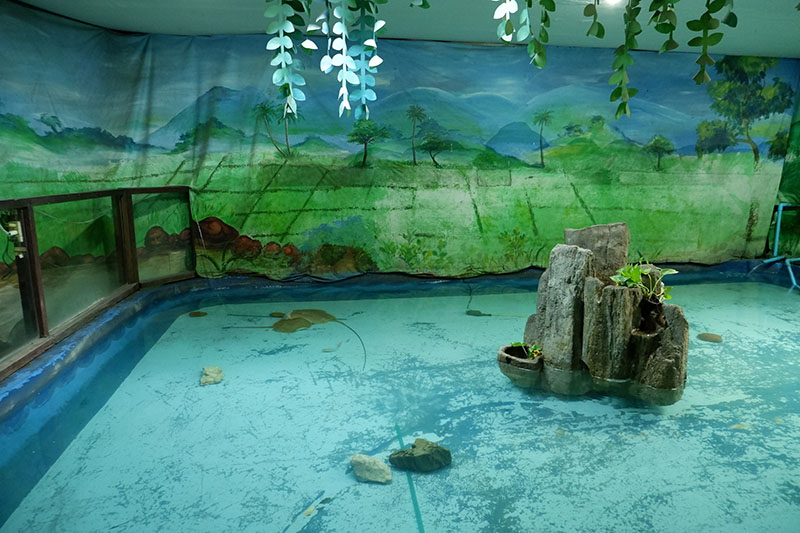
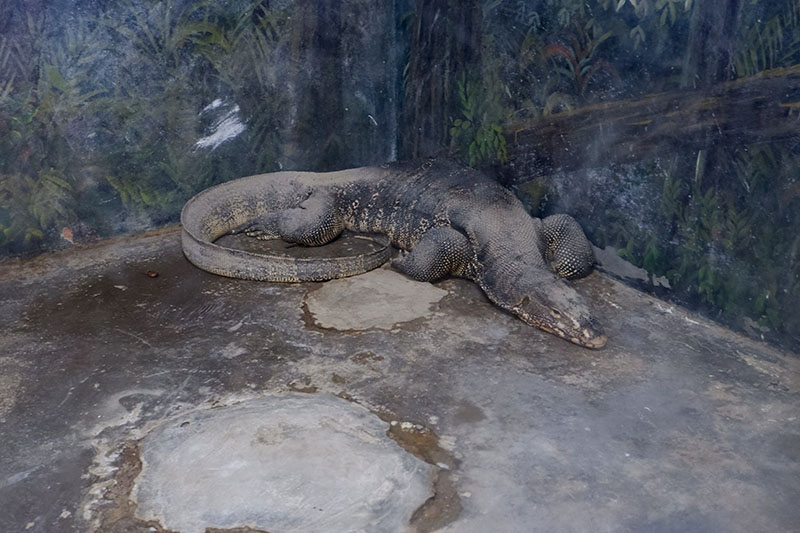
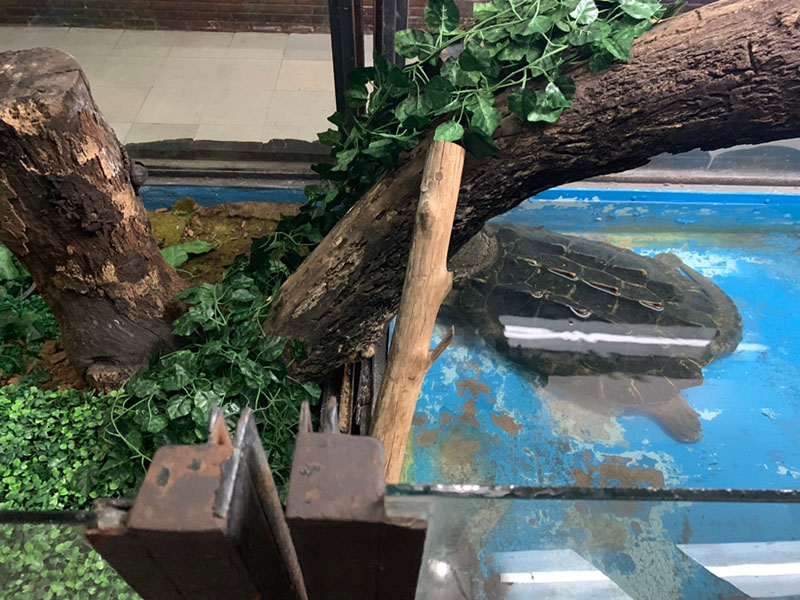
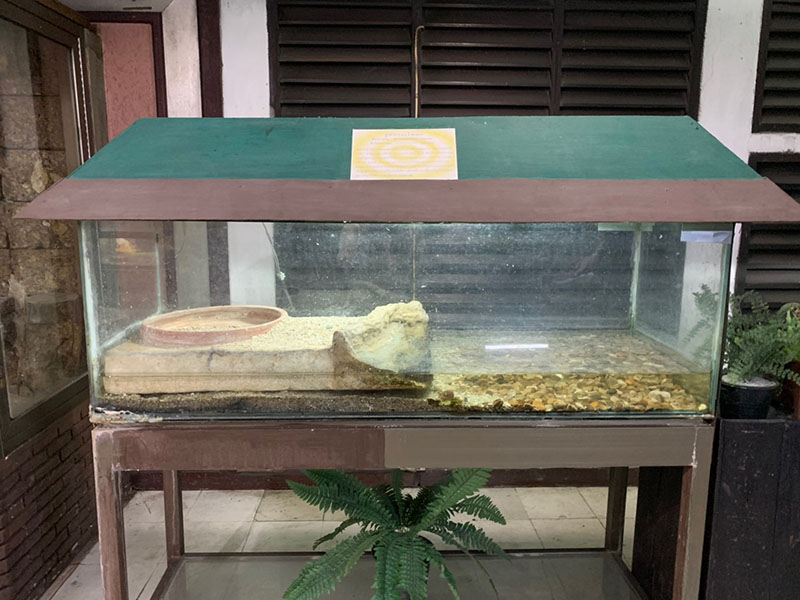
Three stingrays flap listlessly in a shallow pond flecked by chipped paint. Cobras, pythons, and other snakes lie still in the darkness. Half the exhibits are empty. A keeper says staff rotate the exhibits every day, putting some snakes out in a cage in the sun on the rooftop, so that they can disinfect and clean all of the exhibits.

“If you are curious, please ask questions. If one is curious, but uninformed, it turns into a misunderstanding,” a zookeeper said.

2572562 BE 190725 0143

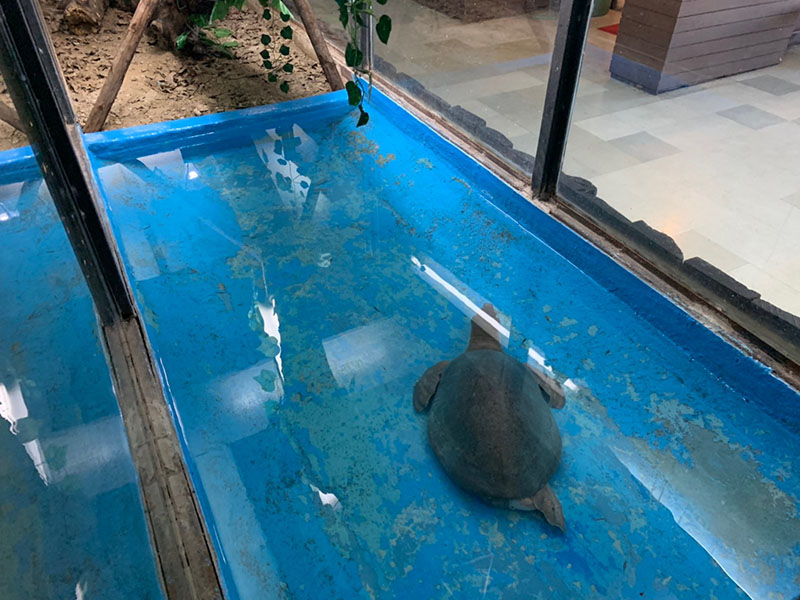
Large turtles, such as snapping alligator turtles, live in shallow ponds only a couple meters wide. Rodents are crammed into aquarium tanks: baby mice wiggling in a pile, albino rats (or another species – the exhibition info was missing) scratch at their nesting. Most disturbing was a jerboa endlessly ramming itself into one corner of the tank, its stick-thin legs scrubbing the floor.

2572562 BE 190725 0167 2572562 BE 190725 0173 2572562 BE 190725 0174

“The night animals zone is full of cockroaches eating the food of the exhibit animals. They are carriers of disease,” wrote @hasaddd after visiting the zoo. “The red-eared slider turtle is also sick with puffy eyes.”

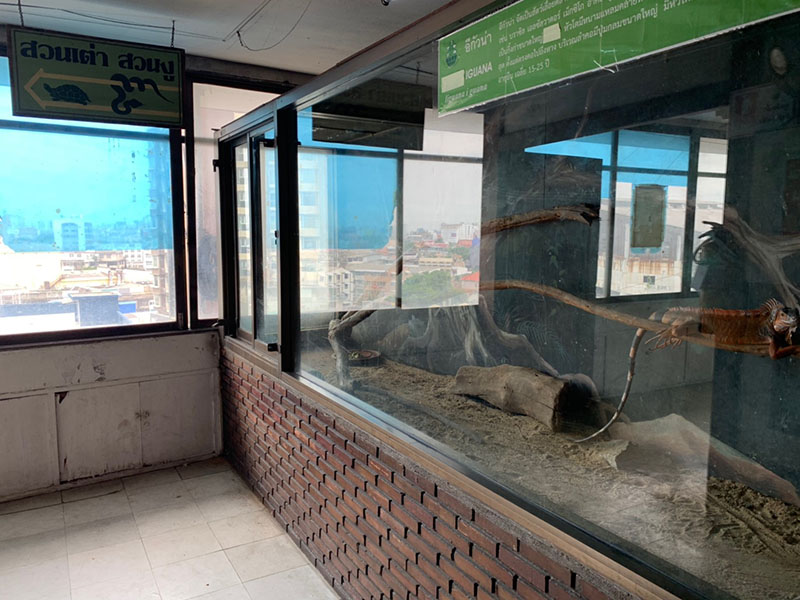
Some animals, such as iguanas and other lizards, were put in mostly-empty cages in a hall with no escape from the sun.

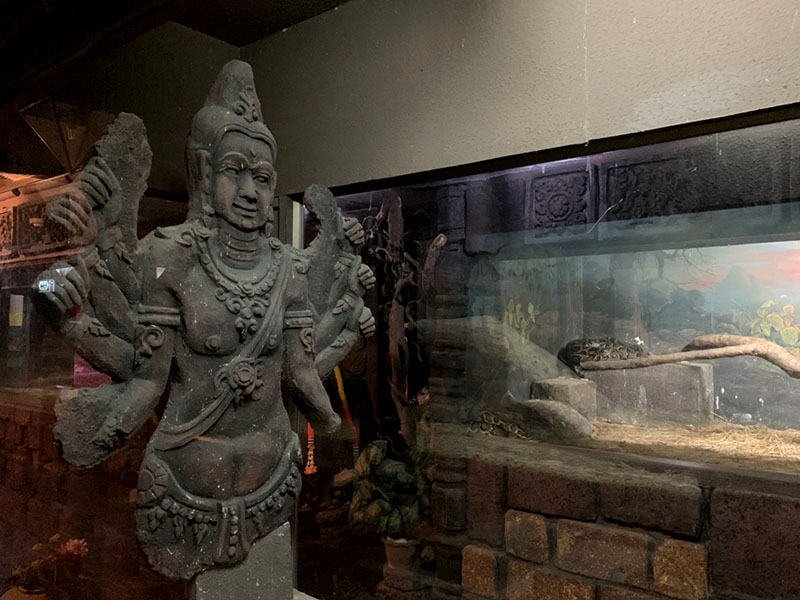
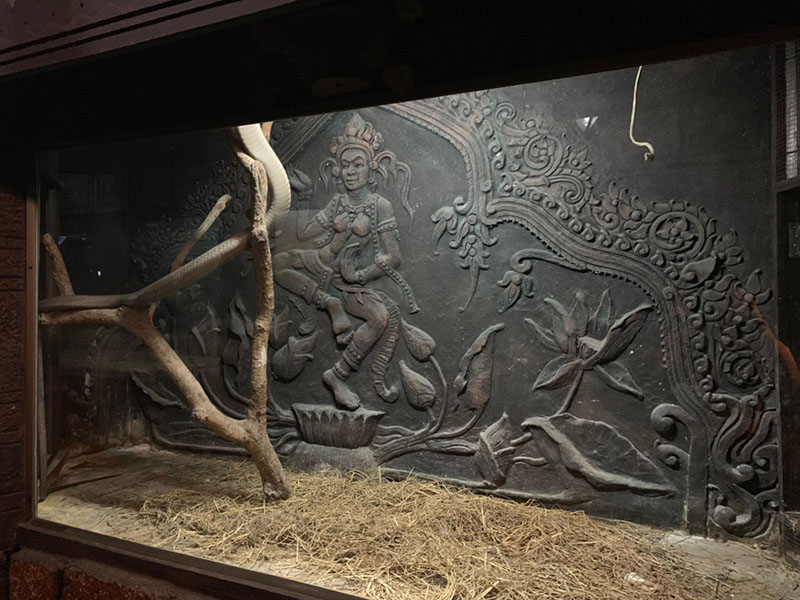
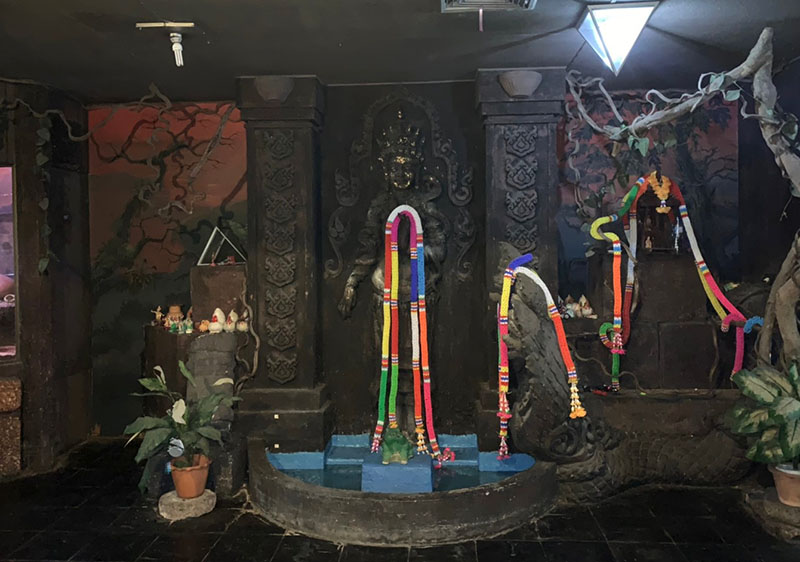
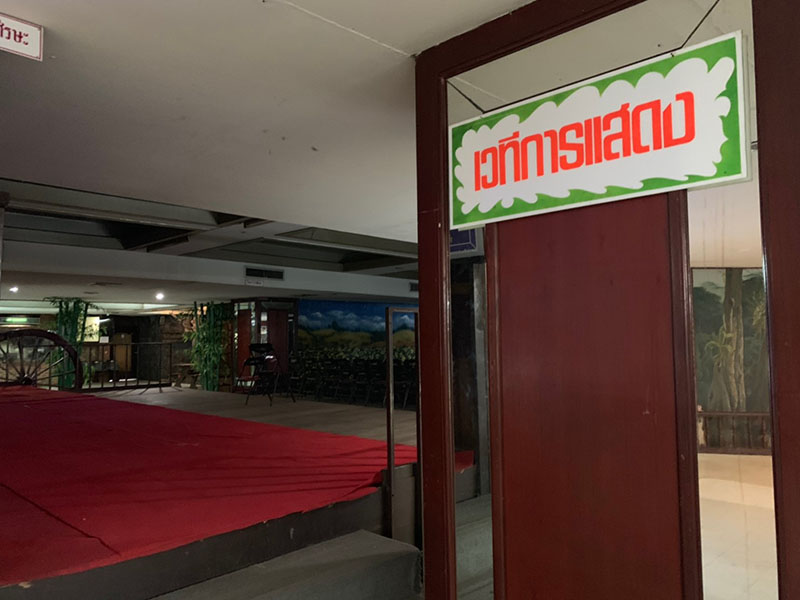
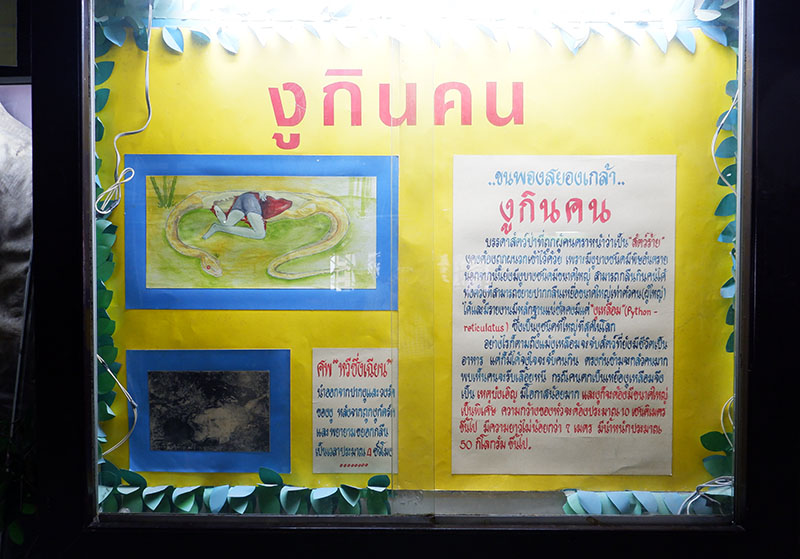
The entire look and feel of the zoo is severely outdated. Exhibit plaques, especially on the sixth floor, are no more than faded paper taped to plastic feature boards. The stage area was completely dark and abandoned, with empty food stalls. The snake section was decorated in an “ancient civilization theme,” with Khmer-style statues and broken pottery in some cages, and a shrine to a Hindu snake deity in one area.

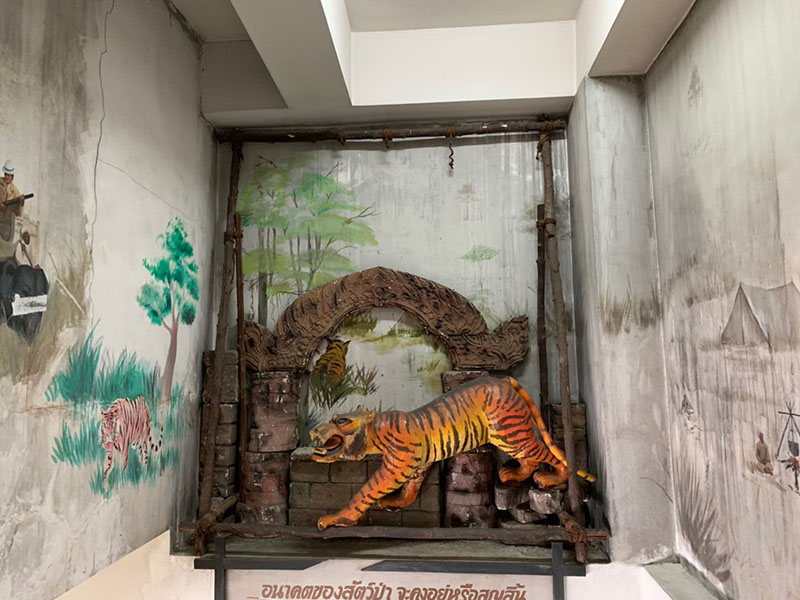
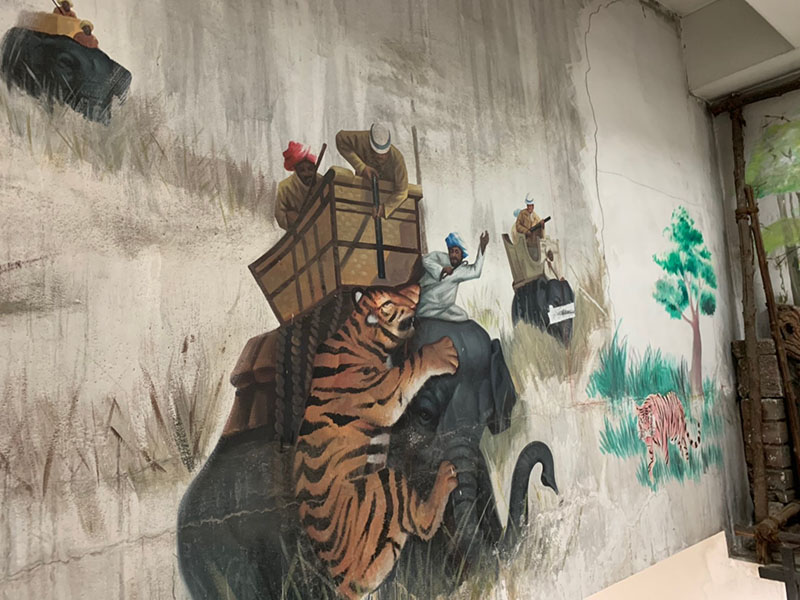
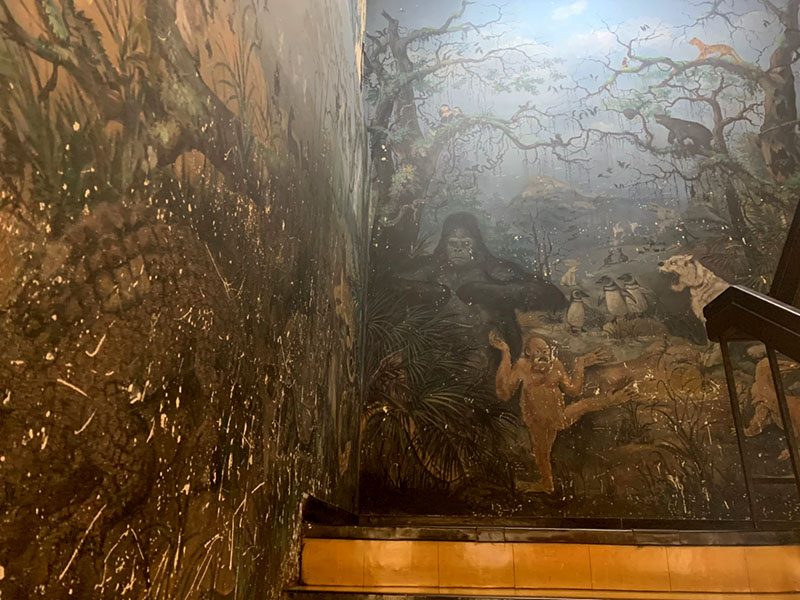
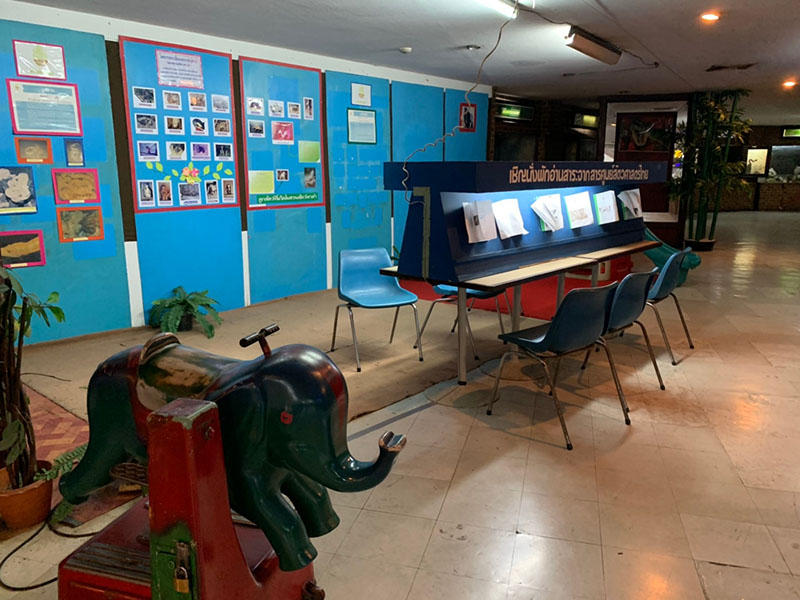
A “learning center” was a desk with worn paper booklets taped to it, next to a tiny slide and a coin operated, weathered green elephant ride, all under flickering fluorescent lights. On the stairway between the sixth and seventh floors is a tiger statue surrounded by a mural of it being hunted by what looks like the British Raj and Indians on elephants.

The text under the statue reads, “The future of wild animals, whether they continue to exist or become extinct, is up to whether humans conserve or destroy them.”

Pata Zoo is located at Pata Department Store and is open 10am to 6pm every day, with magic and animal shows on the weekends. Tickets operate with dual pricing, 50 and 80 baht for Thai children and adults respectively, and 120 baht and 200 baht for foreign children and adults.

DSCF7664
The fifth-floor exit on Pata Pinklao Department Store that leads to the zoo.

2572562 BE 190725 0200

Pata Pinklao Department Store.
The exterior of Pata Pinklao Department Store.
Advertisement

Prayuth Ragequits Parliament, Cuts Senpai Ties With Sereepisut

An artist's rendition of the confrontation.

BANGKOK — In a spectacular display of fury, Prime Minister Prayuth Chan-ocha vowed to no longer count an opposition leader as his senior classmate before storming out of Parliament Thursday night.

Prayuth’s outburst came amid a particularly heated war of words with Seri Ruam Thai Party chairman Sereepisut Temiyavet, who accused the government of “cheating” its way into power in the March election during a speech to the assembly.

“If I were him, I wouldn’t be this shameless and still hold on to power,” Sereepisut taunted Prayuth.

His remark, which drew protests from pro-government MPs, prompted Prayuth to take to the floor and fire back at Sereepisut – his former senior classmate (roonpee) at the military academy.

“We have known each other for a long time. You were my roonpee. We got married on the same day,” the general said, without asking permission from the House Speaker as per usual practice. “But from today, I will not count you as my roonpee anymore, because you don’t treat me with honor at all.”

S 41115968
PM Prayuth Chan-ocha responds to Sereepisut’s criticism.

Prayuth also expressed offense at a TV interview earlier this year in which Sereepisut said he would have personally pulled out his gun and shot Prayuth if he had been present when the general launched the coup of May 2014.

“You once said you would have shot me in the head. If you did, you would be in jail already,” he continued, with anger in his voice. “You have said all these rude terms. I won the Rama Medal like you did, but I never boasted about my power. You should rethink what you’re doing.”

Prayuth then slammed his documents on the desk before striding off, trailed by other government leaders like Deputy PM Prawit Wongsuwan. Opposition MPs immediately gave an ironic cheer and applauded as Prayuth walked out, causing House Speaker Pornpetch Wichitcholchai to hammer his gavel to call for order and convene a 15-minute break.

Sereepisut entered the armed forces academy in 1965 and Prayuth followed in 1967. The former joined the police academy after graduating while Prayuth went on to the army cadet school.

After the lawmakers reassembled, Bhumjaithai MP Chada Thaiseth demanded Sereepisut withdraw his accusation against the Prime Minister. House Speaker Pornpetch agreed with the request and ordered Sereepisut to withdraw his remark, to which he refused.

“It’s what the public is saying. I didn’t come up with it. I only relayed it here,” the Seri Ruam Thai leader said with a straight face.

S 41116012
Sereepisut after the House Speaker calls for a break.

Pornpetch then expelled Sereepisut from Parliament citing insubordination, to the boos and cheers of pro- and anti-government lawmakers. Speaking to reporters after he left Parliament, Sereepisut insisted he said nothing wrong. He added that he regrets that Prayuth no longer counts him as his senior.

“I feel very sad,” said Sereepisut, who once served as a police commissioner. “I will go home and cry tonight.”

The two-day parliament session, in which the government is announcing its long list of core policies, continues today.

A spar broke out again this morning when Phalang Pracharath firebrand MP Parina Kraikup caught Sereepisut arriving at Parliament, and lambasted his unruly behavior the previous night.

“Can Police Gen. Sereepisut show his face in Parliament today?” Parina asked the House Speaker, using a term whose meaning is close to “stick his nose.” Her protest sparked a round of jeering from the opposition.

House Speaker Pornpetch ruled that Sereepisut is indeed allowed to join today’s session because the incident last night has been resolved.

2663E6C8 EC35 4DF4 AD54 936229D1F052
Parina Krakup at the parliament on July 26, 2019.
58909B2D 171A 4E26 BA03 730E18309DEE
Sereepisut and his allies react to Parina’s protest
Advertisement

‘GOT’ Superfans Fight For The Iron Throne at Trivia Night

“Brown Walkers” team members posting for the cameras on July 25.

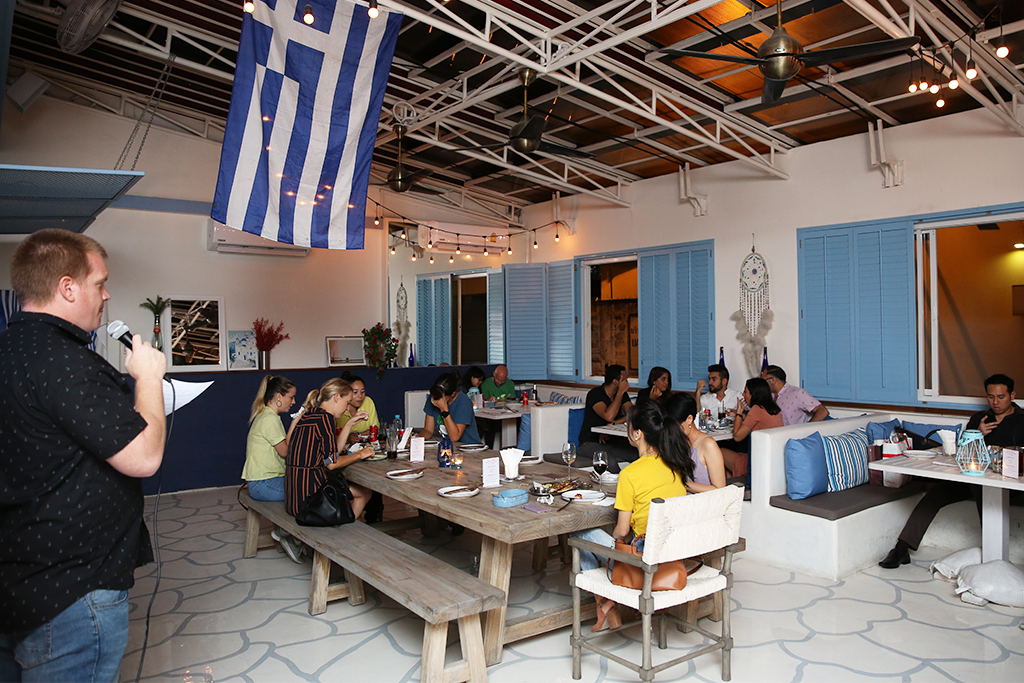
BANGKOK — Six teams competed for the Iron Throne (of Game of Thrones Trivia, that is) on Thursday night.

Though the competition saw no brutal and devastating killings, trivia-heads endured 25 questions about the popular HBO series “Game of Thrones” in a game-night hosted by the Bangkok Hilarious Comedy Club at Aesop’s Greek restaurant.

Most of the questions covered the TV series, though some touched upon the original novel series, “A Song of Ice and Fire.” Questions ranged from basic such as the name of Arya’s sword (Needle) to more niche, such as the name of the Iron Bank’s representative (Tycho Nesters).

But only true superfans were able to answer questions that ventured outside the fictional saga and into behind-the-scenes trivia. One question asked about the body part that gave Kit Harington, the actor who played Jon Snow, severe pain during filming (his right testicle), while another asked for the book in the series with the most pages (“A Dance with Dragons”).

The winning team, who called themselves “Brown Walkers,” took home tickets for Bangkok Hilarious Comedy Club shows, a 2,000 baht Chope voucher, and some GOT souvenirs.

Zeeshan, one of the team members boasted of being “big fan.” Answering 23 of the 25 questions correctly, he said the team didn’t even prepare for the trivia night.

“I happen to have watched the series twice and I haven’t read any of the books,” Zeeshan said. “For the book questions, we just made educated guesses. We tried to estimate how many words there are in a single page, and then how many pages there are in the books. It’s all about math.”

1 11

Related stories:

Claim the Iron Throne at Bangkok’s ‘Game of Thrones’ Trivia Night

Thailand’s Ultimate ‘Friends’ Superfans Crowned at Trivia Night

Advertisement

Europe Melts Under Sahara Heat Wave, Smashes Heat Records

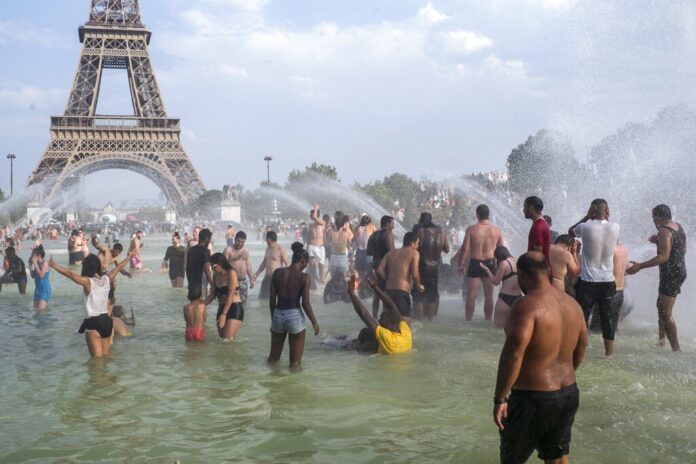
People cool down in the fountains of the Trocadero gardens in Paris, Thursday July 25, 2019, when a new all-time high temperature of 42.6 degrees Celsius (108.7 F) hit the French capital. in the background is the Eiffel Tower. Photo: Rafael Yaghobzadeh / AP
People cool down in the fountains of the Trocadero gardens in Paris, Thursday July 25, 2019, when a new all-time high temperature of 42.6 degrees Celsius (108.7 F) hit the French capital. in the background is the Eiffel Tower. (AP Photo/Rafael Yaghobzadeh)

PARIS — Even ice cream, Italian gelato or Popsicles couldn’t help this time.

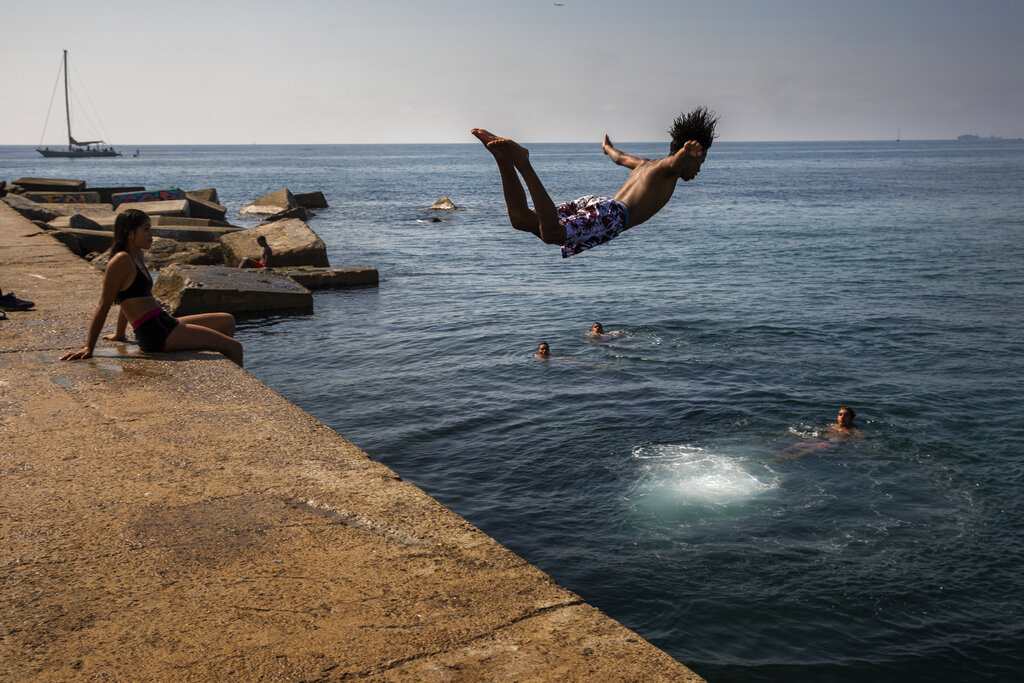
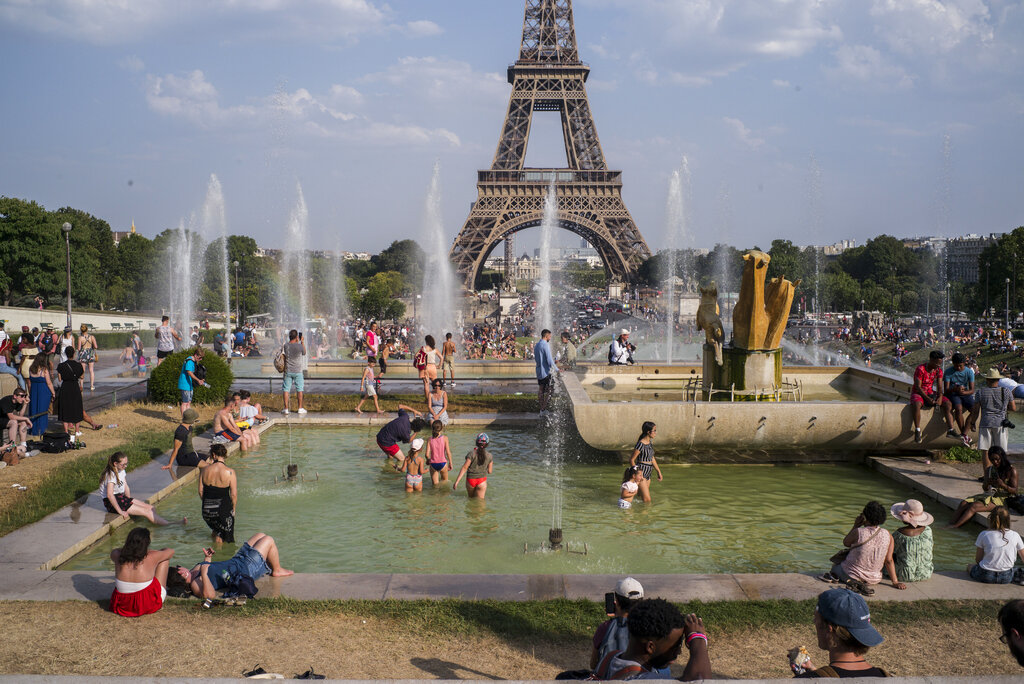
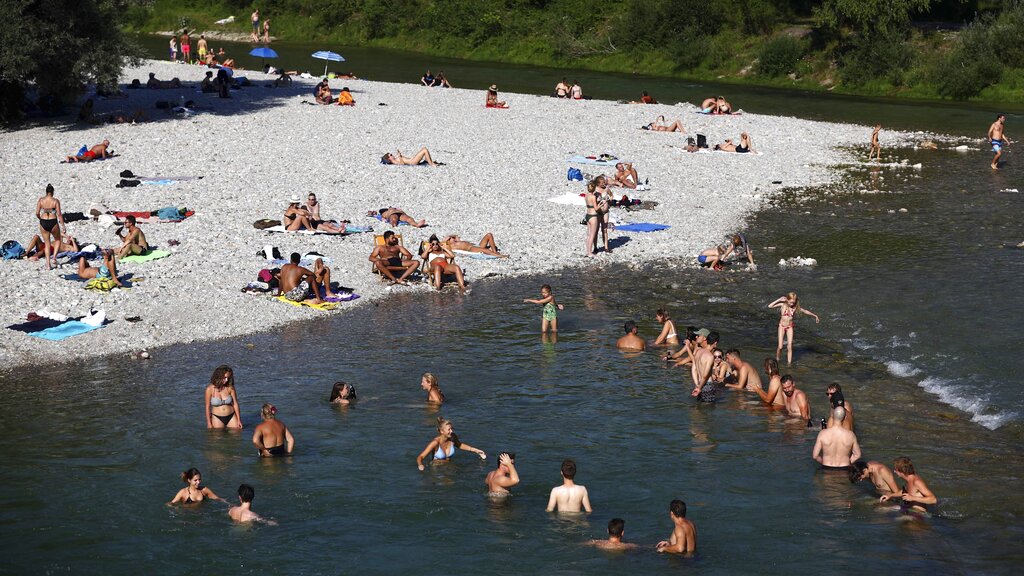
Temperature records that had stood for decades or even just hours fell minute by minute Thursday afternoon and Europeans and tourists alike jumped into fountains, lakes, rivers or the sea to escape a suffocating heat wave rising up from the Sahara.

On a day that no one on the continent will ever forget, two potential drug dealers in Belgium even called the police, begging to be rescued from the locked container they managed to get themselves trapped in.

It was nearly impossible to keep up with the falling records as temperatures climbed higher and higher under a brutal sun — in Paris and London, in Belgium, Germany, the Netherlands — all places where air conditioning is not typically installed in homes, cafes or stores. Even office air conditioning systems strained under the hot, dry air that was trapped between two stormy weather systems.

A boy jumps into the water at the beach in Barcelona, Spain, Thursday, July 25, 2019. Parts of Europe will likely see record-high temperatures on Thursday as much of the continent is trapped in a heat wave, the second in two months. Photo: Emilio Morenatti / AP

Climate scientists warned these types of heat waves could become the new normal but they loom as a giant challenge for temperate Europe. As emissions keep warming the planet, scientists say there will be more and hotter heat waves, although it’s too early to know whether this specific hot spell is linked to man-made climate change.

“There is likely the DNA of climate change in the record-breaking heat that Europe and other parts of the world are experiencing. And it is unfortunately going to continue to worsen,” said Marshall Shepherd, professor of meteorology at University of Georgia.

Electric fans sold out across Paris — and traditional folding fans made a comeback on the city’s stuffy Metro. Trains were canceled in Britain and France, with authorities in both nations urging travelers to stay home. Messages to “Hydrate yourselves!” blared from the radio and TV, and water bottles were handed out with abandon.

People enjoy the sun and the fountains of the Trocadero gardens in Paris, Thursday July 25, 2019, when a new all-time high temperature of 42.6 degrees Celsius (108.7 F) hit the French capital. Photo: Rafael Yaghobzadeh / AP

Still, the atmosphere was buoyant, as people sought to stay cool yet embrace the moment.

Katy James, visiting Paris from Chicago, was one of the lucky ones with an air-conditioned room but she was still out in the streets, enjoying the atmosphere.

“We’ve had such a good time. The Parisians have been so accommodating. We’ve been getting water where ever we go. We got to play in the fountain. This was amazing,” James said.

France’s heat alert system went to its maximum level of red for the first time during last month’s heat wave , when France saw its highest-ever recorded temperature of 46 degrees Celsius (114.8 degrees Fahrenheit). On Thursday, about one-fifth of French territory was under a red alert, stretching from the English Channel through the Paris region and down to Burgundy, affecting at least 20 million people.

People enjoy the hot summer weather at the river Isar in Munich, Germany, Thursday, July 25, 2019. Photo: Matthias Schrader / AP

French authorities have been particularly wary since a 2003 heat wave killed nearly 15,000 people, many of them elderly, stuck alone in stiflingly hot apartments.

“The science behind heat wave attribution is very robust — the first extreme weather event to be definitively linked to global warming was the 2003 European heat wave,” said NASA climate scientist Kate Marvel. “We know that as the climate warms, heat waves become more likely and more severe.”

So as tourists frolicked in fountains, authorities and volunteers in Paris and London fanned out to help the elderly, the sick and the homeless, opening cooling centers to let people rest, recover or shower.

“They are in the street all day, under the sun. No air conditioning, no way to protect oneself from the heat,” said Ruggero Gatti, an IT worker who joined other Red Cross volunteers handing out water bottles, soup and yogurt to the homeless in the Paris suburb of Boulogne.

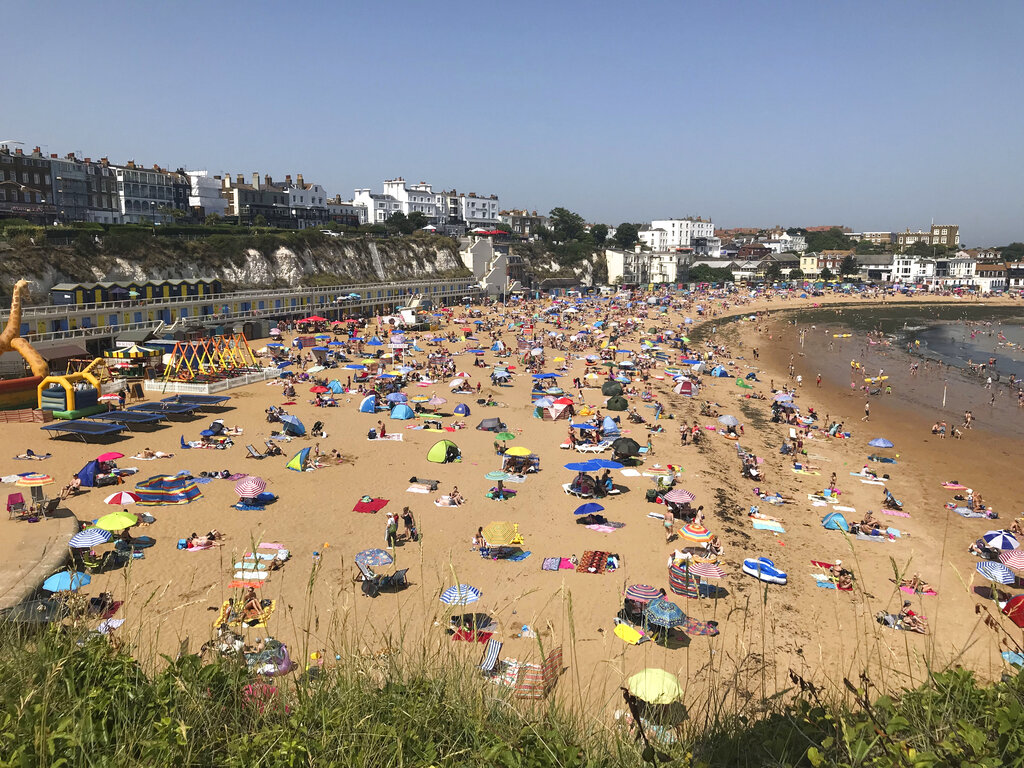
People flock to Broadstairs beach in Kent, England, Thursday July 25, 2019. Paris and London and many parts of Europe are bracing for record temperatures as the second heat wave this summer bakes the continent. The Paris area could be as hot as 42 C (108 F) Thursday as a result of hot, dry air coming from northern Africa that's trapped between cold stormy systems. Photo: Wesley Johnson / PA via AP
People flock to Broadstairs beach in Kent, England, Thursday July 25, 2019. Paris and London and many parts of Europe are bracing for record temperatures as the second heat wave this summer bakes the continent. The Paris area could be as hot as 42 C (108 F) Thursday as a result of hot, dry air coming from northern Africa that’s trapped between cold stormy systems. Photo: Wesley Johnson / PA via AP

Across the Channel, the heat damaged overhead electric wires between London’s St. Pancras train station and Luton Airport, blocking all train lines. East Midlands Trains posted a message to passengers on Twitter, saying simply “DO NOT TRAVEL.”

The sheer levels of heat on Thursday afternoon were nothing short of astonishing:

— The Paris area hit 42.6 C (108.7 F), beating the previous record of 40.4 C (104.7 F) set in 1947.

— The Netherlands’ meteorological institute announced a record that beat the previous record set just a day ago: 40.7 C (105.3 F) in the Gilze Rijen municipality near the Belgian border.

— Belgium hit all-time records twice in the day, rising to 40.7 C (105.3 F) in the western town of Beitem. “This is the highest recorded temperature for Belgium in history since the beginning of the measurements in 1833,” said Alex Dewalque of the country’s Royal Meteorological Institute.

— The northern German town of Lingen set a new national temperature record at least three times Thursday, finally hitting 42.6 C (108.7 F). Those repeated records came after the country had set a national record Wednesday of 40.5 C (104.9 F) in Geilenkirchen near the Belgian border.

Two men perform a headstand on the beach in De Haan, Belgium, Thursday, July 25, 2019. Belgium experienced code red, extreme heat warning, on Thursday as temperatures soared during the second heat wave of the summer. Photo: Francisco Seco / AP

— London recorded its hottest day on record for July, with the mercury climbing to 36.9 C (98.4 F) at Heathrow Airport. The previous July record was 36.7 C (98 F) in 2015.
— In Britain overall, temperatures hit 38.1 C (100.6 F) in southern England, which gave the country a record for the highest July temperature ever but did not beat the national record of 38.5 C (101.3 F) set in August 2003. Britain’s Met Office said its temperature records go back to 1865.

— The Dutch National Institute for Public Health and the Environment issued a “smog alarm” Thursday for areas including the densely populated cities of Amsterdam, Rotterdam and The Hague due to high ozone levels.

In Germany, Switzerland and Austria, some communities painted vital rail tracks white in hopes that the light color would bring down the temperature a few degrees and the tracks would not get warped by the heat. German railways Deutsche Bahn said passengers who had booked tickets for Thursday or Friday and wanted to delay their trips could do so without charge.


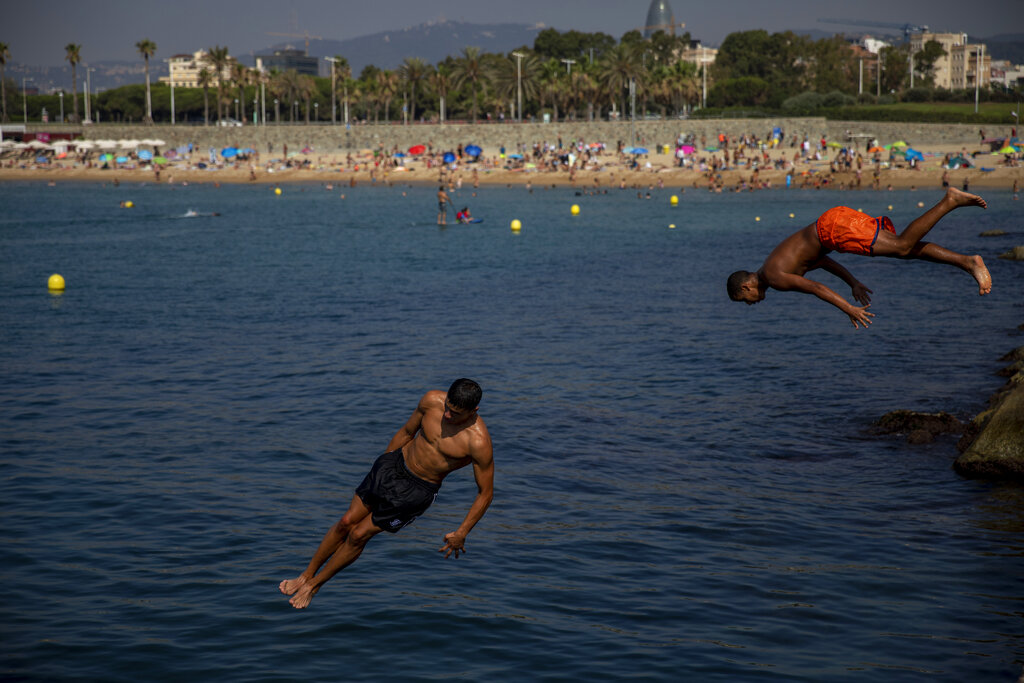
Men jump into the water at the beach in Barcelona, Spain, Thursday, July 25, 2019.  Parts of Europe will likely see record-high temperatures on Thursday as much of the continent is trapped in a heat wave, the second in two months. Photo: Emilio Morenatti / AP
Men jump into the water at the beach in Barcelona, Spain, Thursday, July 25, 2019. Parts of Europe will likely see record-high temperatures on Thursday as much of the continent is trapped in a heat wave, the second in two months. Photo: Emilio Morenatti / AP

In Cologne in western Germany, volunteers handed out free water while others sunbathed on the dried-up banks of the Rhine River. In Bavaria’s prisons, inmates were getting cold cucumber soup, fruit and yoghurt for lunch and more water than normal.

In Austria, a 2-year-old died of dehydration Wednesday in the country’s Styria region after he climbed into an overheated parked car without his family noticing.

Social media had fun with a photo showing that even Queen Elizabeth II, one of the world’s wealthiest women, needed relief from the heat. An image of the monarch meeting new British Prime Minister Boris Johnson on Wednesday appeared to have a Dyson fan in the background, a tower-like design that stood out against the delicate gilt-edged decor at Buckingham Palace.

As intense as it was, the heat in Europe is expected to be short, with temperatures forecast to drop on Friday and Saturday.

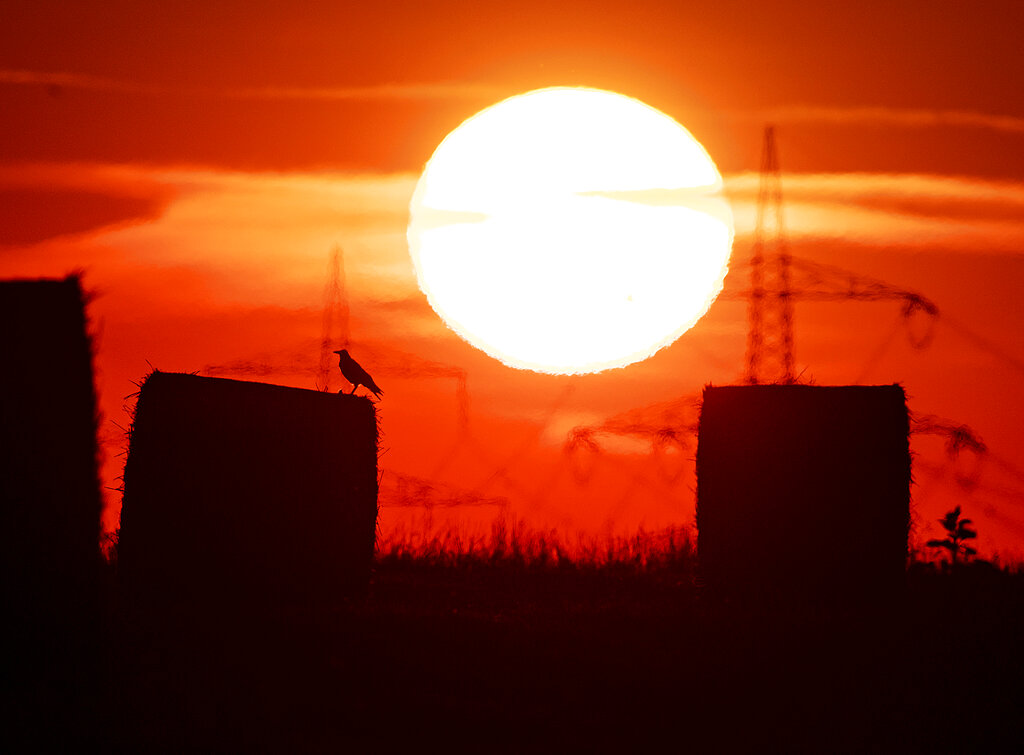
A bird sits on a straw bale on a field in Frankfurt, Germany, as the sun rises on Thursday, July 25, 2019. A heatwave struck large parts of Europe. Photo: Michael Probst / AP

___

Story: Angela Charlton and Kirsten Grieshaber. Grieshaber reported from Berlin. Deborah Gouffran in Boulogne, France, Mike Corder in The Hague, Netherlands, Bishr Eltouni and Raf Casert in Brussels, Daniel Niemann in Cologne, Germany, Danica Kirka in London and Seth Borenstein in Washington contributed.

Advertisement

Hot News

LATEST NEWS

Bangkok
overcast clouds
32.2 ° C
32.7 °
32.2 °
71 %
5.5kmh
100 %
Sat
35 °
Sun
36 °
Mon
35 °
Tue
35 °
Wed
33 °