28.3 C
Bangkok
Saturday, July 18, 2026
Home Blog Page 3219

Junta To Retain Martial Law: Spokesperson

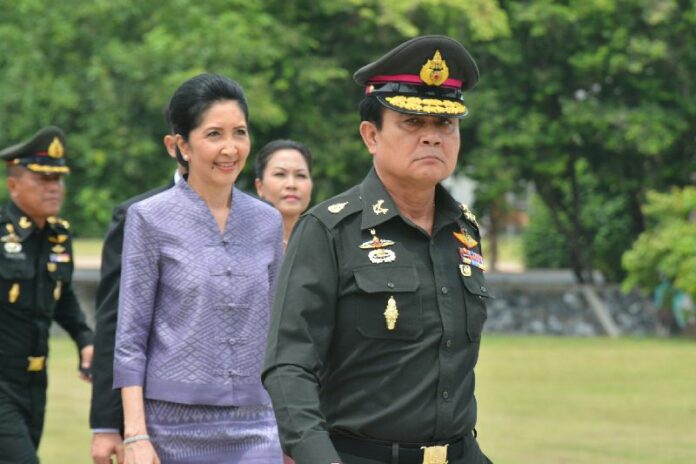
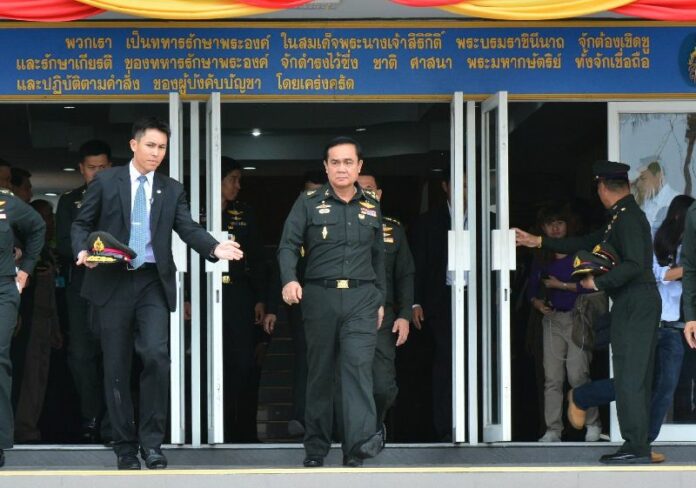
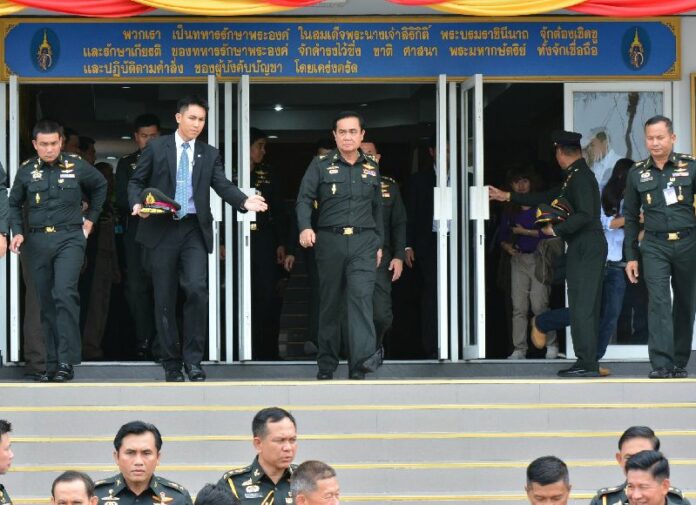
Gen. Prayuth Chan Ocha, Chonburi province, 21 August 2014.

BANGKOK — Thailand’s military junta will not revoke nationwide martial law any time soon despite the recent formation of a new semi-civilian government, its spokesperson said today.

Col. Sirichan Nga-thong said that repealing martial law, which grants the military extensive powers to restrict basic human rights and freedoms, is not necessary because the law has not dramatically affected public life.

"People still live their lives normally, and more foreign tourists have actually arrived in Thailand, despite the martial law," Col. Sirichan said at a press conference today. 

Junta-leader Gen. Prayuth Chan-ocha unilaterally declared martial law three months ago, ostensibly to prevent an escalation of violence between pro- and anti-government demonstrators who were rallying in Bangkok at the time. He staged a coup d’etat two days later on 22 May.

Prior to Col. Sirichan's comments, there was speculation that the junta might repeal martial law now that an interim government has been formed to administer the country for the next year. The junta, formally known as the National Council for Peace and Order (NCPO), appointed a National Legislative Assembly in early August. The NCPO's chairman, Gen. Prayuth, was selected for the premiership yesterday.

Yet Col. Sirichan insisted that the NCPO needs to maintain martial law to ensure peace and order.

Martial law, which was written in 1914, grants the military the authority to censor the media, read letters and messages, announce a curfew, and detain individuals for up to seven days, among other powers. Those who defy the law are tried in martial court. 

Since staging a coup on 22 May, the junta has used martial law to crack down on anti-coup dissidents by banning political protests and detaining hundreds activists. 

 
Related article:
 

For comments, or corrections to this article please contact[email protected]

You can also find Khaosod English on Twitter and Facebook
http://twitter.com/KhaosodEnglish
http://www.facebook.com/KhaosodEnglish


Advertisement

Man Charged With Lese Majeste For Sending Links to Stop Lese Majeste Blog

(Prachatai English)

BANGKOK — A man has been arrested and charged with lese majeste for sending an email containing a link to content deemed critical of the monarchy to the now-defunct Stop Lese Majeste blog. This is the third case involving the blog, according to iLaw.  

Tanet (last name withheld due to privacy concern) was accused of sending an email to Emilio Esteban, whom the police identified as an Englishman residing in Spain. Esteban runs the Stop Les Majeste blog. 

The police states on the custody petition that the police has seeked the court’s order to hack into Esteban’s email in 2010 and found an email from the suspect. 

Read the rest of the story here

Note: Khaosod English is not responsible for content on other websites.

Advertisement

Saudi Arabia Recalls Top Diplomat From Bangkok Over Court Ruling

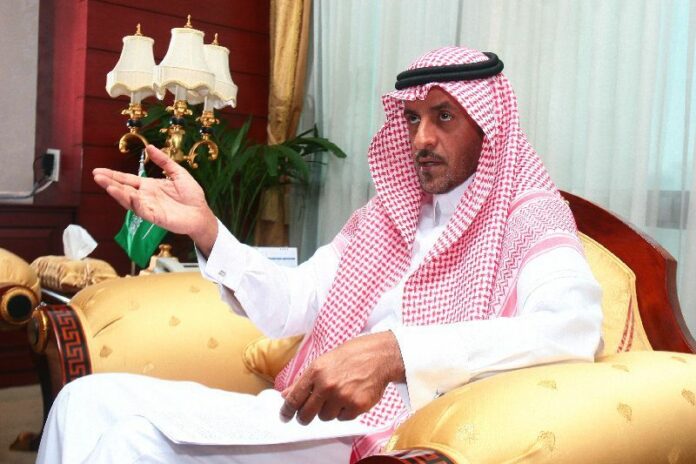
Abdulsalam Alenazi, Saudia Arabia’s Head of Consular, will be the embassy's top official until the Charge d’Affaires returns, 22 August 2014.

BANGKOK — Diplomatic relations between Saudi Arabia and Thailand have suffered yet another setback with the Saudi Arabian government recalling the country’s top diplomat from its embassy in Bangkok over a controversial court verdict.

Abdulelah Al-Sheaiby, the Saudi Arabian embassy’s Charge d’Affaires, was recalled from his post on 18 July, four months after Thailand’s Criminal Court found five Thai police officers not guilty of abducting and murdering a Saudi businessman who went missing in Bangkok in 1990.

“The recall of the Charge d’Affaires came following the court ruling in March,” Abdulsalam Alenazi, Saudia Arabia’s Head of Consular, told Khaosod English this morning. Mr. Alenazi will be the embassy's top official until Mr. Al-Sheaiby returns.

“The recall came from the Saudi Arabian goverment's disappointment over the court ruling and the judge change,”  Mr. Alenazi said. “They feel that there has been some influence and pressure at some level in the case.”

Judge Somsak Phonsuk, who had been presiding over the case for three years, was suddenly removed from his position in January 2014 two weeks before he was scheduled to finish writing a judgment. The verdict was then rewritten by the new judge who replaced Mr. Somsak.

Mr. Somsak later told Thai Rath newspaper that he believed he was unfairly removed from the position, but court officials insist that he was dismissed because of an unrelated disciplinary inquiry. Mr. Somsak also said that he was ready to convict the five police officers that his replacement judge ultimately found innocent.   

The court ruling on March 31 was the latest development in the case of Mohammad Al-Ruwaili, a Saudi Arabian businessman who was allegedly abducted and murdered in Bangkok in 1990. In 1993, Saudi Arabia withdrew its Ambassador to Thailand and restricted travel between the two countries to condemn what Saudi officials perceived as Thailand's apathetic investigation into Mr. Al-Ruwaili’s disappearance.  

Hopes of normalised relations were rekindled when a Thai court re-opened the case in 2011, but the last-minute change of judges disappointed the Saudi government, leading to the recall of the embassy’s Charge d’Affaires last month.

“Saudia Arabia is primarily interested in achieving justice,” Mr. Alenazi said. “The judge was removed two weeks before the verdict and the circumstances [of his removal] were very suspicious.”

According to Mr. Alenazi, there is no timeframe for Mr. Al-Sheaiby’s return, as it will depend on whether the Thai government proves to be serious about “bringing justice to the case.”

“Saudia Arabia is willing to work and cooperate with any government officials that are trying to remove this obstacle between Thai and Saudi relations,” Mr. Alenazi said.

“The two countries are very important to eachother,” Mr. Alenazi added, citing Saudi Arabia’s role as the third largest exporter of oil to Thailand. “If the current [Thai] government is trying to move the country forward, they will not stand in the way of resolving Thai and Saudi relations.”

Mr. Al-Ruwaili's family has filed an appeal of the court ruling and also drafted a petition to send to Thailand's King, Mr. Alenazi said. 

A spokesperson of the Thai Ministry of Foreign Affairs, Sek Wannamethee, confirmed that Mr. Al-Sheaiby has left the country, but insisted that Thai-Saudi relations have not been downgraded.

In addition, while Mr. Alenazi said he clearly explained to MFA officials that the recall was a response to the court verdict, Mr. Sek told Khaosod that he did not believe the court ruling was related.

"It's just speculation," Mr. Sek said.

The suspected murder of Mr. Al-Ruwaili was only one incident in the notorious "Blue Diamond Affair," a series of scandals that rocked the Thai-Saudi relations in early 1990s, starting with the massive theft of jewels from a Saudi Arabian royal palace allegedly committed by a Thai gardener. 

A spate of murders and abductions followed the theft. In 1989, three months after Mr. Al-Ruwaili went missing, three Saudi diplomats were gunned down in Bangkok. In 1994, the wife and son of a Thai gems dealer were abducted and later murdered in what appears to be a blotched attempt by a rogue police officers to determine the location of the stolen Saudi jewels.


For comments, or corrections to this article please contact[email protected]

You can also find Khaosod English on Twitter and Facebook
http://twitter.com/KhaosodEnglish
http://www.facebook.com/KhaosodEnglish

Advertisement

Saudi Arabia Recalls Top Diplomat From Bangkok Over Court Ruling

Abdulsalam Alenazi, Saudia Arabia’s Head of Consular, will be the embassy's top official until the Charge d’Affaires returns, 22 August 2014.

BANGKOK — Diplomatic relations between Saudi Arabia and Thailand have suffered yet another setback with the Saudi Arabian government recalling the country’s top diplomat from its embassy in Bangkok over a controversial court verdict.

Abdulelah Al-Sheaiby, the Saudi Arabian embassy’s Charge d’Affaires, was recalled from his post on 18 July, four months after Thailand’s Criminal Court found five Thai police officers not guilty of abducting and murdering a Saudi businessman who went missing in Bangkok in 1990.

“The recall of the Charge d’Affaires came following the court ruling in March,” Abdulsalam Alenazi, Saudia Arabia’s Head of Consular, told Khaosod English this morning. Mr. Alenazi will be the embassy's top official until Mr. Al-Sheaiby returns.

“The recall came from the Saudi Arabian goverment's disappointment over the court ruling and the judge change,”  Mr. Alenazi said. “They feel that there has been some influence and pressure at some level in the case.”

Judge Somsak Phonsuk, who had been presiding over the case for three years, was suddenly removed from his position in January 2014, two weeks before he was scheduled to finish writing a judgment. The verdict was then rewritten by the new judge who replaced Mr. Somsak.

Mr. Somsak later told Thai Rath newspaper that he believed he was unfairly removed from the position, but court officials insist that he was dismissed because of an unrelated disciplinary inquiry. Mr. Somsak also said that he was ready to convict the five police officers that his replacement judge ultimately found innocent.   

The court ruling on March 31 was the latest development in the case of Mohammad Al-Ruwaili, a Saudi Arabian businessman who was allegedly abducted and murdered in Bangkok in 1990. In 1993, Saudi Arabia withdrew its Ambassador to Thailand and restricted travel between the two countries to condemn what Saudi officials perceived as Thailand's apathetic investigation into Mr. Al-Ruwaili’s disappearance.  

Hopes of normalised relations were rekindled when a Thai court re-opened the case in 2011, but the last-minute change of judges disappointed the Saudi government, leading to the recall of the embassy’s Charge d’Affaires last month.

“Saudia Arabia is primarily interested in achieving justice,” Mr. Alenazi said. “The judge was removed two weeks before the verdict and the circumstances [of his removal] were very suspicious.”

According to Mr. Alenazi, there is no timeframe for Mr. Al-Sheaiby’s return, as it will depend on whether the Thai government proves to be serious about “bringing justice to the case.”

“Saudia Arabia is willing to work and cooperate with any government officials that are trying to remove this obstacle between Thai and Saudi relations,” Mr. Alenazi said.

“The two countries are very important to eachother,” Mr. Alenazi added, citing Saudi Arabia’s role as the third largest exporter of oil to Thailand. “If the current [Thai] government is trying to move the country forward, they will not stand in the way of resolving Thai and Saudi relations.”

Mr. Al-Ruwaili's family has filed an appeal of the court ruling and also drafted a petition to send to Thailand's King, Mr. Alenazi said. 

A spokesperson of the Thai Ministry of Foreign Affairs, Sek Wannamethee, confirmed that Mr. Al-Sheaiby has left the country, but insisted that Thai-Saudi relations have not been downgraded.

In addition, while Mr. Alenazi said he clearly explained to MFA officials that the recall was a response to the court verdict, Mr. Sek said he did not believe the court ruling was related.

"It's just speculation," Mr. Sek said.

The suspected murder of Mr. Al-Ruwaili is one of many suspicious incidents connected to the notorious "Blue Diamond Affair," a series of scandals that rocked Thai-Saudi relations in early 1990s, starting with a massive theft of jewels from a Saudi Arabian royal palace allegedly committed by a Thai gardener. 

A spate of murders and abductions followed the theft. In 1989, three months after Mr. Al-Ruwaili went missing, three Saudi diplomats were gunned down in Bangkok. In 1994, the wife and son of a Thai gem dealer were abducted and later murdered in what appeared to be a botched attempt by rogue police officers to determine the location of the stolen Saudi jewels.

(Reporting by Sally Mairs and Teeranai Charuvastra) 
 

For comments, or corrections to this article please contact[email protected]

You can also find Khaosod English on Twitter and Facebook
http://twitter.com/KhaosodEnglish
http://www.facebook.com/KhaosodEnglish


Advertisement

Two American Ebola Patients Discharged from Emory University Hospital

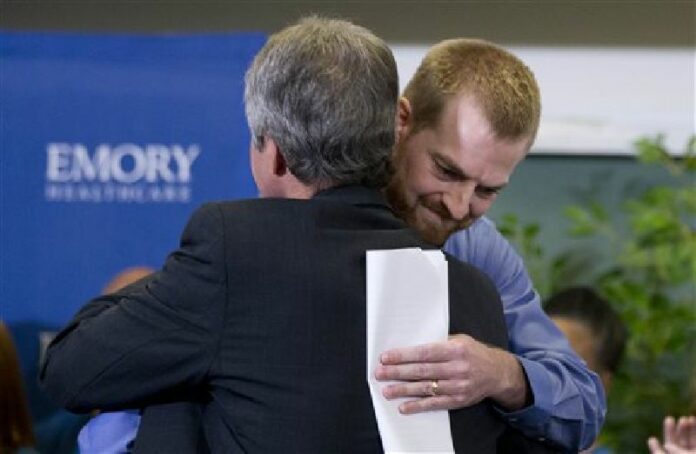
Kent Brantly

(By Emory Healthcare)

ATLANTA —  In an effort to keep our community informed on the status of the Ebola patients being treated at Emory University Hospital, today we confirm that as of this afternoon, both Ebola patients have been discharged from our Infectious Disease Unit at the hospital.

Nancy Writebol was discharged from the Emory University Hospital on Tuesday, Aug. 19, 2014, and Kent Brantly, MD, was discharged today, Thursday, Aug. 21, 2014.

“After a rigorous and successful course of treatment and testing, the Emory Healthcare team has determined that both patients have recovered from the Ebola virus and can return to their families and community without concern for spreading this infection to others,” says Bruce Ribner, MD, medical director of the Emory University Hospital Communicable Disease Containment Unit.

Criteria for the discharge of both patients were based on standard infectious disease protocols and blood and urine diagnostic tests. Our team has maintained its extensive safety procedures throughout this treatment process and is confident that the discharge of these patients poses no public health threat.

“The Emory Healthcare team is extremely pleased with Dr. Brantly’s and Mrs. Writebol’s recovery, and was inspired by their spirit and strength, as well as by the steadfast support of their families,” says Ribner.

The mission of Emory University Hospital is to heal and to advance knowledge. The team of health care professionals who cared for these Ebola patients has trained for years to treat and contain the most dangerous infectious diseases in the world. The experience, understanding and learning that Emory’s medical professionals have gained during this process will be applied, not only to Ebola, but to other emergent diseases that the world may confront in the future.


Advertisement

Chinese Tourist Allegedly Assaulted, Robbed By Taxi Driver

PATHUM THANI — A Chinese tourist says she was assaulted and robbed by her taxi driver en route to Don Mueang Airport in northern Bangkok today.

The tourist told police officers via an interpreter that the taxi driver picked her up in downtown Bangkok and then drove to a secluded area near the Motorway in Pathum Thani province, where he stopped the car repeatedly punched her in her stomach. 

The victim said she managed to run away, leaving all her belongings in the taxi, and sought help from a police patrol car that was driving along the Motorway. 

When she led police officers back to the spot where she was reportedly assaulted, the taxi was gone. She had left her cash, plane tickets, clothes, and  bank account book inside the car. 

The driver was described as a tan-skinned, overweight male wearing a t-shirt. The victim said she could not remember the license plate number or colour of the taxi. 

Police say they have contacted the Embassy of China in Bangkok and are investigating CCTV footage in the area to locate and arrest the suspect. 


For comments, or corrections to this article please contact[email protected]

You can also find Khaosod English on Twitter and Facebook
http://twitter.com/KhaosodEnglish
http://www.facebook.com/KhaosodEnglish

Advertisement

Police Arrest 3 Suspected Of Murdering German On Koh Samui

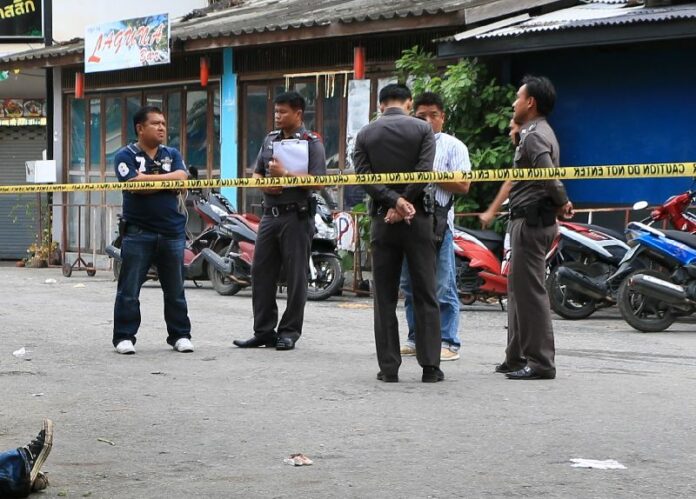
The crime scene on Koh Samui island where Schwartges Volker, 46, was stabbed to death on 20 August 2014.

SURAT THANI — Three Thai teenagers have been arrested for allegedly stabbing a German bar owner to death on Koh Samui island yesterday.

The three suspects are between 15 and 17 years old, said Pol.Col. Satit Prom-uthai, an officer at Bo Phut Police Station. 

According to Pol.Col. Satit, the suspects confessed to stabbing Schwartges Volker, 46, in Chaweng Beach’s entertainment yesterday morning following a heated argument. Pol.Col. Satit said a search of the suspects' residences turned up a knife that was reportedly used in the attack; previous police reports indicated that Mr. Volker was stabbed by shards of glass from a broken beer bottle. 

One of the suspects said Mr. Volker berated the group for sitting on his motorcycle in the parking lot of a nightclub, Pol.Col. Satit said. The suspects confessed to punching and stabbing him in the neck after the argument escalated, the officer said.

"They fled the crime scene without knowing that the victim was dead," Pol.Col. Satit said.

The three suspects have been charged with premeditated murder.


For comments, or corrections to this article please contact[email protected]

You can also find Khaosod English on Twitter and Facebook
http://twitter.com/KhaosodEnglish
http://www.facebook.com/KhaosodEnglish

Advertisement

Cambodian Worker Scam Was A 'Misunderstanding,' Police Say

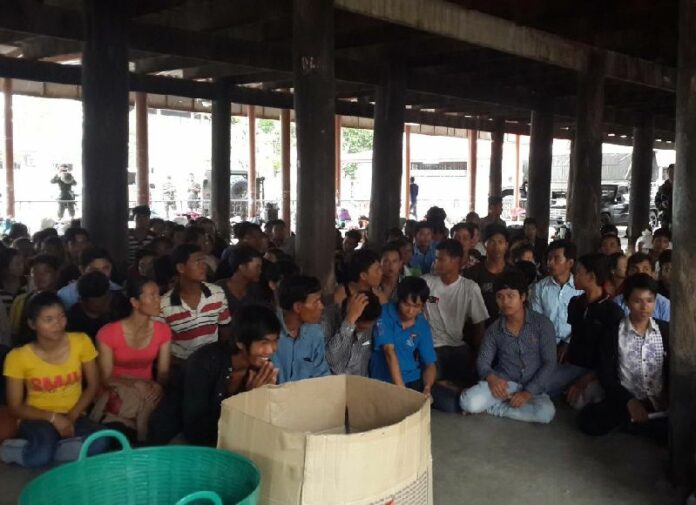
190 Cambodian workers who were originally thought to be victims of a scam were brought to Wat Tha Sao Temple to receive food and water on 20 August 2014.  

SAMUT SAKORN — New details have emerged suggesting that the 190 Cambodian workers who were left in a paddy field in Samut Sakorn province yesterday morning are not victims of a scam as was previously feared.

After receiving a tip-off yesterday, police picked up the migrants in Samut Sakorn province, where they had been abandoned by their van drivers, and brought them to a Wat Tha Sao Temple to receive food and water. The migrant workers told police and local administrators that they were duped into paying a Thai broker 20,000 baht each for the promise of work in Thailand.  

However, the manager of BS Work company, Wirat Phandontri, later arrived at Wat Tha Sao Temple and identified himself as the Cambodians’ legitimate employer. 

Mr. Wirat said he contracted 158 workers through a middleman for his company, which is based in Pathum Thani province. He claimed he did not know why the drivers decided to leave the workers behind in Samut Sakorn province.

"I think the drivers misunderstood," Mr. Wirat said, "I told them to take [the workers] to a destination in Pathum Thani, but they ended up driving them to Samut Sakorn."

The migrant workers told police that one of their van drivers in Thailand "suddenly felt pity" and told them they were victims of a scam. He then called the police and convinced the other vans to drop the passengers off in Samut Sakorn province.

Pol.Col. Thanapol Suwannawong, an investigative officer at Krathoom Ban Police Station, told Khaosod English that the police are no longer investigating the case.

"They sent the workers to the wrong place," Pol.Col. Thanapol said.

Most of the workers, 158, were later transported to apply for work permits at a One Stop Service centre in Pathum Thani province, which will allow them to stay and work in Thailand legally until 31 March 2015.

Mr. Wirat said that he did not contract the other 32 Cambodians in the group, who police say are the husbands, wives, and relatives of the contracted workers. They were released from police custody and can stay in Thailand until 1 September, per the limit of their tourist visas. 


For comments, or corrections to this article please contact[email protected]

You can also find Khaosod English on Twitter and Facebook
http://twitter.com/KhaosodEnglish
http://www.facebook.com/KhaosodEnglish


Advertisement

Prayuth Chan-ocha: Army Chief, Junta Leader, Prime Minister

Gen. Prayuth Chan-ocha at the 21st infantry regiment in Chonburi province, 21 August 2014.

BANGKOK — The leader of Thailand's 22 May coup has further consolidated power after his rubber-stamp parliament voted him into the position of Prime Minister this morning.

Following a unanimous vote from the country's interim legislature, Gen. Prayuth Chan-ocha now holds three top positions of power: Prime Minister, chairman of the junta's National Council for Peace and Order (NCPO), and commander of the Royal Thai Army, although he is scheduled to retire from the latter in September. 

Gen. Prayuth was the only person nominated for the position of Prime Minister by the National Legislative Assembly (NLA), a body whose members were handpicked by the NCPO earlier this month. More than half of the 197 legislators are retired or active military and police officers, including a brother of Gen. Prayuth.

A total of 191 lawmakers voted in favour of Gen. Prayuth, three abstained, and three did not show up to vote, citing illness. 

His Majesty the King is expected to endorse Gen. Prayuth as the 29th Prime Minister of Thailand this evening, officials said.

According to Gen. Prayuth, his interim government will administer the country and institute a wide range of "reforms" over the next year, after which a general election is scheduled to take place in October 2015 at the earliest and only if "national reconciliation" has been achieved.

One-man show

In addition to leading the interim government, Gen. Prayuth will also retain supreme power over the country’s administration through his position as chairman of the NCPO.

Article 44 of the junta’s temporary charter licenses the NCPO leader to "issue any order or direct any action to be done or not to be done, irrespective of whether the order or action would produce legislative, executive or judicial effect" in defense of the country's national security, monarchy, economy, and public order. 

Since seizing power, Gen. Prayuth, a 60-year-old career soldier with no experience in governance, has also appointed himself as chairman of several committees overseeing the national economy, including the Board of Investment (BOI), the National Energy Policy Committee, and the Special Economic Zone Development Committee.

Gen. Prayuth is the first individual to amass such concentrated and widespread power over Thailand’s national administration since 1971, when Field Marshal Thanom Kittikachorn installed himself as Prime Minister, chairman of Revolutionary Council, and commander of the armed forces. None of the coup leaders in Thailand’s most recent military takeovers – in 2006 and 1991 – went on to assume the position of Prime Minister. 

'Finishing the job'

According to Suthachai Yimprasert, professor of Thai political history at Chulalongkorn University, Gen. Prayuth has consolidated power to address the shortcomings of the 2006 coup, which deposed the popular Prime Minister Thaksin Shinawatra but failed to eradicate his influence over Thai politics. Thaksin-backed parties have won every national election since Mr. Thaksin joined the political scene in 2001.

"The elite feels that the 2006 coup didn't finish the job," Mr. Suthachai said."So they feel they have to be more thorough this time. They are afraid of another failure. That's why they put a soldier in charge as Prime Minister."

Claudio Sopranzetti, the author of a book on Thai politics, described the 2006 coup as a learning process for the anti-Thaksin political faction, which is mostly composed of conservative middle and upper class Bangkokians, the country’s military brass, and Thailand’s traditional elite.

“Basically, they realized that controlling independent bodies and the judiciary itself wasn’t enough to actually win elections,” said Mr. Sopranzetti, a post-doctoral research fellow at Oxford University. “I think Prayuth is making a personal attempt to assume the type of charismatic authority with popular support that none of the opposition governments in the last 20 years have been able to achieve.”

Gen. Prayuth's ambitions have been widely underestimated, Mr. Sopranzetti added.

“I think on both sides of the spectrum, people very quickly believed that Prayuth was a puppet,” Mr Sopranzetti said. “It’s becoming more and more clear that he may not be the only actor in town, but he is definitely one of the actors, not just a puppet.”

Gen. Prayuth says he led the 22 May coup, the 12th successful military takeover in modern Thai history, to put an end to deadly confrontations between pro- and anti-Thaksin demonstrators. Prior to the coup, anti-government protesters staged six months of street protests in an effort to oust the Thaksin-allied government led by his sister, Prime Minister Yingluck Shinawatra.

Since seizing power, the coupmakers have largely adopted the platform of anti-Thaksin protesters: pursuing widespread "reforms" before holding the next general election.

Gen. Prayuth has already ruled over Thailand with a more authoritarian grip than his predecessors in 2006. The NCPO has outlawed criticism of the coup, banned public demonstrations, and attempted to censor the media. Hundreds of activists and politicians, most of whom were allied to the former government, were detained and held incommunicado in military camps for up to seven days in the weeks following the military takeover.


For comments, or corrections to this article please contact[email protected]

You can also find Khaosod English on Twitter and Facebook
http://twitter.com/KhaosodEnglish
http://www.facebook.com/KhaosodEnglish

Advertisement

Prayuth Chan-ocha: Army Chief, Junta Leader, Prime Minister

Gen. Prayuth Chan-ocha at the 21st infantry regiment in Chonburi province, 21 August 2014.

BANGKOK — The leader of Thailand's 22 May coup has further consolidated power after a rubber-stamp parliament voted him into the position of Prime Minister this morning.

Following a unanimous vote from the country's interim legislature, Gen. Prayuth Chan-ocha now holds three top positions of power: Prime Minister, chairman of the junta's National Council for Peace and Order (NCPO), and commander of the Royal Thai Army, although he is scheduled to retire from the latter in September. 

Gen. Prayuth was the only person nominated for the position of Prime Minister by the National Legislative Assembly (NLA), a body whose members were handpicked by the NCPO earlier this month. More than half of the 197 legislators are retired or active military and police officers, including a brother of Gen. Prayuth.

A total of 191 lawmakers voted in favour of Gen. Prayuth, three abstained, and three did not show up to vote, citing illness. 

His Majesty the King is expected to endorse Gen. Prayuth as the 29th Prime Minister of Thailand this evening, officials said.

According to Gen. Prayuth, his interim government will administer the country and institute a wide range of "reforms" over the next year, after which a general election will take place in October 2015 at the earliest, and only if "national reconciliation" has been achieved.

One-man show

In addition to leading the interim government, Gen. Prayuth will also retain supreme power over the country’s administration through his position as chairman of the NCPO.

Article 44 of the junta’s temporary charter licenses the NCPO leader to "issue any order or direct any action to be done or not to be done, irrespective of whether the order or action would produce legislative, executive or judicial effect" in defense of the country's national security, monarchy, economy, and public order. 

Since seizing power, Gen. Prayuth, a 60-year-old career soldier with no experience in governance, has also appointed himself as chairman of several committees overseeing the national economy, including the Board of Investment (BOI), the National Energy Policy Committee, and the Special Economic Zone Development Committee.

Gen. Prayuth is the first individual to amass such concentrated and widespread power over Thailand’s national administration since 1971, when Field Marshal Thanom Kittikachorn installed himself as Prime Minister, chairman of Revolutionary Council, and commander of the armed forces.

None of the coup leaders in Thailand’s most recent military takeovers – in 2006 and 1991 – went on to assume the position of Prime Minister. 

\
File photo of Gen. Prayuth Chan-ocha in August, 2014.

'Finishing the job'

According to Suthachai Yimprasert, professor of Thai political history at Chulalongkorn University, Gen. Prayuth has consolidated power to address the shortcomings of the 2006 coup, which deposed the popular Prime Minister Thaksin Shinawatra but failed to eradicate his influence over Thai politics. Thaksin-backed parties have won every national election since Mr. Thaksin joined the political scene in 2001.

"The elite feels that the 2006 coup didn't finish the job," Mr. Suthachai said."So they feel they have to be more thorough this time. They are afraid of another failure. That's why they put a soldier in charge as Prime Minister."

Claudio Sopranzetti, the author of a book on Thai politics, described the 2006 coup as a learning process for the anti-Thaksin political faction, which is mostly composed of conservative middle and upper class Bangkokians, the country’s military brass, and Thailand’s traditional elite.

“Basically, they realized that controlling independent bodies and the judiciary itself wasn’t enough to actually win elections,” said Mr. Sopranzetti, a post-doctoral research fellow at Oxford University. “I think Prayuth is making a personal attempt to assume the type of charismatic authority with popular support that none of the opposition governments in the last 20 years have been able to achieve.”

Gen. Prayuth's ambitions have been widely underestimated, Mr. Sopranzetti added.

“I think on both sides of the spectrum, people very quickly believed that Prayuth was a puppet,” Mr Sopranzetti said. “It’s becoming more and more clear that he may not be the only actor in town, but he is definitely one of the actors, not just a puppet.”

Gen. Prayuth says he led the 22 May coup, the 12th successful military takeover in modern Thai history, to put an end to deadly confrontations between pro- and anti-Thaksin demonstrators. Prior to the coup, anti-government protesters staged six months of street protests in an effort to oust the Thaksin-allied government led by his sister, Prime Minister Yingluck Shinawatra.

Since seizing power, the coupmakers have largely adopted the platform of anti-Thaksin protesters: pursuing widespread "reforms" before holding the next general election.

Gen. Prayuth has already ruled over Thailand with a more authoritarian grip than his predecessors in 2006. The NCPO has outlawed criticism of the coup, banned public demonstrations, and attempted to censor the media. Hundreds of activists and politicians, most of whom were allied to the former government, were detained and held incommunicado in military camps for up to seven days in the weeks following the military takeover.

(Reporting by Sally Mairs and Teeranai Charuvastra) 


For comments, or corrections to this article please contact[email protected]

You can also find Khaosod English on Twitter and Facebook
http://twitter.com/KhaosodEnglish
http://www.facebook.com/KhaosodEnglish

Advertisement

Hot News

LATEST NEWS

Bangkok
overcast clouds
28.3 ° C
28.3 °
28.3 °
86 %
1.9kmh
100 %
Fri
28 °
Sat
37 °
Sun
37 °
Mon
36 °
Tue
33 °