34.4 C
Bangkok
Sunday, June 14, 2026
Home Blog Page 618

British Tourist’s Car Gets Stranded Before Reaching Kamala Beach

Kamala Beach
A British tourist drove into the sand sidewalk and became trapped in the sand before reaching Kamala Beach on April 22, 2024.

PHUKET – A British tourist drove onto sidewalk near Kamala Beach. His car became trapped in the sand before police officers arrived to assist and later fined him for driving on the sidewalk without a valid reason.

On April 22, investigators from the Kamala Police Station in Phuket Province examined why tourists were driving on the sidewalk and getting stuck in the sand near Kamala Beach. The driver was identified as a 26-year-old British tourist, so police helped get the car out.

This tourist stated that he came from Krabi Province and stayed in Kamala Subdistrict, Kathu District. In the evening, he and his girlfriend came to drive along the beach. It seems that there was considerable rain at the time, making the road slippery; the car lost control, crashed on the side of the dunes, and was unable to drive any further.

british phuket drive2
The 26-year-old British tourist could not get the car out of the sand sidewalk.

Police officials punished him for driving on sidewalks without a valid justification. According to the criminal code, irresponsible or terrifying driving that endangers people or property is punishable by a 4,000-baht fine. He also has to pay 20,000 baht in compensation to the rental car owner.

Earlier, Kamala police officers encountered a case of a person driving a vehicle onto a sandy beach, both Thais and foreigners. They installed warning signs prohibiting motorcycles and cars from driving down and put steel barriers at the entrance to Kamala Beach.

kamala beach1
Kamala police officers released a case of a foreigner riding a motorbike on Kamala Beach on April 9 , 2024 to warn residents and visitors not to repeat the same act.
kamala beach2
A 39-year-old Thai man drove his two children to the beach on April 1, 2024. Police charged him with careless driving, which is potentially dangerous to others.

Public relations efforts are also underway with local boat and jet ski operators to assist in monitoring the boats and jet skis that travel down and up Kamala Beach, requiring the complete closure of the barrier. The media also promotes the barrier’s closure to keep tourists and residents informed.

_____

Related article:

Phuket Police officials at Kamala Police Station arrested the driver of a car down to the beach

Advertisement

ACCOMM Group: How to Develop Sustainable Leadership and Workforce

Dr. Atchara Juicharern

ACCOMM Group Unveils Global Coaching & Mentoring Trends in the AI Age and
How to Develop Sustainable Leadership and Workforce

AcCom Group, led by CEO Dr. Atchara Juicharern, celebrated its 18th anniversary of coaching and mentoring operations in Thailand by partnering with NEWS® Navigation, headed by Marina Giareni, Executive Chairman. They presented the “NEWS Compass® Global Award – Distinguished Achievement in Coaching and Mentoring” to KTC (Krungthai Card Public Company Limited) and Siam Commercial Bank Public Company Limited.

Additionally, the “NEWS Compass® Global Award – Excellence in Coaching and Mentoring” was awarded to AB Food & Beverages (Thailand) Limited, Allianz Ayudhya Assurance Public Company Limited, Banpu Public Company Limited, DTGO Corporation Limited, Exotic Food Public Company Limited, Kasikornbank Public Company Limited, Kiatnakin Phatra Financial Group, Krung Thai Bank Public Company Limited, and UOB (United Overseas Bank) Limited, at the Chada Ballroom, Siam Kempinski Hotel, Bangkok.

Dr. Atchara Juicharern stated, “Coaching not only helps individuals to fully utilize their hidden potential but also enhances the coaches’ capabilities simultaneously. Coaching is a method of creative communication that bridges communication gaps across generations and fosters intellectual growth. If everyone in organizations and society understands and applies coaching effectively, our world would be a significantly better place.”
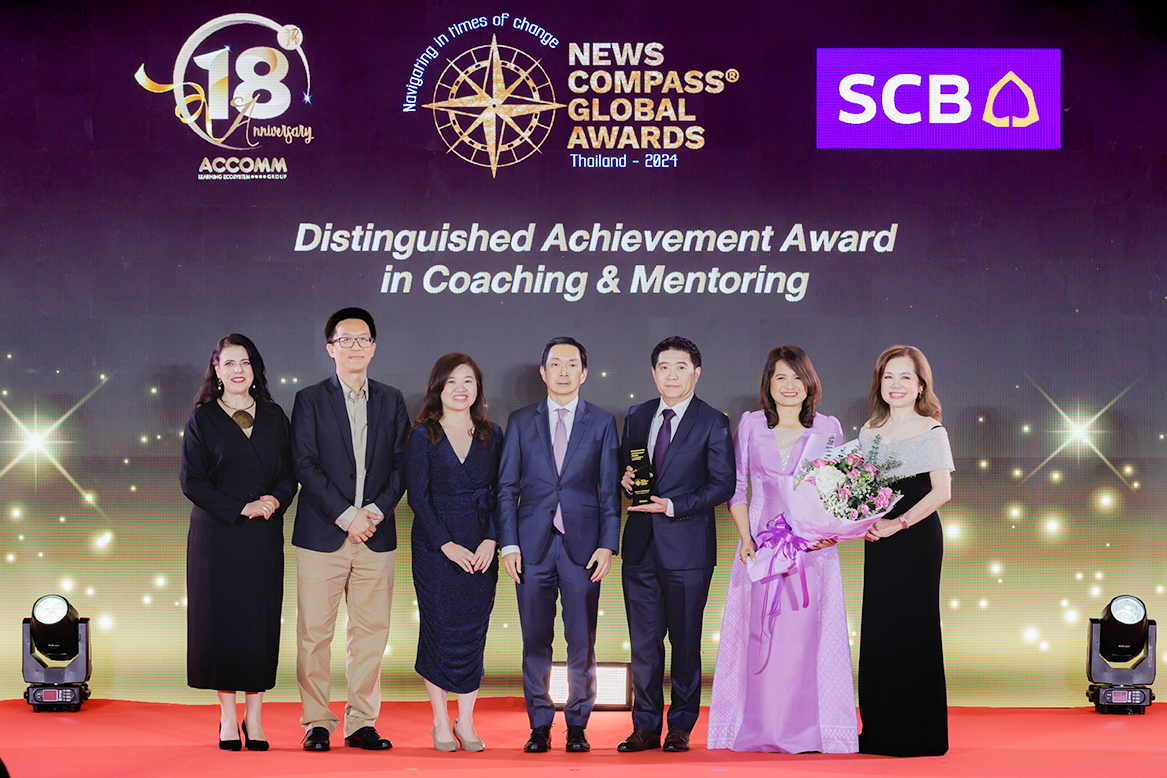
ACCOMM2

Dr. Atchara also revealed five challenges in driving organizational growth.

1. The invisibles: As mentioned earlier, changes can pose impacts on stress and a sense of insecurity, and these are invisible. People would normally like to talk about things that are visible and tangible, such as performance, numbers, sales, and success indicators. Leaders tend to talk to their subordinates about things that are visible and tangible, but do not talk deeply about what really affects work and performance. Thus, if executives and leaders understand and effectively leverage the coaching skills, they will be able to proactively address personal obstacles faster, helping to enhance their team’s efficiency.

2. Pipeline of Successors: Planning a pipeline of successors for the retiring generation becomes an issue for several organizations, as their Baby Boomer and Gen X workforce are leaving gradually or retiring early. This is especially critical for a family business, where the successors at their 32-35 years of age must step up to manage a large workforce, facing various challenges and responsibilities. It also should be noted that coaching the successors cannot be done overnight. It will take at least one year of personal coaching or mentoring and may need more than one mentor to build a new leader’s confidence. Therefore, coaching or mentoring should start sooner than what we have currently observed.

3.Shortermism: The thinking pattern that focuses on short-term results following the past precedence, depends on leader’s direct, lacks imagination and planning, will need coaching. Organizations that realize the importance of this issue will implement coaching techniques to develop ‘Tomorrow Mind’ for a future-proof organization. The organization will be able to cope with the future effectively. Coaching has an important role to play as the coaching process is flexible and can be designed to match with an organization’s current and future capabilities as needed.

4. Creating a Culture of Psychological Safety: An organization may not be aware of this issue in the past, but the information, knowledge, and changes in today’s world have made leaders realize it is not possible to know everything, have all the answers, or make good decisions, without team. An organization consists of several large and small teams, the feeling of insecurity to talk or give feedback directly, between the leader and the subordinates in the team, or across teams, keep the problems unsolved or improved.

Innovation may not progress much as people lack of courage to try new things or are afraid of making mistakes and being blamed, being seen as incompetent, and at the end feeling insecure. Therefore, it is important for an organization to create a culture of Psychological Safety, which can be developed in a systematic process.

Creating a culture of psychological safety includes the first step of making people feel included as parts of the teams. The next steps include creating a space where people can learn and fail and creating an environment where people feel courage to contribute ideas.

5. The collaboration of HRM and HRD
Creating a sustainable growth path for the organization starts with Professional Development as well as Resilience development.

Managing personnel in the past separated the HRD (Human resources development) and HRM (Human resources management) work. While HRM team took care of the benefits, compensation, recruitment, HRD team took care of the development of people. Nowadays, it is essential to take care of Professional Development along with psychological security. Therefore, to build a quality team, the HRM and HRD units should work alongside and share information, instead of working in silo pursuing their own goals.
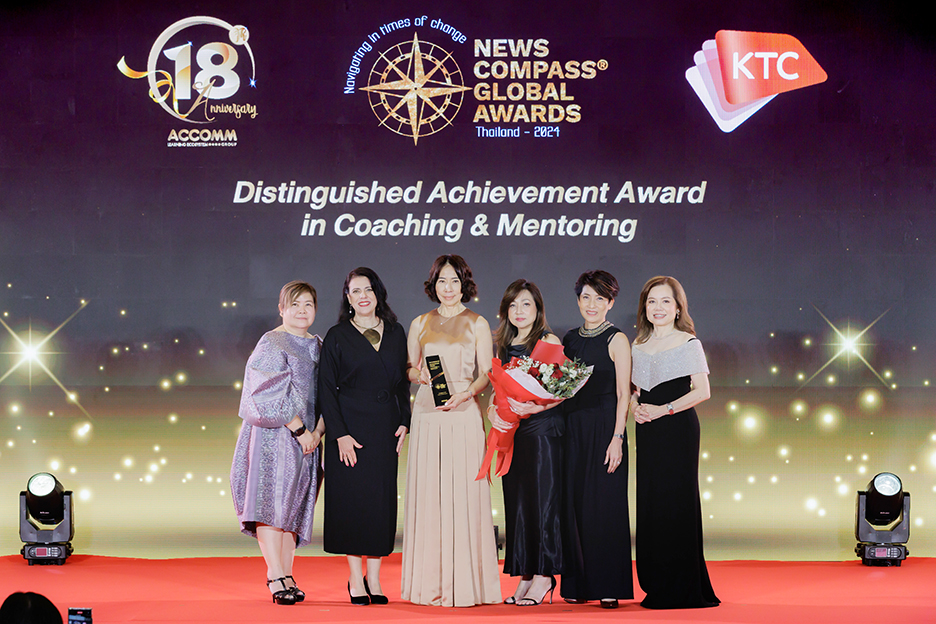
ACCOMM3

4 Skills to Cope with Future Changes

Essential future skills for success and survival that will keep you immune from challenges include:

1. Resilience Skill: This skill helps people to recover from setback or disappointments quickly, immune from and not fragile in the midst of obstacles. People who possess this skill are likely to have good mindset, work efficiently, feel more engaged with works and with organizations. Resilience Skill cannot be taught overnight. People will be able to develop this skill once they have learned and understood the skill components required. The problem is about taking actions, rather than about understanding. To develop this skill needs a consistent process, and therefore coaching has a role to play.

2. Developing Future Skills for Personal Growth: When envisioning your future career trajectory, it’s crucial to proactively cultivate skills that align with your anticipated job roles. This proactive approach enhances your potential. Research indicates that individuals who strategize their future skill development experience reduced stress levels, heightened preparedness, increased work efficiency, and greater overall life satisfaction.

3. Creative Skills: Explore inventive approaches and discover new solutions to resolve challenges. Avoid adhering strictly to conventional methods.

4. Collaboration Skills: It is essential for individuals with cooperation skills to possess soft skills, understand others, build trust, and embrace differences and diversity. Success in today’s world often hinges on the ability to rely on the people around you.

So far, we’ve discussed the challenges, but there are also positive aspects within organizations. For instance, many organizations are recognizing the benefits of coaching and incorporating it more extensively. Coaching involves constructive conversations between coaches and those being coached. Nowadays, organizations focus on developing coaching skills across all levels, including individuals with and without subordinates, as well as the human resource management department.

An organizational coach’s role is not to act as a stress treatment provider but to facilitate systematic discussions that enable those being coached to generate creative solutions tailored to their situations. This approach accelerates the learning and development of individuals while creating awareness of upcoming skills they need to acquire.

Applying coaching in organizations is of interest to various entities, regardless of their size, due to the significant value derived from coaching. However, Accom Group believes that coaching is beneficial to all individuals, extending beyond organizational contexts.

Our vision is to make coaching accessible to everyone, whether at work or within the family. We aim to introduce coaching early on, starting from school-age children. By nurturing this skill from a young age, individuals will develop resilience and adaptability, equipping them with the tools to navigate future challenges confidently and effectively.

Global and Thai Coaching Trends

Despite the substantial annual budget allocated to training personnel worldwide, organizations still struggle to adequately develop their workforce to meet market demands. The key issue in today’s organizational development lies in training employees not only to perform well in terms of productivity and performance but also to prioritize their emotional well-being and to effectively track development outcomes. Coaching emerges as a crucial component that can fill this gap effectively.

Coaching trends in Thailand have significantly improved. Around a decade ago, there was a common misconception that coaching was solely for senior executives (Executive Coaching). However, today, there is a growing realization that coaching is beneficial for everyone, leading to the emergence of a Coaching & Mentoring Culture within organizations. This culture emphasizes providing all employees with access to coaching or mentoring opportunities. Moreover, coaching is increasingly encouraged for use both in professional and personal spheres. Additionally, executives in Thai organizations now better grasp the distinction between coaching and traditional teaching methods.

Currently, the demand for coaching services is evident across businesses of all sizes, including large, medium, and small enterprises. Initially focusing on imparting coaching skills to large organizations, this approach garners recommendations through word-of-mouth referrals. This success paves the way for expansion into medium and small businesses, some of which are already committed to utilizing coaching to groom successors, enhance productivity, promote organizational loyalty, or provide executive skills training for various strategic advantages.

Based on a recent global survey conducted by the International Coaching Federation, the coaching industry in Asia experienced an impressive 86% growth from 2019 to 2022, despite the challenges posed by the COVID-19 outbreak during that period. Similarly, the Middle East and Africa witnessed a growth rate of 74%, while Eastern Europe saw a 59% increase in the coaching profession.

In 2022, a historic milestone was achieved as the International Coach Federation witnessed its coach membership surpassing 100,000 for the first time, reaching a total of 109,200 individuals globally. This represents an impressive 54% growth from the numbers in 2019. Additionally, the survey highlighted a remarkable 60% increase in the estimated annual revenue volume of coaches compared to 2019. Interestingly, these figures underscore the growing demand for coaching services, indicating a significant trend towards increased adoption and recognition of coaching’s value.

Source: International Coaching Federation. (2023). 2023 ICF Global Coaching Study, Executive Summary. International Coaching Federation

The coaching landscape in Thailand reflects a heightened awareness among Thai individuals regarding the advantages of coaching. The development of leadership with proficient coaching skills, akin to those of professional coaches, has shown remarkable growth, doubling year after year.

Furthermore, certain organizations offer executives the chance to acquire coaching skills and pursue professional coach credentials with the International Coach Federation.

8 Outstanding Qualities of People with Coaching Skills

1. Demonstrating Ethical Standards: Maintain ethical conduct aligned with the coach’s standards and principles.

2. Embracing a Curious Mindset: Stay open to new ideas and experiences without rushing to judgment. Effective coaches seek to understand the individual’s style, values, and cultural background.

3. Building a Learning Partnership: Create cooperation and active participation in goal setting and development. This involves collaborative planning to facilitate smooth progress and align expectations. As a leader, acting as a supportive learning partner for subordinates is crucial.

4. Cultivating Trust and Safety: Recognize and embrace the diversity within the organization, including differences in age and experience. Using coaching techniques can help bridge gaps in understanding. It’s essential to study and understand each person’s unique style rather than labeling based on age or social group.

5. Maintaining Presence: Effectively manage emotions, especially in situations where frustrations may arise, such as when subordinates struggle to meet expectations. Good leaders set an example of emotional management.

6. Listening Actively: There are several techniques for adopting a coaching-style listening approach. One effective method is to Listen in the Way the Speakers Hear Themselves. For instance, if someone voices a complaint about the consistently poor performance of a department, skilled coaches often start by reflecting back what they’ve heard. Following this, they may inquire about which specific department is being referenced or seek clarification on what exactly constitutes ‘poor’ performance in their view.

7. Creating Self-Awareness: A coach is likely to pose thought-provoking questions that enhance self-awareness and promote a constructive exchange of ideas. Shift conversations towards a growth-oriented mindset rather than simply giving orders.

8. Facilitating Growth: Support continuous learning and development, encouraging individuals to take ownership of their self-development.


Advertisement

In Vietnam, Farmers Reduce Methane Emissions by Changing How They Grow Rice

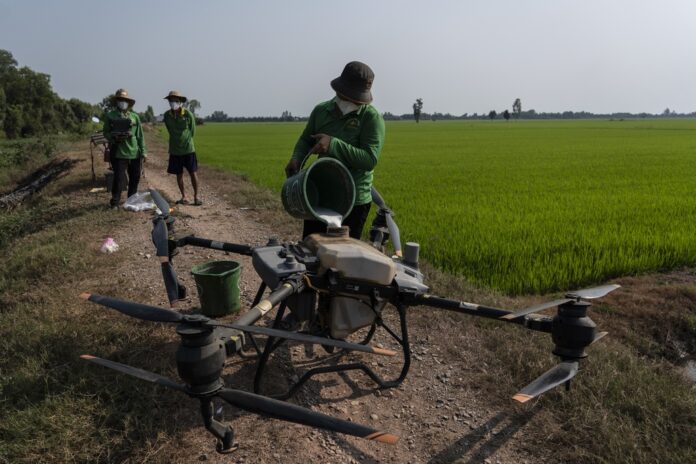
A worker loads fertilizer into a tank attached to a large drone, preparing to spray it over Vo Van Van's rice fields in Long An province in southern Vietnam's Mekong Delta, Tuesday, Jan. 23, 2024. (AP Photo/Jae C. Hong)

ANIRUDDHA GHOSAL, LONG AN, Vietnam — There is one thing that distinguishes 60-year-old Vo Van Van’s rice fields from a mosaic of thousands of other emerald fields across Long An province in southern Vietnam’s Mekong Delta: It isn’t entirely flooded.

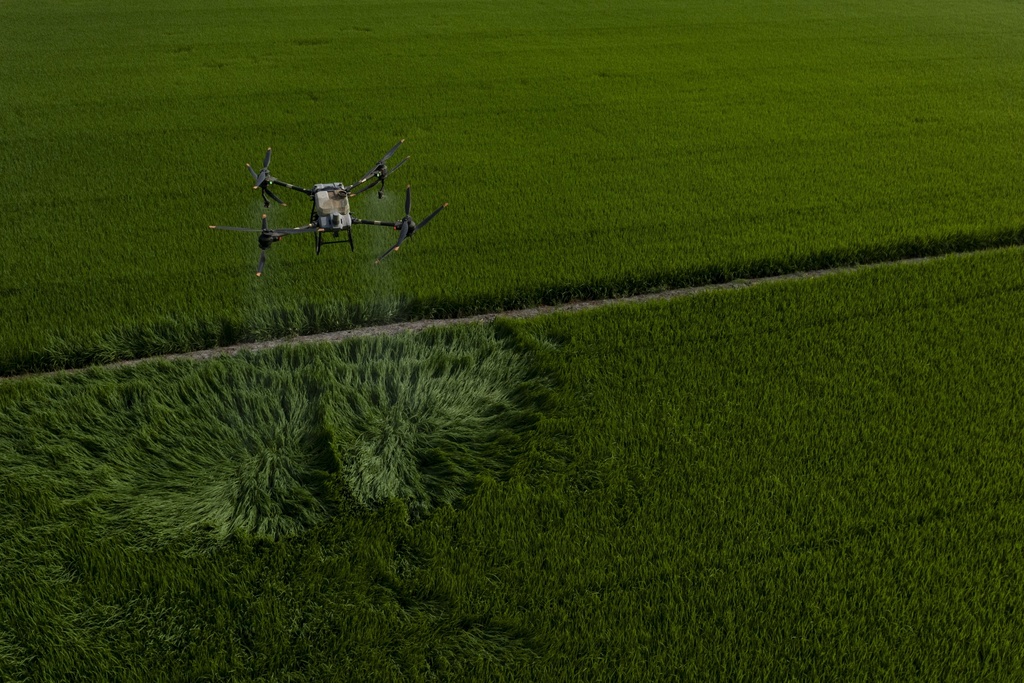
That and the giant drone, its wingspan similar to that of an eagle, chuffing high above as it rains organic fertilizer onto the knee-high rice seedlings billowing below.

Using less water and using a drone to fertilize are new techniques that Van is trying and Vietnam hopes will help solve a paradox at the heart of growing rice: The finicky crop isn’t just vulnerable to climate change but also contributes uniquely to it.

AP24113056996147
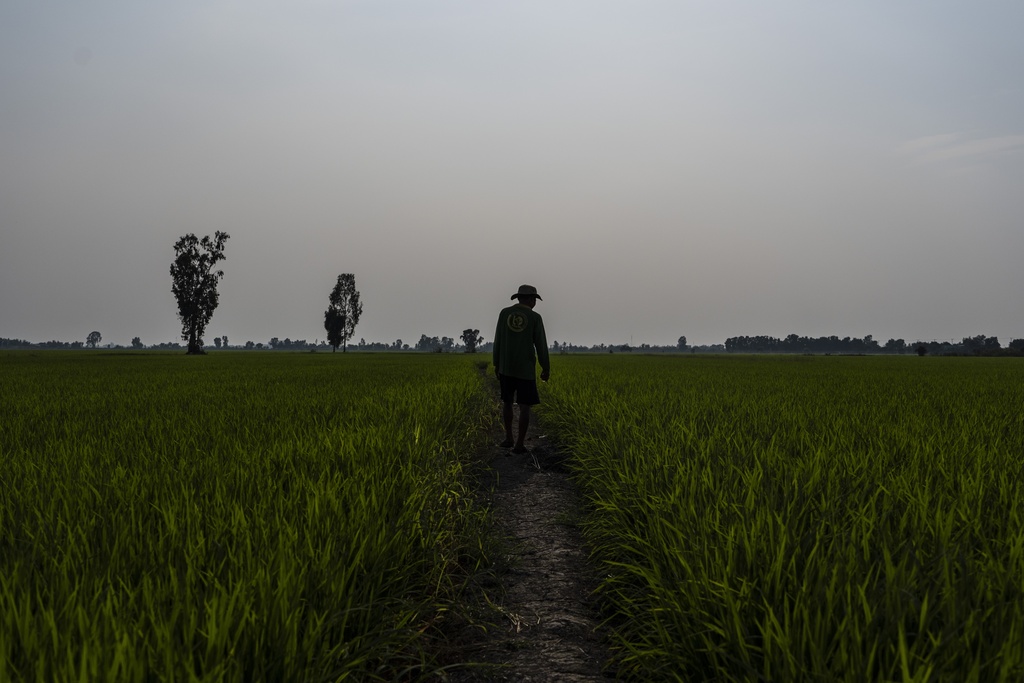
A worker surveys Vo Van Van’s rice fields after spraying fertilizer over the fields using a drone in Long An province in southern Vietnam’s Mekong Delta, Tuesday, Jan. 23, 2024.  (AP Photo/Jae C. Hong)

Rice must be grown separately from other crops and seedlings have to be individually planted in flooded fields; backbreaking, dirty work requiring a lot of labor and water that generates a lot of methane, a potent planet-warming gas that can trap more than 80-times more heat in the atmosphere in the short term than carbon dioxide.

It’s a problem unique to growing rice, as inundated fields stop oxygen from entering the soil, creating the conditions for methane-producing bacteria. Rice paddies contribute 8% of all human-made methane in the atmosphere, according to a 2023 Food and Agriculture Organization report.

Vietnam is the world’s third-largest rice exporter, and the staple importance to Vietnamese culture is palpable in the Mekong Delta. The fertile patchwork of green fields crisscrossed by silvery waterways has helped stave off famine since the Vietnam War ended in 1975. Rice isn’t just the mainstay of most meals, it is considered a gift from the gods and continues to be venerated.

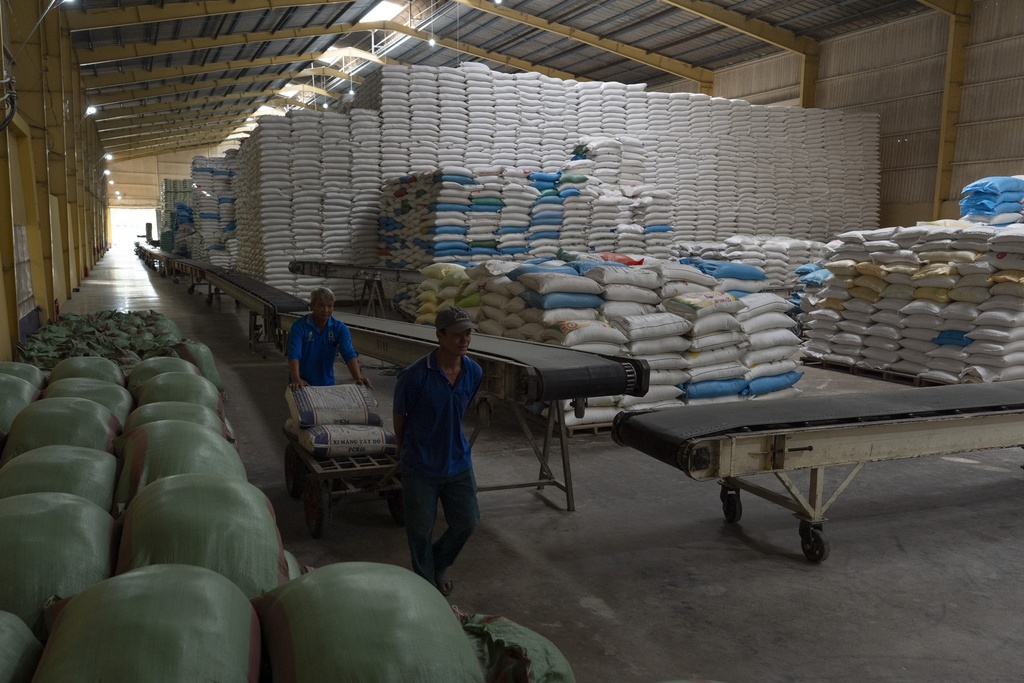
It is molded into noodles and sheets and fermented into wine. In busy markets, motorcyclists lug 10-kilogram (22-pound) bags to their homes. Barges haul mountains of the grain up and down the Mekong River. Rice kernels are then dried and hulled by machines before they’re packed for sale in factories, lined from floor to ceiling with sacks of rice.

Van has been working with one of Vietnam’s largest rice exporters, the Loc Troi Group, for the past two years and is using a different method of irrigation known as alternate wetting and drying, or AWD. This requires less water than traditional farming since his paddy fields aren’t continuously submerged. They also produce less methane.

Using the drone to fertilize the crops saves on labor costs. With climate shocks pushing a migration to cities, Van said that it’s harder to find people to work the farms. It also ensures precise amounts of fertilizers are applied. Too much fertilizer causes the soil to release Earth-warming nitrogen gases.

AP24113057022440
A large drone carrying fertilizer flies over Vo Van Van’s rice fields in Long An province in southern Vietnam’s Mekong Delta, Tuesday, Jan. 23, 2024.   (AP Photo/Jae C. Hong)

Once crops are harvested, Van no longer burns the rice stubble — a major cause of air pollution in Vietnam and in its neighbors, as well as Thailand and India. Instead, it’s collected by the Loc Troi Group for sale to other companies that use it as livestock feed and for growing straw mushrooms, a popular addition to stir-fries.

Van benefits in various ways. His costs are down while his farm yield is the same. Using organic fertilizer enables him to sell to European markets where customers are willing to pay a premium for organic rice. Best of all, he has time to tend to his own garden.

“I am growing jackfruit and coconut,” he said.

Loc Troi Group CEO Nguyen Duy Thuan said that those methods enable farmers to use 40% less rice seed and 30% less water. Costs for pesticides, fertilizer and labor also are lower. Thuan said Loc Troi — which exports to more than 40 countries including in Europe, Africa, the United States and Japan — is working with farmers to expand acreage using its methods from the current 100 hectares to 300,000 hectares.

That’s a long way from Vietnam’s own target of growing “high quality, low emission rice” on 1 million hectares of farmland, an area more than six times the size of London, by 2030. Vietnamese officials estimate that would reduce production costs by a fifth and increase farmers’ profits by more than $600 million, according to the state media outlet Vietnam News.

Vietnam recognized early on that it had to reconfigure its rice sector. It was the largest rice exporter, ahead of both India and Thailand, to sign a 2021 pledge to reduce methane emissions at the annual United Nations climate summit in Glasgow, Scotland.

Each year, the industry suffers losses of over $400 million, according to recent research by Vietnam’s Water Resources Science Institute. This is worrying, not just for the country but for the world.

AP24113057154042
Two employees work in a warehouse packed with bags of rice packaged for shipment at Hoang Minh Nhat, a rice export company in Can Tho, Vietnam, Friday, Jan. 26, 2024. . (AP Photo/Jae C. Hong)

The Mekong Delta, where 90% of Vietnam’s exported rice is farmed, is one of the world’s regions most vulnerable to climate change. A U.N. climate change report in 2022 warned of heavier flooding in the wet season and droughts in the dry season. Scores of dams built upstream in China and Laos have reduced the river’s flow and the amount of sediment that it carries downriver to the sea. The sea level is rising and turning the river’s lower reaches salty. And unsustainable levels of groundwater pumping and sand mining for construction have added to the problems.

Changing centuries-old forms of rice farming is expensive, and even though methane is a more potent cause of global warming than carbon dioxide, it only receives 2% of climate financing, Ajay Banga, the World Bank’s president, told the U.N. climate summit in Dubai last year.

Combating methane emissions is the “one rare, clear area” where low-cost, effective and replicable solutions exist, Banga said. The World Bank is supporting Vietnam’s efforts and has begun helping the Indonesian government to expand climate resilient farming as a part of more than a dozen projects to reduce methane worldwide.

AP24113057312467
A group of people fills the sidewalk outside a restaurant as they share dishes made from rice in Ho Chi Minh City, Vietnam, on Saturday, Jan. 27, 2024.  (AP Photo/Jae C. Hong)

The hope is that more countries will follow, though there is no “one-size-fits-all,” said Lewis H. Ziska, a professor of environmental health sciences at Columbia University. “The one commonality is that water is needed,” he said, adding that different methods of planting and irrigation can help manage water better.

Growing more genetically diverse rice varieties would also help because some are more resilient to excess heat or require less water, while others might even emit less methane, he said.

Nguyen Van Nhut, director of the rice export company Hoang Minh Nhat, said its suppliers are using varieties of rice that can thrive even when the water is briny and the heat is extreme.

Now, the business is adapting to the unseasonal rains that make it harder to dry the rice, adding to risks from mold or insect damage. Typically, rice is dried in the sun immediately after harvest, but Nhut said his company has drying facilities in their packaging factory and also will install machinery to dry the grains closer to the fields.

“We don’t know which month is the rainy season, like we did before,” he said.

___

Advertisement

Australia and Thailand Are Partnering To Promote Local Fintech Industry

FinTech Australia
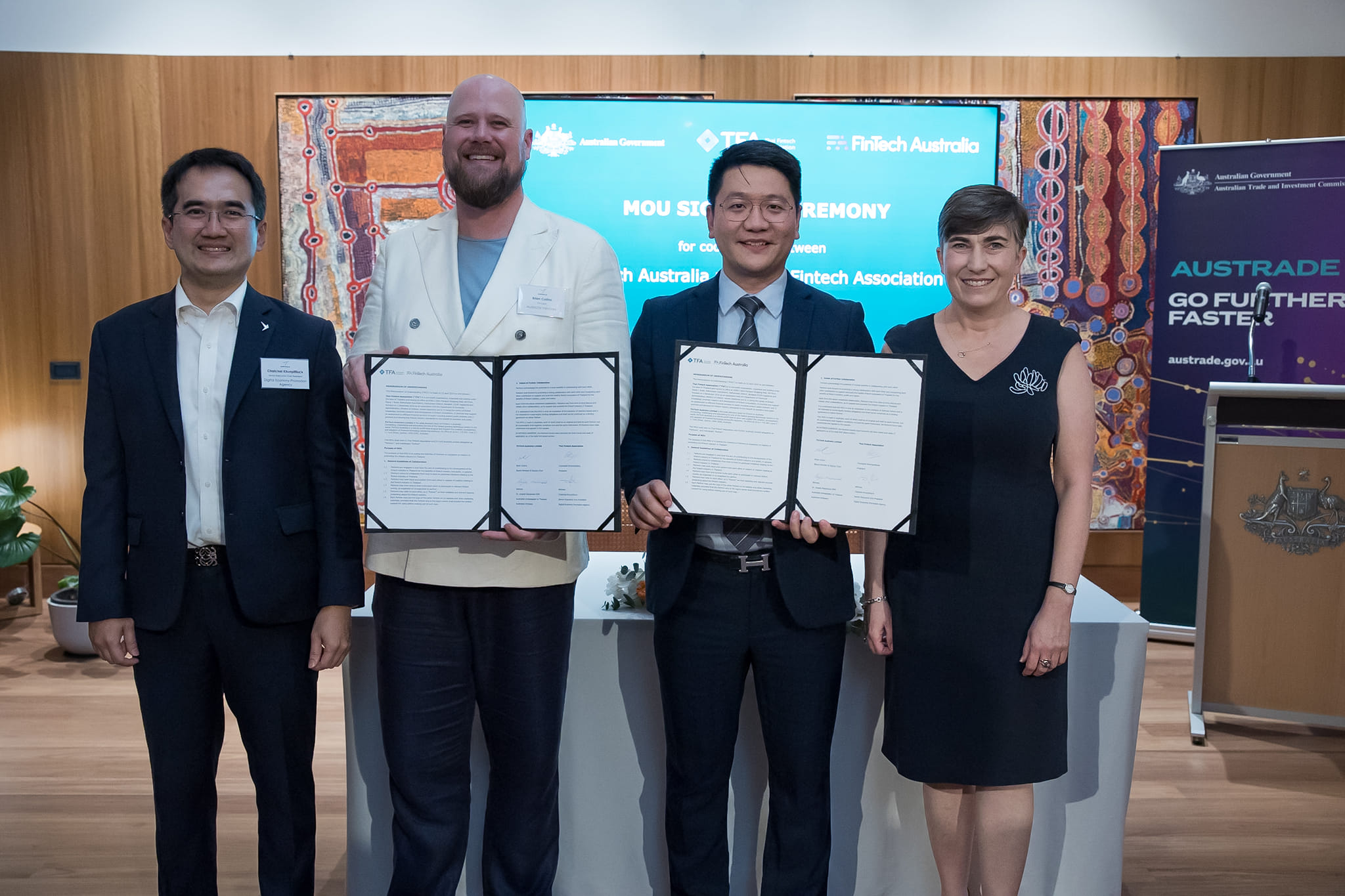
FinTech Australia and the Thai Fintech Association sign a new memorandum of understanding (MOU) to collaborate and promote fintech capability between Australia and Thailand on April 23, 2024.

BANGKOK – FinTech Australia and the Thai Fintech Association have signed a new memorandum of understanding (MOU) to collaborate and promote fintech capability between Australia and Thailand.

Financial technology – or ‘fintech’ – refers to technology and cloud services to improve and automate the delivery and use of financial products and services. The MOU was signed in Bangkok on April 23, by Thai Fintech Association President Mr Chonladet Khemarattana and FinTech Australia Deputy Chair Mr Brian Collins.

FinTech Australia

FinTech Australia is the not-for-profit peak industry body for the Australian fintech sector. The Australian fintech industry grew from a A$250 million industry in 2015 to a A$45 billion industry in 2023.

Australian and Southeast Asian fintech leaders alongside venture capitalists, corporate innovation and financial services representatives were present for the MOU signing in Bangkok.

aussie fintech1
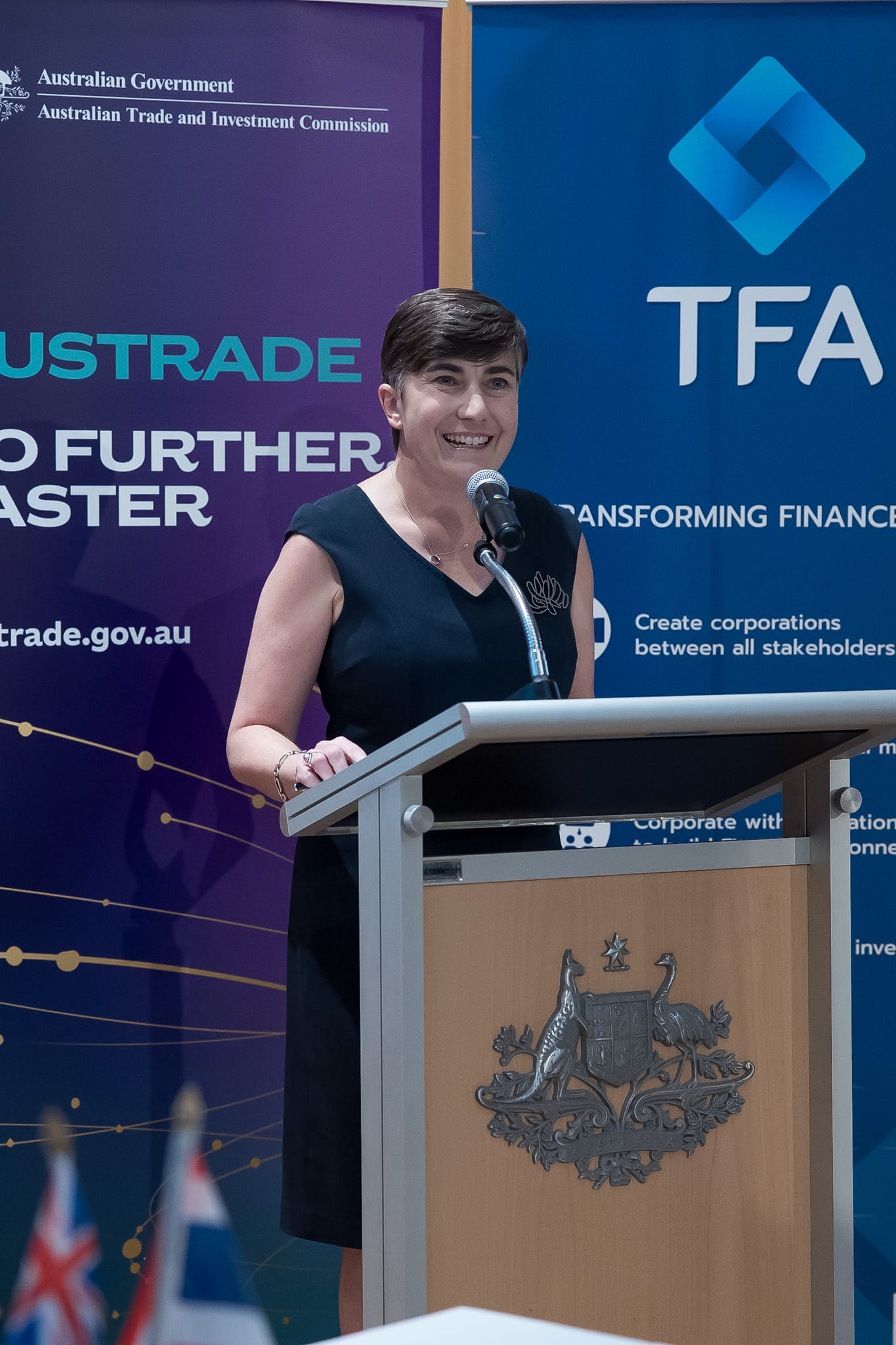
Dr. Angela Macdonald PSM, Australian Ambassador to Thailand

The delegation of Australian fintech representatives are in Bangkok for Money20/20 Asia, to explore partnership and opportunities in Thailand and the broader Southeast Asian region.
Australia’s Prime Minister Anthony Albanese launched Invested: Australia’s Southeast Asia Economic Strategy to 2040 last year which identified the digital economy as a key sector to boost two-way trade and investment with Thailand.

Dr. Angela Macdonald PSM, Australian Ambassador to Thailand stated that Thailand’s fintech sector is one of the fastest growing in Southeast Asia. It has seen significant investment and regulatory support, leading to a boom in innovation solutions for payments, lending and more. Coupled with Australia’s exciting and dynamic fintech landscape, this partnership is a welcome step in digital economy collaboration with Thailand.

Mr. Brian Collins, Deputy Chair, FinTech Australia said Thailand and Southeast Asia represent a massive growth opportunity for our local fintech sector. It’s a part of the world many of our members expressed interest in due to rapid adoption of various forms of fintech, not to mention Thailand playing host to Money20/20 this month. We look forward to further collaborating with the Thai FinTech Association to improve outcomes for both regions.

Mr. Chonladet Khemarattana, President, Thai Fintech Association added that Thai Fintech Association warmly welcomes the partnership with FinTech Australia, recognising the tremendous growth potential within the Southeast Asian market.

“With Thailand emerging as a hub for fintech innovation and the upcoming Money20/20 event, this collaboration promises to drive mutual benefits and foster cross-border synergies. We are eager to work closely with Fintech Australia to leverage our respective strengths and enhance outcomes for both regions’ fintech ecosystems,” he said.

____

Related article:

Bangkok Will Host Money20/20 Asia Stage for Global Fintech

Advertisement

MSDHS Collaborates with AIS ACADEMY to Continue the “Think-in-advance Mission” Initiative

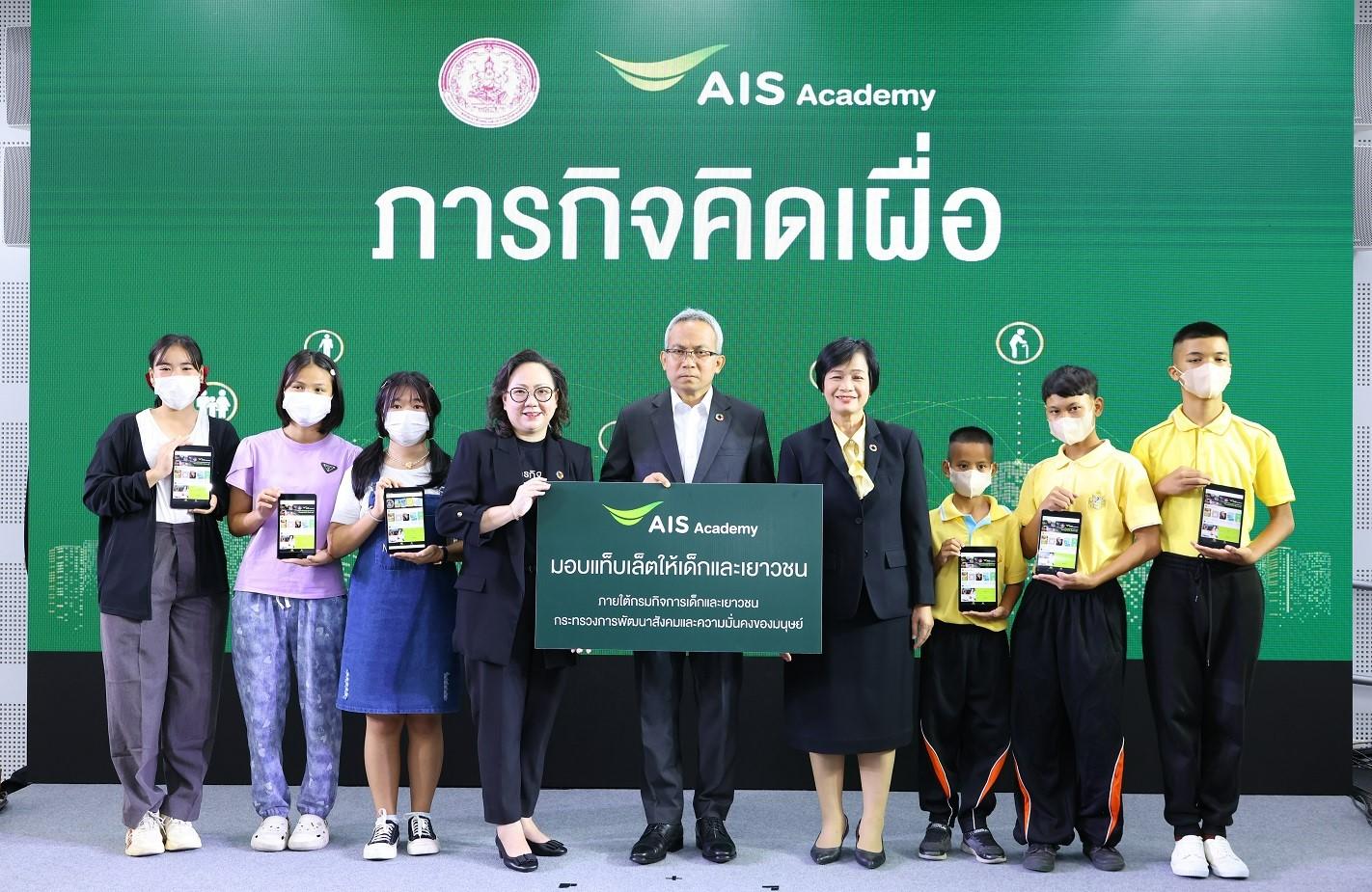
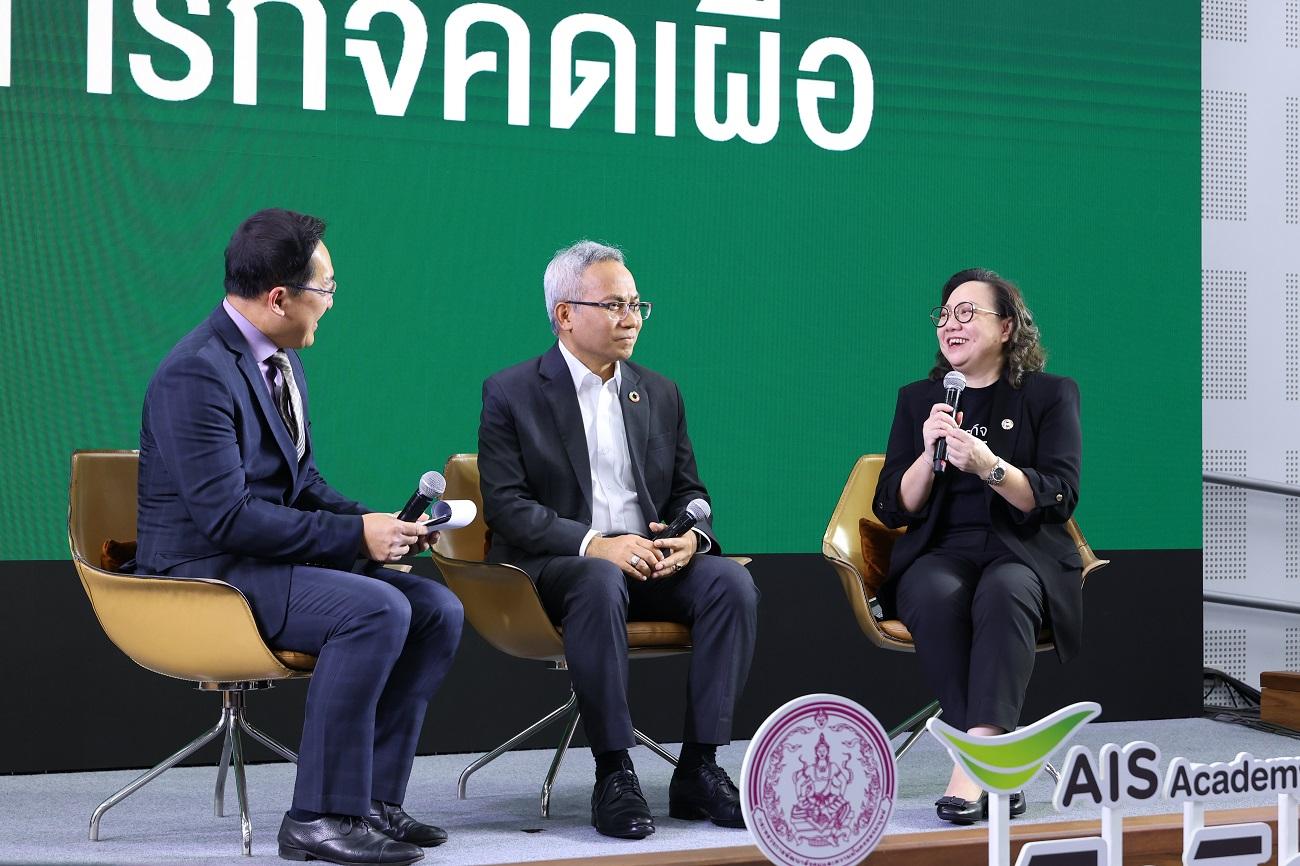
The collaboration between the Ministry of Social Development and Human Security (MSDHS) and AIS Academy aims to leverage AIS’s potential as a leading digital service provider through the “Think-in-advance Mission” initiative to strengthen society, reduce inequality, and elevate quality of life while addressing population crises.

This ongoing partnership since 2021 has included projects such as AIS Academy for THAIS, “aunjai Volunteer for Livelihood Development,” and the Digital Library.

The latest continuation of the partnership reinforces the “Think-in-advance Mission” initiative, acting as a spark to ignite ideas and collaborative efforts from all sectors to innovate, acquire knowledge and skills, and create new opportunities that lead to sustainable improvements in quality of life and social issues.

image3 16

Mr. Anukul Peedkaew Permanent Secretary of the Ministry of Social Development and Human Security stated that “Amid the demographic crisis in Thailand, where birth rates are decreasing, the working-age population is declining, and the number of elderly people is increasing, it is projected that by 2036, Thailand will become a super-aged society, with over 30% of its population being elderly. This poses a significant challenge for the Ministry of Social Development and Human Security.

As a result, the ministry is prioritizing and expediting various measures, covering the development of quality children and youth, enhancing the potential of the elderly and people with disabilities to serve as the country’s workforce, and empowering the working-age population to establish themselves so they can build families and take care of their family members.

Furthermore, it is considering the development of suitable systems to enhance family stability, enabling people to have security in living in a quality society, which is a crucial foundation for Thai society.”

image2 19

“Not only the ministry itself, but today we have been working with various network partners from all sectors to ensure that the people can access public services and government welfare fairly and comprehensively. Additionally, we emphasize the application of new technologies and innovations as tools to facilitate public service, develop tools to help manage the organization, and improve the efficiency of caring for people of all ages.

We believe that the collaboration with AIS under the ‘Think-in-advance Mission’ initiative will be another key project that reflects the cooperation between the public and private sectors in supporting each other’s work, leading to the enhancement of people’s quality of life and promoting equality, which will result in sustainable improvements in the quality of life for Thai people.”

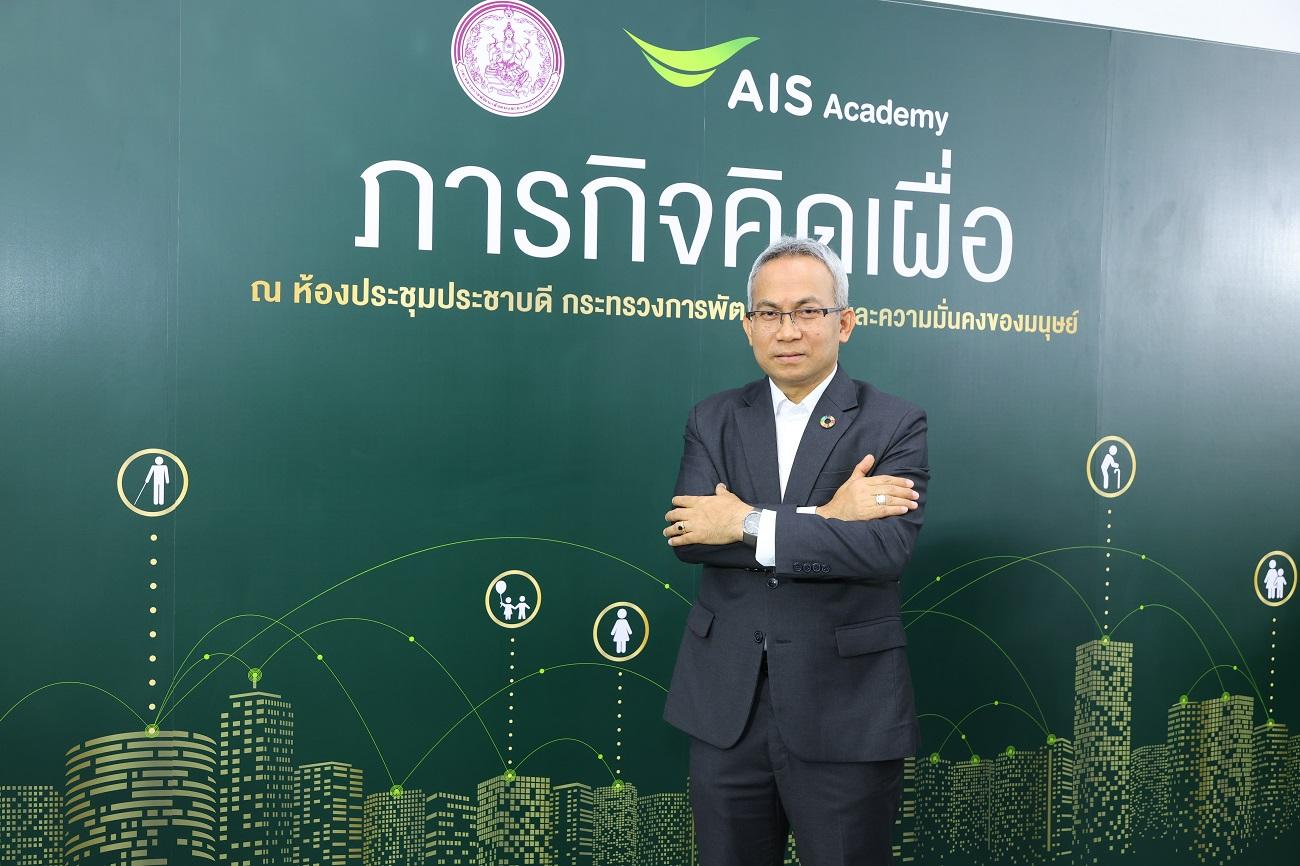
image5 9 e1713791124718, Chief Human Resources Officer at AIS and the InTouch Group, stated, “Under AIS’s sustainable business operations, we emphasize driving the growth of the economy, society, and the environment together, particularly by creating digital access for all groups of Thai people. We believe that a strong digital infrastructure not only fosters business growth but also leverages the potential of digital technology and innovation as a tool to increase opportunities and reduce gaps in demonstrating capabilities to decrease inequality in access to various opportunities, including access to basic services, or digital inclusion.” 

image4 14

“The operations under the ‘Think-in-advance Mission’ initiative by AIS Academy align with the SDGs, specifically Goal 10, which focuses on reducing inequalities within and between countries, as well as Goals 3 and 4 on health and well-being and quality education. The initiative promotes social inclusion by empowering AIS employees to help bridge gaps between different groups, addressing economic and political disparities, and enabling everyone to participate in society equally and fairly.

Therefore, the collaboration with the Ministry of Social Development and Human Security since 2021 leverages the potential and strengths of employees and the organization in digital technology and innovation to provide solutions to reduce inequality, create equity, and enhance the capabilities of the population and society to effectively navigate demographic crises.

Over the years of collaboration, we have gained a clear understanding of the issues faced by each group, allowing us to apply knowledge in a targeted way to benefit various groups of Thai people. The working approaches in various areas include:

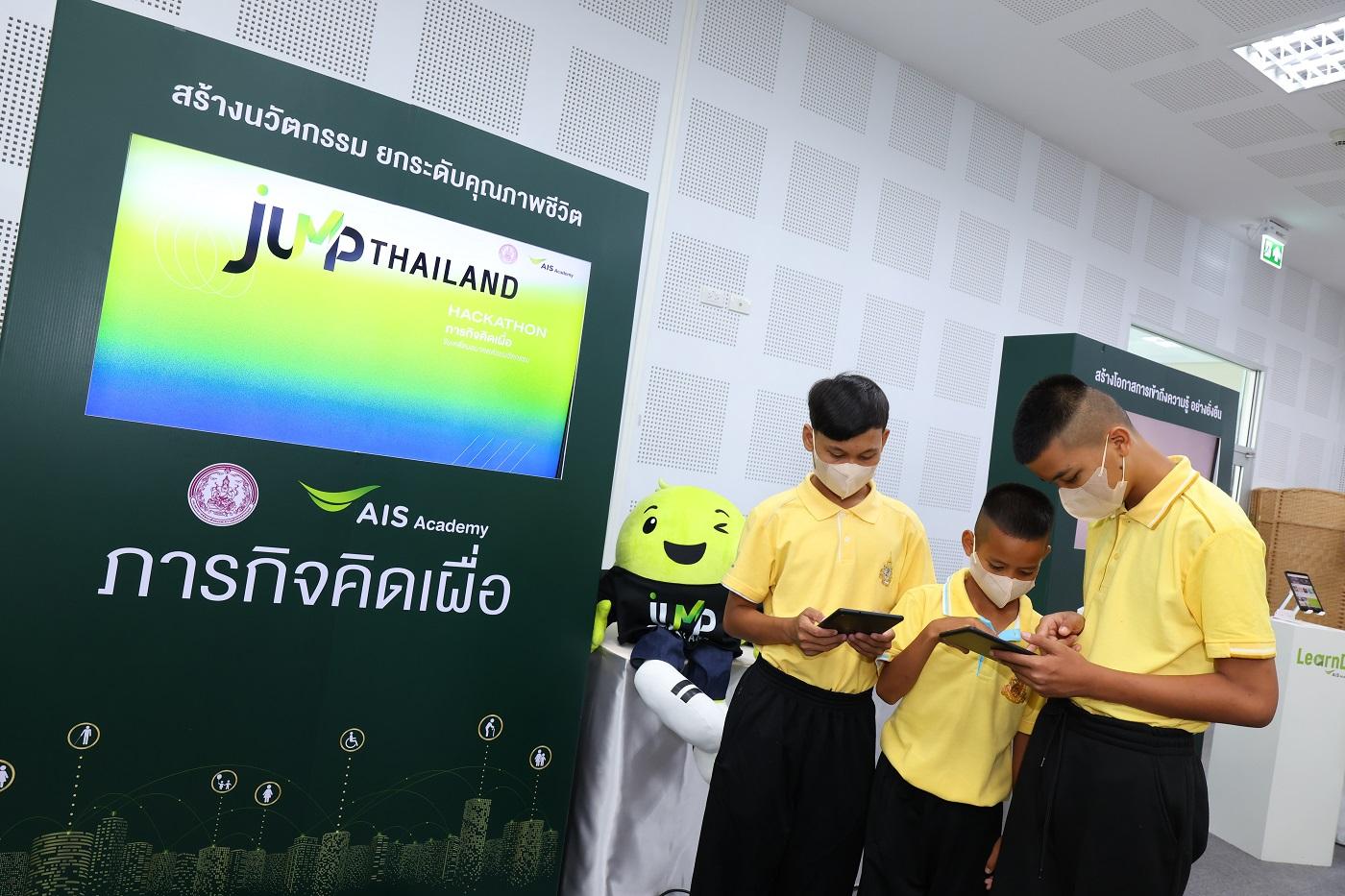
  1. Developing innovations to improve the quality of life for people with disabilities and the elderly through the Jump Thailand Hackathon 2024 project.
  2. Enhancing professional development skills through the Train The Trainer program, delivered by aunjai Volunteer Coaches to ministry staff, who can then pass these skills on to the public for further career development.

  3. Providing knowledge to strengthen families through digital content in the form of lessons, prepared by aunjai Volunteer employees.
  4. Creating opportunities for sustainable access to knowledge through the Digital Library Sharing Knowledge project via the AIS ReadDi platform and distributing tablets as a means of accessing knowledge in the digital world.

image6 6

Ms. Kantima concluded, “AIS Academy pledges to be like a small matchstick, ready to ignite the collaboration of society in working together to improve the quality of life for Thai people through the capabilities of its employees, cutting-edge digital technology, and digital infrastructure. With strong partnerships and access to over 45 million people nationwide, AIS Academy can serve as an opportunity to bridge gaps, eliminate disparities, and inspire those still in a state of dependency, ultimately helping them overcome the demographic crisis.”

Advertisement

CP Foods Steps Up in Environmental Initiatives Against Plastic Waste

Charoen Pokphand Foods Public Company Limited (CP Foods) is stepping up its environmental conservation efforts, reaffirming its dedication to sustainable practices by decreasing plastic usage throughout its operations. Aligned with the Earth Day 2024 theme ‘Planet vs. Plastics,’ this initiative focuses on gradually eliminating single-use plastics and advocating for recyclable packaging across CP Foods’ supply chain.

Kobboon Srichai, Head of Corporate Affairs & Investor Relations at CP Foods, emphasized the company’s commitment to environmental stewardship alongside its mission to produce health-beneficial food products. CP Foods is integrating principles of the circular economy and the BCG Model to enhance recyclability in packaging and reduce plastic usage systematically.

image3 15

The company’s proactive measures include redesigning packaging to be more recycling-friendly and engaging employees in effective waste management strategies. These initiatives are part of a broader effort to foster a culture of sustainability within and beyond the organization.

Innovations in packaging are at the forefront of CP Foods’ environmental strategy. The company’s research and development team collaborates with industry partners to pioneer sustainable packaging solutions. Recent collaborations with SCG Packaging Plc (SCGP) and SCG Chemicals Plc (SCGC) have led to the development of innovative packaging materials, including innovations in pulp and polymer-based packaging and green polymer-based plastic solutions, which significantly cut greenhouse gas emissions.

image5 8

image2 18

CP Foods is advancing efforts to minimize overall packaging while increasing its recyclability and incorporating renewable or recycled materials in food packaging. Since 2015, CP Foods has been a trailblazer in utilizing bioplastic food trays made from polylactic acid (PLA). This progress is reinforced by the adoption of 100% recyclable mono-plastic films, streamlining the recycling process. Moreover, CP Foods is actively advocating for initiatives to maximize the utilization of recycled materials in product packaging, maintaining unwavering standards of food safety and quality.

Moreover, CP Foods has made substantial reductions in plastic usage within its production and transportation processes. Notably, the company’s land animal feed business has transitioned from plastic bags to Bulk Feed Tanks, reducing plastic usage by over 13,216 tons in the past year. Similarly, in its aquatics business, the replacement of plastic bags with Q-Pass Tank boxes has resulted in a further reduction of over 10,000 tons of plastic.

CP Foods remains committed to promoting environmental education and sustainable practices among its employees and neighboring communities. Through partnerships with local educational institutions and community organizations, CP Foods actively engages in initiatives aimed at combating plastic waste in a sustainable manner.

image4 13

Advertisement

Banners at Lopburi Gold Shop Protest PM on Monkey Issues

monkey
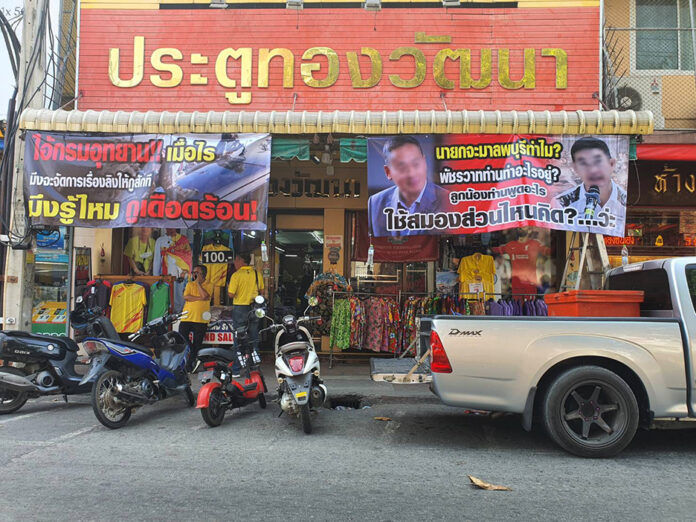
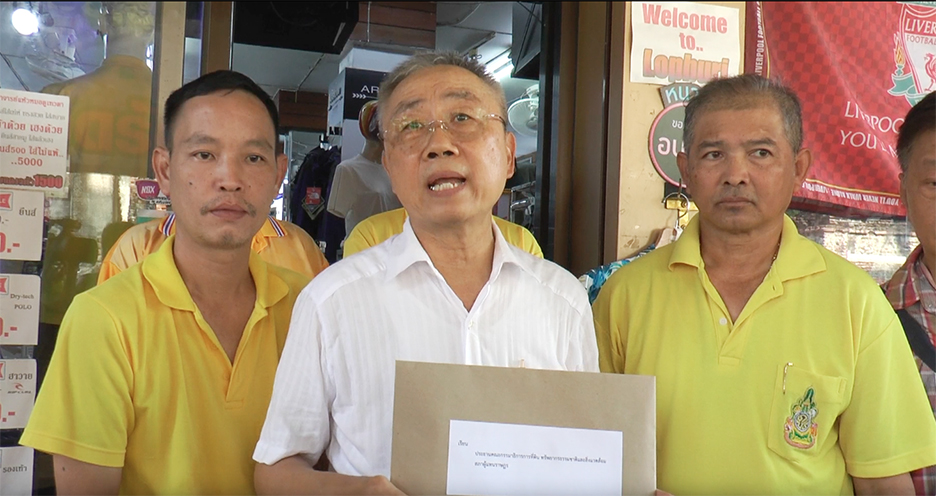
The monkey protesters put up vinyl signs in front of a gold shop in Lopburi Centre on April 22, 2024, with a message criticising the Prime Minister and the Department of National Parks, Wildlife, and Plant Conservation for their inability to resolve the monkey issue.

LOPBURI – A leader of the Lopburi resident group who brought the viral picture to ask the PM to solve the monkey problems in Lopburi when the Prime Minister Srettha Thavisin visited in February has now put up vinyl signs with a message criticising the Prime Minister and officials from the Department of National Parks, Wildlife, and Plant Conservation for their inability to resolve the monkey issue.

“Why was the Prime Minister coming to Lopburi (for nothing)?” It stated on Monday. “Where is Patcharawat (Minister of Natural Resources and Environment)?”

Another banner was also installed in front of the gold shop, Pratoo Thong Wattana in Tha Hin Subdistrict, Mueang District, Lopburi Province: “When will the National Park deal with the monkeys for me?” “You know, I’m in trouble.”

monkey protest2
A banner reads, “When will the National Park deal with the monkeys for me?” “You know, I’m in trouble.”

Kantang Kitrattanakarn, 68, a leader of the protest group, stated that they were truly helpless and had to put up a sign to criticise the National Parks Department’s activity, which is working late and is not serious with the Lopburi people.

Kantang stated that they also addressed a letter to the Chairman of the Land Commission, Natural Resources and Environment, House of Representatives, who visited Lopburi.

On the same day, April 22, Mr. Atthaphon Charoenchansa, Director-General of the Department of National Parks, Wildlife and Plant Conservation, said that a meeting of relevant stakeholders had jointly formulated a plan to capture and move the monkeys. Lopburi Municipality.

monkey protest1
Kantang Kitrattanakarn, 68, a protest group leader, shows a letter to the Chairman of the Land Commission, Natural Resources and Environment, House of Representatives.

There will be 200 – 300 monkeys captured for a period of 4 days to be sterilized and transported to be cared for at the Pho Kao Ton Monkey Nursery of Lopburi Municipality, Cage 3, which has been informed that construction will be completed by mid-May.

“Once the work on the monkey nursery cage has been completed, The various agencies involved have planned together and it is clear that The process of moving the monkeys will begin immediately. In order to solve the problems of the people of Lopburi as quickly as possible,” Atthaphon said.

On the same day, April 22, Mr. Atthaphon Charoenchansa, Director-General of the Department of National Parks, Wildlife, and Plant Conservation, stated that a meeting involving key agencies had agreed on a plan to capture and relocate the monkeys. Lopburi municipality.

The first 200–300 monkeys will be seized over a four-day period, sterilised, and taken to the Lopburi Municipality’s Pho Kao Tonne Monkey Nursery, Cage 3, where construction is expected to be completed by mid-May.

“Once the monkey nursery cage has been built, the many agencies involved have planned together, and it is apparent that the process of relocating the monkeys will begin right away. In order to resolve the difficulties of the Lopburi people as soon as feasible,” Atthaphon stated.

____

Related article:

Lopburi Locals Ask the Prime Minister To Address Monkey Issues

Advertisement

Swiss National in Coma After Brutal Hit in Pattaya

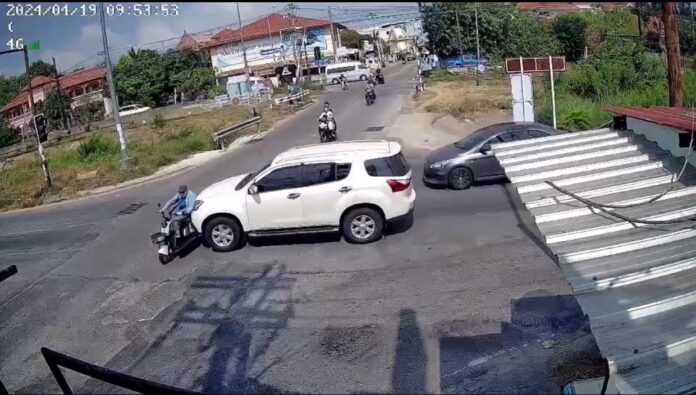
CCTV captures shocking footage showing a Swiss man on a three-wheeled scooter hit by a car in the middle of the intersection of Pattaya South Railway Road on April 19, 2024.

PATTAYA – A Swiss man on three-wheeled scooter hit by car in middle of intersection in Pattaya; CCTV captures shocking footage; The Thai wife fears the case will be hushed up and pleads with media for justice.

On April 22, reporters received a complaint from Mrs. Samrit, 55, that her 73-year-old Swiss husband, Mr. Andreas Geissbühler, was hit by a car driven by another person, causing his three-wheeled electric scooter to skid across the road. The horrifying moment was clearly captured on CCTV.

The incident occurred at around 9:50 AM on April 19, 2024. After the accident, the other driver refused to take responsibility and instead told Mrs. Samrit to deal with the insurance company, even though her husband was still in a coma and being treated in the ICU at Bangkok Pattaya Hospital.


Mrs. Samrit said that before the accident, her husband had left the house on his three-wheeled electric scooter to buy his regular medication. A short time later, a friend called her and told her that her husband had been hit head-on by a white Isuzu Mu-X while crossing the intersection of Pattaya South Railway Road. When she arrived at the scene, she found the culprit was helping her husband before paramedics arrived and took him to hospital.

Doctors later said that Mr. Geissbühler was in a serious coma and required close monitoring. The driver visited the hospital today to check on his condition, but did not offer any words of comfort or assistance. He did not even offer to help with the initial expenses, which have already exceeded 200,000 baht.

The driver said he would leave everything to the insurance company. Moreover, the police officer in charge of the case at Nongprue police station has yet to determine which side is at fault and has not summoned the other driver for questioning.

Mrs. Samrit fears that the case will be hushed up and therefore asks the media to report on the case to help her husband get justice.

Advertisement

Chinese Police Complete Repatriation of Over 680 Gambling, Scam Suspects From Cambodia

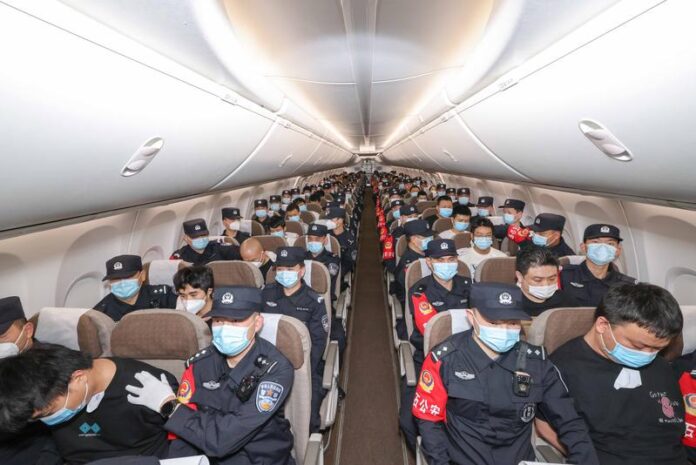
Gambling and scam suspects escorted by Chinese police officers are pictured on a chartered flight to China, April 13, 2024. Two police-chartered civilian flights brought back 130 gambling and scam suspects from Cambodia earlier on April 13, 2024. (Xinhua/Yin Gang)

BEIJING – Chinese police have completed the repatriation of over 680 gambling and scam suspects from Cambodia, the Ministry of Public Security (MPS) said on Sunday.

Two police-chartered civilian flights brought back the last batch of 135 suspects to Wuhan, capital of central China’s Hubei Province, earlier on Sunday.

This marks the completion of repatriation this year as Chinese and Cambodian police launched joint operations to crack down on crimes associated with gambling and swindling, the ministry said.

The repatriation started earlier this month in batches.

In recent years, Chinese police have continuously intensified international cooperation to combat prominent crimes such as cross-border gambling and telecom scam.

This year, Chinese police have repatriated tens of thousands of such suspects from countries including Myanmar, the Philippines, and the United Arab Emirates.

The MPS vowed to maintain high pressure on such crimes, while also reminding the public to be more vigilant.


Advertisement

PM Stressed Digital Innovation for Transformative Change to Achieve the SDGs at ESCAP

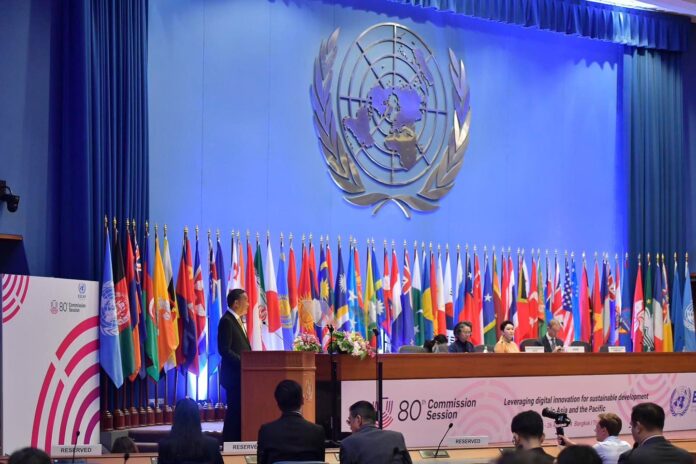
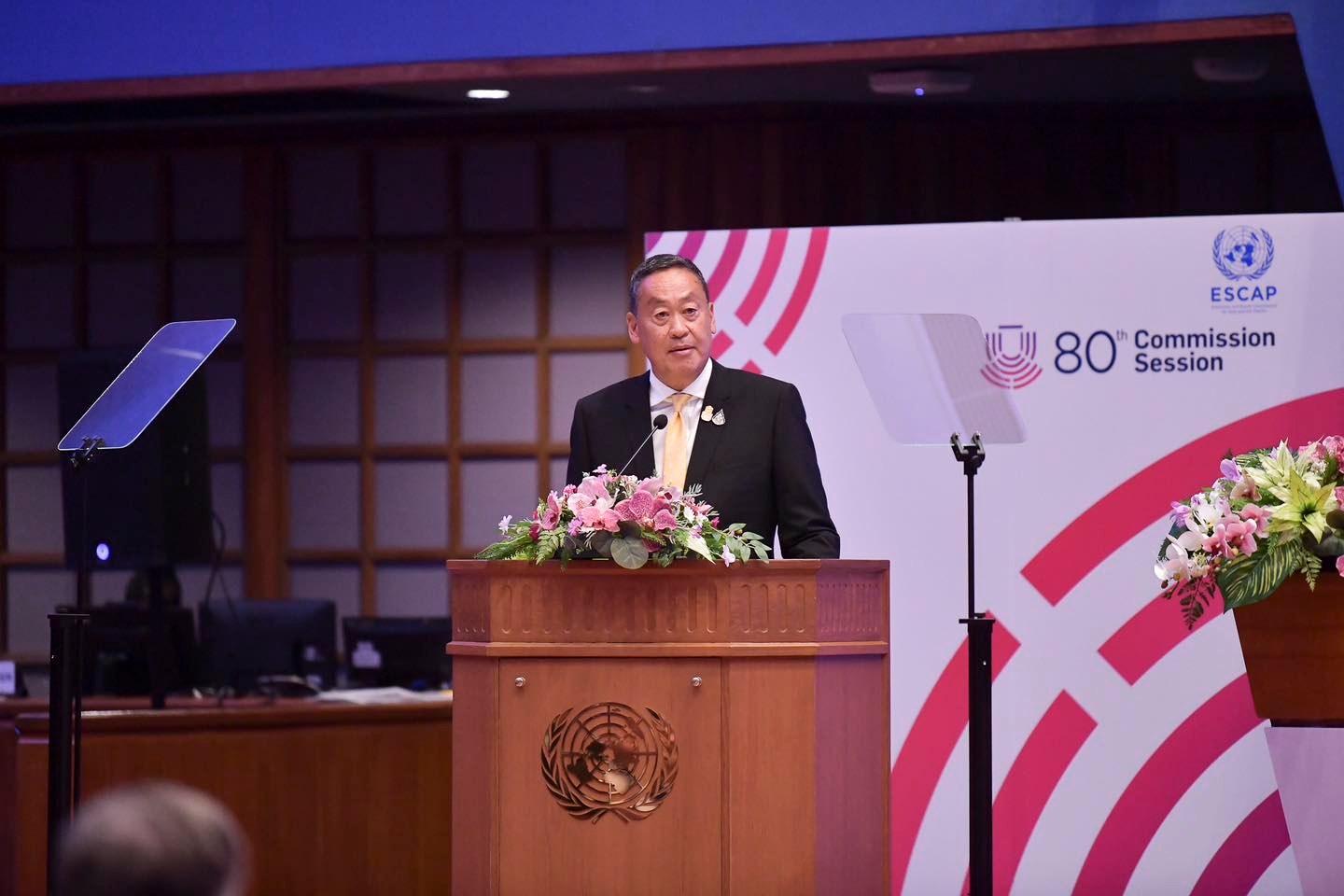
BANGKOK – Prime Minister Srettha Thavisin delivered a speech on April 22, 2024, at the Opening of the 80th Session of the United Nations Economic and Social Commission for Asia and the Pacific (ESCAP) at ESCAP Hall, United Nations Conference Center, Bangkok, as follows:

As host country of ESCAP, Thailand takes great pride in being a regional home to more than 5,000 UN personnel and representatives. This is a testament to Thailand’s long-standing commitment to international cooperation.

The theme of this year’s Commission is both timely and relevant. During my attendance at the SDG Summit and the UN General Assembly in New York last year, I was impressed by the collective efforts of the UN and its member countries. The dedication and proactive measures displayed on both occasions should steer us towards getting back on track to achieve the Sustainable Development Goals. With only six years remaining until 2030, global commitments and actions are required to achieve a prosperous future for all.

Asia and the Pacific is a vibrant and dynamic region. Yet, at the current pace, our region will not achieve the SDGs until 2062. The future is calling for us to find innovative ways to bring about sustainable development. And to do so in an urgent manner.

We need transformative change. And digital innovation has become a vital tool for us all to achieve that change. It can help us do things faster, cheaper, and better. At the same time, we must ensure that digital innovations benefit all and truly contribute toward sustainable development.

escap pm2

To fully realize the potential of digital innovation, Thailand wishes to propose two approaches as follows:

First, we need to empower people and communities through digital transformation. We have to ensure that digital innovation is people-centric and inclusive. Along these lines, my Government has recently launched the “Ignite Thailand” initiative, focusing on eight key areas, such as digital economy, future mobility, financial technology, wellness and medical technologies. Success in all these areas will depend largely on digital innovation.

“Ignite Thailand” also places great importance on fostering digital literacy and inclusion among vulnerable groups. It aims to empower people and communities and drive sustainable growth. For many agricultural-based countries in the Asia-Pacific region, including Thailand, digital transformation is critical to ensure food security for all. We need to leverage digital technologies to promote agricultural innovation. This will help to ensure a sustainable food system, climate-smart farming, and environmental sustainability.

Second, we need to safeguard against risks. While embracing digital innovation, we must identify and mitigate its related risks and negative impacts. This includes addressing cyber-security threats, bridging the digital divide, and working towards a strong framework for cooperation to ensure a safe, secure, and equitable digital future for all.Distinguished delegates,In the digital era, the role of ESCAP is more crucial than ever.

As ESCAP is actively engaging stakeholders in the integration of digital technologies to foster sustainable development, there is still more room to amplify these efforts further. Thailand acknowledges this opportunity and stands ready to bolster support, ensuring that our collective actions make a significant impact on the ground.

Member States and Associated Members must also exchange knowledge and best practices in order to narrow the digital divide, and bring about sustainable development at a faster pace. Moreover, the role of other stakeholders, in particular the private sector, must also be actively involved.

Therefore, this Commission Session does provide an excellent opportunity to promote regional cooperation through digital innovation to achieve the SDGs. I believe we have a wide range of interesting ideas to share with one another. However, the challenge is how to translate them into practical policies and real actions at the national and regional levels. The outcomes of this meeting will provide useful inputs to the High-Level Political Forum and the Summit of the Future, as well as the Global Digital Compact which will be held later this year.

In closing, I firmly believe that together, we can realize our common aspirations of a digitally empowered future. Thailand stands ready to collaborate with ESCAP member countries towards this goal.

Advertisement

Hot News

LATEST NEWS

Bangkok
light rain
34.4 ° C
34.4 °
32.7 °
70 %
4.6kmh
89 %
Sun
34 °
Mon
35 °
Tue
35 °
Wed
34 °
Thu
34 °