
































31.5 C
Bangkok
Friday, November 27, 2026
Home Blog Page 683

How Japan Contributed to the Development of Thailand

Development
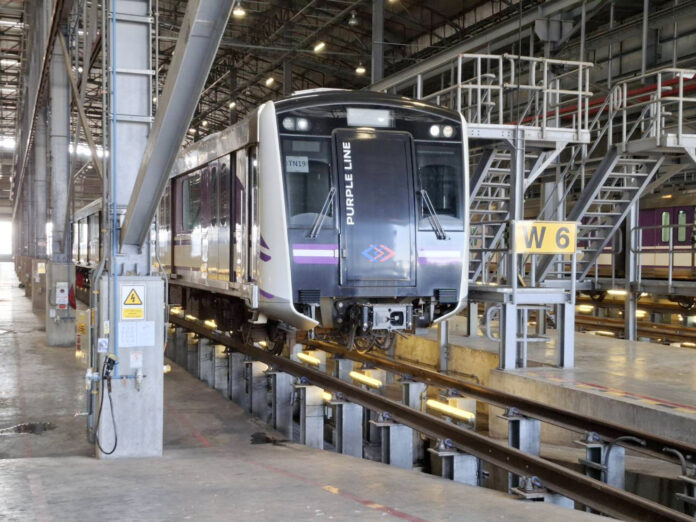
The MRT Purple Line expands the mass transit network, connecting Tao Poon MRT station to Bang Yai station. (Photo by Pravit Rojanaphruk)

L ooking at the past seven decades of Japan’s Official Development Assistance (ODA) to Thailand was like looking at how Thailand modernised herself.

Japan has dispatched 12,000 technical experts and 1,100 volunteers to Thailand over the decades, while Thailand sent 33,000 technical trainees to Japan.

The past two decades or so, in particular, saw key infrastructures developed, partly thanks to Japan’s Yen Loan (or low-interest loan) and made possible the completion of Suvarnabhumi International Airport (2006) and the MRT Blue Line (2004). (On top of 14 out of 20 bridges across the Chao Phraya River in Bangkok and nearby provinces.)

These two projects in particular, significantly improved Thailand’s and Bangkok’s infrastructures in a way one cannot fathom how things would have been without these pioneering projects.

Today, Thailand is a major global tourist destination and Bangkok’s mass transport system keeps expanding, creating new satellite towns, reducing traffic congestion, expanding the economy, and making life much more bearable.

On Wednesday, Nov 20, 2024, the Embassy of Japan in Bangkok took the opportunity to show a group of Thai press how Japan assisted Thailand on the occasion of 70 years of Japan’s ODA in Thailand.

The embassy chose two more current projects and by showing us the two projects, we can see the challenges facing Thai society today.

We were first taken to see the MRT Purple Line, which was completed through Japan’s Yen Loan and technical assistance in 2016. It expanded the mass transit network, connecting Tao Poon MRT station to that of Bang Yai station. The day trip was shepherded by Ms Kaamura Maki, the embassy’s counsellor and director of the embassy’s information centre who speaks decent Thai after two years of language lessons at Chulalongkorn University.

(Repayment period for the Purple Line is 25 years, with grace period of 7 years and interest rate of 1.4 percent. The investment cost was 63.7 billion baht). The 16 stations connected Bangkok to nearby Nonthaburi province’s Bang Yai district (about 33 kilometres from Bangkok) and enabled many to live there while conveniently commuting to Bangkok to work.

The Deputy Head of the Mission of the Embassy, Mr Nishioka Tatsushi, dropped by and delivered a short message and said Thailand is a “model case” when it comes to Japan’s ODA to a foreign country but added that as Thailand has become a middle income country, the nature of assistance and cooperation has changed.

A Thai executive at MRT Purple Line spoke to me on the condition that he is not named that going forward, Thailand will face more challenges as to how to keep the fare reasonable enough so more people will use MRT to travel from the satellite towns around Bangkok to the capital to work. (As of September 2024, 72,823 commuters use the line on average daily. )

The fare right now is a flat 20 baht per trip due to the current government’s intervention while normally and prior to that it’s 42 baht for the full length of the line, which is considerably pricey as the minimum daily wage is around 350 baht, making a round trip fare costing roughly a quarter of one’s minimum wage. I told the executive that since we don’t know how long the government can subsidise the fares, such mass transport system is in fact more of a middle-class transport system as poorer people could hardly afford to use them daily.

The executive told me more challenges lie ahead as the government has to bring the private sector to invest in new mass transit lines and that means Thailand’s mass transit fares will be one of the highest in the world. (On what Japan gets in return, the Purple Line uses Toshiba made trains and the stations were adapted from Japanese models.)
thai japan
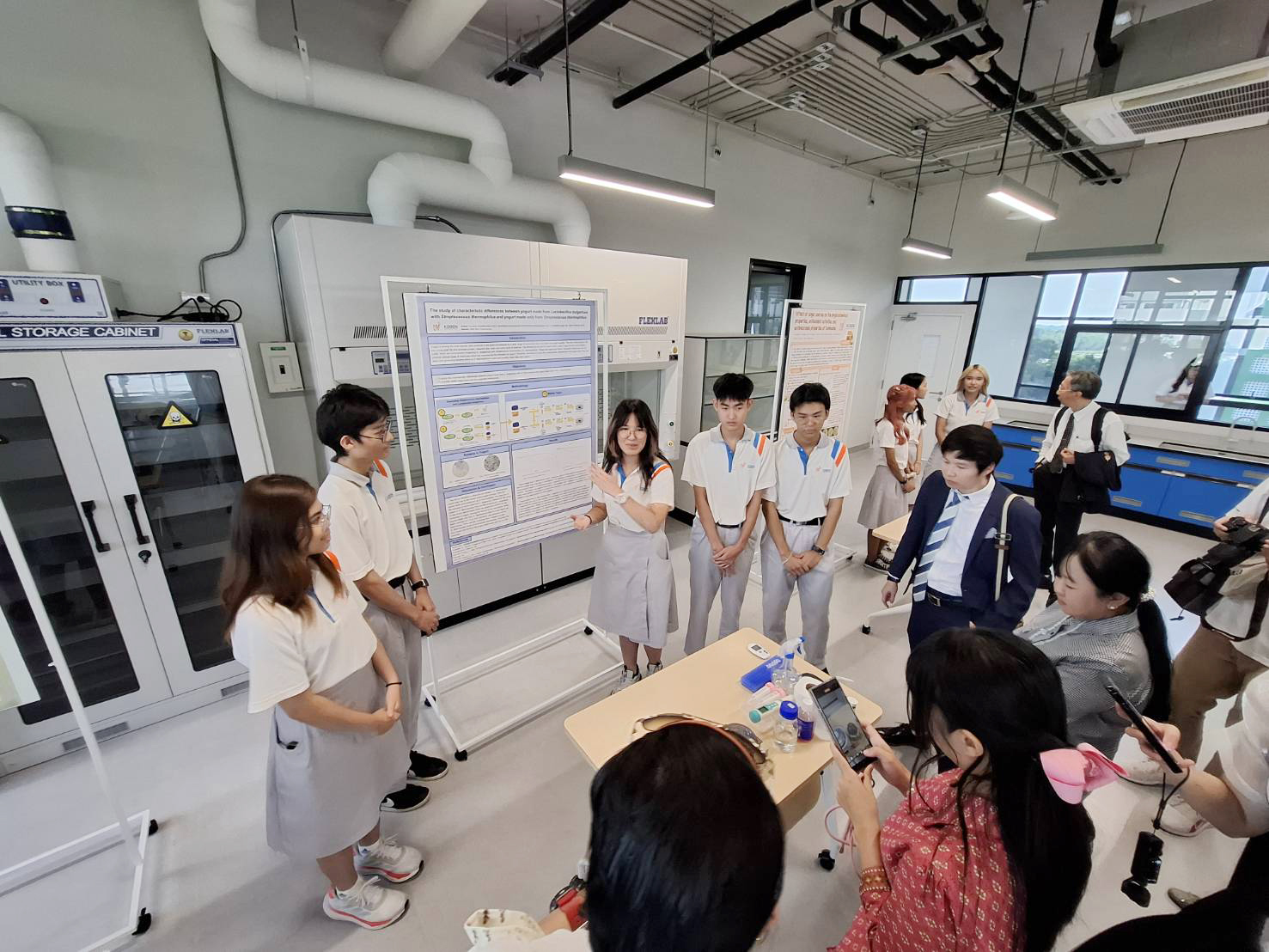
Japan’s ODA contribution to Thailand’s education system is showcased at King Mongkut’s University of Technology Thonburi. (Photo by Pravit Rojanaphruk)

Moving to the afternoon, it was a showcase of Japan’s ODA assistance in education.  We were taken to meet with administrators and students of KOSEN KMUTT at King Mongkut’s University of Technology Thonburi, in the outskirts of Bangkok. Here is a new five-year engineering and biology programme for particularly bright students.

The programme was made possible through the yen loan. Japan International Cooperation Agency (JICA) also provided technical assistance via a number of Japanese lecturers teaching bright young Thais who had to pass two difficult examinations when they were in their middle school to be chosen for the five years education which was fully funded by the Thai government.

Again, these students will be ideal graduates for Japanese firms and factories in Thailand as well as other companies working in areas related to biology, engineering and beyond. (Students in the programme have the opportunity to do the last three years of their five-year course programme at counterpart universities and colleges in Japan.) Thailand will gain too, without doubt.

Unfortunately, while discussing the programme with the Thai administrators, I asked if most of these fully-funded students were basically from the upper middle class background and that most able students from poor families were left out of this programme. The answer was yes. This is another major challenge facing Thailand.

Back to Japan. We are thankful to Japan and they are still assisting Thailand through other ways such as training physically handicapped Thais to make pastry and run bakeries, help Thailand adapt to an aging society, researching on PM 2.5 problems, and more. For all these we are grateful and I am happy to say that unlike back in the 1970s when Japan was seen by some Thais as a threat that would turn Thailand into its economic colony, such fears have been proven false. Japan is no longer the Number One economic powerhouse in Asia (thus much less threatening) and the fears among Thais are now focused on China, rightly or wrongly. But that’s a topic of another column.
Advertisement

20 New Eateries Join Thailand’s Michelin Bib Gourmand List for 2025

MICHELIN
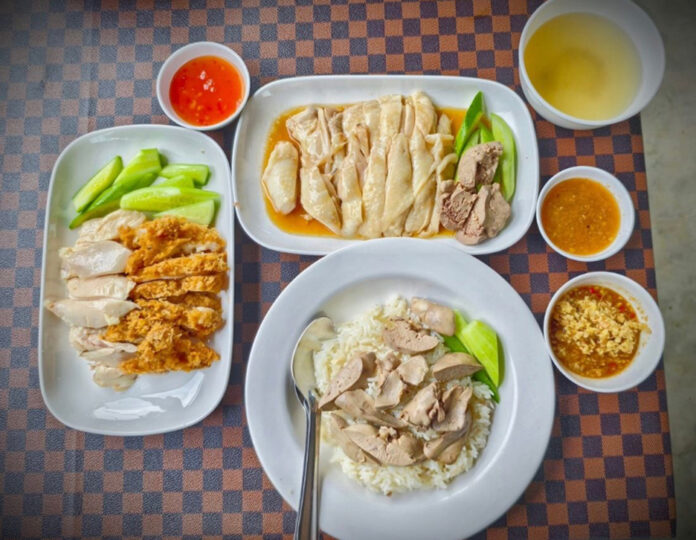
Khao Mun Gai Nha Jone

BANGKOK — The MICHELIN Guide Thailand has expanded its prestigious Bib Gourmand list to 156 venues, adding 20 new entries for 2025. The announcement comes ahead of the official MICHELIN Guide Ceremony scheduled for November 28, 2024.

Among the newcomers are five establishments from Chon Buri, a region making its debut in the guide. The selections range from upscale restaurants to modest street food vendors, representing approximately 15 different cuisine types including Southern Thai, Isan, and Thai Contemporary.

“Our inspectors discovered numerous simple restaurants and small eateries that are local favorites,” said Gwendal Poullennec, International Director of The MICHELIN Guides. “These establishments preserve their culinary heritage across generations, offering remarkable cuisine at pocket-friendly prices.”

khao lam
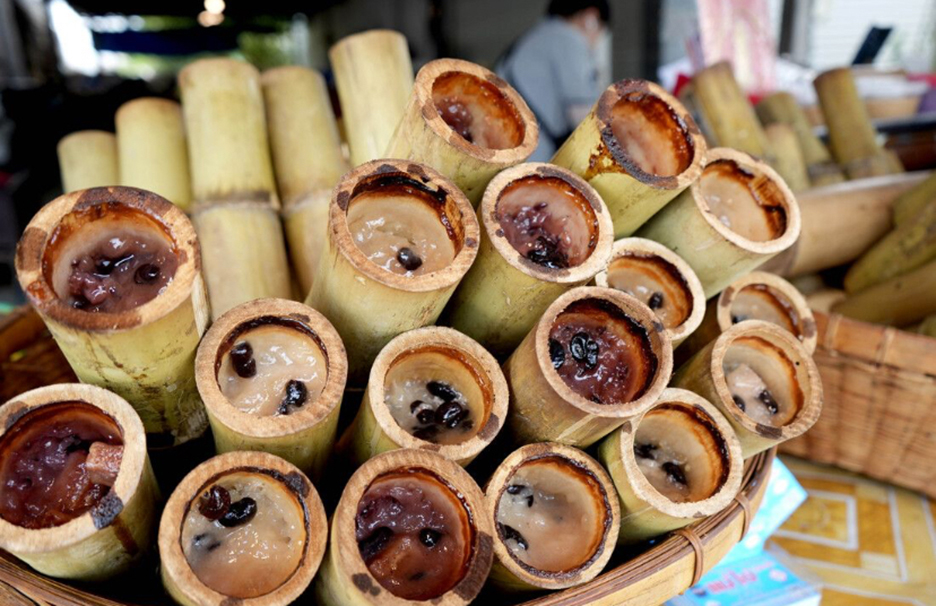
Khao Lam Mae Khai Toon Klao
jan hom
Janhom, a southern Thai restaurant

The Bib Gourmand distinction, symbolized by the “Michelin Man,” recognizes restaurants offering high-quality food at reasonable prices. The 2025 selection spans multiple regions, including 52 venues in Bangkok and surrounding provinces, 20 in Chiang Mai, and various establishments across Thailand’s northeastern Isan region, southern provinces, and popular tourist destinations like Phuket and Ko Samui.

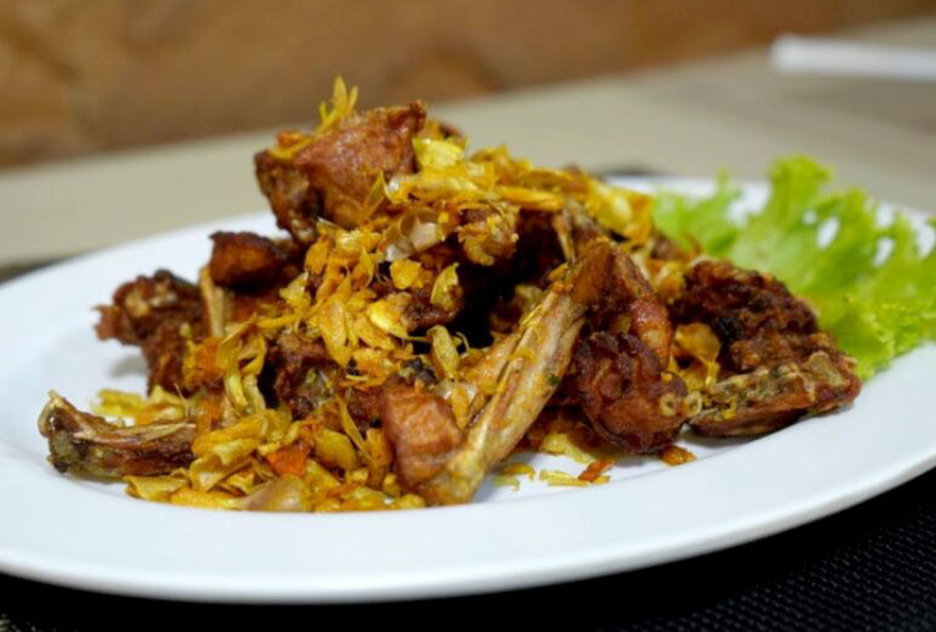
Notable new entries include Khao Mun Gai Nha Jone, a perpetually busy eatery serving delicious, tender and juicy chicken with sauces that add a real kick; Janhom, a southern Thai restaurant known for its intense flavors and house-made curry paste; Morakot Kitchen, a 120-year-old establishment famous for its authentic fish cakes; and Khao Lam Mae Khai Toon Klao, a 60-year-old dessert stall specializing in traditional sweetened sticky rice cooked in bamboo.

______________

Advertisement

Thai-US Joint Operation Nets Major Tiger Trafficking Arrest

tiger
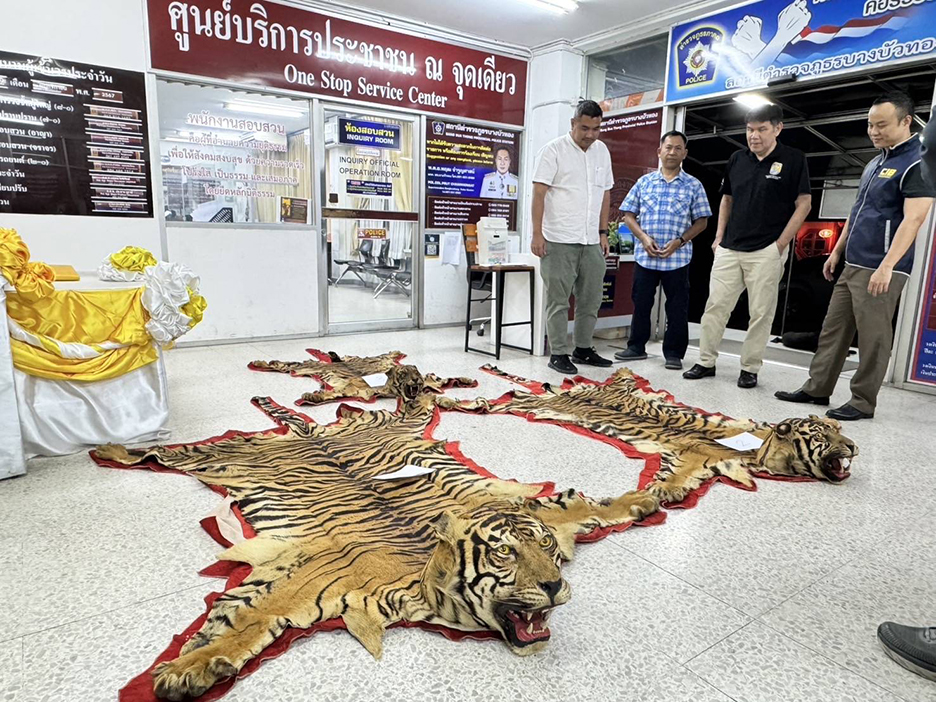
Natural Resources and Environmental Crime Division officers seize three complete tiger carcasses in a raid conducted in Bang Bua Thong district, Nonthaburi Province on Nov. 23, 2024.

NONTHABURI — In a collaborative effort between Thai law enforcement and US wildlife authorities, the Natural Resources and Environmental Crime Division (NRECD) has arrested a 60-year-old man in connection with illegal wildlife trafficking, seizing three complete tiger carcasses in a raid conducted in Bang Bua Thong district, Nonthaburi province.

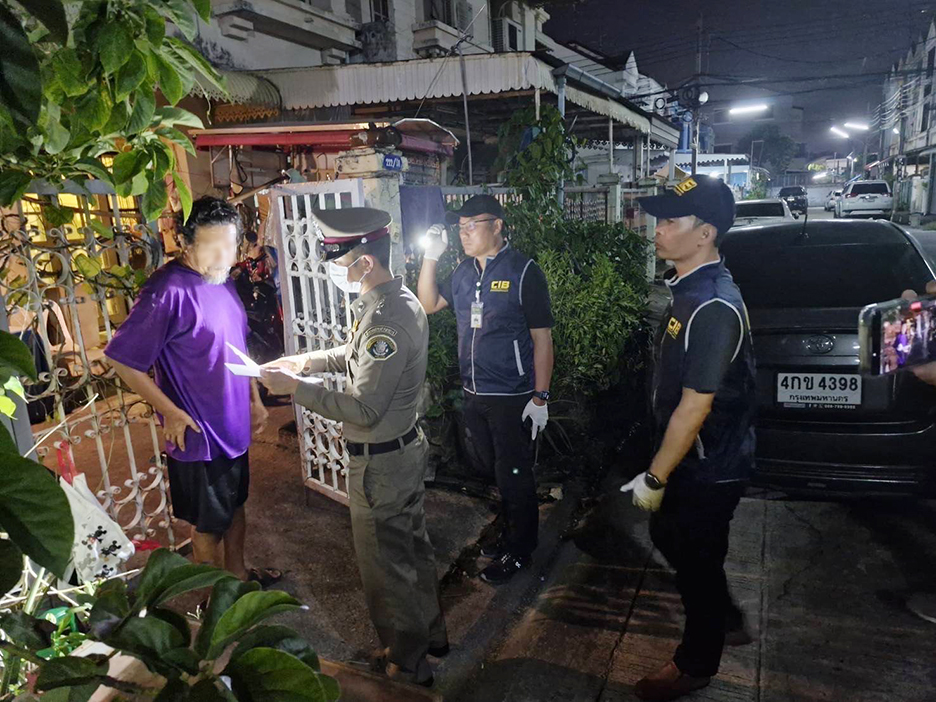
Chalee Meepra was apprehended at his residence in Bang Rak Pattana subdistrict, where authorities discovered the tiger remains. He faces charges of “possession and trading of protected wildlife specimens without proper authorization.”

tiger arrested1
Natural Resources and Environmental Crime Division officers arrest a 60-year-old man in connection with illegal wildlife trafficking at his residence in Bang Bua Thong district, Nonthaburi province on Nov. 23, 2024.

The arrest comes as part of a broader international cooperation initiative between the United States Fish and Wildlife Service (USFWS), Thailand’s Central Investigation Bureau, the Wildlife Justice Commission (WJC), and the Department of National Parks, Wildlife and Plant Conservation.

This joint operation targets transnational wildlife trafficking networks in Southeast Asia under the US Fish and Wildlife Service Southeast Asia project.

During interrogation, Meepra confessed that the specimens were Sumatran tigers obtained from Indonesia approximately 40 years ago. He admitted to attempting to sell the carcasses, initially asking for 900,000 baht ($25,000) before negotiating down to 200,000 baht ($5,700) due to financial difficulties.

tiger arrest3
Natural Resources and Environmental Crime Division officers seize three complete tiger carcasses and brought them to Bang Bua Thong Police Station in Nonthaburi province on Nov. 23, 2024.

This case follows a recent significant arrest where authorities apprehended a 35-year-old suspect in Nakhon Sawan Province on November 19, seizing various wildlife products including tiger skins, handbags, wallets, and bear claw keychains. That suspect had been operating an online business selling products made from illegally sourced wildlife parts, primarily from Cambodia, for several years.

The case has been transferred to Bang Bua Thong Police Station for further legal proceedings as authorities continue their crackdown on wildlife trafficking in the region.

_____

Related news:

Advertisement

Laos Government Pledges Justice in Mass Alcohol Poisoning Case that Has Killed 6 Tourists

Poisoning
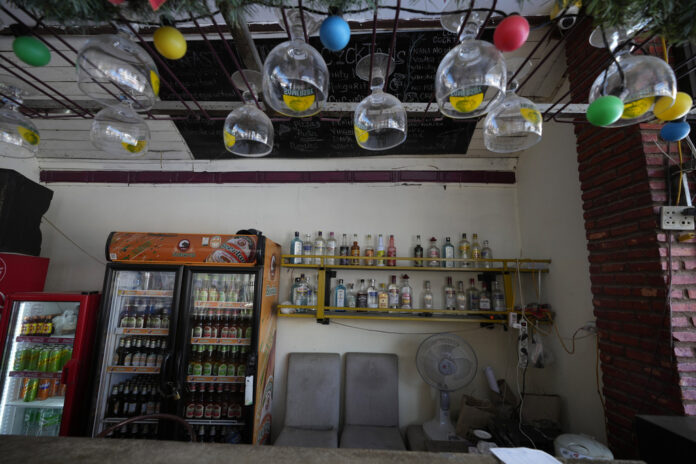
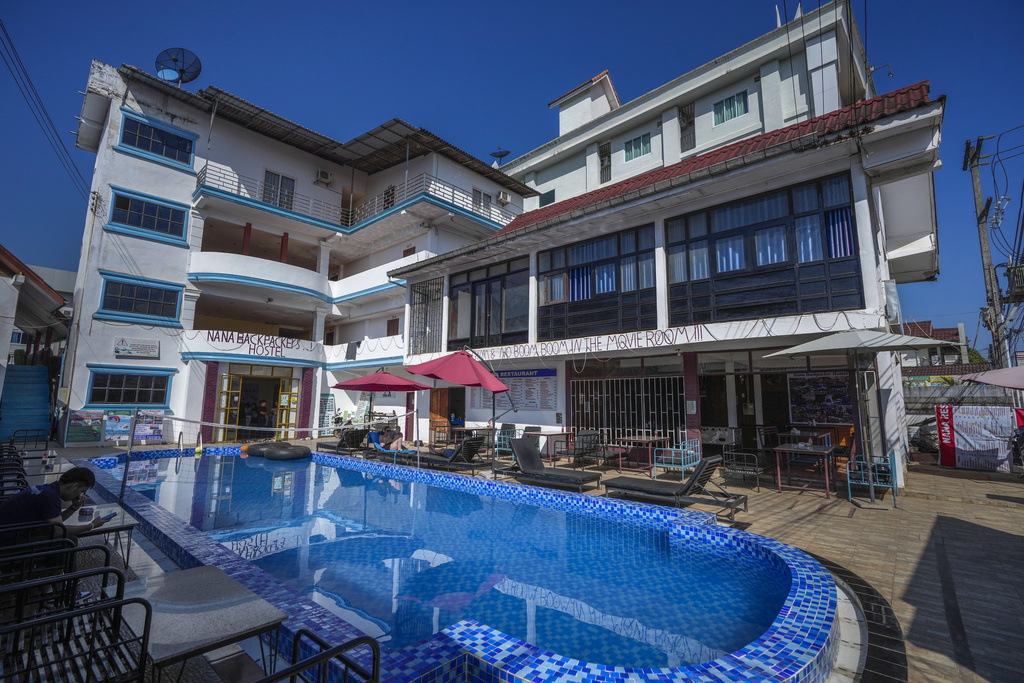
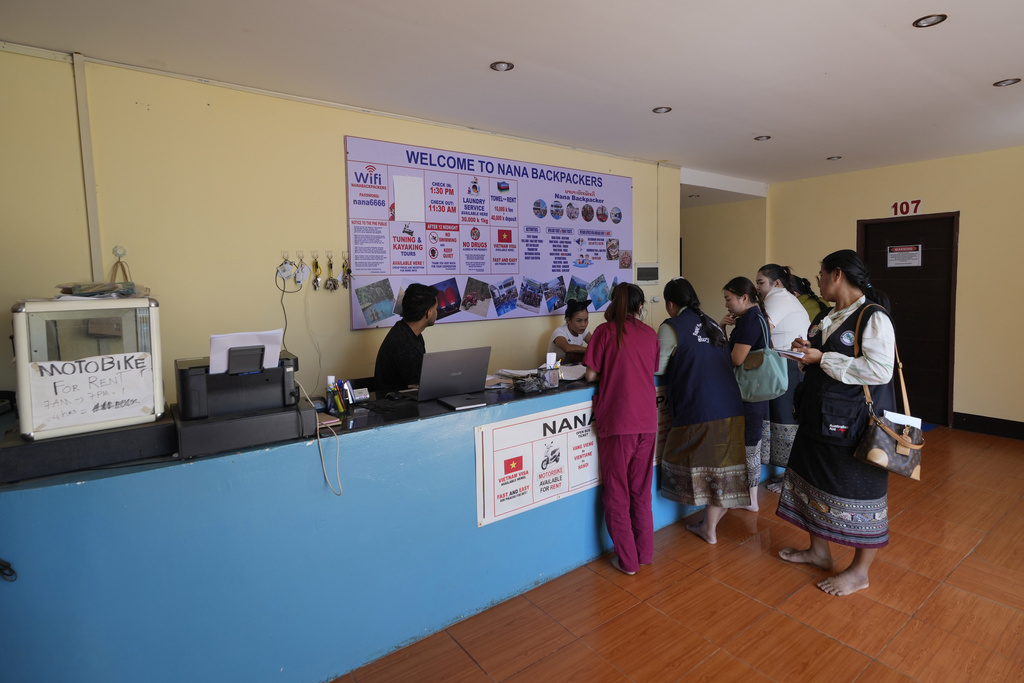
The empty bar of Nana Backpackers hostel in Vang Vieng, Laos, Friday, Nov. 22, 2024. (AP Photo/Anupam Nath)

VANG VIENG, Laos (AP) — The Laotian government on Saturday officially acknowledged the mass poisoning that has killed at least six tourists, promising it would bring perpetrators to justice.

Two Australian teenagers and a British woman died from suspected methanol poisoning after drinking tainted alcohol in Laos. An American man and two Danes also died, though their exact causes of death have not been released. A New Zealander also has been sickened.

In a short statement released to the media, the Lao government said it was “profoundly saddened over the loss of lives of foreign tourists” in the town Vang Vieng and offered its condolences to the families of the victims.

“The Government of the Lao PDR has been conducting investigations to find causes of the incident and to bring the perpetrators to justice in accordance with the law,” it said.

AP24327334549676
A foreign tourist couple rest near a swimming pool at Nana Backpackers hostel in Vang Vieng, Laos, Friday, Nov. 22, 2024. (AP Photo/Anupam Nath)

Laos is a one-party communist state with no organized opposition and the government keeps a tight lid on information. In this case, officials have released almost no details. The police have said they detained a number of people but refused to provide further information.

Details have been murky over the number of tourists affected and the possible source of the methanol-laced drinks.

Methanol is sometimes added to mixed drinks at disreputable bars as a cheaper alternative to ethanol, but can cause severe poisoning or death. It is also a byproduct of poorly distilled homebrew liquor, and could have found its way into bar drinks inadvertently.

The U.S. State Department on Friday issued a health alert for citizens traveling in Laos, warning of “suspected methanol poisoning in Vang Vieng, possibly through the consumption of methanol-laced alcoholic drinks,” following similar alerts from other countries whose citizens were involved.

AP24327394409520
Foreign tourists ride on boat in a river in Vang Vieng, Laos, Friday, Nov. 22, 2024. (AP Photo/Anupam Nath)

Nineteen-year-old Australians Bianca Jones and Holly Bowles died in Thai hospitals on Thursday and Friday respectively after being evacuated from Laos for emergency treatment. Thai authorities confirmed that Jones had died by “brain swelling due to high levels of methanol found in her system.”

Both were found sick in their room at the Nana Backpacker Hostel on Nov. 13 after they failed to check out as planned.

The U.K. Foreign Office named 28-year-old British woman Simone White as another of the victims.

Landlocked Laos is one of Southeast Asia’s poorest nations and a popular tourist destination. Vang Vieng is particularly popular among backpackers seeking partying and adventure sports.

______

Jintamas Saksornchai reported from Bangkok.

Advertisement

Singaporean Man Blacklisted After False Bomb Threat at Bangkok Airport

false bomb
A Singaporean man, seated in a wheelchair, is questioned by Don Mueang Police investigators after his arrest on November 22, 2024 for making a false bomb threat call at Don Mueang Airport.

BANGKOK — A Singaporean man has been arrested and faces deportation after making a false bomb threat at Bangkok’s Don Mueang International Airport, citing family-related stress as the motivation for his actions.

The incident, which occurred on Thursday, caused significant disruption when the suspect called in a bomb threat targeting an Air Asia aircraft that was taxiing for takeoff at 2:47 p.m. Police Lieutenant General Choengron RimPadee, Commander of Immigration Division 2 and spokesman for the Immigration Bureau, confirmed that the suspect, identified only as Mr. Ho, was apprehended at the airport’s passenger terminal around 7:00 p.m. on November 22.

singapore donmueang1
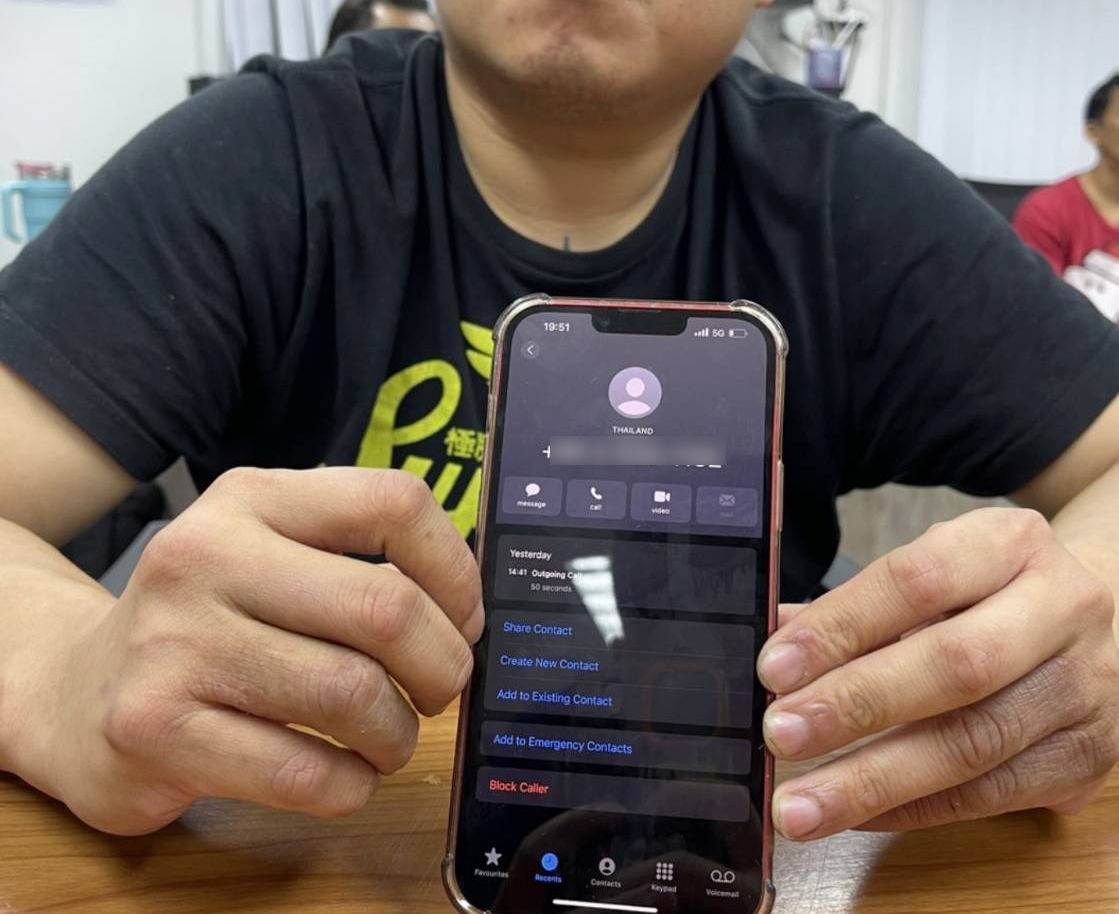
The Singaporean suspect shows his phone while confessing to making the disruptive call to Don Mueang Airport at 14:41 on November 21, 2024.

According to immigration officials, Mr. Ho, who had overstayed his visa by 28 days, was tracked down through his phone signal within the airport premises. Upon arrest, he confessed to making the false threat, attributing his actions to stress from family problems.

The incident on November 21 caused significant disruption to Flight FD 3114, bound for Hat Yai, affecting 162 passengers and six crew members. Airport security implemented emergency protocols, requiring all passengers to disembark for screening while the aircraft underwent a thorough security check. The emergency protocols were finally lifted at 7:30 p.m.

Mr. Ho entered Thailand using an APEC Business Travel Card and had previously made several trips to the country without any criminal record. However, he now faces severe legal consequences under Thailand’s Air Navigation Act of 2015. The law stipulates that making false statements causing panic at airports or during flights carries penalties of 5-15 years imprisonment and fines ranging from 200,000 to 600,000 baht (approximately $5,700-$17,100).

singapore donmueang2
A Singaporean man, seated in a wheelchair, is questioned by Don Mueang Police investigators after his arrest on November 22, 2024 for making a false bomb threat call at Don Mueang Airport.

“Following his prosecution and completion of any sentence, Mr. Ho will be deported and permanently blacklisted from entering Thailand,” stated Police Lieutenant General Choengron. He added that the suspect might face additional civil lawsuits from Don Mueang Airport, the airline, and affected passengers for damages incurred.

The Immigration Bureau issued a stern warning to both Thai nationals and foreigners, emphasizing that such pranks carry severe consequences, including criminal charges, imprisonment, and substantial civil liabilities.

“The cost of such irresponsible actions extends far beyond any momentary amusement,” concluded the Immigration spokesman. “Perpetrators face not only criminal penalties and imprisonment but also responsibility for extensive civil damages.

_______

Advertisement

AOT Refunds King Power $5.6 Million for Reclaiming Suvarnabhumi Area

Duty-Free
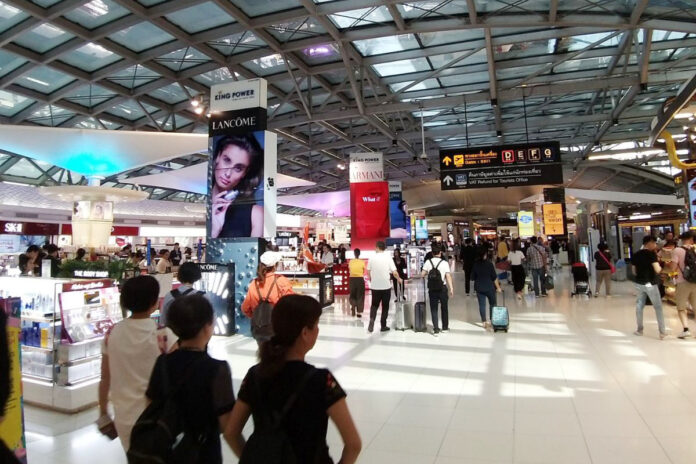
Duty-free shops at Suvarnabhumi Airport

BANGKOK — Airports of Thailand (AOT) has approved a refund of $5.6 million or 193 million baht to King Power Suvarnabhumi after King Power Suvarnabhumi gave up commercial land to facilitate the expansion of Suvarnabhumi Airport’s passenger terminal planned for 2021. King Power has agreed not to seek compensation, interest or additional costs.

On November 21, 2024, Airports of Thailand Public Company Limited (AOT) announced to the Stock Exchange of Thailand its decision to proceed with the construction of the eastern expansion of Suvarnabhumi Airport’s passenger terminal.

As part of this project, part of the area outside the east side of the terminal will be reclaimed, on the second floor, where the former “City Garden” (later Food Stop) was located. This area was previously occupied by King Power Suvarnabhumi Co, Ltd (KPS) under a concession agreement for the operation of retail and service activities.

The concession agreement, which runs from September 28, 2020 to March 31, 2033, was partially affected by AOT having to reclaim the land. After King Power received formal notice from AOT, the company relinquished the specified acreage on July 30, 2021.

Duty-Free
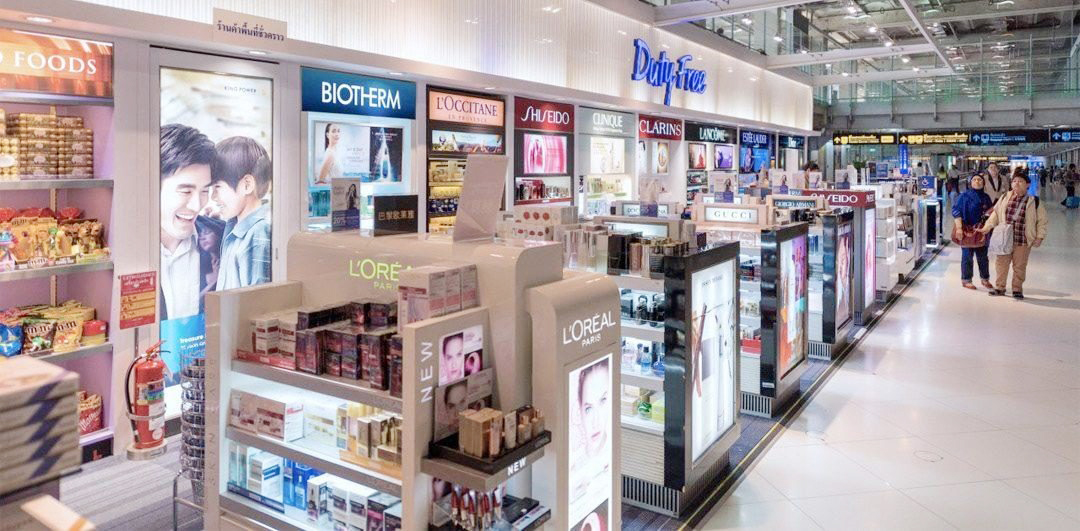
Duty-Free shops

King Power then applied for a replacement space of the same size in the domestic terminal to continue its catering operations for passengers and visitors. However, AOT was unable to allocate a sufficiently large replacement space due to the current capacity restrictions.

At AOT’s board meeting on November 21, 2024, the board approved the reclamation of approximately 1,257,560 square meters from King Power’s operations at Suvarnabhumi Airport, representing 4.97 percent of King Power’s total concession area at the airport (25,307,260 square meters). The reclaimed space would be used for the construction of the eastern expansion, which would take effect retroactively from July 30, 2021.

As part of the agreement, AOT will reimburse King Power 193.08 million baht. This is the minimum compensation for the second year of the agreement (April 1, 2023 – March 31, 2024) based on the reduced operating area. King Power has confirmed that it will not claim any further damages, interest or costs in connection with the reimbursement.

keerati
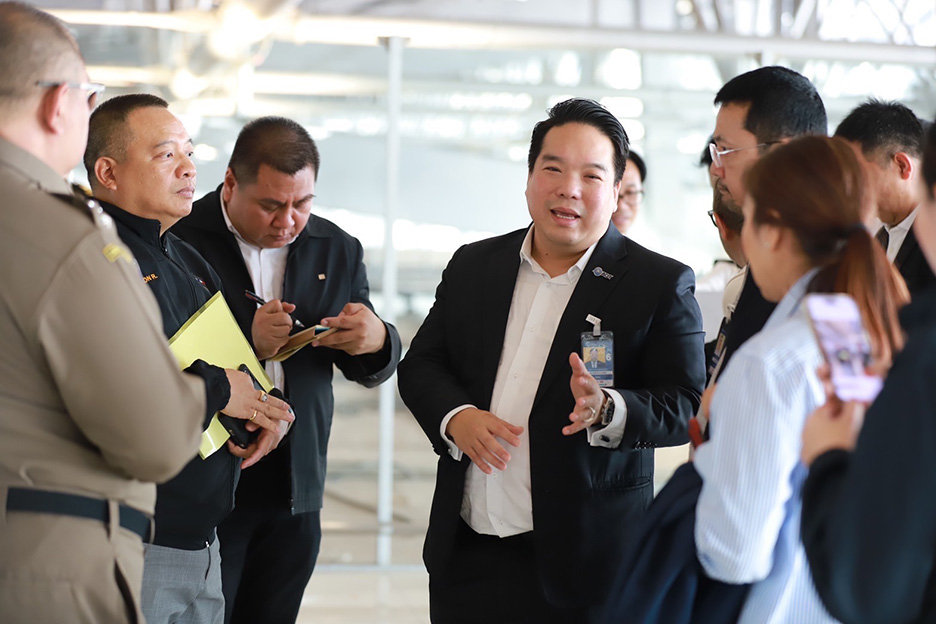
Keerati Kitmanawat, President of Airports of Thailand Public Company Limited (AoT), together with Pol. Maj. Gen. Cherngron Rimpadee, Commander of Immigration 2, inspect the services of Suvarnabhumi Airport on February 25, 2024.

AOT Net Profit Surges 118%

Meanwhile, Dr. Kirati Kitmanawat, CEO of AOT, summarized the company’s financial performance for the financial year ending September 2024. AOT reported a net profit of 19.18 billion baht ($556 million), an increase of 118.21 percent, or 10.39 billion baht ($301 million) from the previous year.

Total revenue rose to 67.83 billion baht ($1.96 billion), an increase of 40.01 percent due to a 39.43 percent increase in revenue from sales and services. This included aviation-related revenue of 31.00 billion baht, up 8.73 billion baht (39.23 percent), and non-aviation-related revenue of 36.12 billion baht, up 10.25 billion baht (39.60 percent) from the previous year.

Total expenditure reached 40.52 billion baht ($1.17 billion), an increase of 18.33 percent (6.28 billion baht). However, the growth rate of expenditure was lower than the increase in revenue, so the ratio of expenditure to revenue decreased from 70.08 percent in the previous year to 59.71 percent, reflecting improved operational efficiency.

____________

Advertisement

1,000 Nissan Employees in Thailand To Be Let Go or Relocated

nissan
File Photo / Nissan / Matichon

TOKYO  — Around 1,000 employees of Nissan Motor Co. in Thailand are expected to be let go or relocated by fall 2025, with the Japanese automaker grappling with a downturn in profits, an industrial source said Friday.

The move is in line with a pledge that Japan’s third-largest car company has made to cut its global workforce by about 7 percent, or 9,000 employees, by fiscal 2026 ending in March 2027, the source said.

Although Japanese carmakers have long dominated the market in Thailand, they have been facing a decline in sales as electric vehicles made by Chinese manufacturers gain a stronger foothold.

Nissan, previously led by Carlos Ghosn who was sent by France’s car producer Renault, has experienced a steep slide in sales in Thailand in recent years, reporting a 29.7 percent drop from a year earlier to 14,224 vehicles in fiscal 2023.

In Thailand, Nissan’s factories have produced four models for the domestic market and for export, such as its Kicks compact sports utility vehicle. The Japanese carmaker has been reviewing its operations in recent years.

On Thursday, Nissan said it projects some 6 percent, or around 1,000, of its employees in the United States will retire early by the end of the year.

Advertisement

Second Australian Teen Dies in Tainted Alcohol Case in Laos that Has Killed 6 Tourists

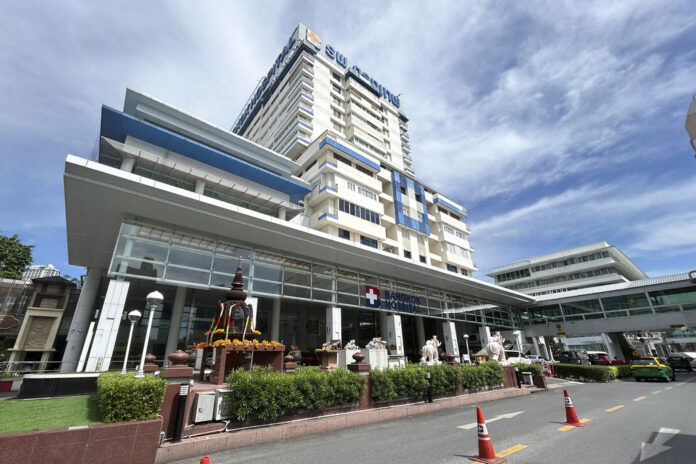
This photo shows the exterior of Bangkok Hospital, in Bangkok, Thailand, Thursday, Nov. 21, 2024. (AP Photo/Sakchai Lalit)

VANG VIENG, Laos (AP) — A second Australian teenager who fell critically ill after drinking tainted alcohol in Laos has died in a hospital in Bangkok, her family said Friday, bringing the death toll in the mass poisoning of foreign tourists to six.

Holly Bowles, 19, had been in critical condition on life support following the poisoning in Laos more than a week ago.

“We are so sad to say that our beautiful girl Holly is now at peace,” her family said in a statement sent to Australian Network 10 and other Australian media. “We find comfort and solace in knowing that Holly brought so much joy and happiness to so many people.”

An officer at Vang Vieng’s Tourism Police office, who refused to give his name, told The Associated Press on Friday that a “number of people” had been detained in the case but that no charges have yet been filed. Staff at the Nana Backpacker Hostel, which was still operating but not accepting new guests, confirmed that the manager and owner were among those taken in for questioning.

AP24327329063347
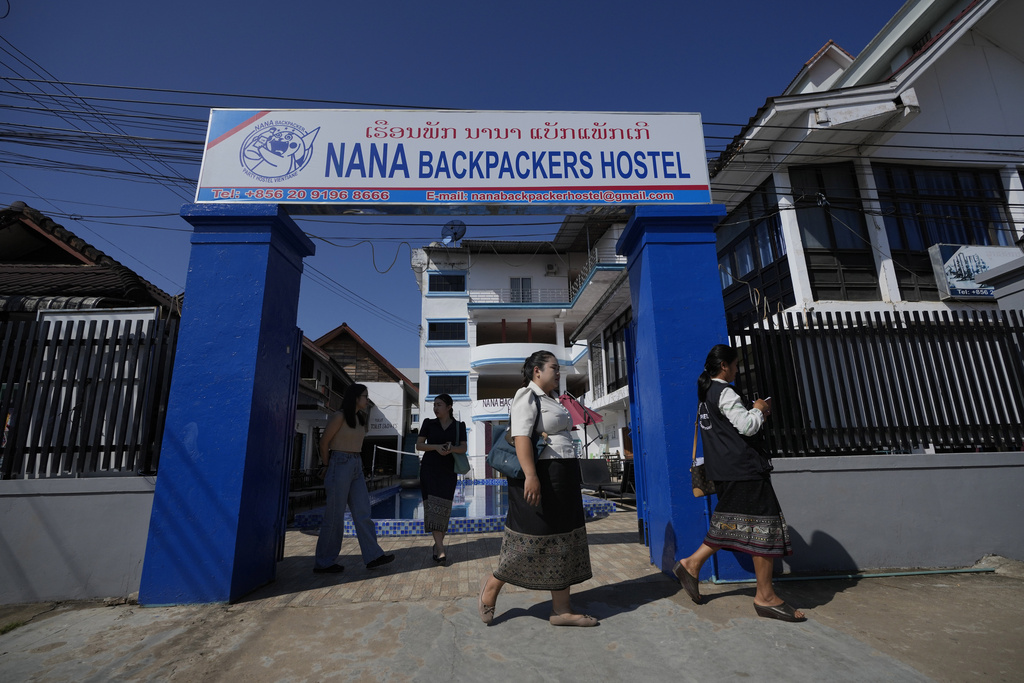
Health officials come out of Nana Backpackers hostel after checking documents in Vang Vieng, Laos, Friday, Nov. 22, 2024. (AP Photo/Anupam Nath)

Tourist police offices are common in Southeast Asia and are set up specifically to help with incidents involving tourists and other foreigners.

The U.S. State Department on Friday issued a health alert for citizens traveling in Laos, warning of “suspected methanol poisoning in Vang Vieng, possibly through the consumption of methanol-laced alcoholic drinks,” following similar alerts from other countries whose citizens were involved.

Australia’s prime minister announced Thursday that a 19-year-old citizen, Bianca Jones, had died in a Thai hospital where she had been evacuated for emergency treatment, and that her friend — Bowles — remained in a hospital “fighting for her life.” A 28-year-old British woman, Simone White, also died from suspected methanol poisoning in Laos, the British Foreign Office said.

AP24327331797565
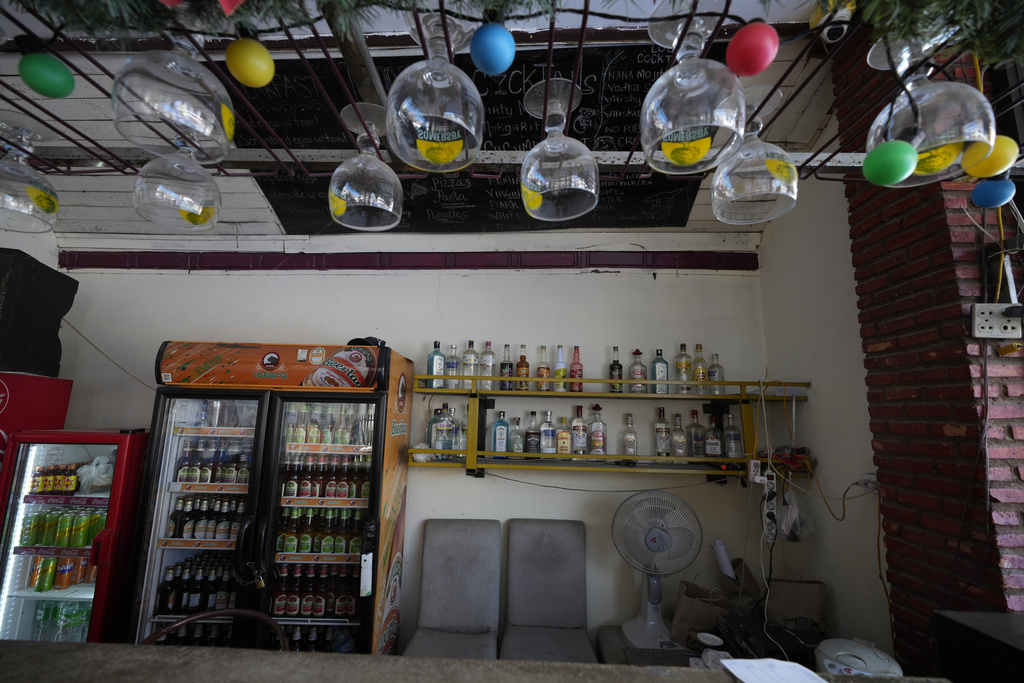
The empty bar of Nana Backpackers hostel in Vang Vieng, Laos, Friday, Nov. 22, 2024. (AP Photo/Anupam Nath)

An American and two Danish tourists also died, though specifics about the causes of death have not been released.

New Zealand’s Foreign Ministry said one of its citizens was sickened in Laos and was a possible victim of methanol poisoning.

Laos is a one-party communist state with no organized opposition and the government keeps a tight lid on information. In this case, officials have released almost no details.

The Foreign Ministry has refused to comment, and in Vang Vieng the small hospital where some of the victims are believed to have been treated initially referred all questions to the town’s health office on the hospital grounds. The town health officials refused to comment, saying they lacked proper permission.

Methanol is sometimes added to mixed drinks at disreputable bars as a cheaper alternative to ethanol, but can cause severe poisoning or death. It is also a byproduct of poorly distilled homebrew liquor, and could have found its way into bar drinks inadvertently.

Landlocked Laos is one of Southeast Asia’s poorest nations and a popular tourist destination. Vang Vieng is particularly popular among backpackers seeking partying and adventure sports.

AP24327328353819
Health officials check documents and ask questions to Nana hostel employees in Vang Vieng, Laos, Friday, Nov. 22, 2024. (AP Photo/Anupam Nath)

Neil Farmiloe, a New Zealander who owns the Kiwi Kitchen restaurant in town, said a lot of his customers were very worried about the incident.

“I think it’s never happened before, so it is hopefully just a one-off incident,” said Farmiloe, who has lived in Vang Vieng for 20 years. “It’s very sad all around. I’m sure nobody intended to cause injury, but it’s happened.”

The two 19-year-old Australian women who have both now died fell ill on Nov. 13 following a night out drinking with a group.

They failed to check out from the Nana Backpacker Hostel as planned and were found sick in their room and then taken to Thailand for emergency treatment.

Thai authorities confirmed that Jones had died by “brain swelling due to high levels of methanol found in her system.”

Duong Duc Toan, the manager of the Nana Backpacker Hostel, told the AP the day before he was detained that the two women had joined other guests for free shots of Laotian vodka before heading elsewhere and returning in the early hours of the morning.

___

David Rising reported from Bangkok.

Advertisement

eSims Are Now Available in Thailand

Streamline Your Phone Service with an eSim in Thailand 

Alt Tag: a busy woman in an airport talks on the phone.

Now, a new, convenient alternative to SIM cards is becoming a popular and easy choice. The eSIM, offered by True, is now available in Thailand for phones, tablets and smartwatches.

What’s an eSIM?

An eSim is a virtual, digital sim card. Phones equipped with eSim technology can have up to six different numbers on one eSim from True in Thailand. The numbers can be any combination of pre-paid and post-paid plans, and you can switch between numbers with just a tap of your screen.

What’s the Advantage of Having an eSIM?

Consider a businessperson who travels to several different countries regularly every month. Before eSIMs streamlined and simplified their lives, they would carry around a variety of SIM cards and constantly fumble for the correct one, depending on which country they were in. 

This would invariably lead to missed calls and frustration from clients who need to reach them. 

With eSIM technology, they can simply throw their collection of SIM cards away. The eSIM replaces all of them and provides users with a streamlined service that allows them to switch between numbers quickly and easily. You simply tap your phone screen to change to a new number. 

This can save on inadvertent roaming charges and the need to rely on spotty internet-based communication at times. With six numbers to choose from, you’ll always be well-connected with the people who are important in your life. 

Setting Up an eSIM is Simple

True makes it simple to set up your eSIM in Thailand for devices that support eSIM Technology. There are just six simple steps involved. 

Step 1: go to your settings screen and select Cellular.

Step 2: tap on Add eSIM in the cellular menu. 

Step 3: Select Use QR Code.

Step 4: Scan the QR code you received via email or saved on your device. 

Step 5: Tap on Continue. 

Step 6: Your new eSIM has been added to your phone.

You’re still free to use your existing sim cards with an eSIM. True dtac customers can switch their SIM cards to an eSIM at any True shop across Thailand. True customers can change to an eSIM themselves by using the True iService App.    

Sign Up for an eSIM Today

With no service fees for using an eSIM, there’s no reason not to enjoy the freedom and convenience of having up to six numbers with you wherever you go. The list of supported devices taking advantage of the streamlined connectivity of an eSIM is growing. Currently, Apple, Samsung, Huawei, Oppo and Motorola all have a variety of devices that provide you with the freedom of using an eSIM, and the list of brands and models is growing!

So, what are you waiting for? Join the next wave of communications technology by getting an eSIM in Thailand from True. 

Advertisement

AIS 5G Extends Seaside Coverage Ahead of High Season

AIS reinforces its position as the #1 leader with its SEA COVERAGE intelligence network, covering over 95% of the southern population’s area, and ready to handle the expected surge in usage during the year-end and high season for tourism in the southern region. The network also integrates cutting-edge technology to elevate its digital infrastructure and cater to various sectors, including government, services, fisheries, tourism, hospitality, restaurants, and both local and international tourists.

image3 23

Kitti Ngarmchatetanarom, Chief Technology Officer AIS, stated, “Our mission is to develop digital infrastructure in the southern region that is deep, high, wide, and far, connected to the Ecosystem Economy in all aspects. This means every square meter covered by the AIS signal network not only facilitates digital communication but also supports the growth of the southern economy, including tourism, services, tour businesses, hotels, ferry services, yacht and speedboat operators, restaurants, and even the coastal and deep-sea fisheries industries.”

image2 26

Paiboon Rinsakun, Head of Regional Operations – South AIS, added, “AIS has successfully improved service quality, network reliability, and SEA COVERAGE (both the Gulf of Thailand and Andaman coasts), covering coastal areas, islands, and sea routes—by land, sea, and air. We’ve designed our network architecture to continuously expand coverage while integrating signal transmission systems, technological innovations, and renewable energy to address the unique challenges of geographical features from coastal areas to the middle of the sea.”

Today, AIS’s 5G and 4G networks cover more than 95% of southern Thailand, with a focus on key tourist destinations recognized worldwide, such as Ratchaprapa Dam in Surat Thani, Maya Bay in Krabi, and Surin Islands National Park in Phang Nga. These efforts aim to meet the needs of tourists who wish to take photos, videos, and create content to share in real-time on social media.

image5 9

image4 14

“To welcome both Thai and international tourists visiting southern Thailand’s natural wonders during the high season, we confirm that AIS SEA COVERAGE will ensure optimal usage. We believe that AIS’s robust digital infrastructure will be a driving force to support the recovery and growth of the tourism sector and contribute to the sustainable growth of the ocean economy,” Kitti concluded.

Advertisement

Hot News

LATEST NEWS

Bangkok
overcast clouds
31.5 ° C
31.6 °
29.9 °
56 %
3.3kmh
89 %
Fri
31 °
Sat
33 °
Sun
32 °
Mon
32 °
Tue
33 °